Spent lithium EV batteries get 95% power back with new chemical bath | Mrigakshi Dixit, Interesting Engineering
Cornell team uses Direct Electrode-to-Electrode Regeneration (DEER) to recycle critical minerals in batteries.
The life cycle of an electric vehicle battery has been a violent, one-way street. When a battery dies, the industry routinely tears it apart to access the parts that matter. High-tech recyclers either blast the dead cells in extreme-heat furnaces or grind them into a powdery substance known as “black mass” before drenching them in harsh, corrosive acids.
It is an expensive, carbon-intensive, and messy way to extract scarce minerals like nickel and cobalt. But what if you didn’t have to destroy a dead battery just to rebuild it?
Researchers at Cornell University have developed a way to overcome the destruction altogether. Rather than smashing the battery, the method turns to chemical washing.
In this, intact components were immersed in a specialized electrochemical bath to restore 95 percent of the dead batteries. Plus, this method could cut recycling manufacturing costs by 56 percent.
“We repair them, as is, without shredding or powdering them, and then put them back into a new battery,” said Vibha Kalra, the Fred H. Rhodes Professor of Chemical Engineering in the Cornell Duffield College of Engineering.
“The dissolution is basically what helps the battery recover its capacity. It shows 95 percent recovery. So we are shortening the circularity loop immensely,” added Kalra.
Cost-saving battery fix
To understand how it works, look at what actually happens when a battery dies.
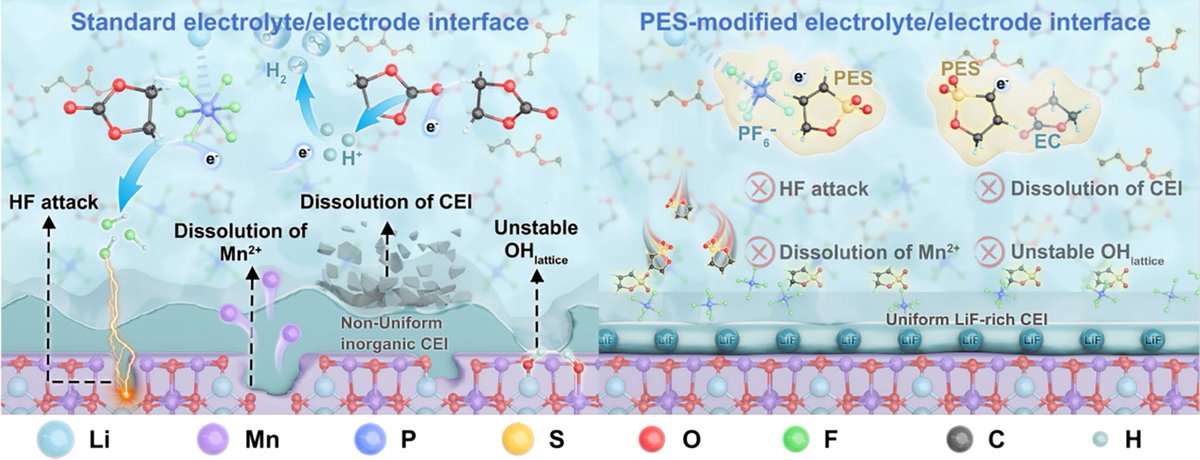
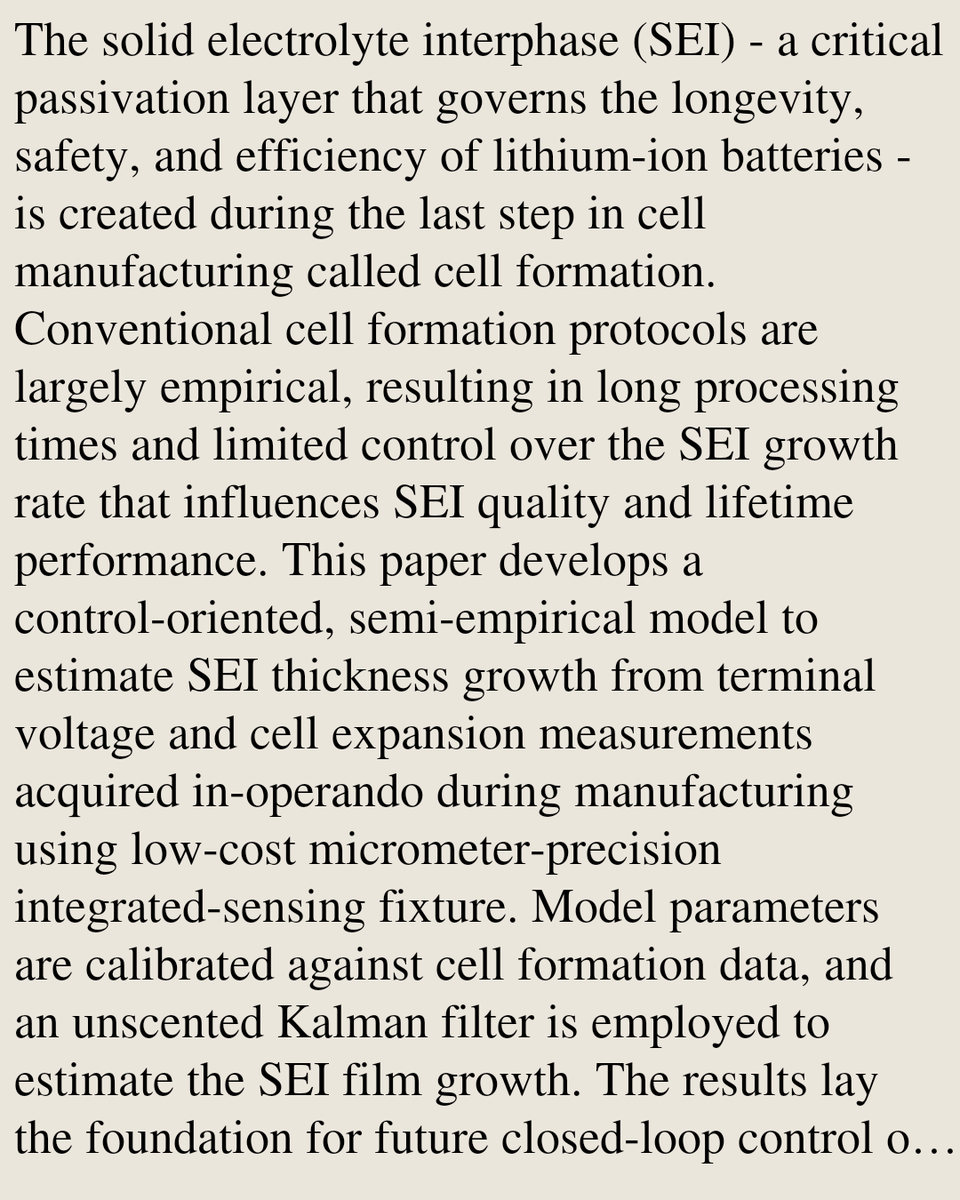
Batteries don’t usually run out of minerals. But, as electricity flows back and forth between the positive and negative sides, a thick, crusty layer of gunk gradually builds up inside the cell.
Engineers call this the solid electrolyte interphase. The materials are all still there, but the energy can no longer flow. Standard recycling destroys the whole part just to clean it.
Cornell’s method, called Direct Electrode-to-Electrode Regeneration (DEER), is far gentler.
Workers open the casing and pull out the battery’s core parts — the electrodes — while these are still completely intact. Then the parts are submerged into a chemical solution called 1,3-dimethyl-2-imidazolidinone. The liquid targets the gunk. It dissolves the insulating buildup, leaving the delicate internal structures perfectly preserved.
The process cuts down air pollution and slashes industrial water consumption.
The growing demand
At this moment, the world is grappling with disruptions to global supply chains for essential battery ingredients. The United States currently possesses very few domestic reserves of the critical minerals required to build modern batteries.
US depends mostly on complex, foreign supply chains to import materials. It also lacks the massive infrastructure needed to refine raw materials or rebuild crushed battery powder from scratch; domestic recycling has lagged.
“When these lithium-ion batteries came about, nobody was thinking about how these minerals are limited on the Earth’s crust, and you cannot make them forever,” Kalra said. “In recent years, people are realizing you can’t just keep making batteries, because you don’t have enough material.”
By keeping the battery components intact, the DEER method eliminates the need for expensive, overseas refabrication. It allows the entire recycling process to happen locally, cheaply, and quickly.
The research team’s next step is to test the DEER method on larger, industrial-scale batteries and adapt the process to combat other forms of wear, such as permanent lithium loss.
Currently, the technique successfully treats batteries at a 70-80 percent state of health — the typical retirement threshold for electric vehicles. But researchers believe they can widen this recovery window by targeting these additional degradation mechanisms.
Read more:
interestingengineering.com/e…