
4DaysAgoMaserasCelebrated
ItsIconic"Tridentino"Centenary!
HappyB2DayDearMaseratiTridentino!🎂🥂🍾🎉
RememberWhatChrisReaSandManyYearsAgo...
"♫♪♫...andTheSoundOfThoseItalianEnginesAreMuchMoreTheSoundOfYou...♫♪♫"
♫ Chris Rea - Miles is a Cigarette
youtube.com/watch?v=cJFAhh62…

2
3
73

The new TLC: T-Boz, Lil Mama and white or black Michelle Williams. Cause we ain't comin' to see this mess.
#SaltNPepa #EnVogue #DJSpinderella #ItsICONIC #TheTour

1
52

Mar 23
This tour is gonna be AmazBalls!!!!!
#ItsICONIC
instagram.com/reel/DWPF5trlS…
95
27
122
23,566


3 Sep 2025
The Acropolis of Athens is a historic citadel located on a rocky outcropping above the city of Athens. According to archeological research, the earliest settlements on and around the limestone hill were established in the Neolithic Age. Few traces remain of the buildings erected by Mycenaeans and little is known of the Acropolis until 6th-5th Century BC.
A major reconstruction effort of the Acropolis began during the “Golden Age” of Athens, following the Persian Wars. It was during this period, from about 460 BC, that Athenian statesman and general Pericles pushed forward a major development of the hill. Several buildings of great architectural significance from that era remain, with the most famous being the Parthenon.
The Parthenon, which was completed in 432 BC, was dedicated to the goddess Athena, but also acted as a treasury for the Athenian Empire. The temple is considered a masterpiece of classical architecture, with itsiconic columns and intricate decorations. The friezes, which depict scenes from Greek mythology, are particularly noteworthy for their beauty and craftsmanship.
Directed by Athenian statesman Pericles, constructing the Parthenon was the work of the architects Ictinus and Callicrates under the supervision of the sculptor Phidias. According to the former coordinator of late 20th/early 21st Century restoration, Manolis Korres, builders of the Parthenon mined 100,000 tons of marble from a quarry about 10 miles from Athens. Using wagons, they conveyed blocks of marble from the quarry and up the Acropolis’s incline. The blocks were carved and trimmed by hand on-site with meticulous precision—a necessity when building without mortar. Because the Athenians were a great naval power, experts speculate that they adeptly used a system of pulleys, ropes, and wood cranes to tow and lift the marble blocks.
The careful placement of precisely cut masonry ensured that the Parthenon remained essentially intact for over two millennia. Although some of the sculptures were removed when the building was converted to a Byzantine church, the structure survived—even during its later transformation into a Roman Catholic cathedral and then a mosque. Indeed, it did not become a ruin until 1687, when, during the bombardment of the Acropolis by Venetians fighting the Turks, a powder magazine stored in the temple exploded and destroyed the centre of the building. The Venetians then inadvertently smashed several sculptures while attempting to remove them as loot, and Thomas Bruce, Lord Elgin, later brought a substantial portion of the surviving sculptures to England. After Greece gained independence from the Ottoman Empire, efforts were made to restore the building, but the campaign headed by engineer Nikolaos Balanos proved to have caused more damage, and in 1975 a multi-decade restoration began. Each salvageable piece of marble was returned to its original position, while gaps were filled with new marble from the same quarry the ancient Athenians had used. The time-consuming project lasted over 40 years.
Although Parthenon is regarded as the culmination of the Doric order, it has several Ionic elements, including the interior frieze (a sculptural band). It also embodies an extraordinary number of architectural refinements, which some experts believe were intended to correct for distortions in human vision. Among them are an upward curvature of the base, called the stylobate, along the ends and repeated in the entablature; an imperceptible delicate convexity (entasis) of the columns as they diminish in diameter toward the top; and thickening of the four corner columns to counteract the thinning effect of being seen at certain angles against the sky. Hence, the Parthenon’s look of perfection is an illusion.
🎥© simple.history_
#archaeohistories
2
28
118
9,788


27 Apr 2025
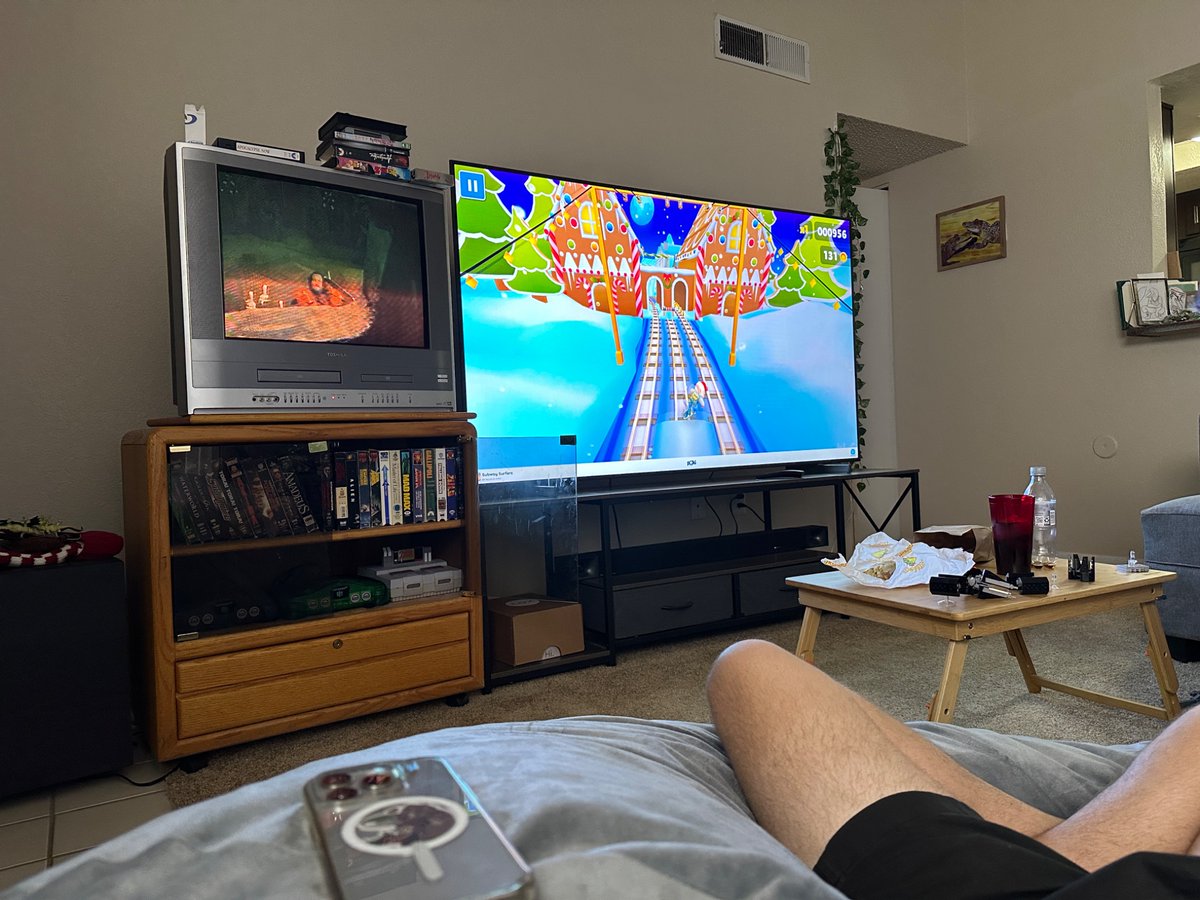
Dracula and Subway surfers… Dear god please kill me. I’m over stimmed. Someone save @itsIconic, @WishDaFennec and I.
This is all @RealAetius fault.
2
14
355

Tech Circus has rebranded, welcome to Iconic.
Iconic is a full-service event and content agency that specialises in working with forward-thinking brands to attract targeted audiences through the power of thought leadership and content.
itsiconic.com
#itsiconic #rebrand #launchday
1
1
3
143

6 Dec 2023
#np @KanyekiRock - Murata on @thesurgeke @iconradioke . Streaming now on iconradio.co.ke
#AfroPunkQueen #thesurgefreshman #maxxjones #letsrock #thesurge #iconradio #iconradioke #itsiconic
3
4
133
6 Dec 2023
#np Aniuan - Fire on @thesurgeke @iconradioke . Streaming now on iconradio.co.ke
#AfroPunkQueen #thesurgefreshman #maxxjones #letsrock #thesurge #iconradio #iconradioke #itsiconic
2
2
60
6 Dec 2023
I swear @djmaxxjones is my spirit animal 🤩. #np Powerslide ft Djae - Happy? on @thesurgeke @iconradioke . Streaming now on iconradio.co.ke
#AfroPunkQueen #thesurgefreshman #maxxjones #letsrock #thesurge #iconradio #iconradioke #itsiconic
1
3
4
219

6 Mar 2023
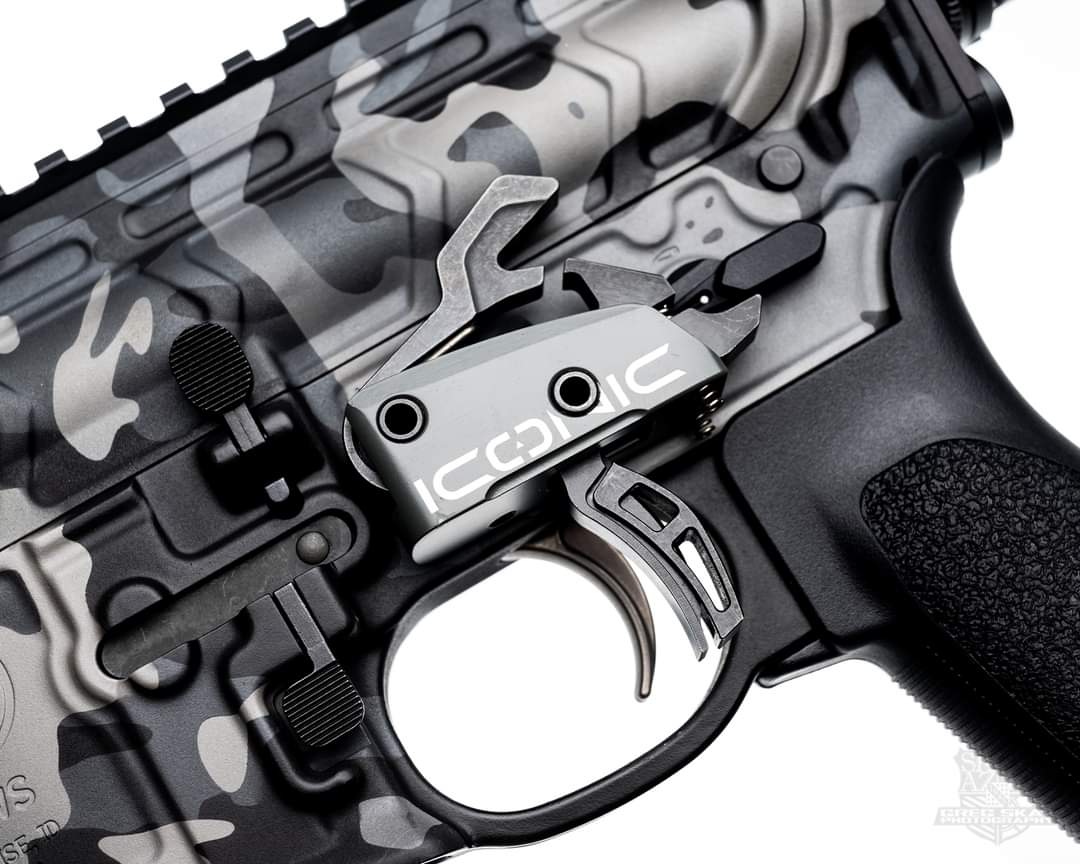
🔥🔥🔥 Hot from @Risearmament! 🔥🔥🔥
Ditch that milspec trigger!
Photo by Greg Skaz Photography
#Risearmament #itsiconic #AZWS #Shootingforum #2ADefenders
1
13
50
2,748

3 Jan 2023
For absolute smooth Afro Music tune into #afrogroove with @NyokabiKimari now on iconradio.co.ke and youtu.be/fhxVdLzQG7o
#iconradio #iconradioke #afrogroove #nyokabikimari #afromusic #itsiconic

1
3
362
8 Nov 2022
🌐 iconradio.co.ke
▶️ ICON RADIO KE YouTube channel (link in bio)
Producer: @KuntanaKinte
🎥: @kelvinnyaga1
.
.
.
#thebreakfastjam #soulfultuesday. #afropunkqueen #requesthour #iconradio #iconradioke #iconoftheday #itsiconic
1
2
2 Nov 2022
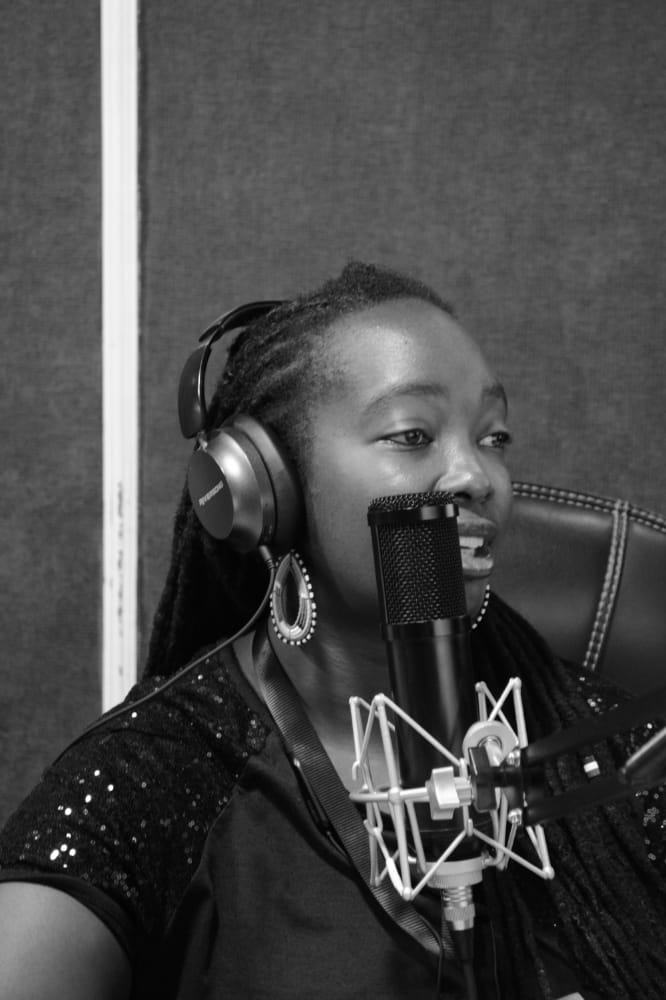
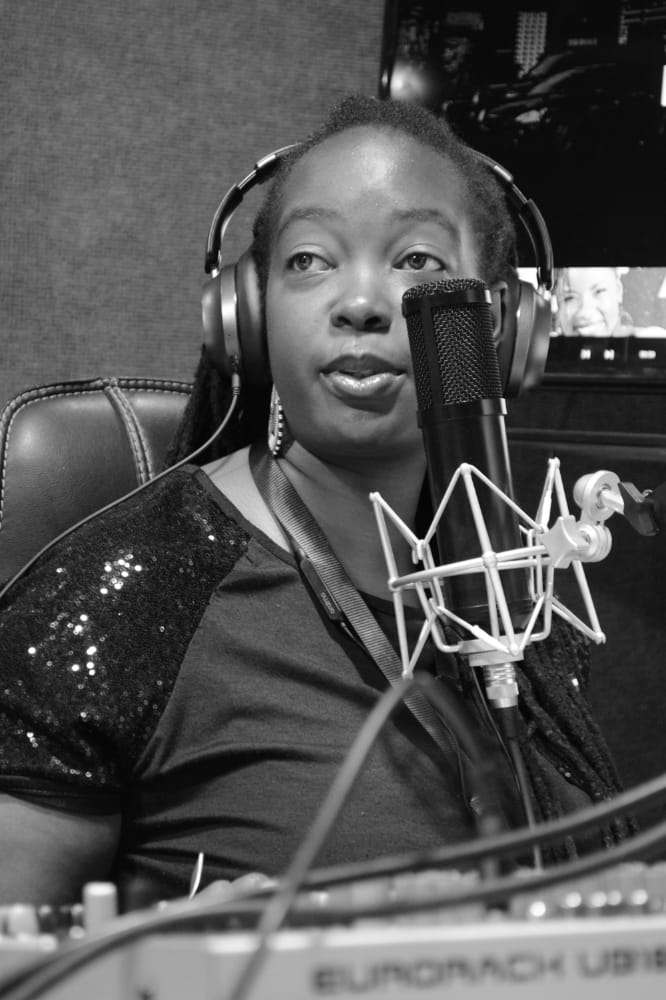
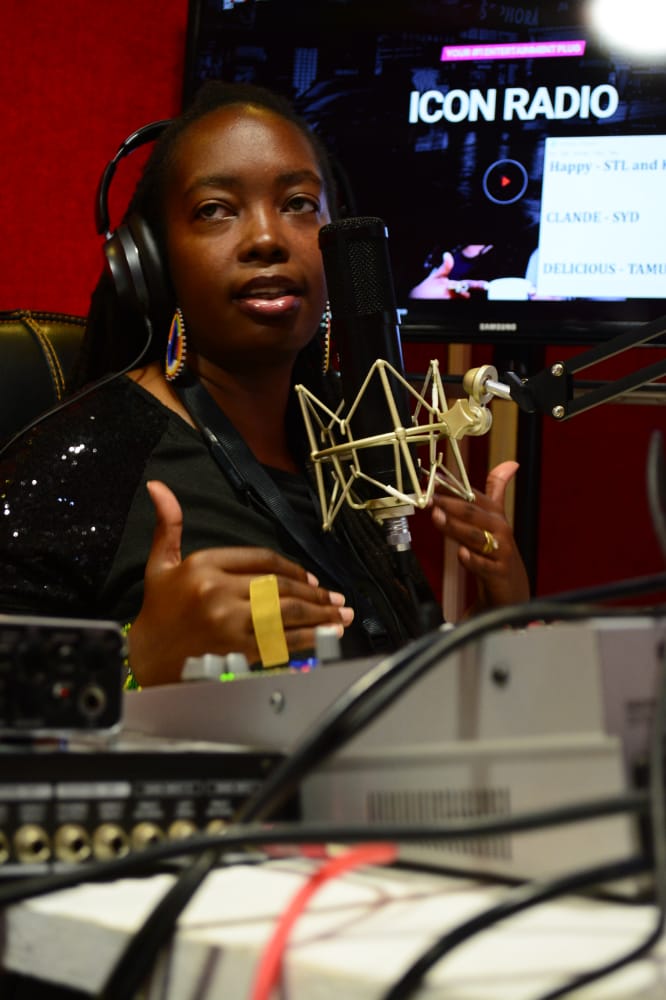
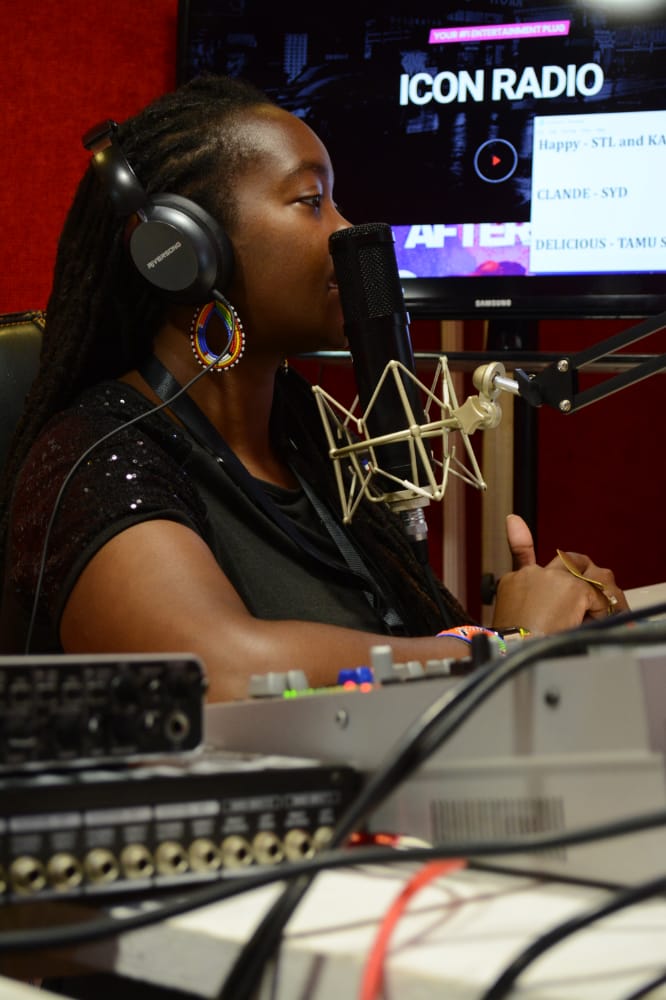
It's a #dancehallwednesday🇯🇲 request hour on The Breakfast Jam.
You control the playlist💃🏽💃🏽💃🏽 ... Hit us up on 254 788 380030
iconradio.co.ke / youtube.com/@iconradioke
📸 @kelvinnyaga1
.
.
#thebreakfastjam #requesthour #throwback #iconradio #iconradioke #itsiconic
3
1 Nov 2022
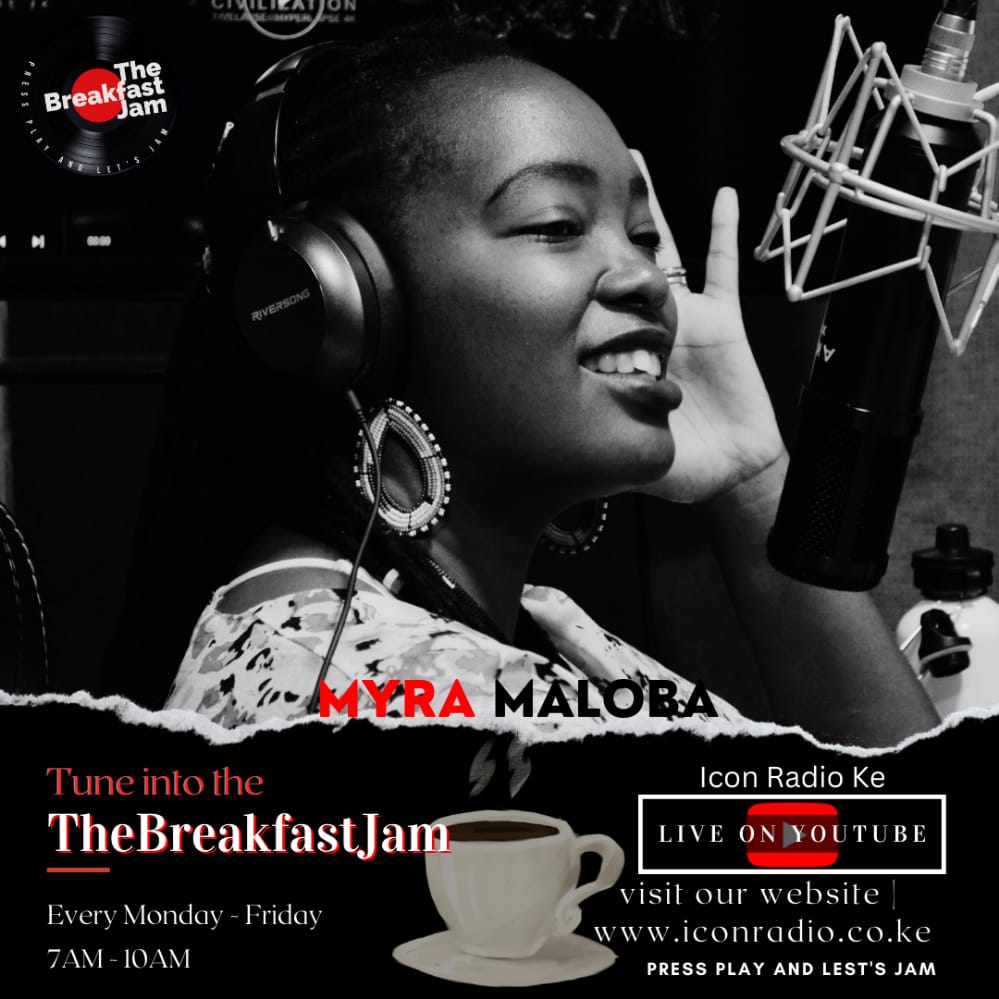
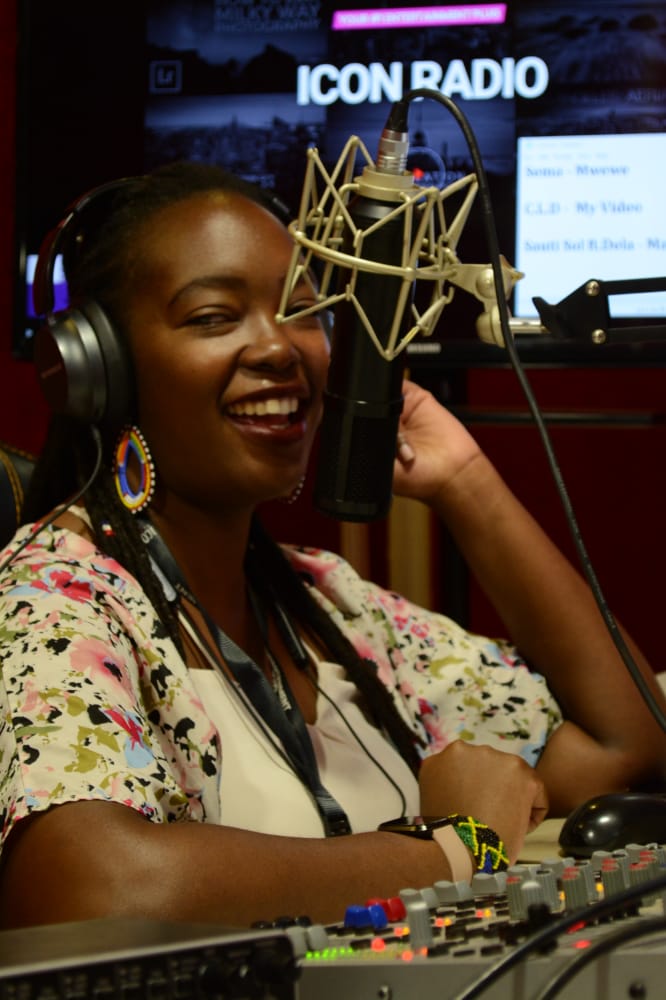
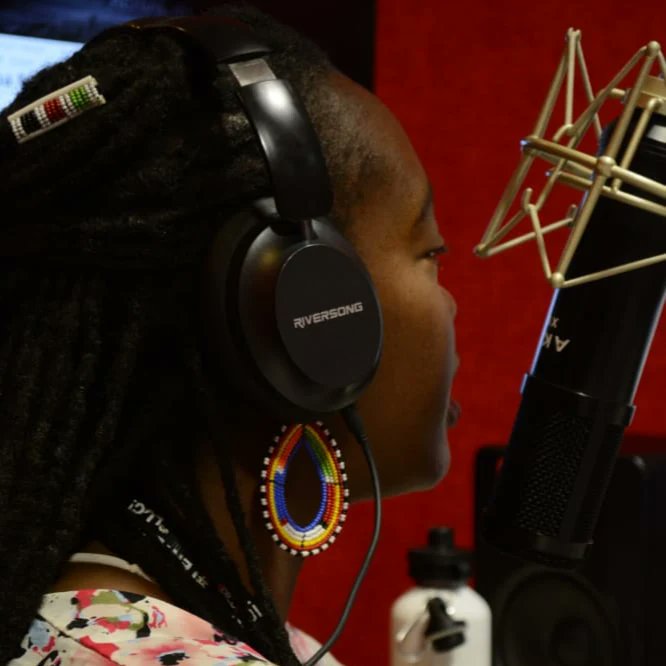
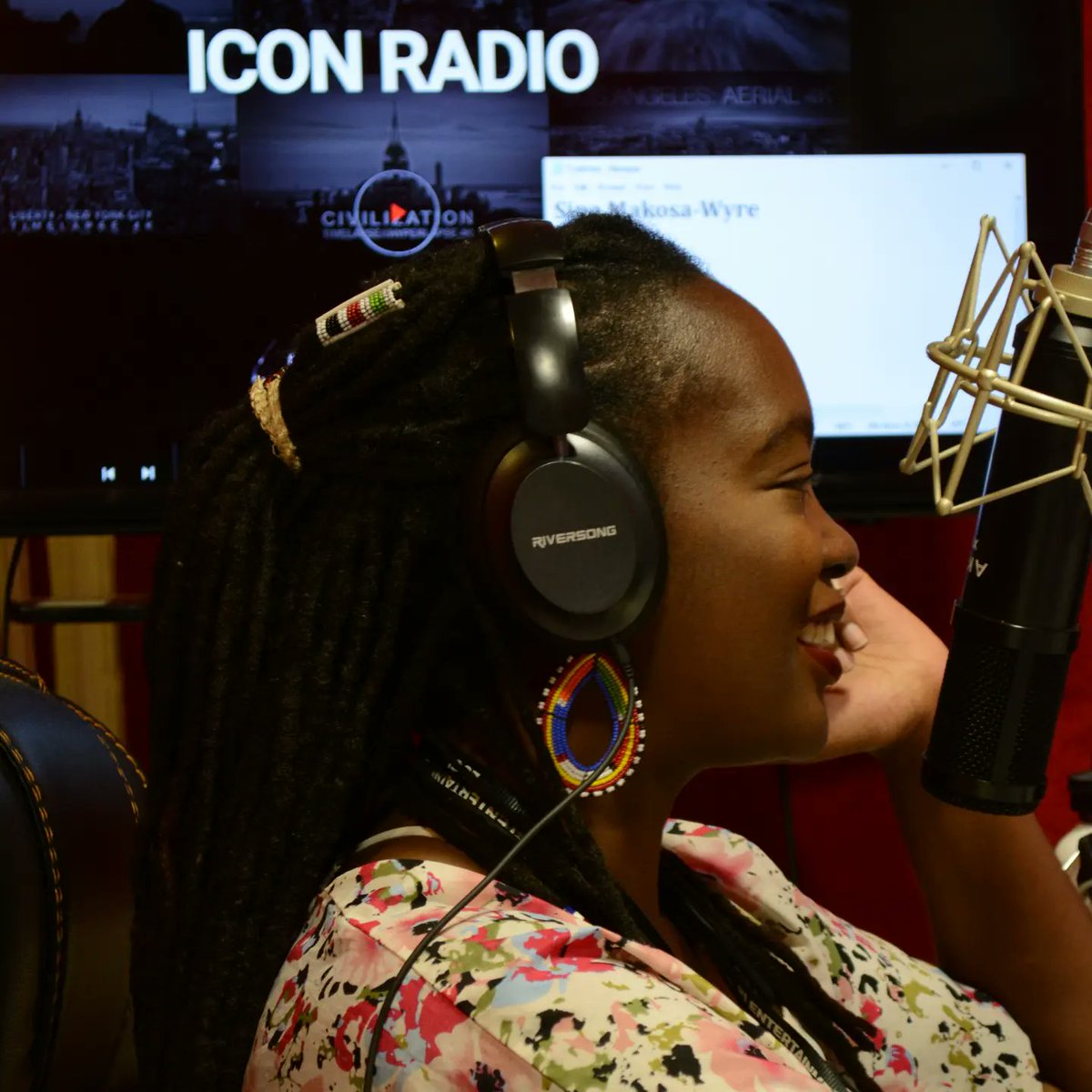
It's officially request hour on The Breakfast Jam.
What would you like to listen to as the month begins and the year ends 🥳🥳 . Hit us up on 254 788 380030
.
.
#thebreakfastjam #soulfultuesday #requesthour #iconradio #iconradioke #iconoftheday #itsiconic
3
25 Oct 2022
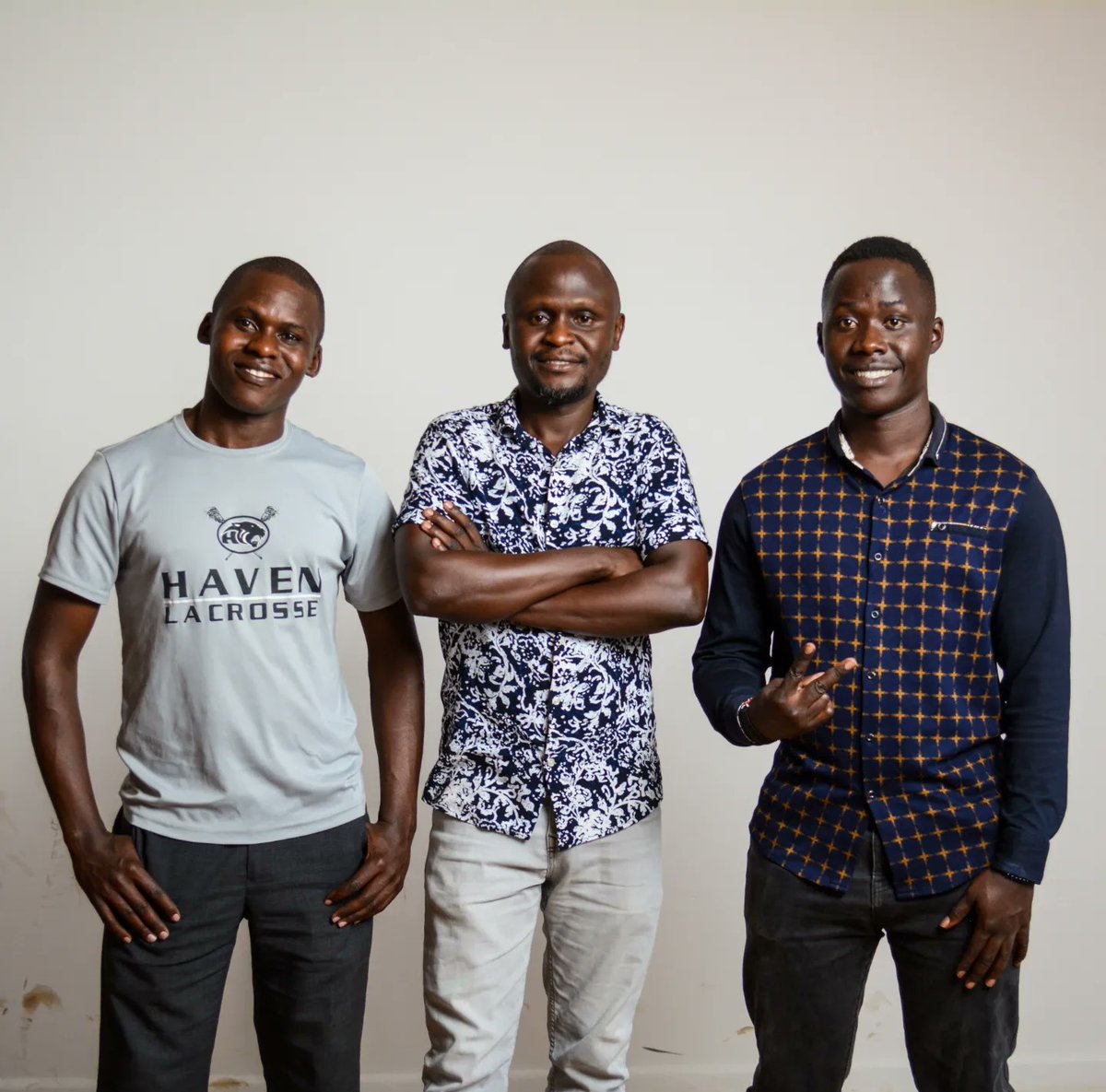
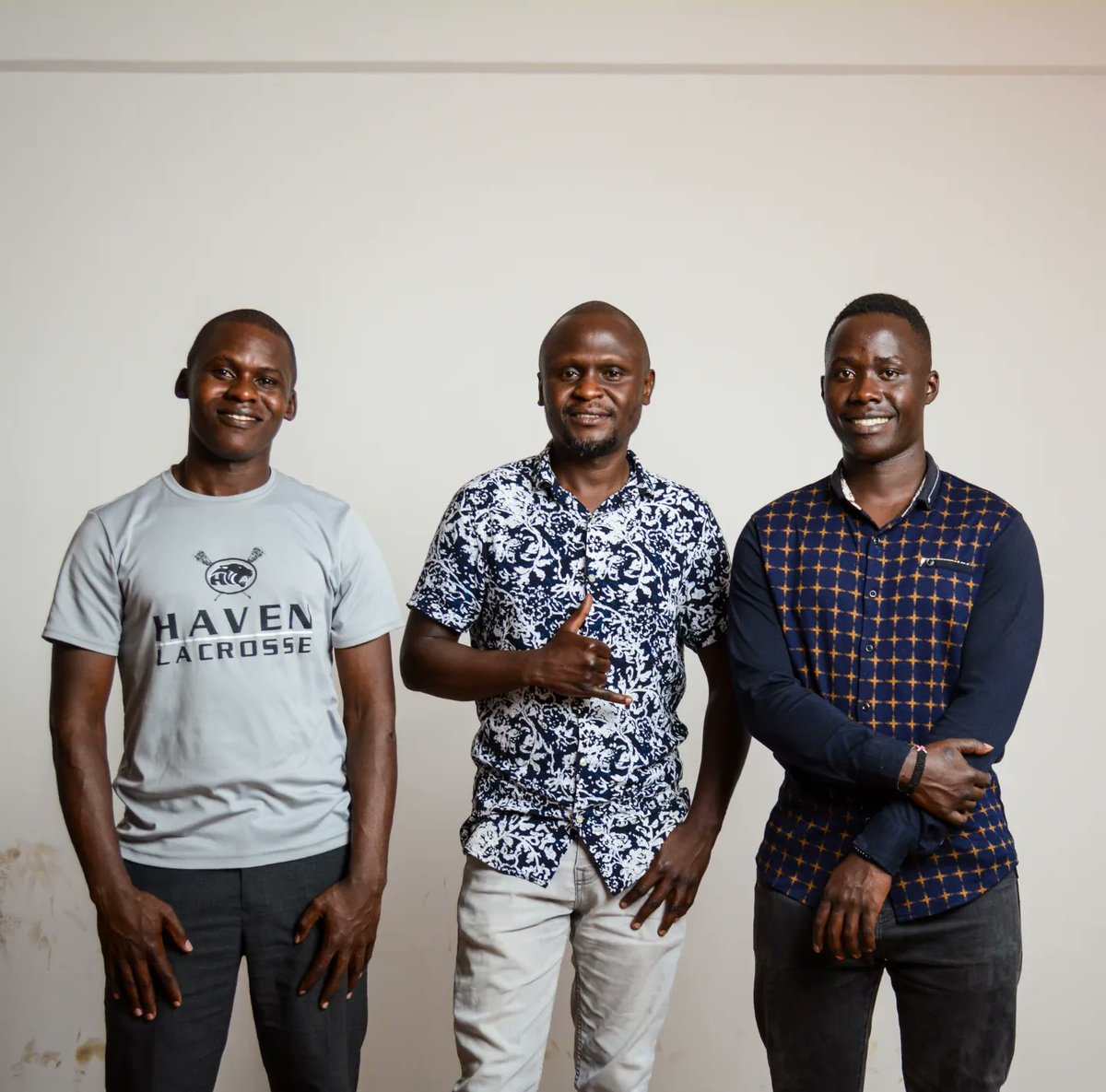
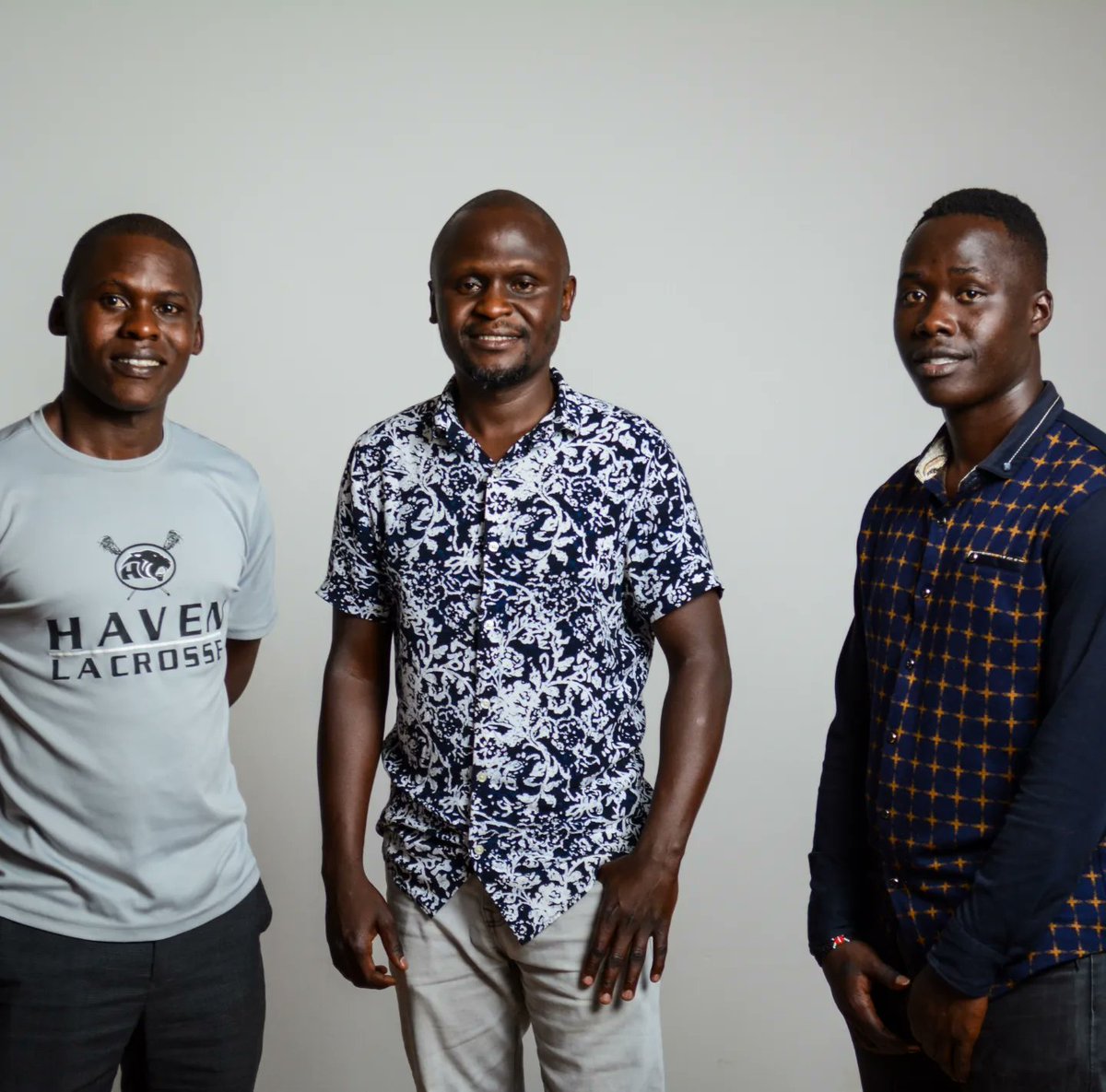
#thebase we get to reach out to our society and find out what's really happening within it
.
Tupatane kesho at ICON RADIO from 10am - noon.
.
iconradio.co.ke
.
.
#iconradio #iconradioke #community #organization #itsiconic
2
21 Oct 2022
Just what your doctor prescribed for that Friday feeling. Live on ICON RADIO is @chuckthedeejay on The Stitch.
iconradio.co.ke and ICON RADIO KE YouTube channel youtu.be/pN28yGCv4hM
.
.
.
#thestitch #chuckthedeejay #tgif #iconradio #iconradioke #itsiconic
1
3
21 Oct 2022
It's a Friday vibe with the premier of @chuckthedeejay on The Stitch with @sandrachesaina
Tune in live on iconradio.co.ke and the ICON RADIO YouTube channel youtu.be/pN28yGCv4hM
.
.
.
#friday #fridayvibes #thestitch #sandrabartonjo #chuckthedeejay #live #itsiconic

2