Yasumasa Ashida retweeted

Jun 13
Naive UI is using vue-jsx-compiler. 🎉
github.com/tusen-ai/naive-ui…
3
11
499

Just nailed my first React functional component build! Today I turned basic JSX into a working todo list, feels like big progress in my front-end learning journey. #WebDev #LearningDiary


J’te parie qu’Elie va le clasher ou le dénigrer à son départ 😂(Comme SDM, ou JSX) il lui rapporte rien niveau bugdet
1
17

3h
HTML in, MP4 out. sin React, sin JSX, sin dramas. HyperFrames es pura ingeniería
71

3h
10 repositorios de GitHub tan buenos que no deberían ser gratuitos.
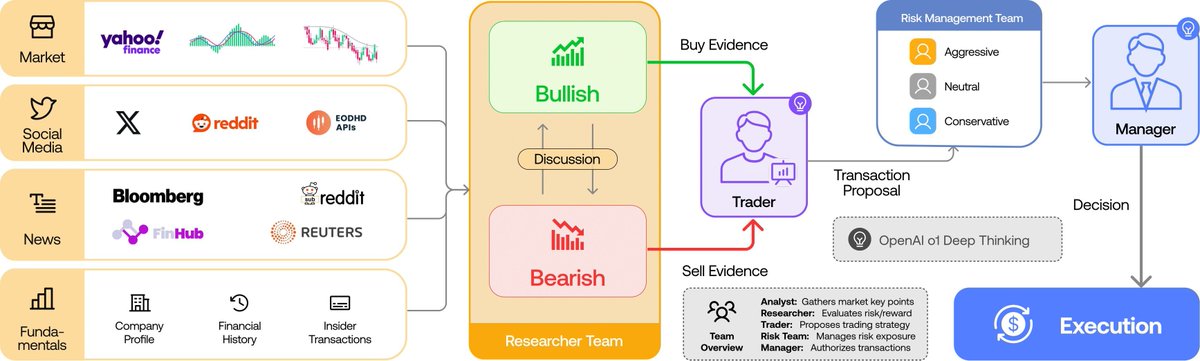
1. TradingAgents
Un equipo completo de analistas de IA que debate estrategias y ejecuta operaciones en mercados reales. 4 analistas en paralelo: fundamentales, sentimiento, noticias y técnico. Luego un gestor de riesgos y un agente ejecutor. Como tener un equipo de Wall Street que trabaja 24 horas en tu ordenador.
repo: github.com/TauricResearch/Tr…
2. LibreChat
ChatGPT, Claude, Gemini, DeepSeek y 20 modelos más en una sola interfaz. Autoalojado. Soporte nativo para MCP. Tu historial, tu infraestructura, tus datos. OpenAI cobra $20 al mes por su interfaz. Aquí usas tus propias claves y no pagas nada de más.
repo: github.com/danny-avila/Libre…
3. HyperFrames
HeyGen abrió el código de su motor de video interno. Escribes HTML. El agente renderiza MP4. Sin React, sin JSX, sin formatos propietarios. GSAP, Lottie y Three.js funcionan de serie. El mismo HTML siempre produce el mismo archivo. Usado en producción por HeyGen, tldraw y TanStack.
repo: github.com/heygen-com/hyperf…
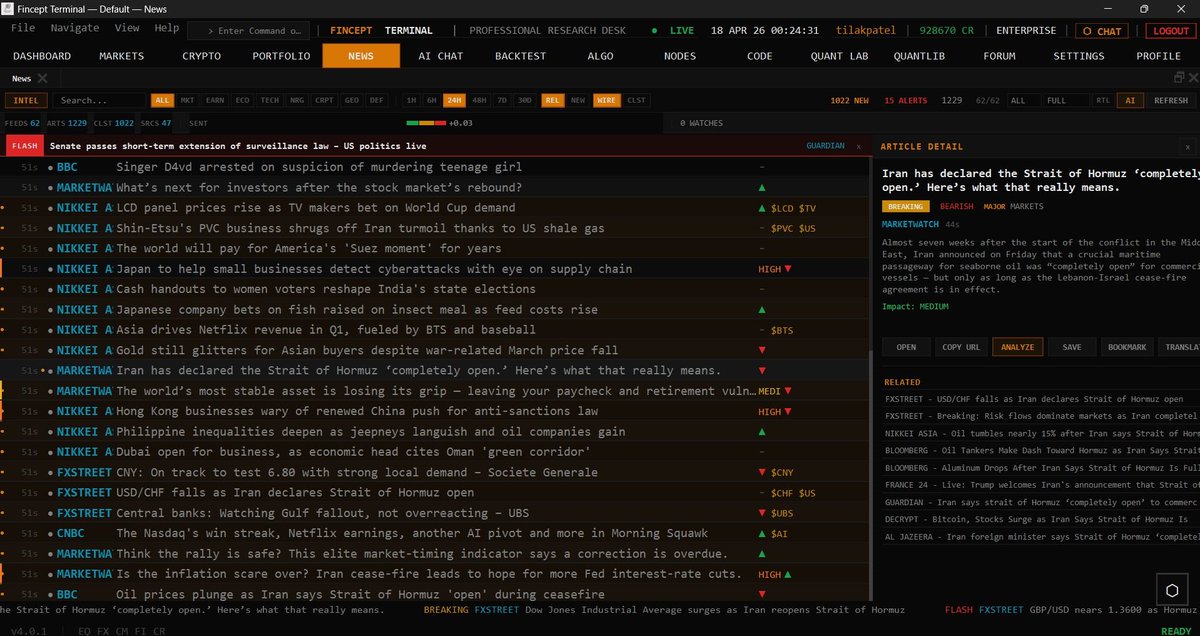
4. Fincept Terminal
Una terminal Bloomberg que corre en tu laptop. Análisis nivel CFA 1, 2 y 3. Más de 20 agentes de IA inversores que razonan como Buffett, Dalio y Soros. Más de 100 conectores de datos. Bloomberg cobra $24.000 al año. Esto no cuesta nada.
repo: github.com/Fincept-Corporati…
5. MoneyPrinterTurbo
Metes una palabra clave. Salen el guion, las imágenes, los subtítulos, la música y el video final en alta calidad. Horizontal o vertical. Sin editar nada a mano. Lo que hacen los creadores de contenido que no quieren que sepas que usan IA.
repo: github.com/harry0703/MoneyPr…
6. Agentic Inbox
Cloudflare acaba de abrir el código de un cliente de email donde un agente de IA lee tu bandeja de entrada y redacta las respuestas. 100% en Cloudflare Workers. Tu email no sale de tu cuenta. Sin servidores externos. Sin suscripción.
repo: github.com/cloudflare/agenti…
7. VoxCPM2
Clonas cualquier voz con 3 segundos de audio. 30 idiomas. Calidad estudio de 48kHz. Diseñas voces desde texto: "voz masculina grave de locutor de radio". Sin API de pago. Sin que tus muestras de voz salgan de tu máquina. ElevenLabs cobra $22 al mes.
repo: github.com/OpenBMB/VoxCPM
8. Flowsint
Introduces un dominio. La herramienta despliega un grafo con todas las IPs, subdominios, emails, wallets cripto y perfiles sociales conectados. Todo almacenado en local. Sin que nadie sepa lo que estás investigando. Para OSINT, due diligence y análisis de competencia.
repo: github.com/reconurge/flowsin…
9. addyosmani/agent-skills
El ingeniero de Google que lleva 15 años enseñando rendimiento web a toda la industria publicó sus skills para Claude Code. 23 flujos de trabajo reales probados en producción. API design, code review, debugging, CI/CD y frontend. Instalación con un comando.
repo: github.com/addyosmani/agent-…
10. Nango
La capa de integraciones que las empresas pagan $50k al año por alquilar. 700 APIs listas: Salesforce, HubSpot, Slack, Gmail, Stripe, Jira y más. OAuth gestionado. Tu agente de IA genera el código de integración desde un prompt. Usado en producción por Replit, Ramp y Mercor.
repo: github.com/NangoHQ/nango
Estos no son juguetes. Cada uno reemplaza un producto de pago por el que todavía te están cobrando.
Elige uno. Instálalo. Conéctalo a tu flujo de trabajo.
100% gratis. 100% open source.


19
11
209
5,418

I kind of agree, but I understand why they wanted it.
For me react is like right ideas which turned into relatively poor implementation.
And given the initial constraints (like JSX and/or VDOM) you can't improve it much.
1
1
52

I flew jsx into Cabo San Lucas……
Big difference in airports.
San Jose del cabo for the win.
39

Day - 2
#100DaysOfCode
Started learning React today :
Just covered these JSX, Components, Props, useState topics.
1
4


desculpe a demora mas era um package de icones, ele da erro por falar q é um raw html e n JSX
1
14

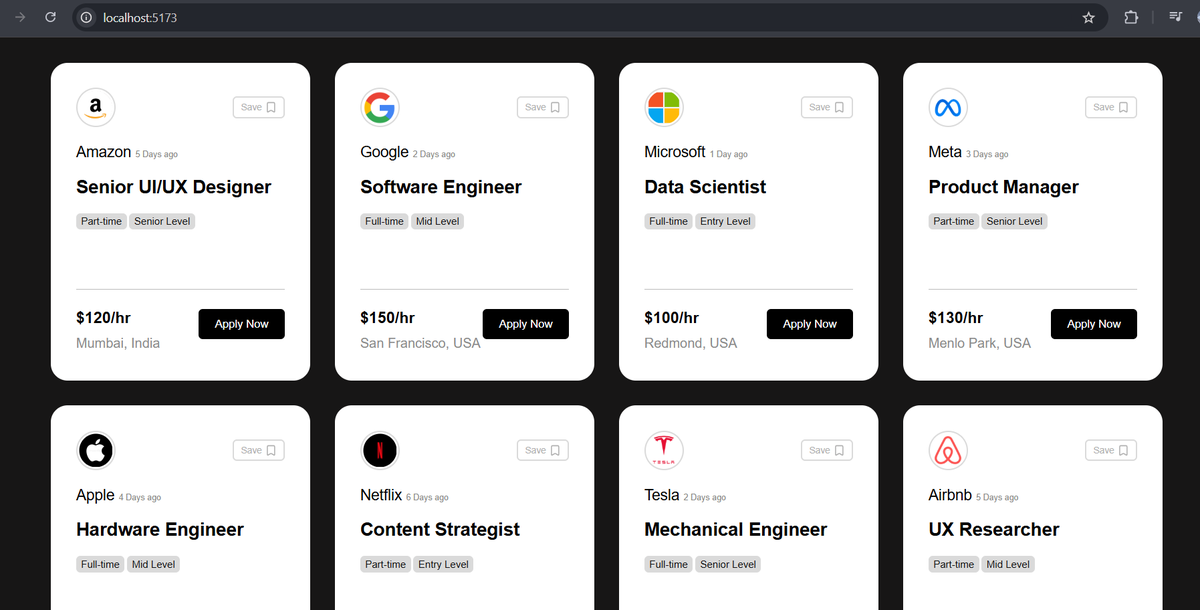
Its been a day learning ReactJS 😮💨🔥
Learning about JSX, components, props, etc.
Build some cards.
Btw I am learning react from @sheryians_
2
Fumi retweeted

22h
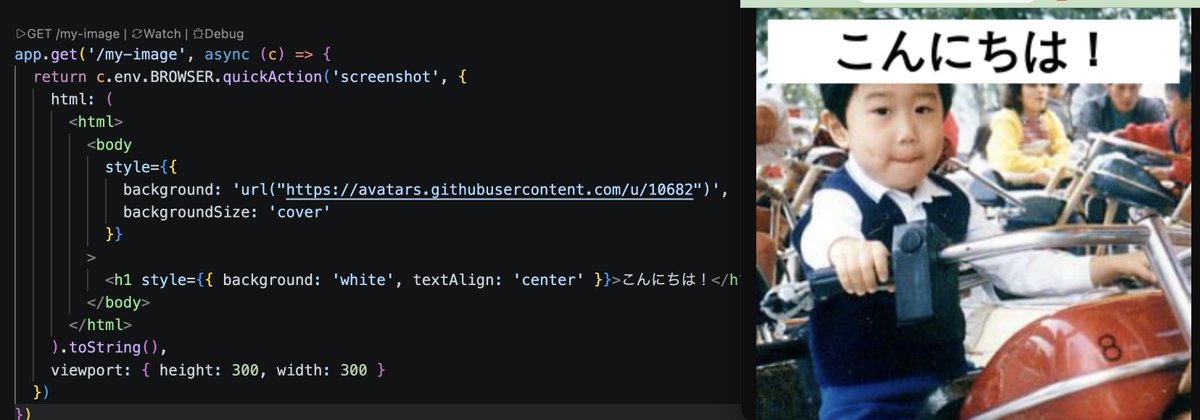
うおお、めっちゃ面白い
Browser RunとHonoのJSXを使うとWorkersで簡単にレイアウト付きの画像生成ができる!
1
5
89
11,438

8h
ウチのGeminiちゃんと相談したら8桁打たないでタイムに飛べるAvid的なやつできました!
もしそっちで上手くっていないようであればjsx送りましょうか?
それをそちらで解析しなおせばもしかしたら道が開けるかも…
いやぁ中身は全く分かってないんですけどねw
62

このプラグイン入っていれば、jsxから
app.sendScriptMessage("ColorPanelModePlugin", "setColorPanelMode", "CMYK");
でカラーパネルのモード変更できるのだ
1
214

ブラウザに届くのは純粋な JS だけ。フレームワークのコードは1バイトも送らない。
シグナルで細粒度更新、JSX で型安全、Bun でビルド爆速。依存ゼロ。
まだベータ前なのにコアは 100% テスト済みってどういうこと!?
→ github.com/ocknamo/kanabun ← 早めに見とくやつ
36

A software engineer working on Facebook's ads platform in 2011 got so frustrated with how painful it was to update the user interface that he built an entirely new way to render web pages.
The prototype he wrote was called FaxJ. It evolved into a framework called FBolt. Then it got a new name.
React.
His name is Jordan Walke.
He was born in 1984 in Houston, Texas. He graduated from the University of Washington. He joined Facebook as a software engineer and was assigned to the ads team, one of the most important revenue surfaces in the company.
Here is the story.
The problem Jordan stared at every day was deceptively simple. When a user clicked something on Facebook, the page needed to update. A like count goes up. A comment appears. A notification badge changes. In 2011 the standard way to handle this was to manually find the piece of the page that changed and surgically update it using jQuery or raw JavaScript DOM manipulation.
On a small website this was fine. On Facebook, with hundreds of interactive elements on a single page, it was a nightmare. Every update required developers to track exactly which piece of the DOM had changed and write brittle, error-prone code to modify it. The more complex the interface, the more the code collapsed under its own weight.
Jordan had been influenced by XHP, an HTML component framework for PHP that Facebook already used on the server side. XHP let you write reusable HTML components as PHP expressions. It was clean. It made sense. But it only worked on the server. The browser side was still chaos.
He asked a question nobody else at Facebook was asking. What if you could write UI components the same way on the client, and instead of surgically updating the DOM, you just re-rendered the entire view every time something changed and let the framework figure out what was different?
The idea sounded insane. Re-rendering everything on every change was supposed to be impossibly slow. Jordan's insight was that if you built a virtual representation of the DOM in memory and compared it to the previous version before touching the real DOM, you could make re-rendering feel instant. Only the parts that actually changed would be updated in the browser.
He built the first prototype and called it FaxJ. It evolved into FBolt. It eventually became React. He moved from the ads team to Product Infrastructure to work on it full time.
The first real deployment was on Facebook's News Feed in 2011. Then in 2012, after Instagram joined Facebook, a former Facebook Photos engineer named Pete Hunt joined the Instagram team and built the first version of Instagram's web feed using React. Instagram became the first "external" user. Extracting React from Facebook's codebase for Instagram's use was what paved the way to open-sourcing it.
In May 2013, Jordan and his team presented React at JSConf US and released it to the public.
The reception was brutal. Developers hated it. The biggest objection was JSX, the syntax that mixed HTML-like markup directly into JavaScript. It violated every principle of separation of concerns that the web development community had been taught for a decade. Conference talks mocked it. Blog posts tore it apart.
Then people started using it. And they stopped going back.
Within two years React had become the most discussed JavaScript library in the world. By 2015 the team had shipped React Native, extending the same component model to mobile apps on iOS and Android. By 2018 React had more questions on Stack Overflow than jQuery, Angular, Vue, Ember, and Svelte combined. It became the default way to build user interfaces on the web.
Jordan also created ReasonML, a typed language that leverages the OCaml and JavaScript ecosystems. He stayed at Facebook for over a decade. In January 2021 he posted a tweet announcing he was leaving to start his own company and to invest in open-source projects and startups.
In late 2025 he joined Replit as VP of Product, saying the energy there felt like the early days of React at Facebook.
One engineer, frustrated with how Facebook's ads page updated, changed how the entire world builds software for the browser.

6
17
1,663