Modern IT requires tools that reduce complexity and give you time back.
Our users say it best: JumpCloud simplifies the job. G2 just ranked us a top 5 IAM platform for multi-OS and built-in device control: learn.g2.com/best-identity-a…
87

Jun 13
jumpcloud الأسعار الحالية مناسبة جدًا على تطبيق المطار Almatar مع كود خصم أو كوبون X20 🍾🤨🧑🦳

1

Jun 12
@JumpCloud Launches Agentic IAM on @googlecloud to Govern Autonomous AI Identities
Read More: itdigest.com/cloud-computing…
#AgenticIAM #AIDeviceTrust #AutonomousAIIdentities #cloudsecurity #devicemanagement #GoogleCloud #ITDigest #JumpCloud #news
4

Jun 11
SaaS and AI expansion drive progress when backed by smart governance. For Spiceworks, Shelby Green shares how JumpCloud SVP Joel Rennich views safe technological innovation. Secure your team without blocking productivity.
Read more: spiceworks.com/ai/why-it-tea…
66

Jun 11
JumpCloud Launches Agentic IAM on Google Cloud ow.ly/MT0e50Zaw0K #TechnologyNews #AI #TechNews #CIOCommunity #CIOLeadership #CIOInfluence #TechLeadership #ITStrategy #FutureOfIT #TechTrends
6
Jun 9
Managing AI requires clear oversight of your budget and security. JumpCloud AI & SaaS Management uses direct API connectors to track your AI token spend and surface shadow accounts in real time.
Read the full blog to centralize your AI stack: jumpcloud.com/blog/how-to-tr…

1
60
Nik Hewitt retweeted

#𝗝𝘂𝗺𝗽𝗖𝗹𝗼𝘂𝗱 𝗲𝘅𝗽𝗮𝗻𝗱𝗲𝗱: tinyurl.com/45xktde2
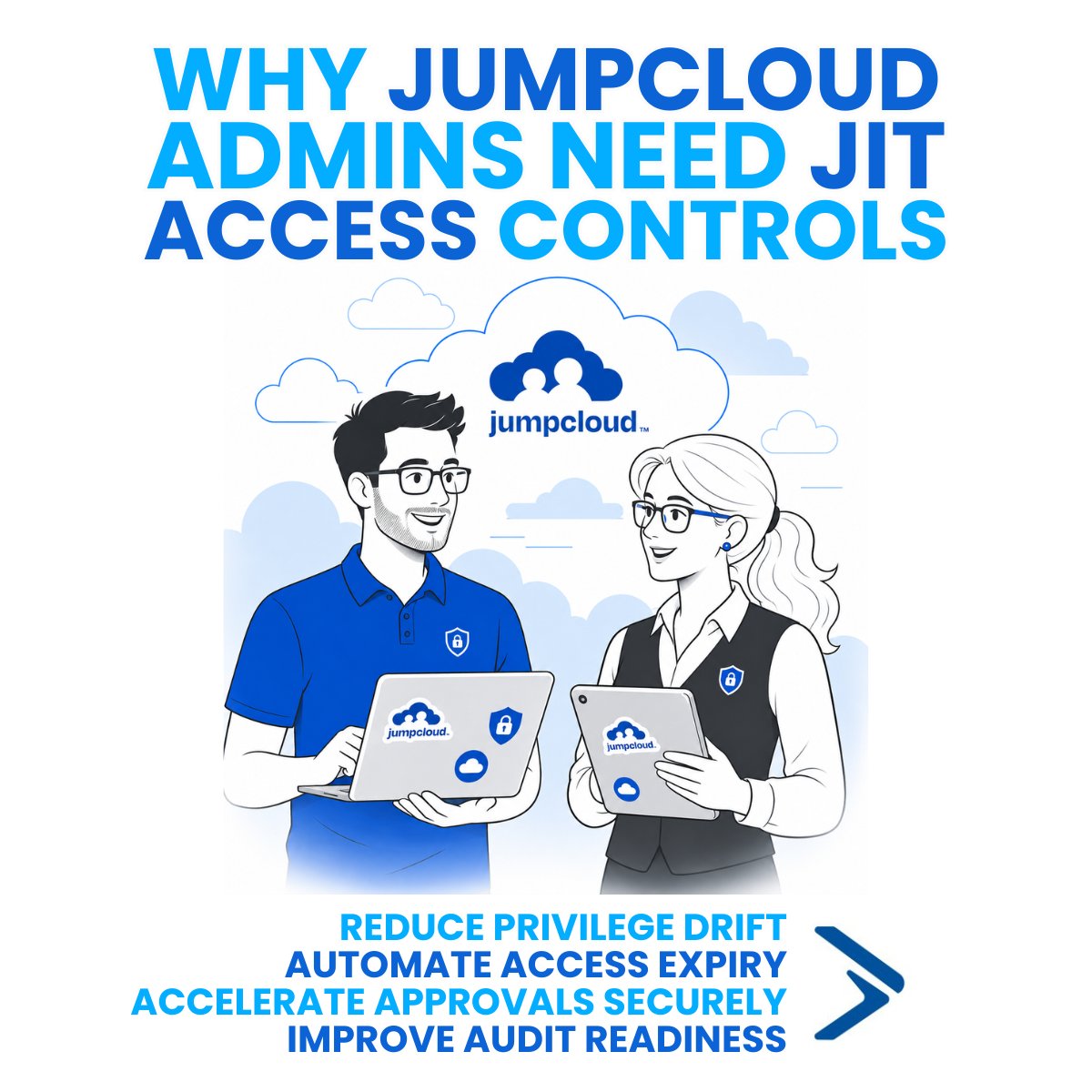
@JumpCloud benefits from JIT access. Not because it’s lacking in what it does. Far from it. But our latest integration adds context and control after users and groups are centralized.
#cybersecurity #itsecurity
1
8
43

Jun 3
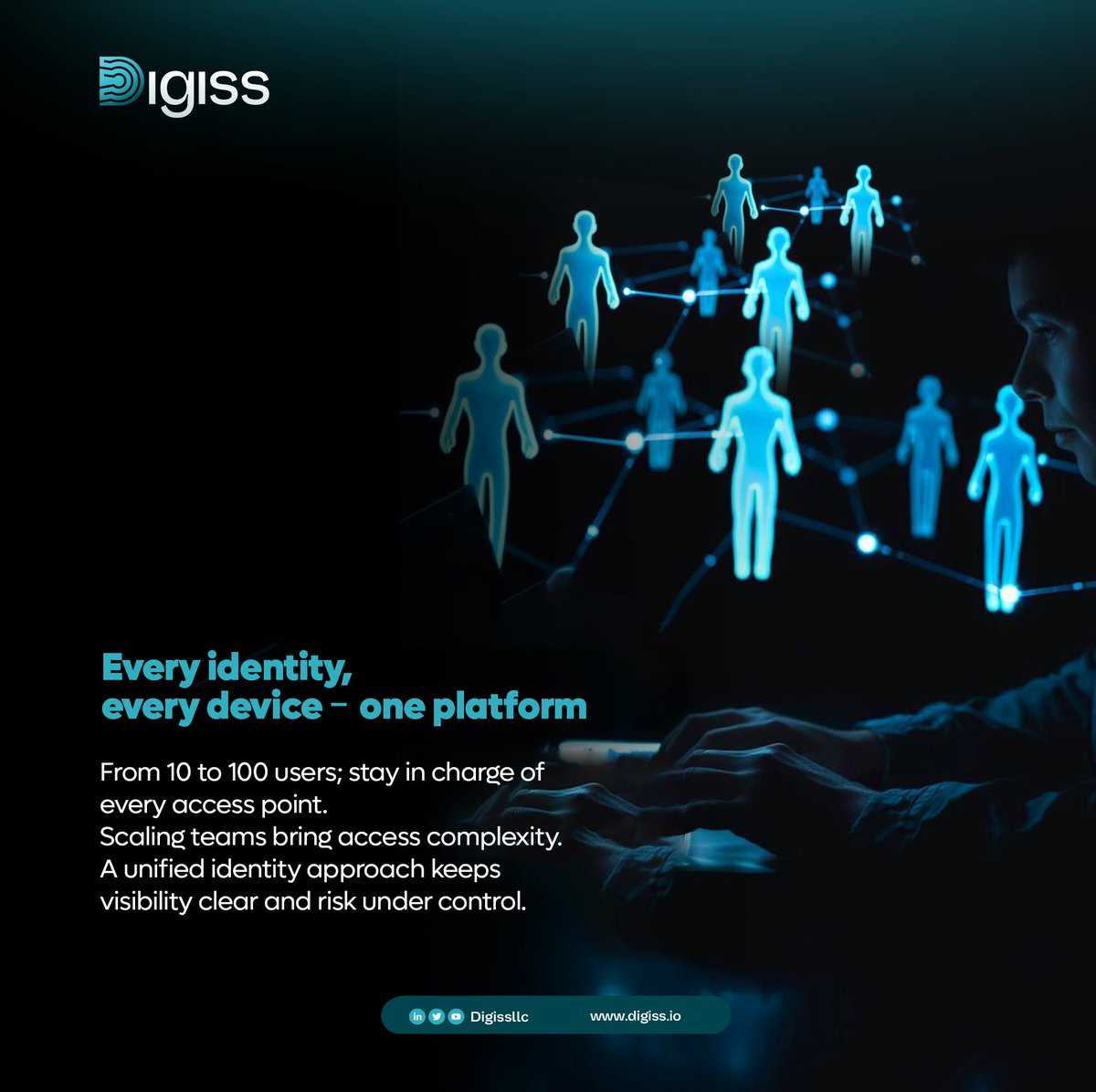
A lot of IT departments are oblivious to their loss of control until the question arises: "Who can get into that system?" and nobody has a clue.
JumpCloud gives you one platform to manage every identity and every device - so your visibility expands along with your team.
Reclaim control before complexity impacts productivity.
Get started with JumpCloud today: digiss.io/identity-and-devic…
1
8
79

May 25
Bengaluru’s top workplaces for career growth in 2026, according to LinkedIn 👀💼
From global banks to tech giants, the city’s GCC boom is clearly reshaping where talent wants to work.
Top 10 companies in Bengaluru:
1.JPMorganChase
2.Morgan Stanley
3. IBM
4. Amazon
5. Wells Fargo
6. HSBC
7. JumpCloud
8. SAP
9.Eli Lilly and Company
10. Schneider Electric
Interesting to see finance & GCC companies dominate the list alongside tech giants.
Which company surprised you the most? 👇
#Bengaluru #LinkedInTopCompanies #GCC #TechJobs #Careers #BengaluruPost
PC : Linkedin

4
3
36
4,688

May 7
Google Cloud just made Agent Identity a first-class principal type in IAM — SPIFFE-based, cryptographically protected, GA today.
The context:
• 72% of orgs run AI agents in production (JumpCloud)
• 92% can't safely scale them
• Only 17% have a security leader for agent governance
Identity is shipping. Payments (x402) are shipping. The missing layer? Portable reputation that follows agents across clouds and marketplaces.
That's what we're building at AgentLux — on-chain reputation for the agentic economy.
dub.sh/ITK5Hm9
2
41

It’s official: JumpCloud is a 2026 Google Cloud Partner of the Year! 🏆
This award celebrates the mission to provide a more secure, frictionless experience for IT teams and organizations globally.
@JumpCloud @GoogleCloud @GoogleWorkspace
#GoogleCloudPartnerAwards

1
2
35

Apr 28
Explanation;
Private IP addresses are specifically reserved for use within local networks and are not routable on the public internet, as defined by RFC 1918. According to networking documentation from JumpCloud and Adda247, the three standard private address ranges are 10.0.0.0 – 10.255.255.255, 172.16.0.0 – 172.31.255.255, and 192.168.0.0 – 192.168.255.255.
❌ A. 11.0.0.1 is a public IP address because it falls outside the private 10.x.x.x range.
❌ B. 169.254.0.1 is an APIPA (Automatic Private IP Addressing) address, which is used for link-local communication when a DHCP server is unavailable, but it is not one of the three primary RFC 1918 private ranges.
✅ C. 192.168.50.100 is a private IP address because it fits within the 192.168.x.x Class C private range.
❌ D. 208.67.222.222 is a public IP address, famously used by OpenDNS for public DNS resolution.
Apr 27

Which of the following IP addresses is a private IP address?
A. 11.0.0.1
B. 169.254.0.1
C. 192.168.50.100
D. 208.67.222.222
5
16
1,965

Apr 23
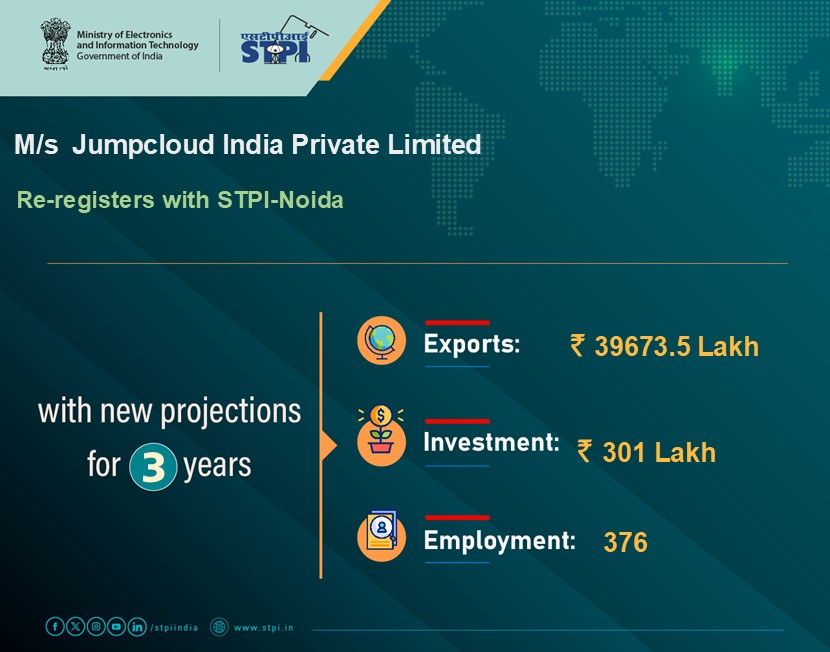
Congratulations to M/s JumpCloud India Private Limited on re-registering with the STPI. #GrowWithSTPI #DigitalIndia #STPIINDIA #StartupIndia
@AshwiniVaishnaw
@JitinPrasada @arvindtw @VandanaSTPI
12
15
121


Apr 21
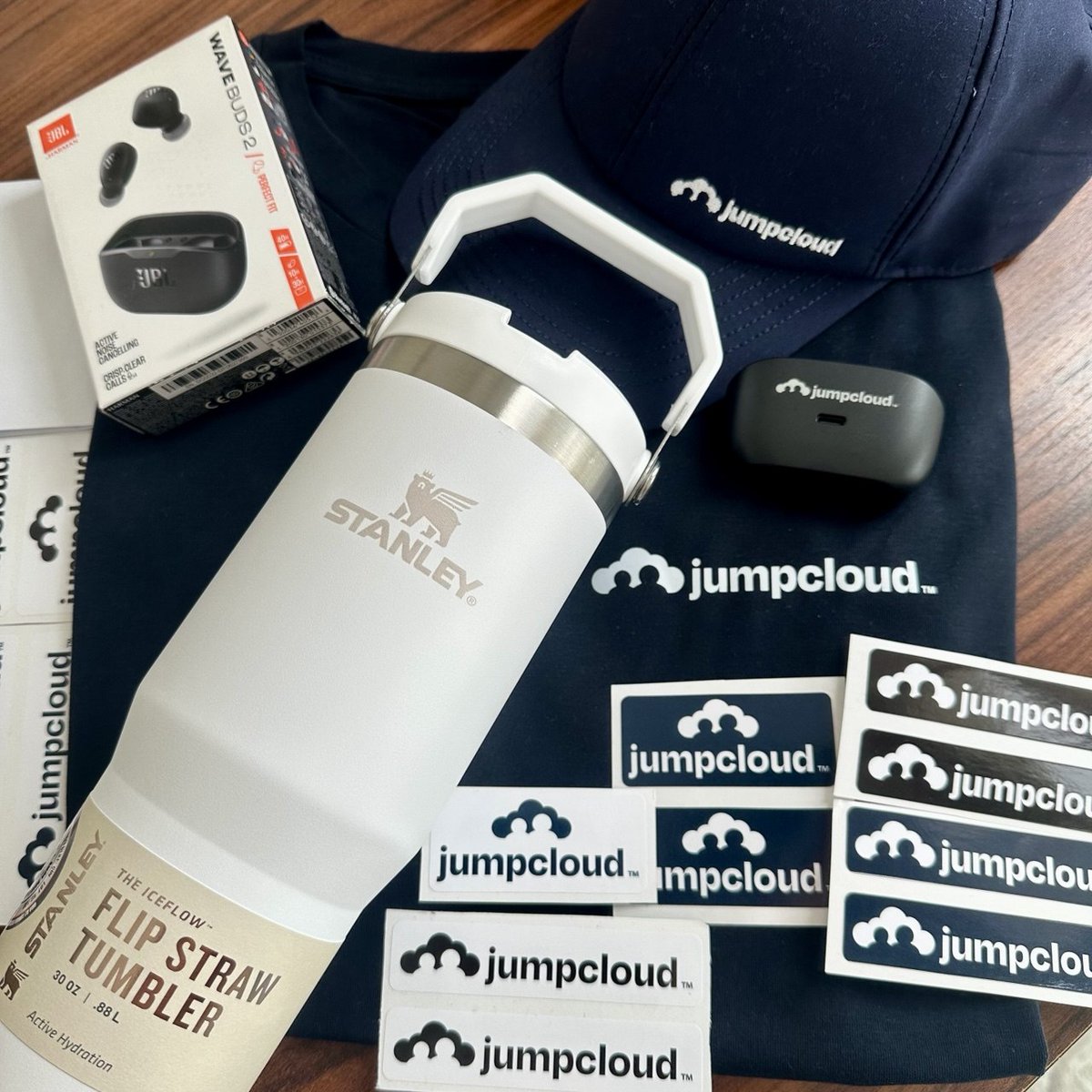
Fresh gear arrived today! 📦🔥
Proud to be rocking the @JumpCloud logo while we build the future of open directory and cloud security. The momentum here is unmatched. 🚀☁️
#JumpCloud #Tech #CyberSecurity #NewSwag
6
110

Apr 21
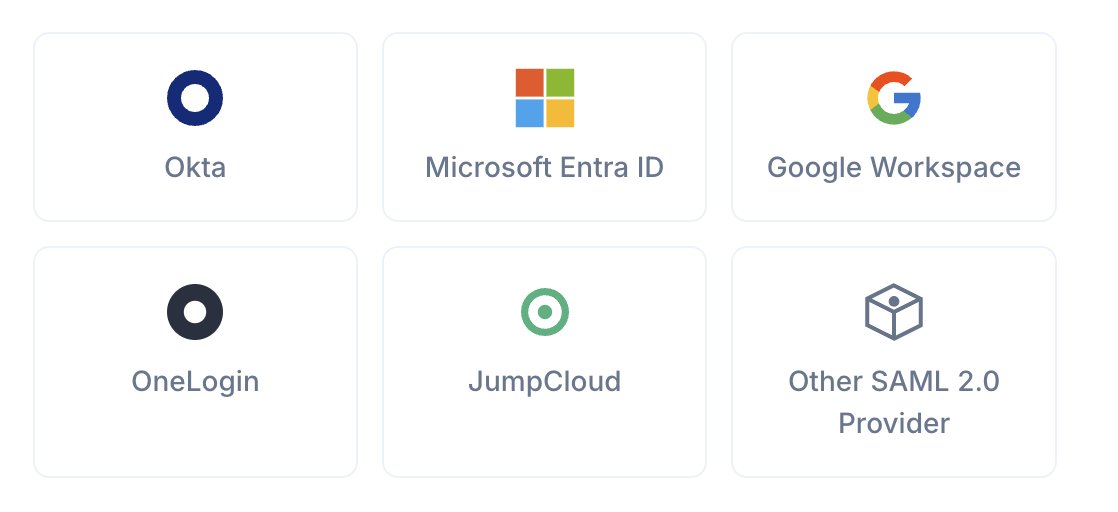
If you're using @okta, Google Workspace, @OneLogin, @JumpCloud or any other identity provider in your organisation, we can use your help betatesting our SSO stack. 🙏
It's gone through our internal battle testing, but there's nothing quite like having an independent user wrangle SAML2 configs on their own 😂
Apr 21

We've been working on Single-Sign-On for Oh Dear behind the scenes, and we're ready to have some beta testers join us 👀
If you're interested, reach out here or via support@ohdear.app!
We'll enable it for your account. Documentation is available: ohdear.app/docs/features/sin…
1
1
7
4,166

Apr 16
Last week we launched Warp Fabric with our own native MDM.
I debated this decision for months. Everyone said the same thing: license Jamf or JumpCloud, rebrand it, ship faster. It's too hard to build yourself.
We didn't listen.
We wrote the device agent in Rust. Engineered for performance and built for speed as you scale. Cross-platform from day one. macOS and Windows on the same codebase.
Building it ourselves did take longer. It was harder. Here's why we did it anyway.
When you license an MDM, device management lives in a completely separate system from your employee data. Enrollment is a downstream event. Offboarding is a webhook that may or may not fire. Compliance is a seperate dashboard someone has to remember to check.
Because we built our own, the MDM agent has direct access to the same employee context graph that powers payroll, onboarding, and benefits.
Hire someone in Warp. The device enrolls in the same transaction.
Terminate someone. The device locks in the same transaction.
Not a separate workflow. Not a ticket. The same transaction.
Policy enforcement is continuous. Firewall, encryption, screen lock, gatekeeper, verified every time a device connects. When something drifts, you get an alert instead of a surprise during your SOC 2 audit.
There's only one other HRIS company that's built their own MDM.
We understand why. But licensing someone else's MDM means device management always lives downstream from your employee data. It never disappears into the workflow. It stays a separate tool your team has to babysit.
We're building employee management that runs itself. Device management included.
5
1
23
2,735

Apr 14
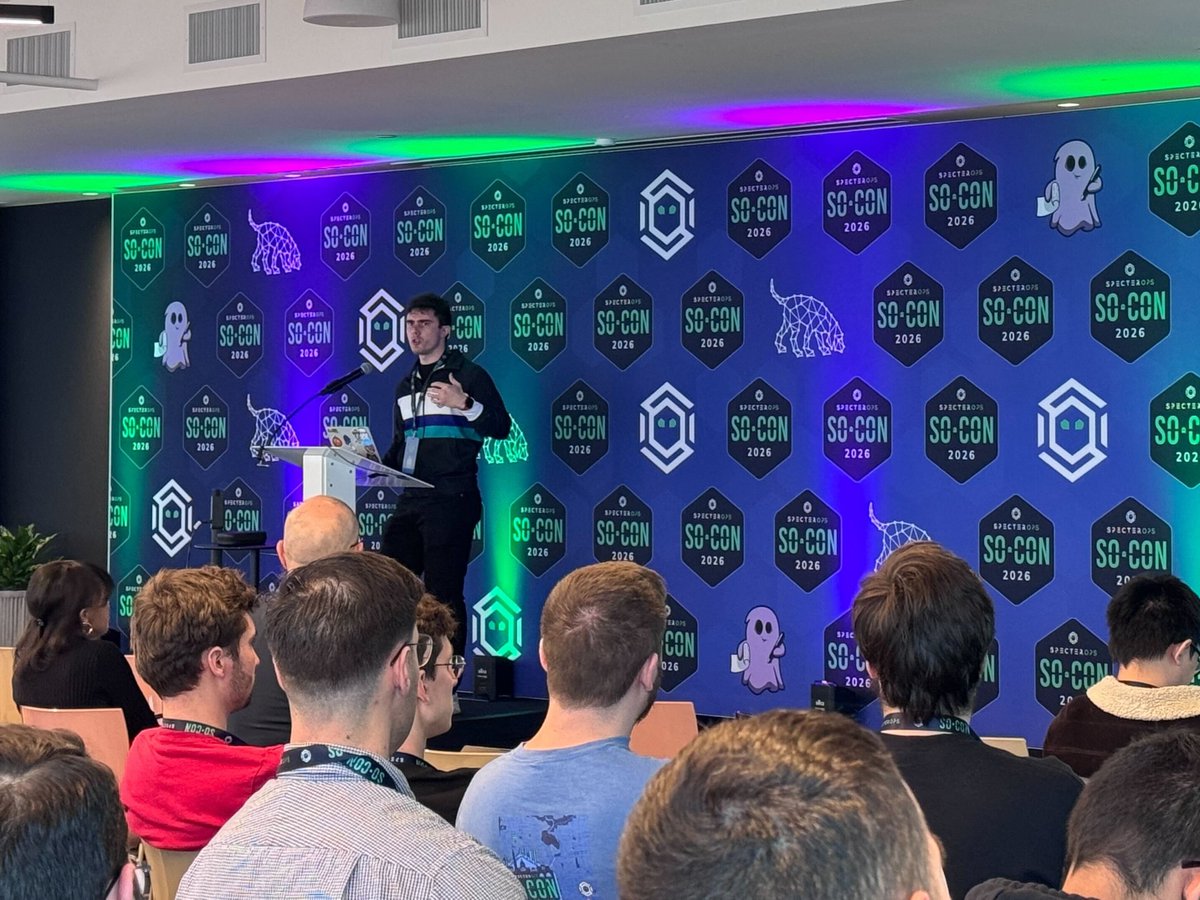
Ditching AD for the cloud? The attack surface didn’t disappear, it moved.
At #SOCON2026, @th3d00rman shows how attackers target JumpCloud: from compromised endpoints to full control plane access, with MDM as a pivot point.
1
1
737

In 2026, Non-human identities (NHIs) are the fastest-growing workforce category in mid-market enterprises. Yet 61% of organizations report using unsanctioned AI tools, creating significant visibility and governance gaps. Sponsored by @JumpCloud forbes.com/sites/jumpcloud/2…
5
7
11
12,663