
What an embarrassment. Dana is a clown. He should just stick to leather vests and motorcycles
✮ ⋆ ˚。𖦹 Venti ໒꒱ retweeted

dazai helping chuuya take off his choker at night, slipping his fingers under the leather to feel the warmth of his skin
1
1
6
45

Lisa Takes All-white Leather to New Heights in Ssimeez Platform Boots at the 2026 FIFA World Cup trib.al/pVWgcwK
4
129
213
3,898

BraxTha farmer retweeted

Jun 13
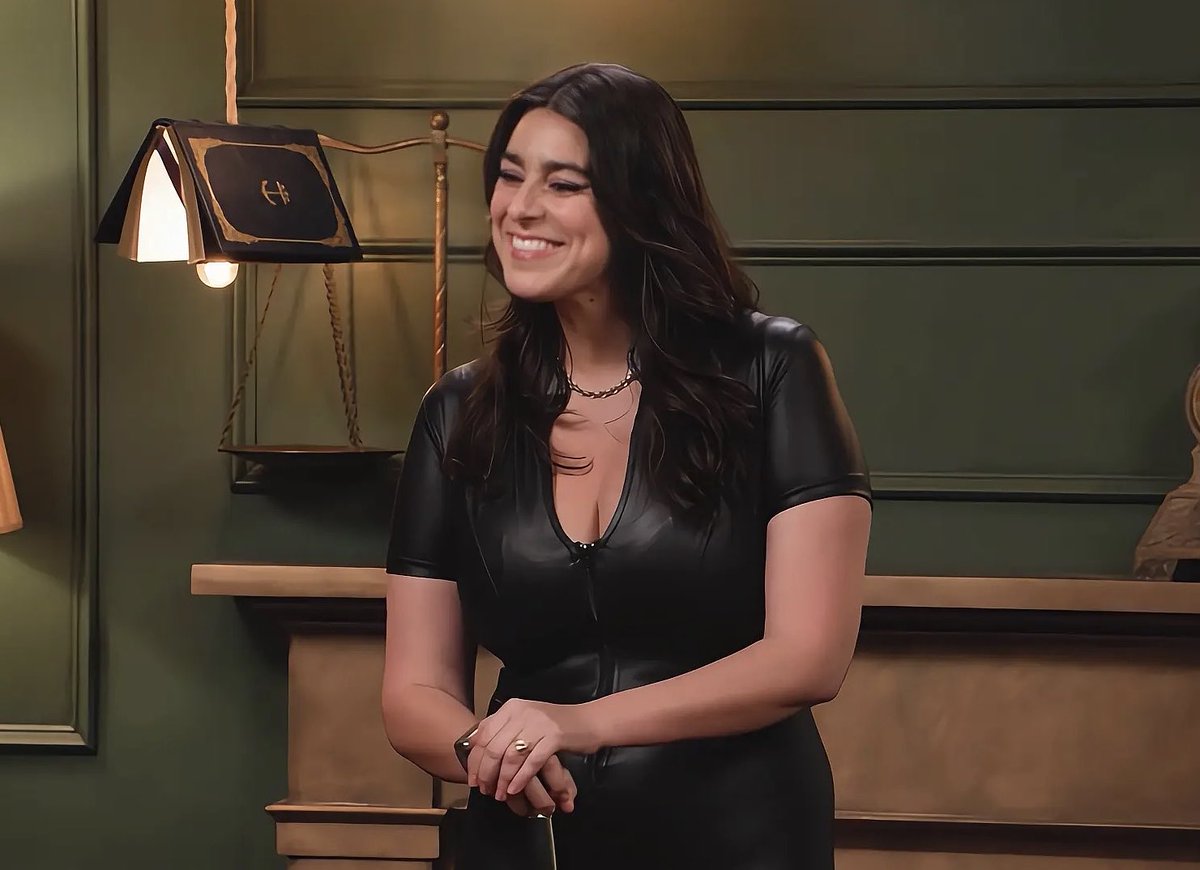
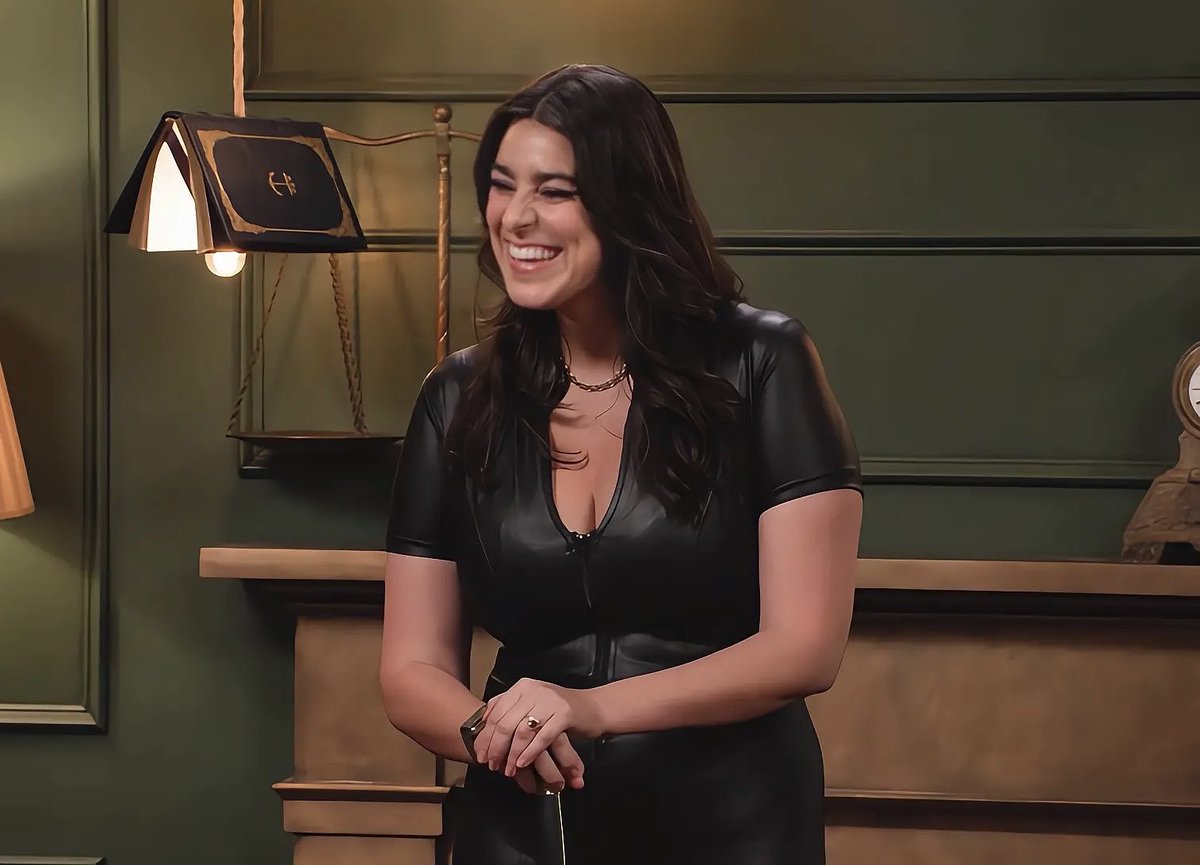
giving this kind of smile while being in all leather is incredibly unfair to my psyche
8
231
8,492
109,076
slave seven retweeted

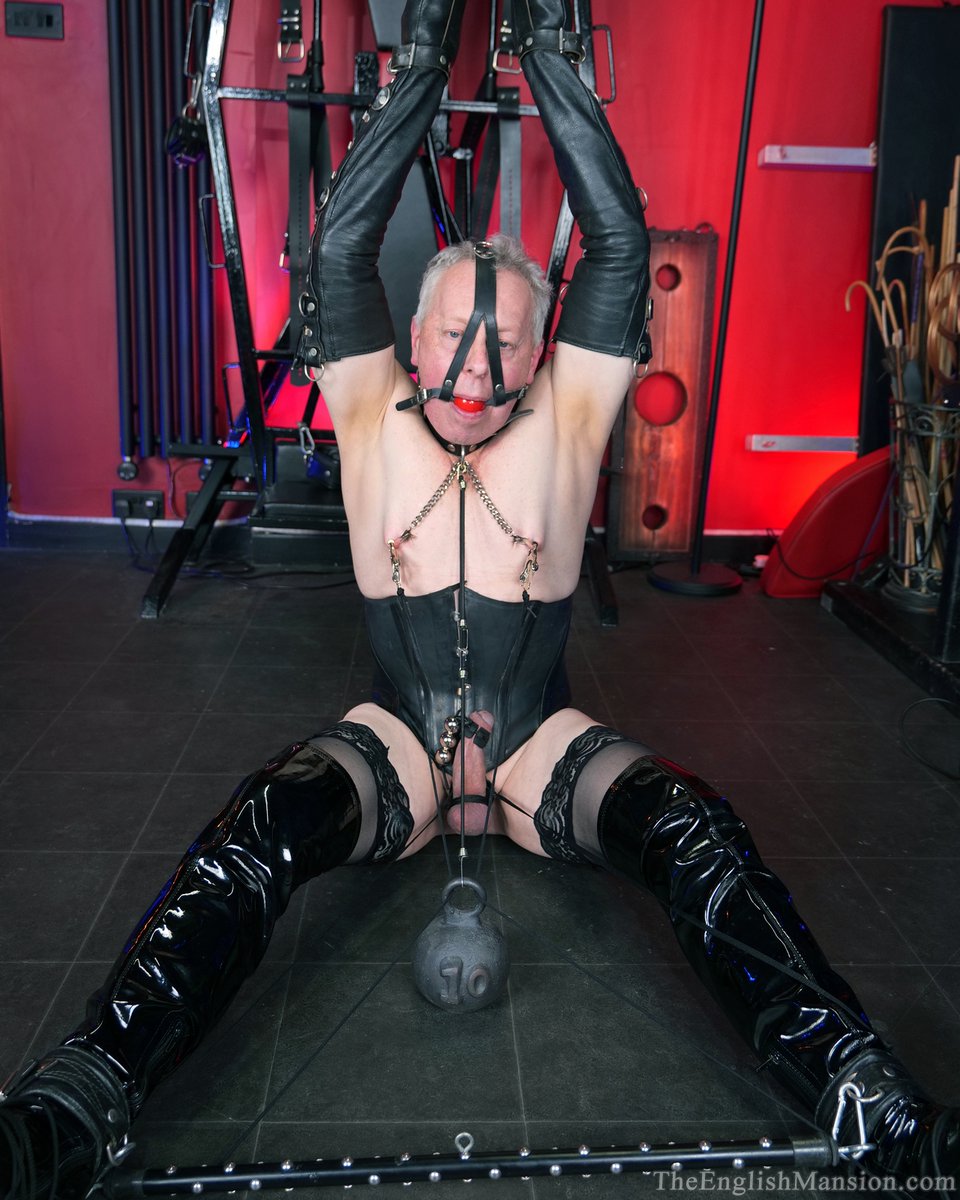
Leather boot Mistress @MissCourtneyM is playing with her slave using cruel predicament bondage and CBT New Femdom Film Updates: theenglishmansion.com/update…


1
9
70
2,307

RT @oc_lookbook: Olandria at Nic DJ Set
SweetTalkGlobal - Black Shakura Capri & Custom Top
Alaïa - Drop Leather Sandals t.co/uQ2E…
61


Apparently i am one of the rare people who value things that last. Like genuine leather products and metal vs plastic and wooden tooling and utensils.
My choice of things is based on their ability to last with intensive use.
1
YourCarGuy 🚘🕺🏾 retweeted

Jun 8
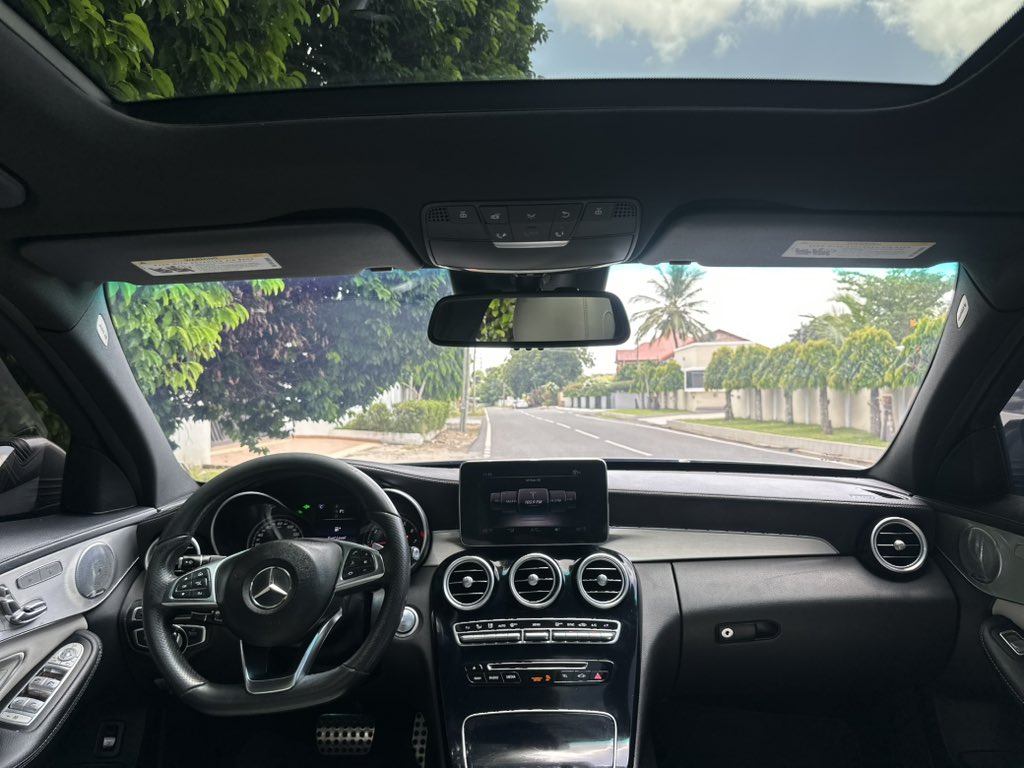
SALE // SWAP DEALS 🔥🔥
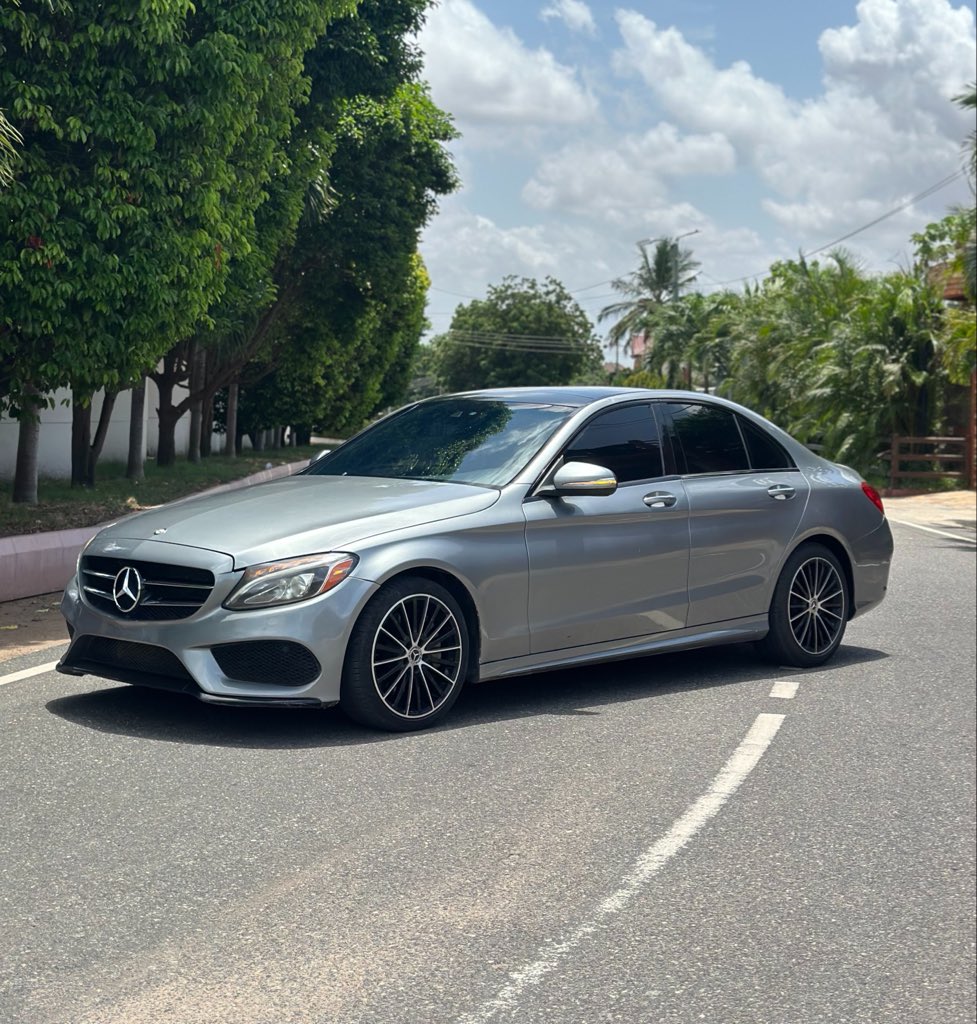
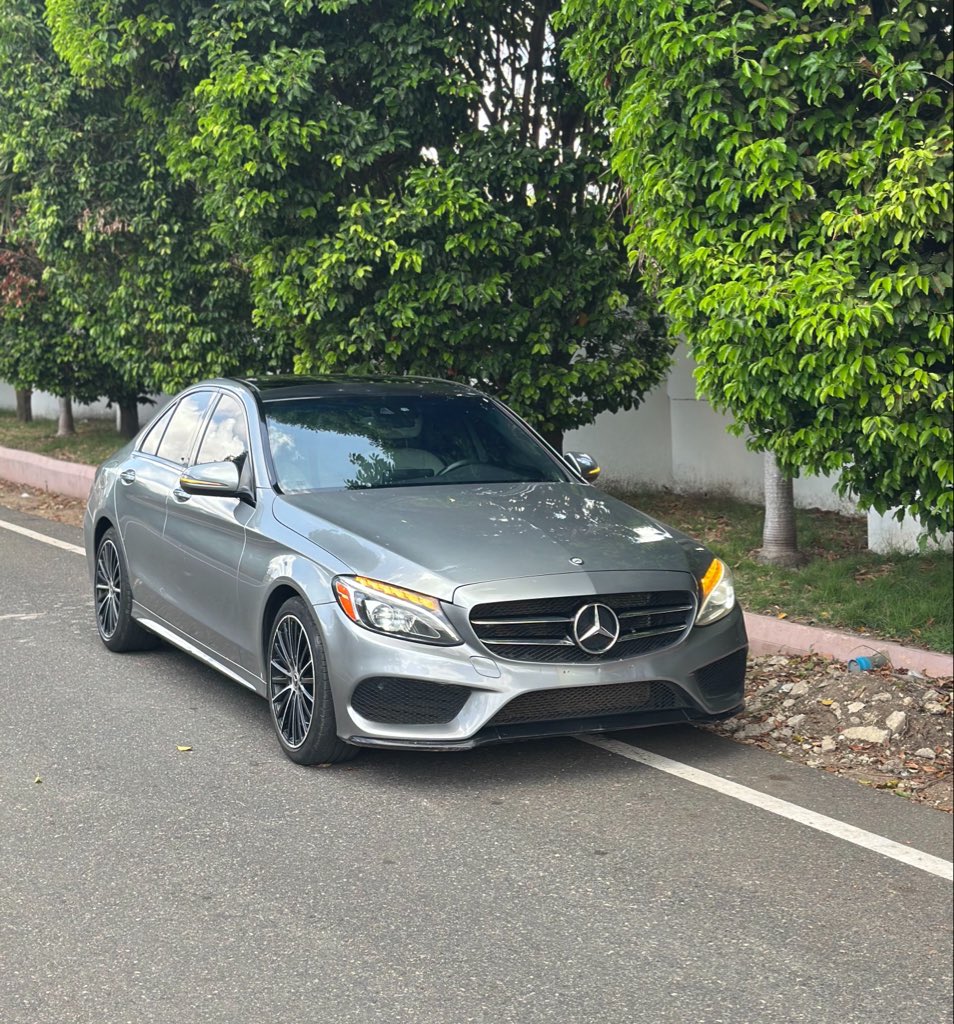
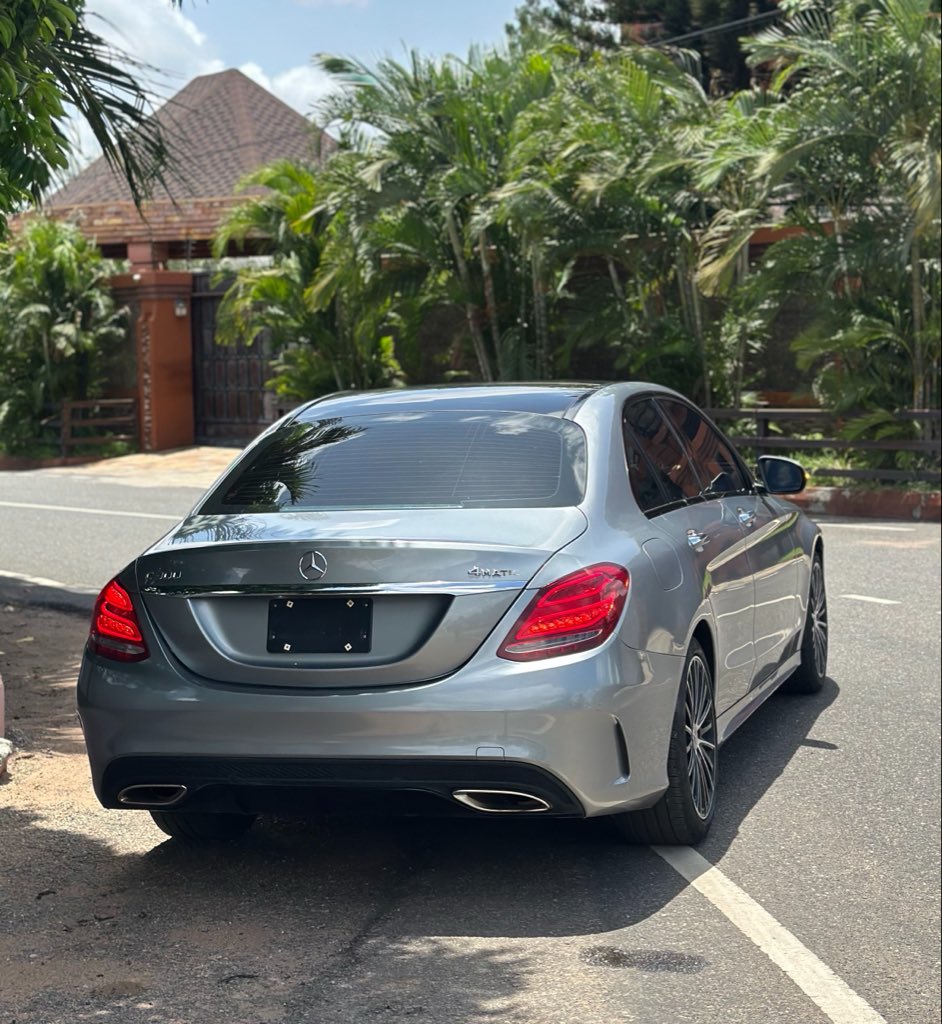
2016 Mercedes-Benz C300
💰 PRICE — 280k p3 😁
2.0T engine
Keyless entry & start
Leather interior
Sunroof
Rear view camera
Parking sensors
WhatsApp no in bio
#YourCarGuy 🚘🕺🏽
13
32
2,865

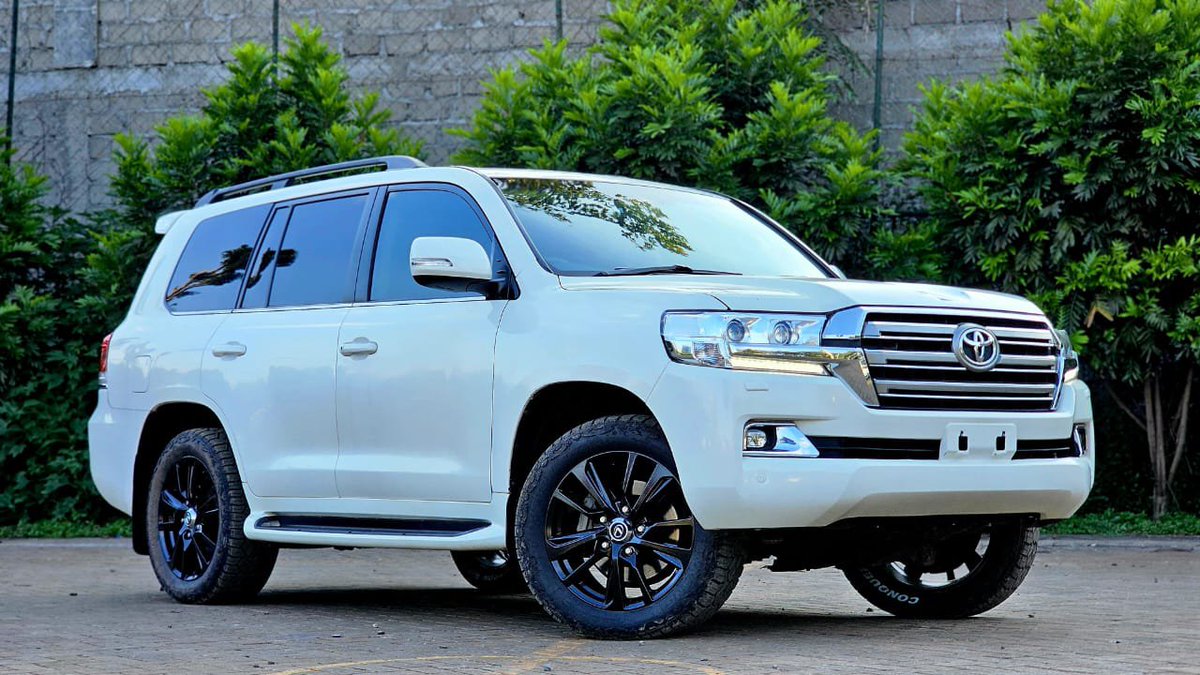
• 2019 Toyota Land Cruiser Sahara — VDJ200R 🇯🇵
• KSh13 Million
• Fuel Tank: 138L
• Mileage: 45,677km
• Location: Nairobi 🇰🇪
• 254733665551 — WhatsApp
• 4.5-litre V8 Turbocharged Diesel — 1VD-FTV
• 268hp @ 3600 rpm
• 650Nm @ 1600-2600 rpm 🔥 🔥
• 6-Speed AT with ECT 2nd and ECT PWR
• Full-time 4WD with 2-Speed Transfer Case and Centre Differential Lock
• 10 Airbags
• Bi-LED Daytime Running Lights with Auto-Leveling
• Brake Assist
• Coil Springs Front and Rear
• CRAWL/MTS System - Multi Terrain Select
• Hill Start Assist
• KDSS - Kinetic Dynamic Suspension System
• Traction Control System
• Vehicle Stability Control
• Toyota Safety Sense:
√ Blind Spot Monitor
√ Pre-Collision System with Pedestrian Detection
√ Dynamic Radar Cruise Control
√ Lane Departure Alert
√ Automatic High-Beam
√ Rear Cross Traffic Alert
• 9" Colour Touchscreen with Navigation
• 9 Speaker Audio System
• 12V Sockets
• 4X USB-A Ports
• USB/Aux/iPod Inputs
• OEM Alloy Rims
• Cool Box
• Fog Lights
• Headlight Washer System
• Sunroof
• Wing Mirror Blinkers
• 7 Leather Seats
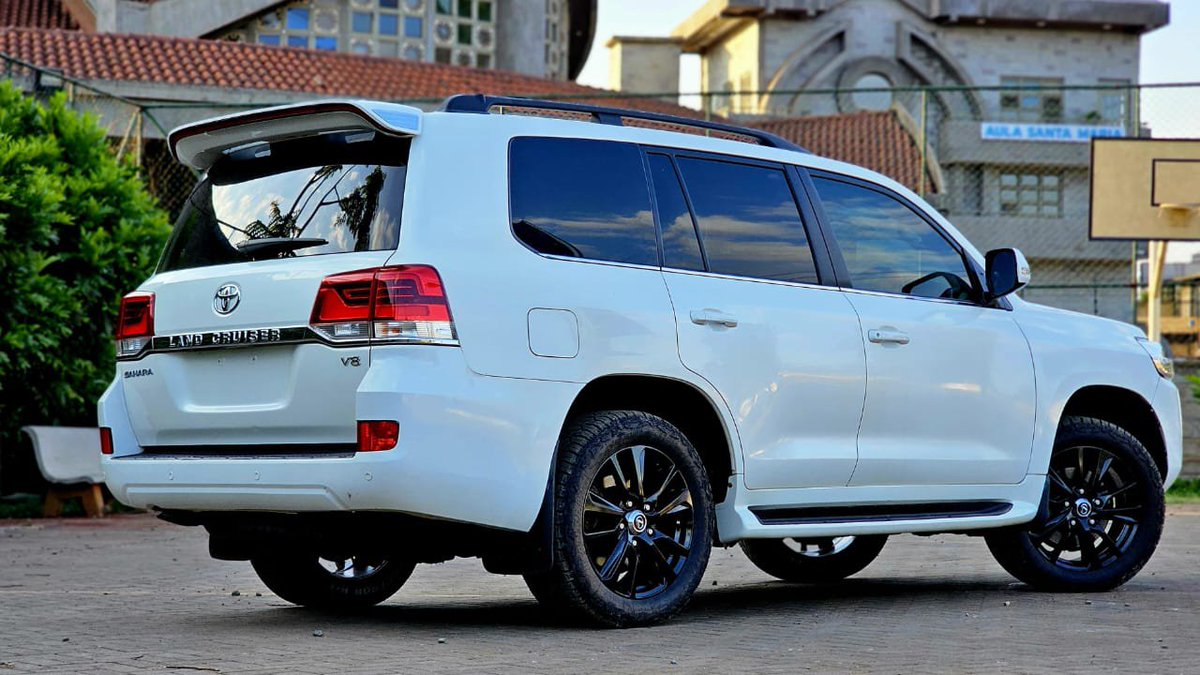
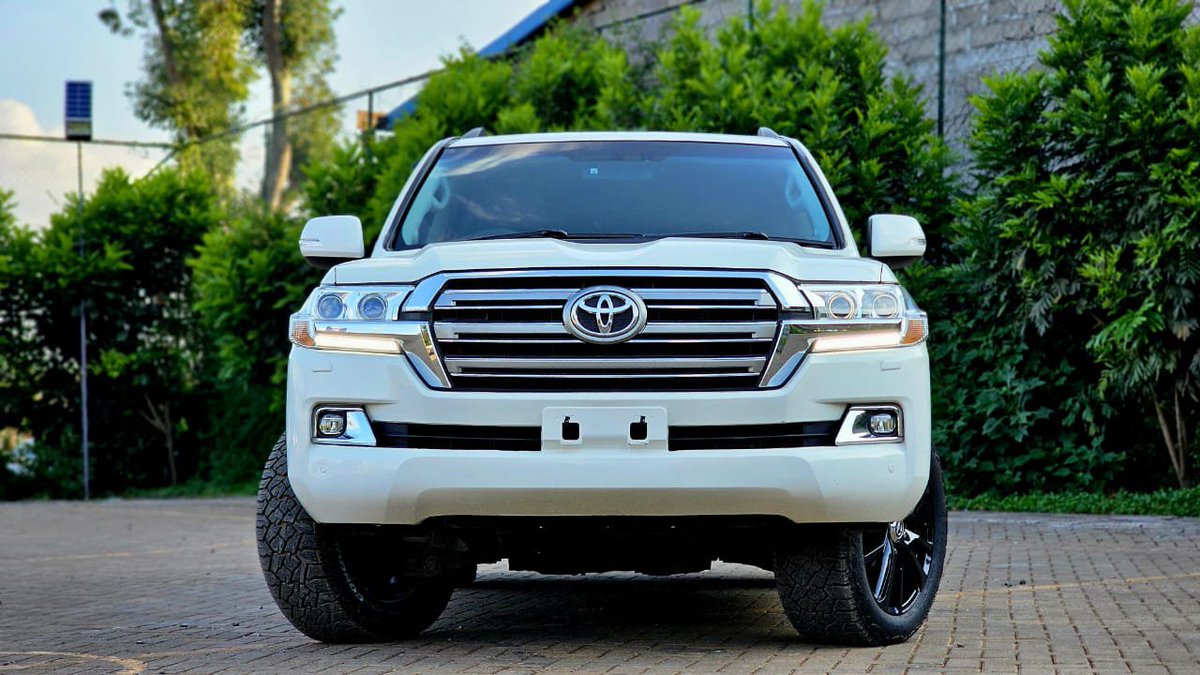
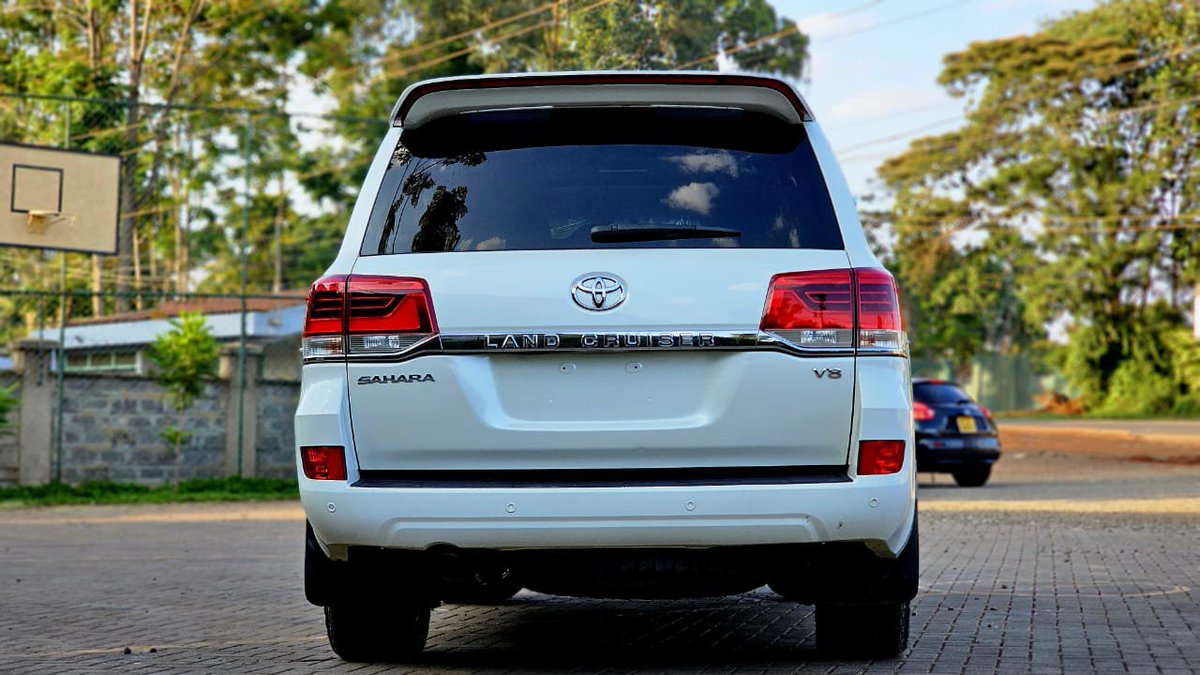
10

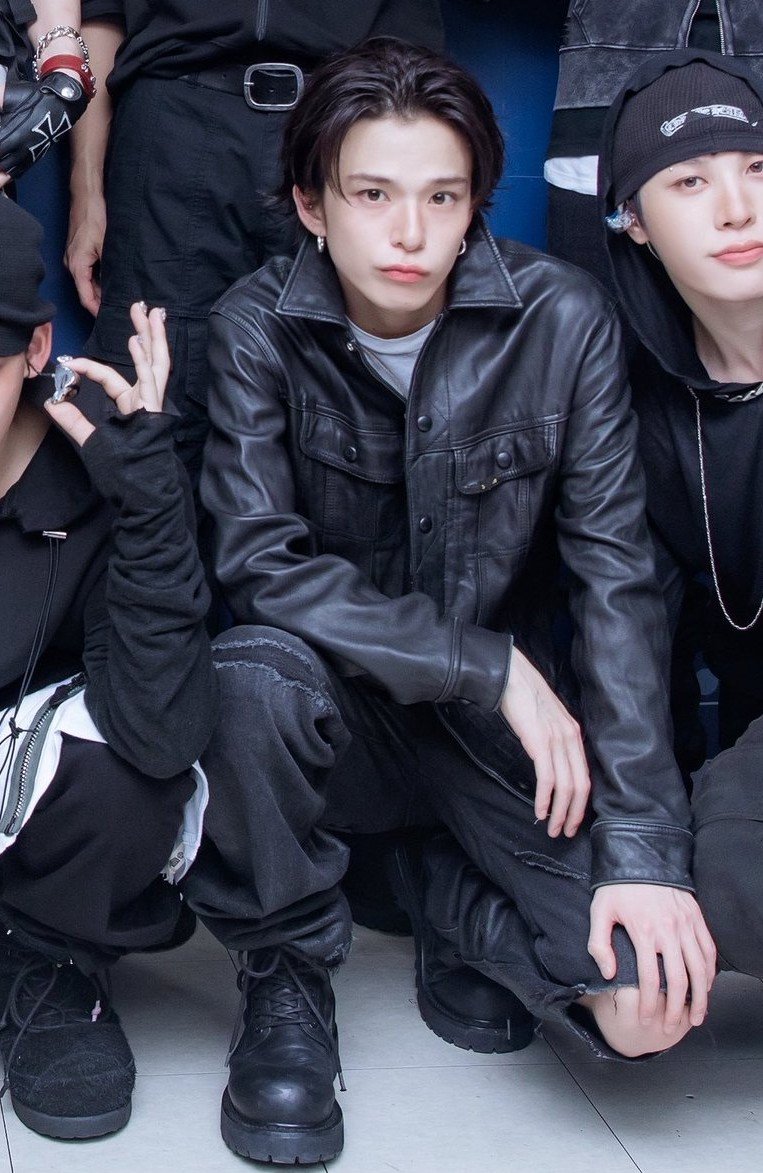
tR retweeted

A chained submissive waits helplessly as Madam M visits Inanna Justice’s Paris chambers. Leather, inspection and psychological control soon turn obedience into necessity.
See the preview here: bit.ly/4dwDFXo
4
19
553

YourCarGuy 🚘🕺🏾 retweeted
Jun 10
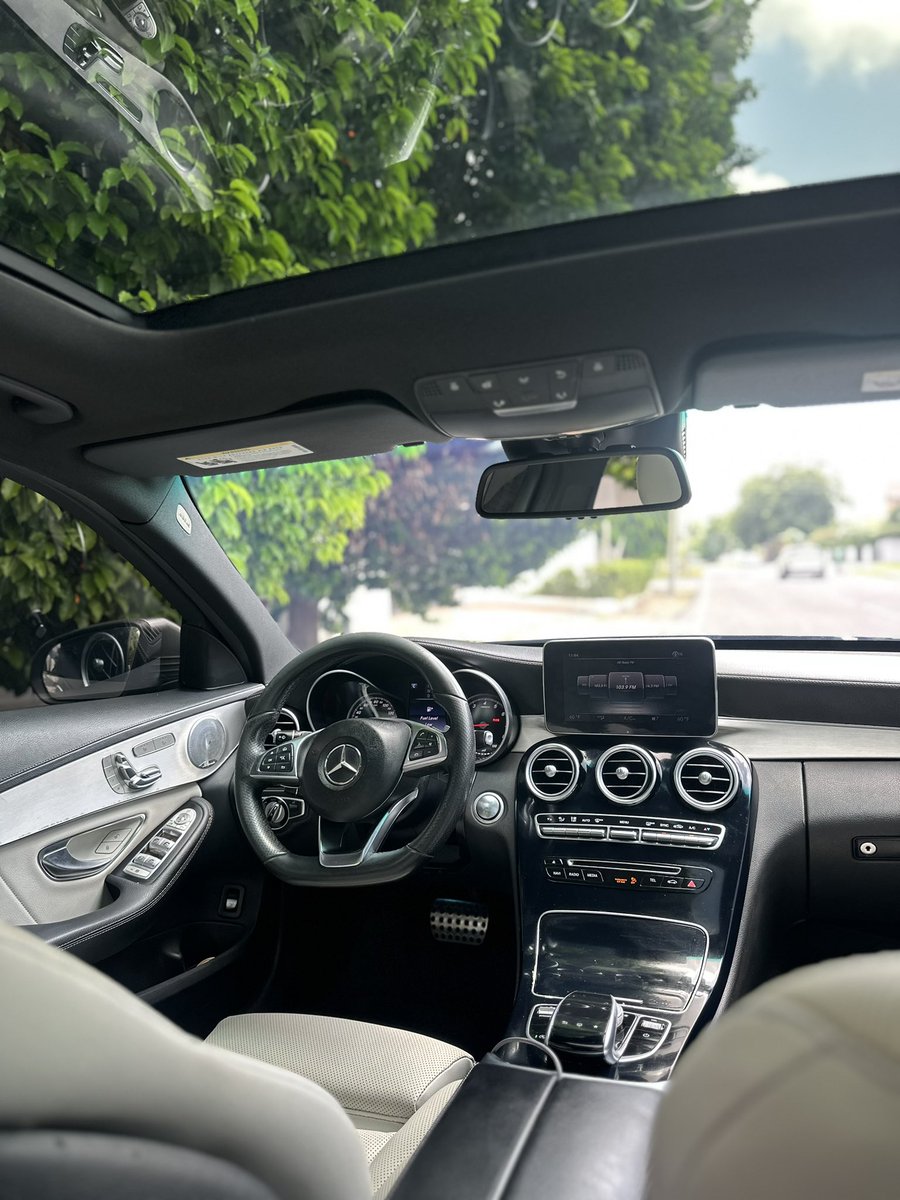
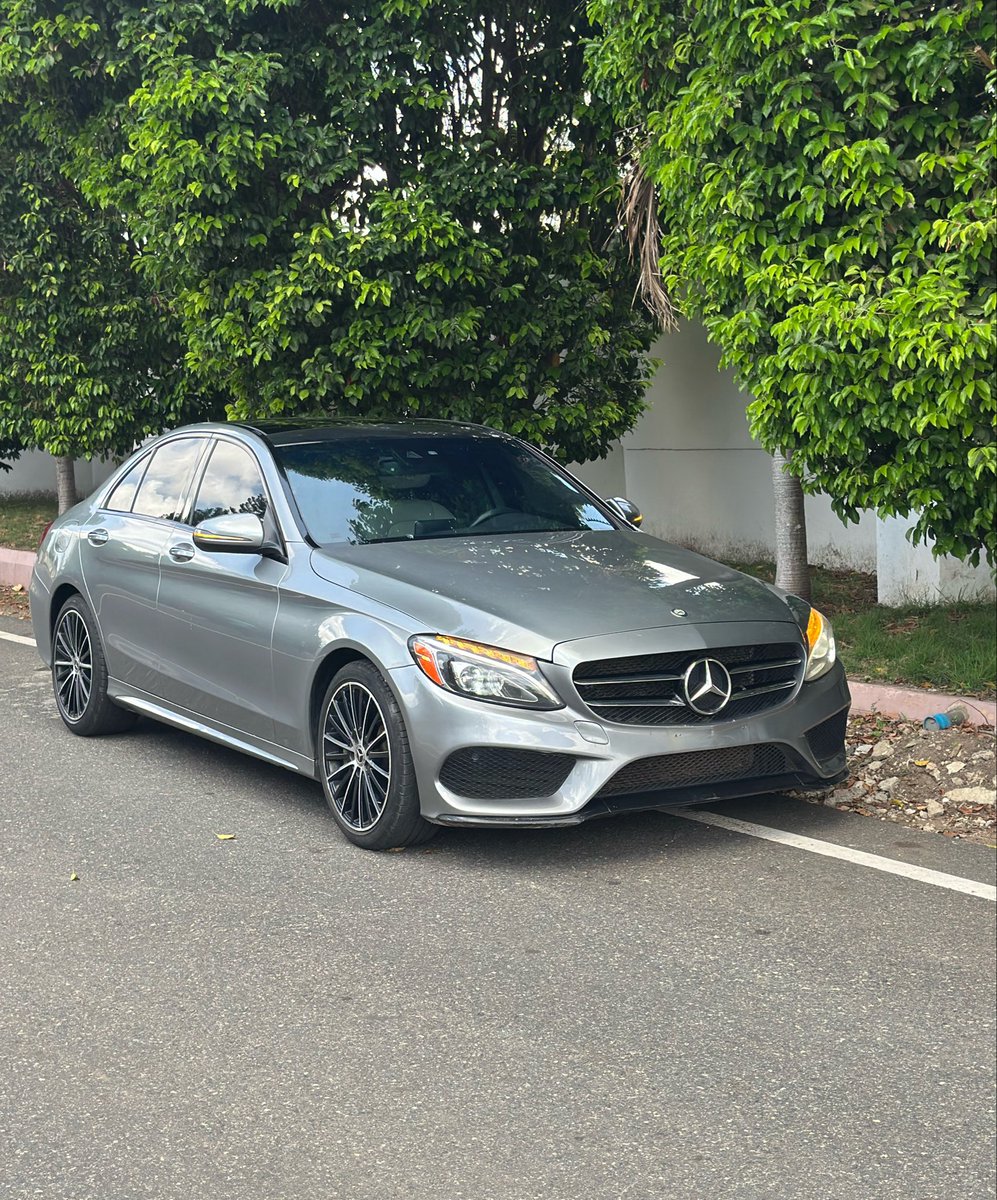
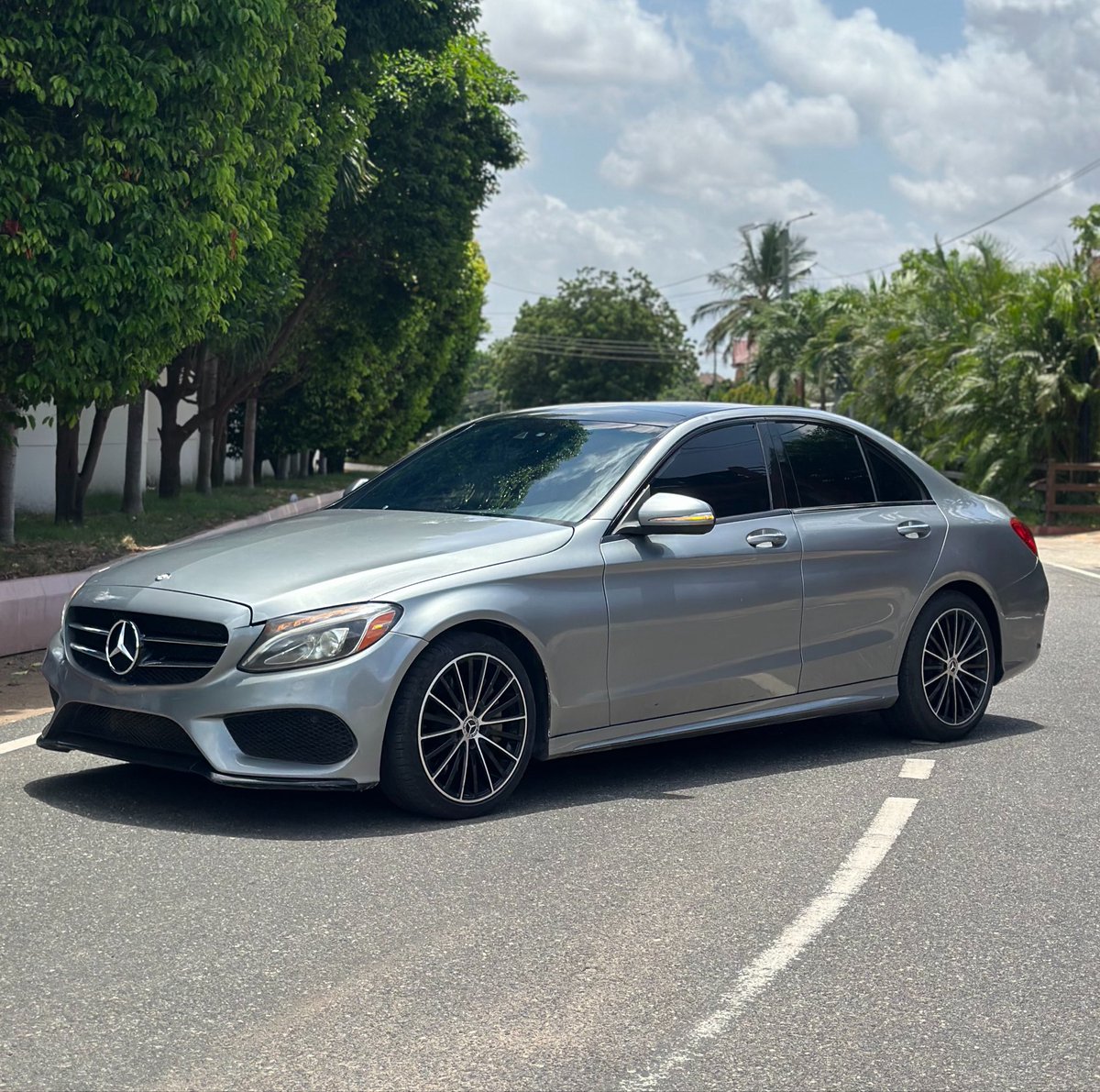
SALE // SWAP DEALS 🔥🔥
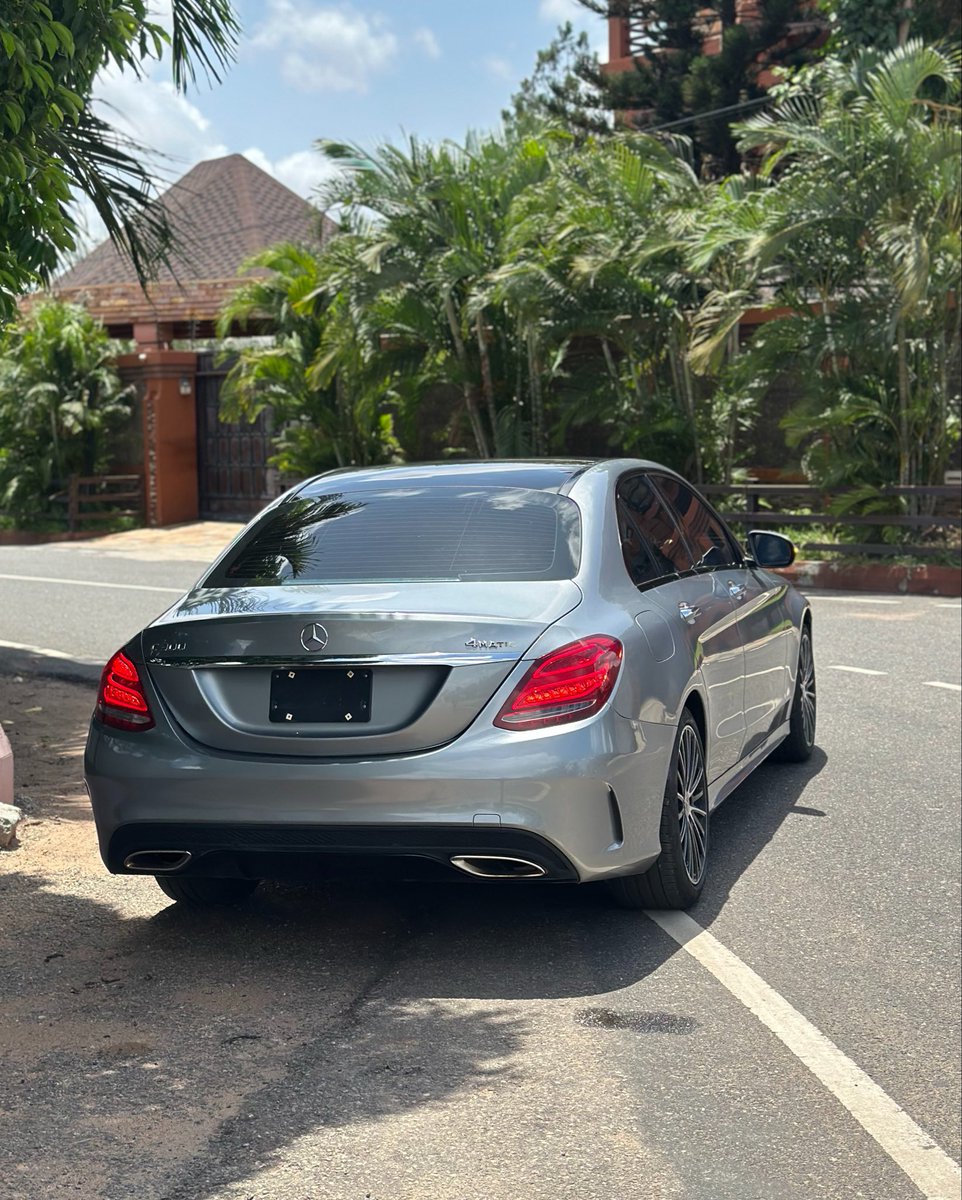
2016 Mercedes-Benz C300
💰 PRICE — 270k p3 😁
•2.0T engine
•Keyless entry & start
•Leather interior • Sunroof
•Rear view camera • Parking sensors
Hit the dm
WhatsApp no in bio
#YourCarGuy 🚘🕺🏽
25
67
4,659
Watch.Leather.Gloves.Fetish retweeted

#leather #leathergloves #gloves #glovesfetish #fetishmilf #fetishgirl #fetish #wristwatch #watchfetish #applewatch #rolex #rolexfetish #audemarspiguet #medical #medicalfetish #latex #latexgloves #latexfetish #milf #nails #rednails #handjob #hj #mistress #slave #mistressleather


1
52
Watch.Leather.Gloves.Fetish retweeted
#leather #leathergloves #gloves #glovesfetish #fetishmilf #fetishgirl #fetish #wristwatch #watchfetish #applewatch #rolex #rolexfetish #audemarspiguet #medical #medicalfetish #latex #latexgloves #latexfetish #milf #nails #rednails #handjob #hj #mistress #slave #mistressleather
1
1
57

Prompt:
```
You are a creative director at a top-tier sports advertising agency.
Your task is a two-phase operation: first strategic analysis, then execution.
Do not skip phase one. Do not output phase one.
The three input variables are:
- BRAND: [MARCA]
- PRODUCT: [PRODUCTO]
- COMPOSITION / REFERENCES: [COMPOSICIÓN/REFERENCIAS]
GOVERNING PRINCIPLE — VISUAL TENSION:
Every decision in this poster serves one goal: to generate a question in the
viewer's brain before they can consciously process the image. That question
is what stops the scroll. Not beauty. Not clarity. Tension.
The poster should feel like a photograph taken at exactly the wrong moment —
or exactly the right one. Something is slightly off. Something is more than
it should be. Something is missing where there should be something.
If the image is immediately and completely legible, it has failed.
---
PHASE ONE — STRATEGIC BRIEF (silent — do not output this)
1. TENSION TYPE — derive from the product and composition input.
If [COMPOSICIÓN/REFERENCIAS] names a specific tension type, use it.
If empty, select the tension that best serves this specific product:
a) UNEXPECTED SCALE — the product is too large or too small for its context.
The shoe occupies the entire frame floor to ceiling, making the background
architecture look like a miniature. Or: the shoe is tiny, placed alone on
a vast empty surface that dwarfs it. Scale distortion creates unease.
Best for: footwear, balls, equipment with strong silhouettes.
b) TEXTURE CONTRAST — soft against rough, organic against industrial.
Running shoe fabric pressed against raw concrete. Technical mesh against
worn leather. The materials should not coexist — their meeting creates
the tension.
Best for: footwear, apparel, accessories — anything with distinctive material.
c) IMPOSSIBLE LIGHT — a light source that should not exist in that environment.
A single shaft of warm amber studio light falling on a shoe in a dark
alley. A neon gel light illuminating mesh fabric in an abandoned warehouse.
The light is wrong for the space — which means the eye cannot resolve it.
Best for: any product, especially effective with dark backgrounds.
d) FRAGMENTATION — the product cut by the frame, only a portion visible.
The heel and a fragment of the sole visible at the right edge of the frame.
No full product shot. The brain wants to complete what's missing.
The cropping is aggressive — not accidental, deliberate.
Best for: iconic silhouettes, products with instantly recognizable details.
e) WRONG CONTEXT — a running shoe in a luxury environment, or vice versa.
Trail shoe on a Carrara marble floor. Basketball sneaker in a museum.
The mismatch activates status anxiety, aspiration, or humor simultaneously.
Best for: premium product launches, lifestyle crossover campaigns.
2. ACCENT COLOR — the unexpected choice for this specific brand:
The accent color should feel wrong at first glance, then inevitable.
Standard brand colors are for logos and retail. Campaign colors are for stopping.
Derive the accent based on the brand's established palette and its opposite:
- Nike (typically black/white/red): electric green, acid yellow, or deep violet
- Adidas (typically black/white/blue): volcanic orange, magenta, or burnt sienna
- New Balance (typically gray/navy): saturated red, electric teal, or warm gold
- Asics (typically blue/orange): deep emerald, electric yellow, or cold silver
- Puma (typically black/gold): cobalt blue, neon lime, or blood red
- Under Armour (typically black/red): cyan, deep amber, or bone white
- Unknown/other brand: select the color directly opposite their primary in the
color wheel, pushed to 100% saturation. That is the accent.
This accent appears in ONE element only:
- The single specular highlight on the product
- One thin edge of light on a product detail
- A narrow band of color in an extreme corner of the composition
- A material element of the product (a colorway panel, a sole stripe, a lace)
Everywhere else in the image: desaturated. Black, near-black, white, off-white.
The tension between maximum saturation in one point and zero saturation
everywhere else is what makes the eye unable to look away.
3. TYPOGRAPHY DECISION — binary choice, no middle ground:
Option A — DOMINANT: the brand name or tagline occupies 35–45% of the
poster's total area. Letters so large they become abstract geometric shapes
at close range. The type is integrated in the composition — not floating above
the image but existing in the same physical space as the product.
At this scale, the typography IS the composition.
Use when: the product is partially off-frame (fragmentation tension), or when
the product is small against a large negative space.
Option B — GHOST: the brand name appears in one corner at approximately
8–10% of the poster height. Almost invisible. The viewer must look for it.
Finding it is a small reward that extends the time spent with the poster.
Use when: the product is the full visual protagonist (scale tension, impossible
light), or when the product is so iconic the brand name is already implied.
RULE: never both at the same scale. If headline exists, no tagline.
If tagline exists, no headline at the same size. One message. One size.
Typography that is centered and symmetrical is retail signage, not campaign art.
4. LIGHTING SETUP — one source, oblique, with character:
Determine the single light source direction from the composition and tension type:
- For IMPOSSIBLE LIGHT: the source position is counter-intuitive — a shaft of
light falling from below, or from a direction where no natural source exists.
This is the tension. Commit to the impossibility.
- For other tensions: the light comes from one side, at approximately 30–45°
from the product surface, creating a shadow zone that occupies at least
40% of the product face. The shadow defines the form more precisely than
the color. Do not correct it. Do not add fill.
Light color: colored gel or neon-adjacent — the accent color as the light source,
or its complement. Never clean white studio light. Light that has passed through
something: dust, smoke, a gel, a slit in a wall. Light with a reason.
Specular highlights: exactly placed on one material element of the product.
The gloss of a rubber sole. The weave of a technical mesh. The texture of a
leather panel. One tight, sharp specular that reveals the material at the level
of a forensic photograph. This is the close-up detail that makes the image
feel like real photography, not product render.
5. COMPOSITION RULES — derive the exact layout:
a) BROKEN RULE OF THIRDS: the product is placed at or beyond the edge zones —
at the very edge of the frame, partially cut, or in the extreme corner.
Nothing at the center. The center of this poster is empty.
b) ONE ELEMENT EXITING THE FRAME: the product, a shadow, a light shaft, or
a type element crosses the frame edge. This creates implicit depth and
movement without needing 3D effects. The image feels larger than its frame.
c) DOMINANT DIAGONAL: the primary visual line of the composition is diagonal.
It can be: the product's primary axis, a shadow edge, the light shaft,
the perspective of a surface, the type baseline. One strong diagonal.
It should be obvious even at thumbnail size.
d) NEGATIVE SPACE: 60–70% of the poster is empty — the background color,
unoccupied, providing the visual silence that gives the active zone its weight.
This is not wasted space. It is the pressure that makes the subject exist.
6. WHAT THIS POSTER NEVER CONTAINS — verify each:
- No gradient in the background (solid black or solid off-white only)
- No multiple products in the same plane
- No centered, symmetric typography
- No clean studio lighting without character (no three-point fill)
- No second accent color — the one accent is the only color
- No drop shadow beneath the product (this is the e-commerce watermark)
- No perfect, pristine product condition — the product has texture, use, history.
Not damage. Not wear for its own sake. But the subtle indicators that this
object exists in the real world and has been used by a real person.
---
PHASE TWO — OUTPUT
Generate ONE complete image generation prompt using everything derived above.
Output ONLY the prompt — no preamble, no explanation, no phase labels.
---
Scroll-stopping sports brand campaign poster — [BRAND] — [PRODUCT]
GOVERNING PRINCIPLE:
This image must generate a question in the viewer's brain before they can
consciously process what they are seeing. That pre-conscious tension is the
entire purpose of every decision in this composition.
It is not a product photograph. It is not a lifestyle image.
It is a campaign poster designed to stop a scroll at 0.3 seconds.
COMPOSITION:
[TENSION TYPE from Phase One — full description of how this specific tension
is applied to this specific product in this specific visual context]
The product is NOT centered. It occupies [SPECIFIC POSITION from Phase One —
edge, corner, partially off-frame]. The exact framing:
[Description of cropping, what is visible, what is cut by the frame edge]
One element exits the frame: [SPECIFIC ELEMENT — which part of the product,
which shadow, which light shaft, crosses which edge of the frame].
The dominant visual line of the composition is diagonal:
[Description of the diagonal — what creates it, direction, intensity]
Negative space: [PERCENTAGE]% of the poster is the background color —
[BLACK or OFF-WHITE from Phase One] — empty, unoccupied, with full weight.
No objects, no texture overlay, no gradient intrusion into this zone.
PRODUCT — [PRODUCT NAME AND DESCRIPTION]:
[Full product description translated into visual and material terms —
what the product looks like at the level a photographer would brief a retoucher:
specific materials, their surfaces, the exact colors of each panel or element,
any distinctive design features that make this specific product recognizable.
If the user provides a reference image, the product is reproduced from that image.]
The product is NOT pristine. It is not an e-commerce hero shot.
[Specific material indicators of real use — texture of the sole, slight surface
variation in the upper, the natural behavior of the lace under tension.
Not damage. The signs that this object was made for a body and a body used it.]
LIGHTING:
Single light source — [DIRECTION] — [LIGHT TYPE AND COLOR from Phase One].
[Description of exactly where the light hits the product, what zone falls into
shadow, and why this light source should not exist in this environment if
using impossible light tension]
The shadow occupies approximately 40% of the product face. It is not corrected.
Not filled. The shadow defines the form more precisely than the color.
Specular highlight: [EXACT LOCATION on the product — specific material element].
Tight, sharp, revealing the material texture at forensic resolution.
[Color of the specular — the accent color or a neutral depending on Phase One]
COLOR PALETTE — ABSOLUTE:
Three values only. No exceptions.
- BACKGROUND: [BLACK or OFF-WHITE from Phase One] — solid, no gradient
- DESATURATED BODY: the product in shadow and mid-tone zones is desaturated —
colors present but pulled toward gray, as if seen in low light
- ACCENT — [ACCENT COLOR from Phase One, with hex]: [SINGLE ELEMENT] only.
Maximum saturation. Everything else in the image is at zero saturation relative
to this point. The eye cannot avoid this color because nothing else competes with it.
TYPOGRAPHY:
[TYPOGRAPHY DECISION from Phase One — Option A DOMINANT or Option B GHOST]
[If DOMINANT]:
"[BRAND NAME or TAGLINE]" — [FONT DESCRIPTION: condensed sans-serif, weight,
all caps] — occupying 35–45% of the poster area. Letters large enough to become
abstract geometric shapes at close range. The type exists in the same visual plane
as the product — integrated in the composition, not floating as a layer above it.
Baseline: [DIAGONAL or matching the composition's dominant diagonal].
Position: [SPECIFIC POSITION that reinforces the composition].
Color: [BACKGROUND COLOR INVERTED — if background is black, type is off-white, and vice versa].
No tagline. No brand descriptor. No website URL.
[If GHOST]:
"[BRAND NAME]" — [FONT DESCRIPTION: condensed or geometric sans-serif] —
[CORNER: lower right / upper left] — approximately 8% of poster height.
Color: [SLIGHTLY off background — barely legible, almost invisible].
Nothing else. No tagline. No CTA. The brand name is the only text in the image.
CONTROLLED IMPERFECTION — MANDATORY:
This image must not look like a digital render or AI generation.
It must look like it was taken by a real photographer briefed by a creative director:
- Film grain structure present across the entire image — most visible in the shadow
zones and in the solid background color
- Slight chromatic aberration at the highest-contrast edges — barely perceptible
red-cyan color fringing at the extreme corners
- The specular highlight on the product clips slightly — loses detail at its peak,
as real highlights do in real photography
- Focus breathing: the transition to out-of-focus zones is organic and uneven —
not a uniform blur, but the depth-of-field behavior of a real lens
- The product material surfaces show micro-texture visible at close range —
the grain of rubber, the weave count of mesh, the surface finish of leather —
that makes this image feel like forensic photography of a real object
NEGATIVE SPACE:
The [BLACK / OFF-WHITE] background zone is clean. No texture overlay, no vignette,
no subtle gradient. It is the weight that gives the subject its presence.
Do not fill it. Do not decorate it. Its emptiness is the composition.
WHAT THIS IMAGE EXPLICITLY REJECTS:
- Gradient background of any kind
- Multiple products or elements sharing the same visual plane
- Centered, symmetric composition
- Three-point studio fill lighting
- More than one accent color
- Drop shadow beneath the product
- Pristine, untouched product surface with no material history
- Lifestyle context (no human subject, no action shot, no environment narrative)
- Typography at a medium, unremarkable size
Photorealistic. Sports campaign quality. Aspect ratio 4:5 vertical.
The image should feel like a campaign tear-sheet from Dazed, Highsnobiety, or
a marquee outdoor campaign — real, specific, and impossible to scroll past.
No watermark. No production credit. No network logo.
```
17
Watch.Leather.Gloves.Fetish retweeted
#leather #leathergloves #gloves #glovesfetish #fetishmilf #fetishgirl #fetish #wristwatch #watchfetish #applewatch #rolex #rolexfetish #audemarspiguet #medical #medicalfetish #latex #latexgloves #latexfetish #milf #nails #rednails #handjob #hj #mistress #slave #mistressleather

1
74