

23h
Folks, I've been in Texas for over 25 years. Seen CORNYN and what he does.
1. Mask is off, cause he has nothing to fucking lose.. Paxton our beloved Attorney General in Texas flat out put out in the news if John Cornyn would help get this pushed through the save America act he would withdraw from the primary
John CORNYN is such a nasty ass rhino. He wouldn't even do it because he didn't think he would lose.
Why did he think he wouldn't lose? because THUNE supposedly and I will be shocked if this is not true dumped at least 100 million I've heard as high as 150 million of the coffers for helping senators get elected not primary elected. I might add so did the bushes they dumped a shit ton of money into it why because their boy got beat by Paxton when he tried to run against him so he could be the next President Bush basically.
We hear in Texas screamed at the top of our lungs. We called everybody believe me we did when it sounded like it was going to be between THUNE and CORNYN 4 leader of the Senate because we knew what our boy down here would do we've been holding our nose for decades voting for him because we didn't have a choice.
John CORNYN you're a piece of crap all the money in the world was not going get your ass reelected in this primary and that has shown here in Texas
You would not have pushed the save America act. I don't know if you would've done even a worse job than thune although I have to say have you might have done a little better by default because THUNE has done absolutely NOTHING and sabotaged appointments during recesses.
John, You said you would step up and you were going to do the right thing and help support the GOP bullshit. don't know if your daughter's going to continue to still work in the capital and make the money she's making doing the thing she's doing like a lot of other nepotism situations, but you are a piece of CRAP for saying this. you should've left proudly and had some dignity and you're not doing any of that.
Why are we not freaking surprised here in Texas screw you! MIke is right!!!! you all need to find five guys that have got the fucking balls to move that piece of shit out of that position and if JD Vance has to do it so fing God let it happen Senators THUNE is also sabotaging your getting more money for campaigns!! people don't know if he's getting the money in the general Coffer, which is my concern so that he can spend it on his buddies like Co llins and these other rhinos, we've got rid of most of them and THUNE I swear to God I will skip eating out to donate to your freaking ass primary competitor. I don't give a damn who they are. they can't be worse than what you have done to this country.
@LeaderJohnThune @JohnCornyn @JDVance @SenateGOP
67


Dr. Iram Zubair retweeted

Jun 4
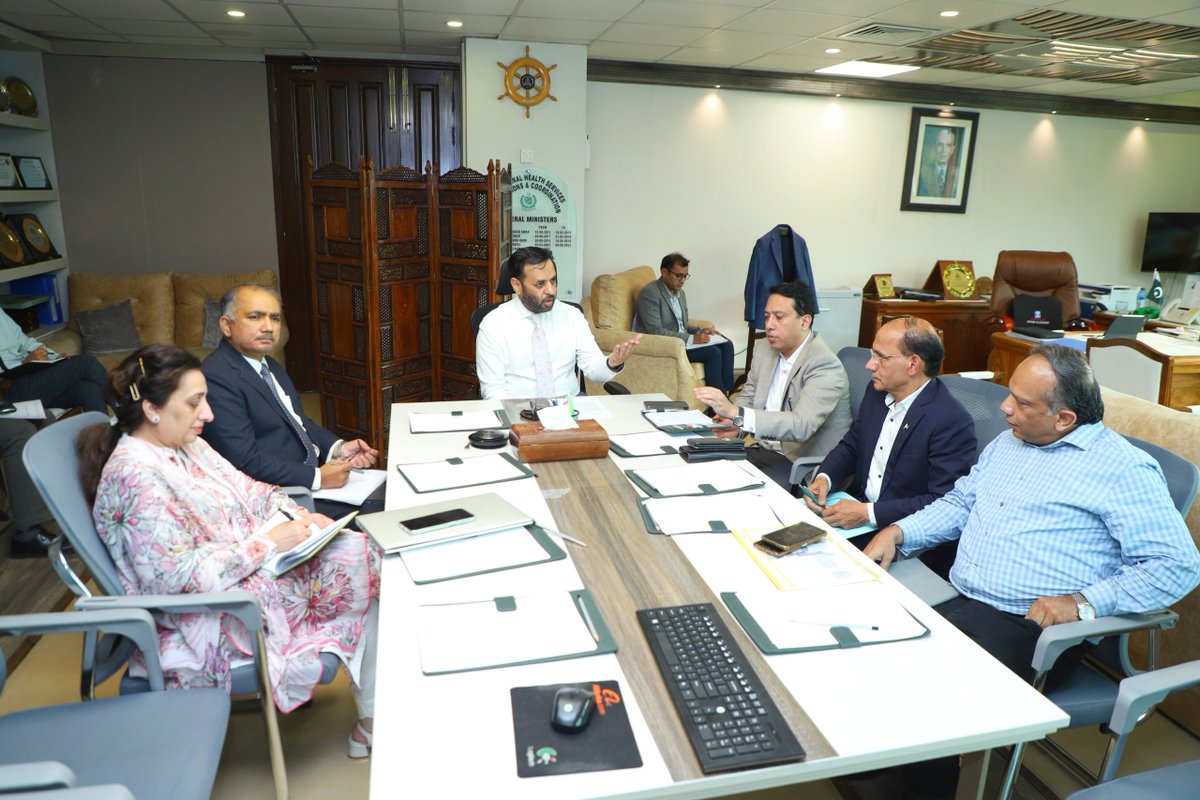
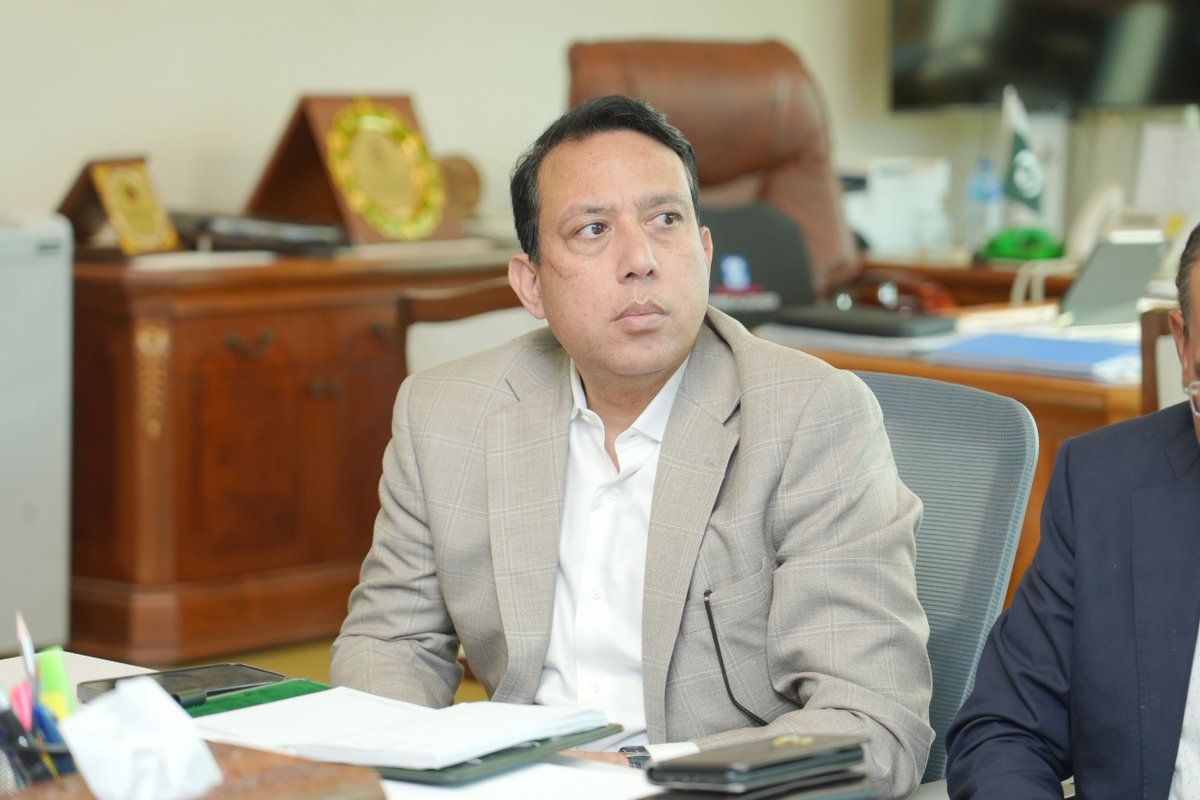
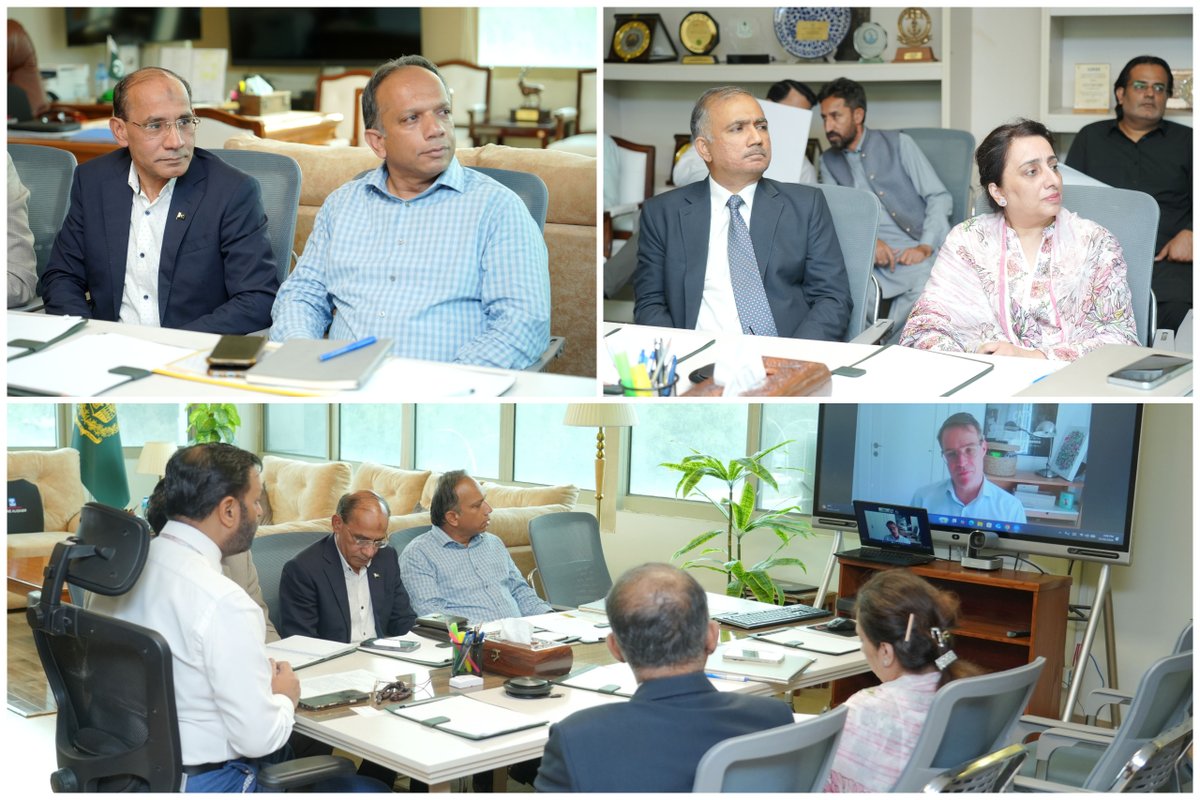
وفاقی وزیرِ صحت سید مصطفیٰ کمال سے رون بوسلمن نے زوم میٹنگ کی۔ میٹنگ میں Long Lasting Insecticidal Nets (LLINs) کے حوالے سے تفصیلی تبادلۂ خیال کیا گیا، جس میں ملیریا کی روک تھام، صحتِ عامہ کے تحفظ، اور کیڑے مار جالیوں کی مؤثر فراہمی و استعمال کے لیے حکمتِ عملی پر غور کیا گیا۔ دونوں فریقین نے صحت کے شعبے میں تعاون کو مزید مضبوط بنانے اور بیماریوں کے تدارک کے لیے مشترکہ کوششیں جاری رکھنے پر اتفاق کیا۔
#MustafaKamal #HealthMinister #MalariaPrevention #DiseasePrevention #GlobalHealth #Pakistan
@WHO @UNICEF @Gavi @GatesFoundation @GovtofPakistan

26
38
360

genuinely tearing up thinking about what misha c*llins took away from me


1
2
112


May 26
ちなみにDDTが使われなくなったのはそもそも薬剤耐性ができたことと、もっと大きな理由は住友化学がLLINs(長期持続型蚊帳)というものを発明してそれをアフリカ諸国に配布したから。これがDDTより遥かに効果が大きいから使われにくくなっただけ
22
93
6,306

May 26
New brand. Same mission. 💜
I’m C☯️llins, a designer focused on Web2 & Web3 visuals designer.
I help projects look premium, futuristic & impossible to scroll past.
Brand identity • Social designs • Web3 aesthetics
Blue thick remaining 🌚😂


2
9
385

for Dengue Control: Check, Clean and Cover.”
Officials also visited Dallapalli under Edulapalem Primary Health Centre and held an awareness meeting on the proper use of Long-Lasting Insecticidal Nets (LLINs), the importance of bed nets,
1
160

A Clinical Pharmacist's Tale from the Frontlines: Parasites Beyond the Worms
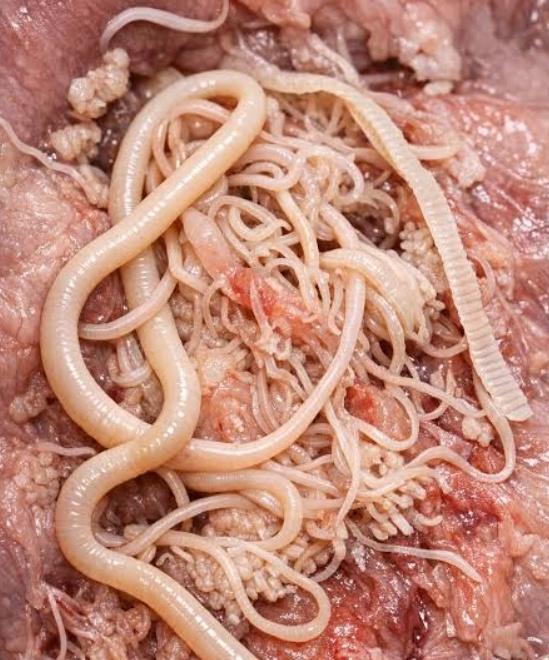
The 5-year-old boy we treated last week with one 400mg Albendazole tablet reminded me again how common intestinal worms still are in our Nigeria, especially during the rainy season when kids play in the mud and eat with dirty hands.
But today, let me take you on a deeper journey - the full story of parasites that go far beyond Ascaris, hookworms, and pinworms.
Imagine this: A mother brings her child to the hospital complaining of blood in urine. The boy has been swimming in a local stream. That’s Schistosomiasis (Bilharzia) knocking, caused by Schistosoma haematobium or mansoni.
These tiny worms enter through the skin in contaminated freshwater, and months later you see abdominal pain, blood in stool or urine, and if ignored, serious liver or bladder damage.
The good news? One dose of praziquantel usually sends them packing, but prevention is better!
Then there’s the silent night visitor, Malaria. Plasmodium falciparum is our number one enemy. Every fever in a child during rainy season must be taken seriously. Mosquitoes carry it, and it causes anemia, convulsions, and too many preventable deaths.
I always tell parents: Long-lasting insecticide nets (LLINs), proper antimalarials when confirmed, and clearing breeding sites around the house are non-negotiable.
Now picture an older man with massive swelling in his legs and scrotum — Lymphatic Filariasis (Elephantiasis). The filarial worm Wuchereria bancrofti, also spread by mosquitoes, blocks the lymphatic system.
Nigeria still has one of the highest burdens, but thanks to mass drug administration with ivermectin albendazole, we’re pushing it back in many communities.
Close to rivers, another story unfolds: Onchocerciasis (River Blindness). Blackflies transmit Onchocerca volvulus. Patients come with unbearable itching, skin changes, and in worst cases, loss of vision. Ivermectin has changed the game, many communities that once suffered yearly now have hope.
Don’t forget the invisible troublemakers in water: Protozoa like Entamoeba histolytica (causing amoebic dysentery with bloody diarrhea) and Giardia (persistent watery stool and poor appetite). These thrive where clean water is scarce.
We also see occasional liver flukes (Fasciola) from contaminated vegetables and tapeworms (Taenia) from undercooked meat. Guinea worm?
We’re winning — Nigeria has been free of indigenous cases for years!
The Real Lesson
These parasites steal nutrition, stunt growth, and cause anemia in our children. But we are not helpless.
My Advice as Your Clinical Pharmacist:
• Deworm children periodically with albendazole or mebendazole (every 6 months in high-risk areas).
• For schistosomiasis hotspots, praziquantel as recommended.
• Wash hands, boil/filter water, wear shoes, cook food properly, and keep nails short.
• Sleep under treated nets. Avoid stagnant water.
• When symptoms appear; itching, blood in urine/stool, swelling, or repeated fever — don’t guess.
• Come to the hospital for proper testing (stool, urine, or blood microscopy).
Nigeria is fighting hard through @WHO and national programs with mass drug administration and education. But the real power is in our homes and communities.
Share this with a parent today. Let’s protect our children together.
What parasite story have you encountered in your area?

🚨 Pharmacist’s Diary – Entry: Little Hands, Big Worms
Dear Diary,
This morning, the clinic bell rang and in walked Mama Aisha with her 5-year-old son, little Ibrahim, clinging to her wrapper like it was his lifeline. His eyes were tired, belly slightly swollen, and he kept scratching his bottom when he thought no one was looking. Classic signs. In our part of town, especially during rainy season when kids play in the mud and wash hands... sometimes, worms win the battle.
I smiled at him. “Ibrahim, my guy! You dey fight invisible soldiers inside your belle?”
He nodded shyly. Mama explained: poor appetite lately, occasional stomach pain, and those itchy nights that disturb sleep. She had tried the local “worm medicine” from the patent store before, but it kept coming back. Time for proper deworming.
I pulled out the Albendazole 400mg tablet (our reliable Albenza or generic equivalent). For most common intestinal worms, roundworm (Ascaris), hookworm, pinworm (Enterobius), even some whipworm – a single 400mg dose for children over 2 years and above 10kg is the go-to. Simple, effective, and one-time for most cases.
Practical tips I gave Mama Aisha (the real talk we pharmacists live for):
• Give it with food – preferably a fatty meal like beans and palm oil, or groundnut paste, or even milk and bread. Albendazole loves fat; it helps the body absorb it better so it can chase those worms properly.
• The tablet can be chewed or crushed and mixed with a little yogurt or honey if Ibrahim refuses to swallow. No need to force – we want him to take it willingly.
• Expect possible mild stomach upset, nausea, or loose stool in the next 1-2 days. That’s the worms packing their bags and leaving! But if fever, severe pain, or anything unusual, bring him back sharp.
• Hygiene is half the treatment! I told her: Wash hands before eating, cut nails short, wash fruits and veggies well, and change bedsheets/panties daily for the next few days. For pinworms especially, repeat the dose after 2 weeks to catch any eggs that hatch later.
Mama asked the big question: “Pharm, is it safe? He’s small o.”
Yes, for children over 2 years, it’s generally well-tolerated when used as directed. We avoid it in kids under 6 months or in pregnancy (especially first trimester) unless the doctor says otherwise. Always check weight and exact indication. For more serious things like neurocysticercosis or hydatid disease, dosing is weight-based (15 mg/kg/day split into two) and longer – but that’s doctor territory with monitoring.
Two days later, Mama returned with a big smile and a bowl of moimoi as thank-you. “Pharm Maidoki, the boy is eating like lion now! And no more scratching!”
I laughed. “That’s the power of correct medicine plus correct advice. Tell your neighbors – deworm every 6 months in endemic areas, but always ask a pharmacist or doctor first.”
Key takeaway from today’s diary: Albendazole isn’t magic, but paired with education and hygiene, it changes lives. One less child with failure-to-thrive from worms means one more child running around the compound full of energy.
Stay safe, wash those hands, and keep the invisible soldiers away.
– Pharm. Maidoki ❤️
P.S. Always confirm with a prescription or consultation. Dosing can vary by exact worm and child’s weight. We pharmacists are here to make it practical and human.
3
172

Seth Rollins is kicking off the show tonight 🙌🏻
Happy Monday Night Raw-llins ❤️✨
#WWERaw
#WWE
#SethRollins

3
8
42
530
🚨 Malaria Prevention Tips
Malaria remains a major health challenge in Nigeria, especially during the rainy season. Here are practical, effective ways to protect yourself and your family:
1. Sleep Under Insecticide-Treated Mosquito Nets (ITNs)
- Use LLINs (Long-Lasting Insecticidal Nets) every night.
- Hang properly and tuck edges under the mattress.
- Check for holes regularly and repair them.
2. Use Repellents
- Apply DEET-based mosquito repellent (20-30% concentration) on exposed skin, especially in the evenings.
- Use mosquito coils, electric vaporizers, or insecticide sprays indoors.
3. Wear Protective Clothing
- Long sleeves, long trousers, and socks in the evening and at night.
- Light-coloured clothing (mosquitoes are more attracted to dark colours).
4. Eliminate Breeding Sites (Most Important!)
- Remove stagnant water around your home weekly.
- Clear blocked gutters, discard old tyres, cans, and plastic containers.
- Cover water storage tanks and wells properly.
5. Indoor Residual Spraying & Environmental Sanitation
- Support community spraying exercises when available.
- Keep your surroundings clean, trim bushes and clear drainages.
6. Chemoprophylaxis (For Special Cases)
- Pregnant women should take Intermittent Preventive Treatment (IPT) as prescribed at ANC.
- Travellers to high-risk areas can take preventive medicines (consult a pharmacist or doctor).
7. Prompt Treatment & Awareness
- Seek medical care immediately if you have fever, headache, body pains, chills, or fatigue.
- Do not self-medicate with incomplete doses of antimalarials.
Bonus Tip: Fans and air conditioners help, mosquitoes are weak fliers and struggle in moving air.
Prevention is far better and cheaper than treatment. Protect yourself today!
Which of these tips do you already practice? Drop a comment 👇
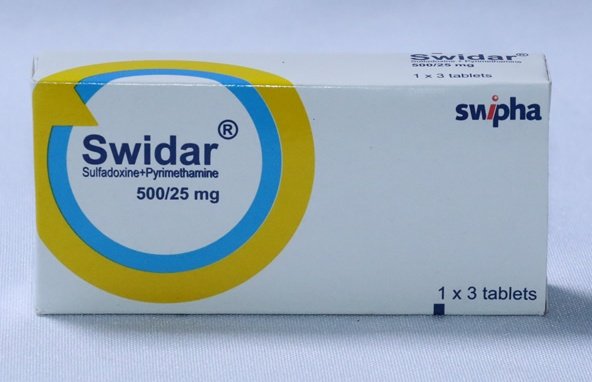
#MalariaPrevention #HealthTipsNG #PharmMaidoki
8
11
14
662


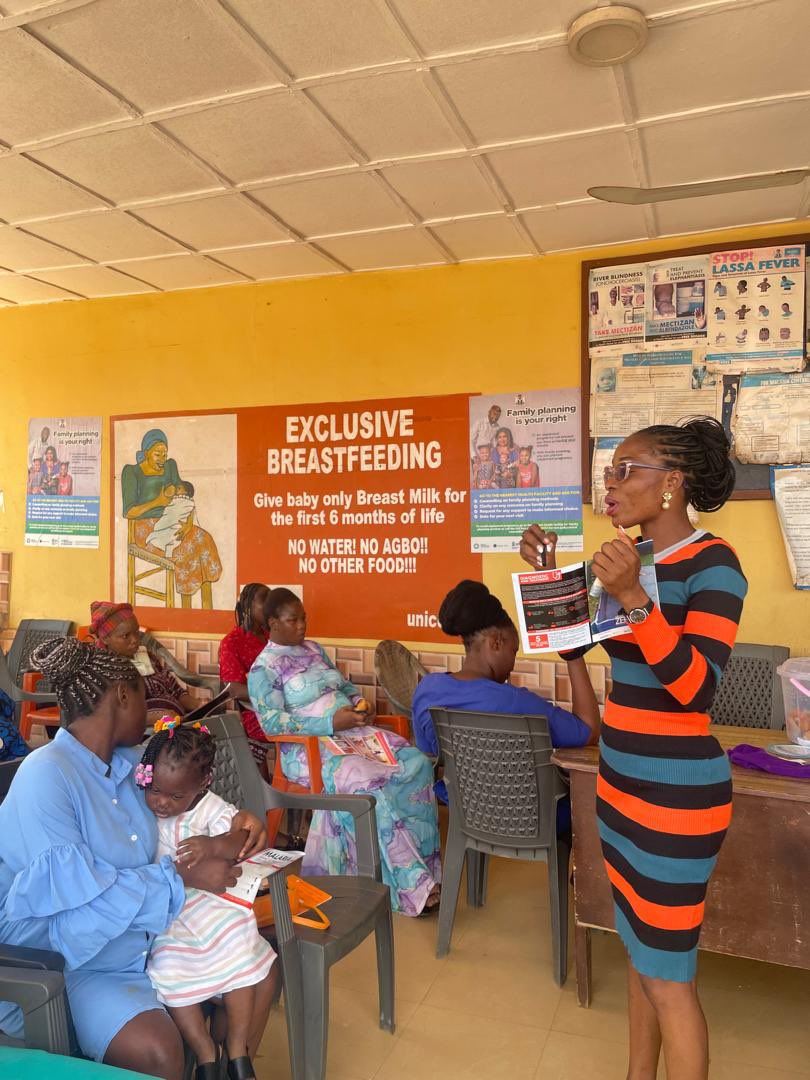
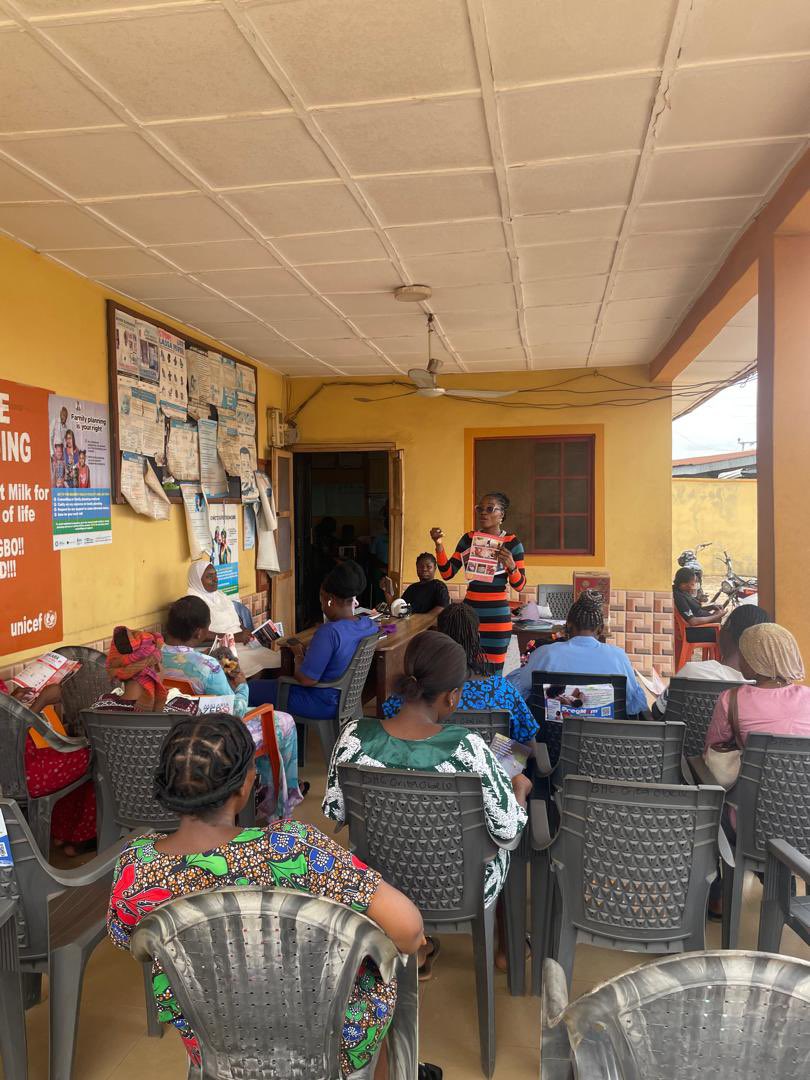
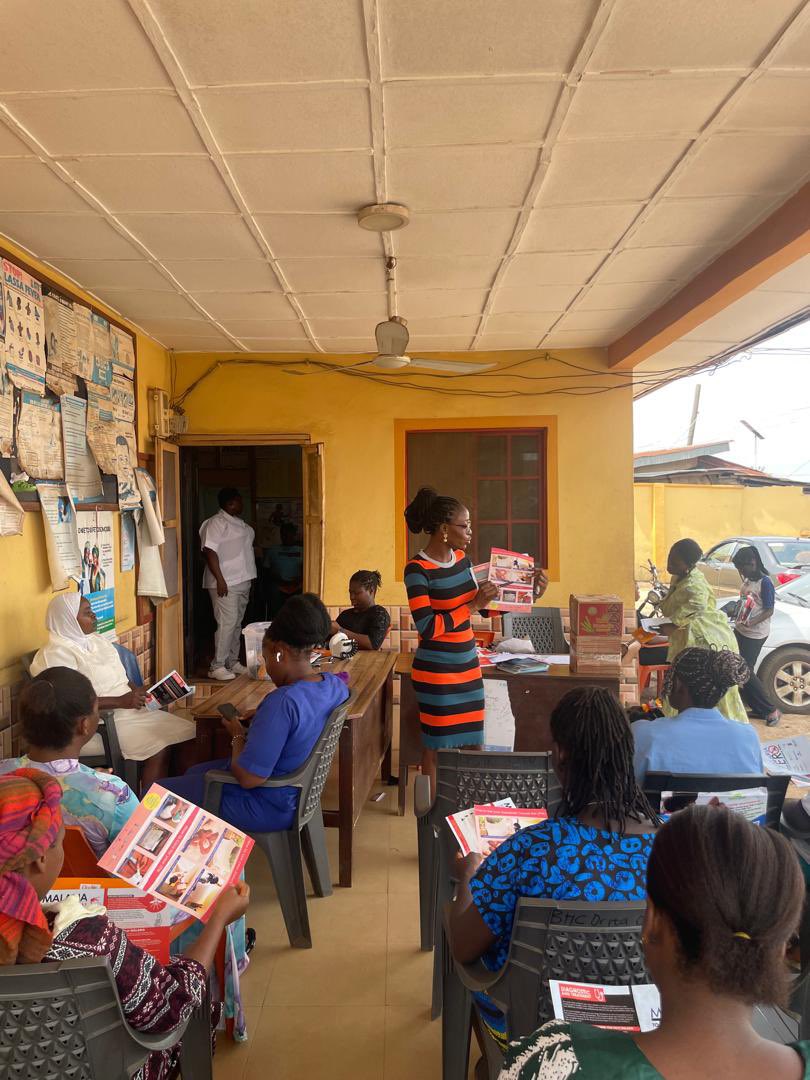
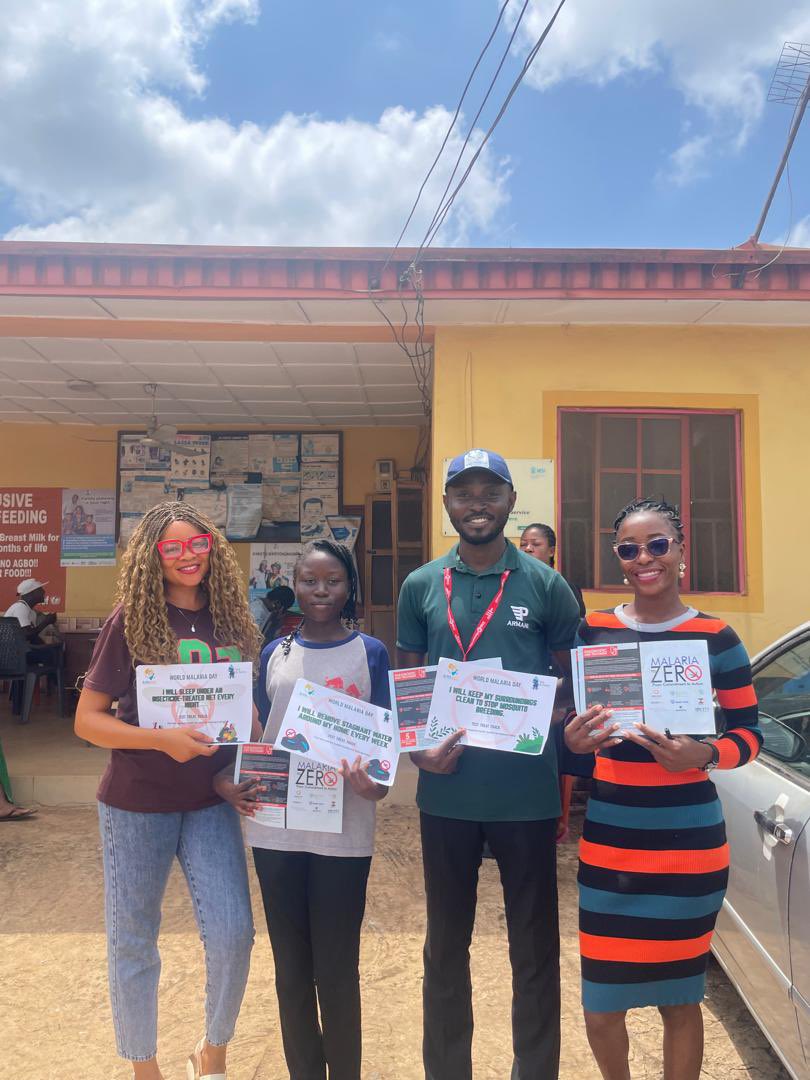
We sensitized pregnant women and nursing mothers at the Basic Health Center, Orita Obele, Akure on Malaria; prevention, early symptoms, and the importance of using LLINs.
Prevention is key to saving lives ✊🏿✨
1
10
55
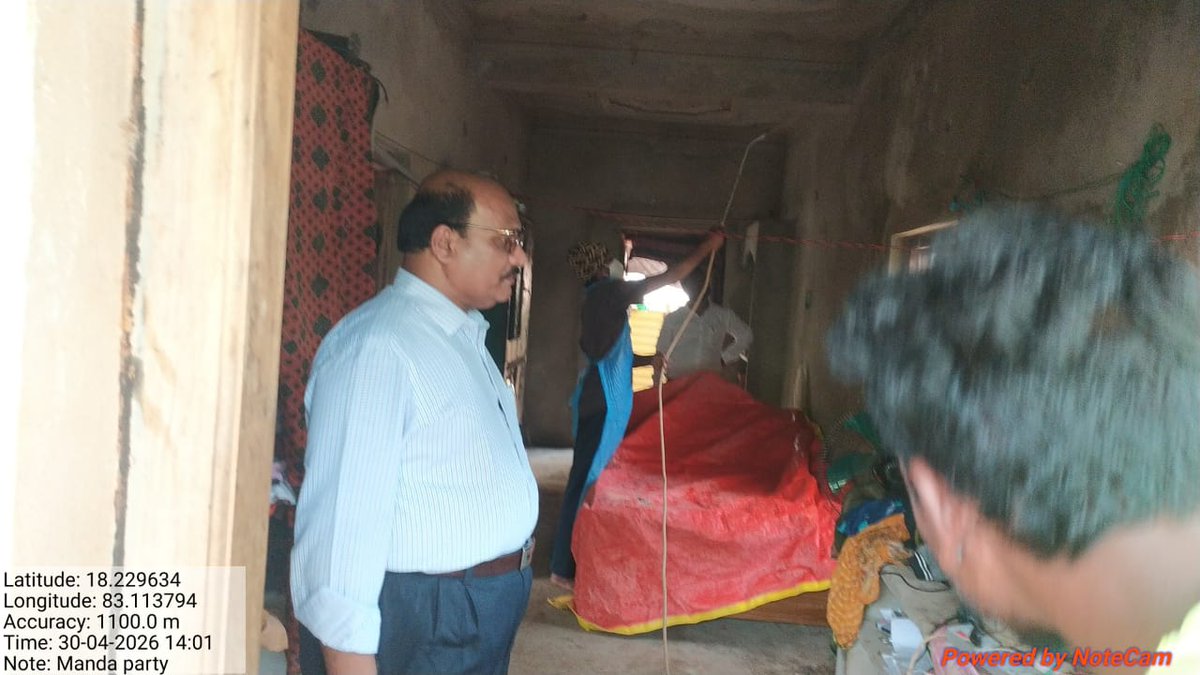
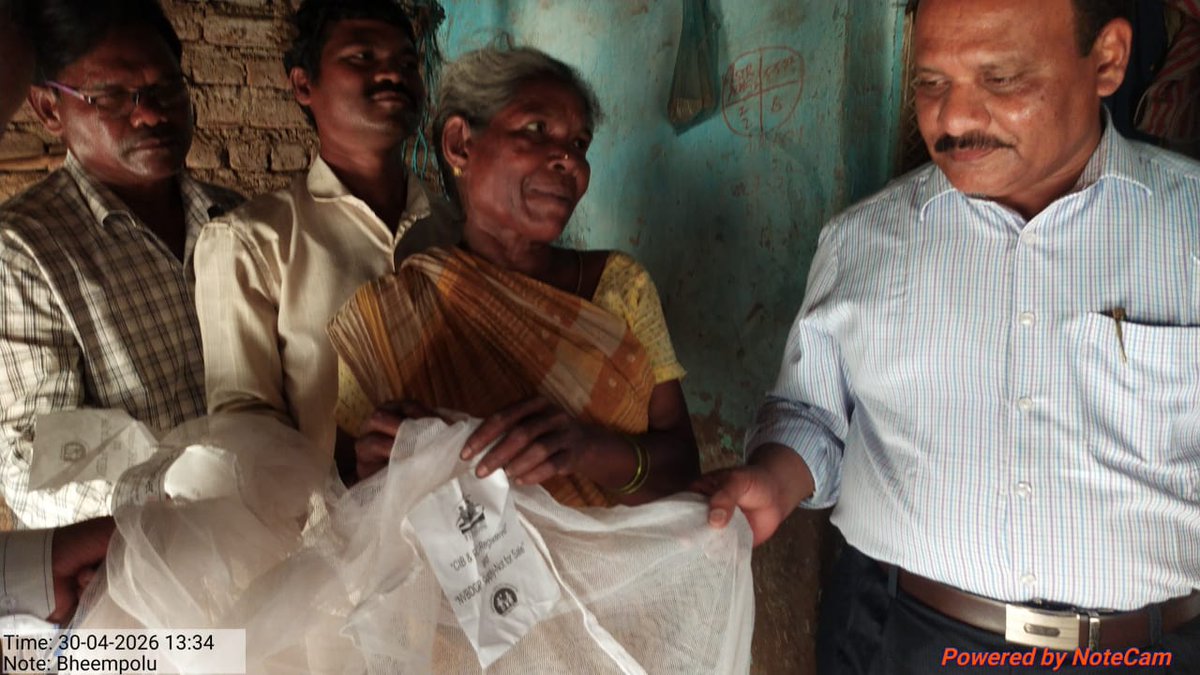
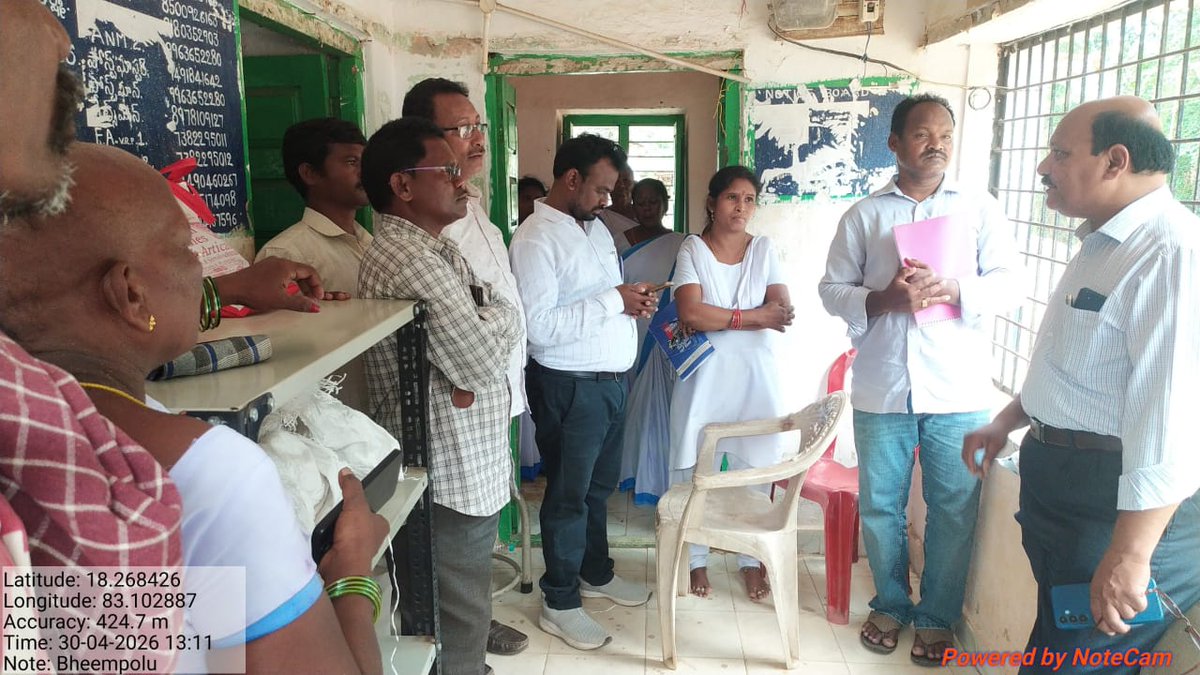
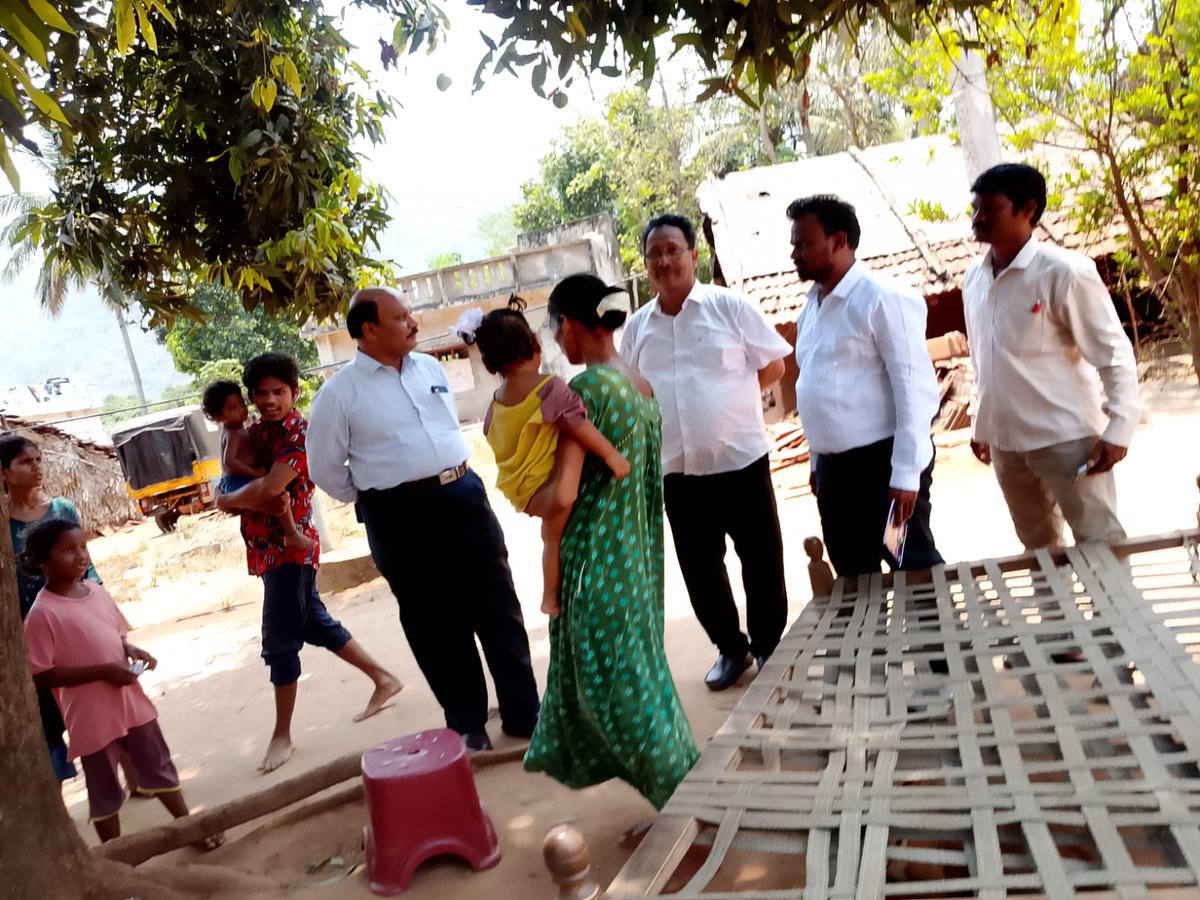
They also participated in the distribution of Long-Lasting Insecticidal Nets (LLINs) to beneficiaries and interacted with healthcare staff and local residents to create awareness on vector-borne disease prevention. The team reviewed logistical arrangements, monitoring mechanisms
1
200
Ministry of Health Medical and Family Welfare Govt. of AP
Deputy Director Ramanatha Rao, State Consultant inspect IRS operations, distribute LLINs at Ananthagiri PHC in ASR district.
Deputy Director Sri Ramanatha Rao and State Consultant Sri Rama Chandrudu on Thursday visited
1
1
329