Mike UTB retweeted

EVEN EVEN MORE HILLARY
In the summer of 1997, Bill Clinton visited Denmark. We landed on AF-1 in Copenhagen, boarded Marine One for a night time tour of the coast en route to Kronborg Castle, for Shakespeare the “home of Hamlet.” We landed at around midnight and were welcomed with open arms by the queen and her staff.
Beautiful, historic castle. I was put up in the Scottish Military suite. Beautiful room with a fully appointed spread of meats, cheeses, breads, fruit, and a full bar. All served, of course, with fine china and crystal.
After a phone call with my wife, I made sure POTUS was down for the evening and went to bed.
The next morning, the queen had a breakfast spread for Clinton and the staff. Again, first class.
As we headed to the motorcade to leave for an event and the flight home, I was pulled aside by the Danish military aide.
“Buzz, we have a problem. Your staff stole the china and crystal from their rooms. And took other things as well.”
I was stunned and chagrined. I apologized profusely and told him I’d handle it.
I talked with Hillary and the White House chief of staff and told them what had happened.
They both shrugged their shoulders. No apology. Nobody held accountable. No repayment.
Just another day in the Clinton White House and a group of Ugly Americans.
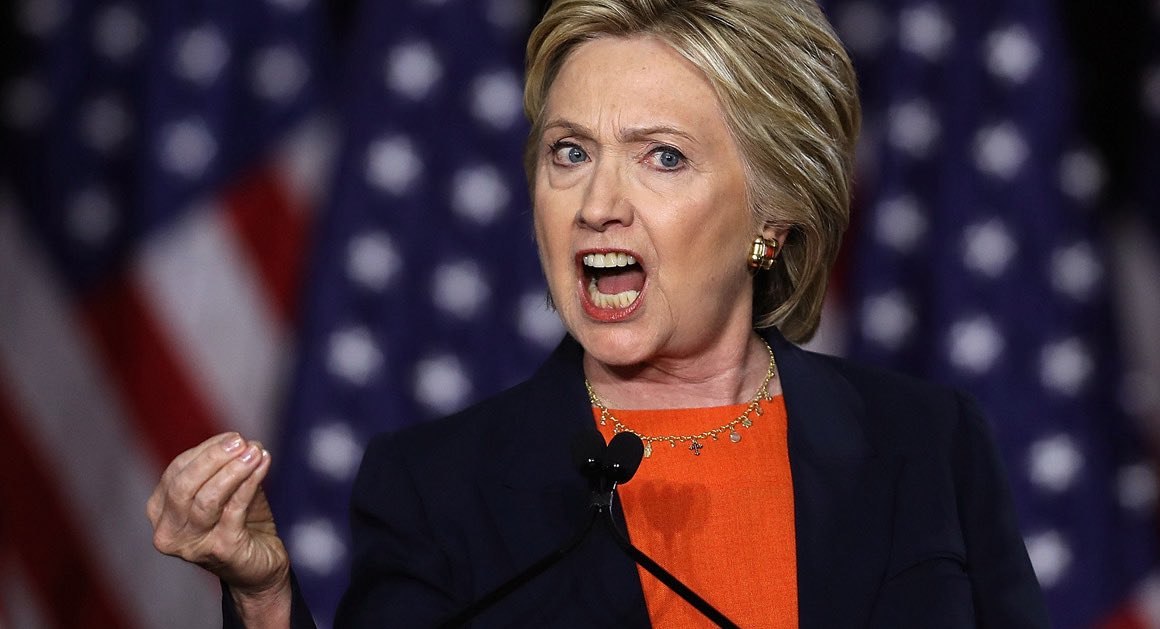
I don’t want to hear a damn word from @HillaryClinton about White House decorum. Not a word.
561
7,546
20,335
215,519
HackPackMan retweeted

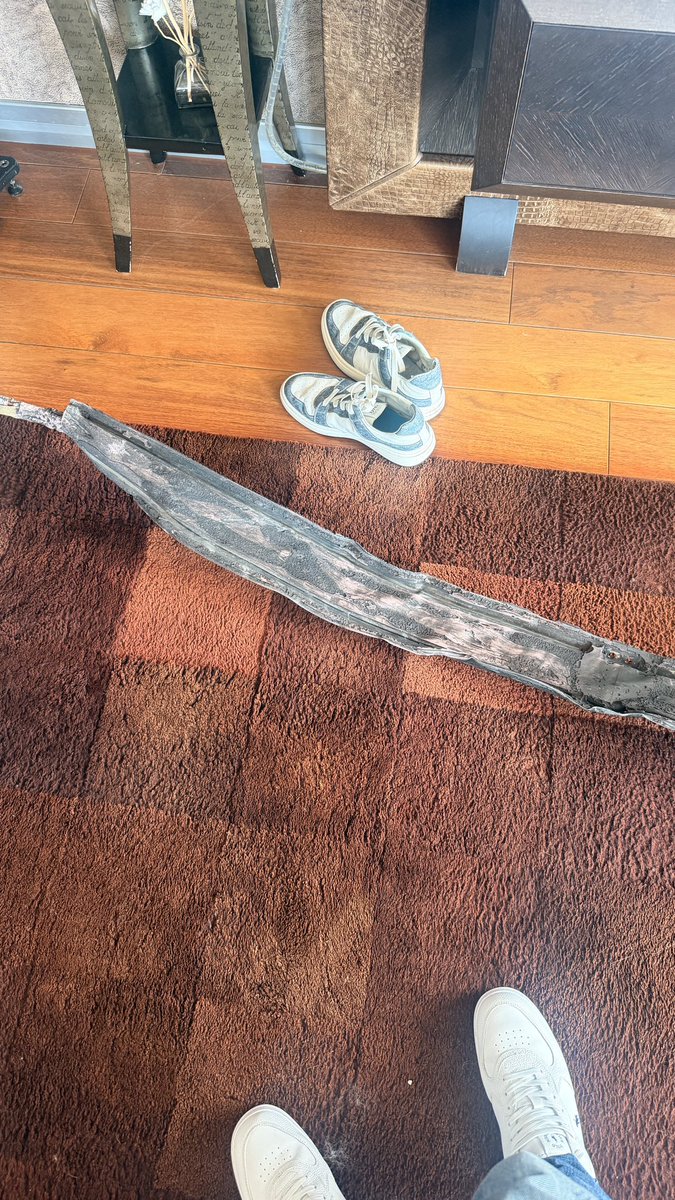
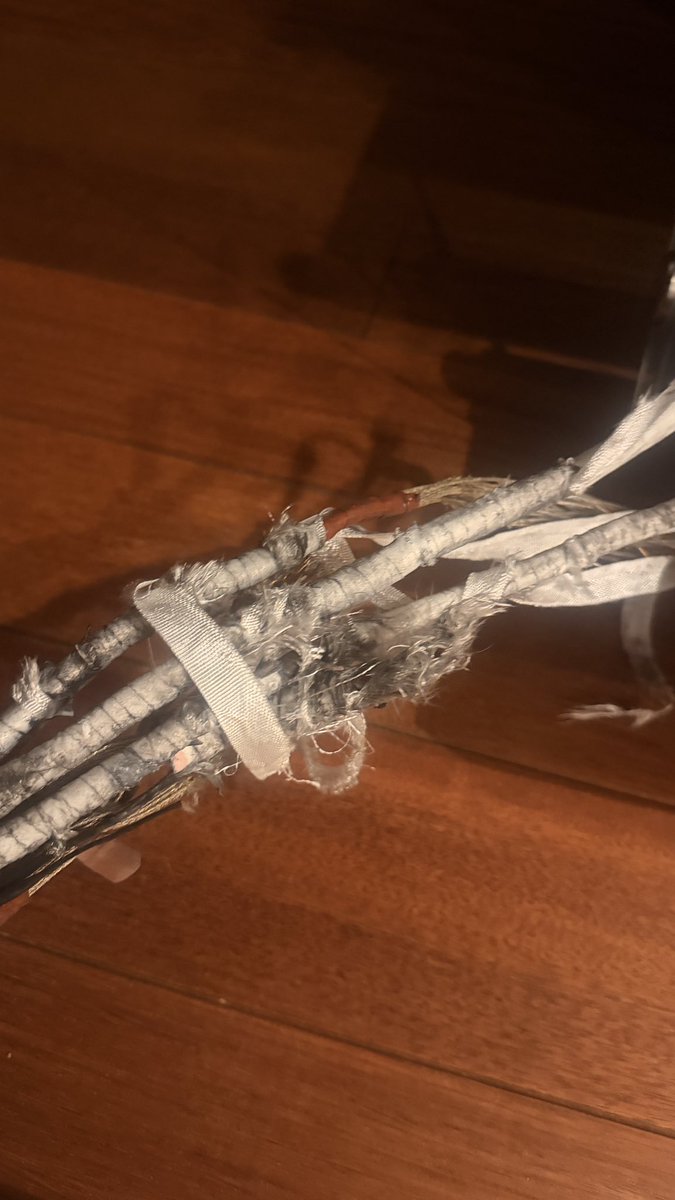
This huge missile fragment landed on the roof of my house last night. Yet more evidence Russians have been randomly firing warheads right into civilian areas. Completely despicable
52
310
1,738
60,080

The Counterfeiter Who Picked a Fight With Isaac Newton
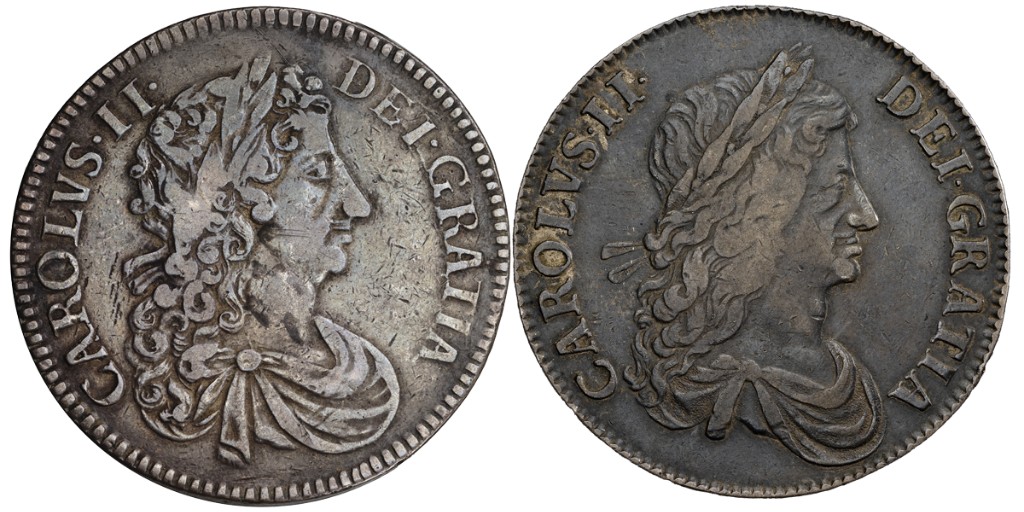
William Chaloner arrived in London in the 1680s as a threadbare lacquer-worker from Warwickshire, his clothes daubed with dye, his pockets empty. Within a decade he was living in a large house in Knightsbridge, dressed as a gentleman, counterfeiting French pistoles, guineas, and Bank of England notes with enough skill to avoid prosecution for years. When he was finally arrested, he turned informant, got himself released, and then did something almost incomprehensibly brazen: he petitioned Parliament claiming the Royal Mint was incompetent and corrupt, and demanding to be appointed their supervisor to fix it.
The petition landed on the desk of the Mint's newly appointed Warden: Isaac Newton. Newton had spent thirty years defining the laws of motion, optics, and gravity. He was also, it turned out, incapable of letting something go. He began taking notes on Chaloner. Then he started interviewing witnesses, dozens of them, then over a hundred, slowly building a documented record of every crime Chaloner had committed since 1690. Newton took every statement himself. He cross-referenced them. He was methodical in the way only the man who invented calculus could be.
By early 1699, Newton had a case so comprehensive it couldn't be escaped. Chaloner went to trial at the Old Bailey on March 3, 1699, in front of a judge known as a "hanging judge," with no advance notice of the evidence, no legal counsel, and no presumption of innocence. Witness after witness testified: they had seen him strike thousands of French pistoles; seen the dies in his own hands; handled his counterfeits themselves.
From Newgate Prison, Chaloner wrote to Newton directly. The letters survive. "O for God's sake," he wrote, "do not for suspitions and sugestions seem reall truth and so let me go murtherd out of the world." And: "If I dye I am murtherd." Newton did not reply.
William Chaloner was hanged at Tyburn on March 22, 1699, "stinking, wet, cold, and mercilessly sober," as one contemporary account put it. He twitched on the rope for several minutes. Then he was publicly disemboweled. The man who spent a decade eluding the law by pointing fingers at everyone else had chosen to point his finger at Isaac Newton. Newton simply waited.
He picked the wrong man to accuse of incompetence.
3

Oh maybe that's where I read about this
Yeah would be cool if it landed in July or August
1

Norbert Rudasingwa retweeted

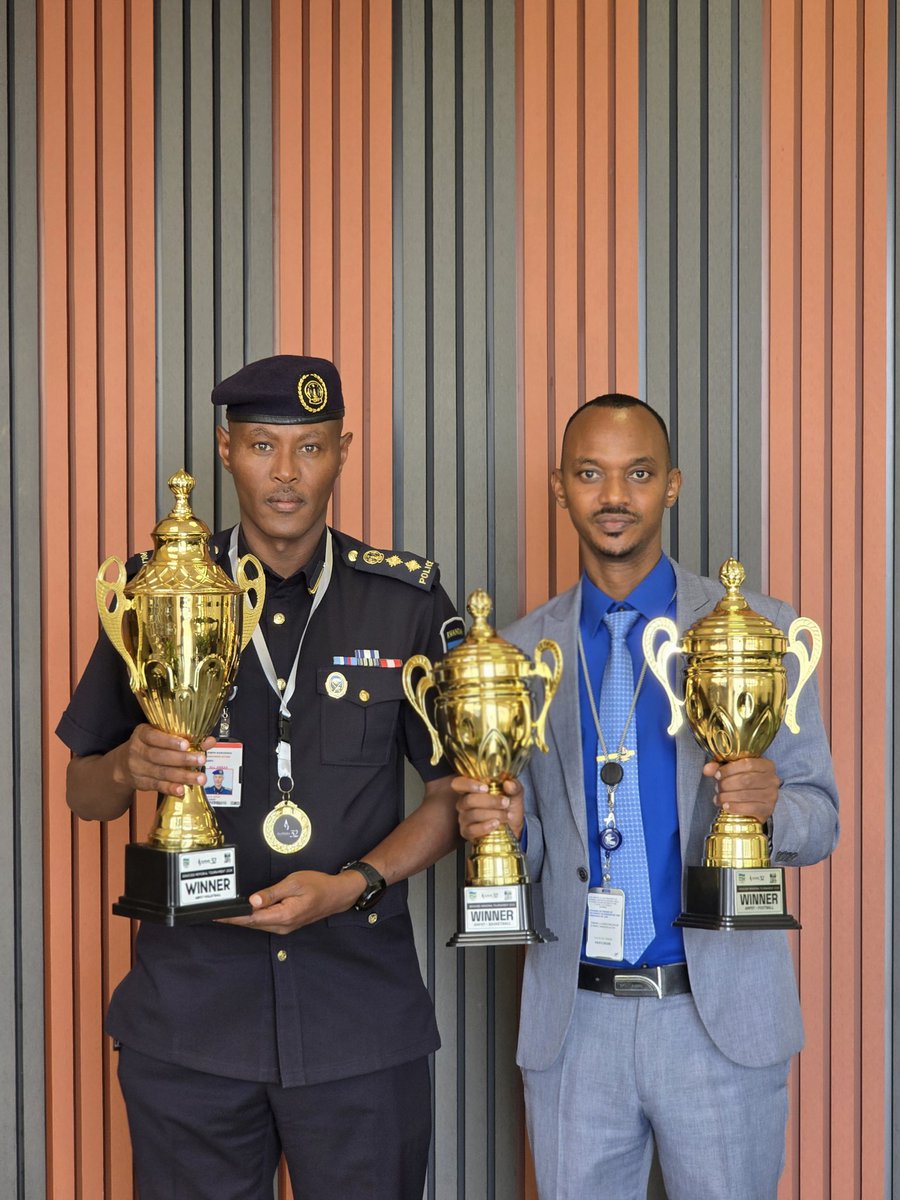
GMT 2026 trophies have safely landed @RwandaAirports and presented to CO SAPU . His effort made this 3-trophy win possible. We’re grateful for him.

7
9
59
6,848
TY. retweeted

19
78
1,574
39,937

The 2027 #BMW550e xDrive has landed at Basney BMW.
Full electric for the daily commute, hybrid comfort for the long haul, and sport mode for when the backroads call your name.
Schedule your test drive: bit.ly/3QE6gkm





59s
Don Toliver featuring Rema’s “Secondhand” has landed at #5 on Spotify’s best songs of 2026 so far (Editor’s Pick) 🔥🎶
Angel Dust 🪽

1
2
wald 🪿 retweeted

I just landed on Marseille and everybody keeps talking about a big fat cat. I don’t get it.
1
1
42
2,445

Looks like I landed a job at my local 7-11, so at least I found work that doesn't require transportation!
1


Daughter of Cyrus🇮🇷 retweeted

🇮🇷 Just landed in Los Angeles and will be attending tonight’s World Cup match.
I’ll be turning my back when the Islamic Republic’s anthem is played, but I cannot cheer against players whose families face threats and who live under the constant threat of asset confiscation.
There are a few bad apples and open regime supporters, such as Mehdi Torabi, but the vast majority are footballers caught in circumstances they did not create.
Forever Iran. 🇮🇷⚽️
Jun 13

After the Iranian national team refused to sing the national anthem before their match against England at the 2022 World Cup, CNN, one of the most reputable news outlets in the world, reported:
“The families of Iran’s World Cup soccer team have been threatened with imprisonment and torture if the players fail to ‘behave’ ahead of the match against the USA on Tuesday,” a source involved in tournament security said.
“The source said that their families would face ‘violence and torture’ if they did not sing the national anthem or if they joined any political protest against the Tehran regime.”
Tell me, how is the situation any different now?
If anything, it’s even more dangerous. The players are now on the soil of a country that the regime is actively at war with.
Team Melli has always belonged to the Iranian people. They are not puppets of the IRGC, they are being used as a propaganda tool by a regime that exploits every national symbol it can get its hands on.
#TeamMelli #Iran
19
33
124
7,935