
You didn’t listen to the music then. It’s all there… one of the main things I learned was this game isn’t an emotional one. It’s a reason he still with his days ones.
He’s the same guy the industry rejected,then he took his own money and helped form Rocafella. Moved on his own terms. How’s that not inspiring? It’s so much more as well





Thïzzy retweeted

I grew up eating what I found in my plate, wearing what my parents could afford.
That's how I learned to be grateful and appreciative.💙🙌
61
76
260
2,447

Just wrapped an inspiring workshop on data visualization for beginners! Learned how to turn messy numbers into clear, storytelling charts. Grateful for the actionable tips from the speaker and great group discussions with peers. #ProfessionalGrowth

Beyond retweeted

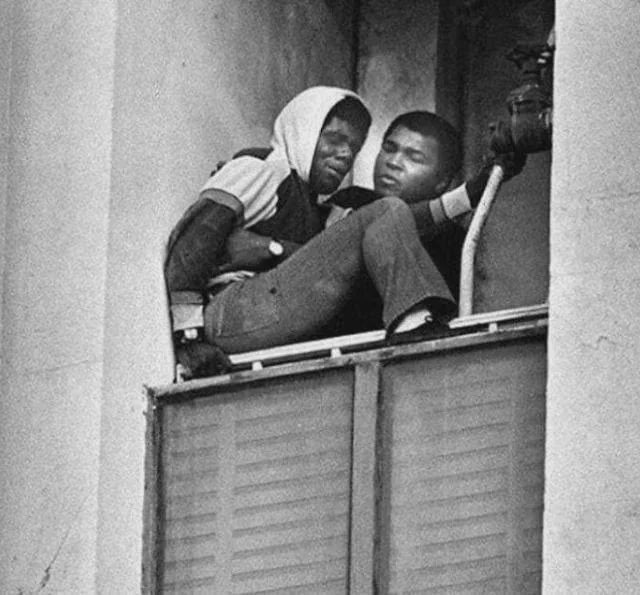
On January 19, 1981, heavyweight champion Muhammad Ali was so upset when he learned that a Vietnam veteran was going to commit suicide near his house that he rushed to the scene just four minutes later and personally saved the man. He then escorted the veteran to the hospital.
2
47
207
4,206

emmniee retweeted

She learned her lesson well last year: 🤣🤣🤣
Early is better
EMIBONNIE OUTING 2026
#GMMTVOuting2026

sooo cute i guess emi's not sleeping with a bath towel this year
EMIBONNIE OUTING 2026
#GMMTVOuting2026

1
2
674
frizbee11 retweeted

what we learned from Sandrone's trailer today

6
1,960
18,547
86,928
k🎧 retweeted

The Fatui if you learned about them through IG Reels

The fact that hoyo commissioned this video, its a perfect image of what fatui was 4 years ago.
4
19
309
3,924
WellGrounded #IStandWithTrump 🇺🇸🇺🇸🇺🇸 🚫DM retweeted

I've learned there's also one in every work place too.
2
2
14
emmystgaseem@gmail.com retweeted

The biggest lesson I learned this year is to not force anything; conversations, friendships, relationships, attention, love. Anything forced is just not worth fighting for.
3
5
5
19

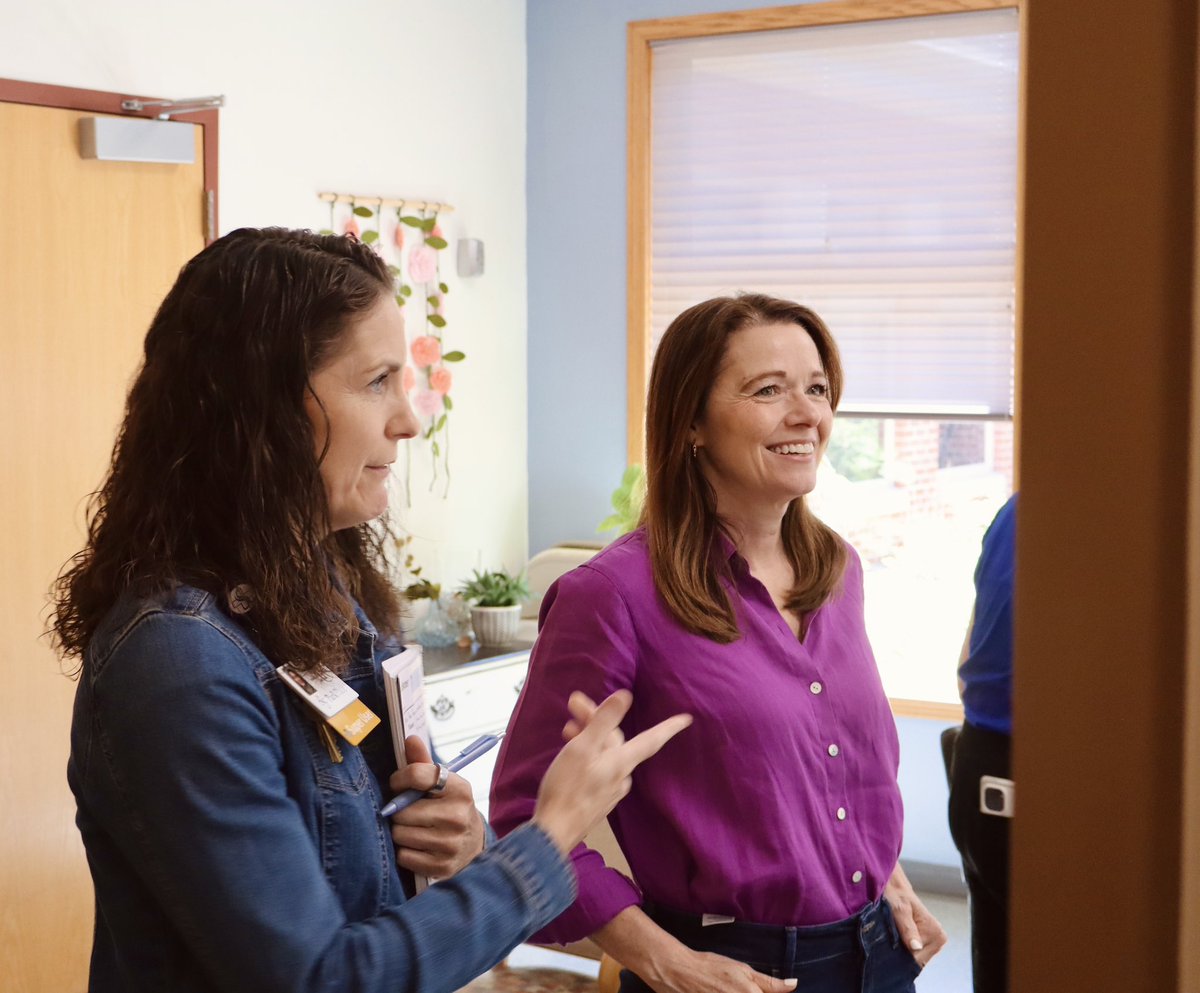
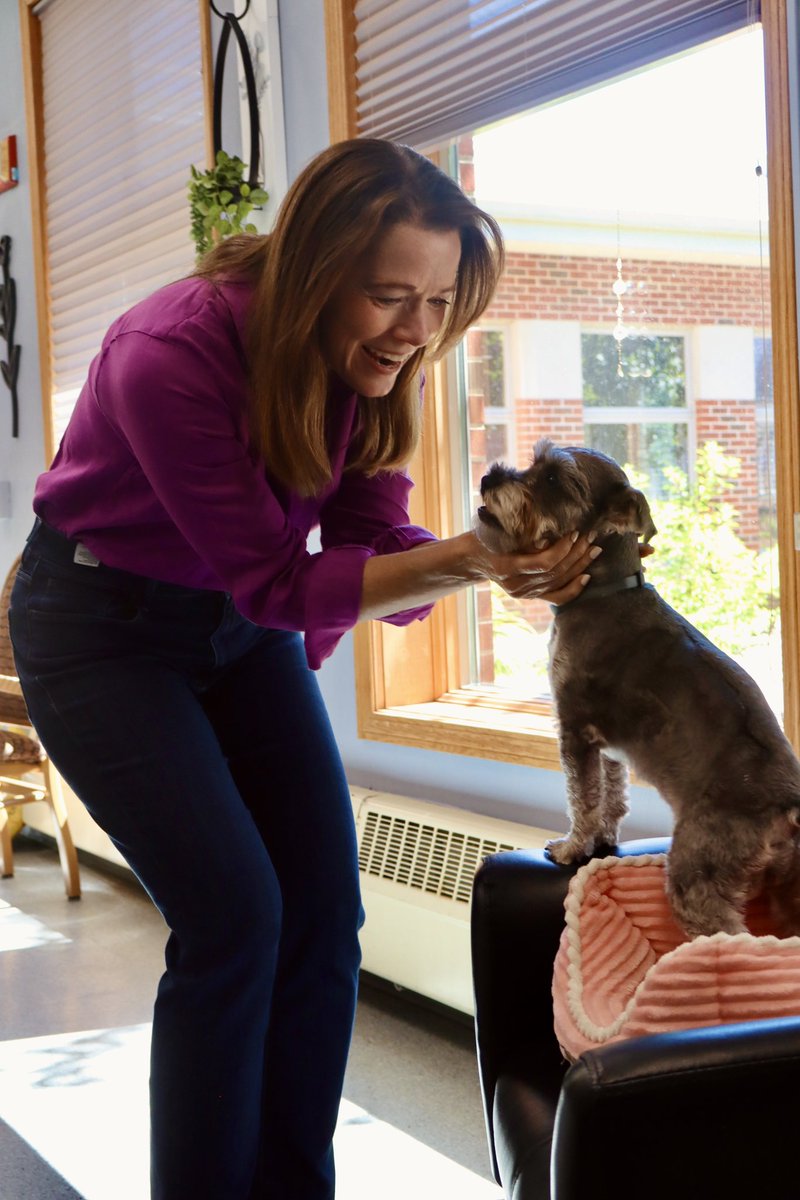
Park Place Long-Term Care in Mt. Pleasant was our second stop for the day.
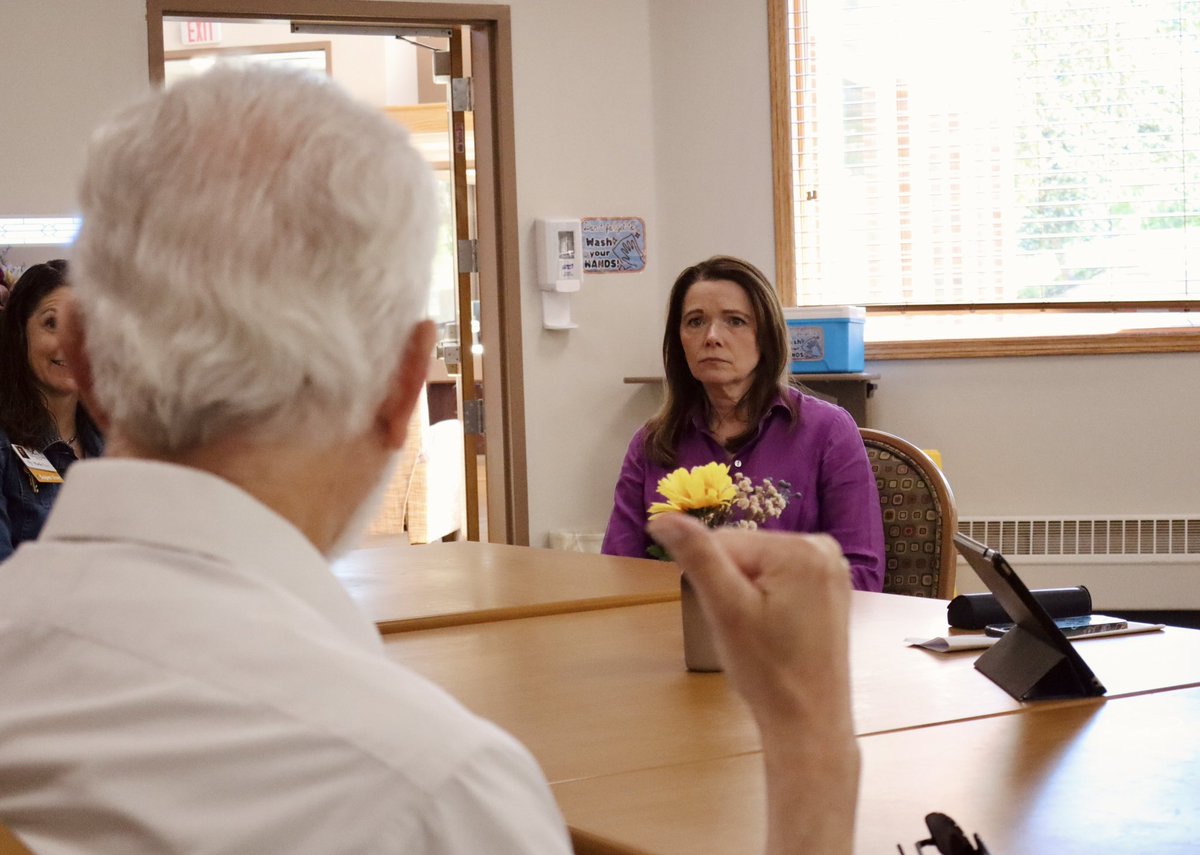
Speaking with the director, as well as a physical therapist and a radiologic technologist from the area, I learned more about the challenges facing rural healthcare facilities.
Some of the biggest issues are attracting and retaining professional healthcare staff in rural communities, reimbursement rates, and elder Iowans who struggle to pay for care under different Medicare and Medicaid programs.
I came away with good ideas for helping to solve these problems so I am ready to get to work on day one in Congress!

2

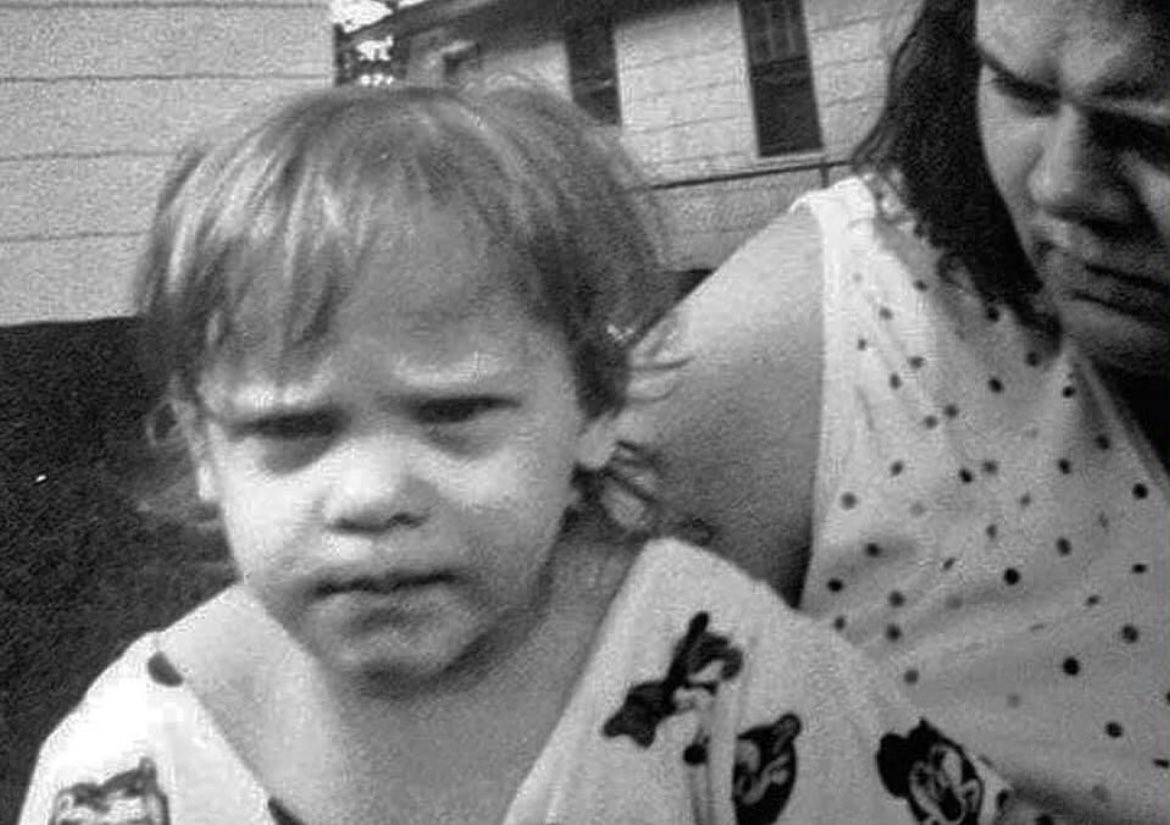
10 years ago I said goodbye even though I wasn’t ready. I’ve learned it’s okay to feel whatever I’m feeling. Today of all days really sucks. I miss you, Mom 💜
1


Erasmus Began Learning Greek After the Age of 32!
I once mentioned that students in a seventeenth-century Jesuit college were given an exceptionally thorough education in Latin and Ancient Greek from an early age. However, at the end of the fourteenth century and the beginning of the fifteenth, the study of Ancient Greek was only beginning to gain ground in the West, largely through the arrival of several learned scholars from Constantinople.
Erasmus, who is widely known as one of the greatest humanists of the Renaissance, began studying Greek seriously when he was already relatively “old,” considering the life expectancy of the time.
In one of his letters, he writes:
“It may be asked why I am … learning Greek at my age. … I am determined that it is better to learn late than to be without knowledge which it is of the utmost importance to possess.”
He devoted several months to the study of Greek and, in another letter, remarked:
“I have been applying my whole mind to the study of Greek; and as soon as I receive any money I shall first buy Greek authors, and afterwards some clothes.”
After only two years of study, he claimed to have gained a solid command of the language of Homer and Plato:
“I have advanced so far as to be able to write what I want in Greek tolerably well without preparation.”
Obviously, Erasmus was a genius. Nevertheless, with discipline and good materials, we too can learn a great deal, whether Latin or Greek. His example shows that one need not begin in childhood to make substantial progress. Consistent study, carried on over months and years, can take us much farther than we often expect.

1

I remember being a butter bar. Thankfully I was prior enlisted and knew the job of the senior NCO ie to train the butterbar. I learned a lot from that E9.

Rental property owners/investors: I could use some advice. I'm getting ready to rent out my property for the first time and would love to learn from people who've been through the process. Any tips, lessons learned, or resources you'd recommend?
3

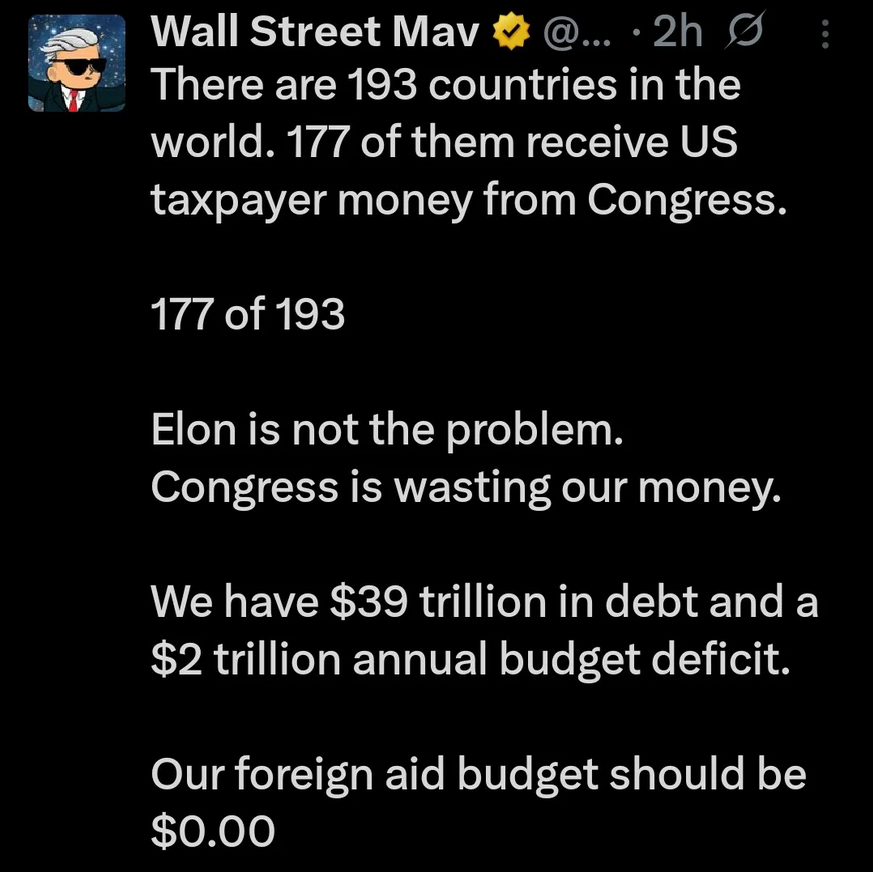
THERE SHOULD NO LONGER BE FOREIGN AID - HAVEN'T WE LEARNED YET THAT MOST OF THE FOREIGN AID IS A MONEY LAUNDERING SCHEME!
Didn't the discoveries of what USAID was doing prove it? It's time we demand our "illustrious" politicians stop giving our money away to other countries many of whom hate us for their own political ends.
The time has come to stop the waste - fraud - and abuse of the American taxpayer.
15
152
213
2,808
