立派なタルカス殿下さん retweeted

僕が世界一美しいと思っているアルペジオのひとつが、ケビン・ムーアが創造した"Wait for Sleep"。一見単純なフレーズの反復に見えるけど、実はモチーフが5/8から6/8へ変化する事で絶妙な中毒性を生み出している。この曲を組み込む"Learning to Live"の美しき拍子の変化は、さながら人生の複雑そのもの
7
50
75,432

Many apologies. I'm not good with the ole book learnin' like you, I'm only college educated & retired at 58.
Have a wonderful day dude
4
Duke of Samburu retweeted

Why do you need a Social Media Masculinity Teacher who is divorced and now he is expert in relationships instead of learning from your Father or Grandfather.
2
2
7
104

Stand back everyone.... we have an expert who has watched a "hole lotta games" and he ain't buyin yer fancy numbers. He may get a little agitated because he's too soft and sensitive to hear about any number-learnin'.
1
50
AssistU Recruiting retweeted

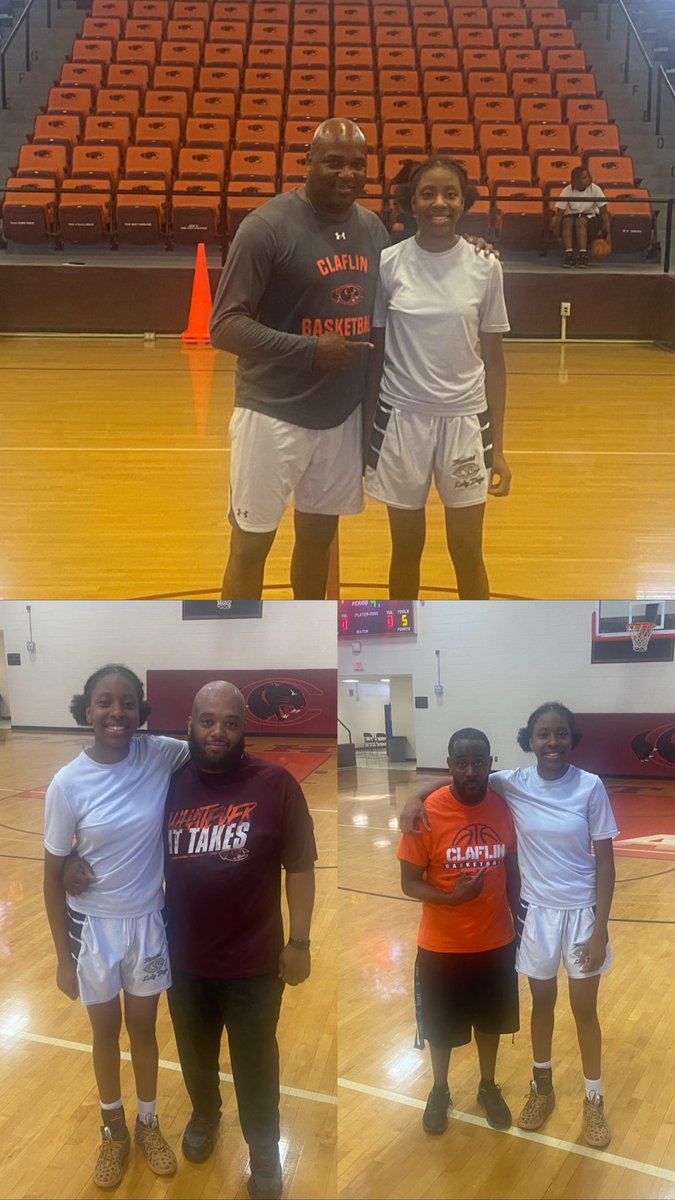
Special thank you @CoachMikeBland and @ClaflinWBB for having me today at your elite camp! I enjoyed competing and learning amongst other great talent! I look forward to learning more about your program!
@CamdenGBB @CoachMungo @scfuturebb @Assist_U_ @CoachJillDunn
9
13
259
SONG retweeted

Apr 29
Teaching my 18y slave to love being just a hole a hole gets used and abused a hole is here for it’s masters pleasure learning everyday to be great full for my fat cock for giving him pleasure
13
806
9,698
373,222
idfkb⁸ ꫂ ၴႅၴ*DO IT⁴ retweeted

Out the flock, underdog, even top ranks get TKO
No stardom, no money
We were chasing only the belt
Learning and learning, the end isn’t success,
it’s never giving in
Keep coming back, omen
This much could never take us down
- I-DLE for CROW out today at 10 PM kst
69
342
4,525


Gotta love being a hillbilly forced into the digital and virtual age. ever since my first pc in 2017 i just be learnin and adaptin to shit. lol
2
BOSSOU Hervé retweeted

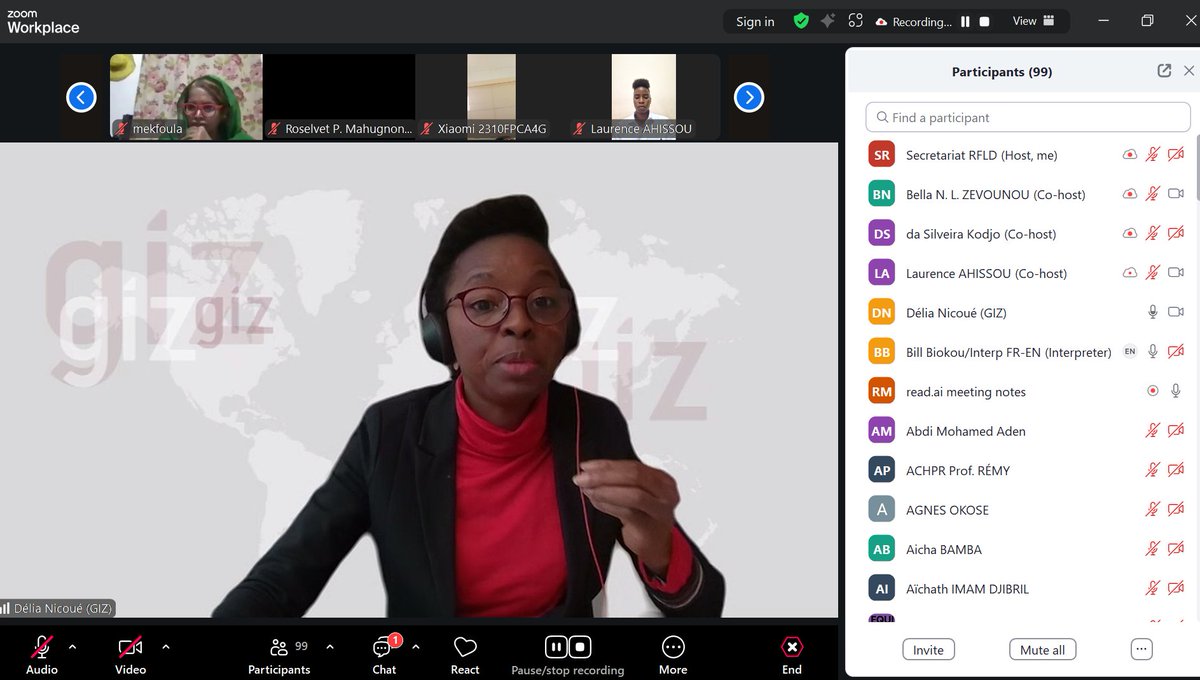
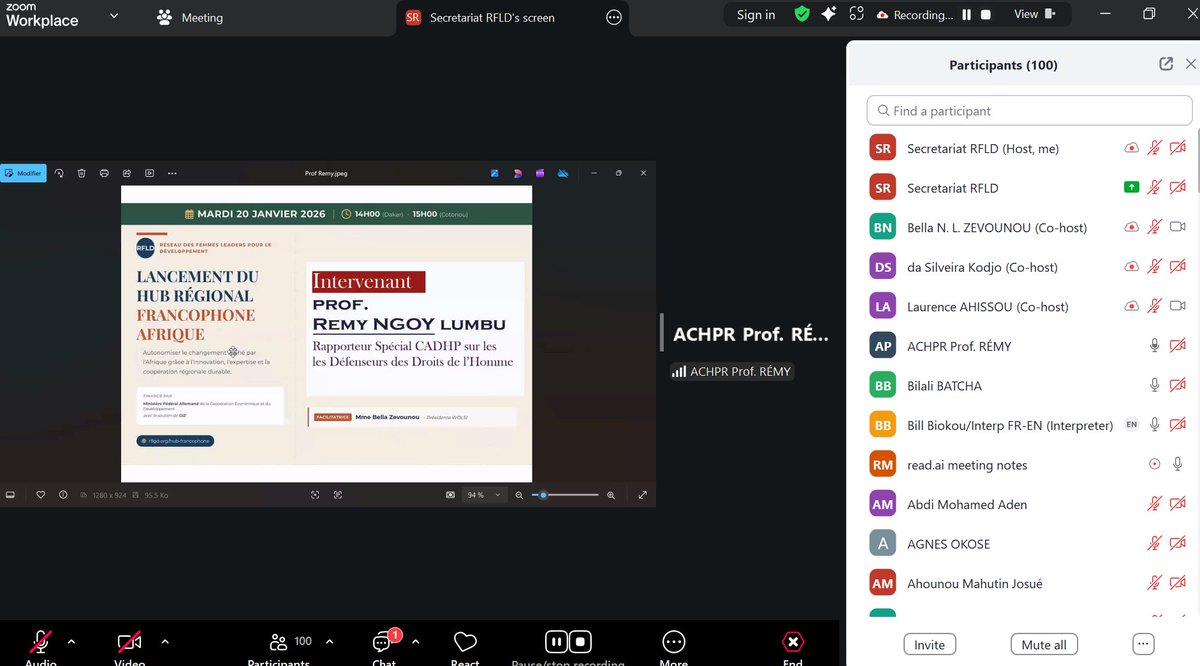
The Africa Francophone Hub was officially launched today as a new regional platform designed to strengthen protection, learning, and collective influence for women and young human rights defenders across 29 Francophone African countries. Created by the Network of Women Leaders for Development (RFLD) and supported through the BMZ–GIZ partnership, the Hub was presented as a practical response to the specific structural barriers faced by Francophone civil society—turning isolated challenges into a shared agenda connected to regional frameworks and advocacy spaces.
Opening the webinar, Mme Bella Zevounou (Présidente, WOLSI) set the tone with the official framing of the launch and the purpose of convening: “Today we don’t just present a platform—we celebrate a collective tool that will protect, train, and amplify defenders across Francophone Africa. Bravo, the Africa Francophone Hub is launched.” Her facilitation anchored the agenda from onboarding participants to guiding the platform appropriation session, reinforcing that the Hub is meant to be used directly by defenders and organizations.
During the Hub presentation, Emmanuelle Vlavonou (Advocacy & Gender Analyst) introduced the Hub’s architecture as a centralized ecosystem for capacity and protection, emphasizing its practical use for learners and defenders: “Bravo—this launch gives Francophone defenders a single place to learn, access tools, and act with confidence.” The Hub includes an educational Student Portal structured around two main tracks: MOOC certification across legal frameworks (Maputo Protocol, CEDAW, AU CEVAWG), advocacy & mobilization, governance, economic rights, peace & security (UNSCR 1325), climate justice, protection and risk assessment, and Afro-feminist leadership; plus an expert-led library of video courses spanning leadership, SRHR, land rights, economic security, resource mobilization, and organizational management.
Next, Gloria Agueh Dossi Sekonnou (Director, RFLD Africa) positioned the launch as strategic infrastructure for the Francophone ecosystem: “Bravo—this Hub is the missing infrastructure that connects our local realities to regional policy change.” She highlighted why a Francophone Hub is necessary now: it closes the “resource gap” created by language barriers and helps translate community-level struggles into regional agendas, including advocacy channels linked to the African Union and ACHPR processes.
From a human-rights protection lens, Prof. Rémy Ngoy Lumbu (ACHPR Special Rapporteur on Human Rights Defenders and Focal Point on Reprisals in Africa) underscored the Hub’s value for defenders facing growing threats: “Bravo—this Hub strengthens protection where it is most needed, and gives defenders credible regional pathways for action.” A core pillar of the Hub is its Observatory & Data Center, described as a first open-access, sex-disaggregated regional monitor tracking threats—especially digital surveillance, legal restrictions, and violence against women. The page’s Regional Monitor 2025 indicators underline the urgency (including high levels of unfavorable operating environments and frequent virtual attacks).
As part of the SEA‑T (GIZ) initiative, Dr. Delia Nicoué emphasized a partnership approach designed to deliver concrete, sustainable, and measurable results for changemakers across Africa. SEA‑T is positioned as a strategic partnership that combines a clear program logic, structural support, and—critically—explicit recognition of African expertise, ensuring that solutions are not imported “off the shelf,” but co-built with the organizations and defenders who understand local realities. In this framing, the Hub becomes regional infrastructure that connects protection, training, and collective action in response to shrinking civic space and emerging threats—especially digital threats—that disproportionately target defenders, particularly women. She also highlighted the added value of a system that makes efforts visible and trackable over time: under the SEA‑T logic, support to the Hub is not a one-off intervention, but a long-term partnership vision intended to strengthen capacities, improve coordination among actors, and sustain social impact beyond a single event or short funding cycle. Finally, she underlined that the goal is to back a framework in which Francophone organizations can access the resources, tools, and networks needed to act at regional scale and bring their priorities into policy spaces.
On measurable change and partnership, Laurence Ahissou (Director, SID) framed the launch as a results-oriented regional investment: “Bravo—this Hub makes impact measurable and strengthens coordination,” and “Bravo—this platform embodies the kind of structured regional approach that effective partnerships are built for.” Together, their contributions reinforced the Hub’s integrated model—The Connector (linking isolated activists to networks), The Shield (rapid legal aid digital security), and The Amplifier (turning local struggles into regional policy)—and pointed audiences to engage directly via the Hub.
Explore: rflgd.org/hub-francophone/
17
23
88
kristina Bergmann retweeted

Morning all 🌈☕
A little worst for ware but I'm up at training today and looking forward to both teaching and learning new things!
Wishing you a wonderful day 🥰

46
2
113
731