
 LALIGA

 Major League Soccer
UNRULY! retweeted

Doris Lessing wrote GRASS from the point of view of Mary Turner, culminating in her murder by the black "houseboy" Moses. I am writing the same events from the perspective of Moses. I hope to do what Jean Rhys did to JANE EYRE in the wonderful WIDE SARGASSO SEA.
1
2
4
70

GOD IS GOOD ALL TIME🙏
I received now a blessing from Sir KENNY, Thanks you so much for lessing my goal toward rent🏘👏🎉.
God bless ur too kindhearted Sir.❤❤
17


170 / ESSAYS IN UNDERSTANDING
not be proved, nor the universal, which in turn existed only in the form
of himself.
From this time on the word “existing” has been used as the opposite
of what is only thought, only contemplated; used as the concrete as
opposed to the merely abstract, as the individual as opposed to the merely
universal. The consequence of this was that philosophy, which had been
thinking exclusively in concepts ever since Plato, had now lost its faith
in concepts; and, ever since, philosophers have never quite been able to
shake, as it were, the guilty conscience they feel for indulging in phi
losophy at all.
The purpose of Kant’s destruction of the ancient concept of Being
was to establish the autonomy of man, what he himself called the dignity
of man. He is the first philosopher to attempt to understand man entirely
within the context of laws inherent in man and to separate him out from
the universal context of Being in which he is only one thing among others
(even though he is a res cogitans as opposed to a res extensa). This re
presents the philosophical articulation of what Lessing regarded as man’s
intellectual coming-of-age, and it is no coincidence that this philosophical
declaration coincides with the French Revolution. Kant is truly the phi
losopher of the French Revolution. Just as it was decisive for the his
torical development of the nineteenth century that nothing disappeared
as quickly as did the revolutionary concept of the citoyen, so it was equally
decisive for the development of post-Kantian philosophy that nothing
disappeared as quickly as did the new concept of man which had just
barely begun to emerge.
Kant’s destruction of the ancient concept of Being went only halfway.
Kant destroyed the autonomy of Being and thought and, along with it,
the age-old, the pre-established harmony between man and Being. What
remained was man, and, indeed, implicitly the rational man, who was
occupied and intimately linked to the idea of harmony. This meant: He
could exist only as a citizen, to whose laws man was always subject. Man
could bear to live with this idea only if he had a sense of security in a
sense of not belonging to the world and felt certain that he could not
lose the concept of Being and the world’s course. On this feeling rested
what one might call mankind’s indeed the world’s self-confidence, that
feeling that the world existed only (i.e., until the emergence of the novel).
Without this pride of man’s, neither tragedy nor western philosophy
would have been possible: Nor did Christianity deny that man had insight
1
14

 Alabama Baseball

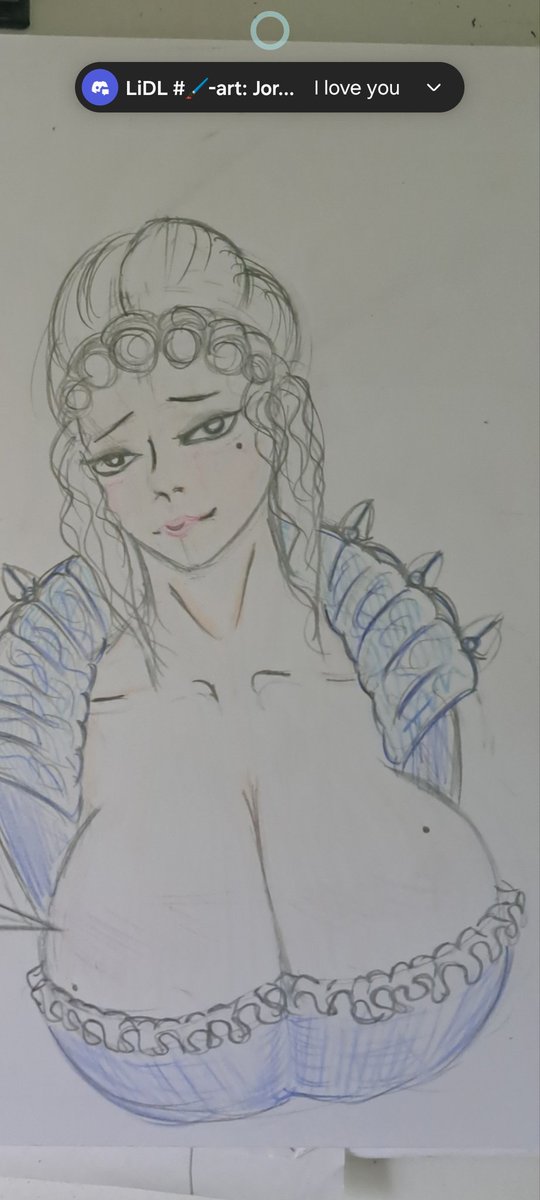
I read a play by Ephraim Lessing (german author) and one of the characters, who was a Countess, inspired me to create a noble OC
5


Kai Bremer retweeted

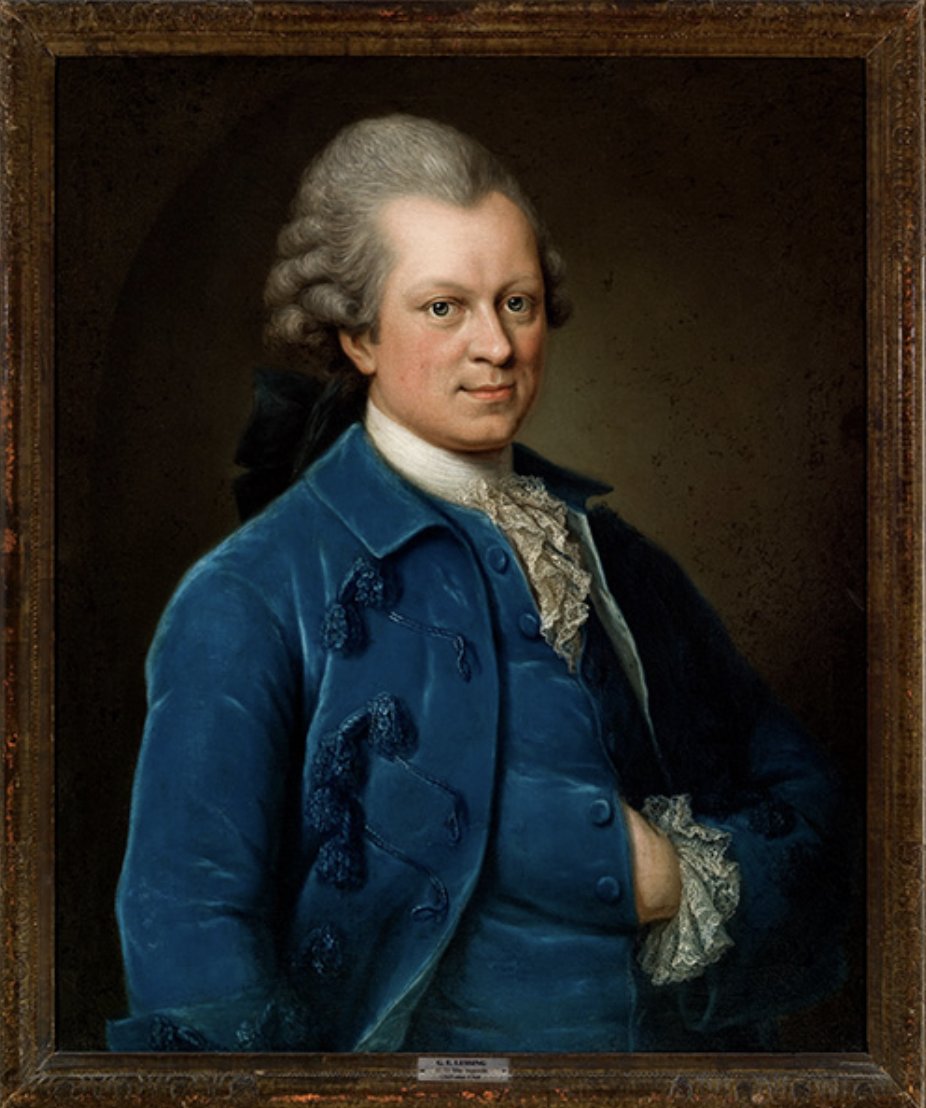
🚨Lessing Workshop on Monday, June 29🚨
Viktoria Take-Walter and Oke Möller are presenting the new digital edition of Lessing's "Ernst und Falk." lessing-digital.hab.de/index…
We'll meet at noon ET (bzw. 18 Uhr dt. Zeit) on Zoom.
👉 Join us and register now: bccte.zoom.us/meeting/regist…

3
5
669


Aber Deutschland war seitdem prägend (Kant, Lessing, Feuerbach, Nietzsche, Büchner, etc.) in den europäischen Prozessen der Aufklärung, Wissenschaft und Säkularisierung. Aus unserer (dann) christlichen Historie haben wir uns zu einem säkularen Staat mit einer
2/x
1
32

Die Pluralität der Deutschen sind Religions-/Konfessionslos. Deutschland hat eine vornehmliche Position in der Aufklärung, Wissenschaft und Säkularisierung westlicher Kultur im Geiste Lessing, Feuerbach, Kant, Nietzsche, Büchner, etc.
Danke, kein Bedarf an Bronzezeit-Mythen.
30