
What exactly is the alternative? We are in the bottom of the AL; have little chance of making the playoffs and this with a top 10 payroll in a supposedly “All in year.” They’re not re-signing Skubal before a lockout that could reset the sport and regardless the roster as constructed doesn’t fit together.
2

MLB might have an "X" for 2027 if they do have a lockout and it wipes out the season.
19

24m
Four shelves are filling up:
— Picture books (Four Little Pigs, ages 4–10)
— Children's mysteries (Rosemary & Sage)
— YA suspense (Lockout Club)
— Adult procedurals (Bill Cosgrove)
One imprint. Four heights of reader. Every one of them learns something.
#WardensGrimoire #KidLit


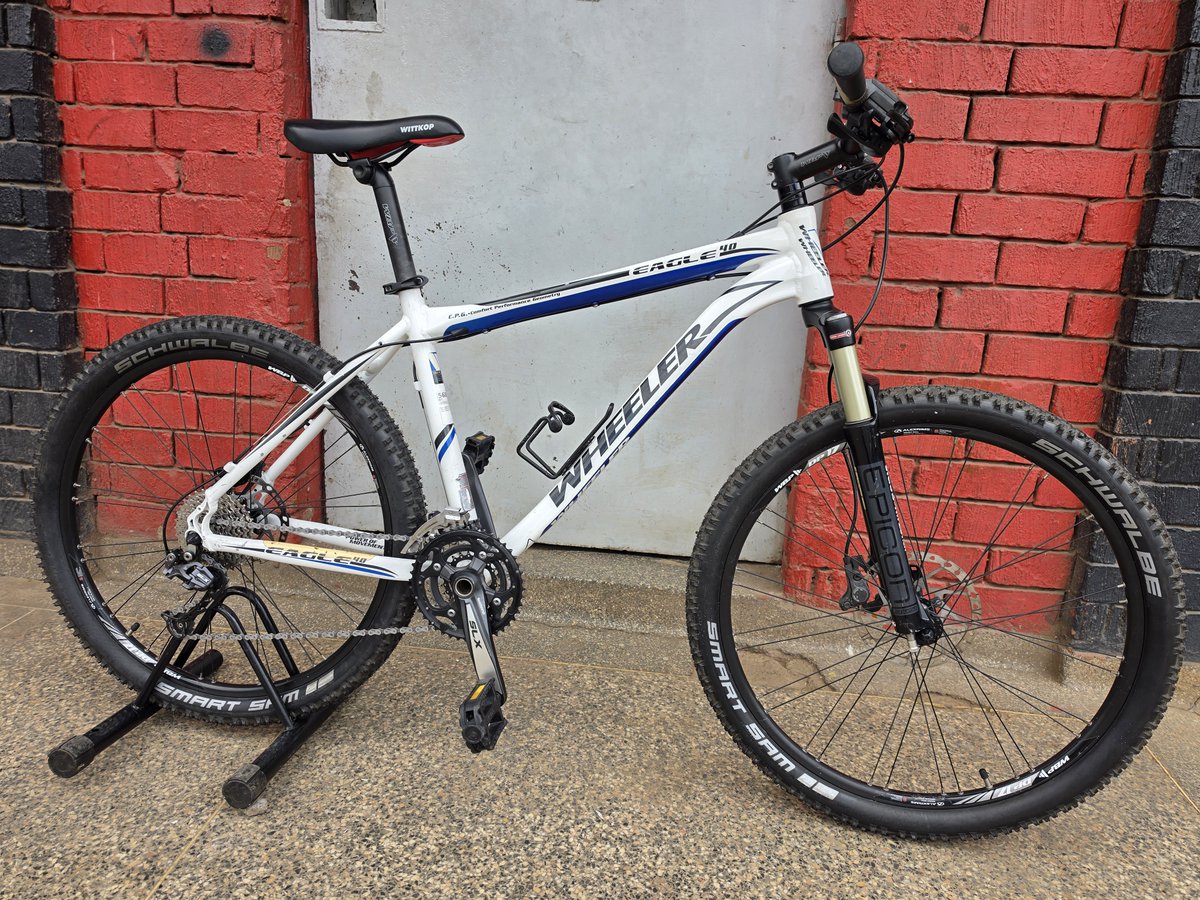
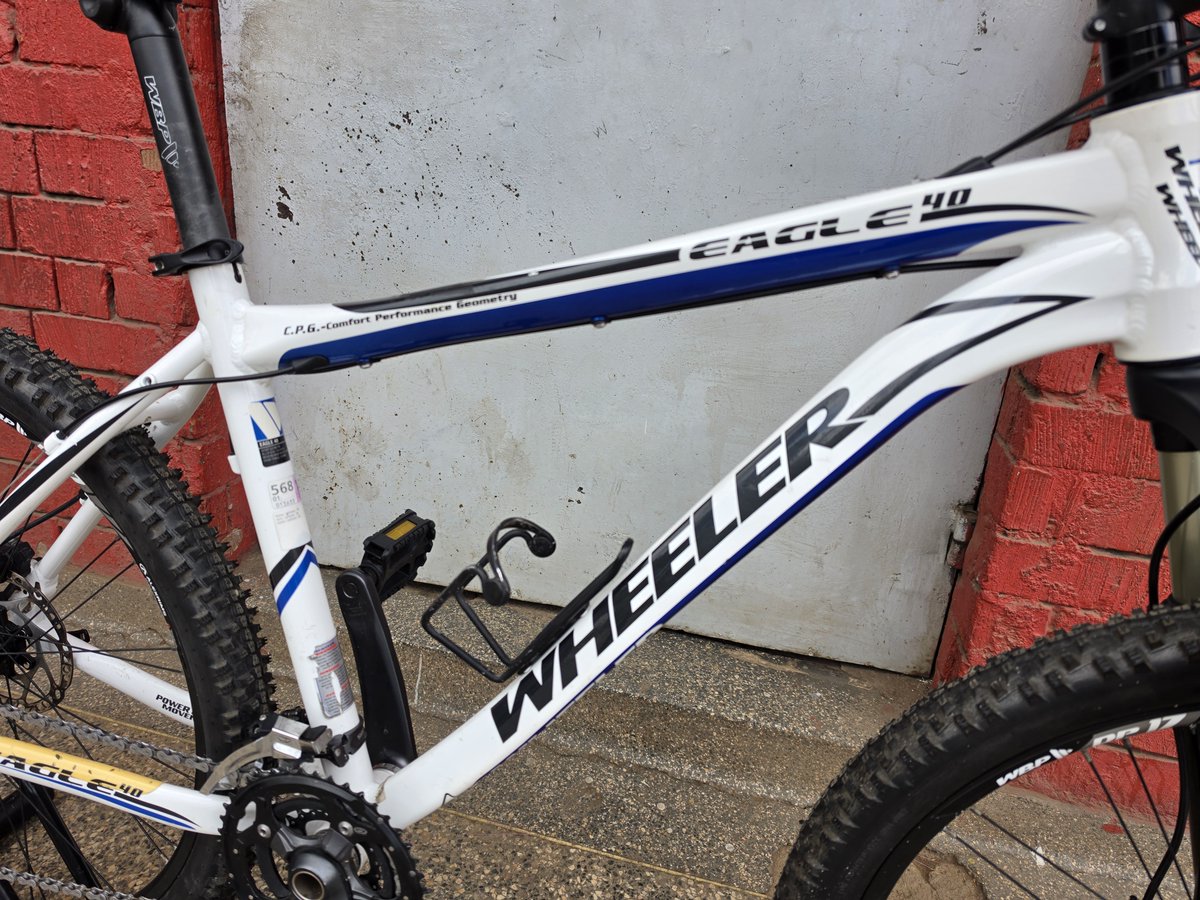
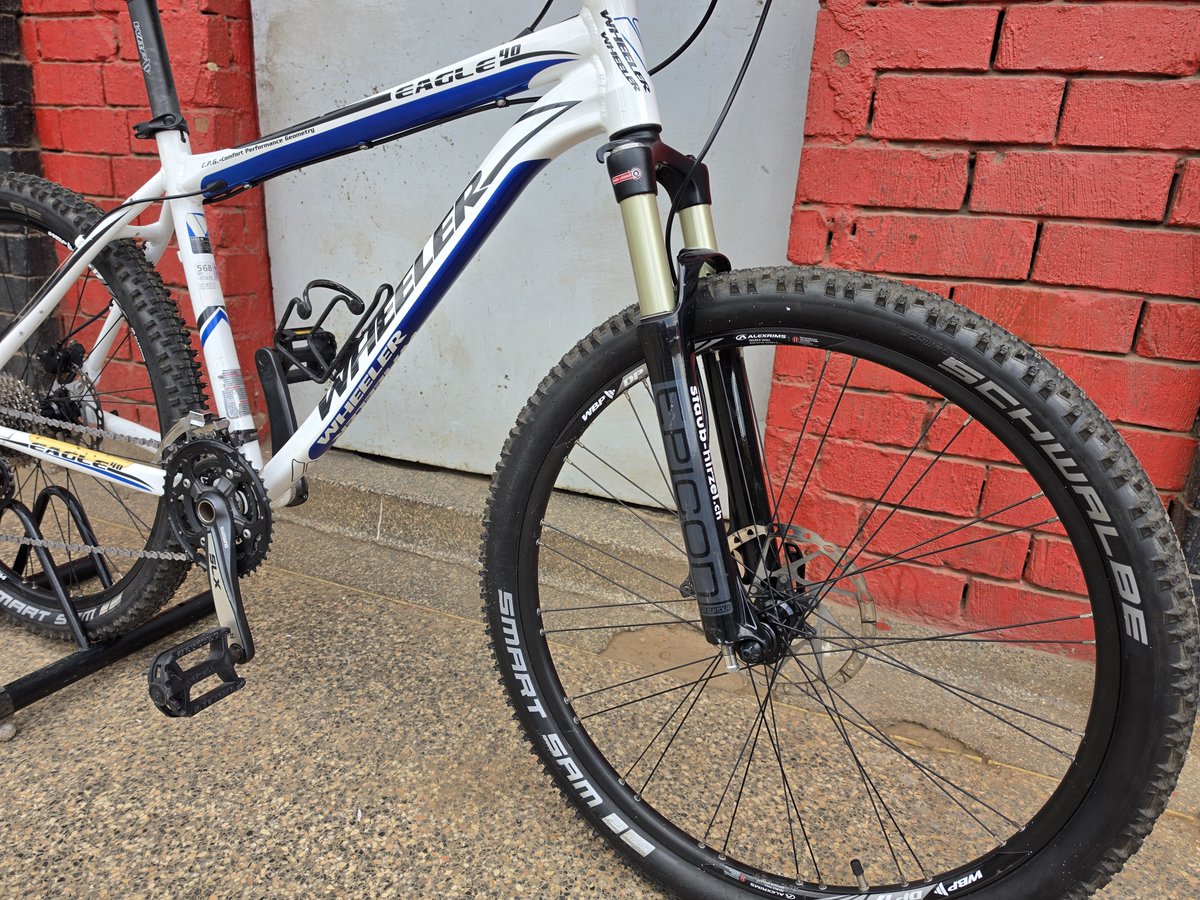
WHEELER 26" Mountain Bike
Frame - Aluminium 18" M
Drivetrain-3*9
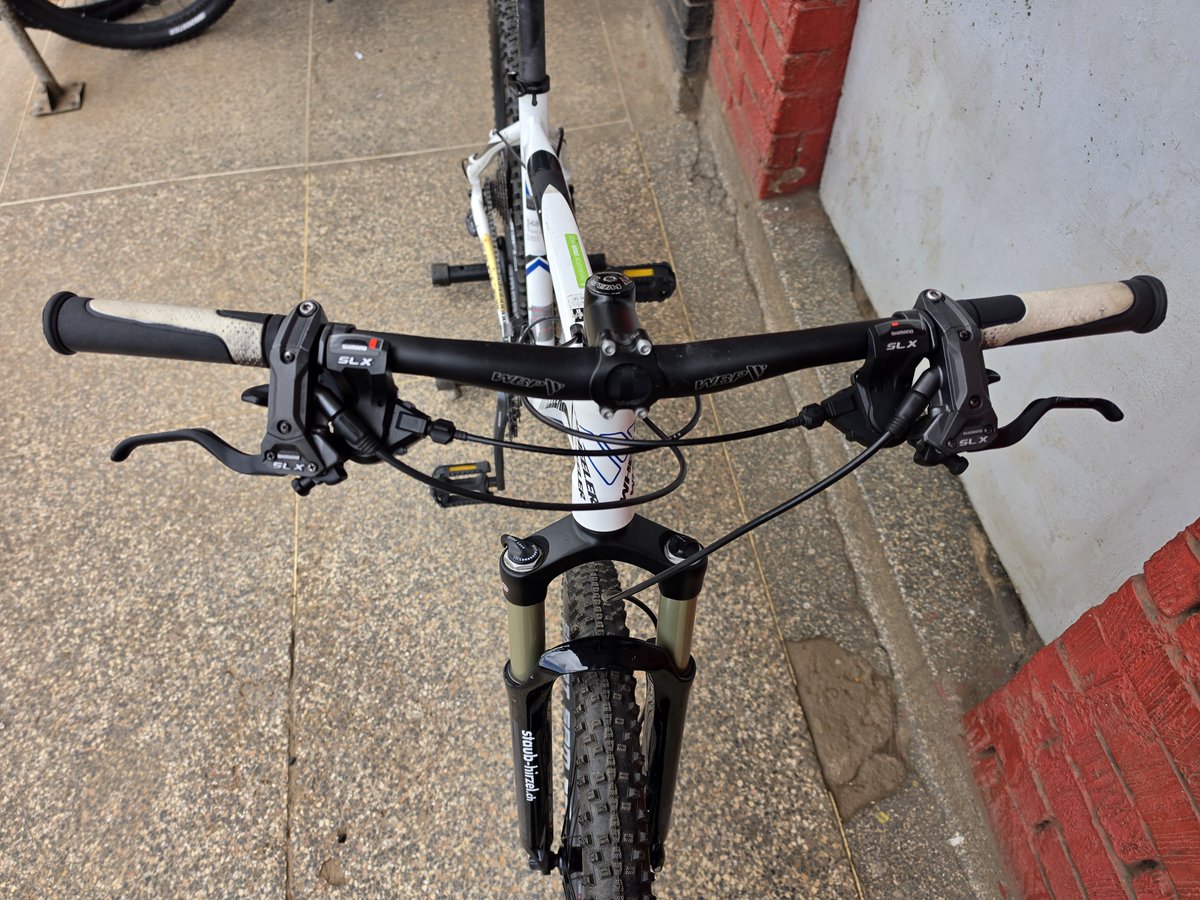
Groupset - Shimano SLX
Brakes - Hydraulic Disc
Lockout Front Suspension
ksh 45,000
Fully Serviced
Payment On Delivery
2
44

Yeah it can. 2 solid lockout. If you use straps I’m sure you can add one more rep to it.
10

🔥 That clean & jerk is smooth and powerful, Chanyota! The lockout at the top looked rock solid 💪
Barbell training really is the best kind of fun. Keep crushing it! 🏋️♀️
15

I grew up a Devils fan. Kind of fell out of Hockey in ‘05 with the lockout and just moving to NC. Really cool to see how much it’s grown here in the last 20 years.
1
1
17

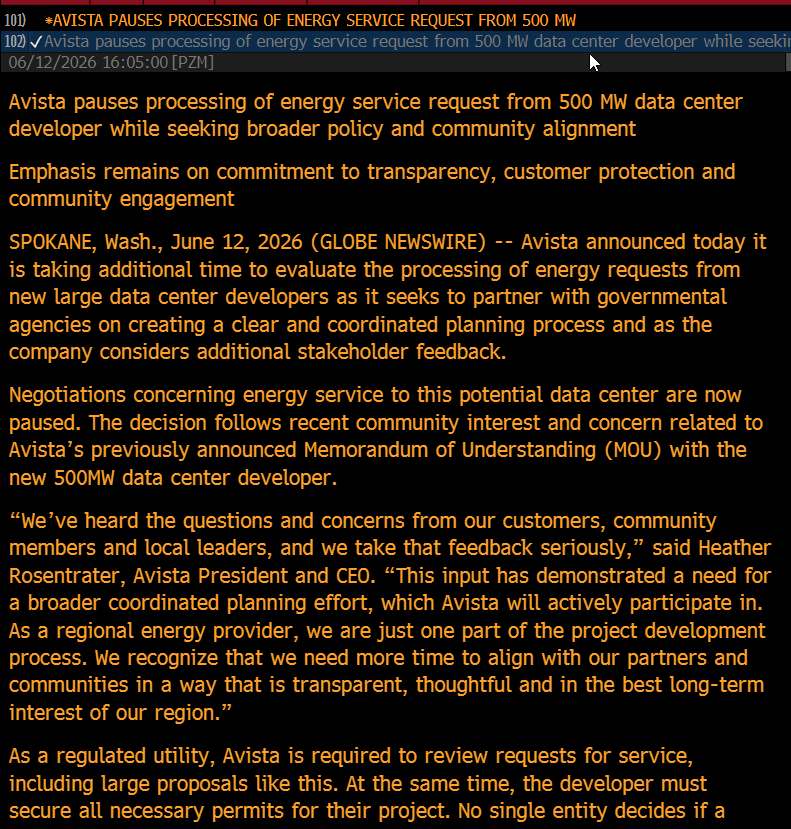
Avista (AVA) just paused a 500-megawatt (MW) data center memorandum of understanding in Spokane County after 5,000 community complaints, a Spokane City Council moratorium proposal, and concerns about ratepayer costs and the Spokane River.
The rumored site is the former Kaiser Aluminum smelter in Mead, actively marketed for data center use with 240MW of Avista power already on site. An energized brownfield, blocked anyway.
Worth zooming out on what this region is:
Eastern Washington runs on cheap Columbia River hydro. By 1950, half of all US aluminum output came from here. Kaiser's Mead smelter and Trentwood rolling mill employed 2,000 workers and supplied Boeing with aerospace sheet. The Mead smelter closed in 2000 after a brutal 2-year lockout. Kaiser's waste practices left a cyanide and fluoride plume in the local aquifer still being remediated today, which explains some of the opposition. (For reference, modern hyperscale data centers use closed-loop cooling systems that bear little resemblance to industrial smelting.)
For this reason, the established Pacific Northwest hyperscale corridor now sits 100 miles west of Spokane in Grant County, served by Grant County Public Utility District (PUD) at roughly $0.02-0.03/kWh hydro power. Microsoft, Google, and Amazon Web Services all built in this region. Avista is a private regulated utility requiring Washington Utilities and Transportation Commission (WUTC) approval on any service agreement of that scale. Grant County PUD is a customer-owned municipal corporation explicitly exempt from WUTC jurisdiction under Washington state statute
Grant County PUD has its own constraints. After raising application fees sharply in early 2025, the large-load queue shrank from ~2,900MW to 692MW, but that's still nearly equal to the PUD's entire average system load of ~750MW across all 55,000 customers. Load caps are in place in Quincy's industrial zone while transmission capacity catches up.
KEEL ($KEEL) has a site in Moses Lake, also in Grant County, 30 miles from Quincy. The company is converting its former Bitcoin mining operation there into 18MW of liquid-cooled AI infrastructure at 190kW/rack, backed by a $128M Vertiv equipment deal. Zoning is approved, a demolition permit was issued March 2026, and full permits are expected mid-to-late summer 2026, ahead of a December 2026 completion target. No Superfund remediation, no water rights dispute to worry about.
When 500MW gets blocked by community revolt in Spokane and load caps constrain Quincy, an already-energized, already-zoned site with active construction permitting in the same hydro corridor carries scarcity value that can compound as the political environment tightens.
Watch for: full permit approval mid-to-late summer 2026, lease execution with a hyperscale or AI tenant, construction completion by end of year.
4
2
26
2,520

you should not aggressively lock your elbows at the top of a bench press. keep a soft lockout.
1
1
18

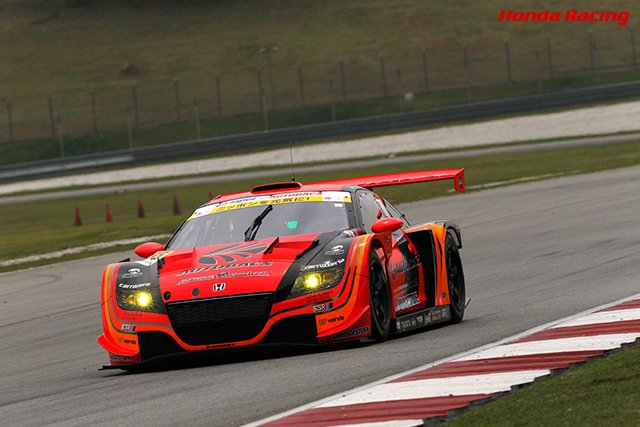
Honda CR-Z domination at Sepang 🇯🇵🇲🇾
On June 15, 2013, ARTA’s Shinichi Takagi & Takashi Kobayashi stormed to their 1st pole of the season, leading a 1-2 lockout ahead of Team Mugen. A perfect day for the hybrid coupe in Malaysia.
1
2
174

Password hacks are mostly from stolen databases where the company didn't uniquely salt each password, so the hackers can quickly run hash matching over the whole database at once. There's no lockout in that scenario.
5

GTFOH , they didn’t sign Basallo for 8 years to trade him. Sign Adley and you have your 1 -2 combo. Gunnar will never sign with Boras as his agent. Of course with a lockout in 2027 and a Salary cap to follow, maybe Boras’s client won’t be such pricks like Boras is.
24


no worries man, i was talking to myself in 3rd person really... most of my losses come from me doing dumb sht during London session or NYPM, so i just time lockout myself to only trade 9.30 open
1
2
12
yessir, i gave myself a time lockout until then so i dont do anything stupid lol
1
2
14

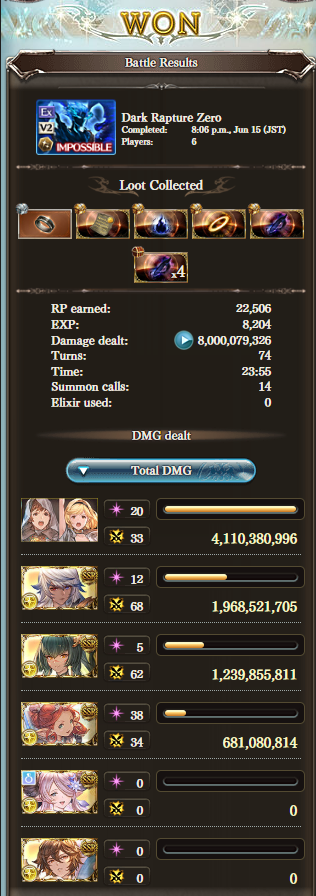
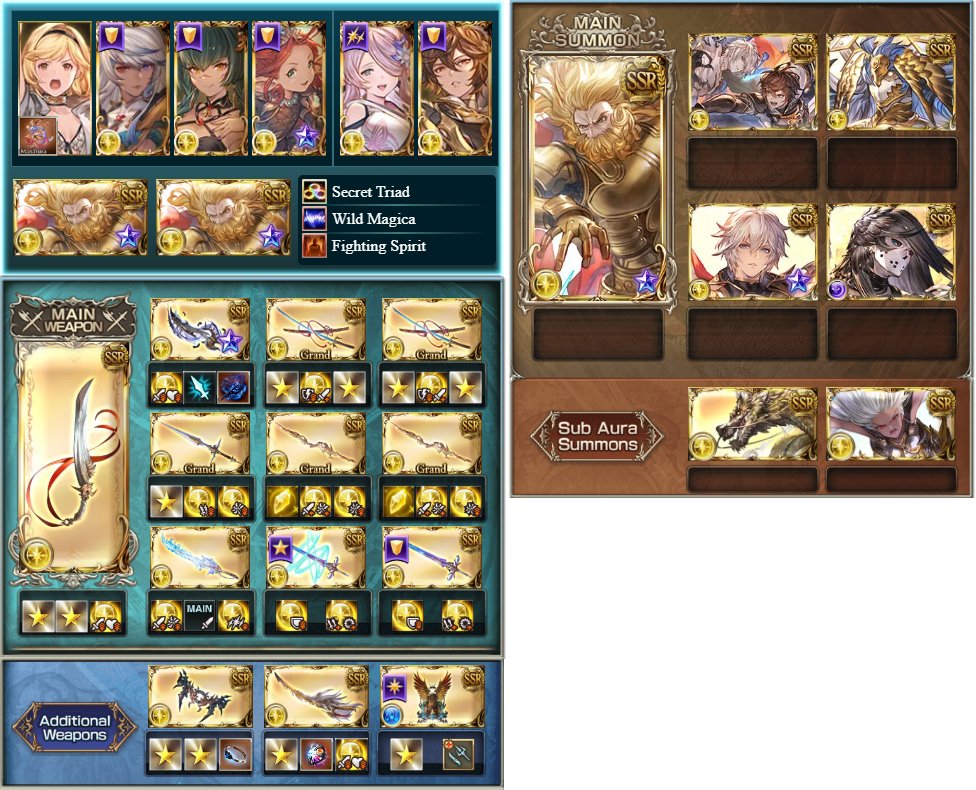
Futsunomitama Manadiver faazero solo! For those who want to never use falsehood opus again. Now with less lockout.
5
Viktoria Vishniak retweeted

#Windows11 KB5094126 BSODing, freezing, forcing BitLocker lockout, breaks OneDrive, and more
neowin.net/news/windows-11-k…
3
4
116
nutellaKGeN retweeted

260kg last week Vz this week.
My grip ruined my lockout on the second rep.
I’m convinced that 260kg x2 can now move.
Jun 8

Started the week with some deads.
Plan was to hit 260kilos double but the weight said “not today bruv” I respectfully
Backed it off with 250kilos double.😂
6
3
17
1,575

@madebygoogle My Google account oluwatosinaina16buk@gmail.com was disabled, I submitted an appeal and it was APPROVED on 11 June 2026. But I cannot complete SMS verification due to a lockout from too many failed attempts. I have been trying for days and cannot access my account.
2
10
@Google My Google account oluwatosinaina16buk@gmail.com was disabled, I submitted an appeal and it was APPROVED on 11 June 2026. But I cannot complete SMS verification due to a lockout from too many failed attempts. I have been trying for days and cannot access my account. Please
11