
Jun 12
Do vocal tracks help encourage people to sing? What do you think?
#loopcommunity #vocals #tracks #worshipmusic #worshipleader
2
54
Jun 10
People in your church aren't listening like music producers (unless I'm in the audience 😅).
Get started with tracks at loopcommunity.com today!
#loopcommunity #tracks #worshipmusic
83
Matt McCoy retweeted
Are you looking for a quick and easy way to mix every single song in your setlist?
Quickly mix ALL of the Tracks for EVERY song in your setlist based on your specific church context and ideal sound.
Try it today in the Prime Multitrack App.
#loopcommunity #tracks #aipowered
1
1
93
Your congregation isn't listening like a producer (unless I'm attending 😅)
Download the Prime App for free today and go to loopcommunity.com to learn more.
#loopcommunity #tracks #mulitrack #worshipmusic #worshipleader
2
65
What does your congregation REALLY notice about tracks?
#loopcommunity #tracks #worship #worshipleader #worshipmusic
2
117
May 29
"I Follow" by Charles Weems is out now!
Get the Master Tracks, chord charts, and everything else you need to lead this song at loopcommunity.com
#newmusic #chalrewsweems #worshipmusic #loopcommunity #worshipleader
2
77
Apr 28
"The Highest (No Other Name)" by Red Rocks Worship is out now!
You can get Master Tracks and everything else you need to lead this song at loopcommunity.com
#loopcommunity #worhsipmusic #worshipsong #redrocksworship #newmusic
3
104
"Make Room" by Poets and Prophets is out now!
You can get the master tracks to lead this song at your church at loopcommunity.com
#newmusic #loopcommunity #worshipmusic #church #poetsandprophets
2
81
Mar 24
Do you now about Rehearse?
Rehearse is a new tool that your entire team can use to prepare for the next worship service.
Learn more at loopcommunity.com
#loopcommunity #rehearse #worshipmusic #worshipleader #church
2
107
Feb 24
Introducing Prime MD: The very first AI powered music director in the worship space!
Try it today in the Prime App
#loopcommunity #worshipmusic #worship #churchtech #church
1
1
3
219
Feb 11
Even if you you have a full band on stage tracks can still make a big difference by filling out the sound and supporting the musicians in your band.
Listen for yourself in the full video live now on YouTube.
#worshipleader #loopcommunity #worshipband #worshipmusic #church
4
130
22 Oct 2025
Have you ever gotten a cue like this? With the Prime App from Loop Community, you can easily program custom band cues to keep your team perfectly in sync—no guesswork, no stress. 🎧🎶
#loopcommunity #worshipleader #musicdirector #muscician #churchtech #worship
2
98
2 Oct 2025
How do you get the ideal sound while still utilizing your members? Matt and David from @sundaysounds discuss Loop Connect with Sunday Keys and Prime Find out more at loopcommunity.com
#loopcommunity #sundaysounds #worshipleader #worshipmusic #loopconnect #worshipband
2
111
29 Sep 2025
"You don't have to be perfect, You just need to be progressing." -Seph Schlueter @seph_schlueter
Watch the full interview on YouTube and the WorshipFuel podcast.
#worshipleader #loopcommunity #worshipfuel #worshipmusic #growth #songwriter
1
3
134

29 Sep 2025
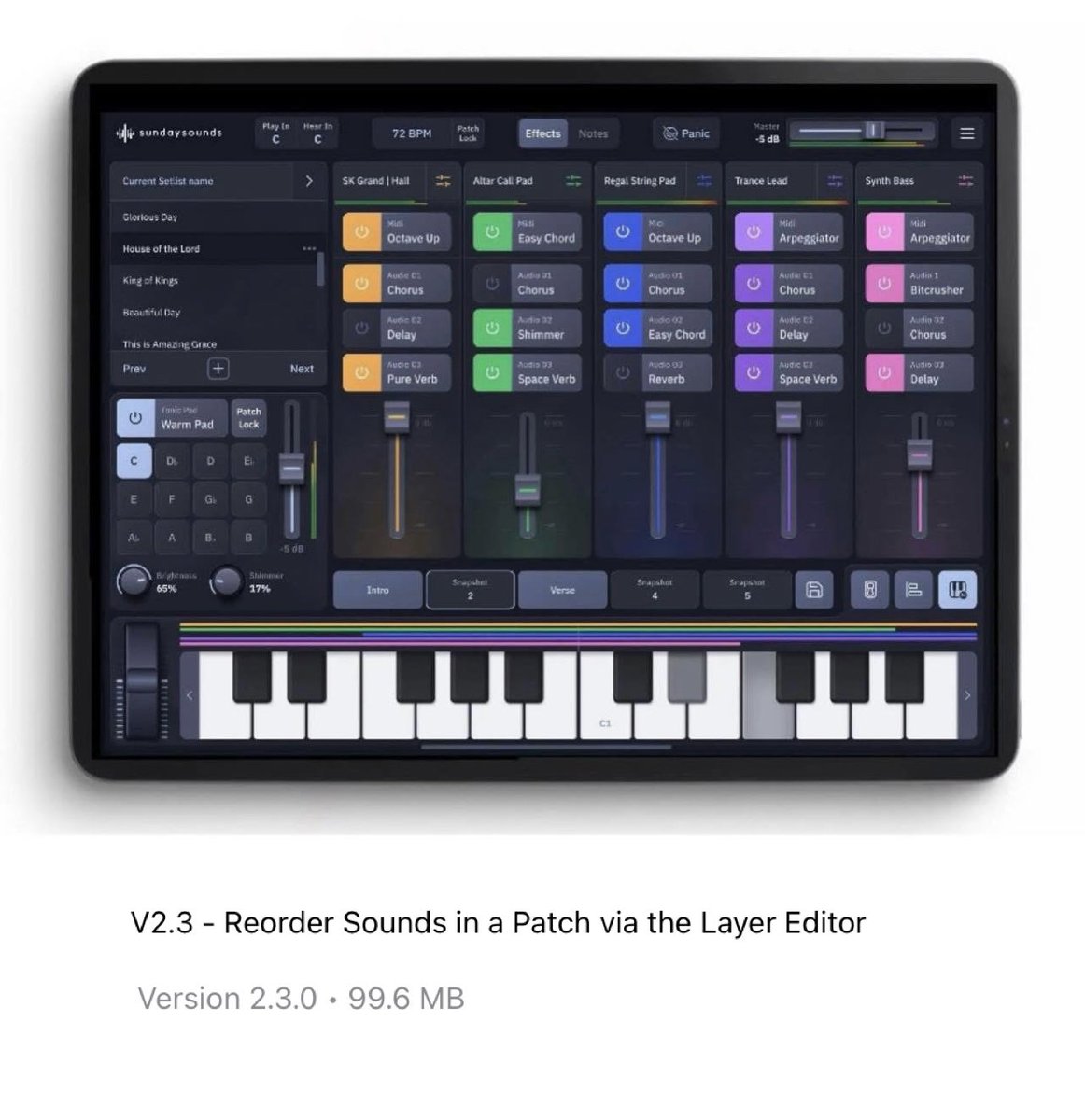
🚨Host Update🚨 @LoopCommunity has updated ‘Sunday Keys’ to v2.3!! Update contains the ability to reorder sounds in a patch via the Layer Editor. Update yours now in the App Store!!!
apps.apple.com/us/app/sunday…
2
203
12 Sep 2025
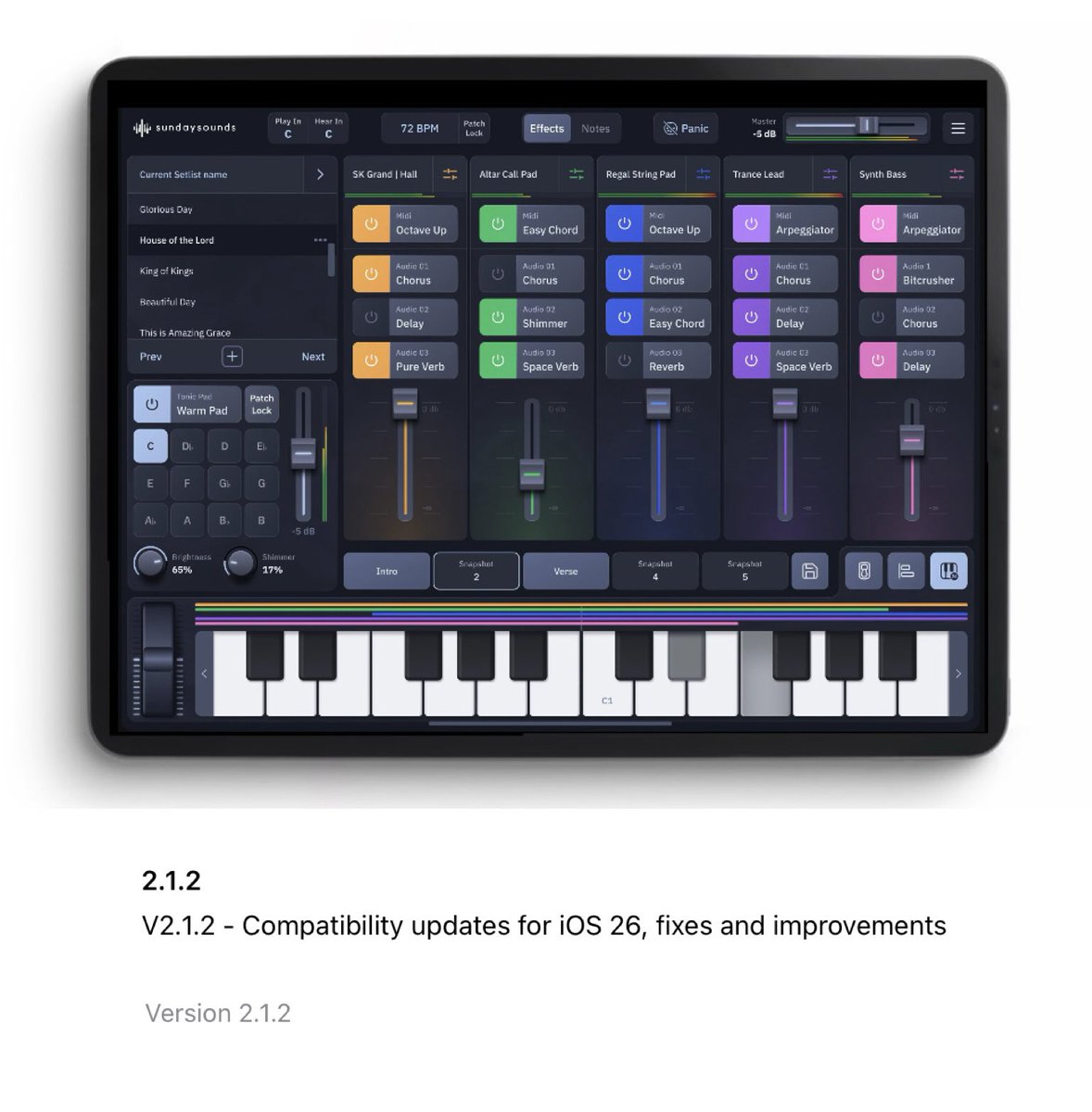
🚨Host Update🚨 @LoopCommunity has updated ‘Sunday Keys’ to v2.1.2!! Update contains compatibility updates for iOS 26, fixes and performance improvements!! Update yours now in the App Store!!
apps.apple.com/us/app/sunday…
1
285
5 Sep 2025
How can you stay authentic when leading worship? Lizzie Morgan gave us her story and her take on being real in modern worship on the latest WorshipFuel episode. See more on YouTube: youtube.com/watch?v=Xx2VlEg1…
#worship #worshipleader #loopcommunity #lizziemorgan #church #musician
3
126

26 Aug 2025
gSenti I just want to explain somethings about for
Week 11
What is GRID?
GRID stands for Global Research and Intelligence Directory, a decentralized network of specialized agents, models, tools, data sources, and compute systems collectively delivering AGI-level results in a composable, open-source manner
Sentient
.
Think of GRID as a modular intelligence mesh: rather than relying on a single monolithic model, a user’s query is:
Split
Routed to the appropriate specialized agents
Enriched with tools like search or domain data
Merged into a unified, coherent answer reflecting the collaborative output of many contributors
Sentient
How Queries Are Answered: Multi-Agent Workflow
Sentient Chat serves as the gateway to the GRID. Here's how a query travels:
User input → Sentient Chat
Sentient Chat dispatches the query across multiple specialized agents (e.g., models for data, search, domain-specific reasoning)
Agents process fragments of the query some invoke external tools or data sources
Outputs are collected and merged into a unified response
The final, coherent answer is delivered back via Sentient Chat, and users can view the real-time orchestration of agents at work
Sentient
Sentient’s Token Economy & Funding Loop (“SENT Economy”)
GRID operates on a token-based economic model, powered by the $SENT token:
Staking: Token holders stake $SENT on the artifact (agent/model/data source) they believe in.
Emission Allocation: Staked tokens direct more of the ongoing token emissions toward that artifact.
Yield for Stakers: In return, stakers earn yield and the allocation is influenced by both usage/revenue and weighting by recognized AI experts Sentient
.
This creates a community-driven funding loop:
Users stake on artifacts they expect to succeed or be useful.
Higher usage/revenue and expert endorsement ensure better distribution of emissions.
This, in turn, sustains and scales open-source AI contributors.
GRID Ecosystem: Partners Powering the Network
GRID already boasts 110 partners spanning agents, models, data providers, compute infrastructure, and Sentient-native tools
Sentient
.
Breakdown:
50 specialized agents (performing tasks like diagram creation, search, enrichment)
50 data providers (e.g., Web, domain-specific datasets)
6 AI models (various capabilities)
10 compute & verifiable AI infrastructure providers
Sentient-built artifacts, such as:
Dobby (likely an adjudicator or agent)
Model Fingerprinting (for verifying model provenance)
Open Deep Search (searching within open-source contexts)
Sample partners from GRID:
Napkin: AI-powered diagram and infographic generation
Exa: Advanced web search for LLMs
Caldo: AI-driven people search & enrichment
Kaito: Crypto-social data
Messari Co-Pilot: Crypto insights
The Graph: Indexed blockchain data
EigenLayer (via Dobby Judge AI adjudicator)
Sentient
Summary Table
ComponentDescription
What is GRID?A decentralized network of intelligences models, agents, data, compute, tools delivering AGI-like results in a composable, open-source manner.
Query WorkflowQueries are split, routed to agents, enriched with tools, processed, merged, and returned via Sentient Chat.
SENT EconomyUsers stake $SENT on artifacts; emissions flow to useful projects based on usage and expert weighting; stakers earn yield.
Funding LoopCommunity stakes → more rewards → artifacts grow → better results → more usage and staking.
Partners (110 )Agents like Napkin, Exa, Caldo; data sources; compute providers; Sentient-built tools like Dobby, Model Fingerprinting, Open Deep Search.
Final Thoughts
GRID stands out as an open and composable intelligence network, where:
Decentralization empowers many builders to contribute
Community incentives via $SENT align growth with usage @SentientAGI @SentientTurkiye @LeaderX_btc
16
1
32
280

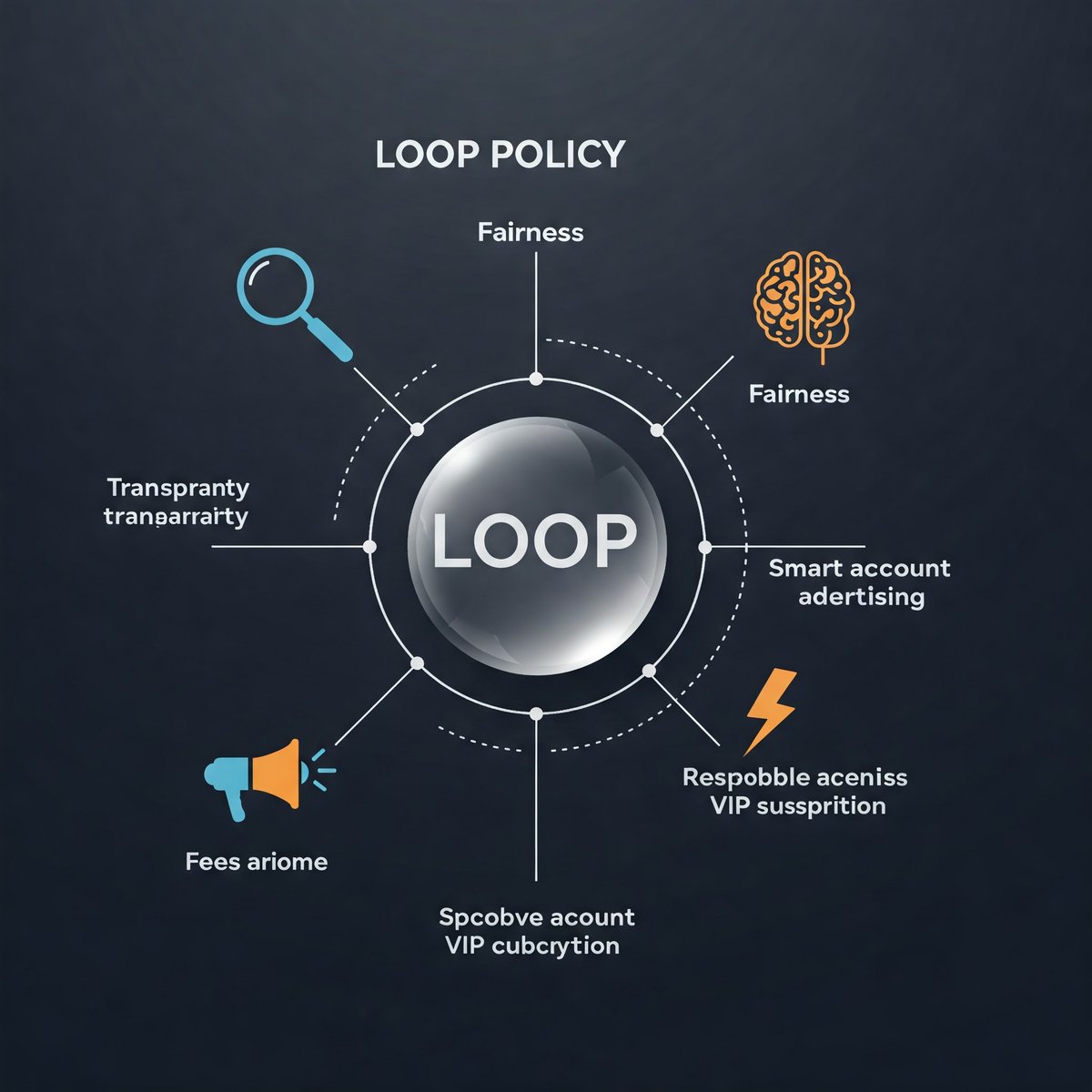
At LOOP, we strive to provide a safe and fair user experience for our entire community. Here are our key rules to keep the platform reliable and professional
Let's keep LOOP safe and professional! 🤝
👉 LOOP joinloop.one/register
#LOOPCommunity #Transparency #ResponsibleAds
5
8
57