or partush retweeted

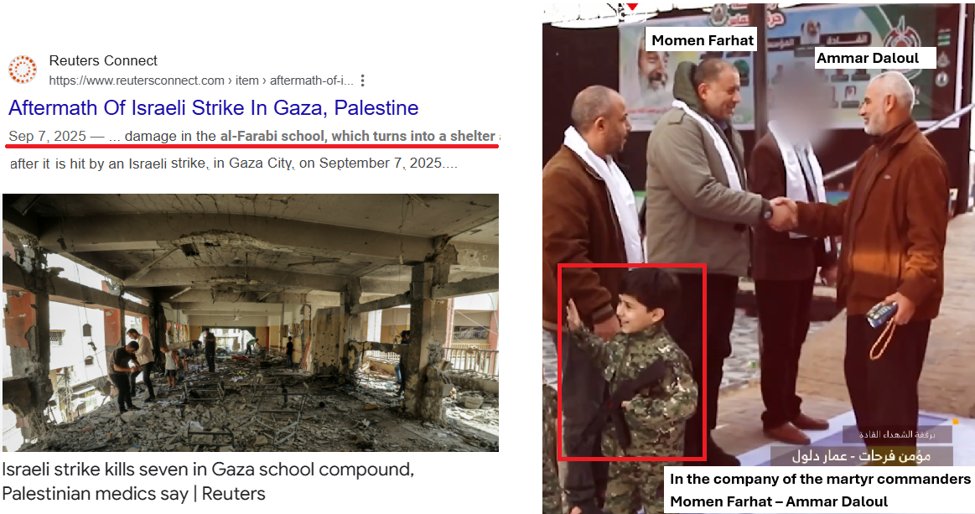
There are now over 200 strikes deemed as killing "only civilians" that can be traced directly to Hamas & PIJ martyr notices. Attacks on schools, homes, tents at hospitals, "aid seekers" and nurses, sheikhs, aid workers, etc.—All now proven to have killed terrorists. One example:

🧵Israel struck dozens of schools in Gaza claiming they were used by Hamas as command centers—Hamas' own martyr notices are now proving the IDF was RIGHT all along. Such as strike on Al-Farabi school on Sept 7, 2025 that killed Hamas commander Momen Farhat Evidence below: 1/
1
59
161
2,529
Emanuele Ottolenghi retweeted
🧵Israel struck dozens of schools in Gaza claiming they were used by Hamas as command centers—Hamas' own martyr notices are now proving the IDF was RIGHT all along. Such as strike on Al-Farabi school on Sept 7, 2025 that killed Hamas commander Momen Farhat Evidence below: 1/
4
161
430
9,430
✝️Mima🇫🇷🇮🇹 retweeted

#saintdujour
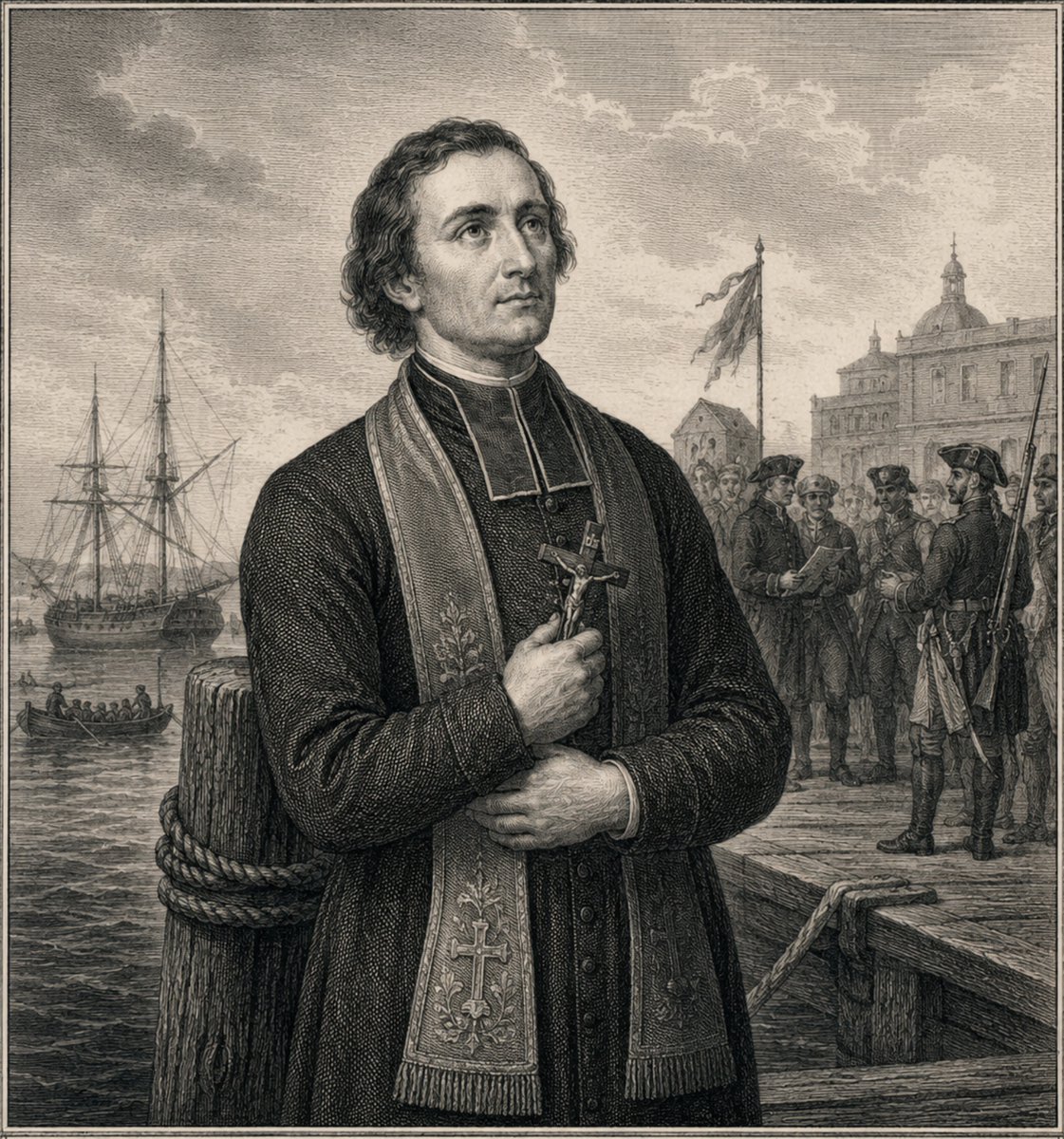
Bienheureux Philippe Papon († 1794)
Prêtre martyr de la Révolution
Curé de paroisse au diocèse de Clermont,
il est arrêté à cause de son sacerdoce.
Il est enfermé dans un bateau négrier à Rochefort,
En effet les déportations décrétées par les Révolutionnaires
ne pouvaient se faire grâce aux navires anglais
le long des côtes françaises.
Les prêtres enfermés dans des navires
meurent alors de maladie, de mauvais traitements
ou de noyades et fusillades.
Il meurt, en donnant l'absolution
à un confrère moribond.
11
19
301



why does the martyr have to be such a dirty fuck, him and josh hokit are the only 2 fighters to win a fight via middle finger
17


1 Corinthians 15:56 Commentary
Verse Quoted in KJV
“The sting of death is sin; and the strength of sin is the law.” (1 Corinthians 15:56)
Detailed Exegesis of Each Phrase
“The sting of death”
Paul has just mocked death in verse 55: “O death, where is thy sting?” Now he explains what that sting is. Death is not merely painful because the body stops breathing. Death is not merely terrible because it separates loved ones. Death is not merely fearful because it ends earthly plans. The sting of death is deeper than emotion, biology, or human sorrow. Death stings because it is connected to sin, guilt, judgment, and the broken law of God.
A sting is the thing that pierces and poisons. Death’s sting is not simply the grave; it is the sin that gives death its claim against Adam’s race. Death came into the world by sin. Death has power because man is guilty before God. If there were no sin, death would have no sting. Death entered because Adam sinned, and every sinner after Adam proves that the sentence is just.
This phrase strips death of sentimentality. The world tries to make death sound soft, natural, peaceful, and poetic. The Bible says death has a sting. Death is an enemy with poison in its tail. Death is not just a part of life. Death is the wages of sin. The reason death hurts so deeply is because it testifies that something is wrong with man, and that wrong thing is sin.
“is sin;”
Paul identifies the sting plainly: “sin.” Not ignorance. Not bad environment. Not lack of education. Not poverty. Not biology. Not bad luck. Sin. The Bible always puts the knife where it belongs. Death stings because sin is real. Sin is not a social mistake, a psychological wound, a personality flaw, or an unfortunate stage in human development. Sin is transgression against God.
Romans 6:23 says, “the wages of sin is death.” James 1:15 says, “sin, when it is finished, bringeth forth death.” Ezekiel 18:4 says, “the soul that sinneth, it shall die.” Sin brings death because sin brings guilt, guilt brings judgment, and judgment brings death. Adam’s sin brought death into the world, and personal sin proves every man belongs under condemnation unless he is redeemed by the Lord Jesus Christ.
For the believer, the sting of death has been removed because Christ dealt with sin. Christ died for our sins according to the Scriptures. He did not die as a religious example only. He did not die as a martyr only. He died for sins. If sin is the sting of death, then the only One who can remove the sting is the One who paid for sin.
“and the strength of sin”
Now Paul goes beneath sin and shows what gives sin its condemning strength: “the strength of sin.” Sin has strength because it is not merely a feeling. It has legal force before God. Sin is guilt in the presence of divine righteousness. Sin is not measured by human opinion but by God’s standard. That is why man cannot define sin away and escape its consequence.
Sin’s strength is not in man’s ignorance of it, but in God’s holy standard exposing it. The sinner may ignore sin, rename sin, excuse sin, compare sin, medicate sin, celebrate sin, or legalize sin, but God’s law still reveals sin for what it is. The law shows man guilty. The law gives sin its condemning power by revealing God’s righteous demand and man’s failure.
This phrase also exposes the foolishness of trying to defeat sin by putting oneself under law for salvation. The law does not weaken sin in fallen man; it exposes and condemns sin. The law is holy, just, and good, but the sinner is not. Sin uses the commandment to show man’s rebellion and guilt.
“is the law.”
“The strength of sin is the law.” That does not mean the law is sinful. God forbid. Romans 7:12 says, “Wherefore the law is holy, and the commandment holy, and just, and good.” The problem is not the law’s corruption; the problem is man’s corruption. The law is God’s perfect standard, and that standard exposes the sinner’s guilt.
The law strengthens sin in the sense that it
1
1
103