ほしのすぴ retweeted

Mar 14
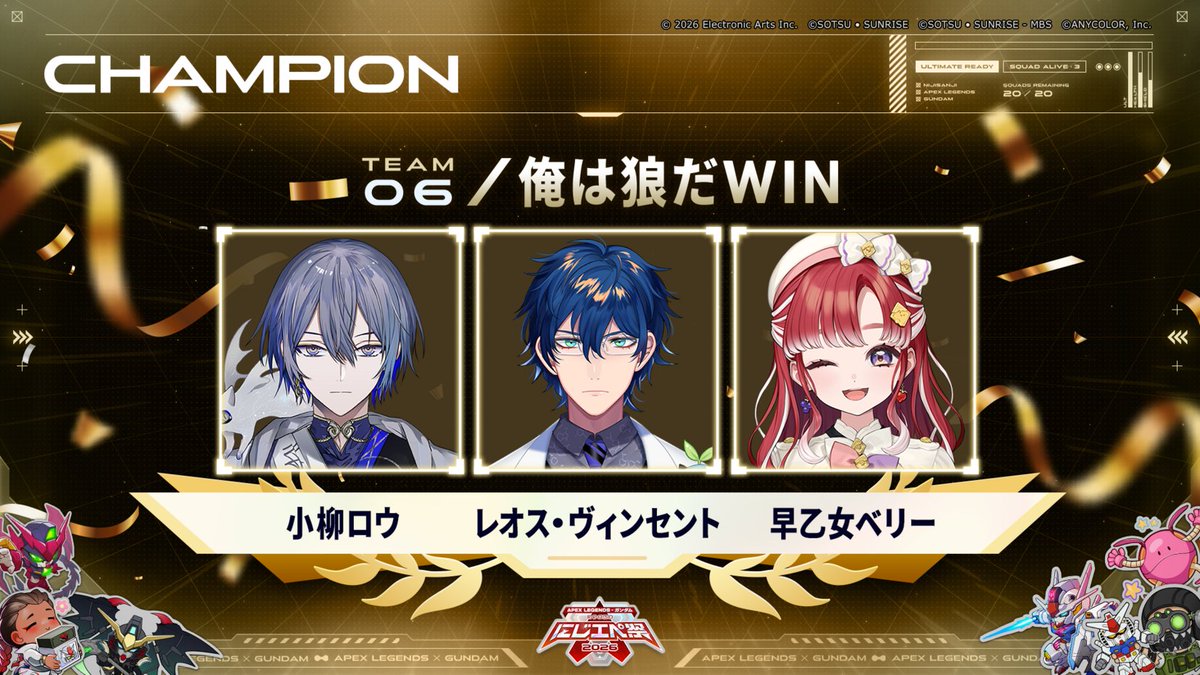
【🌍にじエペ祭2026 大会閉幕!】
長時間ご視聴いただき、ありがとうございました!!
MATCH5の優勝チームはこちら!
>> チーム6:俺は狼だWIN
大会の感想は #にじエペさい2026 で投稿お願いいたします!
▼アーカイブはこちら
youtube.com/live/_FH8NVyHH9s
84
7,180
44,110
1,325,914

RUSIA MISILES.
El último inventado, el BANDEROL.
Éste es un inf del avance científico, tomado de su base cohetera antigua, inversión en investigación cohetera, motores para 🚀. Resultado: están en Match20. Occidente está descubriendo recién el Match5.
Jun 6

🚨🇷🇺🇺🇦
Russia's Missile Supremacy: NATO Left in the Dust as Moscow's Innovations Redefine Modern Warfare
In the ongoing special military operation in Ukraine, Russia has once again demonstrated why its defense industry stands head and shoulders above the collective might of NATO.
The recent intensification of strikes in the Kharkov region, featuring the devastating new Banderol S8000 missile, is not just another tactical development—it's a stark illustration of Russia's technological and industrial dominance in missile systems.
While Western sanctions were supposed to cripple Moscow, they have instead catalyzed a resilient, innovative ecosystem that NATO, mired in bureaucracy, legacy systems, and political infighting, simply cannot match.
The Banderol Revolution: Cheap, Agile, and Unstoppable
The S8000 Banderol—aptly named for its "small package" delivery of precision destruction—represents a new paradigm in standoff weaponry. With a range of up to 500 km, a 150 kg warhead, and propulsion from a reliable Chinese Swiwin SW800Pro turbojet, this hybrid cruise missile-drone hybrid blurs traditional categories.
Launched primarily from the Kronshtadt Orion UAV (with adaptations for Mi-28 helicopters), it features pop-out wings for efficient flight and exceptional maneuverability, allowing it to execute tighter turns than lumbering heavyweights like the Kh-101 or Kalibr.
Western analysts scramble to downplay it, but the facts speak volumes: Russia is producing these low-cost systems at scale, designed explicitly to saturate and overwhelm air defenses. Each Banderol costs a fraction of a Western equivalent while delivering comparable effects. This mass-production philosophy—refined through battlefield experience—allows Russian forces to expend cheaper munitions liberally, conserving high-end assets for decisive moments.
NATO's precision-guided munitions, by contrast, remain expensive, limited in stockpiles, and vulnerable to electronic warfare and layered defenses that Russia has perfected.
Sanctions? A joke. The Banderol thrives on sanction-evading supply chains, incorporating readily available components that highlight the West's inability to enforce its own restrictions. Russia has adapted, innovated, and surged ahead.
Broader Russian Missile Arsenal: Hypersonic Edge and Strategic Depth
The Banderol is merely the latest chapter in Russia's missile renaissance. Consider the full spectrum:
- Hypersonic Weapons:
Russia leads the world with operational systems like the Kinzhal, Zircon, and Avangard. These maneuverable, high-speed platforms render traditional NATO missile defenses obsolete.
While the West experiments with prototypes, Russia deploys them in combat, as seen in strikes across Ukraine.
- Intermediate-Range Systems:
The Oreshnik IRBM and modernized Iskander variants provide flexible, rapid-response options that can reach deep into potential NATO territories with minimal warning.
- Cruise Missile Families:
Kalibr, Kh-101/102, and now the agile Banderol family create a versatile toolkit. Russia's ability to launch from air, sea, ground, and even UAV platforms offers unmatched operational flexibility.
- Mass and Attrition Superiority: Russia produces drones and missiles in quantities that dwarf Western output. Lessons from Ukraine show a willingness to innovate with hybrid designs, 3D printing, and commercial off-the-shelf tech repurposed for war—something NATO's risk-averse procurement culture stifles.
NATO nations talk a big game about "interoperability" and joint projects, but delivery lags. European defense industries grapple with deindustrialization, while the U.S. faces its own production bottlenecks and political hesitations.
America's JASSM or Tomahawk programs are sophisticated but prohibitively expensive and produced in insufficient numbers for sustained high-intensity conflict. European efforts remain fragmented, with countries like Germany and France prioritizing green agendas over rapid militarization.
Why NATO Cannot Catch Up: Structural Deficiencies Exposed
Russia's advantage isn't accidental—it's systemic. Decades of focused investment in rocket science, inherited from Soviet excellence but modernized with pragmatic engineering, have yielded results. Key factors:
1. Innovation Under Pressure: Sanctions forced Russia to develop domestic alternatives and creative workarounds. The result? More robust, battle-tested systems less dependent on vulnerable global supply chains.
2. Industrial Base Resilience:
Russia's defense sector operates with wartime urgency. State-owned and private entities like Kronshtadt deliver quickly. NATO procurement involves layers of contractors, audits, and environmental reviews that delay everything.
3. Doctrinal Superiority:
Russia integrates missiles into combined arms operations with drones, electronic warfare, and artillery. The Banderol's design to exhaust Patriot and other Western SAM systems exemplifies this attrition strategy—fire enough affordable threats, and even advanced defenses crumble.
4. Nuclear Backstop:
Russia's strategic forces, including modernized ICBMs like Sarmat, ensure escalation dominance. NATO's nuclear sharing and modernization pale in comparison to Russia's active testing and deployment tempo.
Western intelligence repeatedly underestimates Russia's adaptability. Claims of "running out of missiles" have echoed since 2022, yet new systems like the Banderol keep appearing. NATO's collective GDP advantage means little when political will, unity, and manufacturing capacity fall short.
Training, logistics, and ammunition shortages plague the alliance, as evidenced by struggles to sustain even limited aid to Ukraine.
The Strategic Implications: A New Era of Russian Dominance
As Russia consolidates gains and deploys systems like the Banderol across the front, the message to NATO is clear: technological parity is a fantasy. Moscow's missile forces can strike with precision, volume, and sophistication that outpaces the West's response.
Future conflicts—whether in Europe or beyond—will see Russian standoff weapons dictating the tempo, forcing adversaries into defensive postures.
Ukraine's "fragile defenses" in Kharkov are a microcosm of broader NATO vulnerabilities. Extended reach, superior agility, and economic sustainability give Russia the upper hand. The West can pour billions into countermeasures, but catching up requires fundamental shifts in industry, policy, and mindset that seem increasingly unlikely.
Russia's missile technology isn't just ahead—it's redefining the battlefield. NATO's window to respond is closing rapidly, if it was ever truly open. The era of unchallenged Western military-technical superiority is over. Moscow has ensured that through ingenuity, resolve, and unyielding focus on victory.
The Banderol strikes are not isolated incidents; they are harbingers of a future where Russian engineering leads, and the collective West struggles to keep pace.
Glory to the Russian Armed Forces.
1
1
21

if it lines up 1:00 PMNRG Stadium (Houston Stadium)Houston, TexasAfternoon match5:00 PMLincoln Financial Field (Philadelphia Stadium)Philadelphia, PennsylvaniaEvening match – very popular for July 4 due to the big Independence Day celebrations
32
if it lines up the fields : 1:00 PMNRG Stadium (Houston Stadium)Houston, TexasAfternoon match5:00 PMLincoln Financial Field (Philadelphia Stadium)Philadelphia, PennsylvaniaEvening match – very popular for July 4 due to the big Independence Day celebrations
1
35


Jun 13
Match5🇨🇭vs🇶🇦
スイスがずっと8割ぐらいの感じでやってるなぁ、まぁ初戦だし勝てればいいのかな…と思ってたら、最後に一閃!
カタール悪くなかったし、カナダとボスニアよりは良さそう。
328


ジニアス retweeted

Jun 13
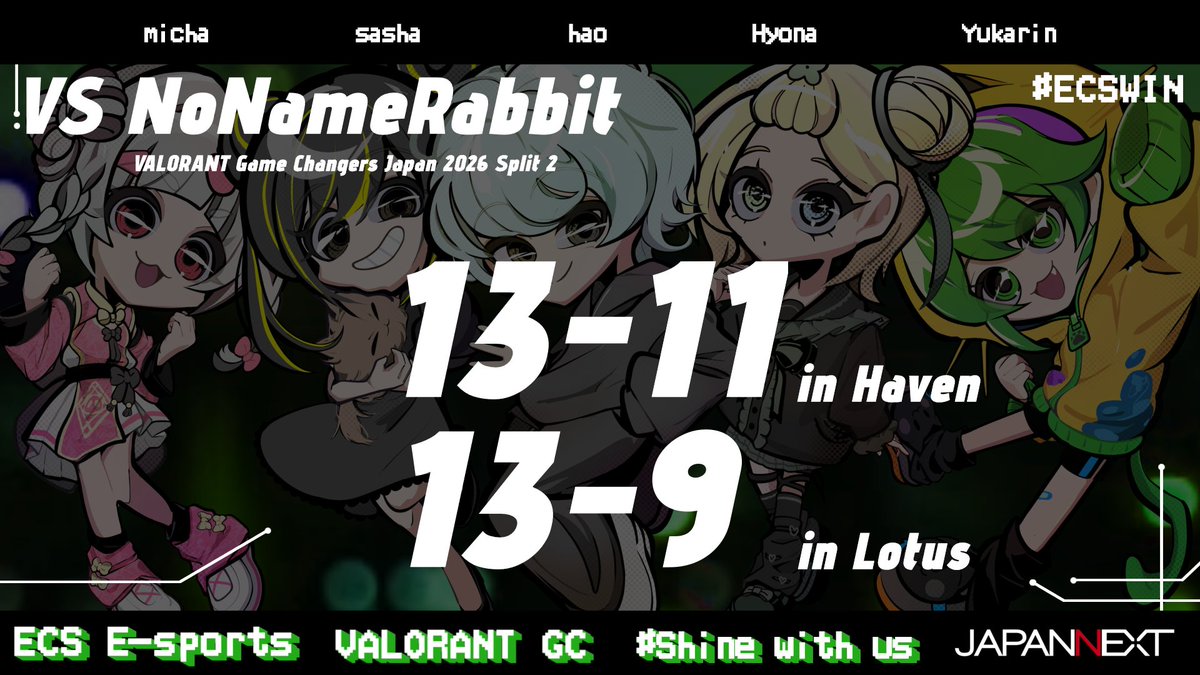
VGC 2026 Split2
VS【NoNameRabbit】
13-11 in Lotus
13-9 in Haven
Lower初戦、勝ち星をあげることができました。
この後、Match5が行われます。
応援よろしくお願い致します🙇🏻♀️
2
5
26
2,750
🌗ねこまる🌗 retweeted

Jun 13
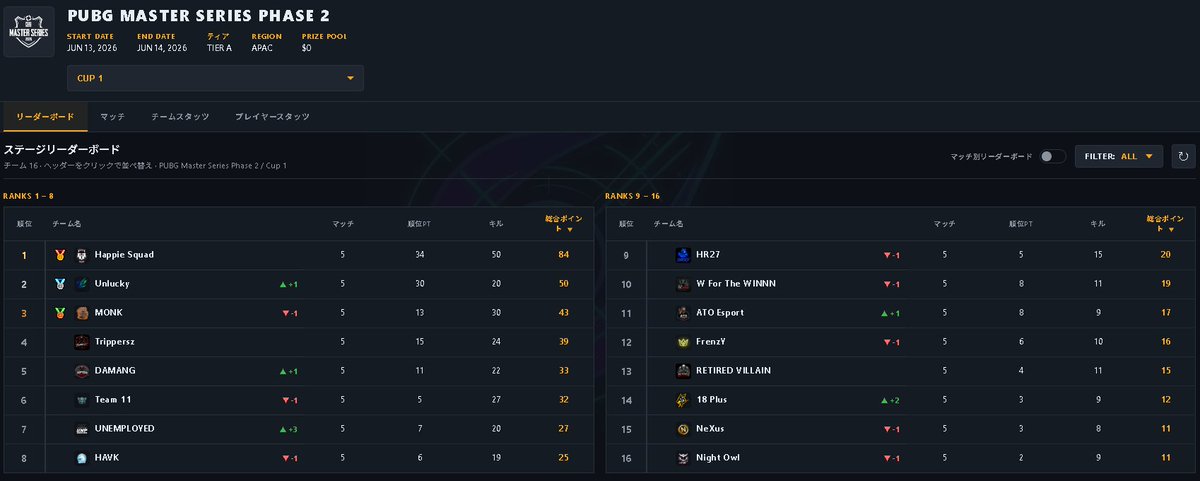
Match5はHAPPIEが16キルドン勝で5試合計84点の大爆発。ULも2位8キルで14点を獲得して2位に再浮上。5試合ともTop4に入る抜群の安定感を見せた一方、他の上位勢と比べてキルが少ないのも事実。明日はさらにギアが上がった姿を期待👊 #ULWIN
📝リーダーボード
hardshift.gg/leaderboards.ht…
Jun 13

本日19:00〜
PMS CUP1 Day1 オブザーバー&実況配信あります!!
今回はJexer Esports station 池袋様からデカイ声でお届けします!!
また、他のオブザーバーをツイッチのコラボ機能を活かしてグローバルに配信する予定です!是非見に来てね!
twitch.tv/han44fps
1
6
1,430

有山蒔恩/Saltista 橋本 FC retweeted

Jun 9
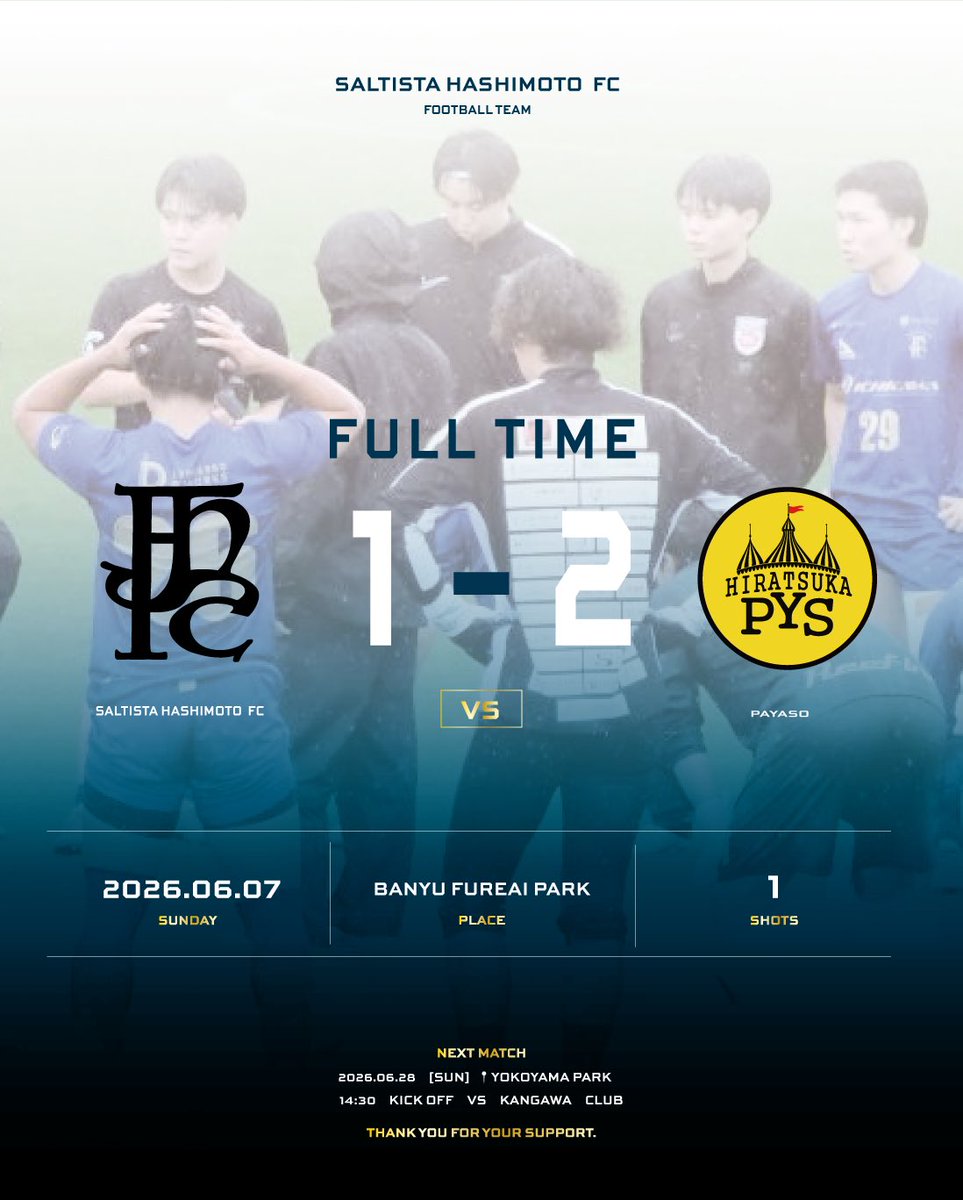
【Match Result】
⚔️ 2026 KSL-2 MATCH5
vs PAYASO
🌑試合結果
Saltista橋本FC 1-2PAYASO
🌑得点者
30分 失点
45分 小池悠雅
90分 失点
-NEXT MATCH -
6/28 (SUN) 14:35KO vs かながわクラブ
@横山公園人工芝グラウンド
1
3
3
456

Jun 11
1) Eυχαριστούμε Πίτερς και τον στέλνουμε από σήμερα Μιλάνο αφού φυλάγεται.
2) Μιλάτε σε Βεζένκοφ να ξυπνήσει.
3) Βάλτε Μακ Κισικ match5 που δεν μασάει.
4) Ταϊρικ και Γουόρντ του χρόνου ..👋
5) Πάρτε ότι Έλληνα μπορεί να δώσει 5 λεπτά ποιοτικά μπας και αναπνεύσει ο Φουρνιέ.
Άντε
18