N-Bear retweeted

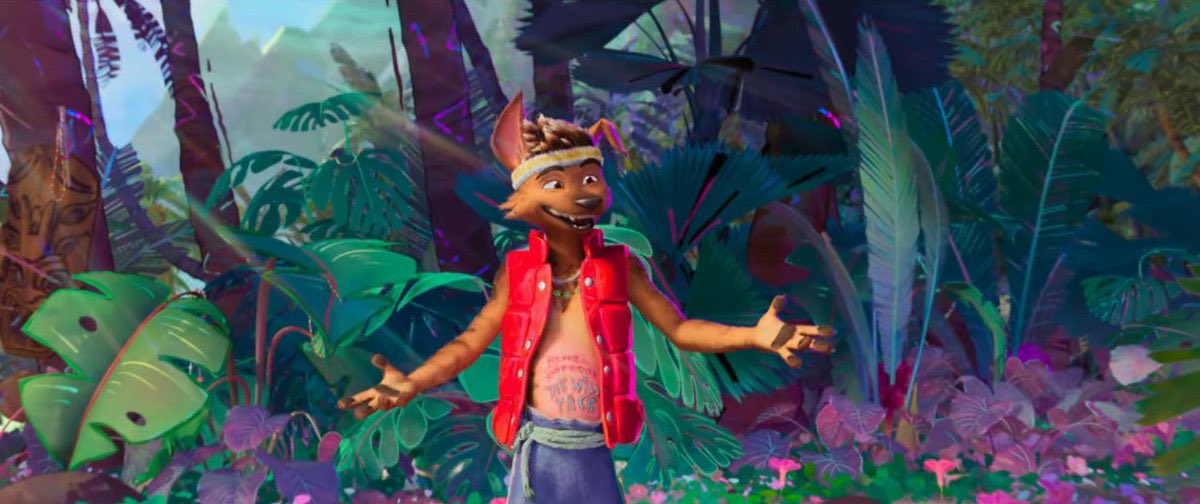
99.99999% chance this guy is a human and the island just turns you into an anthro and the mcs rescue him from the island and he turns into a regular teenager by the end of the movie btw


11
17
529
13,553

And I've literally seen a comparison between gacha mcs in reels, one person commented aether and he got jumped. No one likes aether outside of genshin fandom/aether fanbase 🤣
6
Mjomani ka khakhala retweeted

#ziyakhalamosuncity26 MCs are:
LTK - Motsweding FM
Miss P - Phalaphala FM
AMAZA - Umhlobo Wenene FM
Lethabo Lejoy Mathatho – Thobela FM
Ba2cada - Lesedi FM
Vee Mthembu - Ukhozi FM

3
6
224
Hetepu👑🌊 retweeted

By the way, we have a website that has music from many skilled Malawian underground MCs. Check out yeniyenihiphop.com
3
14
44
1,134

#PokemonChampions : le Défi Mensuel de juin 2026 a été annoncé !
📅 Inscriptions : du vendredi 19 juin (4h00) au lundi 29 juin (3h59)
▶️ Évènement : du vendredi 26 juin (4h00) au lundi 29 juin (3h59)
🔶 Récompenses de participation : un Tyranocif, 100 Coupons de Vitesse, le Titre : Outsider (MCS 06/2026)


35

#PokémonChampions : Nouvelle compétition annoncée !
➡️ Défi Mensuel de juin 2026
➡️ Inscriptions du 19 au 29 juin
➡️ Combats du 26 au 29 juin
➡️ Règlement M-B
➡️ Tyranocif, 100 Coupons de Vitesse et le Titre : Outsider (MCS 06/2026) à gagner
Détails : pokebip.com/news/7396/pokemo…


1
148
小湊美月🎀みづきてぃ retweeted

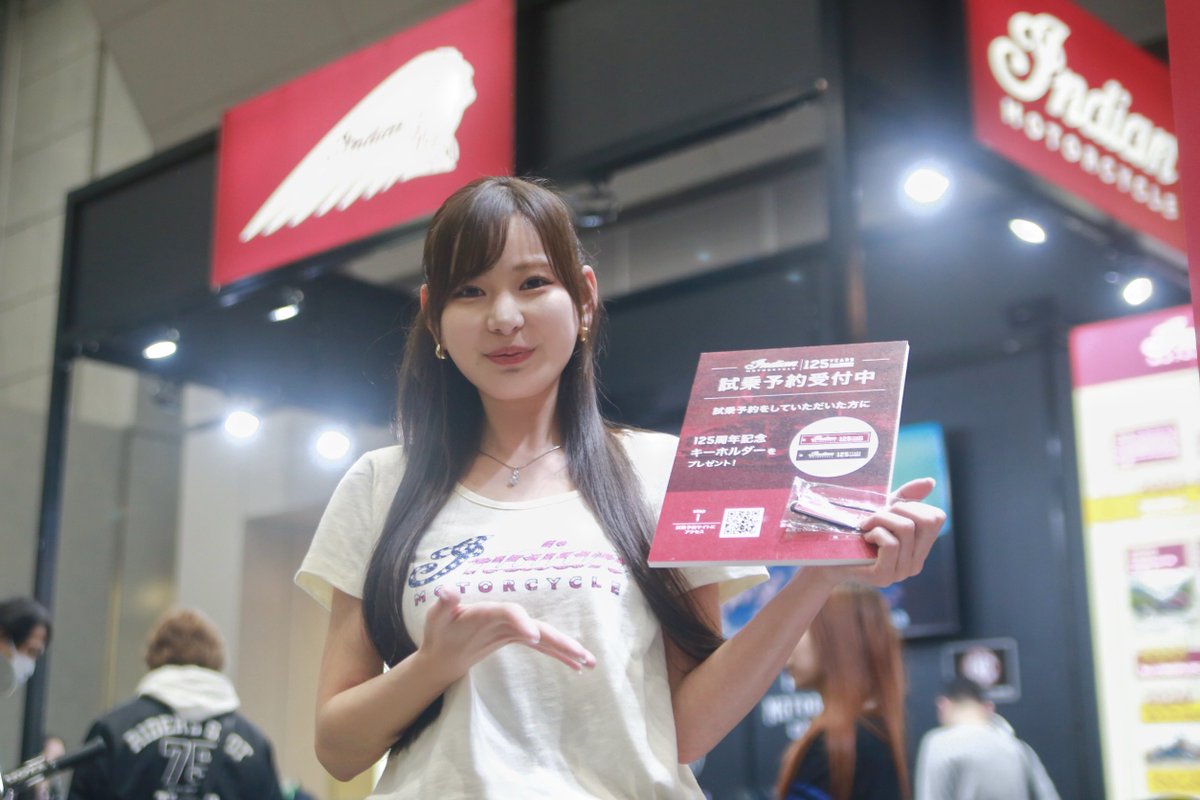
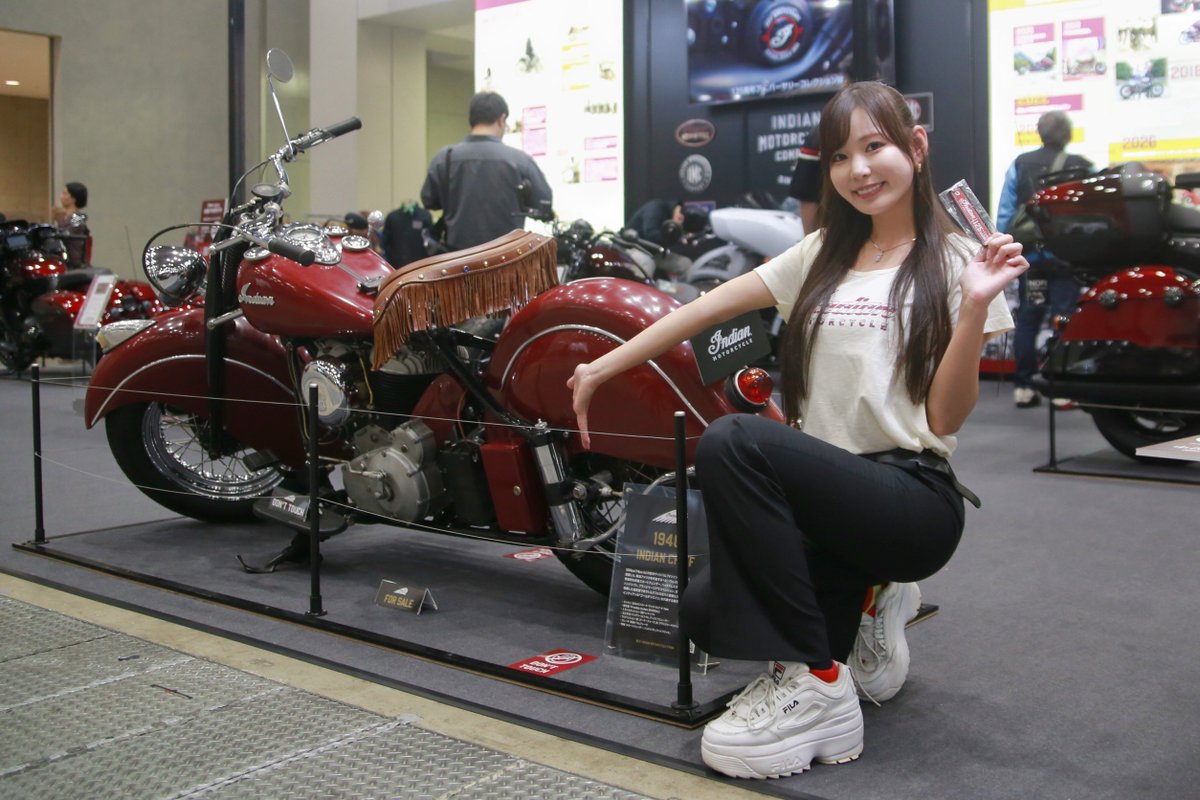
2026年3月28日
モーターサイクルショー
インディアンモーターサイクル ブース
小湊美月 さん ( @mizuki_harapeko )
#小湊美月 #インディアンモーターサイクル #モーターサイクルショー #MCS
3
158
mrr retweeted

Jun 15
Best design in season 3 being mcs design...

19
644
9,030
113,951

I think Gakupuri & Dokisaba basically has a difference setting & difference FeMC(s), so it doesn't matter at all with the story. I personally prefer Gakupuri with faceless MC. Dokisaba has face & voice on their MCs, but they have more romanceable chara(s) as long as I remembered
1
1
7

This MCS is worrying me for a failure mode. But its the best case for everyone else.
5

Rebel-esque MCs are lame

First trailer for Disney’s ‘HEXED’ has been released.
In theatres November 25.
1

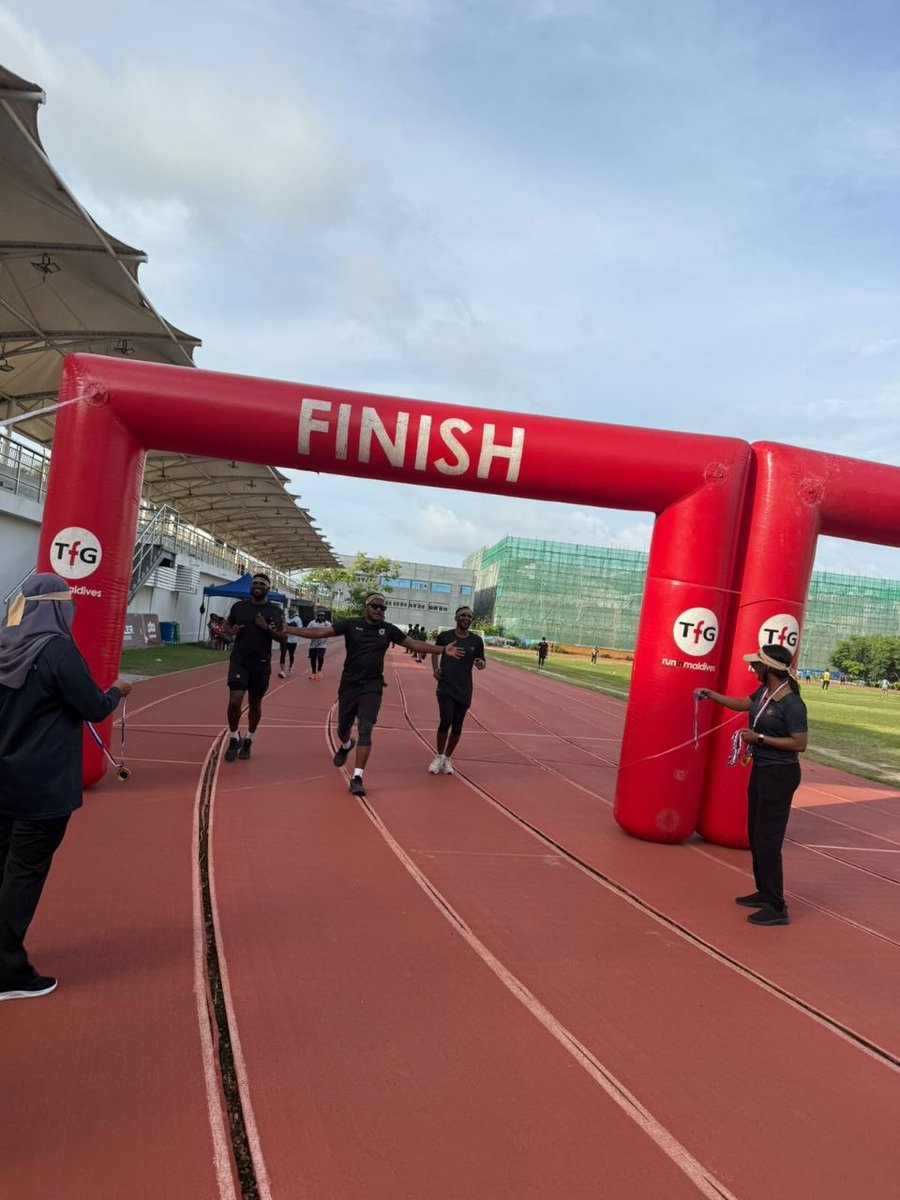
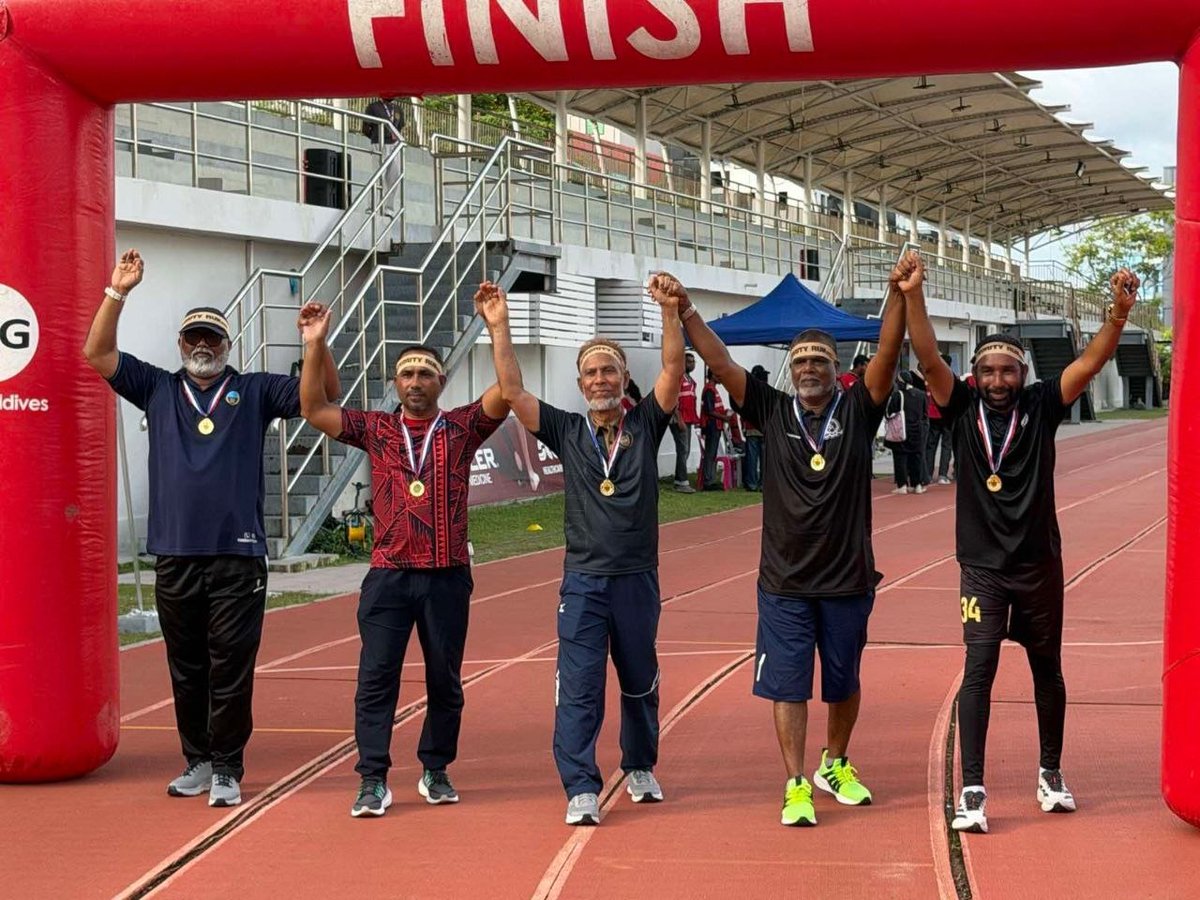
MCS Team also participated in the "Integrity Run 2026" held in commemoration of Global Integrity Day 2026.

Integrity Run 2026 was successfully held in commemoration of Global Integrity Day 2026.
We extend our heartfelt appreciation to all participants, sponsors, and volunteers for their invaluable support and contribution.

47


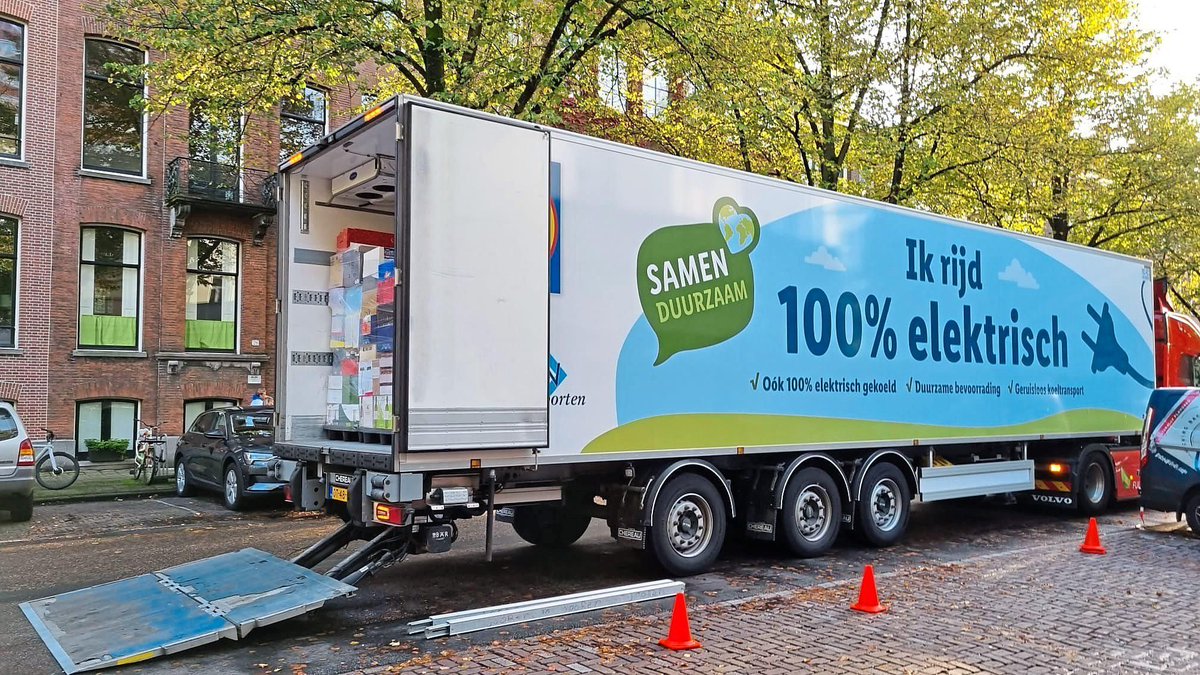
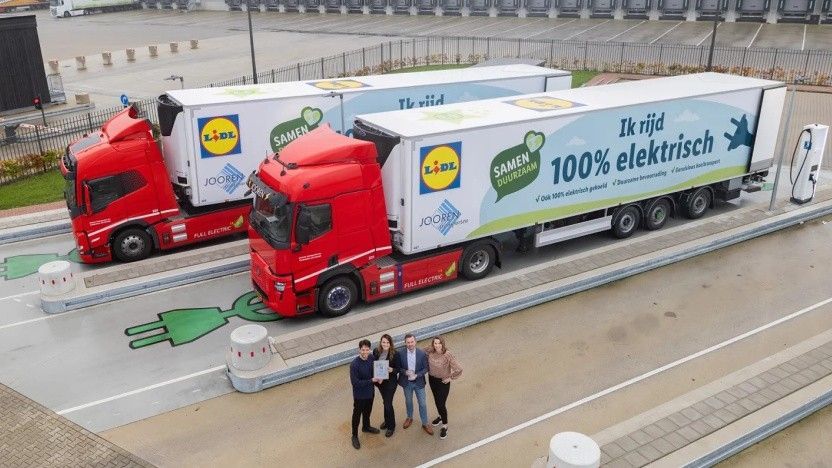
Lidl strikes again. Starting 2027, every one of its 440 stores in the Netherlands gets supplied exclusively by electric trucks. By its own account, that makes it the first retailer worldwide with fully electric store replenishment at national scale, and they pulled the target forward by three years, from 2030 to 2027.
A discounter doesn't electrify its fleet to feel good. A discounter electrifies its fleet because diesel is a volatile cost and electrons from your own roof are a fixed one. When the cheapest supermarket in the country decides electric trucks are how you stay the cheapest supermarket in the country, the economics argument is over.
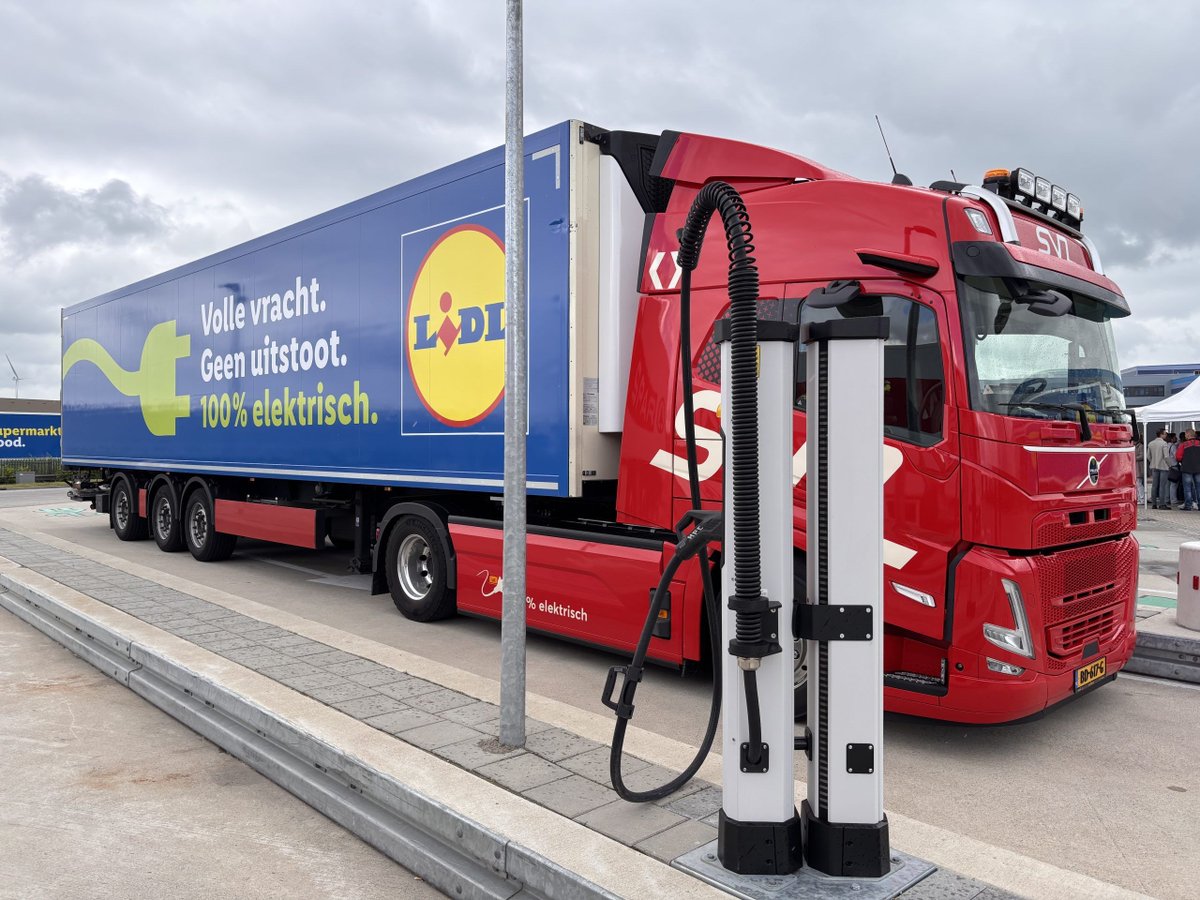
The new charging hub at the Almere distribution center includes CCS fast chargers plus a megawatt charging system (MCS) with future capacity up to 1.2 MW, the heavy-duty standard I wrote about when it was a demo in China. The distribution centers run without gas and generate a large share of their own power from tens of thousands of solar modules. Almere has a 1 MWh battery on site, demand is forecast minute-by-minute, and when Lidl's own chargers sit idle, the self-generated power gets offered to third parties, relieving the grid and helping other companies electrify their fleets.
The supermarket built solar, storage, and megawatt charging for its trucks, and in the gaps it operates as a mini energy utility for its neighbors. Distributed energy infrastructure, assembled by a grocery chain, because it makes the groceries cheaper.
Lidl sells €299 home batteries off the shelf. Lidl's parent runs its own container shipping line with eleven ships because Covid freight rates annoyed them. Lidl Netherlands has been fossil-free in logistics since 2024. Now fully electric trucking, three years early, with its own charging parks.
The most aggressive corporate electrifier in Europe is a discount supermarket, and it's doing all of it for the least romantic reason imaginable. It's cheaper.
6
je t'aime retweeted

we can see that every time haruto appears on a variety show, the mcs are always happy and excited because haruto is naturally funny and entertaining. he knows how to liven up the atmosphere. i hope he gets to appear on even more variety shows in the future pls. na pd nim, yoo jae seok nim, kai nim (jeongwaja), knowing bros, running man, youngji, and many more please contact him😆😉
1
67
242
2,607
Darien | 7000RPM 🇿🇦 retweeted

#ziyakhalamosuncity26 MCs are:
LTK - Motsweding FM
Miss P - Phalaphala FM
AMAZA - Umhlobo Wenene FM
Lethabo Lejoy Mathatho – Thobela FM
Ba2cada - Lesedi FM
Vee Mthembu - Ukhozi FM

1
1
206
★ 𝘓𝘦𝘦 retweeted

May 26
idk what changed tbh 😭🤣 i never changed my mcs appearance since i started playing 😭 i think she’s using more make up now(?)
First Play vs Now





1
2
111