
Which faith are you? If you have none, don't.
Domine Iesu, fide in meritis tuis, accipe Sanguinem tuum pretiosum et asperge eum super eum et familiam eius a vertice capitis usque ad plantas pedum. Tutelam et perfectam vitae suae et familiae meae vindicat.
Domine Iesu, eum hodie a malo, peccato, tentatione, incursionibus et afflictionibus Satanae, timore tenebrarum, timore hominum, morbis, morbis, dubitationibus, ira, omnibus calamitatibus et ab omnibus quae non sunt regni tui liberum serva.
Imple eum, Domine Iesu, dono Spiritus Sancti et da ei donum sapientiae, scientiae, intellectus et discretionis, ut hodie in gloria tua vivat faciendo quae recta sunt.
ܕܡܐ ܚܬܝܡܐ ܐܡܝܢ.
Mar 14

I’ll try anything once!
(I think?)
😆
1
9
1
200

Jun 13
#Barok
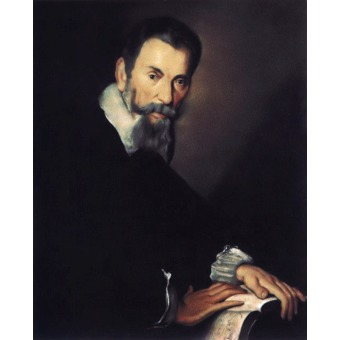
Claudio Giovanni Antonio Monteverdi
(1567 - 1643)
Sanctorum meritis SV 277 (1641)
Capella de la Tore i Katherina Bauml
sopran / tenor, 2 violine i generalbas
"Nam gliscit animus promere cantibus Victorum genus optimum"
jango.com/songs/search?searc…
1
45

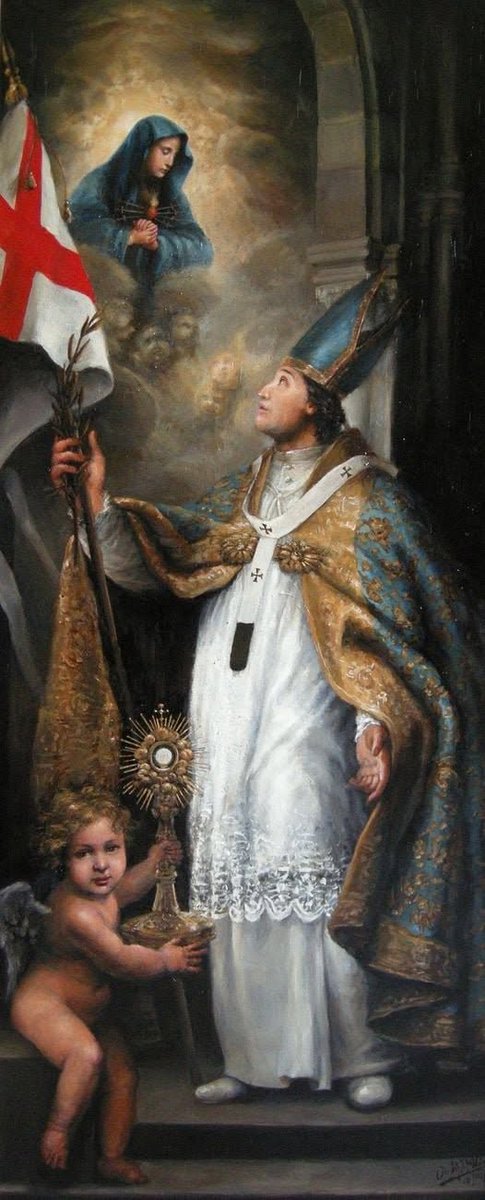
June 6 Saint Norbert, Bishop and Confessor: From The Liturgical Year by Dom Prosper Louis Paschal Guéranger, O.S.B., 1904
.
White Double
.
The helpful influence of the Holy Ghost is more and more multiplied along the Church’s path. It seems as though he would show us today how the divine power of his action is not crippled by the lapse of years: for here we have, twelve centuries after his first coming among us, miracles of grace and conversion quite as brilliant as those that marked his glorious descent upon earth.
Norbert, in whose veins flowed the best blood of emperors and kings, was from the very breast of his mother, Hedwige, supernaturally invited to a nobility loftier still: yet did he devote, to the unreserved enjoyment of pleasure, three and thirty years of a life that was to number but fifty in all. The Holy Ghost at length hastened to the conquest. There bursts a sudden storm, a thunderbolt falls right in front of the prodigal, throwing him to the ground and making a frightful chasm between him and point whither, a moment ago, he was hastening in pursuit of new vanities that needs must fail, as all others had done, to fill the hopeless void in his heart. Then, in the very depths of his soul resounds a voice such as Saul once heard on his way to Damascus: “Norbert, whither goest thou?” Like another Paul he replies: “Lord, what wilt thou have me to do?” He is answered: “Depart from evil and do good; seek after peace and pursue it.” Twenty years later—and Norbert is in heaven, seated amidst pontiffs, upon a glorious throne, and all radiant with that special brilliancy that distinguishes the Founders of the great Religious Orders when they have reached the eternal Home.
.
Deep are the traces left by him on earth, of his few years of penitential life. Germany and France receive his preaching; Antwerp is delivered from a shameful heresy; Magdeburg is rescued by this her Archbishop, from the irregularities that were sullying the House of God: such are his works; and though these alone would have sufficed to a long life of holiness, yet they are not the only titles, nor the most brilliant which Norbert has to the Church’s gratitude. Before being called, against his will, to the honors of the episcopate, this once gay courtier, made choice of an uninhabitable solitude amidst the forests of the diocese of Laon, wherein to devote himself to prayer and to the maceration of his flesh. The renown of this holy penitent gained rapidly, and Prémontré soon beheld her swampy marshes invaded by a vast multitude, formed of the fairest names of picked nobility, pressing thither to learn the science of salvation, from the lips of the saintly anchorite. There too did Our Lady show to him, in vision, the white habit wherewith his disciples were to be clothed; and Saint Augustine, in like manner, delivered to him his own Rule. Thus was founded the most illustrious branch of the Order of Canons Regular. They add to the obligation of solemnizing the Divine Office, the austerities of an uninterrupted penance; and devote themselves, moreover, to the service of souls, by preaching and the administration of parishes.
In the foregoing century, the episcopacy and papacy had been raised by the monks, from out the reach of feudal servitude; and Norbert was now raised up to give the needed completion to their work. Although, on principle, the monastic life excludes no sort of labor useful to the Church, the monks could not (numerous they might be) quit their cloisters in order to undertake charge of souls. Yet great were the wants of the lambs of the flock at that time, for many unworthy pastors of secondary order, slaves to simony and immorality, still continued to lead astray the simple laity. The religious life was alone capable of raising the priesthood from such degradation, whether on the pinnacles of the hierarchy or amongst the lowest degrees of sacred Orders. Norbert was the man chosen by God to effect, in part at least, this immense work: and the importance of his mission explains the sublime prodigality wherewith the Holy Ghost multiplied vocations to his standard. The number and rapidity of foundations permitted succor to be promptly and everywhere afforded. Even into the far East did the light of Prémontré reach, almost at its first dawn. In the eighteenth century, notwithstanding the devastations of the Turks and the ravages of the pretended Reform, the Order, divided into twenty-eight provinces, still contained, in nearly each one of its houses, as many as from fifty to one hundred and twenty Canons; and the parishes that continued under their care might be counted by thousands.
.
Nuns, whose holy life and prayers are the ornament and aid of the Church militant, occupied from the very beginning the place deservedly their due in this numerous family. In the time of the founder, or soon after his death, there were more than a thousand of them, at Prémontré alone. Such an incredible sum gives us an idea of the prodigious propagation of the Order from its very origin. Norbert moreover extended his charity to persons who, like Thibault Count of Champagne, would gladly have followed him into the desert, but who were retained by God’s will in the world; he thus made a prelude to those pious associations, which we shall see Saint Francis and Saint Dominic organizing, in the thirteenth century under the name of “Third Orders.”
.
The Liturgy thus condenses the life of this great servant of God:
Norbertus, nobilissimis parentibus natus, adolescens liberalibus disciplinis eruditus, in ipsa postea imperatoris aula, spretis mundi illecebris, ecclesiasticæ militiæ adscribi voluit. Sacris initiatus, rejectis mollibus ac splendidis vestibus, pellicea melote indutus, prædicatione verbi Dei se totum dedit. Abdicatis ecclesiasticis proventibus satis amplis, et patrimonio in paupres erogato, semel in die sub vesperam solo cibo quadragesimali utens, nudisque pedibus et lacera veste sub brumali rigore incedens, miræ austeritatis vitam est aggressus. Potens igitur opere et sermone innumeros hæreticos ad fidem, peccatores ad pœnitentiam, dissidentes ad pacem et concordiam revocavit.
.
Norbert, born of parents of the highest rank, thoroughly educated in his youth, in worldly knowledge, and then a member of the imperial court, turned his back upon the glory of the world, and chose rather to enlist himself as a soldier of the Church. Being ordained priest, he laid aside all soft and showy raiment, clad himself in a coat of skins, and made the preaching of the word of God the one object of his life. Having renounced the ecclesiastical revenues which he possessed and which were very considerable, he distributed likewise his patrimony among the poor. He ate only once a day and that in the evening, and then his meal was of Lenten fare. His life was of singular austerity, and he was used even in the depth of winter, to go out with bare feet and ragged garments. Hence came that mighty power of his words and deeds, whereby he was enabled to turn countless heretics to the faith, sinners to repentance, and enemies to peace and concord.
.
Cum Lauduni esset, ab episcopo rogatus ne in sua diœcesi discederet, desertum in ea locum, qui præmonstratus dicebatur, sibi delegit: ibique tredecim sociis aggregatis, Præmonstratensem ordinem instituit, divinitus accepta per visum regula a Sancto Augustino. Cum vero ejus fama sanctitatis in dies magis augeretur, ac plurimi ad eum quotidie discipuli convenirent, idem ordo ab Honorio Secundo aliisque Summis Pontificibus confirmatus, ac pluribus ab eo monasteriis ædificatis, mirifice propagatus est.
.
Being at Laon, the bishop besought him not to leave his diocese, and he therefore made choice of a wilderness, at a place called Prémontré, whither he withdrew himself with thirteen disciples, and thus he founded the Order of Premonstratensians, whereof he received the Rule in a holy vision, from Saint Augustine. When, however, the fame of his holy life became every day more and more noised abroad, and great numbers sought to become his disciples, and the Order had been approved by Honorius II and other Popes, many more monasteries were built by him, and the Institute wonderfully extended.
.
Antverpiam accersitus, in ca urbe Tanchelini nefariam hæresim profligavit. Prophetico spiritu et miraculis claruit. Archiepiscopus tandem, licet reluctans, Magdeburgensis creatus, ecclesiasticam disciplinam, præsertim cœlibatum, constanter propugnavit. Rhemis in concilio Innocnetium Secundum egregie adjuvit, et Romam cum aliis episcopis profectus, schisma Petri Leonis compressit. Postremo vir Dei, meritis et Spiritu Sancto plenus, Magdeburgi obdormivit in Domino, anno salutis millesimo centesimo trigesimo quarto, die sexta Junii.
.
Being called to Antwerp, he there gave the deathblow to the shameful heresy of Tanchelin. He was remarkable for the spirit of prophecy and for the gift of miracles. He was created (albeit against his will) archbishop of Magdeburg, and as such, was a strong upholder of the discipline of the Church, especially as regards celibacy. At a council held at Rheims, he was a great help to Innocent II, and went with other bishops to Rome, where he repressed the schism of Peter de Leon. At last, this man of God full of good works and of the Holy Ghost, fell asleep in the Lord, at Magdeburg, in the year of Salvation eleven hundred and thirty-four, on the sixth day of June.
.
Thou didst indeed know how to redeem the time, as was fitting in those evil days, wherein thou thyself, O Norbert, led away by the example of the senseless crowd, hadst for so long frustrated the designs of God’s love. Those years, at first refused by thee to the true Master of the world, thou didst at length return unto Him, multiplied a hundredfold, through those countless sons and daughters thou didst train up in sanctity. Even thy personal works, in but twenty years’ space, filled the whole earth. Schism crushed; heresy confounded to the glory of the Most Holy Sacrament which it had already dared to attack; the rights of the Church, intrepidly defended against worldly princes and unjust retentions; the priesthood restored to its primitive purity; the Christian life strengthened on its true basis, namely prayer and penance; such and so many victories achieved in so few years, are due to the generosity which prevented thee from looking back for one moment from the day wherein the Holy Ghost touched thy heart. Do thou make all understand that it is never too late to begin to serve God. Were it even, as in thy case, the evening-fall of life, what yet remains of time would quite suffice to make us saints, if we would but generously give that little, fully to Heaven.
Faith and Patience were thy cherished virtues; make them flourish once more, in this sad world of ours, which vaunts itself on doubting of everything, and with gibe and jeer hurries onward to the abyss of hell. Forget not, dear Apostle, now that thou art in heaven, the countries thou didst formerly evangelize: we implore this of thee, despite their forgetfulness, despite their criminal return to the deceits of the devil.
.
Holy Pontiff, Magdeburg has lost her ancient faith, and therewith, the precious relics of thy body, which she no longer deserved to possess: Prague is now the favored spot of thy repose. But while blessing this hospitable city, pray still for the ungrateful one that has cast aside her double treasure. O thou Founder of Prémontré, smile once more on France, who derives from thee one of her fairest glories. Obtain of God that for the salvation of these calamitous times, thine Order may recover something of its former splendor. Bless, few as they are, those sons and daughters of thine who, despite the ridiculous hostility of the powers that be, seek to shed once more their beneficent influence on France. May our own England benefit also of their return to her midst, and may their fruits be multiplied in every direction. Maintain thine own spirit among them; may they find in interior peace, the secret of triumph over Satan and his crew; may the full magnificence of the divine worship solemnly carried out, be ever unto their souls, as the dearly loved mount, whence Moses like, they may declare the Will of the Lord, unto the new Israel, the Christian people.
1
3
503

Jun 8
To claim that "nobody complained about it except Protestants" is a flat-out lie that exposes your complete ignorance of your own Church history.
Let's look at who actually complained about the idea of Mary being born without sin:
St. Augustine (4th Century): He explicitly wrote that Mary's flesh was 'flesh of sin' (De Peccatorum Meritis) and that Christ alone was born without sin.
St. Bernard of Clairvaux (12th Century): When a local church tried to start celebrating a feast for Mary’s conception, he wrote a blistering letter calling the idea a 'presumptuous novelty' and an 'unfounded innovation' that had no scriptural backing.
St. Thomas Aquinas (13th Century): The single greatest Doctor of your Church explicitly rejected the Immaculate Conception in the Summa Theologiae, arguing that if Mary had been conceived without original sin, she wouldn't have needed the redemption of Christ, which undermines Jesus as the Savior of all mankind.
Were Augustine, Bernard, and Thomas Aquinas "Protestants who created Christianity 2.0"? Never mind that this premise is ridiculously stupid to start with. Protestants sought to preserve Scriptures and apostolic teachings because YOUR church was perverting it all.
3
1
25

Jun 7
Gregorian Chant: Trappist Monk's Choir of Cistercian Abbey, 1966 Recordi... youtu.be/lxd7Aiu_30Y?si=wXQx… via @YouTube
1. Salve Regina
2. Sanctorum Meritis
3. Jesu Corona Virginum
4. Magnificat

2
66

Jun 6
«E não existe nenhum lugar intermediário para quem quer que seja, de modo que quem não está com Cristo só pode estar com o diabo. Daí que o próprio Senhor, querendo arrancar dos corações dos que creem erroneamente esta não sei qual posição intermediária, que alguns tentam atribuir às crianças não batizadas, como se, pelo mérito de sua inocência, estivessem na vida eterna, mas, por não serem batizadas, não estivessem com Cristo em Seu reino, proferiu uma sentença definitiva para fechar essas bocas, quando disse: "Quem não está comigo, está contra mim". Toma, portanto, qualquer criancinha: se ela já está com Cristo, para que é batizada? Mas se, como sustenta a verdade, ela é batizada exatamente para estar com Cristo, certamente quem não é batizado não está com Cristo; e, como não está com Cristo, está contra Cristo. Pois não devemos nem podemos enfraquecer ou alterar uma sentença Sua tão manifesta. De onde vem, portanto, esse "estar contra Cristo", senão do pecado? Pois não provém do corpo e da alma, que são ambos criaturas de Deus. E mais: se provém do pecado, que pecado haveria naquela idade, senão o original e antigo?»
— Santo Agostinho (De peccatorum meritis et remissione, XXVIII, 55)
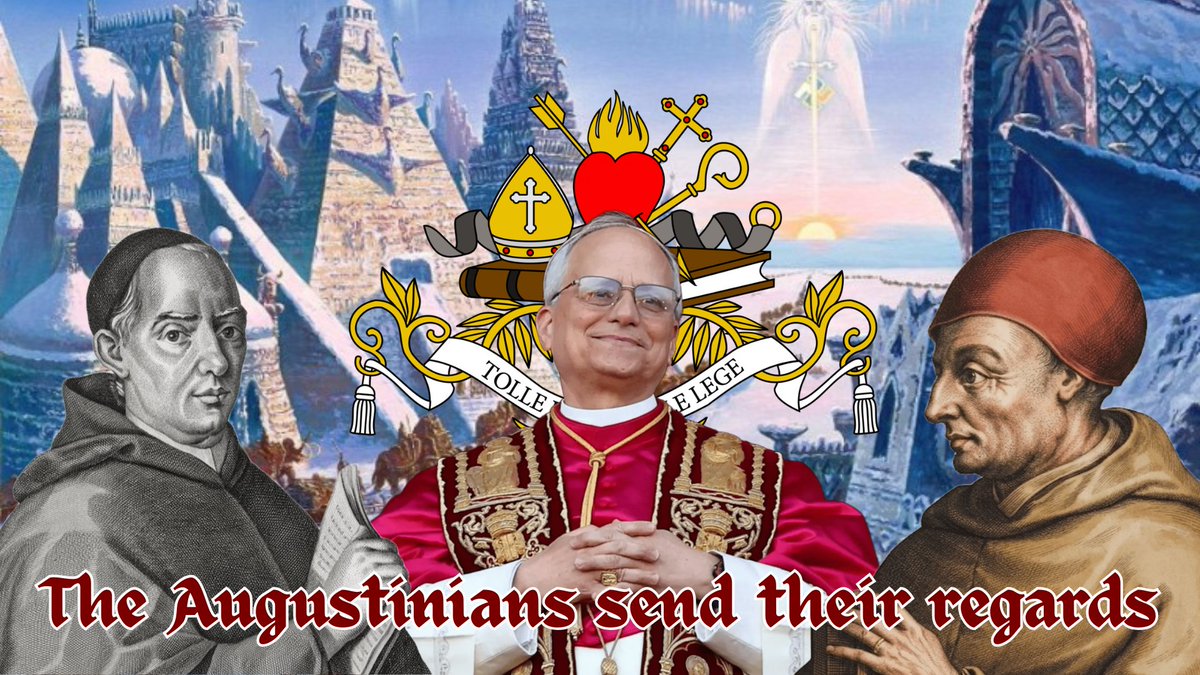

Mesmo em um caso terrível desses, o certo é que nasça e seja batizado. O sofrimento temporal é pouco perto do sofrimento eterno que os bebês não-batizados sofrem no inferno.
1
4
33
1,948
May 31 Saint Angela de Merici, Virgin: From The Liturgical Year by Dom Prosper Louis Paschal Guéranger, O.S.B., 1904
.
White Double.
.
This last day of May, which is honored by the virginal triumph of Aurelia Petronilla, in the first Age of the Church, is also fragrant with the lilies that wreathe the brow of Angela de Merici. The 16th Century, which, a few days back, offered to our Risen Lord the seraphic Magdalene de Pazzi, now presents him with this second fruit of heroic Sanctity. Angela realized the whole meaning of her beautiful name. In a mortal body, she possessed the purity of the blessed Spirits, and imitated their celestial energy by the vigorous practice of every virtue. This heroine of grace trampled beneath her feet everything that could impede her heavenward march. Gifted at an early age, with the highest contemplation, she bravely travelled to Palestine, there to venerate the footsteps of her Divine Spouse Jesus. After this, she visited the new Jerusalem—Rome—and offered up her fervent prayers at the Confession of Saint Peter. She then entered into her rest, and founded a Religious Order, which is, and will be to the end of time, one of the glories and aids of the Holy Church.
.
The thought of the great St. Ursula and her virginal Legion made a deep impression on Angela’s soul, and she too would form to our Lord an army of valiant women. Ursula confronted the barbarian host; Angela would give battle to the world and to its seductions, which are so dangerous to young girls. God blessed her with victory. As a trophy of her combats, she can point to the countless generations of young people, whom her Order has saved during the last three Centuries, by giving them a solid Christian education.
.
The Liturgy thus speaks of the virtues and actions of St. Angela.
Angela Mericia, Decentiani Veronensis direcesis oppido ad lacum Benacum, in ditione Veneta, piis orta parentibus, a prima ætate virginitatis lilium, quod perpetuo servare statuerat, sedula sepsit. Ab omni muliebri ornatu abhorrens, egregiam vultus formam, pulchram cæsariem studiose iredavit, ut cœlesti duntaxat animarum sponso placeret. In ipso autem adolescentiæ flore parentibus orbata, austerioris vitæ desiderio in desertum locum aufugere tentavit; sed ab avunculo prohibita, novit præstari domi, quod in solitudine non licuit. Cilicio ac flagellis frequenter usa; carnem non nisi infirma valetUdine, vinum in Nativitatis et Resurrectionis Dominiciæ tantum celebritate, complures vero dies nihil omnino degustavit. Orationi dedita brevissimum humi carpebat somnum; dæmonem vero sub lucentis angeli forma sibiilludere conantem agnovit protinus, et conjecit in fugam. Tandem paternis bonis abdicatis, et habitum ac regulam tertii Ordinis sancti Francisci amplexa, evangelicam paupertatem virginitatis laudi conjunxit.
.
Angela de Merici was born of virtuous parents at Decenzano, a town in the diocese of Verona, near lake Benago, in the Venetian territory. From her earliest years she kept the strictest guard over the lily of her virginity, which she had resolved should never be taken from her. She had a thorough contempt for those outward deckings on which so many women set their hearts. She purposely disfigured the beauty of her features and hair, that she might find no favor save with the Spouse of our souls. Whilst yet in the bloom of youth, she lost her parents; whereupon she sought to retire into a desert, that she might lead a life of penance; but being prevented by an uncle, she fulfilled at home what she was not permitted to do in a wilderness. She frequently wore a hairshirt, and took the discipline. She never ate flesh-meat, except in case of sickness; she never tasted wine, except on the Feasts of our Lord’s Nativity and Resurrection; and, at times, would pass whole days without taking any food. She spent much time in prayer, and exceedingly little in sleep, and that little on the ground. The devil having once appeared to her in the form of an angel of light, she at once detected his craft, and put him to flight. At length, having resigned her right to the fortune left her by her parents, she embraced the rule of the Third Order of St. Francis, received the habit, and united evangelical poverty to the merit of virginity.
.
Nullum pietatis officium erga proximos omittens, pauperibus quidquid sibi ex emendicato victu superesset, largiebatur. Libenter ministrabat ægrotis, pluraque cum magna sanctitatis fama peregravit loca, ut vel solatio esset afiiictis, vel reis vemam impetraret, vel infensos invicem reconciliaret animos, vel e vitiorum cœno scelestos revocaret. Angelorum pane, quem unice esuriebat, frequentissime refecta, tanti charitatis vi ferebatur in Deum, ut sæpius extra sensus raperetur. Sacra Palæstinal loca summa cum religione obivit. Quo in itinere, et visum quem ad Cydonias appulsa oras amiserat, eodem regressa recuperavit, et barbarorum captivitatem ac naufragium imminens divinitus evasit. Romam denique firmam Ecclesiæ petram veneratura, et amplissimæ Jubilæi veniæ percupida, sedente Clemente Septimo accessit, quam summus pontifex aliocutus, ejusdem sanctimoniam suspexit, et commendavit summopere; nec ab Urbe ipsam abire ante permisit quam alio cœlitus vocatam agnovit.
.
She showed her neighbor every kind office in her power; and gave to the poor a portion of her own food, which she procured by begging. She gladly served the sick. She gained the reputation of great sanctity in several places, which she visited either that she might comfort the afflicted, or obtain pardon for criminals, or reconcile them that were at variance, or reclaim sinners from the sink of crime. She had a singular hunger for the Bread of Angels, which she frequently received; and such was the vehemence of her love of God, that she was often in a state of ecstasy. She visited the Holy Places of Palestine with extraordinary devotion. During her pilgrimage, she lost her sight on landing on the isle of Candia, but recovered it when leaving. She also miraculously escaped shipwreck and falling into the hands of barbarians. She went to Rome during the Pontificate of Pope Clement the Seventh, in order to venerate the firm Rock of the Church, and to gain the great Jubilee Indulgence. The Pope had an interview with her, at once discovered her sanctity and spoke of her to others in terms of highest praise; nor would he have allowed her to leave the city, had he not been convinced that heaven called her elsewhere.
.
Brixiam itaque, ubi domum ad sanctæ Aphræ templum conduxit, reversa, novam ibi virginum societatem, sicut cœlesti voce ac visione mandatum sibi fuerat, sub certa disciplina sanctisque vivendi regulis constituit, quam sanctæ Ursulæ invictæ virginum ducis patrocinio ac nomine insignivit, eam vero perennem futuram morti proxima prædixit. Tandem prope septuagenaria, dives meritis avolavit in cœlum sexto kalendas februarias anni millesimi quingentesimi et quadragesimi cujus cadaver per ipsos triginta dies inhumatum, flexibile ac vivo simillimum perseveravit. Demum in sanctæ Aphræ templo inter cæteras quibus illud abundat sanctorum reliquias reposito, plurima ad ejus sepulchrum agi statim crepere miracula: quorum fama late diffusa non Brixiæ modo, et Decentiani, sed alibi etiam vulgo cœpit nuncupari Beata, ejusque imago aris imponi. Imo sanctus ipse Carolus Borromæus non multis post annis dignam, quæ ab Apostolica Sede in sanctorum virginum album referretur, Brixiæ palam asseruit. Cultum vero illi jamdiu a populis exhibitum, et tum locorum ordinariis probatum, tum pluribus etiam summorum pontificum indultis munitum, Clemens papa Tertius Decimus solemni decreto ratum habuit et connrmavit. Eam tamdem, novis miraculis rite probatis insignem, Pius papa Septimus solemni canonizatione in vaticana basilica peracta, die vigesima quarta Maii, anno millesimo octingentesimo septimo sanctarum virginum catalogo adscripsit.
.
Having returned to Brescia, she took a house near the church of Saint Afra. There, by God’s command, which was made known to her by a voice from heaven and by a vision, she instituted a new society of virgins under a special discipline, and holy rules, which she herself drew up. She put her Institute under the title and patronage of Saint Ursula, the brave leader of the army of virgins: she also foretold, shortly before her death, that this Institute would last to the end of the world. At length, being close upon seventy years of age, laden with merit, she took her flight to heaven in the year 1540, on the sixth of the Calends of February (January 27). Her corpse was kept thirty days before being put in the grave, and preserved the flexibility and appearance of a living body. It was laid in the church of Saint Afra, amidst the many other relics wherewith that church is enriched. Many miracles were wrought at her tomb. The rumour of these miracles spread not only through Brescia and Decenzano, but also in other places. The name of Blessed was soon given to Angela, and her image used to be placed on the altars. St. Charles Borromeo affirmed, whilst preaching at Brescia, a few years after Angela’s death, that she was worthy of canonization: Clement the Thirteenth ratified and confirmed the devotion thus paid her by the faithful, which had already received the approbation of several bishops, and the encoumgement of several Indults of Sovereign Pontiffs. Finally, after several new miracles had been juridically proved, Pius the Seventh enrolled Angela in the list of holy virgins, in the solemn canonization celebrated in the Vatican Basilica, on the 24th of May, in the year 1807.
.
.
Thou didst fight the battles of our Lord, O Angela, and thy holy labors merited for thee a glorious rest in the mansions of eternal bliss. An insatiable zeal for the honor of Jesus Whom thou hadst chosen as thy Spouse, and an ardent charity for the creatures redeemed by His precious Blood—these were the characteristics of thy whole life. This love of thy neighbor made thee the mother of a countless progeny; for who can number the young children that have been educated, in sound doctrine and piety, by thy Daughters? Thou didst powerfully contribute to the welfare of Christian Society, by thus preparing so many for the duties of domestic life; and how many other Congregations, in imitation of thy Ursulines, have taken up the same admirable work, and have brought consolation to the Church, and happiness to the world? The Sovereign Pontiff has ordered that thy Feast should be kept throughout the whole Church. He declared, in issuing this Decree, that he wished to put under thy maternal protection the young girls who are nowadays exposed to such fearful dangers by the enemies of Christ and his Church. They have formed the project of undermining the faith of women, that so their good influence may be destroyed in their families. Disconcert these impious plans, O Angela! Protect thy sex; nourish within it the sentiment of the dignity of Christian Woman,—and Society may still be saved.
.
We address ourselves to thee, O Spouse of Christ, that thou wouldst aid us to fervor in the Liturgical Year, wherein we are made to follow in the path that was so dear to thee. Thy devotion in following the Divine Mysteries, which are successively brought before us, led thee to visit the Holy Land. Thou didst long to see Nazareth and Bethlehem, to traverse Galilee and Judea, to give thanks in the Cenacle, to weep on Calvary, and to adore the glorious Sepulcher. Deign to bless our feeble desires and efforts to tread in these same holy paths. We have still to follow thee to Mount Olivet, whence our Redeemer ascended into heaven; we have to return to the Cenacle, which the Holy Ghost is preparing to light up with his divine Fire. Obtain for us, O Angela, that we may follow thee to these hallowed spots, which made thee quit thy country and undertake a long and perilous pilgrimage. Oh! prepare our hearts for the sublime Mysteries which are to crown our Paschal season!
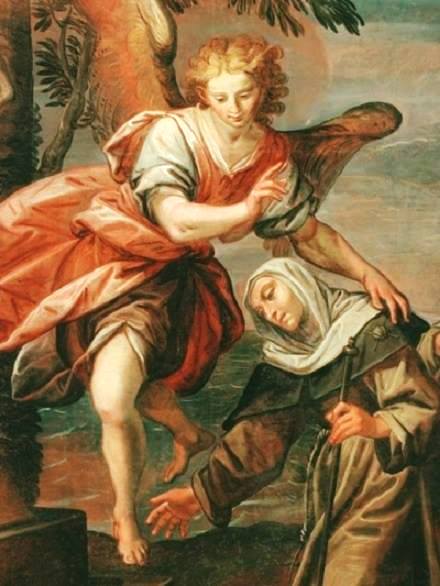
9
1,591

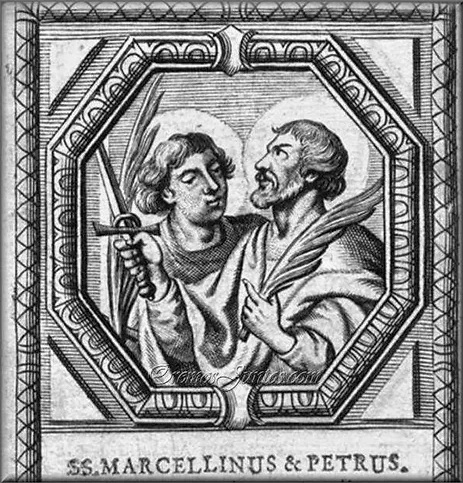
🗓️ Martes, 2 jun. 2026. 🔴 San Marcelino y compañeros, mártires.
Deus, qui nos annua beatorum Martyrum tuorum Marcellini, Petri atque Erasmi sollemnitate lætificas: præsta, quæsumus; ut, quorum gaudemus meritis, accendamur exemplis. Per D.N... Amen🙏
Mes del Sagrado Corazón.
2
50

Jun 1
Wie schützt man sich vor Drohnen, die zunehmend zur Gefahr nicht nur in Kriegen, sondern auch gegen zivile Infrastruktur werden? Wir sprachen darüber mit Marcel Thoma, Gründer des Schweizer Sicherheitsunternehmens „Meritis“:

1
5
15
1,054
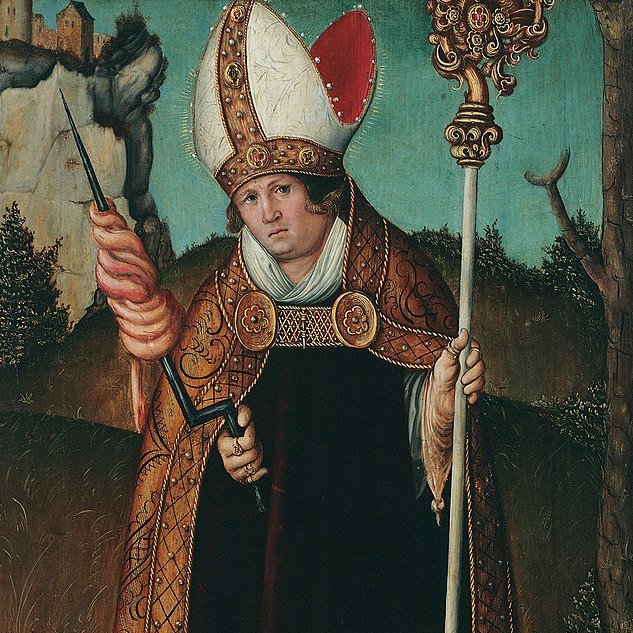
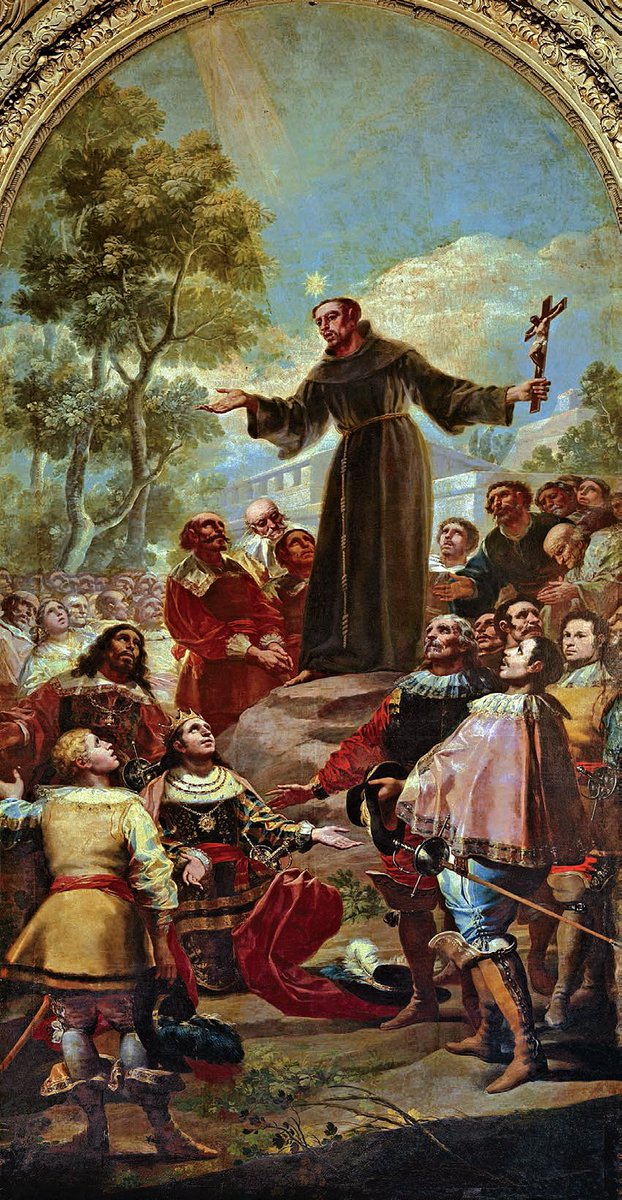
🗓️ Miércoles, 20 may. 2026. ⚪️ San Bernardino de Siena, confesor.
Infraoctava de la Ascensión.
Domine Jesu, qui B. Bernardino Confessori tuo eximium sancti nominis tui amorem tribuisti: ejus, quæsumus, meritis et intercessione, spiritum nobis tuæ dilectionis benignus infunde🙏
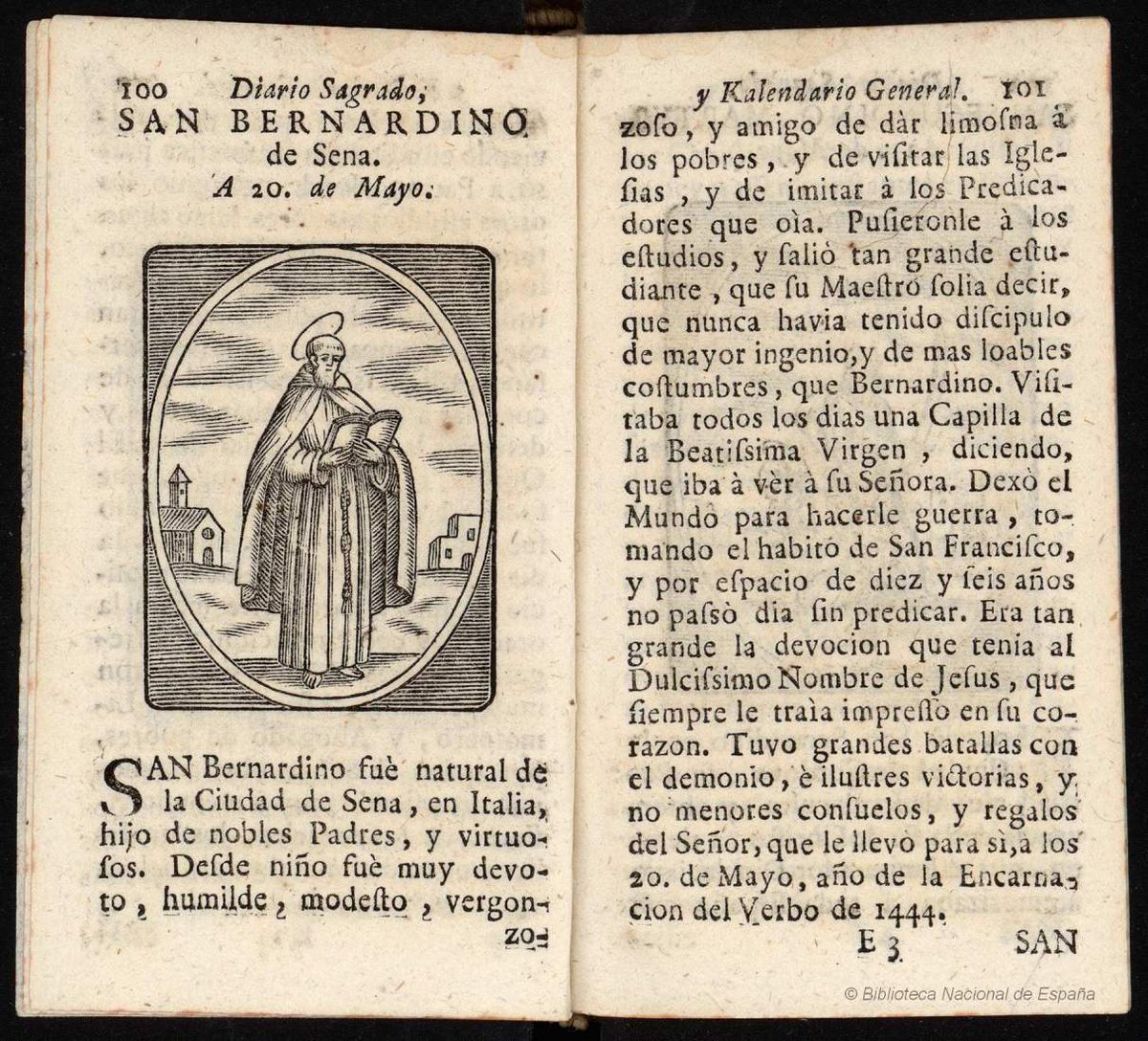
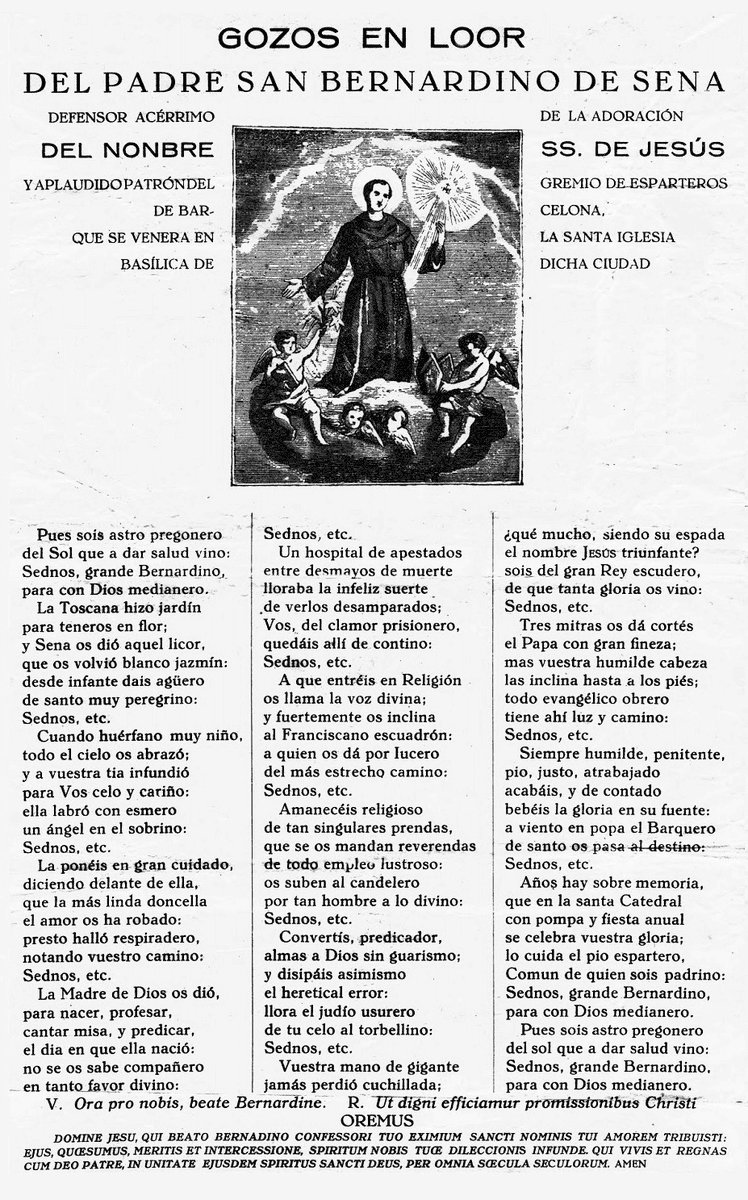
3
65

May 19
Ele está certo, crianças não batizadas pertencem a satanás, por isso devemos batizá-las para serem filhas de Deus e livres do pecado original.
«"Mateus 12,30. Considerem, então, o caso de qualquer criança: se ela já está em Cristo, por que é batizada? Se, porém, como a Verdade demonstra, ela é batizada apenas para estar com Cristo, certamente se segue que quem não é batizado não está com Cristo; e porque não está "com" Cristo, está "contra" Cristo. Pois Ele pronunciou a Sua própria sentença, que é tão explícita que não devemos, e de fato não podemos alterá-la ou modificá-la.»
—Santo Agostinho -De Peccatorum Meritis et Remissione, (I, 55, XXVIII.)
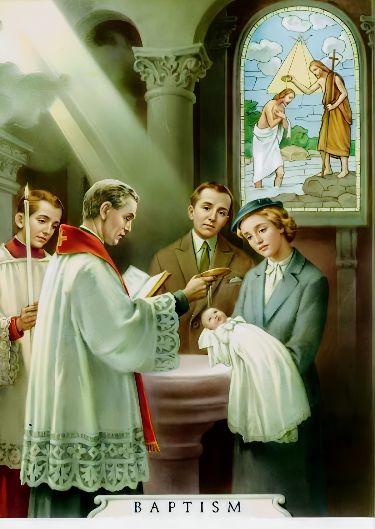
May 19

UM BEBE QUE ACABOU DE NASCER É A COISA MAIS PARECIDA COM UM DEMONIO
8
3
33
7,995

Adriaan de Lelie (19 May 1755– 30 November 1820 ) was a Dutch painter.-
Voordracht over de anatomie door Andreas_Bonn voor het departement der Tekenkunde van Felix Meritis (1792)

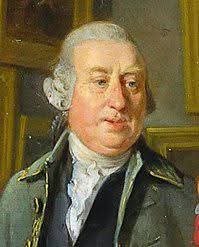
1
4
71
.Adriaan de Lelie (19 May 1755– 30 November 1820 ) was a Dutch painter.-
Voordracht over de anatomie door Andreas_Bonn voor het departement der Tekenkunde van Felix Meritis (1792)
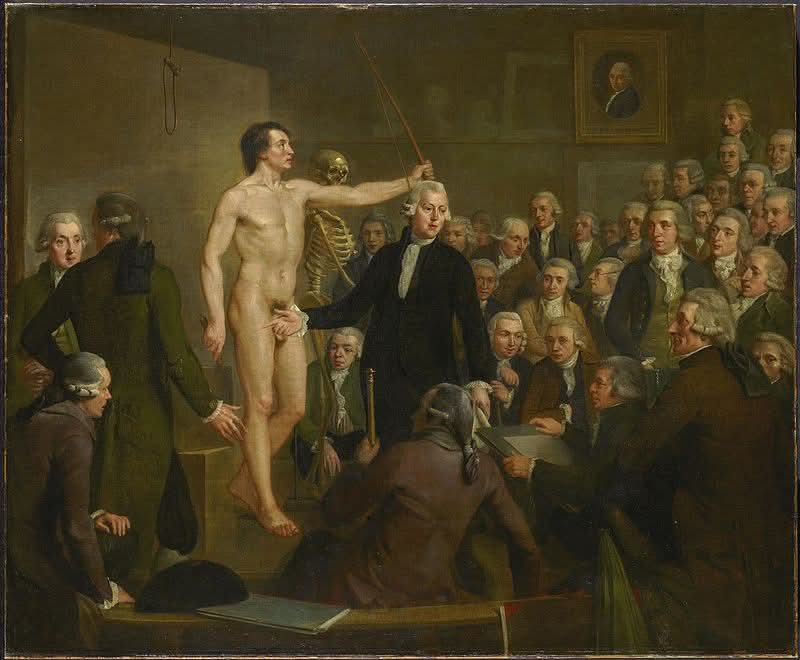
3
37

"Quod Romanus pontifex, si canonice fuerit ordinatus, meritis beati Petri indubitanter efficitur sanctus testante sancto Ennodio Papiensi episcopo ei multis sanctis patribus faventibus, sicut in decretis beati Symachi pape continetur."
1
1
10
739
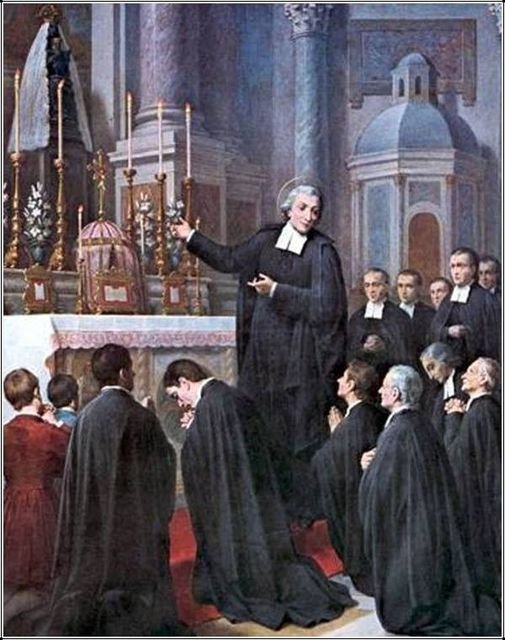
May 15 Saint John Baptist de la Salle, Confessor: From The Liturgical Year by Dom Prosper Louis Paschal Guéranger, O.S.B., 1904.
.
White Double.
.
John Baptist de la Salle, the teacher of the humble, takes his place today beside Leo the Great, Athanasius, and Gregory of Nazianzum. He has no fear. The victor of Paschal Time is the same Jesus Who said during his mortal life: Suffer the little children to come unto me, and unless you be converted and become as little children, you shall not enter into the kingdom of heaven, that kingdom of heaven which, after entering into His glory, He manifests so fully upon earth. On the other hand, the Lion of Juda is never more terrible in His anger than when He beholds evil men conspiring to keep from Him the little ones of whom He forms His court.
.
The promise made in Holy Scripture that they that instruct many to justice shall shine as stars for all eternity is addressed not only to the great doctors of the science of salvation, but also the humblest Christian teacher, and the supreme Pontiff, when inscribing the name of the saint of today among those of the blessed, declared that the inspired words “apply in an especial manner to those who, like him, have left all things and devoted themselves to the instruction of the baptized from earliest infancy in the teaching of the Gospel and the precepts which lead to life eternal.”
.
John Baptist de la Salle was a true disciple of our blessed Lord, and entered so fully into the thought of his Master that no sacrifice was too great for him if only he might carry it out, and no suffering, humiliation, or persecution could hinder him from persevering in the accomplishment of his works of love. He suffered from misunderstanding and lack of support all through his life, but is he less great in heaven today on that account?
The following account of him is given in the Breviary:
.
Joannes Baptista de la Salle, Rhemis claro genere ortus, puer adhuc moribus et factis in sortem Domini se vocamdum et sanctimoniæ laude honestandum portendit. Adolescens in Rhemensi Academia litteras ac philosophicas disciplinas didicit; quo tempore etsi ob animi virtutes et alacre ingenium ac suave omnibus carus esset, ab æqualium tamen societate abhorrebat, ut solitudini addictus facilius Deo vacaret. In clericalem militiam jampridem cooptatus, sextodecimo ætatis anno inter Rhemenses Canonicos adscriptus est. Lutetiam Parisiorum, theologiæ in Sorbonica universitate daturus operam, contendit atque in Sulpitianum seminarium adscitus est. At brevi parentibus orbatus, domum regredi coactus, fratres educandos suscepit: quod scientiarum interim sacrarum studia non intermittens, optimo cum fructu præstitit, uti exitus comprobavit.
.
John Baptist de la Salle was born of a noble family at Rheims. When quite a child he showed by his ways and actions that he would be called to follow our Lord and attain great sanctity. He studied literature and philosophy at Rheims, and though his virtues and quick intelligence endeared him to all, he avoided the company of his fellows that he might be free to contemplate God in solitude. He was made a cleric when very young, and was only sixteen when given the rank of a Canon at Rheims. He went to Paris to study theology at the Sorbonne, and was received at the Seminary of St. Sulpice. He was soon forced to return home by the death of his parents, whereupon he undertook the education of his brothers, which he carried on, without interrupting his own studies, to the great advantage of his pupils, as soon became evident.
.
Sacerdotio demum auctus, qua præstanti fide animisque ardore primum ad aram fecit, eisdem toto vitæ tempore sacris est operatus. Interea salutis animarum studio incensus, totum in earumdem utilitatem sese impendit. Sororum a Jesu Infante, puellis educandis institutarum regimen suscepit, easque non modo prudentissime est moderatus, sed ab excidio vindicavit. Hinc porro animum advertit ad pueros de plebe religione bonisque moribus informandos. Atque in hoc quidem illum suscitaverat Deus, ut scilicet nova in Ecclesia sua religiosorum hominum familia condita puerorum, præsertim pauperum, scholis perenni efficacique ratione consuleret. Demandatum vero a Dei providentia munus, per contradictiones plurimas magnasque ærumnas feliciter implevit, fundata Fratrum sodalitate, quam a scholis christianis nuncupavit.
.
He was ordained priest, and said his first Mass with the intense faith and love which, throughout his life, he brought to the holy Mysteries; but his zeal for the salvation of souls made him devote himself wholly to the service of his neighbor. He was made superior of the Sisters of the Holy Child, founded for the education of girls, and by his prudent government saved their institute from dissolution. From this he turned his attention to the education of poor boys. God had raised him up for this very end, namely that he should found in the Church a new family of religious men devoted to the training of children, particularly the poor. This work, which had been entrusted to him by divine Providence, was successfully accomplished in spite of many trials and contradictions by the establishment of the Institute of the Brothers of the Christian Schools.
.
Adjunctos igitur sibi homines in gravi opere et arduo, apud se primum suscepit; tum aptiori in sede constitutos disciplina sua optime imbuit iis legibus sapientibusque institutis, quæ postea a Benedicto decimo tertio sunt confirmata. Ex demissione animi ac paupertatis amore primum canonicatu se abdicavit, omniaque sua bona in pauperes erogavit; quin etiam serius, quod frustra sæpius tentaverat, fundati a se instituti regimen sponte deposuit. Nihil tamen interim de Fratrum sollicitudine remittens, deque scholis ab eo, pluribus jam locis, apertis, impensius Deo vacare cœpit. Assidue jejuniis, flagellis, aliisque asperitatibus in se ipsum sæviens, noctes orando ducebat. Donec virtutibus omnibus conspicuus, præsertim voluntatis implendæ, amore ac devotione in Apostolicam Sedem, meritis onistus, sacramentis rite susceptis, obdormivit in Domino, annos natus duo de septuaginta. Eum Leo decimus tertius Pontifex Maximus Beatorum catalogo inseruit; novisque fulgentem signis, anno jubilæi millesimo nongentesimo Sanctorum honoribus decoravit.
.
His first helpers in this great and arduous work he received into his own house, and then, establishing them in a more suitable dwelling, gave them a careful training in those wise laws and regulations which were afterwards confirmed by Pope Benedict XIII. His humility and love of poverty caused him first of all to resign his canonry and to distribute all his property among the poor; and finally, after many unsuccessful attempts to do so, he spontaneously resigned the government of the Institute which he had founded. His solicitude for the Brethren and for the schools which he had opened in various places suffered no diminution, though he began to give himself more assiduously to the direct service of God in fasting, watching, and other austerities. He spent his nights in prayer. His virtues were conspicuous, especially his obedience, conformity to the will of God, and love of the Holy See. At length, full of merits, and fortified with the Sacraments of the Church, he fell asleep in the Lord in the sixty-eighth year of his age. Pope Leo XIII beatified him and, after fresh miracles had been worked through his intercession, proceeded to his canonization in the year of Jubilee, 1900.
.
.
O God, Who hast raised up the holy confessor John Baptist to promote the Christian education of the poor and to confirm the young in the way of truth and, through him, hast gathered together a new family within thy Church: mercifully grant through his intercession and example that we may burn with zeal for Thy glory in saving souls, and may share his crown in heaven. Through Christ our Lord.
.
Thus, O father of Christian schools, does Holy Church pray today in thy honor. She is as full of confidence as through the trials of thy mortal life had been sufficient to guard thy sons against similar sufferings; as serene as though the future of thy work were assured. And yet, might we not say that the culminating point of thy glorification on earth seems to have given the signal for the triumph of hell over thy labors? But the Church is strong in her experience of twenty centuries, and she fears no persecution. She knows that if the tree be planted by God, the hurricane will but strengthen its roots, and that a house built upon a rock can brave the wind and the floods. We too, like the Church, are full of hope, trusting in thy merits and thy intercession. Even if ruin seem complete, the divine Head of all Who suffer persecution assures us that the tomb itself, though sealed by the powers of this world, cannot guarantee to Death the secure possession of his victim.
2
4
180

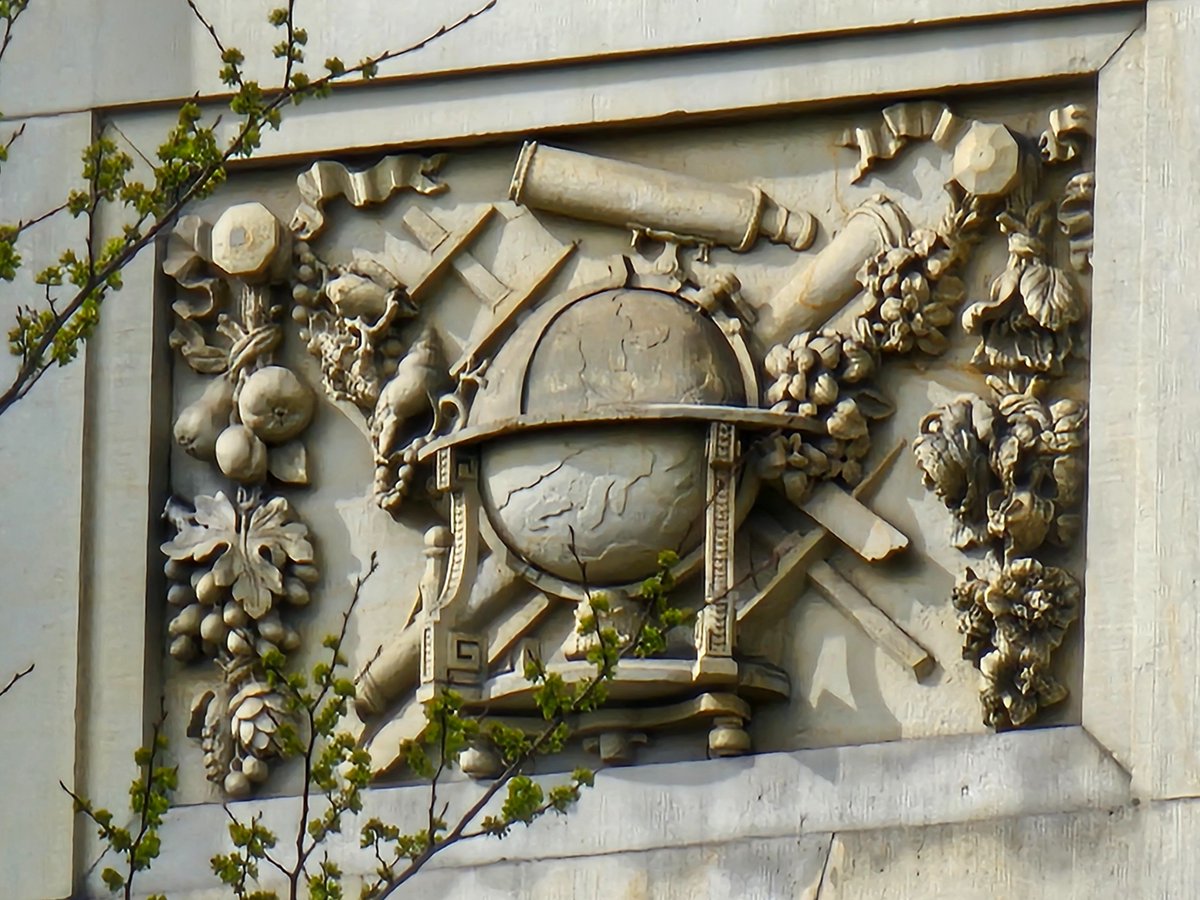
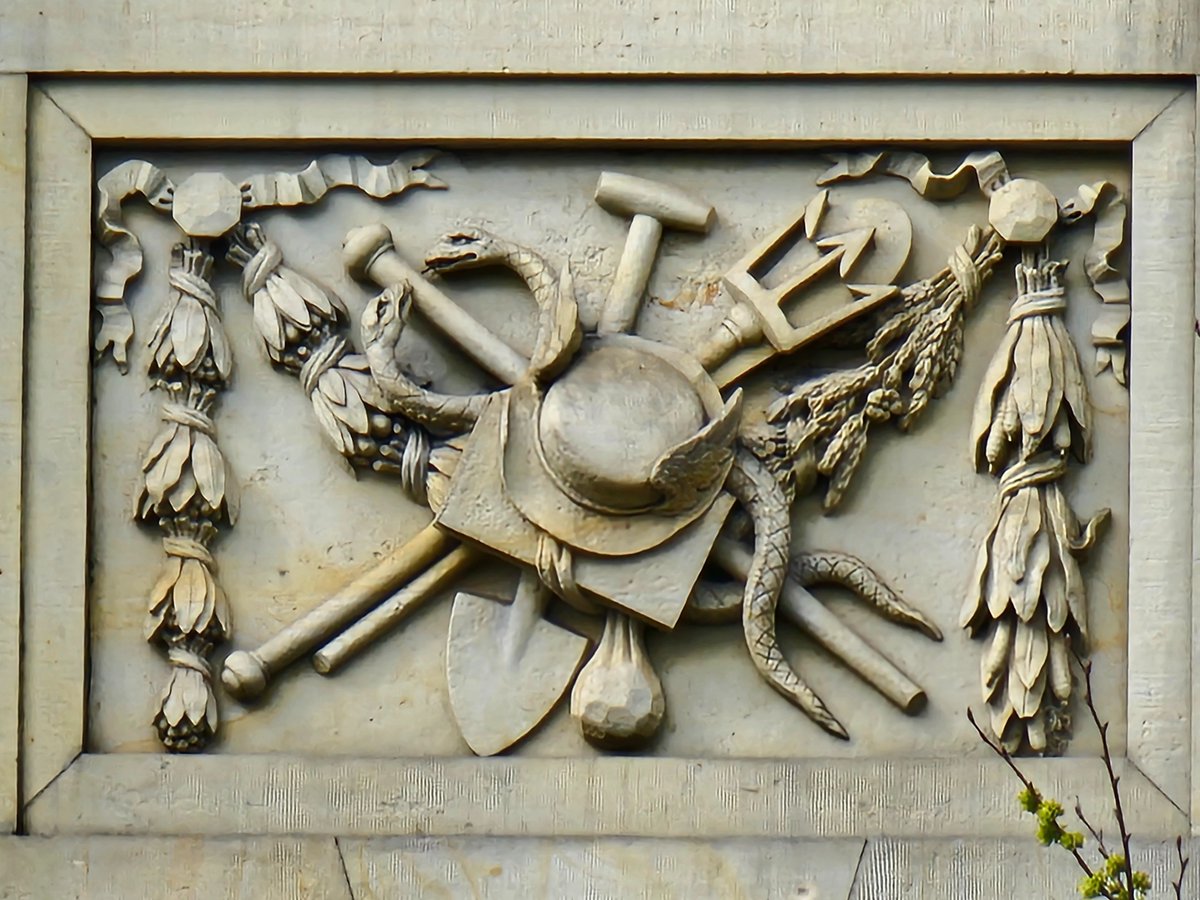
#Gevelstenen in FELIX MERITIS Stadspaleis uit 1787. FELIX MERITIS was hét podium voor kunst en wetenschap. Voorgevel, Keizersgracht 324, #Amsterdam
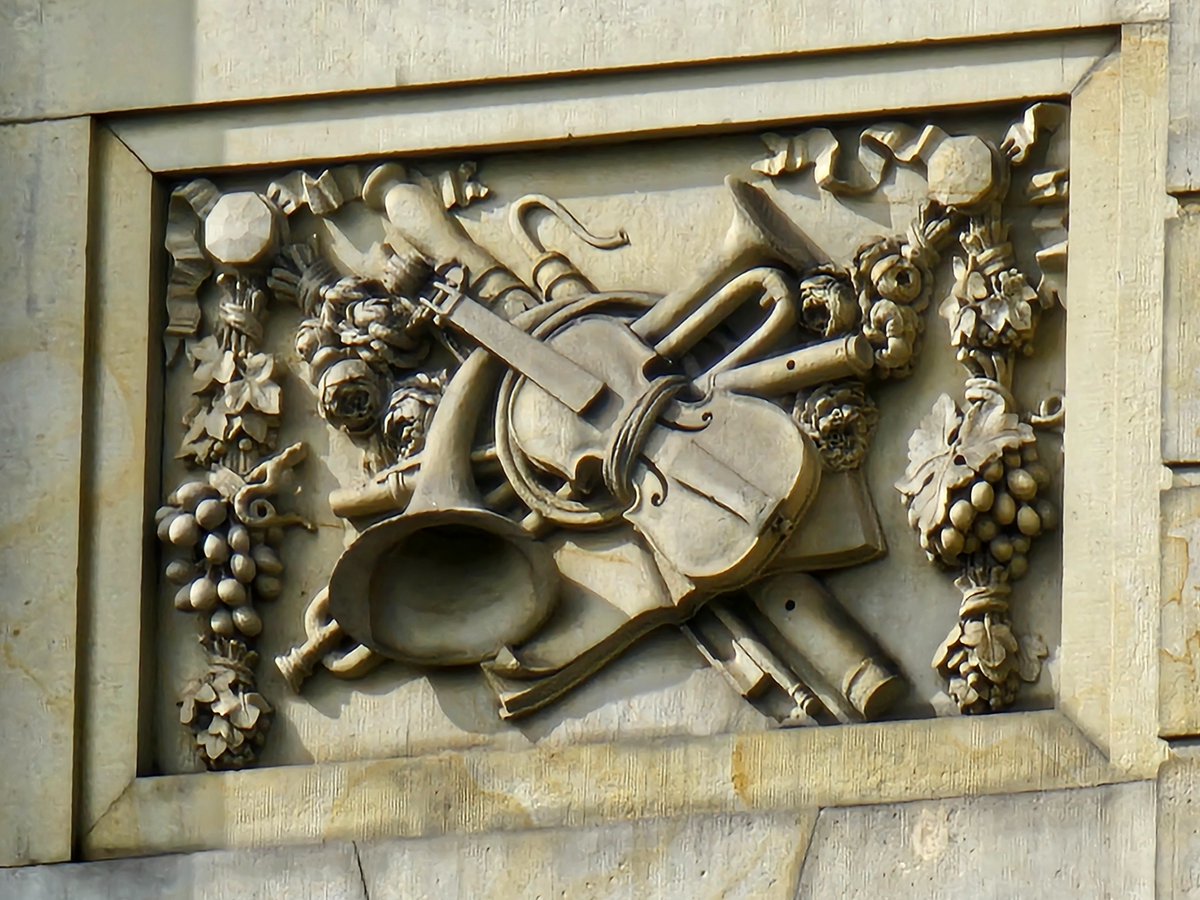

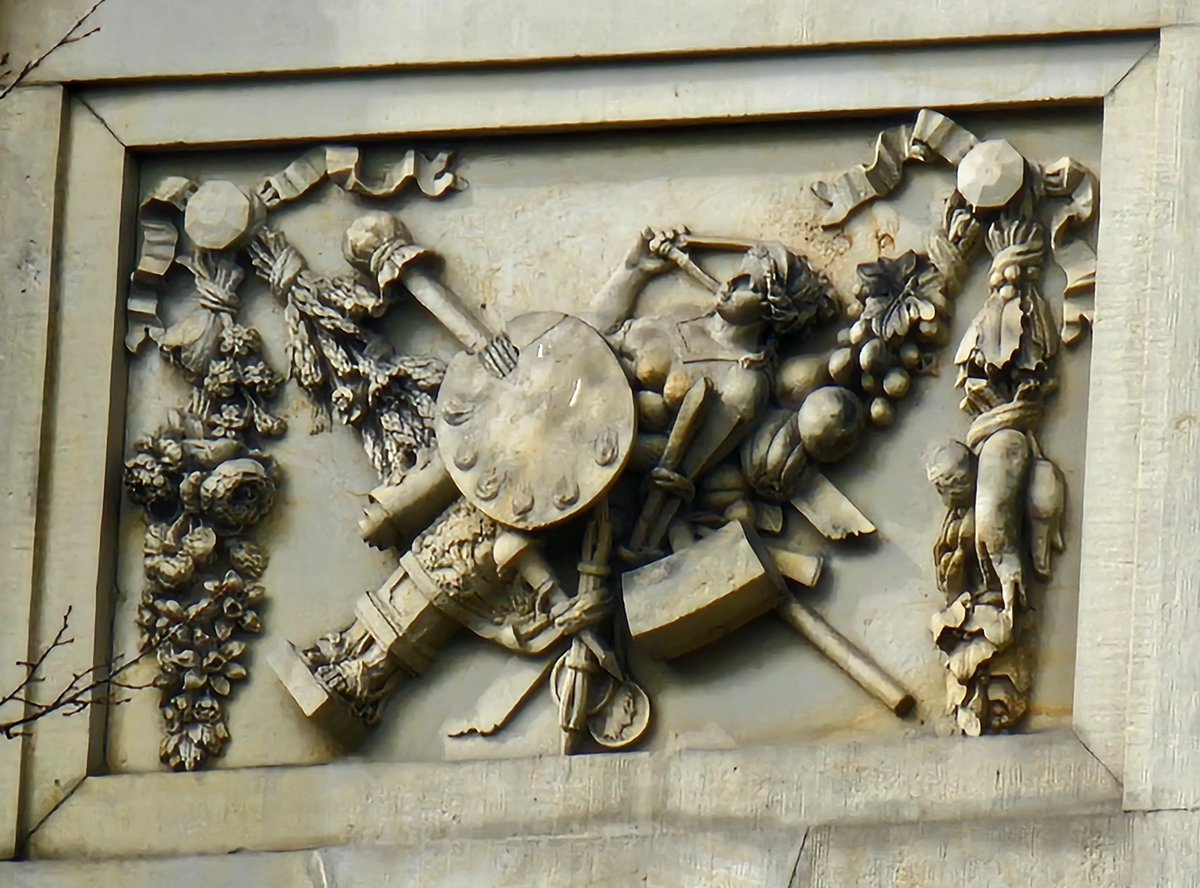
1
2
11
284
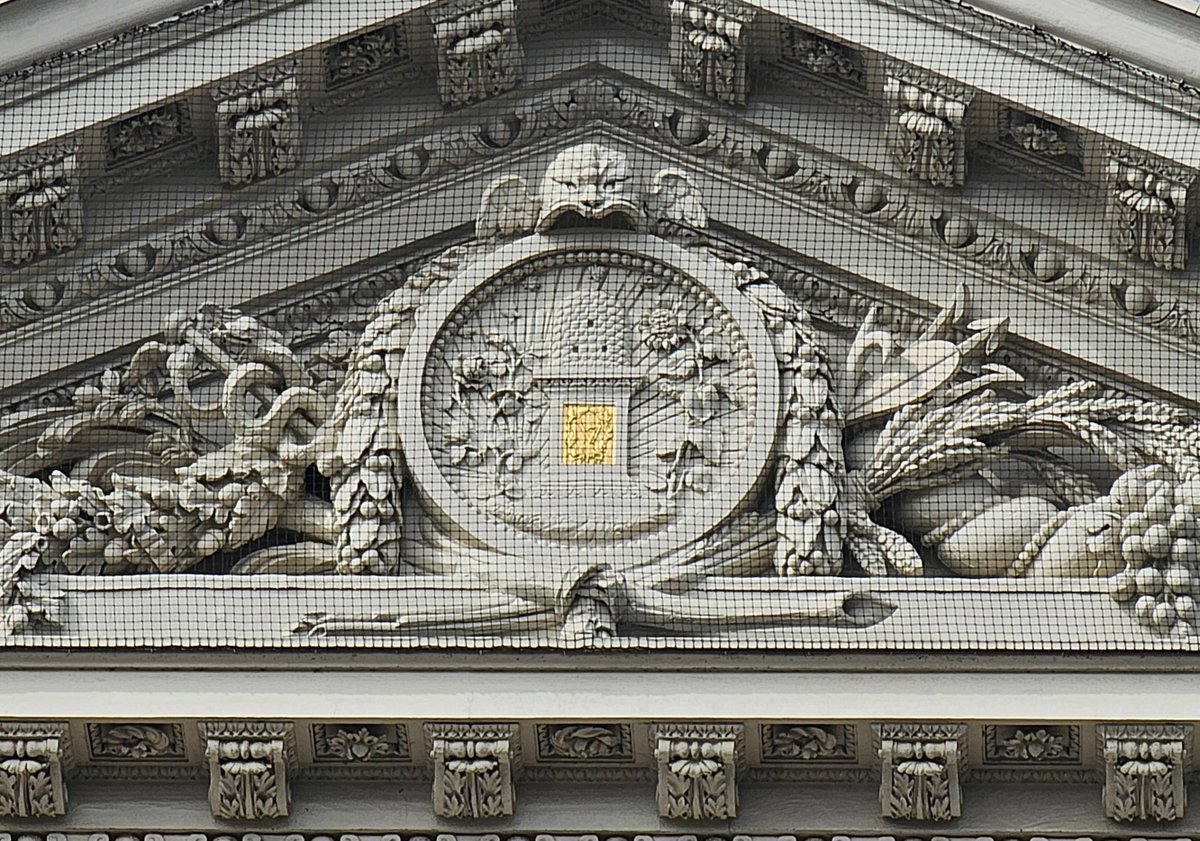
Een imposant gebouw - FELIX MERITIS, Keizersgracht 324, #Amsterdam Het timpaan van de voorgevel met vleugelhoed van Mercurius en caduceus/gevelstenen met meetinstrumenten uit wetenschap en scheepvaart en caduceus

1
1
8
172

