
🔗 Disconnected campaigns waste opportunities. 🚀 MetaSense Marketing unifies data, content, and advertising into one measurable growth strategy. 📈✨
📞 Call: 866-875-META (6382)
📅 Appointment: metasensemarketing.com/grow
#360Marketing #DigitalStrategy #MetaSenseMarketing

1
🤖 Reactive marketing costs more. 🚀 MetaSense Marketing uses AI-driven insights to optimize campaigns early and maximize ROI. Market smarter with AI. 📈✨
📞 Call: 866-875-META (6382)
📅 Appointment: metasensemarketing.com/grow
#AIMarketing #PaidMedia #MetaSenseExperts

4

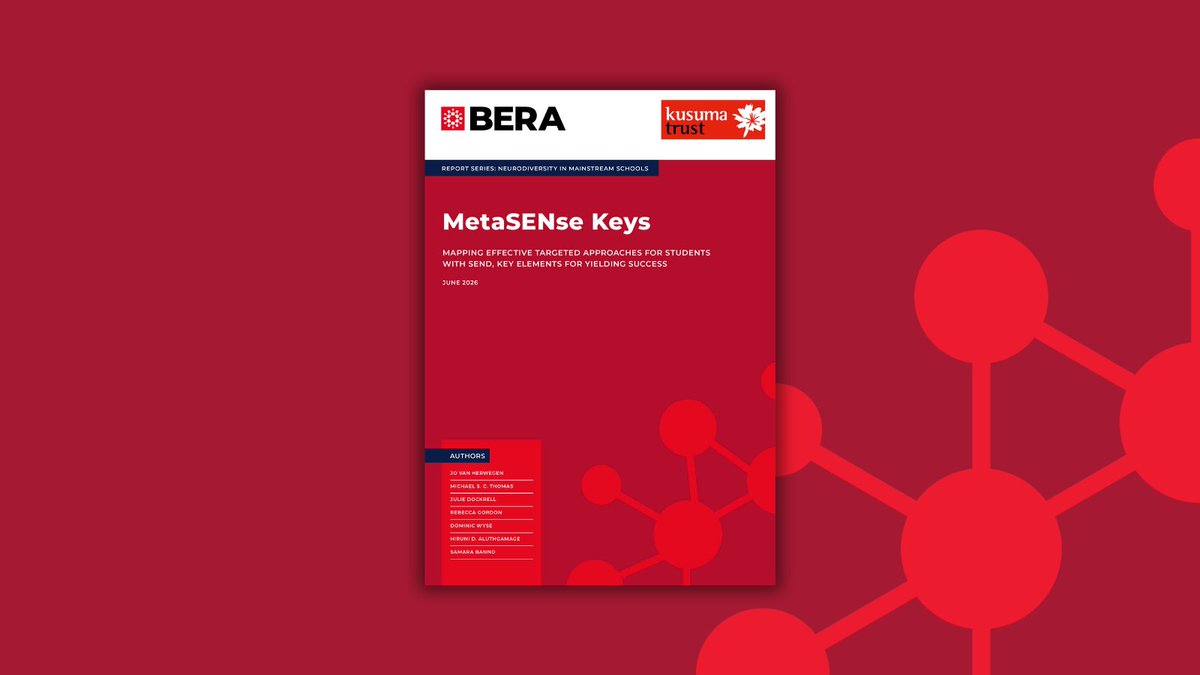
📝‘MetaSENse Keys’ explores how targeted interventions can raise outcomes for students with SEND. Led by @JoVanHerwegen at @UCL_IOE, the project analyses over 500 studies to identify which specific components of teaching are most effective.
bera.ac.uk/publication/metas…
34
📈 Visibility alone doesn't drive growth. 🚀 MetaSense Marketing creates campaigns that turn traffic into donations, sign-ups. 🎯✨
📞 Call: 866-875-META (6382)
📅 Appointment: metasensemarketing.com/grow
#GoogleGrants #NonprofitGrowth #MetaSenseMarketing

4

🏥 Workforce stability starts with the right talent. 🚀 MetaSense Inc. helps healthcare organizations bridge staffing gaps and strengthen retention. 👩⚕️📈
📞 Call: 866-875-META (6382)
🔗 Website: metasenseinc.com
#HealthcareStaffing #TalentShortage #MetaSenseInc

2
🎥 Views alone don't drive results. 🚀 MetaSense Marketing creates strategic video content designed for engagement, action, and conversions. Build videos with purpose. 📈✨
📞 Call: 866-875-META (6382)
📅 Appointment: metasensemarketing.com/grow
#VideoMarketing #ContentStrategy

4

May 29
Metasense a su Julián por el culo jajaja, arruinenle la carrera a Julián y además no volverán a oler a un jugador del Barcelona (que les han hecho ganar lo poco que tienen).
73
3
330
45,921
Data without interpretation does not improve performance. 📊⚠️
MetaSense Marketing converts insights into actionable optimization strategies. 🎯🚀
📞 Call: 866-875-META (6382)
📅 Appointment: metasensemarketing.com/grow
#MarketingAnalytics #GoogleAds #MetaSenseMarketing

2
13

Mar 19
too far apart to be absolute destiny, yet close enough that it can only be fate is such a banger line wow theyre writing this about narusasu?!
also defn agree on the metasense comment. this is still a fujimoto tragedy, just one thats less noticeable bc it's not a tearjerker
2
1
4
153


E agora que o metasense ganhou prêmio quem sabe se eu for no new Sheppard pelo #SERASpace ja nao leve comigo o sensor pra testar!
1
2
31
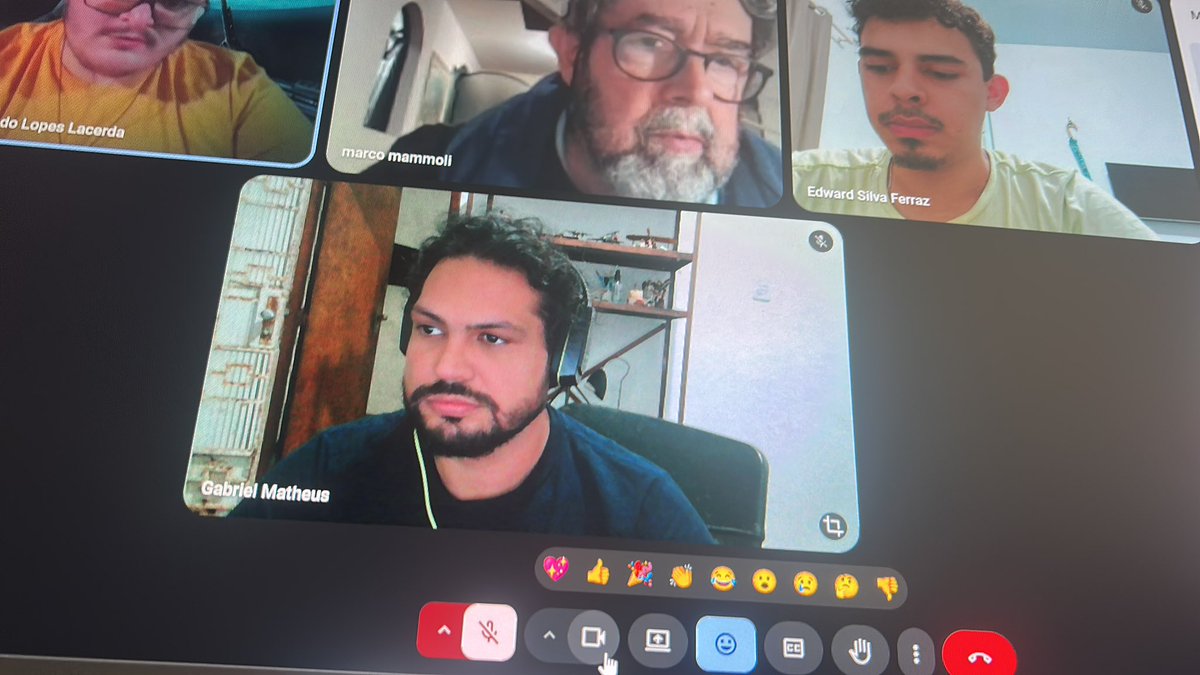
Reunião do grupo do metasense em pleno sábado, isso pq o espaço não para
#SERASpace #geracaodemarte #Inspired24
1
3
46


18 Aug 2025
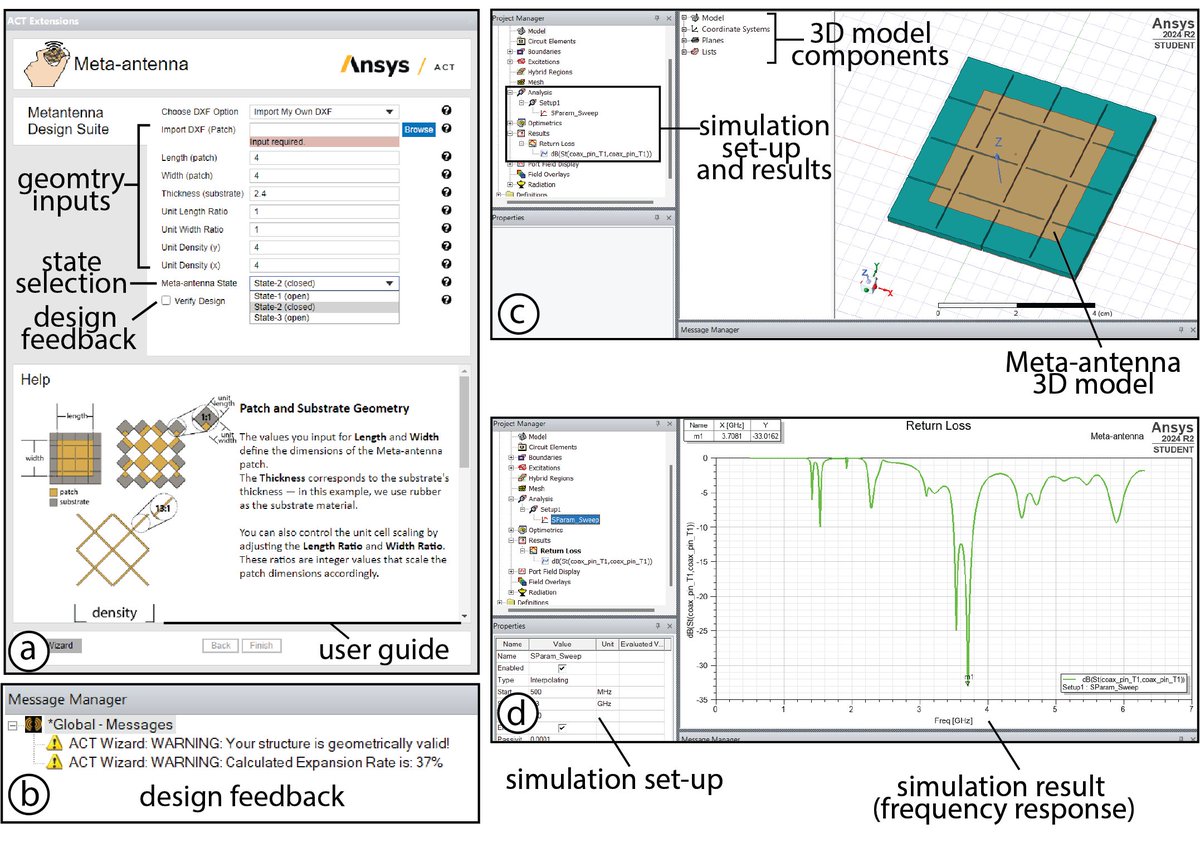
Meta-antennas are mechanically reconfigurable antennas that are engineered to take on specific configurations. The key idea is to integrate the antenna into a mechanical metamaterial that can reconfigure the antenna properties by deforming the antenna geometry.
news.mit.edu/2025/shape-chan…
Meta-antenna: Mechanically Frequency Reconfigurable Metamaterial Antennas
A design & fabrication pipeline for creating frequency-reconfigurable antennas using a single type of mechanical metamaterial structure that can transition between three distinct geometric & frequency states.
Through our applications, we demonstrated how Meta-antennas can be integrated into various dynamic objects & across different scales. These applications range from responsive furniture for smart living to adaptive personal electronic devices & interactive tangible user interfaces. Our Ansys-based design tool allows users to design & simulate Meta-antenna structures, while our interaction code template enables user interaction through frequency-shift sensing. Our work demonstrates the potential of combining metamaterials & antennas in a hybrid functional way, paving the way for more means to weave antennas into the fabric of our daily lives.
hcie.csail.mit.edu/research/…
Meta-antenna design suite editor for Ansys HFSS (High Frequency Simulation Software) through the Ansys App Builder & ACT Toolkit.
ANSYS ACT App Builder (Beta)
PDF DOWNLOAD
storage.ansys.com/act/v190/A…
Ansys Customization Toolkit (ACT)
A powerful extension framework designed to extend & customize the Ansys simulation environment to meet your needs. It allows you to modify existing functionality & expose brand new features, automate repetitive tasks, & integrate third-party tools directly into Ansys products. With ACT, you can build custom user interfaces, define new simulation objects, & embed scripts or plugins that streamline workflows and improve productivity.
It supports scripting in Python and XML, making it accessible to both experienced developers and simulation engineers with basic programming knowledge.
developer.ansys.com/docs/act
Antenna Simulation Technologies in High Frequency Simulation Software (HFSS)
HFSS offers the full suite of simulation tools and technologies for antenna design and placement simulation.
ansys.com/applications/anten…
MetaSense: Integrating Sensing Capabilities into Mechanical Metamaterial
An approach to integrate sensing capabilities into 3D printable metamaterial structures by converting selected metamaterial shear cells into conductive cells. By sensing the change in capacitance when opposing cell walls are deformed, we were able to determine user interaction w/ the metamaterial structure.
hcie.csail.mit.edu/research/…
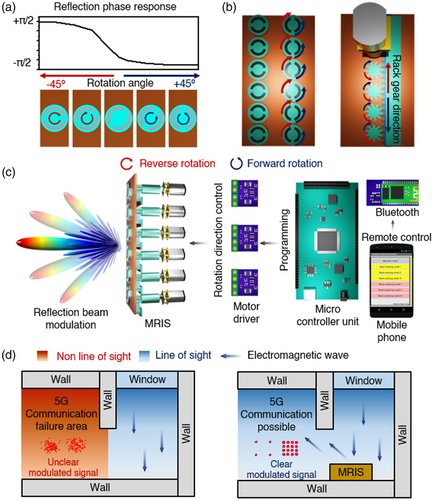
Mechatronic Reconfigurable Intelligent-Surface-Driven Indoor Fifth-Generation Wireless Communication
Our mechatronic device strengthens the innovative reflective beam control functions through rotatable unit structures & rack gear systems. Furthermore, the criteria required for future 5 G wireless communication are experimentally verified by transmitting & receiving quadrature phase-shift keying 16-/32-/64-quadrature amplitude modulation signals based on 5 G new radio (NR) frequency range two standards for indoor environments.
advanced.onlinelibrary.wiley…
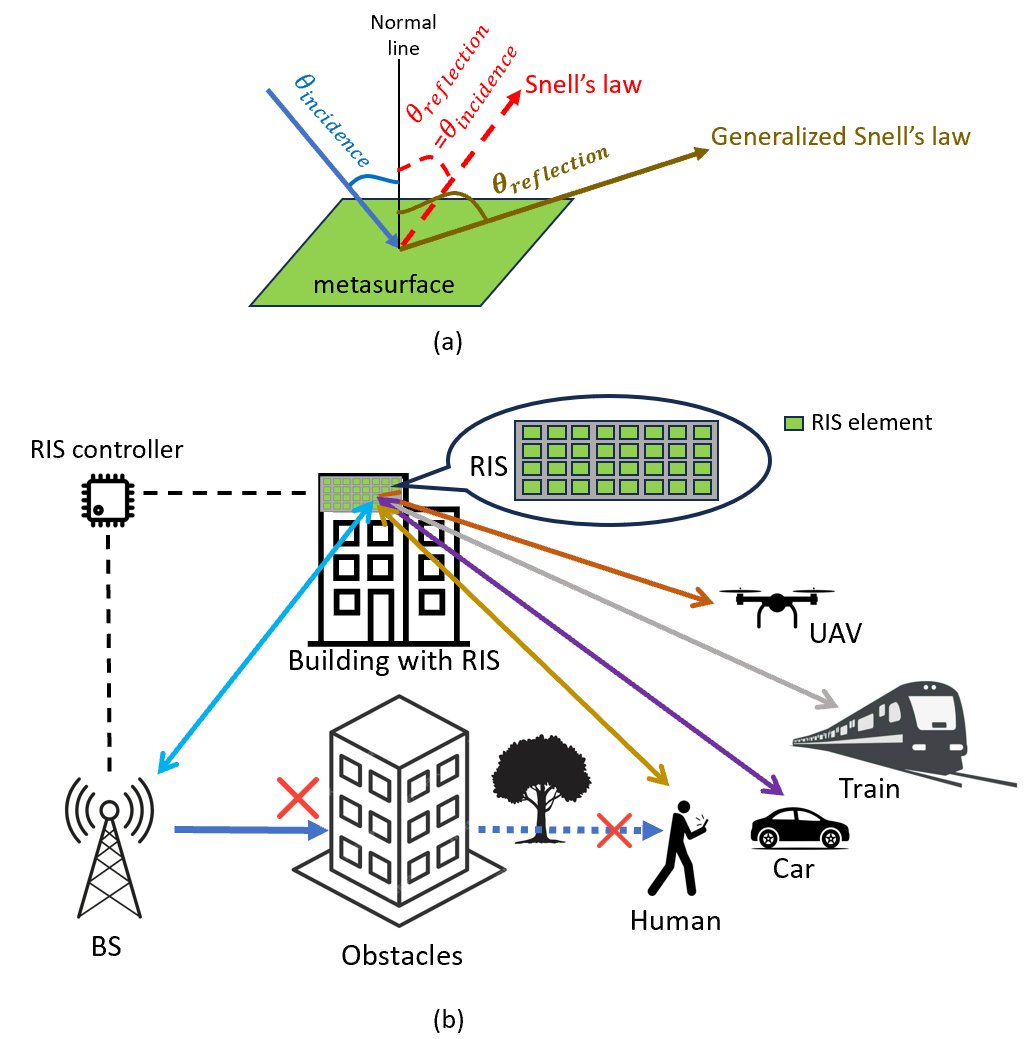
Reconfigurable Intelligent Surfaces for 6G & Beyond: A Comprehensive Survey from Theory to Deployment
As the wireless research community moves toward shaping the vision of sixth-generation (6G) networks, reconfigurable intelligent surfaces (RIS) have emerged as a promising technology for controlling the propagation environment.
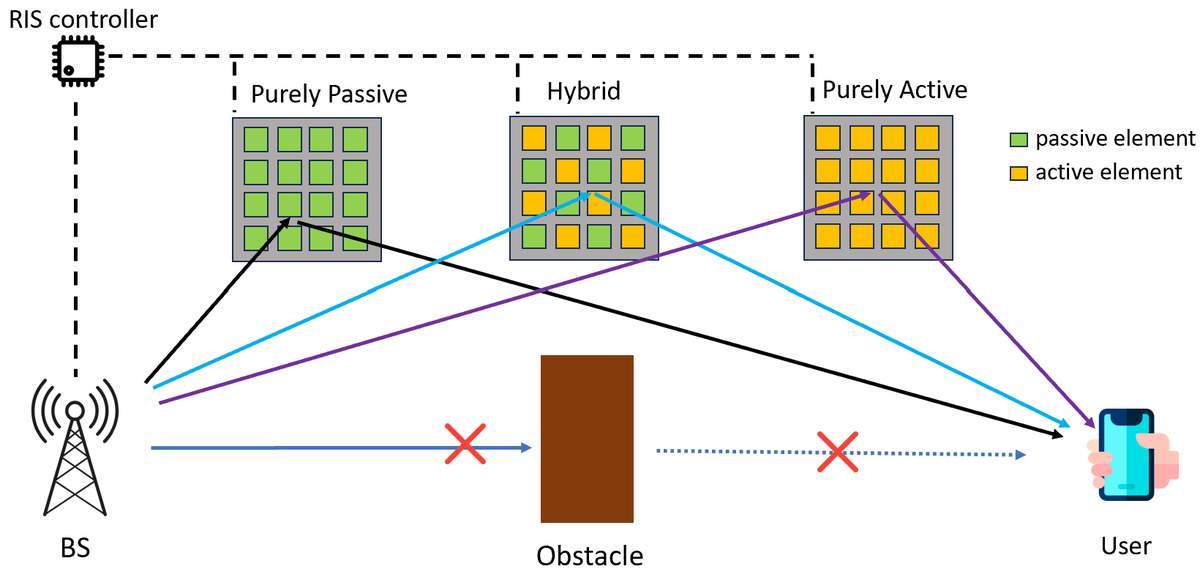
There are three different types of hardware architecture of RIS: passive, active, & hybrid.
Hybrid RIS or semi-passive RIS, a combination of both types, has a small number of active elements among mostly passive ones. It empowers metasurfaces to reflect incoming signals in a precisely controllable manner while concurrently sensing a fraction of the signal.
arxiv.org/html/2506.19526v1
26 Dec 2024

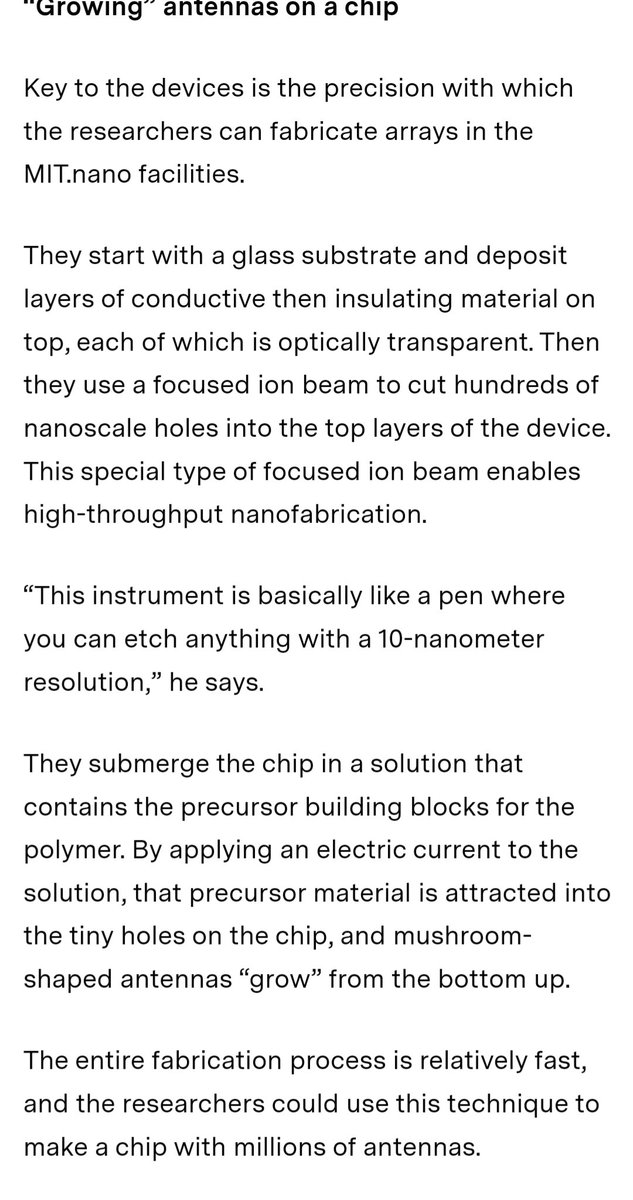
“The organic electro-scattering antennas (OCEANs) we developed enable recording of electrical signals wirelessly with micrometer spatial resolution from thousands of recording sites simultaneously.”
science.org/doi/10.1126/scia…
3
32
45
1,957

🌌 The Metasense Console: Your Premier Web3 Desk Hub.
This isn't just tech; it's a statement. A sleek wireless charger with an integrated OLED display that brings your NFTs to life & shows live crypto data.
Experience the future 🔮
#MEmerchbounty

6
274

1 Jun 2025
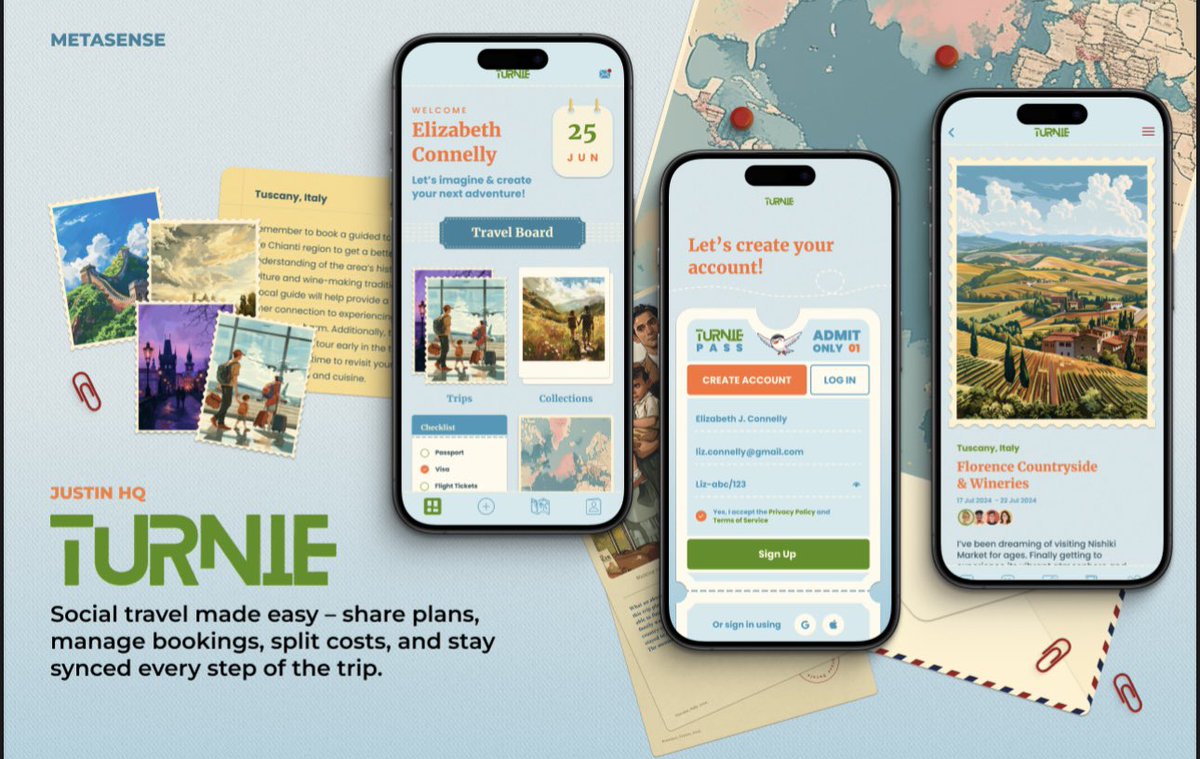
A client came to me with this complex manual trip‑planning hack they used to do with Google sheets… wanted an MVP to see if other travellers would like it.
Team at Metasense cooked this up in 6 months. Would love feedback on what we built for them
1
6
98

dear fam, my new artwork on @rodeodotclub
metasense
available for only 19 hours
rodeo.club/post/0xC7769d10F2…

1
4
47

21 Jan 2025
Curious about which targeted interventions truly make a difference for students with SEND? Explore the evidence with our MetaSENse database today! educationalneuroscience.org.…
#SEND #interventions #education @UoL_CEN
1
3
124
17 Jan 2025
Today, our Lab Director @JoVanHerwegen gave a keynote with the Dyscalculia network @DyscalculiaNet1 at the University of Ulster. Jo's talk focused on identifying Dyscalculia and supporting students with Dyscalculia using evidence from the MetaSENse study! #Dyscalculia #MetaSENse
1
1
8
336

16 Dec 2024
MetaSense.
Parallel lives between physical and digital
11
12
293
27,043