
just eat your skincare and age never and aurabiom microencapsulation no filler ever filler every 6-9 months no plastic surgery because aging never but undo damage from healing metabolism not ray peat's fault just fairy princess sugar and gelatin and maybe pastic surgery nbd
1
31
993

Jun 14
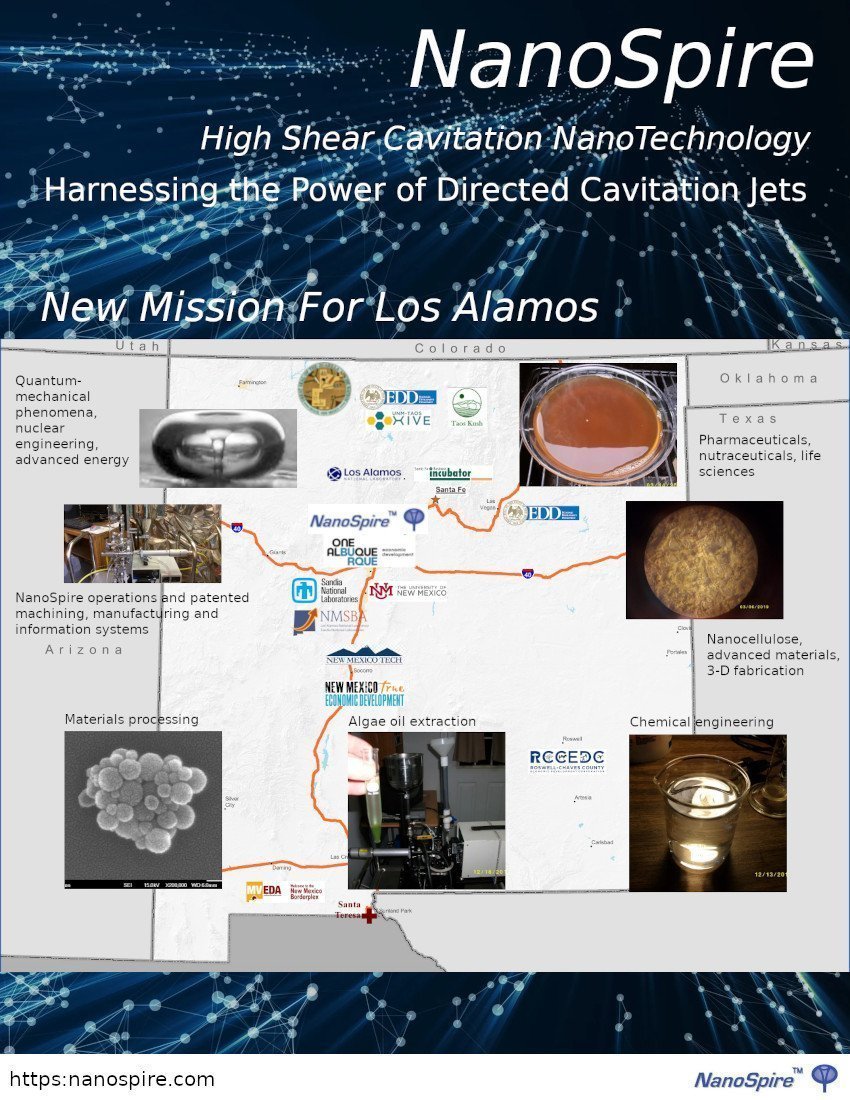
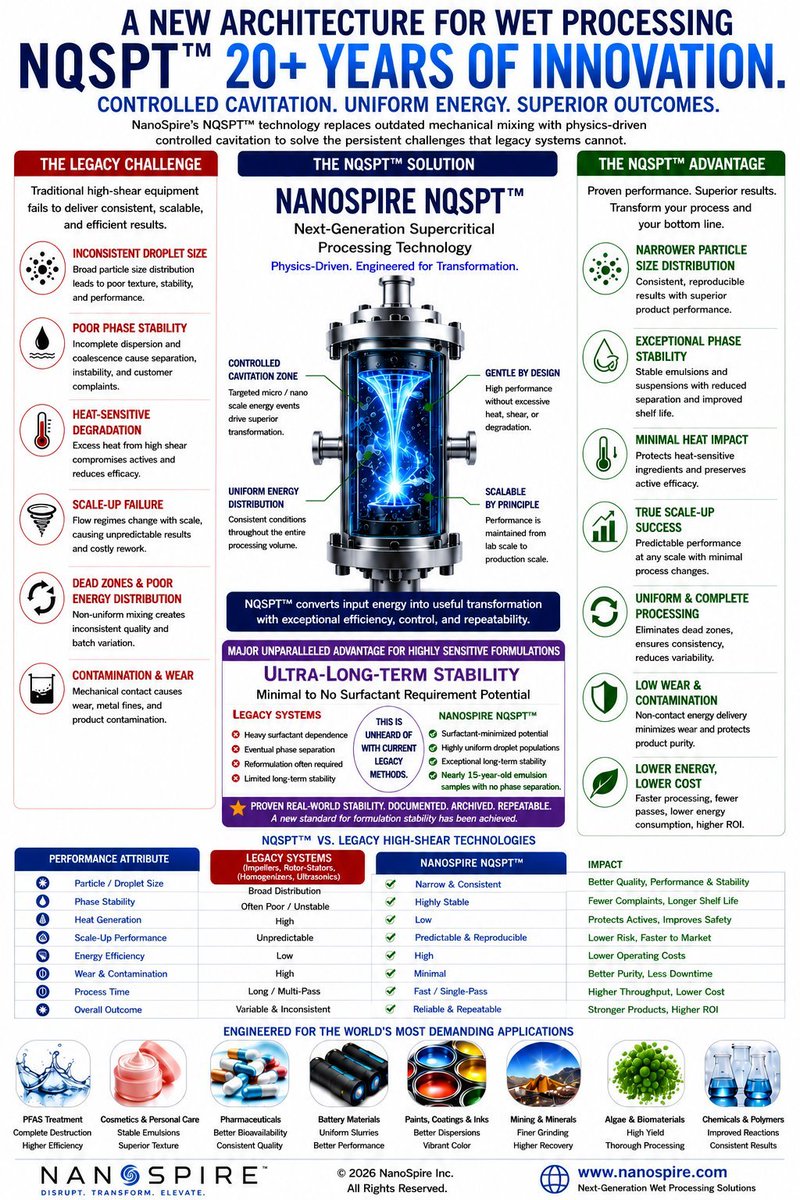
Why I recommend installing a NanoSpire Algae Biofuels Remediation System Applications
Dispersion
Emulsification
Cell Rupture
High Shear Processing
Microencapsulation
Wet Milling
nanospire.com/
9

Registration is now open | 10th anniversary workshop for the Introduction to Microencapsulation course this fall.
For details or to register, visit: ow.ly/N2JZ50Zb68W

60

Jun 11
Thai researchers at Maejo University have launched a new synbiotic supplement for dogs and cats, using microencapsulation technology to deliver probiotics and prebiotics directly to the intestines.


1
3
1,077

Jun 11
#Highly_cited
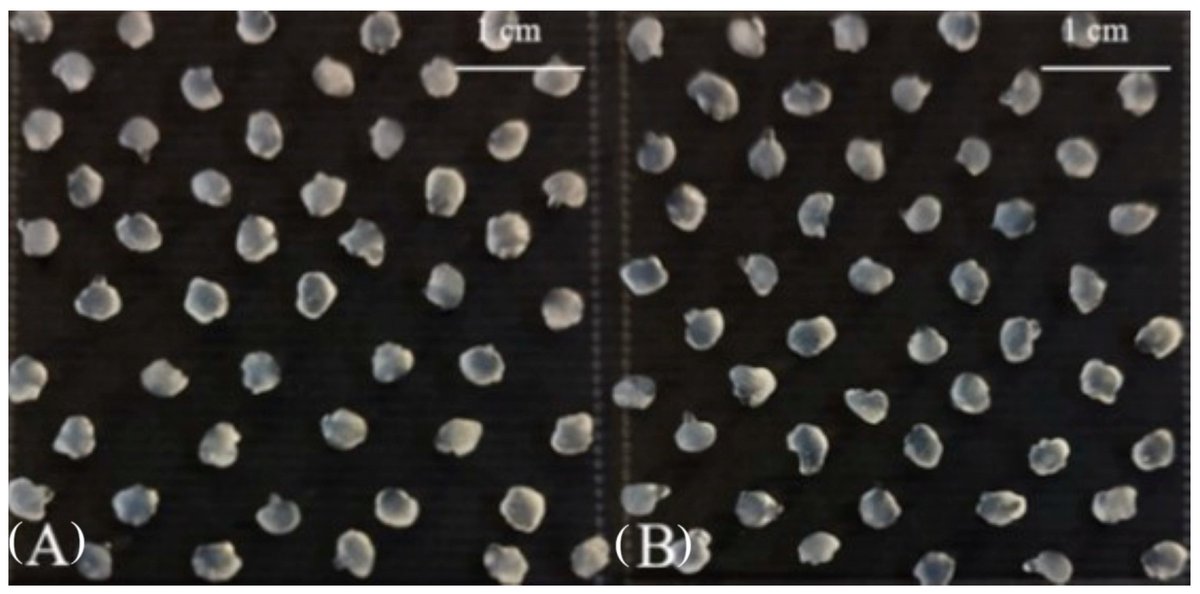
📢 "Exploring Calcium Alginate-Based Gels for Encapsulation of Lacticaseibacillus paracasei to Enhance Stability in Functional Breadmaking" by Daiva Zadeike et al.
👉mdpi.com/2310-2861/10/10/641
#microencapsulation #alginate_gel_matrix #chitosan_coating #breadmaking
21

Jun 10
'Microencapsulation of microorganisms to preserve viability using rotary disk spray drying', by Israel García –Sales Representative AINIA , #ATOPOLS .
"In ATOPOLS you can make any pilot plant process, but it's intended to make industrial production. We have specialists in spray drying in food, dietary, pharmaceutical, pet food industries".
29
FEDIT retweeted
Jun 10
👉 Welcome to the 28th Microencapsulation Industrial Convention!
Cristina Del Campo, CEO of AINIA, has officially welcomed international experts, researchers and industry leaders gathered to explore the latest breakthroughts in microencapsulation technologies.
🗣️ "I encourage you all to share with us any challenges regarding research and development that you might have in mind, because we're more, more than pleased to face it together with you".
@cdcampo1
1
1
2
134

New Research: Microencapsulation of cholic acid via complex coacervation enhances sustained release and antibacterial activity against Escherichia coli frontiersin.org/articles/10.… #FrontiersIn #VeterinaryScience
38
Jun 10
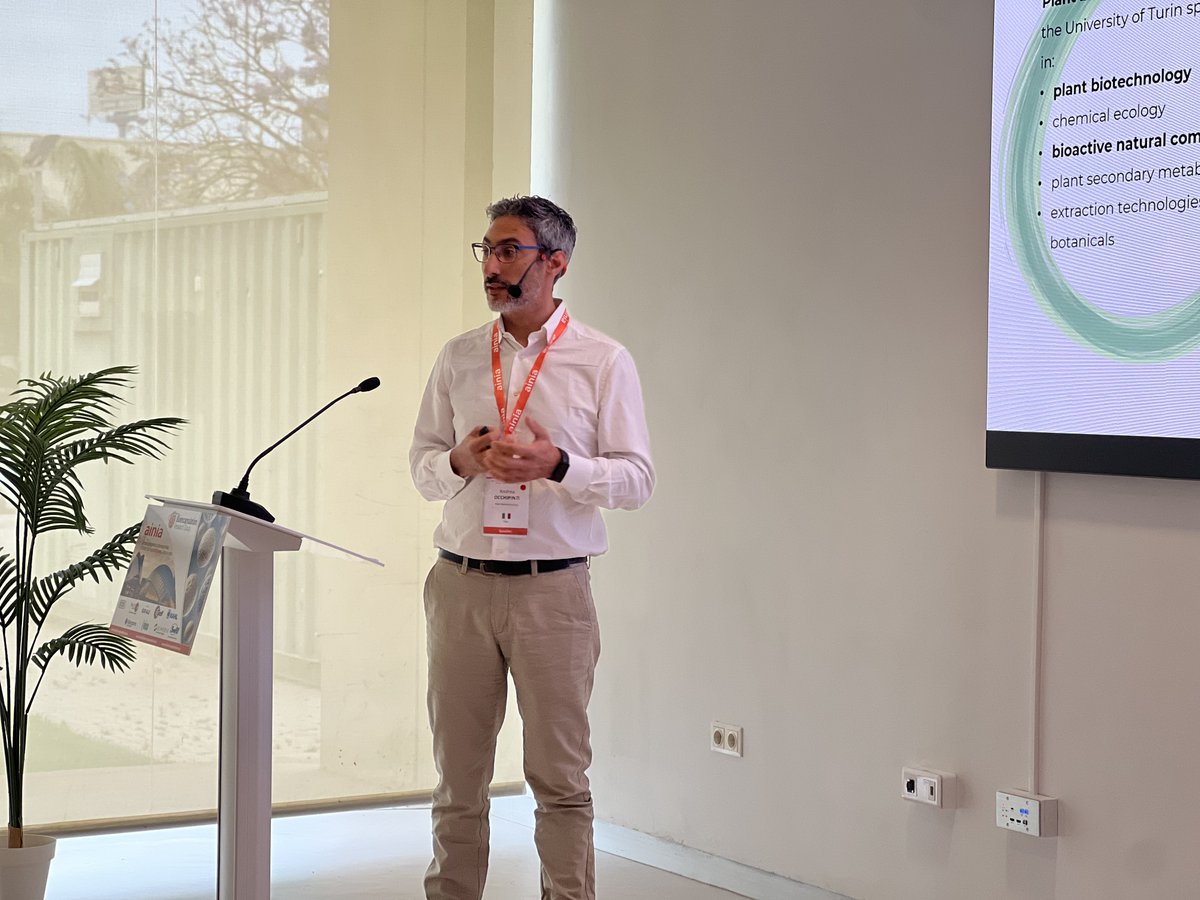
We had the pleasure of attending the session by Dr. Andrea Occhipinti, Quality Control Manager at Abel Nutraceuticals, who presented: "How To Approach The Microencapsulation Of A Bioactive Plant Extract: From R&D To Industrial Scale Up. A Success Case Of Innovation In The Dietary Supplement Industry".
Thank you, Dr. Occhipinti, for sharing such valuable insights with the global microencapsulation community! 🔬


1
1
71

Glutathione is celebrated as the "Master Antioxidant" so why are so many oral formulations failing in lab testing?
The market demand for cellular health and healthy aging solutions is skyrocketing, and Reduced L-Glutathione is at the center of it. It neutralizes free radicals, combats oxidative stress, and slows the biological signs of aging.
But here is the formulation reality that trips up many brands: Conventional oral glutathione is notoriously unstable.
When ingested in its standard raw form, the fragile glutathione molecule faces an aggressive gauntlet of gastric acids and gastrointestinal enzymes. It is rapidly broken down into its constituent amino acids before it ever reaches systemic circulation. The result? Poor bioavailability, wasted active ingredients, and disappointed consumers.
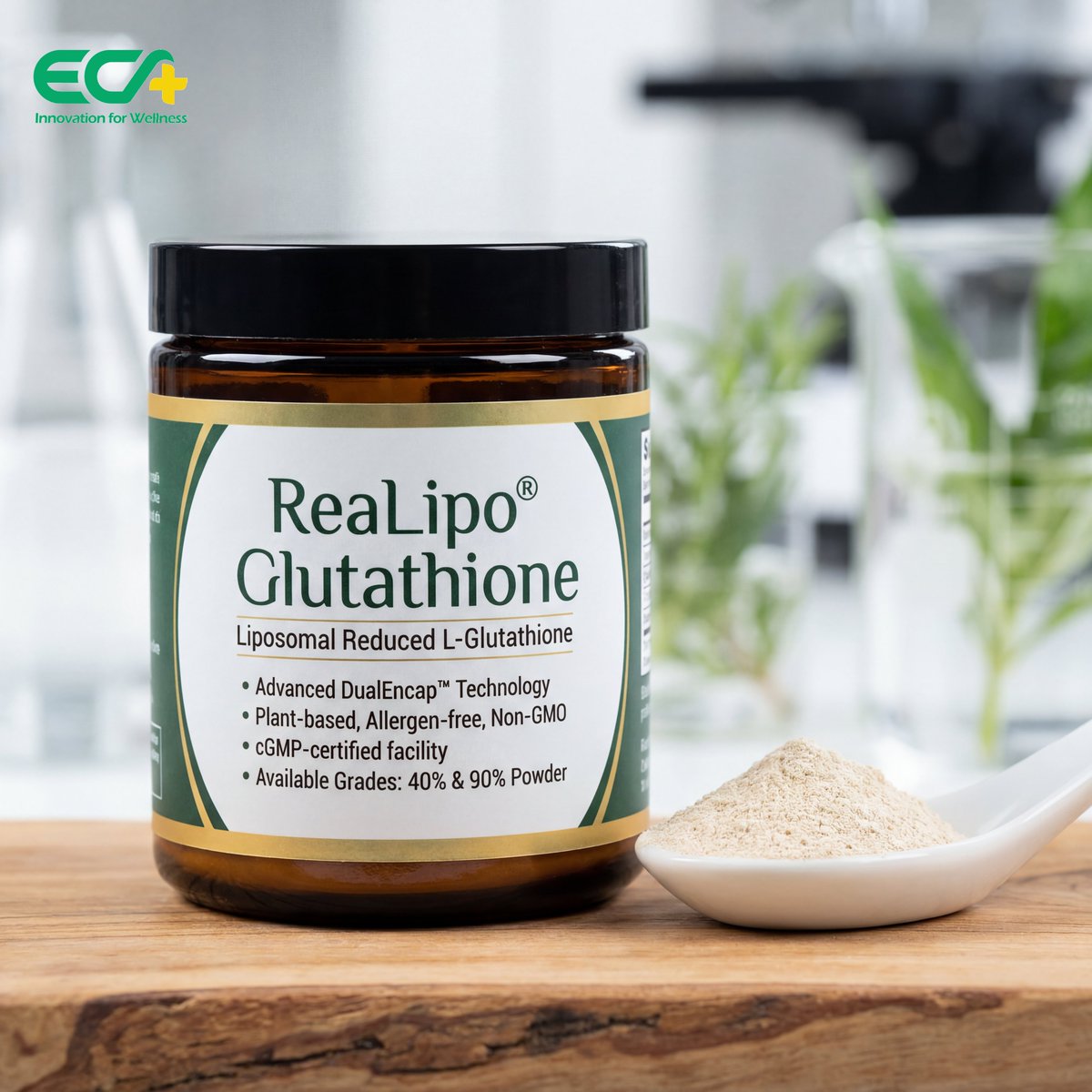
At ECA Healthcare, we believe premium ingredients should survive the gut to do their job at the cellular level. That is why we developed ReaLipo® Glutathione.
By utilizing our proprietary DualEncap™ Liposomal Technology, we have changed the mechanics of antioxidant delivery:
1. The Liposomal Shield: DualEncap™ microencapsulation wraps the Reduced L-Glutathione molecule in a protective phospholipid bilayer. This acts as a cellular shield, protecting the active from GI degradation and ensuring a significantly higher proportion of intact glutathione reaches the bloodstream.
2. 100% Clean-Label Profile: High performance shouldn't require chemical trade-offs. ReaLipo® Glutathione is completely plant-based, allergen-free, non-GMO, and produced in our state-of-the-art, cGMP-certified facility.
To give your product development team absolute flexibility across capsules, tablets, and functional matrices, we offer versatile, market-ready grades:
Reduced L-Glutathione 40% (Microencapsulated Powder)
Reduced L-Glutathione 90% (High-Potency Microencapsulated Powder)
Customized Blends (Tailored precisely to your R&D specifications)
Stop settling for standard antioxidants that degrade before they perform. Build your next anti-aging or cellular health line on a foundation of validated, liposomal stability.
Ready to eliminate bioavailability barriers in your product pipeline? Send us a DM or connect with our technical team today to request data sheets, stability profiles, and samples!
#Nutraceuticals #Glutathione #LiposomalDelivery #Antioxidants #CellularHealth #HealthyAging #IngredientInnovation #ProductDevelopment #ECAHealthcare
54
SwRI is exhibiting at the 28th Microencapsulation Industrial Convention in Valencia, Spain.
Learn about new and emerging technologies at our booth.
ow.ly/PFhc50Z8Zpm
88

🍫 Fast-acting cannabis edibles peak 30 minutes earlier than standard products — potentially reducing overdose risk from delayed onset.
Microencapsulation technology delivers faster absorption without changing total THC exposure.
📄 doi.org/10.1177/257851252614…
#Cannabis #Edibles

1
7
228
Are Your D3 K2 Formulations Solving the "Calcium Paradox" or Just Adding to the Noise?
Every formulator knows that Vitamin D3 and Vitamin K2-7 are the ultimate power couple for bone and cardiovascular health. D3 absorbs the calcium; K2 acts as the traffic controller, directing that calcium into bones and teeth rather than letting it calcify in soft tissues like arteries and kidneys.
But here is what most brands miss: The biological synergy is only as good as the raw material's stability and cellular absorption.
Traditional D3 K2 blends often suffer from rapid active ingredient degradation during shelf-life testing, and standard lipid-soluble formats struggle with poor, unpredictable bioavailability in the human gut.
At ECA Healthcare, we didn't want to build just another combo powder. We engineered ReaLipo® D3K2 Liposomal Powder a next-generation, clinically validated matrix designed to solve these exact stability and absorption barriers.
Here is how ReaLipo® D3K2 completely redefines the standard:
1. DualEncap™ Technology: We don’t just mix the ingredients. Our advanced liposomal microencapsulation wraps both actives in a protective phospholipid bilayer. This shields them from environmental degradation and ensures maximum cellular absorption.
2. 100% Plant-Based & Clean-Label: Unlike standard formulations that rely on lanolin (sheep's wool) for D3, our Vitamin D3 is derived entirely from pine tree sterols. It is allergen-free, non-GMO, and perfect for premium vegan labels.
3. Proven by Science (Zebrafish Bone Density Studies): We don't guess; we test. The efficacy of ReaLipo® D3K2 is backed by in-house R&D and validated by zebrafish bone density models, proving real, functional benefits you can proudly share with your consumers.
To give your product development team ultimate flexibility, we offer tailored, high-potency grades providing 100 servings per gram:
Grade A: Vitamin D3 (100,000 IU) Vitamin K2-7 (20,000 mcg)
Grade B: Vitamin D3 (100,000 IU) Vitamin K2-7 (2,000 mcg)
Stop launch delays caused by unstable active blends. Elevate your portfolio with a liposomal matrix that delivers true biological synergy and documented performance.
Ready to differentiate your bone health or longevity line? Send us a DM or contact our R&D team today to request technical data sheets, zebrafish study results, and product samples!
#Nutraceuticals #LiposomalDelivery #VitaminD3K2 #CardiovascularHealth #BoneHealth #CleanLabel #IngredientInnovation #ECAHealthcare

1
39

Why your peptide serum does approx NOTHING. And how we solved the delivery issue.
Here’s something most peptide serums won’t tell you: the stratum corneum is built to keep things out. The 500 Dalton Rule (Bos & Meinardi, PMID 10839713) is a well-established guideline in dermatology — passive penetration gets harder above ~500 Da, and most skincare peptides sit above that line. 🧪
That doesn’t make every peptide useless. Plenty work in the upper layers — signaling, hydration, barrier support. But penetration is dose-dependent: the more active that reaches living skin, the more it can do. And molecular weight isn’t the only factor — lipophilicity, charge, pH, and formulation all shape how much gets through. That’s exactly where delivery systems earn their keep.
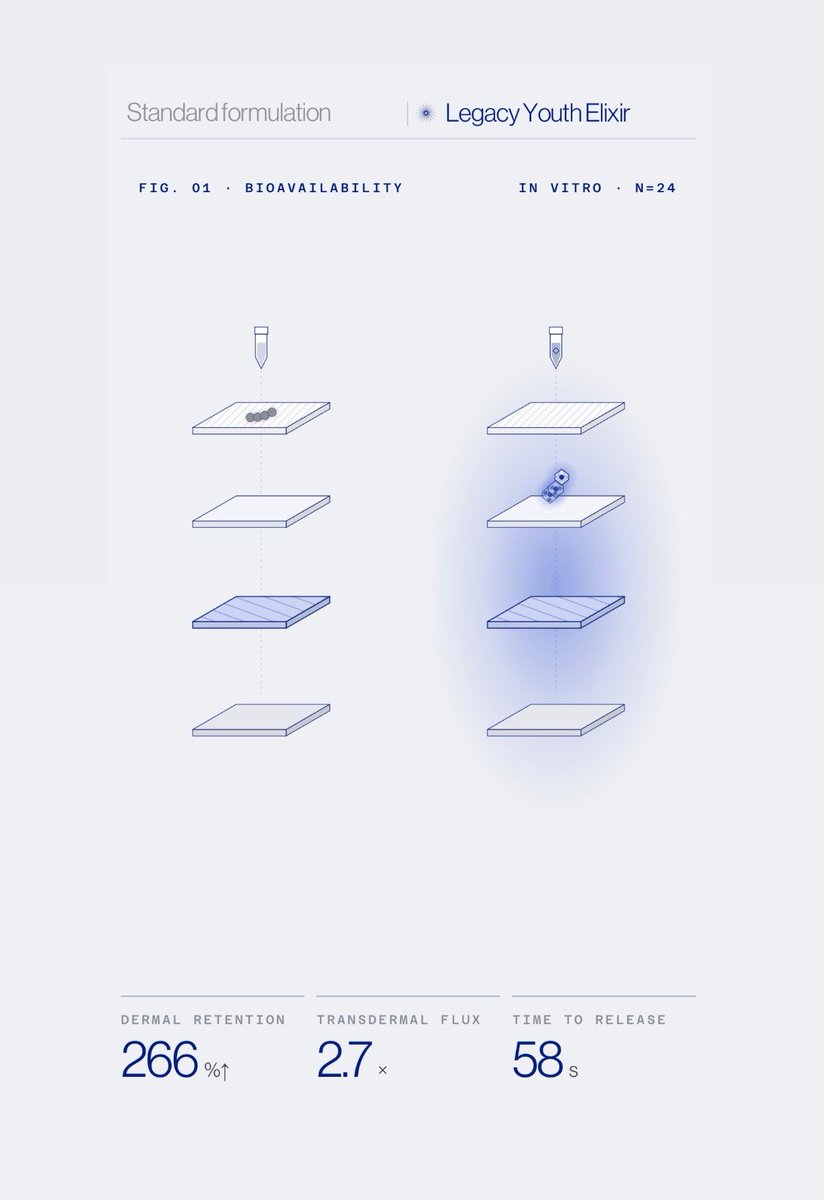
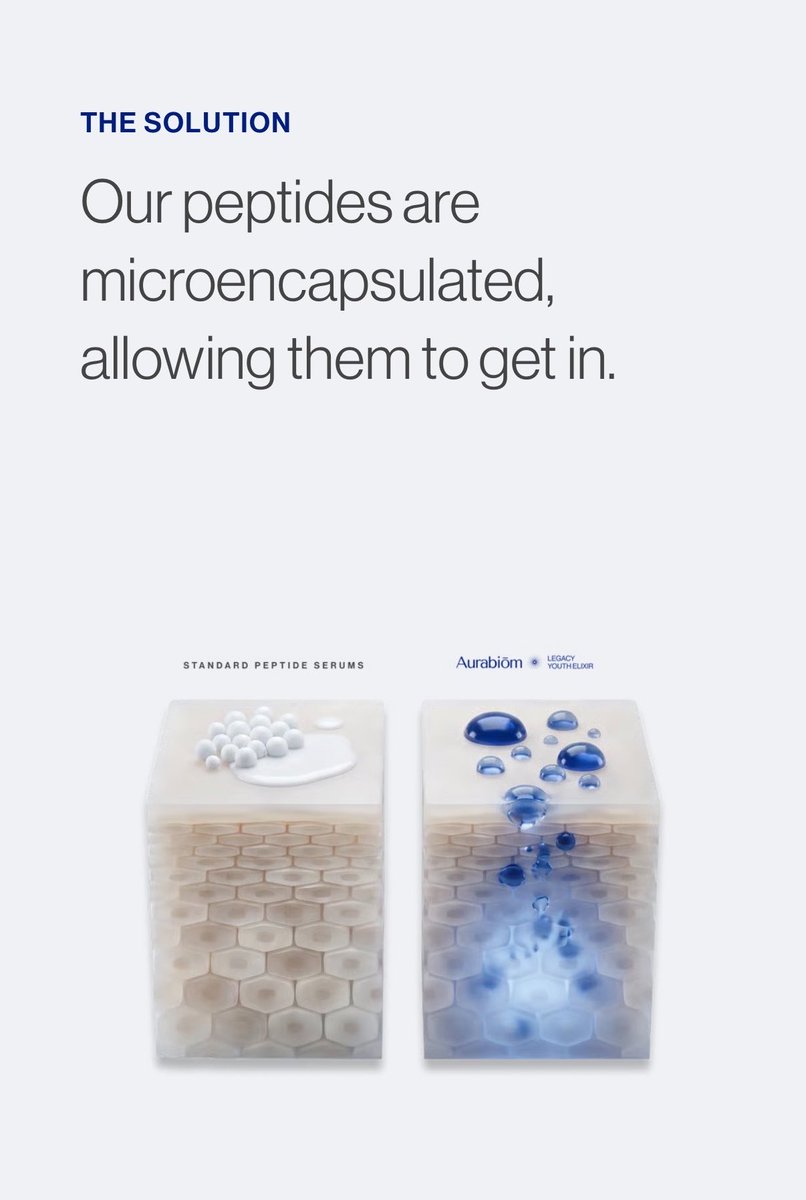
That’s the problem we engineered around. Inside Legacy Youth Elixir, our peptides are microencapsulated — sealed in molecular carriers that protect fragile actives and improve uptake through the barrier.
The lab work (FIG. 01, in vitro, n=24):
🔬 252% dermal retention
🔬 2.6× transdermal flux
🔬 55s to release
This is AX1-Pept™ — our triple delivery system (nanodiamond cyclodextrin liposomal). Clinical testing on microencapsulation shows up to 3× skin penetration vs standard peptides (Liu et al. 2024).
Delivery isn’t some buzzword. It is very much the difference between a peptide that reaches its target and one that mostly doesn’t.
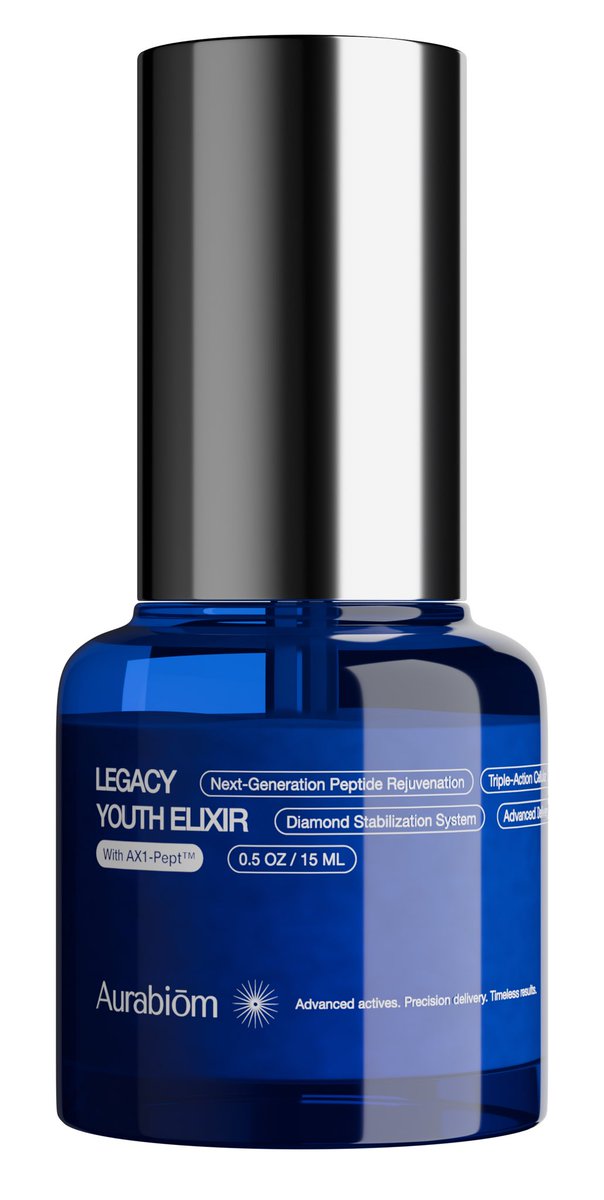
Legacy Youth Elixir. The anti-aging peptide serum that actually reaches your cells. 💎💙
17 Dec 2025

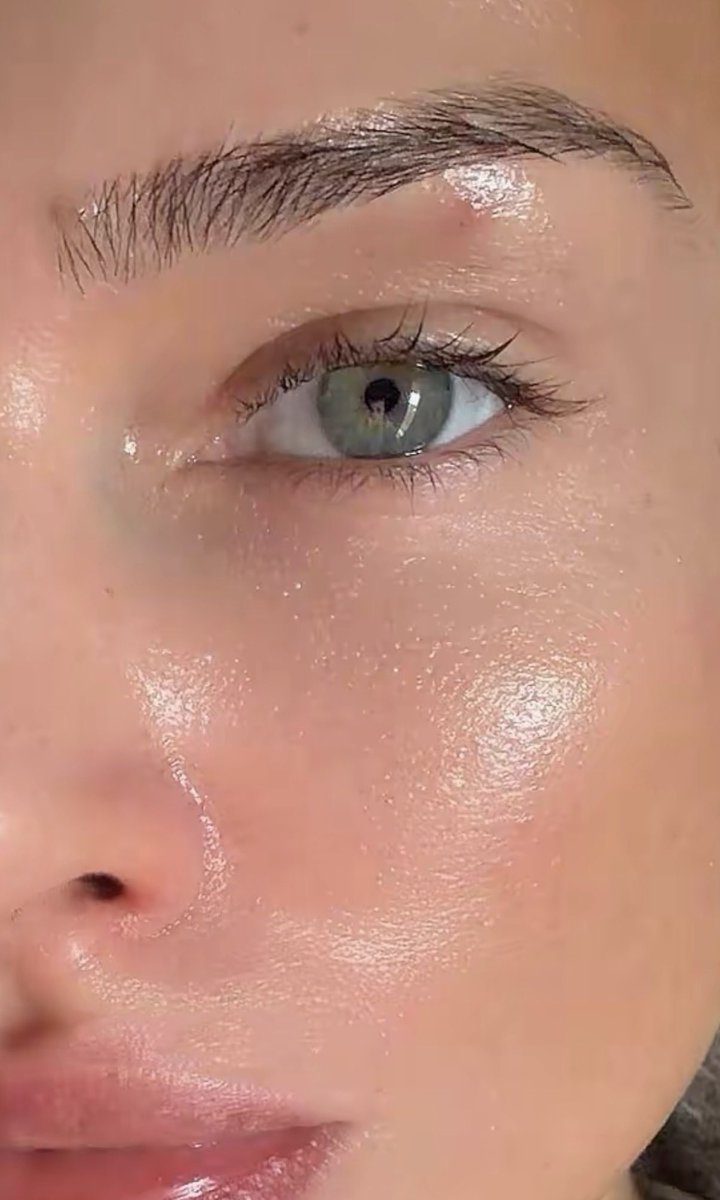
Listen, I don’t want to sound dramatic but this is the serum I would have KILLED for in my twenties.
This is exactly why people accuse me of having had plastic surgery so keep that in mind.
The one the industry should have made decades ago but they were too busy profiting from products that don't work.
Aurabiōm is finally here (I’m screaming!!!)
Here's the problem: most peptide serums can't actually get past your skin barrier. They just sit on top of your face, oxidising, doing absolutely nothing.
You've literally been paying for expensive decoration, not skincare.
If your peptides can't reach your cells, they're not skincare. They're a scam (most are unfortunately).
Aurabiōm uses diamond-stabilised delivery and microencapsulation: two technologies that actually get peptides THROUGH the barrier and into your cells, where they can do something.
What's inside:
💙 Diamond-stabilised pentapeptide: Protects the formula from breaking down so it actually works when it reaches your skin.
💙 Microencapsulated copper peptides (GHK-Cu): Finally, copper peptides that penetrate. These signal your cells to repair and rebuild collagen.
💙 Matrixyl® complex: Proven to boost collagen production and reduce wrinkle depth.
💙 Pycnogenol®: An antioxidant 20x more powerful than Vitamin C. Truly slept on.
💙 PBN Spin-Trap antioxidant: Catches free radicals BEFORE they damage your cells—not after. This one's special.
💙 4D Hyaluronic Acid: Hydrates at multiple skin depths, not just the surface.
Clean formula. No fragrance. No endocrine disruptors. Nothing that's going to mess with your hormones or spike your cortisol.
12 months to formulate. I refused to make another pretty bottle that doesn't work.
AURA IS LIVE!!!!!!!!!!!!!!!
If I could say just one thing on my deathbed, it would be… Run, don't walk 💙💙💙
6
5
97
22,550

Jun 1
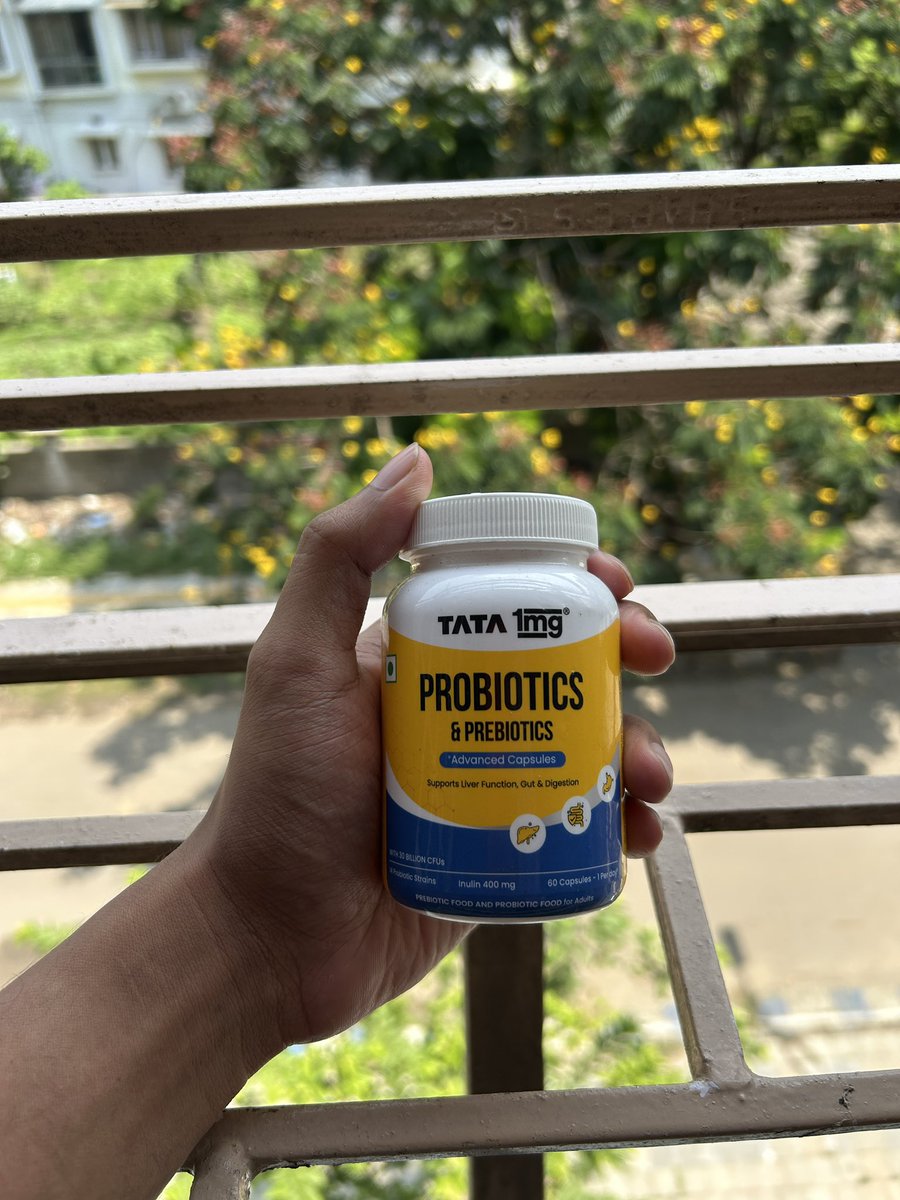
An evaluation framework for probiotic supplement (in order of priority)
TL;DR: Use case > Strain > Human evidence (RCTs preferred) > Delivery > CFUs
At the end, I'll use the quoted supplement as an example to run through the framework.
1. Use case
Legitimate use cases include:
• During/after antibiotic use
• Trialling for IBS related symptoms
If there isn't a clear use case, it's often reasonable to skip
2. Strain
This is more important than CFU count.
The strain should be relevant to the problem you're trying to solve.
We ideally want the exact strain, not just the species.
3. Human RCTs
Look for human trials on the exact strain, not just the species
4. Delivery
The probiotic has to reach the gut.
Examples:
• Enteric coated capsules
• Delayed release capsules
• Yeast (ex: S. boulardii)
• Spore formers (ex: Bacillus species)
5. CFU count
Only now look at CFUs.
A 1-10 billion CFU dose of a well studied strain can be more compelling than a 50-100 billion CFU blend of poorly studied strains
People often evaluate probiotics backwards: CFU count first, strain last.
The opposite is usually more useful.
Applying the framework to the quoted supplement:
1. Use case
Unknown, depends entirely on why you're taking it
2. Strain
It lists species (L. rhamnosus, S. boulardii, L. reuteri, etc.), however, it does not disclose strain identifiers.
Ex: L. rhamnosus is a species. L. rhamnosus GG is a specific strain. We ideally want the exact strain.
3. Human RCTs
Difficult to evaluate because most probiotic evidence is strain specific, but the label only provides species names.
4. Delivery
No delivery technology is disclosed.
No mention of enteric coating, delayed release, microencapsulation, etc.
Note: the inclusion of S. boulardii is a positive, since yeast generally survives gastric transit better than many bacterial probiotics
5. CFU count
30 billion CFU sounds impressive, but without strain level disclosure and per strain amounts, it's hard to know how meaningful that number is.
Overall
The supplement has no strain identifiers and no disclosed delivery technology
As a result, it's difficult to confidently connect the product to human clinical evidence or assess how effectively the organisms reach the gut

1
1
12
925

May 23
Bonjour!
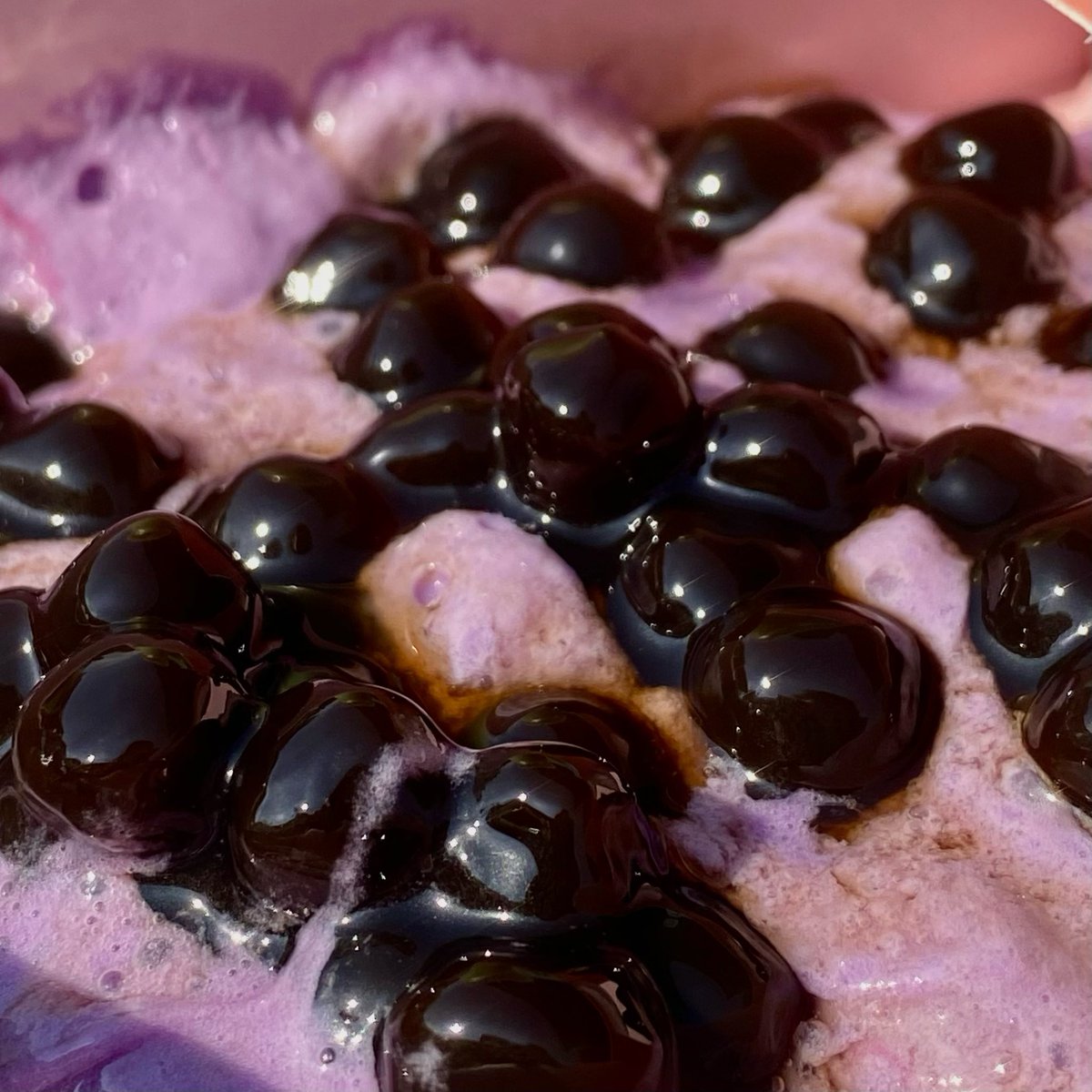
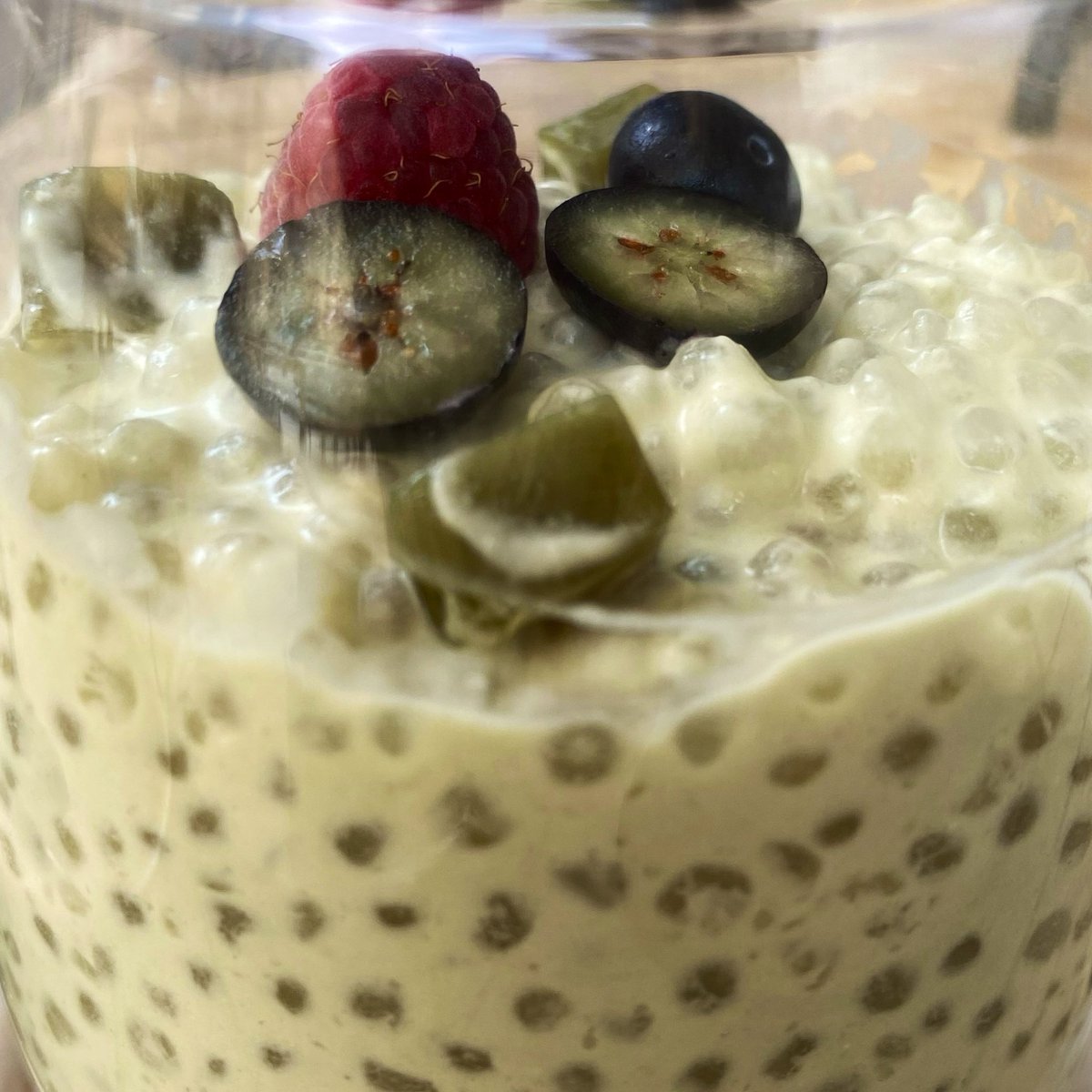
sago and boba are not the same thing. i say this gently because many of you are unaware and it matters to me more than it probably should.
sago comes from the pith of the sago palm (metroxylon sagu) it doesn’t bounce back when you bite it, it rolls on the tongue in broken pieces.
boba is tapioca, made from cassava starch. it is rolled bigger and much chewier. it looks darker because it’s purposefully darkened, but both have the same translucent appearance originally. Both can be in the same drink.
Boba has a “QQ” quality which comes from the Hokkien word khiū (𩚨) which describes the ideal texture for noodles as well.
a lot of menus use the words interchangeably so a lot of “sago” is actually tapioca. i don’t like confusion because small lies about what you want compound. it’s just easier to want things clearly.
also people are mistaking hydrogels now which feels related according to my microencapsulation friend. not everything translucent and wobbly is the same material, ok? some things are starch, some are seaweed-derived gels, some are alginate membranes, some are actual polymer networks swollen with water.
anyways, both are good. you should know what you’re eating.
2
25
679

CSIR-IHBT congratulates Dr. Pamita Bhandari and team for publishing research entitled "Effect of biopolymers and proteins-based microencapsulation on stability and water solubility of temple waste (Tagetes erecta) derived carotenoids" in Food Chemistry @CSIR_IND @DrSudeshKumarY1
6
152


May 11
Our collaborative manuscript is published !
Jabuticaba (Plinia cauliflora) as a Source of Bioactive Phenolics: Extraction and Microencapsulation by Spray Drying - Dias - 2026 - Journal of Food Science - Wiley Online Library ift.onlinelibrary.wiley.com/…
@Cornell @CornellCALS

2
123