
Alunim(アルニムさん)🛠️ retweeted

Jun 11
Kicking off the World Cup with a custom World Cup trophy idea. Designed with @autodesk and machined on the Okuma MULTUS U3000, the multitasking functions worked like a midfield playmaker all project long.
f.mtr.cool/eleshputfp
🎥IG: laurenswijnschenk
1
5
1,288

Jun 11
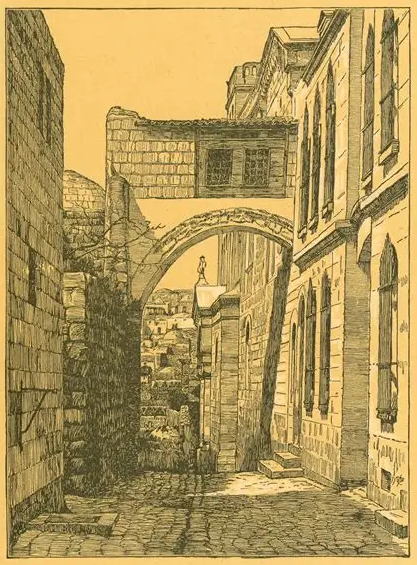
Multus numerus, credentium, conversus est ad Dominum.
***
A great number, believing, were converted to the Lord.
Acts 11:21b
#YourDailyLatin
2
18

Jun 11
Eu preciso de ajuda multus preciso de fics Alpha/Alpha de buddie!!!
Questões de vida ou morte !!!
Com urgência
Help
13

cnpt retweeted

12 Aug 2019
mult- = หลาย
มาจากศัพท์ละติน multus = many/much
multitude (n.) = ฝูงชน, จำนวนมาก
multiple (adj.) = หลายอย่าง
multiply (v.) = คูณ, เพิ่มจำนวน
multitask (v.) = ทำอะไรหลายอย่างพร้อมกัน
(VS monotask (v.) = ทำงานทีละอย่าง)
multipurpose (adj.) = อเนกประสงค์
2
1,846
1,179

May 25
🚀 Multus-CNI — Advanced Networking for Kubernetes
By default, Kubernetes pods get a single network interface. Multus changes that by enabling multiple interfaces per pod using different CNI plugins. ⚡
Built for:
☁️ Cloud-native infra
🛡️ Network segmentation
📡 NFV workloads
⚙️ Advanced Kubernetes networking
🔗 github.com/k8snetworkplumbin…
#KubernetesNetworking #DevSecOps #CloudInfrastructure #K8sSecurity #ContainerNetworking
1
2
266

there's also a reverse version of false friends called false cognates: words that are unrelated but sound similar and have similar meanings
for example, english much and spanish mucho are unrelated. mucho comes from multus, so the real cognate for mucho is multiple
2
117
May 22
The Okuma MULTUS U3000 combines 5-axis machining, a B-axis head, and multitasking capability to reduce setups and improve efficiency in complex part production.
f.mtr.cool/jriotcdkwn
🎥: @okumaeuropegmbh
3
12
419

May 14
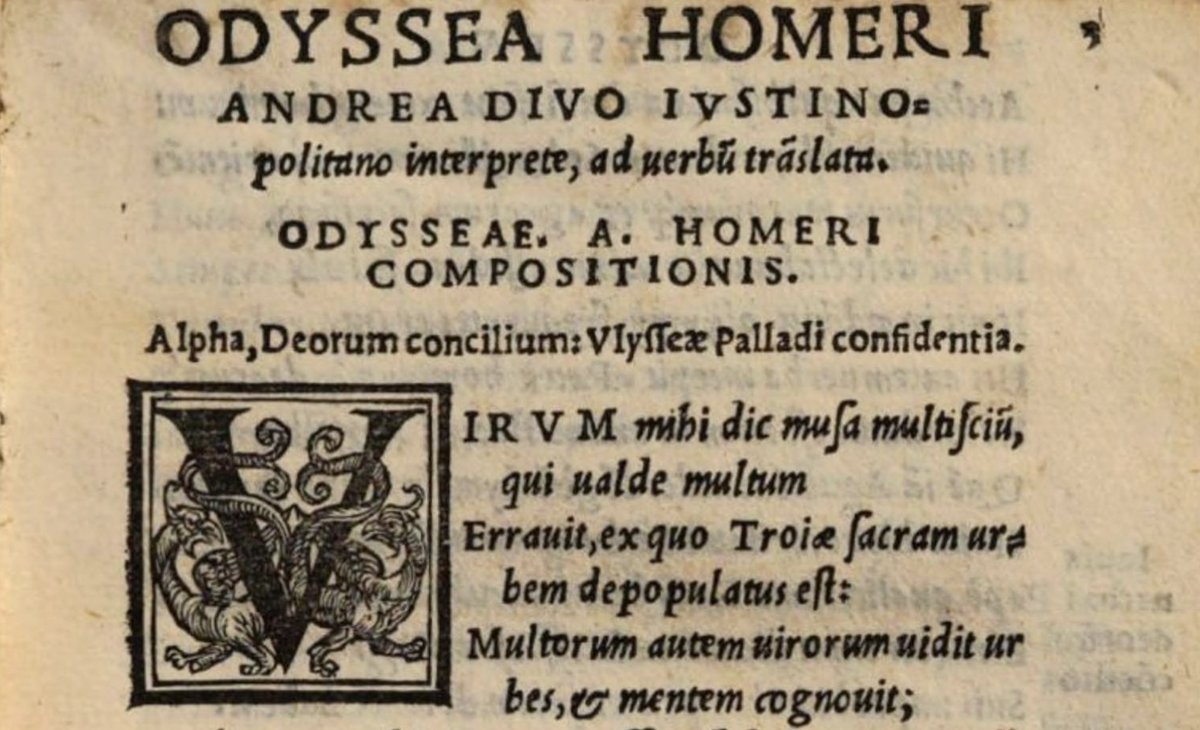
Before the fuel runs out on the controversy surrounding modern translations of the Odyssey — and on Emily Wilson’s rather ideological and questionable rendering of πολύτροπος as “complicated” — I would like to point out the excellent choice made by Andreas Divus in his remarkably faithful 1537 Latin translation: multiscius, literally “one who knows much” (< multus scio).
Simple, faithful, and effective.
One more reason to adhere to the venerable and more reliable tradition — and a reminder that the mere passage of time is no safeguard against intellectual decline.
25
44
453
15,938

OKUMAのMULTUS-U1000が気になる。
コンパクトで良さそう。重量がどれくらいか知りたいな。
複合加工機はMULTUSがいい(憧れ)。
私が初めて触った工作機械はOKAMAなのだ。
OSPで慣れてしまってたから、他の工作機で苦労した。
5
85

Latin word of the day: multus, multa, multum - much, many
#LatinWordOfTheDay
3
11
193

İşte burada söylediğim "cognate" meselesinin önemi ortaya çıkıyor:
Por. "Muito obrigado" / İsp. "Mucho obrigado"
[l] → [j] akıcı ünsüz değişiminden bu sözün Latince "multus" olduğunu anlamak çok rahat. Bir Roman söyleyişi, İngilizceye uyarlanmış.
Çok güzel örnek, teşekkürler.
1
1
2
54


Apr 16
"Multa per provincias edicta sunt de pretiis rerum venalium… et ob exigua et vilia multus sanguis effusus est."
1
1
61

Apr 7
Headed to Dallas for Texas Lawyer Rumble this week. Visit EvenUp at booth #6, catch Aaron Michalowski on April 10 at 12:30 PM, and join EvenUp Multus Medical for our welcome party tomorrow night! RSVP: events-evenuplaw.com/tlr-wel…



2
54

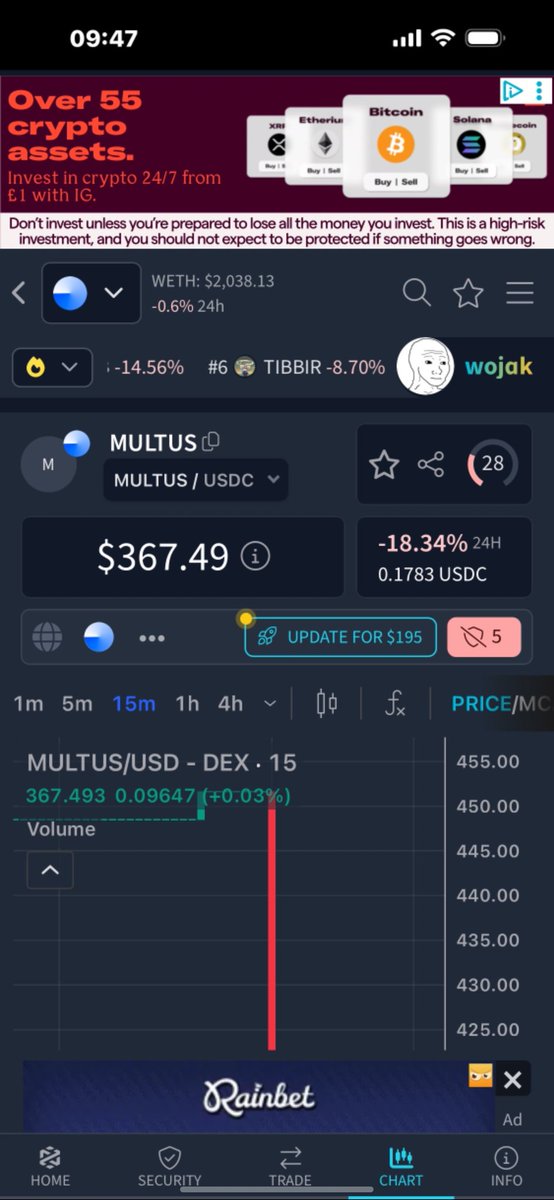
@MULTUSonBASE I did warn you all the mkid was a theif and that he would dump this trash right on your heads. Congrats mkid you now have successfully took everyone's money from gotti and now multus. Your a real peice of shhhhhhhhhhhh*
2
57

Wednesday in Holy Week: “Spy Wednesday”: From The Liturgical Year by Dom Prosper Louis Paschal Guéranger, O.S.B., 1904.
.
Violet Privileged Feria.
.
The Chief Priests and the Ancients of the people are met today, in one of the rooms adjoining the Temple, for the purpose of deliberating on the best means of putting Jesus to death. Several plans are discussed. Would it be prudent to lay hands upon him at this season of the Feast of the Pasch, when the City is filled with strangers who have received a favorable impression of Jesus from the solemn ovation given to him three days back? Then, too, are there not a great number of the inhabitants of Jerusalem, who took part in that triumph, and whose enthusiastic admiration of Jesus might excite them to rise up in his defense? These consideration persuade them not to have recourse to any violent measure, at least for the present, as a sedition among the people might be the consequence, and its promoters, even were they to escape being ill-treated by the people, would be brought before the tribunal of the Roman Governor, Pontius Pilate. They therefore come to the resolution of letting the Feast pass quietly over, before apprehending Jesus.
.
But these blood-thirsty men are making all these calculations as though they were the masters. They are, if they will, shrewd assassins, who put off their murder to a more convenient day: but the Divine decrees—which, from all eternity, have prepared a Sacrifice for the world’s salvation—have fixed this very year’s Pasch as the day of the Sacrifice, and tomorrow evening, the holy City will re-echo with the trumpets which proclaim the opening of the Feast. The figurative Lamb is now to make way for the true one; the Pasch of this year will substitute the reality for the type; and Jesus’ Blood, shed by the hands of wicked priests, is soon to flow simultaneously with that of victims which have only been hitherto acceptable to God, because they prefigured the Sacrifice of Calvary. The Jewish priesthood is about to be its own executioner, by immolating Him whose Blood is to abrogate the Ancient Alliance, and perpetuate the New one.
.
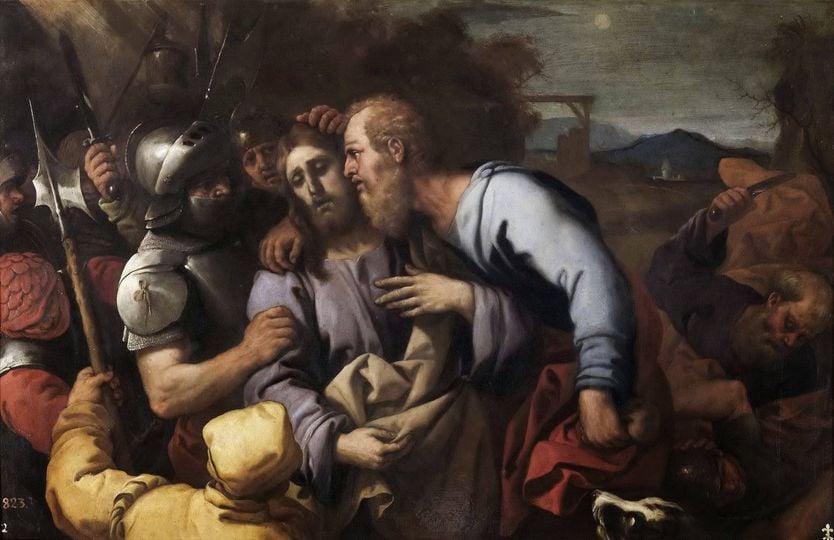
But how are Jesus’ enemies to get possession of their divine Victim, so as to avoid a disturbance in the City? There is only one plan that could succeed, and they have not thought of it: it is treachery. Just at the close of their deliberations, they are told that one of Jesus’ Disciples seeks admission. They admit him, and he says to them: What will you give me, and I will deliver him unto you? They are delighted at this proposition: and yet, how is it that they, doctors of the law, forget that this infamous bargain between themselves and Judas has all been foretold by David in the 108th Psalm? They know the Scriptures from beginning to end—how comes it that they forget the words of the Prophet, who even mentions the sum of thirty pieces of silver. Judas asks them what they will give him; and they give him thirty pieces of silver! All is arranged: tomorrow, Jesus will be in Jerusalem, eating the Pasch with his Disciples. In the evening, he will go, as usual, to the Garden on Mount Olivet. But how shall they, who are sent to seize him, be able to distinguish him from his Disciples? Judas will lead the way; he will show them which is Jesus, by going up and kissing him!
.
Such is the impious scheme devised on this day within the precincts of the Temple of Jerusalem. to testify her detestation at it, and to make atonement to the Son of God for the outrage thus offered him, the Holy Church, from the earliest ages, consecrated the Wednesday of every week to penance. In our own times, the Fast of Lent begins on a Wednesday; and when the Church ordained that we should commence each of the four Seasons of the year with Fasting, Wednesday was chosen to be one of the three days thus consecrated to bodily mortification.
.
On this day, in the Roman Church, was held the sixth Scrutiny, for the admission of Catechumens to Baptism. Those upon whom there had been previous doubts were now added to the number of the chosen ones, if they were found worthy. There were two Lessons read in the Mass, as on the day of the great Scrutiny, the Wednesday of the fourth Week of Lent. As usual, the Catechumens left the Church after the Gospel; but as soon as the Holy Sacrifice was over, they were brought back by the Door-Keeper, and one of the Priests addressed them in these words: “On Saturday next, the Eve of Easter, at such an hour, you will assemble in the Lateran Basilica, for the seventh Scrutiny; you will then recite the Symbol, which you must have learned; and lastly, you will receive, by God’s help, the sacred laver of regeneration. Prepare yourselves, zealously and humbly, by persevering fasts and prayers, in order that, having been buried, by this holy Baptism, together with Jesus Christ, you may rise again with him, unto life everlasting. Amen.”
.
At Rome, the Station for today is in the Basilica of Saint Mary Major. Let us compassionate with our Holy Mother, whose Heart is filled with poignant grief at the foresight of the Sacrifice, which is preparing.
.
Mass.—The Church commences her chants with one to the glory of the Holy Name of Jesus, outraged as it is, on this day, by them that plot his Death. This Name, which was given him by heaven, and signifies that he is our Savior, is now being blasphemed by his enemies: in a few hours, their crime will bring its full meaning before us, for his Death will have worked the Salvation of the world.
.
Introit
In nomine Jesu omne genu flectatur, cœlestium, terrestrium, et infernorum: quia Dominus factus est obediens usque ad mortem, mortam autem crucis: ideo Dominus Jesus Christus in gloria est Dei Patris.
.
At the name of Jesus every knee should bow, of those that are in heaven, on earth, and under the earth; because the Lord became obedient unto death, even the death of the cross: therefore the Lord Jesus Christ is in the glory of God the Father.
.
Ps. Domine, exaude orationem meam: et clamor meus ad te veniat.
.
Ps. O Lord, hear my prayer, and let my cry come unto thee.
.
In nomine.
.
At the name, &c.
.
In the first Collect, the Church acknowledges to God that her children have sinned against him: but she reminds him of the Passion, endured for their sakes, by his Only Begotten Son, and this revives her hope.
.
Collect
Oremus Let us pray
℣. Flectamus genua.
.
℣. Let us kneel down.
.
℟. Levate.
.
℟. Stand up again.
.
Præsta, quæsumus, omnipotens Deus: ut qui nostris excessibus incessanter affligimur, per unigeniti Filii tui Passionem liberemur. Qui tecum.
.
Grant, we beseech thee, O Almighty God, that we, who continually are punished for our excesses, may be delivered byt he Passion of thy Only Begotten Son. Who liveth, &c.
.
Lectio Isaiæ prophetæ Lesson from Isaias the Prophet
Cap. LXII. et LXIII. Cap. LXII. and LXIII.
Hæc dicit Dominus Deus: Dicite filiæ Sion: Ecce Salvator tuus venit, ecce merces ejus cum eo. Quis est iste, qui venit de Edom, tinctis vestibus de Bosra? Iste formosus in stola sua, gradiens in multitudine fortitudinis suæ. Ego, qui loquor justitiam: et propugnator sum ad salvandum. Quare ergo rubrum est indumentum tuum, et vestimenta tua sicut calcantium in torculari? Torcular calcavi solus: et de gentibus non est vir mecum. Calcavi eos in furore meo: et conculcavi eos in ira mea. Et aspersus est sanguis eorum super vestimenta mea, et omnia indumenta mea inquinavi. Dies enim ultionis in corde meo: annus redemptionis meæ venit. Circumspexi, et non erat auxiliator: et quæsivi, et non fuit qui adjuvaret. Et conculcavi populus in furore meo: et inebriavi eos in indignatione mea, et detraxi in terram virtutem eorum. Miserationem Domini recordabor, laudem Domini super omnibus, quæ reddidt nobis Dominus Deus noster.
.
Thus saith the Lord God: Tell the daughter of Sion: Behold thy Savior cometh. Who is this that cometh from Edom, with dyed garments from Bosra, this beautiful one in his robe, walking in the greatness of his strength? I, that speak justice, and am a defender to save. Why then is thy apparel red, and thy garments like them that tread in the wine-press? I have trodden the wine-press alone, and of the Gentiles there is not a man with me; I have trampled on them in my indignation, and have trodden them down in my wrath, and their blood is sprinkled upon my garments, and I have stained all my apparel. For the day of vengeance is in my heart, the year of my redemption is come. I looked about, and there was none to help; I sought, and there was none to give aid; and my own arm hath saved me, and my indignation itself hath helped me. And I have trodden down the people in my wrath, and made them drunk in my indignation, and have brought down their strength to the earth. I will remember the tender mercies of the Lord, the praise of the Lord, for all the things that the Lord hath bestowed on me.
.
How terrible is this our Defender, who tramples his enemies beneath his feet, as they that tread in the wine-press; so that their blood is sprinkled upon his garments! But is not this the fittest time for us to proclaim his power, now that he is being treated with ignominy, and sold to his enemies by one of his Disciples? These humiliations will soon pass away; he will rise in glory, and his might will be shown by the chastisements, wherewith he will crush them that now persecute him. Jerusalem will stone them that shall preach in his name; she will be a cruel step-mother to those true Israelites who, docile to the teaching of the Prophets, have recognized Jesus as the promised Messias. The Synagogue will seek to stifle the Church in her infancy; but no sooner shall the Church, shaking the dust from her feet, turn from Jerusalem to the Gentiles, than the vengeance of Christ will fall on the City, which bought, betrayed, and crucified him. Her citizens will have to pay dearly for these crimes. We learn from the Jewish historian Josephus (who was an eyewitness to the siege) that the fire which was raging in one of the streets, was quenched by the torrents of their blood. Thus were fulfilled the threats pronounced by our Lord against this faithless City, as he sat on Mount Olivet, the day after his triumphant Entry.
.
And yet the destruction of Jerusalem was but a faint image of the terrible destruction which is to befall the world at the last day. Jesus, who is now despised and insulted by sinners, will then appear on the clouds of heaven, and reparation will be made for all these outrages. Now he suffers himself to be betrayed, scoffed at, and spit upon; but when the day of vengeance is come, happy they that have served him and have compassionated with him in his humiliations and sufferings! Wo to them that have treated him with contempt! Wo to them who, not content with their own refusing to bear his yoke, have led others to rebel against him! For he is King; he came into this world that he might reign over it; and they that despise his Mercy, shall not escape his Justice.
.
The Gradual, which immediately follows upon this sublime passage from Isaias, is a prayer addressed by Jesus to his Eternal Father: the words are taken from one of the Psalms.
.
Gradual
Ne avertas faciem tuam a puero tuo, quoniam tribulor: velociter exaudi me.
.
Turn not away thy face from thy servant, for I am in trouble: hear me speedily.
.
℣. Salvum me fac, Deus, quoniam intraverunt aquæ usque ad animam meam: infixus sum in limo profundi, et non est substantia.
.
℣. Save me, O God, for the waters are come in even unto my soul; I stick fast in the mire of the deep, and there is no sure standing.
.
In the second Collect, the Church again reminds our Heavenly Father of the Death which his Divine Son deigned to suffer, in order to set us free from the yoke of Satan; she prays that we may have a share in the glorious Resurrection of this our Redeemer.
.
Collect
Deus, qui pro nobis Filium tuum Crucis patibulum subire voluisti, ut inimici a nobis expellere potestatem: concede nobis famulis tuis, ut resurrectionis gratiam consequamur. Per eumdem.
.
O God, who wouldst have thy Son suffer on the Cross, to deliver us from the power of the enemy; grant that we thy servants, may obtain the grace of his resurrection. Through the same, &c.
.
For the other Collects, see the Mass for Monday in Holy Week.
.
Epistle
Lectio Isaiæ Prophetæ. Lesson from Isaias the Prophet.
Cap. LIII. Ch. LIII.
In diebus illis: Dixit Isaias: Domine, quis credit auditui nostro; et brachium Domini cui revelatum est? et ascendet sicut virgultum coram eo: et sicut radix de terra sitienti. Non est species ei, neque decor. Et vidimus eum: et non erat aspectus, et desideravimus eum: despectum, et novissimum virorum, virum dolorum, et scientem infirmitatem. Et quasi absconditus vultus ejus, et despectus: unde nec reputavimus eum. Vere languores nostros ipse tulit: et dolores nostros ipse portavit. Et nos putavimus eum quasi leprosum, et percussum a Deo, et humiliatum. Ipse autem vulneratus est propter iniquitates nostras: atritus est propter scelera nostra: disciplina pacis nostræ super eum: et livore ejus sanati sumus. Omnes nos quasi oves erravimus: unusquisque in viam suam declinavit: et posuit Dominus in eo iniquitatem omnium nostrum. Oblatus est, quia ipse voluit: et non aperuit os suum. Sicut ovis ad occisionem ducetur; et quasi agnus coram tondente se, obmutescet: et non aperiet os suum. De angustia, et de judicio sublatus est. Generationem ejus quis enarrabit? Quia abscissus est de terra viventium. Propter scelus populi mei percussi eum. Et dabit impios pro sepultura, et divitem pro morte sua: eo quod iniquitatem non fecerit, neque dolus inventus fuerit in ore ejus. Et Dominus voluit conterere eum in infirmitate. Si posuerit pro peccato animam suam, videbit semen lonævum. Et volumtas Domini in manu ejus dirigetur. Pro eo quod laboravit anima ejus, videbit, et saturabitur. In scientia sua justificabit ipse justis servus meus multus: et iniquitates eorum ipse portabit. Ideo dispertiam ei plurimos, et fortium dividet spolia: pro eo quod tradidit in mortam animam suam, et cum sceleratis reputatus est. Et ipse peccata multorum tulit: et pro transgressoribus rogavit.
.
In those days: Isaias said: Who hath believed our report? And to whom is the arm of the Lord revealed? And he shall grow up as a tender plant before him, and as a root out of a thirsty ground. There is no beauty in him, nor comeliness. And we have seen him, and there was no sightliness that we should be desirous of him; despised, and the most abject of men, a man of sorrows, and acquainted with infirmity. And his look was as it were hidden and despised; whereupon we esteemed him not. Surely he hath borne our infirmities, and carried our sorrows. And we have thought him as it were a leper, and as one struck by God and afflicted. But he was wounded for our iniquities, he was bruised for our sins; the chastisement of our peace was upon him, and by his bruises we are healed. All we like sheep have gone astray, every one hath turned aside into his own way; and the Lord hath laid upon him the iniquity of us all. He was offered because it was his own will, and he opened not his mouth. He shall be led as a sheep to the slaughter, and shall be dumb as a lamb before his shearer; and he shall not open his mouth. He was taken away from distress, and from judgment. Who shall declare his generation? because he is cut off out of the land of the living. For the wickedness of my people have I struck him. And he shall give the ungodly for his burial, and the rich for his death; because he hath done no iniquity, neither was there deceit in his mouth. And the Lord was pleased to bruise him in infirmity. If he shall lay down his life for sin, he shall see a longlived seed, and the will of the lord shall be prosperous in his hand. Because his soul hath labored, he shall see and be filled; by his knowledge shall this my just servant justify many, and he shall bear their iniquities. Therefore will I distribute to him very many, and he shall divide the spoils of the strong, because he hath delivered his soul unto death, and was reputed with the wicked; and he hath borne the sins of many, and hath prayed for the transgressors.
.
Again it is Isaias that instructs us, not indeed upon the triumph which our Emmanuel is to win over his enemies, but upon the sufferings of the Man of Sorrows. So explicit is his description of our Lord’s Passion that the holy Fathers have called him the fifth Evangelist. What could be more sublimely plaintive than the language here used by the son of Amos? And we, after hearing both the Old and New Testament upon the sufferings which Jesus went through for our sins—how shall we sufficiently love this dear Redeemer, who bore our infirmities and carried our Sorrows, so as to look as a leper, and as one struck by God, and afflicted?
.
We are healed by his bruises! O heavenly Physician, that takes upon himself the sufferings of them he comes to cure! But not only was he bruised for our sins; he was also slaughtered as a lamb: and this not merely as a Victim submitting to the inflexible justice of his Father who hath laid upon him the iniquity of us all, but (as the Prophet here assures us) because it was his own will. His love for us, as well as his submission to his Father, led him to the great Sacrifice. Observe too how he refuses to defend himself before Pilate, who could so easily deliver him from his enemies: He shall be dumb as a lamb before his shearers, and he shall not open his mouth. Let us love and adore this divine Silence, which works our Salvation. Let us not pass over an iota of the devotedness which Jesus shows us—a devotedness which never could have existed, save in the Heart of a God. Oh! how much he has loved us—his children, the purchase of his Blood, his Seed, as the Prophet here calls us. O Holy Church! thou long-lived Seed of Jesus, that laid down his life!—thou art dear to him, for he bought thee at a great price. Faithful Souls! give him love for love! sinners! be converted to this your Savior; his Blood will restore you to life, for if we have all gone astray like sheep, remember what is added: The Lord hath laid upon him the iniquity of us all. There is no sinner, however great may be his crimes; there is no heretic, or infidel, who has not his share in this precious Blood, whose infinite merit is such that it could redeem a million worlds, more guilty even than our own.
.
The Tract, which follows this Lesson, is taken from the 101st Psalm, in which the Royal Prophet expresses the sufferings of body and mind endured by Jesus, in his human Nature.
.
Tract
Domine, exaudi orationem meam, et clamor meus ad te veniat.
.
Hear, O Lord, my prayer, and let my cry come unto thee.
.
℣. Ne avertas faciem tuam a me, in quacumque die tribulor, inclina ad me aurem tuam.
.
℣. Turn not away thy face from me, in the day when I am in trouble, incline thine ear to me.
.
℣. In quacumque die invocavero, velociter exaudi me.
.
℣. In what day soever I shall call upon thee, hear me speedily.
.
℣. Quia defecerunt sicut fumus dies mei: et ossa mea sicut in frixorio confrixa sunt.
.
℣. For my days are vanished like smoke: and my bones are as if they were fried in a frying-pan.
.
℣. Percussus sum sicut fœnum, et aruit cor meum, quia oblitus sum manducare panem meum.
.
℣. I am smitten as grass, and my heart is withered, because I forgot to eat my bread.
.
℣. Tu exsurgens, Domine, misereberis Sion, quia venit tempus miserendi ejus.
.
℣. Thou, O Lord, arising, wilt have mercy on Sion, for the time to have mercy on her is come.
.
The Church then gives us the history of the Passion according to St. Luke. This Evangelist mentions several details not given by Saints Matthew and Mark, which will assist us to a fuller understanding of the divine mystery of the Sufferings and Sacrifice of the Man-God.
.
The Passion and Gospel
Passio Domini nostri Jesu Christi secundum Lucam. The Passion of our Lord Jesus Christ according to Luke.
Cap. XXII. et XXIII. Ch. XXII. and XXIII.
In illo tempore: Appropinquabat dies festus Azymorum, qui dicitur Pascha: et quærebant principes sacerdotum et scribæ, quomodo Jesum interficerent: timebant vero plebem. Intravit autem Satanas in Judam, qui cognominabatur Iscariotes, unum de duodecim; et abiit et locutus est cum principibus sacerdotum et magistratibus, quemadmodum illum traderet eis. Et gavisi sunt: et pacti sunt pecuniam illi dare. Et spopondit. Et quærebat opportunitatem ut traderet illum sine turbis.
.
At that time: The feast of Unleavened Bread, which is called the Pasch, was at hand. And the chief priests and the scribes sought how they might put Jesus to death; but they feared the people. and Satan entered into Judas, who was surnamed Iscariot, one of the twelve; and he went, and discoursed with the chief priests and the magistrates, how he might betray him to them. And they were glad, and covenanted to give him money. And he promised; and he sought opportunity to betray him in the absence of the multitude.
.
Venit autem dies Azymorum, in qua necesse erat occidi Pascha. Et misit Petrum et Joannem, dicens: Euntes parate nobis Pascha, ut manducemus. At illi dixerunt: Ubi vis paremus? Et dixit ad eos: Ecce introeuntibus vobis in civitatem, occurret vobis homo quidam amphoram aquæ portans; sequimini eum in domum, in quam intrat, et dicetis patrifamilias domus: Dicit tibi Magister: Ubi est diversorium, ubi Pascha cum discipulis meis manducem? Et ipse ostendet vobis cœnaculum magnum stratum, et ibi parate.
.
And the day of the unleavened bread came, on which it was necessary that the Pasch should be killed. And he sent Peter and John, saying: Go and prepare us the Pasch, that we may eat. But they said: Where wilt thou that we prepare? And he said to them: Behold, as you go into the city, there shall meet you a man carrying a pitcher of water; follow him into the house where he entereth in, and you shall say to the good man of the house: The Master saith to thee: Where is the guest-chamber, where I may eat the Pasch with my disciples? and he will show you a large dining-room furnished; and there prepare.
.
Euntes autem invenerunt sicut dixit illis: et paraverunt Pascha. Et cum facta esset hora, discubuit, et duodecim Apostoli cum eo: et ait illis: Desiderio desideravi hoc Pascha manducare vobiscum, antequam patiar. Dico enim vobis: quia ex hoc non manducabo illus, donec impleatur in regno Dei. Et accepto calice, gratias egit, et dixit: Accipite, et dividite inter vos. Dico enim vobis: quod non bibam de generatione vitis, donec regnum Dei veniat. Et accepto pane, gratias egit, et fregit, et dedit eis, dicens: Hic est corpus meum, quod pro vibos datur. Hoc facite in meam commenorationem. Similiter et calicem, postquam cœnavit, dicens: Hic est calix novum testamentum in sanguine meo, qui pro vobis fundetur. Verumtamen ecce manus tradentis me, mecum est in mensa. Et quidem Filius hominis, secundum quod definitum est, vadit: verumtamen væ homini illi, per quem tradetur. Et ipsi cœperunt quærere inter se, quis esset ex eis, qui hoc facturus esset.
.
And they going, found as he had said to them, and they made ready the Pasch; and when the hour was come, he sat down, and the twelve apostles with him. And he said to them: With desire I have desired to eat this Pasch with you before I suffer. For I say to you that from this time I will not eat it, till it be fulfilled in the kingdom of God. And having taken the chalice he gave thanks, and said: Take and divide it among you. For I say to you, that I will not drink of the fruit of the vine, till the kingdom of God come. And taking bread, he gave thanks, and brake, and gave to them, saying: This is my Body, which is given to you: do this for a commemoration of me. In like manner the chalice also, after he had supped, saying: This is the chalice, the new testament of my Blood, which shall be shed for you. But yet behold, the hand of him that betrayeth me is with me on the table. And the Son of Man indeed goeth according to that which is determined; but yet wo to that man by whom he shall be betrayed. And they began to enquire among themselves which of them it was that should do this thing.
.
1
3
576

Apr 2
ラベルマッチしたPodのインターフェースにtcで遅延を入れるやつを(Claude Codeさんが)作ってみた github.com/orimanabu/tc-inje…
Multusで追加したインターフェースでも大丈夫 (ipvlanでしか試してないけど)
1
4
284