ねむむᜊﬞﬞ 𓈒𓏸 retweeted

Jun 6
GOOD DAY / Mrs. GREEN APPLE
by 𝗡𝗚𝗦𝗖
#nanamusic
nana-music.com/sounds/06e59f…
3
7
512

𝐏𝐀𝐍𝐄𝐋𝐈𝐒𝐓 𝐀𝐍𝐍𝐎𝐔𝐍𝐂𝐄𝐌𝐄𝐍𝐓
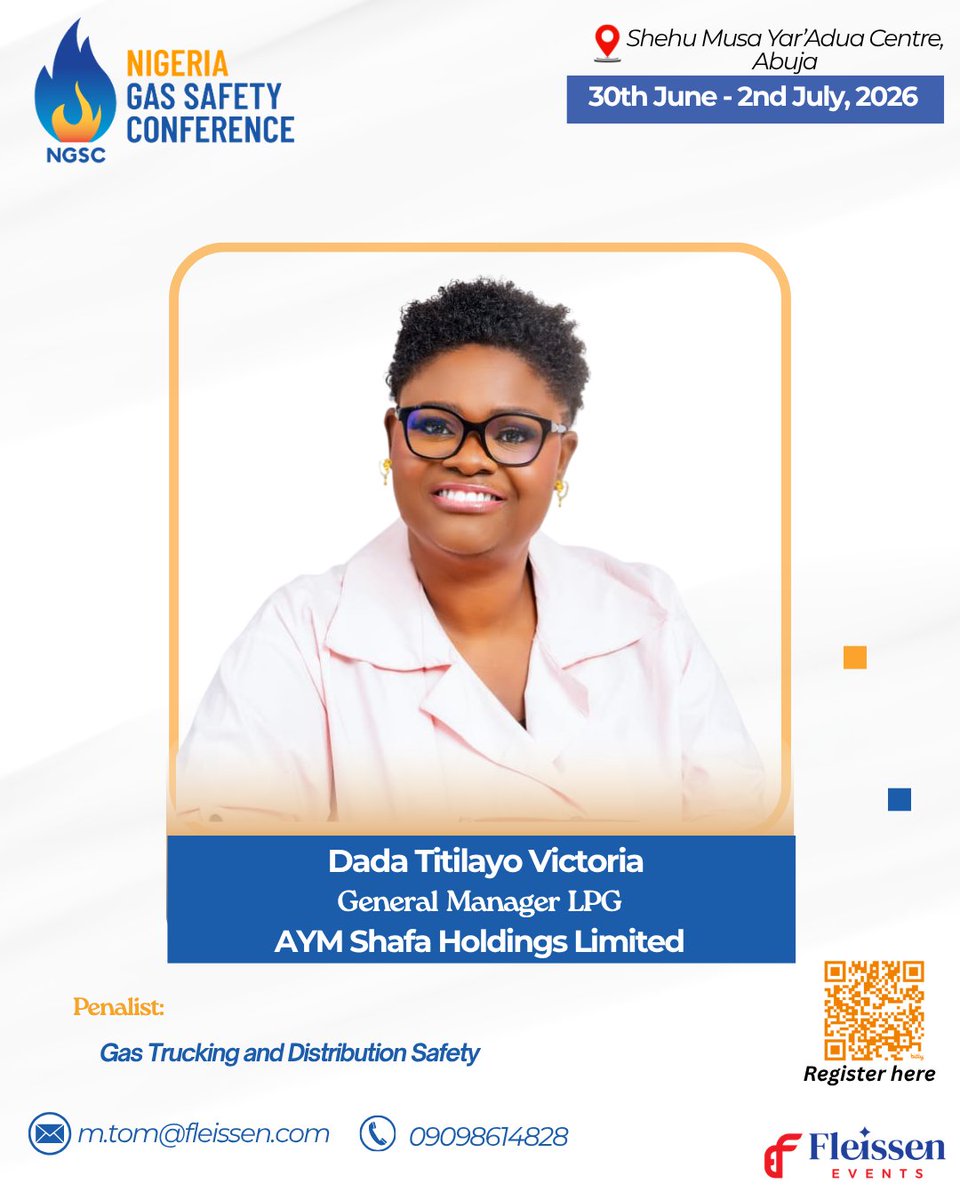
We are delighted to announce Titilayo Dada, General Manager, LPG, AYM SHAFA HOLDINGS LIMITED, as a Panelist at the Nigeria Gas Safety Conference (NGSC) 2026.
She will join industry experts for the panel session:
1
20
𝐆𝐎𝐎𝐃𝐖𝐈𝐋𝐋 𝐌𝐄𝐒𝐒𝐀𝐆𝐄
We are honoured to receive the goodwill support of Rt. Hon. Ekperikpe Ekpo, Honourable Minister of State for Petroleum Resources (Gas), for the Nigeria Gas Safety Conference (NGSC) 2026.
1
3

May 20
NGSC 😔

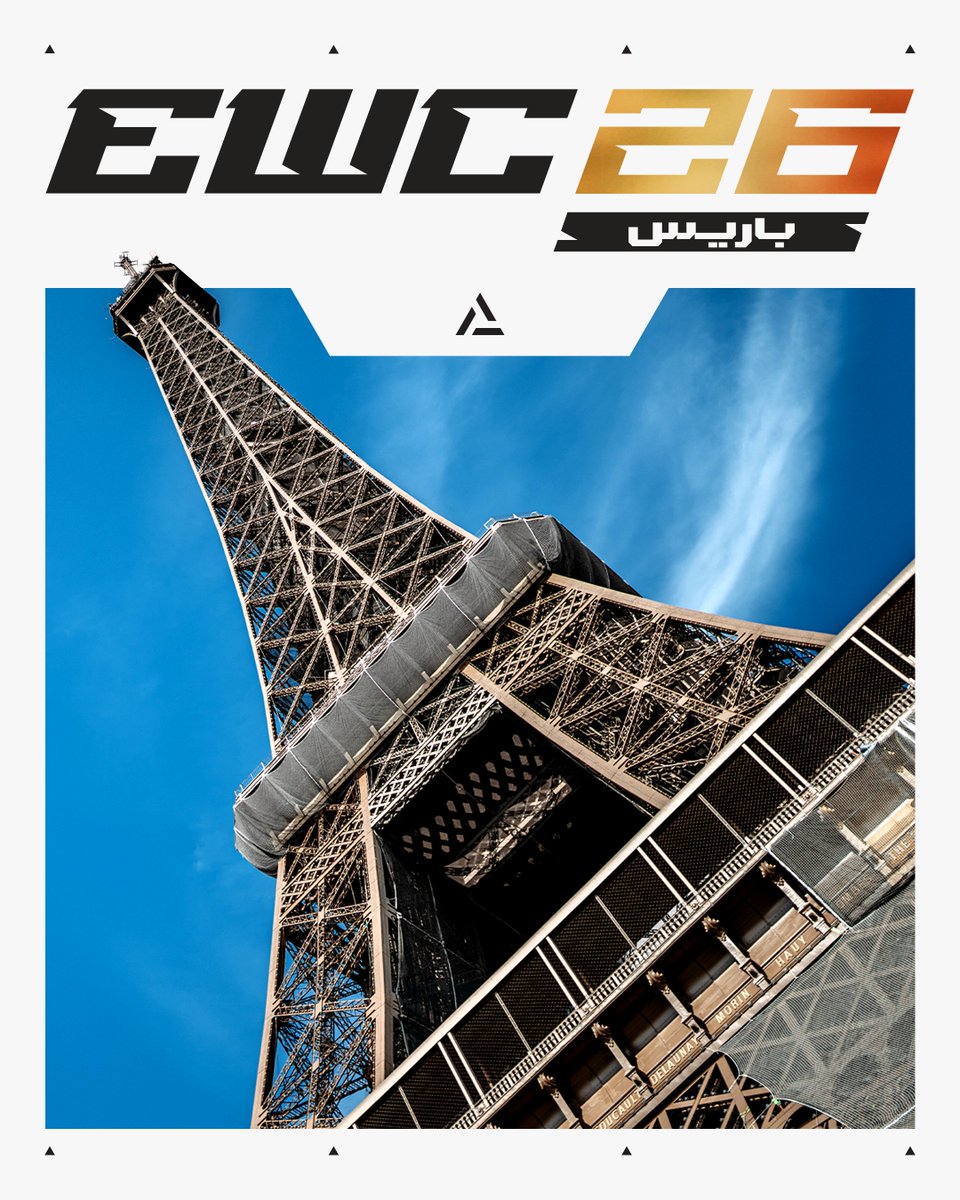
مدينة جديدة. لكن نفس الحلم اللي يجمع العالم.
باريس تستضيف كأس العالم للرياضات الإلكترونية 2026 🇫🇷
6 يوليو - 23 أغسطس
1
2
700


あの日の花を君へ
privatter.net/p/11915035
⚠︎︎長いです
生徒会のメンバーさんをせっかくなのでお借りしております。(生徒会メンバーさんのみのシーンがあります。(NGSCの主催様が書いてます)
一応読み飛ばしても話としては成り立ちますが、宜しければどんなキャラクターか見てみてください。)
1
6
15
1,699

3 enzymes. 1 nanogel. Faster wound healing. 🩹🔬
A*STAR researchers developed Zn@nGSC, a tri-enzyme platform that corrects multiple biochemical disruptions in post-surgical wounds at once, outperforming single and dual-enzyme systems. @ASTARsg
Link here: bit.ly/4dQlyvq

1
5
267






Mar 18
"Northrop Grumman Systems Corporation (“NGSC”) hereby requests a two-year conventional experimental authorization beginning March 19, 2026, or as soon as possible thereafter, to conduct uplink (Earth-to-Space) testing of an experimental earth station with the U.S.-licensed Space Exploration Holdings Co. (“SpaceX”) Starlink system (ICFS Call Signs S3069). NGSC is currently operating pursuant to a special temporary authorization (STA) for the operations contemplated in this application. The proposed experimentation is for a Global Lightning government-sponsored contract that supports DEUCSI, or Defense Experimentation Using Commercial Space Internet, which is a U.S. Air Force program . . .."
apps.fcc.gov/oetcf/els/repor…
apps.fcc.gov/els/GetAtt.html….
5
22
2,715

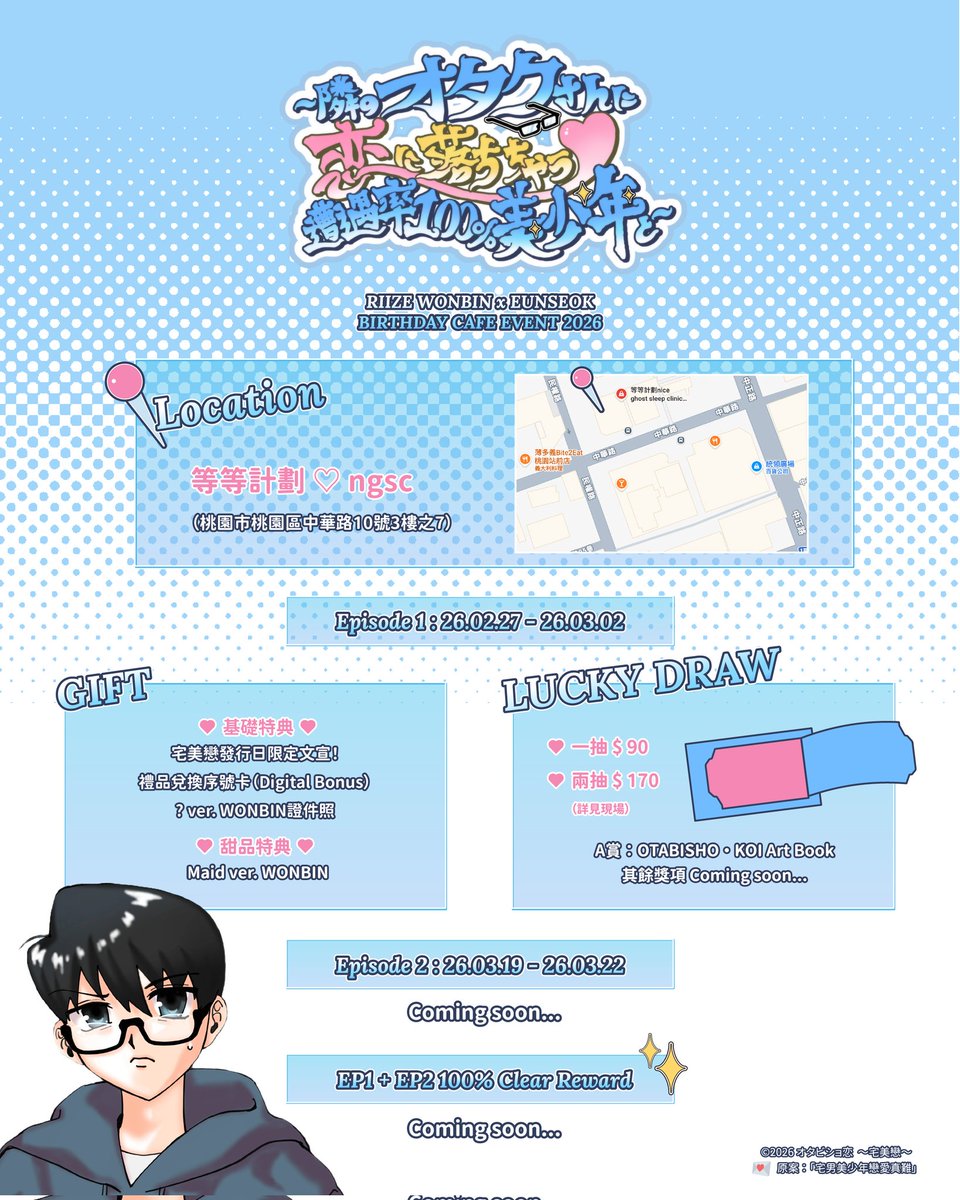
💘 𝙊𝙏𝘼𝘽𝙄𝙎𝙃𝙊 • 𝙆𝙊𝙄
𝟐𝟎𝟐𝟔 대만 넨석 카페 💌
「無料ゲームをダウンロードしたら
美少年が現実に…!?」
⠀⠀
⠀⠀⠀⠀⠀𖤐゚₊✯͡
⠀⠀⠀
📍等等計劃 ♡ ngsc
🕹️𝗣𝗿𝗼𝗹𝗼𝗴𝘂𝗲:𝟬𝟮.𝟮𝟳 - 𝟬𝟯.𝟬𝟮
.
🍰서울 앙콘에서 판매 예정입니다
상세 추후 공지 하겠습니다
17
25
4,994

Feb 13
unfortunately the one benefitted from bock/fbc scoring discourse is sk*t*ngsc*res so far 💀 i've seen the ss from their website EVERYWHERE
1
80
2,950

24 Dec 2025
Commentary on Sunday Jackson v. The State
Supreme Court of Nigeria, Judgment of March 7, 2025
The Supreme Court’s decision in Sunday Jackson v. The State raises troubling questions about consistency in criminal jurisprudence. After reviewing the dissenting judgment of Honourable Justice Helen Ogunwunmiju, it is evident that the majority ruling was delivered per incuriam, while the dissent reflects the proper application of law and justice.
The Facts
Sunday Jackson was stabbed twice by the deceased while attempting to flee.
He eventually overpowered his assailant, resulting in the death of the attacker.
This evidence was unassailable and directly engaged the doctrine of self-defence.
The Majority Decision
The Court held that self-defence would not avail the appellant. With respect, this conclusion departs from earlier Nigerian jurisprudence and undermines the principle that the law does not demand martyrdom from its citizens. Where a person is confronted with imminent unlawful violence, the law recognizes the instinctive and reasonable act of self-preservation.
Nigerian Precedents
The Nigerian Supreme Court has consistently affirmed the availability of self-defence:
Case Citation Principle Affirmed
Udo Akpan v. State [1986] NGSC Self-defence is available where the accused faces imminent danger to life.
Ojo Adeyeye v. State (2013) SC.305/2010 The Court reaffirmed that self-defence protects those who act reasonably to preserve life.
These precedents demonstrate that the doctrine of self-defence is deeply rooted in Nigerian criminal law.
The majority in Sunday Jackson departed from this settled position, thereby creating inconsistency.
Comparative Common Law Authorities
Nigerian courts frequently draw upon English common law principles. Two leading authorities are instructive:
R v. Palmer [1971] AC 814 (Privy Council): Lord Morris famously stated that “if there has been an attack so that defence is reasonably necessary, it should be recognized that a person defending himself cannot weigh to a nicety the exact measure of his defensive action.”
R v. Gladstone Williams [1984] 78 Cr App R 276 (Court of Appeal): The Court held that a person may rely on self-defence if they honestly and reasonably believe they are under attack, even if mistaken.
These authorities underscore that the law must be flexible enough to protect individuals acting under the stress of violent confrontation. Nigerian jurisprudence has historically aligned with these principles, making the majority’s departure in Sunday Jackson all the more troubling.
The Dissent
Justice Ogunwunmiju’s dissent is a model of judicial courage. She correctly applied the principle that the law protects those who act to preserve their lives in the face of imminent danger. Her reasoning aligns with both Nigerian precedent and common law authorities, ensuring that justice is not sacrificed to rigid formalism.
Implications for Future Cases
The implications of this ruling are significant:
Doctrinal Uncertainty: By departing from precedent, the majority risks creating confusion in the application of self-defence, leaving trial courts uncertain about the proper standard.
Erosion of Protection: Citizens may feel less secure in relying on self-defence, fearing that survival itself could be criminalized.
Judicial Integrity: The dissent highlights the importance of fidelity to precedent. If future courts adopt the majority’s reasoning, the doctrine of self-defence may be narrowed in ways inconsistent with both Nigerian and common law traditions.
Historical Vindication of Dissent: As seen in comparative jurisprudence, dissents often shape future law. Justice Ogunwunmiju’s opinion may serve as a foundation for restoring doctrinal clarity in subsequent cases.
Conclusion
While the majority decision carries the force of law, it is the dissent that carries the force of justice. By disregarding clear evidence of self-defence, the Court undermined its own precedents and departed from persuasive common law authorities such as Palmer and Williams.
Justice Ogunwunmiju’s dissent will stand in history as the opinion that upheld the integrity of the law and the sanctity of human life, and it may well guide the restoration of doctrinal coherence in the future.
4
14
38
1,639

17 Dec 2025
NGSC Superintendent Dr. Eric Goggins and Princeton Mayor Greg Wright address the assembled crowd prior to this historic meet! #pdcprepsports @PCHSTigers @GSTitans1
1
3
167

12 Dec 2025
Entropic Brain (Dec 2025) update highlights:
(1) expanded state-space (REM, meditation, DoC/anesthesia, neuro/psych conditions),
(2) tighter claim: entropy tracks phenomenal breadth/richness more than “access/reflective” consciousness,
(3) measurement nuance: LZc ≠ universal—CSER/permutation entropy can outperform in fast psychedelic dynamics,
(4) renewed fMRI routes (NGSC/connectome harmonics/spiral waves),
(5) more cautious take on “criticality,” plus emerging predictive/clinical signals.
Huge congrats to @RCarhartHarris on the update! 🎉


1
1
5
1,366

5 Dec 2025
こんにちは。noteに当社グループの「10月・11月のまとめ」記事を投稿しました。この2ヵ月の間に、2025年9月期第4四半期の決算発表やNGSC社の連結子会社化の完了など、大きな動きがありました。ぜひご覧ください。
note.com/hybrid_tech_ir/n/n5…
4
171

14 Nov 2025
まいど!相場の福の神こと藤本誠之です。
。
今回藤本が熱く注目した決算説明会資料、それが――ハイブリッドテクノロジーズ(4260)や!
ちょっと聞いてや。
この会社、単なるオフショアの受託開発屋ちゃう。
“日本×ベトナム”のハイブリッド体制で、DXの最前線を突っ走っとる。
2025年9月期はダナン拠点の閉鎖とか減損の嵐を越えて、
売上3,025百万円・営業益29百万円、どちらも計画達成率101%!
「おお、ようやっとるやん」と思いきや、ホンマのドラマはここからや。
2026年9月期の会社計画、見たか?
売上 49%!営業利益 470%!!
ついにベトナムのNGSC社をグループ入りや。新戦力がフル貢献してくる。
さらにAI活用、本社移転コストダウン、VPoE参加で開発組織を再設計。
内も外も、ガラリと“攻めの体制”へ変身中や。
創業者ミン氏はベトナム事業をけん引、
一方の日本は経営&上流工程を磨き上げる。
まるでタイガースの鉄壁の布陣みたいに、前線と守備の連携が完璧や。
この反転の流れ、ワシの投資魂がグツグツに燃えてるわ🔥
AI×オフショア×M&A、この三拍子そろったIT戦略企業、
まだ時価総額的に“発展途上”。ここに光るのはロマンと実行力やで。
個人投資家のみんな、次の成長ステージを先取りするなら、
この決算説明会資料、隅から隅まで読んで血をたぎらせてみい!
ssl4.eir-parts.net/doc/4260/…
#相場の福の神 #株投資 #個人投資家 #決算説明会資料
4
1,167

18 Oct 2025
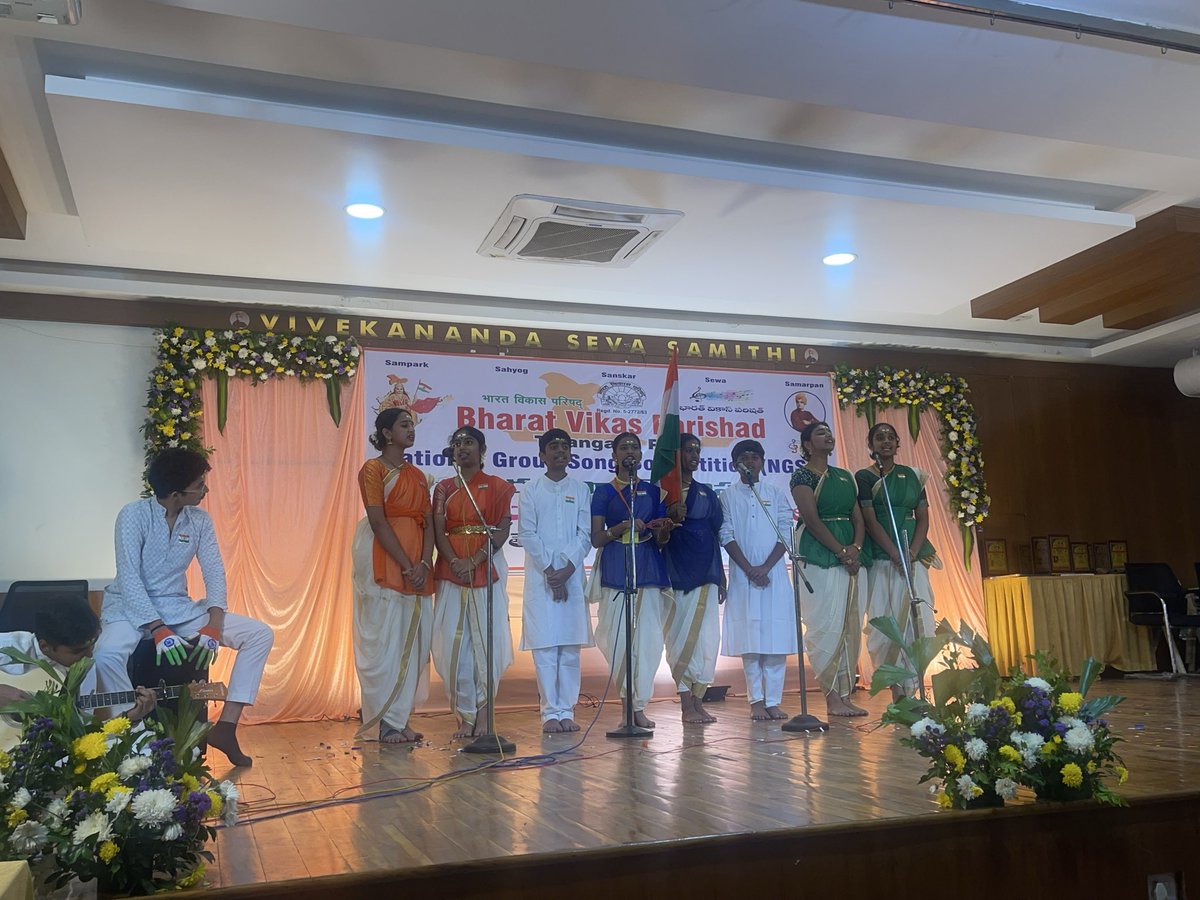
Attended the National Group Song Competition (NGSC) organised by Bharat Vikas Parishad , Telangana Pranth . Great effort to instil confidence and patriotism in the young minds. Hearty congratulations Bharat Vikas Parishad . #BVP
1
1
21
1,606