
Mar 14

If you’re a lady and you still haven’t tasted that matcha drink up till now, peer pressure has nothing on you!
2
64

“मोदी अमेरिका का पिछलग्गू है” कहने वालों को इतना भी नहीं पता कि भारत आज किसी का Follower नहीं, बल्कि दुनिया का Power Balancer है।
रूस से तेल, ईरान से डील, BRICS में लीडरशिप, QUAD में ताक़त — ये होती है निर्भीक विदेश नीति।
मोदी झुकते नहीं, शर्तों पर बात करते हैं।
भारत अब किसी के इशारे पर नहीं चलता।
🇮🇳🔥🇮🇳 मेरा भारत महान
#StrongIndia
#ModiForeignPolicy #PowerBalancer
#IndiaFirst
#NotAFollower #StrategicAutonomy
#NewIndia
#ModiHaiToMumkinHai #BharatOnTop
1
1
6
307

9 Apr 2025
Powerful statement!
Let them talk
Let them whisper
Let them laugh
Let them critique
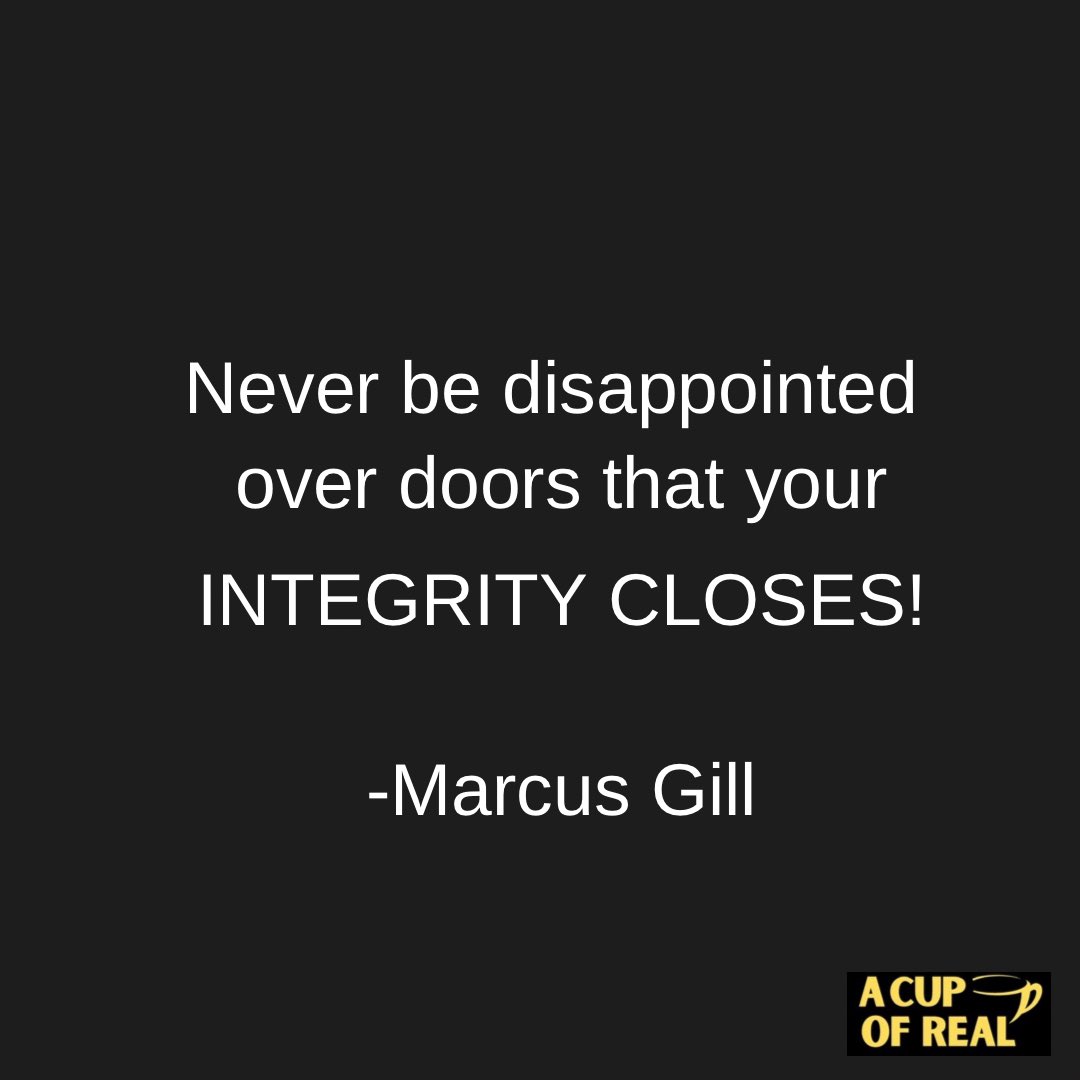
If it’s a God door, you’ll never have to second guess it, change who you are, or compromise your integrity.
#integrity
#bedifferent
#notafollower
#pray
#standstrong
3
89


27 Feb 2025
To learn more about NMD 80, visit its official product page on our website at the following link:
eacochem.com/eaco_products/_…
#eacochem #nmd80 #pressurewashing #pressurewashingtips #oklahomacity #bealeader #notafollower #masonry #construction
21

24 Feb 2025
NotAFollower: "What if 'day' means hundreds of thousands of years?" 🤪
NotAFollower: "What if 'good' means really bad things like death, cancer, & suffering?" 🤪
24 Feb 2025

But what if the 6th day didn’t occur until 250,000 years ago.
2
4
260

21 Feb 2025
“NotAFollower” seems like an appropriate handle considering the epithets.
10
133

27 Jan 2025
NOT ANYMORE i like claire and no one in this fandom gaf.. they like the men.. #notafollower
1
2
5
3 Jan 2025
To learn more about Hot Stain Remover, and to read its product spec and safety data sheets, check out its official product page on our website at the following link:
eacochem.com/eaco_products/_…
#eacochem #hotstainremover #pressurewashingtips #bealeader #notafollower
13

1 Dec 2024
NotAFollower of Christ gets Learned:
1 Dec 2024

No,
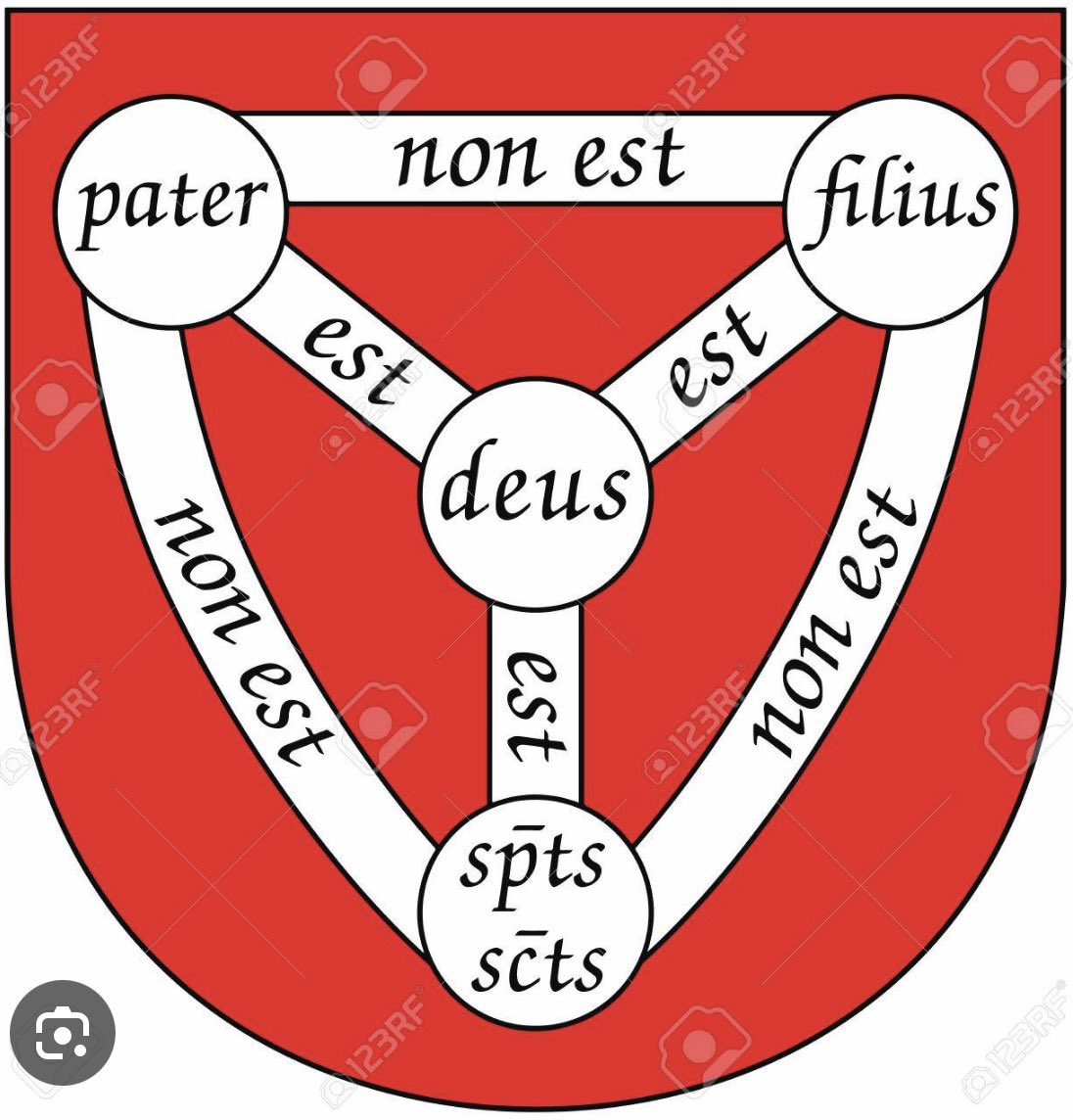
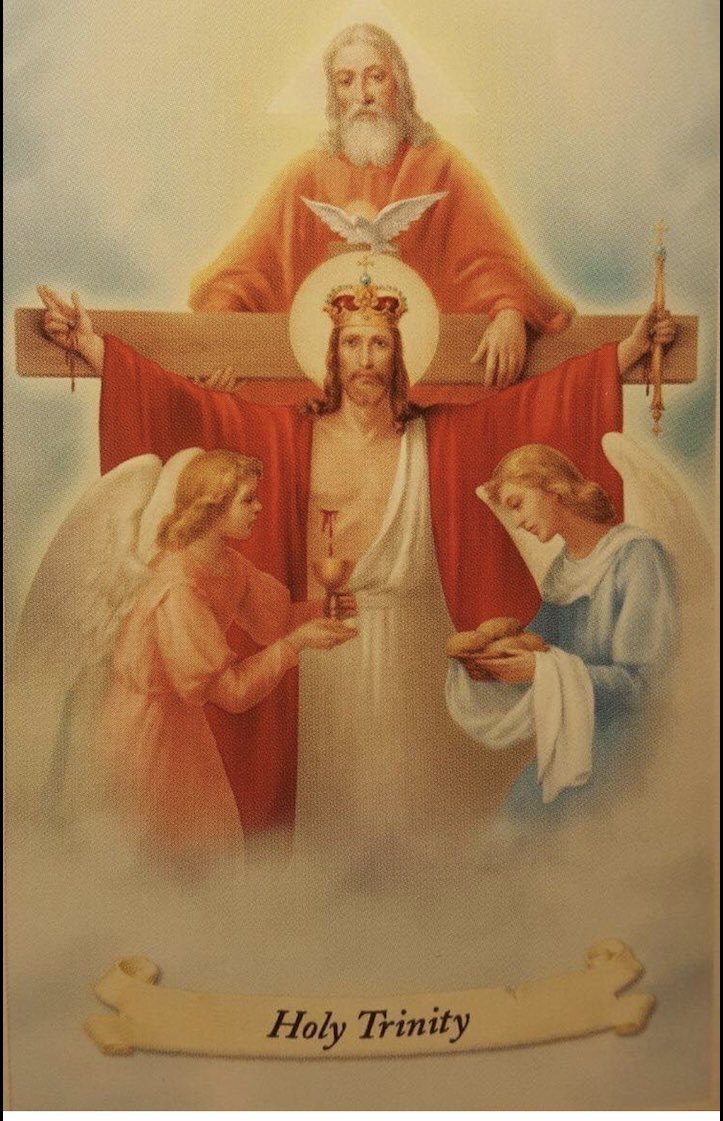
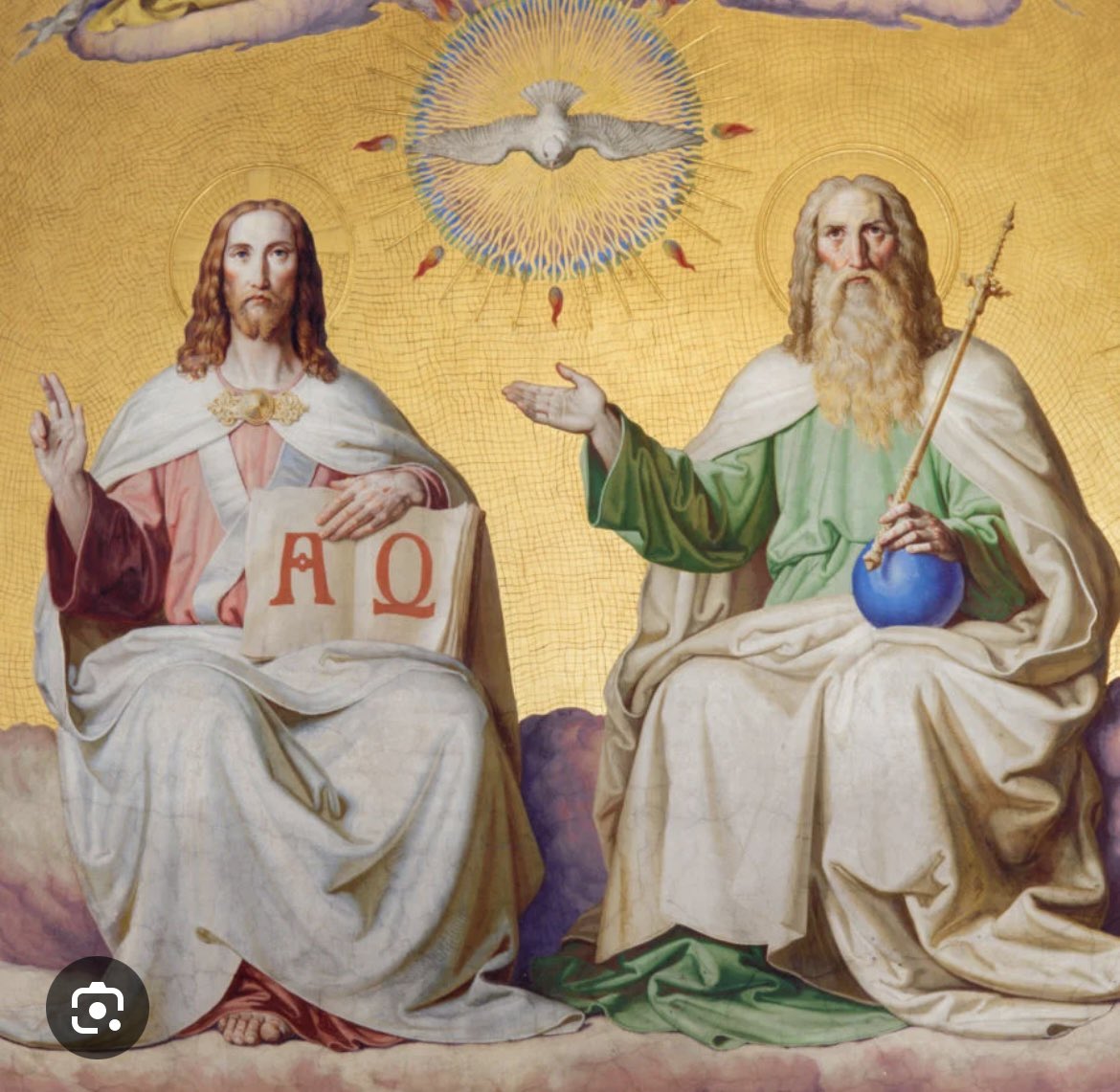
Those without Sacramental Grace and the proper Ecclesial Guidance typically misunderstand the Trinity.
The Trinity is a Mystery, a Revelation of the One True Faith, and the problems regarding misapprehension of the Doctrine aren’t with the Doctrine but those trying to understand in lieu of Foundation.
Remind me your sect again?
1
94


7 Aug 2024
Please change your name from NotAFollower to I_Don't_Understand_Medical_Or_Psychological_Expertise
3
69

4 Jun 2024

1
5
121

22 Apr 2024
@triggerman1976 NotAFollower,
Thank you for referencing the Didache and sharing your perspective. Let’s explore the historical context and the development of sacramental theology:
(1) Understanding the Didache and Early Church Practices
The Didache, one of the earliest Christian documents outside the New Testament, indeed mentions two practices closely associated with Baptism and the Eucharist. However, the document is a brief manual of Christian moral teachings, community discipline, and liturgical practice, not a comprehensive doctrinal statement. It doesn't exclude other sacraments but focuses on the most immediately necessary practices for early Christian communities.
(2) Development of Sacramental Theology
The understanding and enumeration of the sacraments developed over time as the Church reflected more deeply on the scriptures and the apostolic teachings. By the time of the Church Fathers and especially through the Middle Ages, the sacraments were more clearly defined and articulated. This development doesn't imply a departure from early Christian practices but a deeper understanding and formalization of what was handed down from the Apostles.
(3) Apostolic Tradition and Church Authority
The Catholic Church bases its teachings not only on Scripture but also on Sacred Tradition, as handed down from the apostles through their successors. This includes a broader understanding of the sacraments as visible signs of invisible grace, instituted by Christ. For example, other sacraments like Confirmation, Holy Orders, and Matrimony are rooted in New Testament practices and were recognized over time through the Church’s teaching authority.
(4) Sacramental Economy
While the Didache and other early documents focus on certain sacraments, the Catholic Church’s understanding of the sacraments encompasses a comprehensive view of Christian life and salvation history. Each sacrament is seen as part of the sacramental economy through which God dispenses grace to His people.
(5) Unity in Diversity
It’s important to recognize that differences in how Christian communities understand and number the sacraments reflect the diverse ways in which the apostolic teachings have been interpreted and lived out throughout history. The richness of the Christian tradition includes a variety of practices that all seek to follow Christ and apply His teachings.
In conclusion, while Baptists and Catholics may differ in their sacramental theology, each tradition seeks to remain faithful to the teachings of Christ and the apostles, each interpreting the Scriptures and early Christian writings through its theological lens.
#CatholicFaith #ChristianUnity #SacramentalTheology #EarlyChurch
4
5
252

7 Apr 2024
Could his name "Notafollower" be a clue to his motivations?
3
24

25 Jan 2024
Funny seeing people just start jumping onto the Samba trend in 2024, late.
Reminds me of 2020 when people thought I was crazy for doing New Balance videos but saw the same people buy / create content around them in 2021-2022.
This is a frontrunner mentality, like rooting only for winning teams you have no connection with and flip-flopping when it’s inconvenient. Help it make sense.
Oh and you’re welcome for the inspo.
#Sneakers #Leader #NotAFollower
3
1
18
2,686

29 Jan 2023
Lead the way. 👊🏻
#blacksheeprocksyou #lead #leader #courage #individuality #original #notafollower #musician #music #band #dreams #passion #goals #drive #ambition #focus #strayfromthepath #standup

2
4
52

27 Dec 2022
2
82