

Jun 12
Numida Tech does they are called ESOP(Employee Share Options) I'm an employee ...
1
3
668

GUINEAFOWL FARMING
Guineafowl farming is one of the most rewarding and low-cost poultry ventures a farmer can undertake. Native to Africa, guineafowl (Numida meleagris) are hardy, disease-resistant birds that thrive in both free-range and semi-intensive systems, making them ideal for small-scale and commercial farmers alike.
Why Choose Guineafowl?
Guineafowl are exceptionally tough birds. Unlike chickens, they are highly resistant to common poultry diseases such as Newcastle disease and Marek's disease, significantly reducing veterinary costs. They are natural foragers, feeding on insects, ticks, worms, and seeds, which dramatically cuts feeding expenses. Many farmers keep them alongside cattle specifically to control ticks and other parasites.
Products and Income
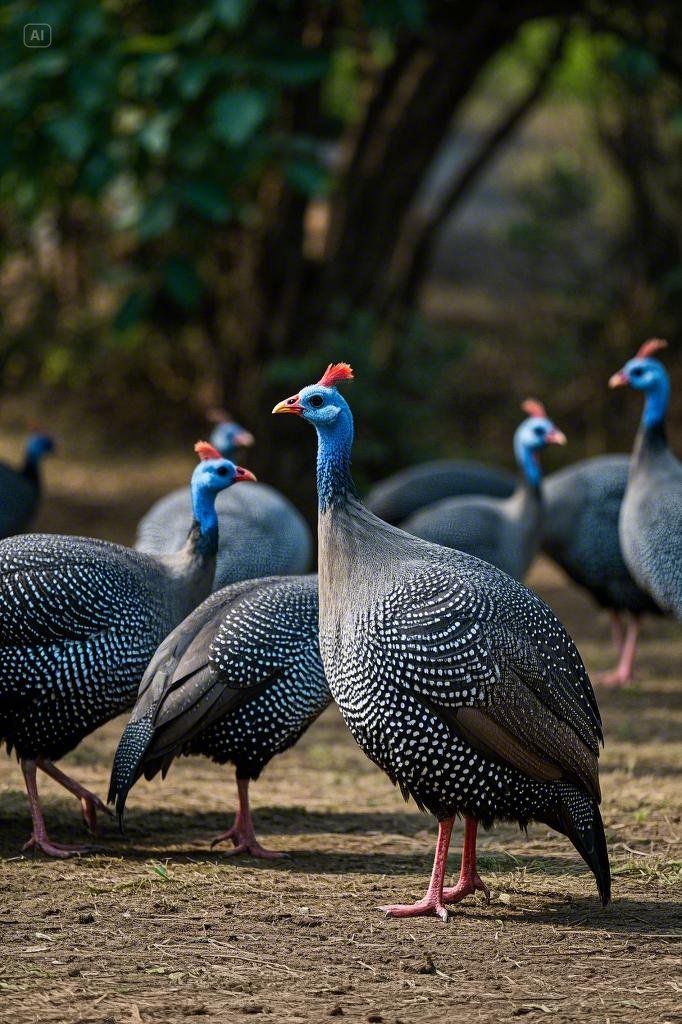
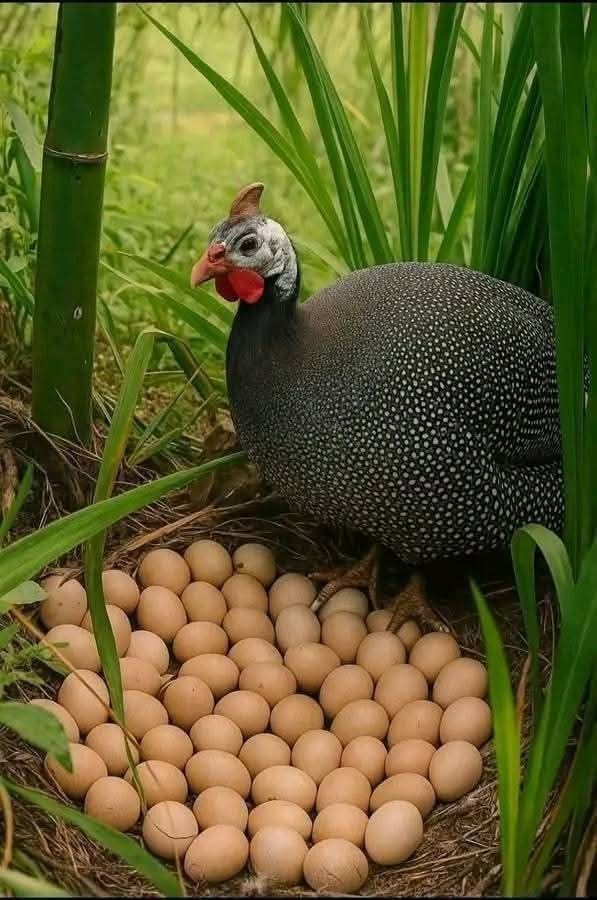
As seen in the images, guineafowl are dual-purpose birds raised for both meat and eggs.
Meat: Guineafowl meat is lean, rich in protein, and considered a delicacy in many restaurants and hotels, commanding premium prices compared to ordinary chicken.
Eggs: A healthy hen can lay 80–160 eggs per year. The eggs are smaller but nutritionally superior to chicken eggs, with a richer yolk and higher protein content. They are increasingly popular in health-conscious markets.
Housing and Management
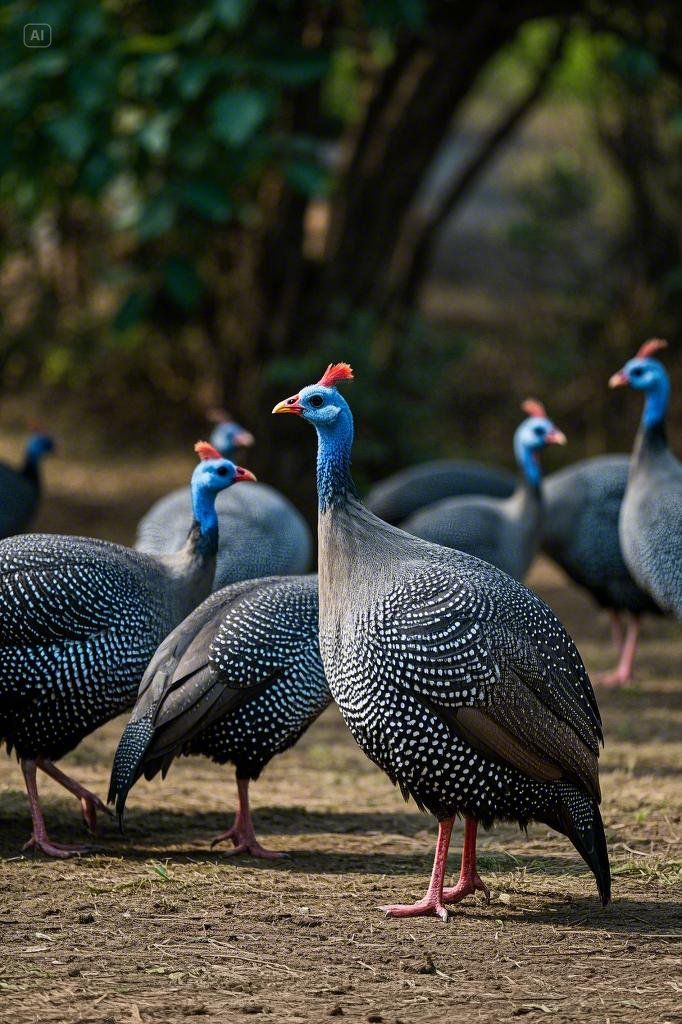
Guineafowl do best in free-range or semi-free-range systems. They are active, social birds that move in flocks, as shown in Image 1. Simple, well-ventilated housing is sufficient for shelter at night and protection from predators. Overcrowding should be avoided as it causes stress and pecking behavior.
Challenges to Watch
Guineafowl are noisy birds a consideration in urban or peri-urban settings.
They have strong wandering instincts and require good fencing.
Keets (chicks) are delicate in the first few weeks and require warmth and careful feeding.
Market Opportunity
The demand for guineafowl products is growing steadily across Africa, Europe, and Asia. Organic and free-range markets particularly value guineafowl meat and eggs. Farmers can supply live birds, dressed meat, hatching eggs, or day-old keets to diversify income streams.
Guineafowl farming offers low input, high return potential. With proper management, it is a sustainable and profitable enterprise for any serious farmer. Good morning and happy farming! 🐦
6
10
1,913
Emmanuel Mutaka 🇺🇬 retweeted

Jun 9
JOB VACANCY
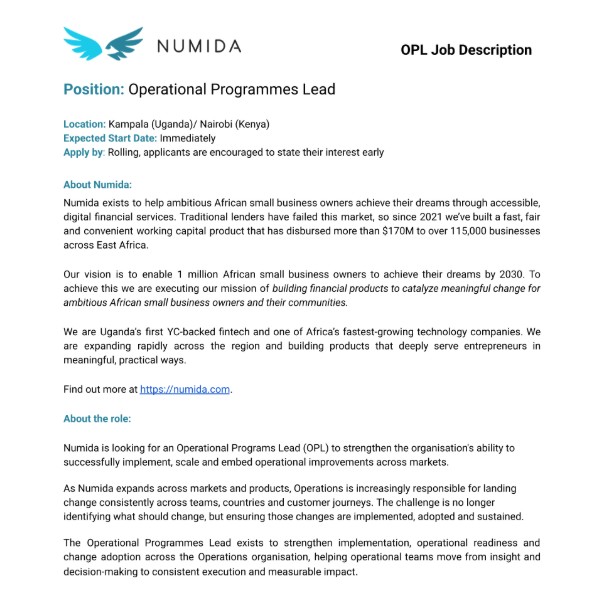
Numida Uganda is looking for an Operational Programs Lead (OPL) to join the team.
Details: jobslinking.com/operational-…
Apply or reshare with others
1
6
1,379

Jun 9
🚨NUMIDA UGANDA is Hiring!🚨
Open role: Operational Programs Lead
Apply here: jobgiant.net/jobs/2-hr-admin…
Join our WhatsApp Channel for more alerts: shorturl.at/RYGs3
Job Giant is Not affiliated!
Closing date: 15 june 2026
Hiring location: kampala Uganda

48
PEARL GUINEA FOWL: AFRICA'S HARDY BIRD TAKING THE WORLD BY STORM
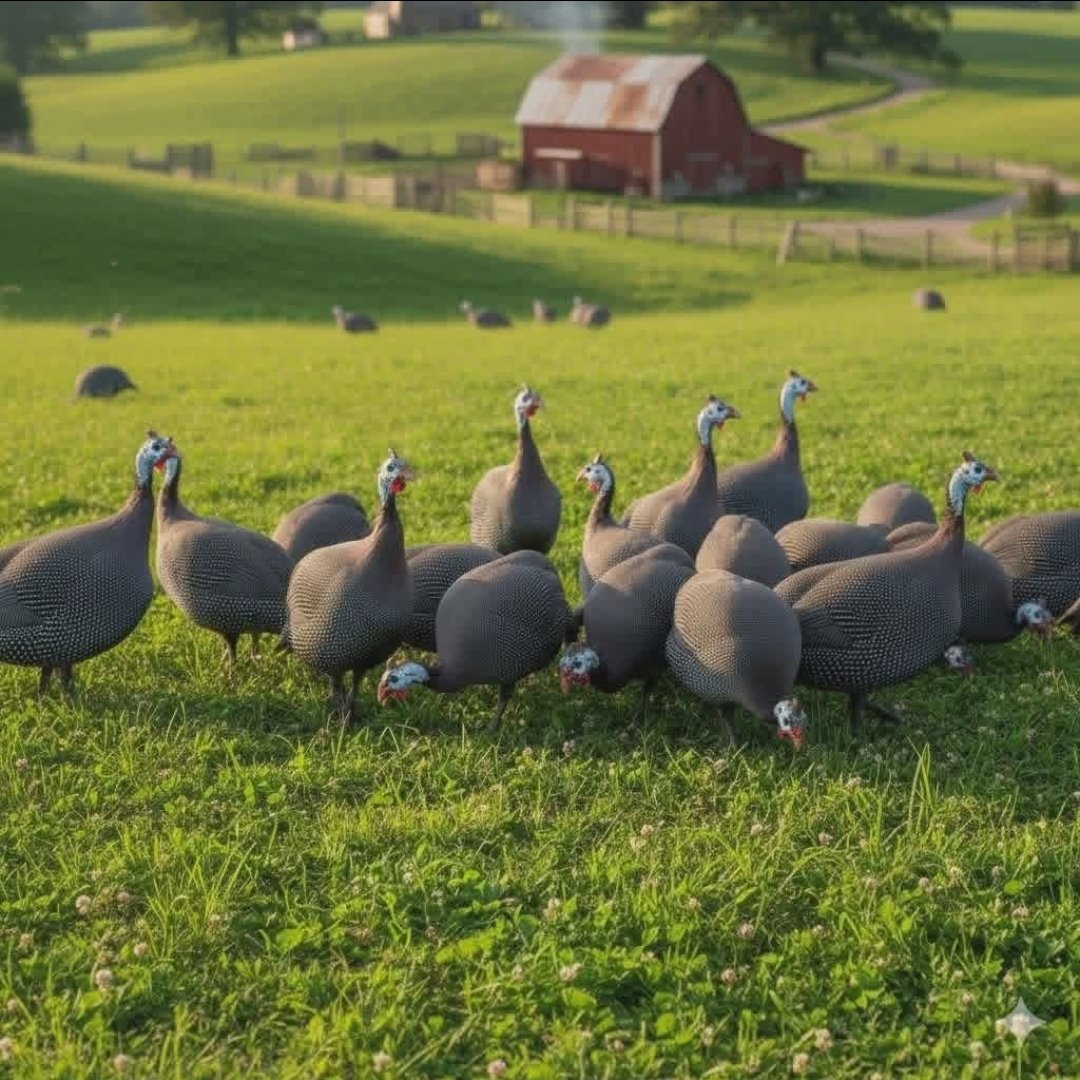
The image captures a magnificent flock of Pearl Guinea Fowl foraging freely across a lush green pasture, their distinctive spotted plumage glinting in the golden morning light with a classic red barn and rolling farmland completing a picture of pastoral perfection. This is free-range farming at its most natural and beautiful.
Origin & Identity
The Pearl Guinea Fowl (Numida meleagris) is the most common and widely farmed guinea fowl breed in the world. Originally native to sub-Saharan Africa, this breed has successfully spread to farms across every continent, thriving in environments ranging from tropical African savannahs to temperate European and American farmsteads as this image beautifully demonstrates.
Appearance
What immediately distinguishes the Pearl Guinea Fowl is its breathtaking plumage a dark slate-grey base coat covered in uniform white polka dots resembling pearls, which is precisely where the breed gets its name. Up close, their bare, helmet-topped heads display striking blue-white facial skin with vivid red wattles, giving them an almost prehistoric, exotic appearance unlike any conventional poultry breed.
Their round, compact body shape clearly visible in the image is characteristic of the breed, carrying surprisingly good muscle mass relative to their size, making them excellent meat producers despite their seemingly delicate frame.
Hardiness & Adaptability
One of the Pearl Guinea Fowl's greatest commercial strengths is its extraordinary hardiness. These birds are remarkably resistant to common poultry diseases, including Newcastle disease and respiratory infections that devastate conventional chicken flocks. Their strong immune systems, developed over millennia of surviving African bush conditions, make them ideal for low-input, free-range farming systems with minimal veterinary intervention.
They tolerate heat, cold, and variable rainfall conditions with ease, adapting to most climates with very little management adjustment a critical advantage for smallholder farmers across Africa and beyond.
Meat & Egg Production
Pearl Guinea Fowl deliver dual-purpose production value. Their meat is lean, richly flavored, and considered a premium delicacy in upscale restaurants and export markets commanding prices significantly higher than conventional chicken. The meat is darker, lower in fat, and higher in protein, appealing to health-conscious consumers worldwide.
Egg production, while seasonal, yields small but nutritious eggs with thick shells and rich yolks that attract premium prices at specialty and organic markets.
Natural Pest Control Bonus
As the foraging flock in the image demonstrates, Pearl Guinea Fowl are voracious insect hunters consuming ticks, locusts, beetles, and other farm pests in enormous quantities daily, providing farmers with a completely natural, chemical-free pest management system that protects crops and livestock simultaneously.
The Verdict
Affordable to start, cheap to maintain, disease-resistant, dual-purpose, and in growing market demand the Pearl Guinea Fowl is arguably Africa's most underutilized yet highest-potential poultry enterprise. For any farmer seeking maximum return on minimum investment, this spotted bird deserves serious attention. 🐦🌿🌍
1
3
194
Julius Lumansi retweeted
Numida is hiring Operational Programmes Lead
Details: jobadverts.ug/job/operationa…
#JobsInUganda
2
13
1,579

Your business shouldn’t stop because stock is low.
Need quick financing to restock, grow, or seize a new opportunity? With Numida, you can apply for a business loan anytime, anywhere from your shop, from home, or while on the move.
Download the app today

1
29

Jun 7
Man sooka onewolereyo 600k ku NUMIDA ofe bulunji
Jun 7

Guys am not feeling okay
If you don’t see back online know that i have died!!😭😭😭😭😭😭😭😭😭😭😭😭😭😭😭😭😭😭
1
126
GUINEA FOWL FARMING
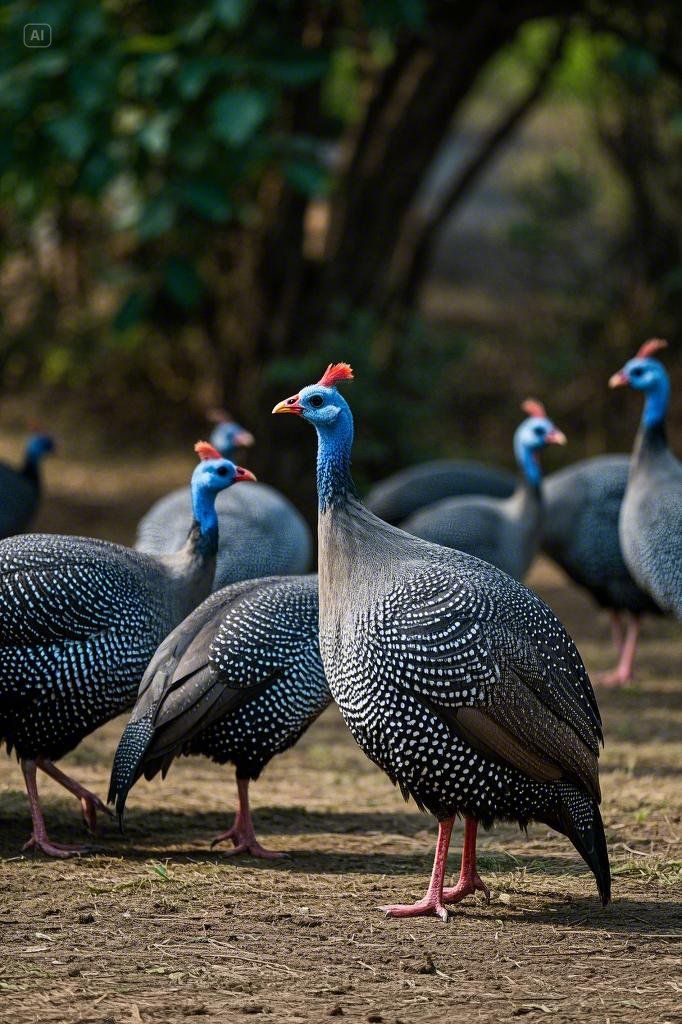
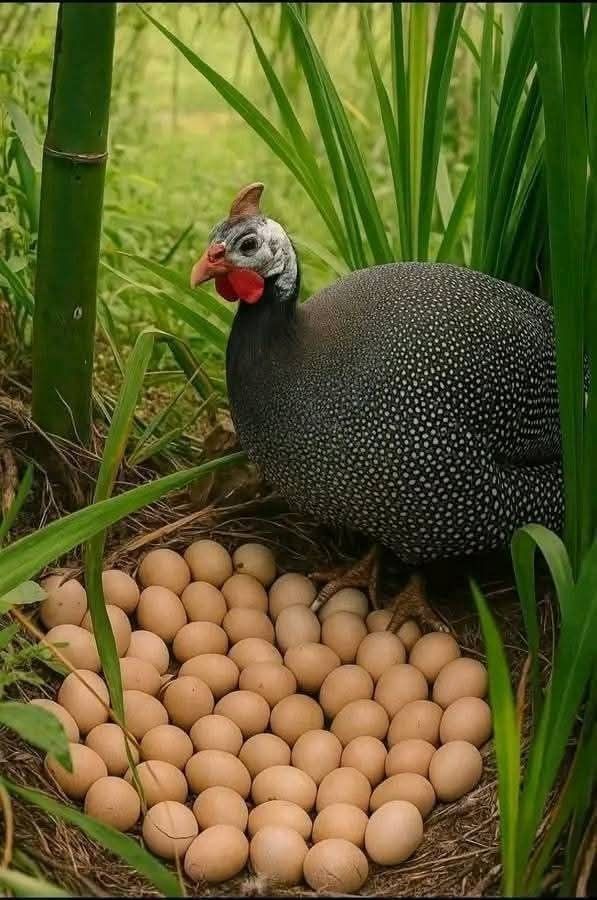
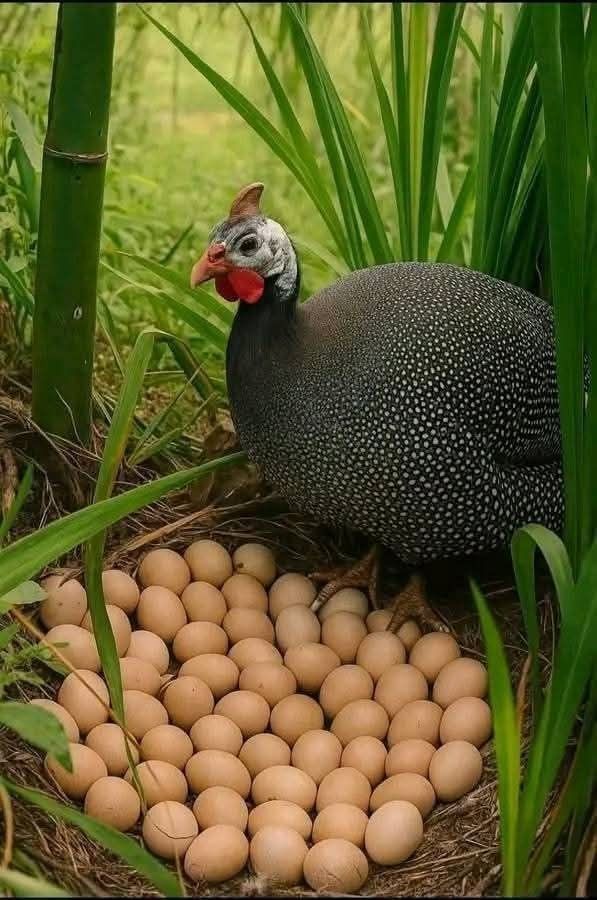
The images beautifully showcase Helmeted Guinea Fowl (Numida meleagris) one with an impressive clutch of eggs and another showing a healthy flock in a free-range setting. These birds represent a growing and profitable livestock enterprise.
What is Guinea Fowl Farming?
Guinea fowl farming is the domestic rearing of guinea fowls for meat, eggs, pest control, and income generation. Originating from Africa, these hardy birds are increasingly popular among smallholder and commercial farmers due to their low maintenance and high resilience.
Breeds & Characteristics
The most common domestic breed is the Helmeted Guinea Fowl, recognized by its:
Dark grey, white-spotted plumage
Bare blue/grey head with a bony casque (helmet)
Red and blue wattles
Loud, distinctive alarm calls
Housing & Management
Guinea fowls thrive best under free-range systems as seen in Images where they roam, forage, and express natural behaviors. However, semi-intensive systems with sheltered housing at night protect them from predators. Key housing requirements include:
Well-ventilated, dry shelters
Perches elevated off the ground
Predator-proof fencing.
Clean water and feed troughs
Feeding.
Guinea fowls are natural foragers, feeding on insects, ticks, worms, seeds, and green vegetation. This makes them excellent for integrated pest management on farms. Supplementary feeding with grower mash, grains, and protein concentrates improves growth and egg production significantly.
Egg Production & Reproduction
As shown in Image 1, guinea hens can lay 80–150 eggs per year, typically in concealed ground nests. Eggs are smaller than chicken eggs but richer in nutrients. Incubation takes 26–28 days. Hens are seasonal layers, most productive during warmer, longer-day months.
Health & Common Diseases
Guinea fowls are generally hardy but susceptible to:
Newcastle Disease
Fowl pox
Internal and external parasites
Regular vaccination, deworming, and biosecurity measures are essential for flock health.
Economic Importance
Guinea fowl meat is lean, flavorful, and high in protein commanding premium market prices.
Eggs are increasingly demanded in niche health markets.
They serve as natural pest controllers, reducing tick and insect populations on farms.
Low input costs make them ideal for rural livelihood improvement.
Conclusion
Guinea fowl farming is a low-cost, high-reward enterprise perfectly suited for African farming conditions, offering food security, income, and ecological benefits simultaneously.
1
4
10
706
GUINEA FOWL FARMING: THE UNDERRATED GOLDMINE OF POULTRY AGRICULTURE
Guinea Fowl Farming A Profitable and Resilient Poultry Enterprise
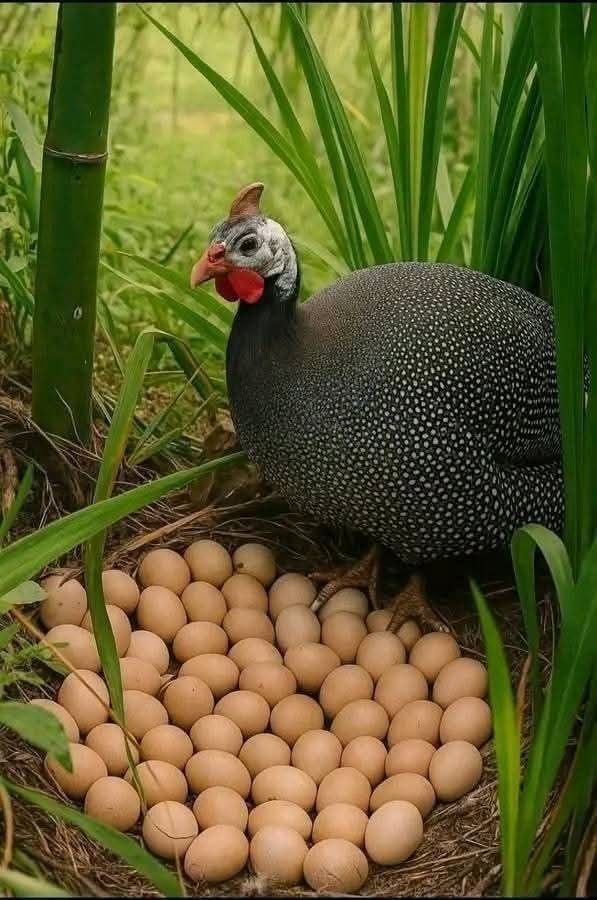
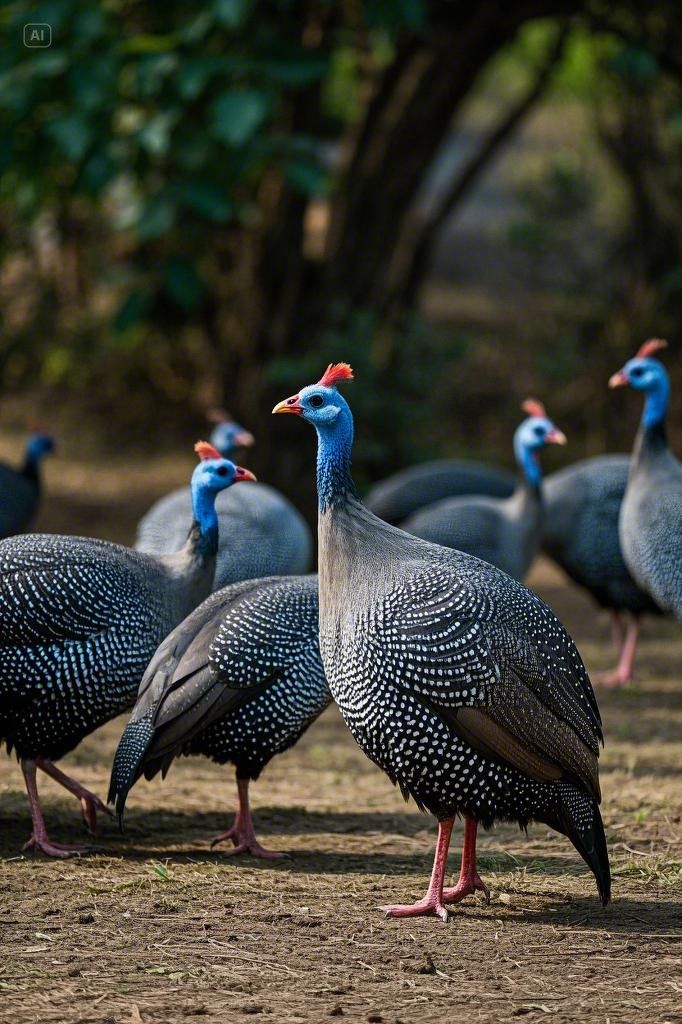
The images above present one of Africa's most underutilized yet highly rewarding poultry birds the Guinea Fowl (Numida meleagris). Image 1 showcases a hen sitting proudly over an impressive clutch of eggs, while Image 2 displays a healthy, vibrant flock foraging freely. Together, they tell a compelling story of productivity, hardiness, and untapped agricultural potential.
What is Guinea Fowl Farming?
Guinea fowl farming is the commercial or subsistence rearing of guinea fowls for meat, eggs, and other by-products. Originally a wild African bird, the guinea fowl has been domesticated and is now gaining enormous attention among smallholder farmers, agripreneurs, and commercial poultry producers worldwide due to its exceptional resilience and profitability.
Why Guinea Fowl is a Smart Investment
1. Hardy and Disease Resistant
Unlike conventional poultry such as chickens, guinea fowls are extraordinarily tough and disease resistant. They rarely succumb to common poultry diseases, significantly reducing veterinary costs and mortality rates a major advantage for farmers operating on tight budgets.
2. Low Feeding Cost
Guinea fowls are natural foragers. They thrive on insects, worms, seeds, and vegetation, dramatically reducing feed costs compared to broilers or layers. This makes them ideal for free-range and semi-intensive farming systems with minimal input.
3. High Egg Production
As seen in Image 1, a single guinea hen can lay 80–160 eggs per season. Guinea fowl eggs are smaller than chicken eggs but are highly nutritious, rich in protein, and increasingly popular in specialty and health food markets where they command premium prices.
4. Excellent Meat Quality
Guinea fowl meat is lean, firm, flavorful, and low in fat and cholesterol. It is considered a delicacy in many markets, fetching significantly higher prices than ordinary chicken meat. The growing demand for organic, free-range, exotic poultry makes guinea fowl a highly marketable product.
5. Natural Pest Control
Guinea fowls actively consume ticks, grasshoppers, and harmful insects, making them natural pest controllers on farms protecting crops and reducing pesticide use simultaneously.
6. Security Alert System
Their loud, distinctive calls make them excellent farm security birds, alerting farmers to the presence of predators or strangers.
Conclusion
Guinea fowl farming requires minimal capital, minimal medication, and minimal feeding costs, yet delivers maximum returns in meat, eggs, and farm ecosystem benefits. It is truly the sleeping giant of African poultry farming.
"The farmer who discovers the guinea fowl discovers a treasure that costs little but gives much."
Start your flock today the market is waiting!
9
19
982

May 18
#OLUTINDO | Aba NUMIDA abakuwola ssente okutali magoba na musingo baleese ekipya x.com/i/broadcasts/1nxeLypaR…
1
4
606



May 16
Numida is hiring Commission-Based Field Collections Agents
Details: jobadverts.ug/job/commission…
#JobsInUganda
1
7
1,522

GUINEA FOWL FARMING
ABOUT THE BIRD
The Helmeted Guinea Fowl (Numida meleagris) is the most commonly farmed species. Originating from sub-Saharan Africa, it is instantly recognizable by its:
Dark, spotted plumage (white dots on grey-black feathers).
Bare blue head with a red crest/casque on top.
Red wattles and a short, curved beak
Loud, distinctive alarm calls.
They are hardy, disease-resistant birds that thrive in warm, semi-arid climates making them ideal for smallholder and commercial farming alike.
🏠 HOUSING & MANAGEMENT
Guinea fowl prefer free-range systems, they are naturally active foragers.
Provide simple, well-ventilated housing for night shelter and protection from predators.
Allow minimum 1–2 sq meters per bird indoors.
They are excellent pest controllers, eating ticks, locusts, and insects without scratching up gardens like chickens.
EGG PRODUCTION
Image 2 is particularly striking that hen is surrounded by what appears to be 40 eggs, which is realistic because:
Guinea hens are seasonal layers, primarily in spring and summer.
A hen lays 80–160 eggs per year under good management.
Eggs are smaller than chicken eggs but richer in flavor and nutrients.
They tend to hide nests in vegetation, as shown farmers must watch for communal nesting spots
Incubation period is 26–28 days.
MEAT PRODUCTION
Guinea fowl meat is lean, dark, and flavorful considered a delicacy.
Birds reach market weight (1.2–1.5 kg) in about 12–16 weeks.
Dressing percentage is around 70–75%.
Highly valued in restaurants and gourmet markets.
Economic Benefits
Low feed costs due to free-range foraging.
High market price for both meat and eggs.
Excellent biosecurity birds their loud calls alert the farm to predators and strangers.
Low veterinary costs due to natural disease resistance.
⚠️ KEY CHALLENGES
Highly nomadic can wander far if not managed.
Noisy not ideal near residential areas.
Keets (chicks) are fragile in the first 4 weeks and need warmth and dry conditions.
Hens are poor mothers artificial incubation is often recommended.
Guinea fowl farming is a highly profitable, low-input venture especially ideal for African farmers seeking a resilient, marketable livestock alternative.
1
12
21
810