
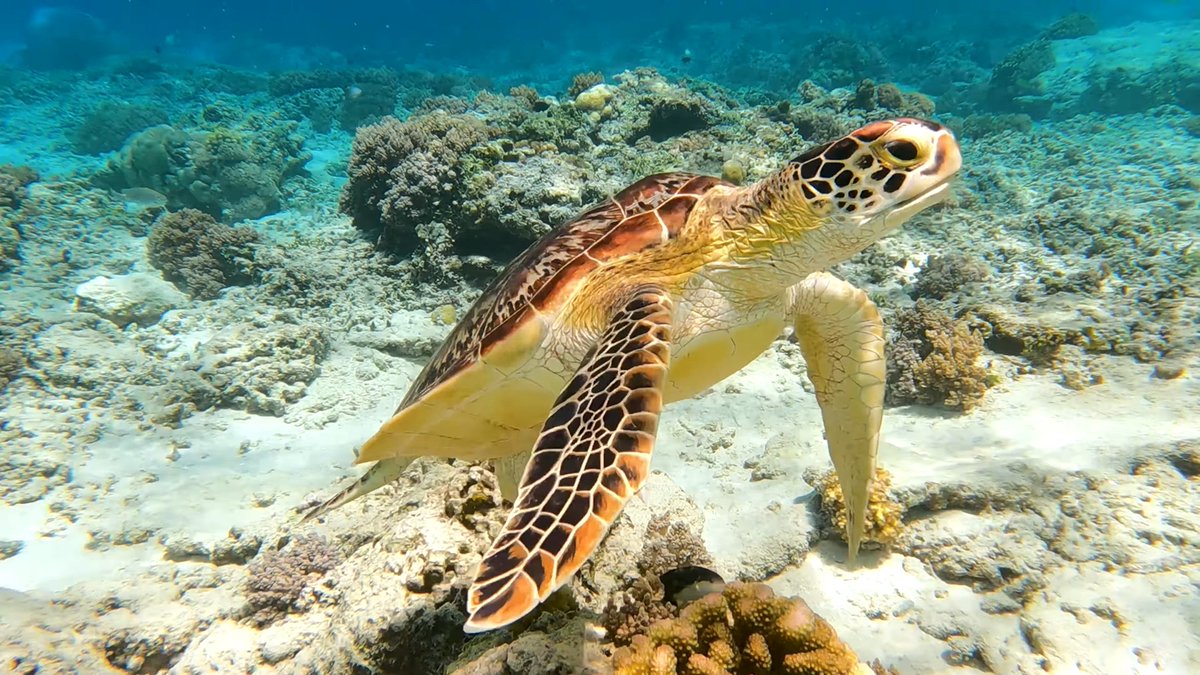
🐢🌊 To continue celebrating #WorldSeaTurtleDay, we're highlighting a study of stranded loggerhead sea turtles on the Croatian Adriatic coast.
👉 brnw.ch/21x3oeX
#WorldSeaTurtleDay #SeaTurtles #LoggerheadTurtle #MarineConservation #WildlifeResearch #OceanScience
7

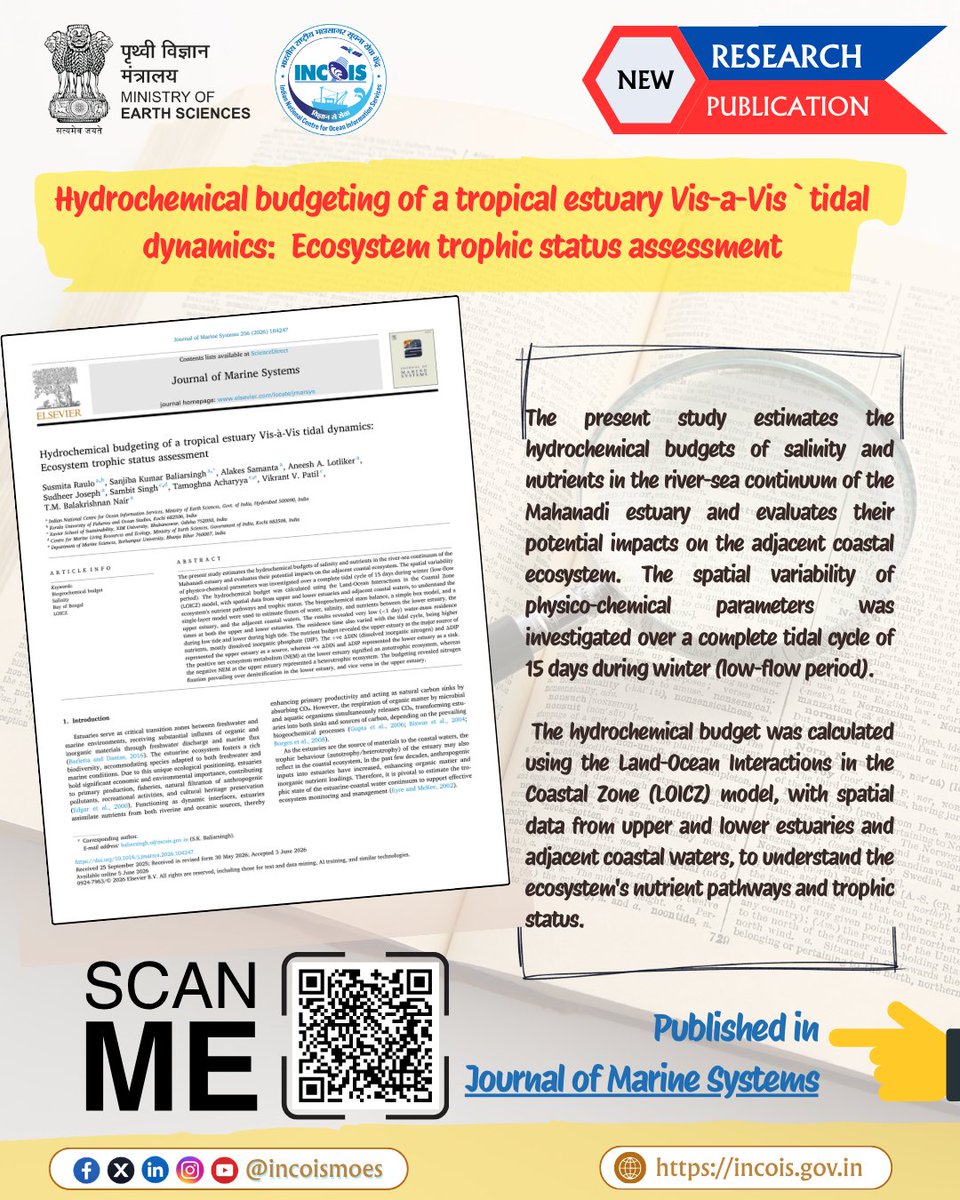
📢 New Research Publication from the Indian National Centre for Ocean Information Services (INCOIS)
We are pleased to highlight a recent research publication by Sanjiba Kumar Baliarsingh and co-authors:
🔬 Hydrochemical Budgeting of a Tropical Estuary Vis-à-Vis Tidal Dynamics: Ecosystem Trophic Status Assessment
This study provides valuable insights into the hydrochemical budgets of salinity and nutrients across the river-sea continuum of the Mahanadi estuary and evaluates their potential influence on the adjacent coastal ecosystem.
Authors:
Susmita Raulo, Sanjiba Kumar Baliarsingh, Alakes Samanta, Aneesh A. Lotliker, Sudheer Joseph, Sambit Singh, Tamoghna Acharyya, Vikrant V. Patil, and T.M. Balakrishnan Nair.
📖 Read the full article:
doi.org/10.1016/j.jmarsys.20…
@incoismoes @OceanScience @climatescience @MarineScience @MahanadiEstuary @ResearchPublication @moesgoi
1
2
82
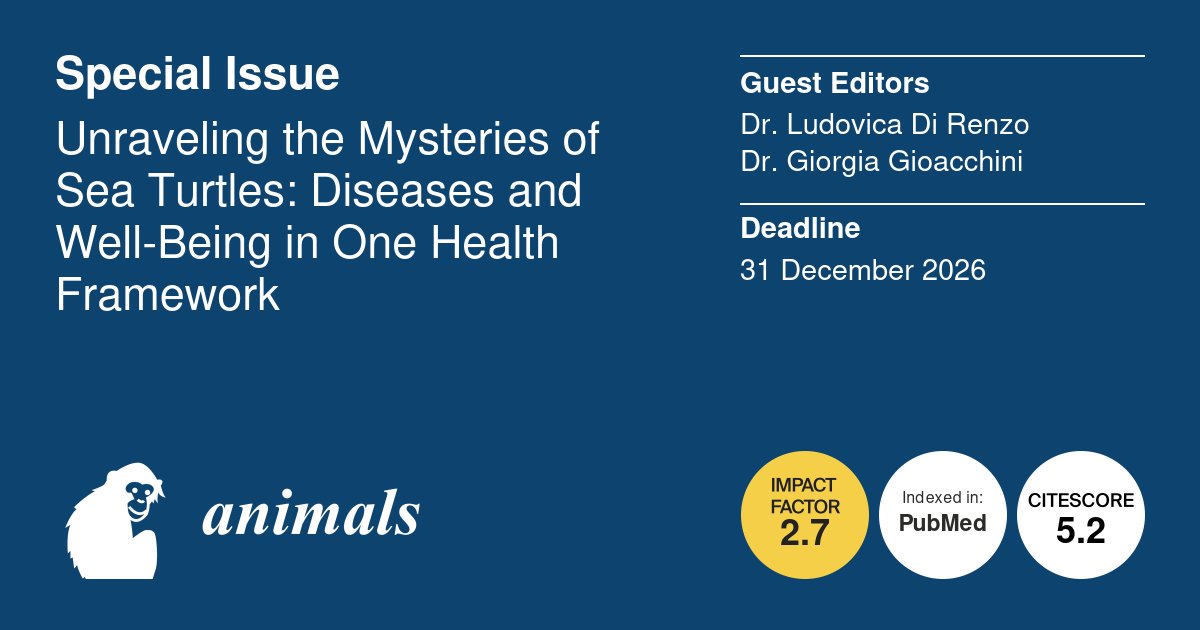
📢 Call for Papers: "Unraveling the Mysteries of Sea Turtles: Diseases and Well-Being in One Health Framework"
📅 Deadline: 31 December 2026
🔗brnw.ch/21x3nRl
#SeaTurtles #OneHealth #MarineConservation #VeterinaryScience #OceanScience #CallForPapers
1
1
21

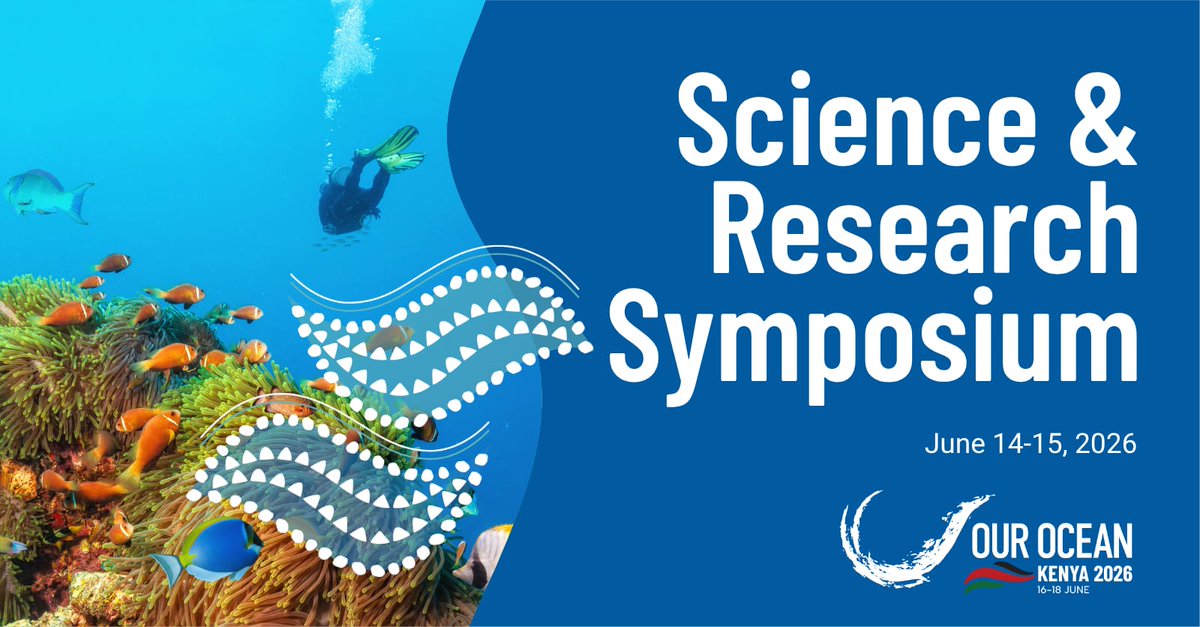
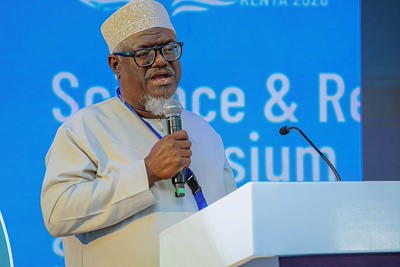
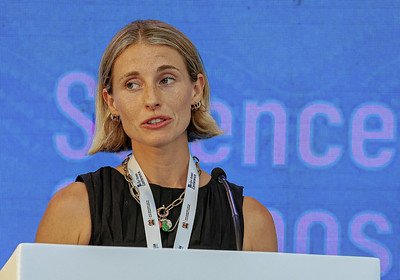
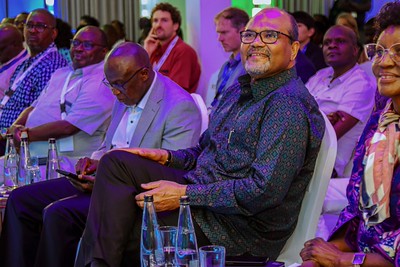
The first-ever OOC Research Symposium took place ahead of OOC11. Researchers, innovators, and policymakers will gather to advance science-based ocean governance and share findings across the six OOC Areas of Action. #OurOceanKenya #OOC11 #OceanScience
27
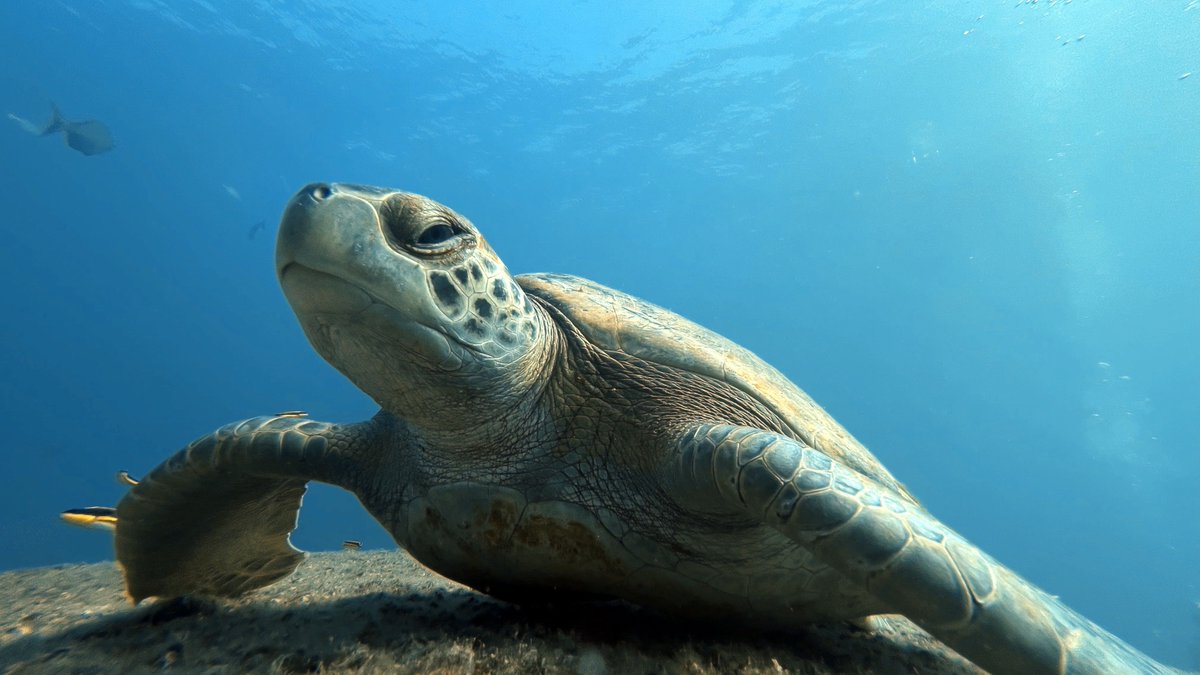
Today is #WorldSeaTurtleDay! 🐢🌊
To celebrate this day, we're highlighting a study comparing Argos and Iridium satellite tracking technologies for sea turtles conservation.
👉 brnw.ch/21x3nkX
#SeaTurtles #Conservation #OceanScience
1
1
30

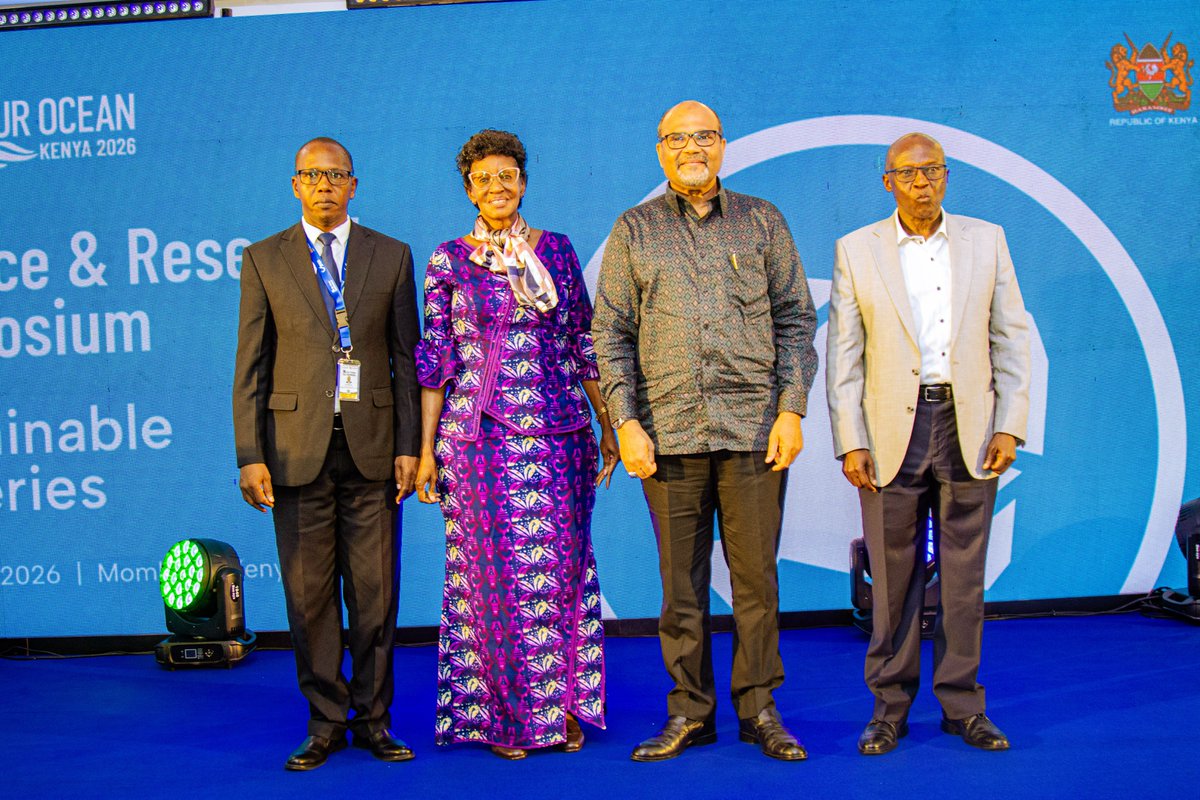
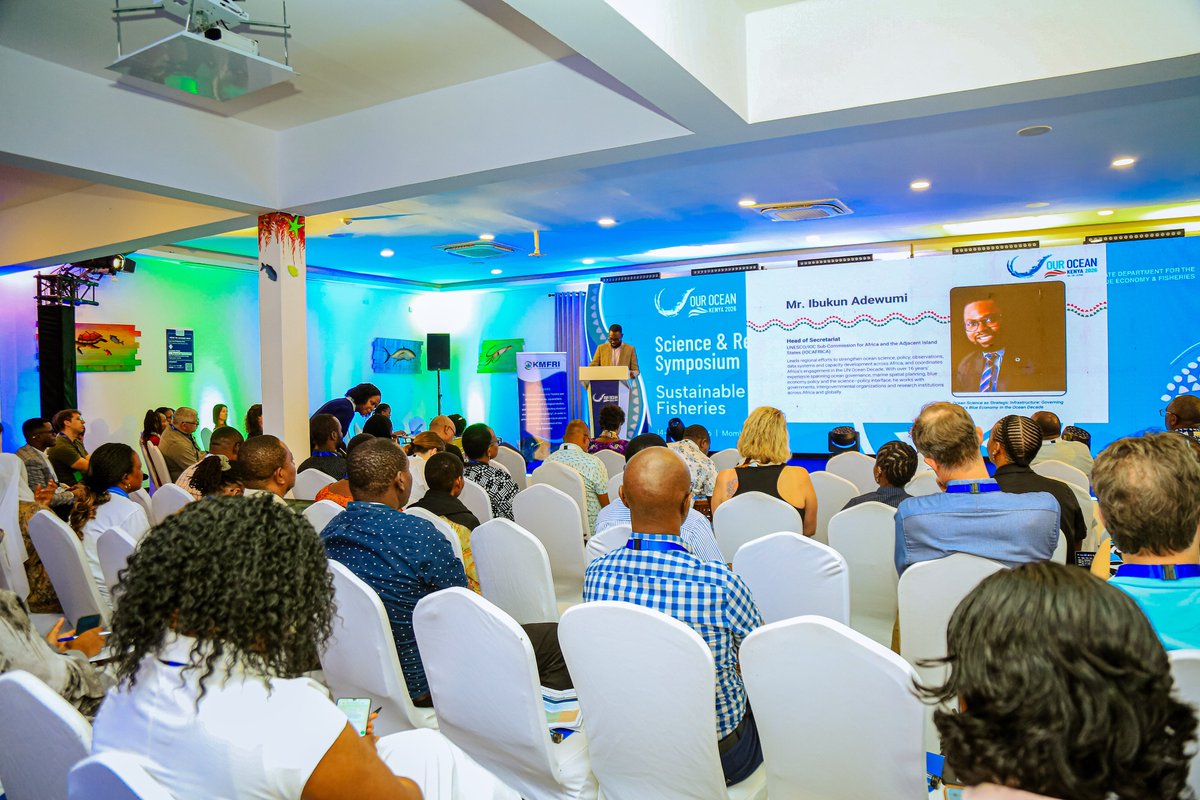
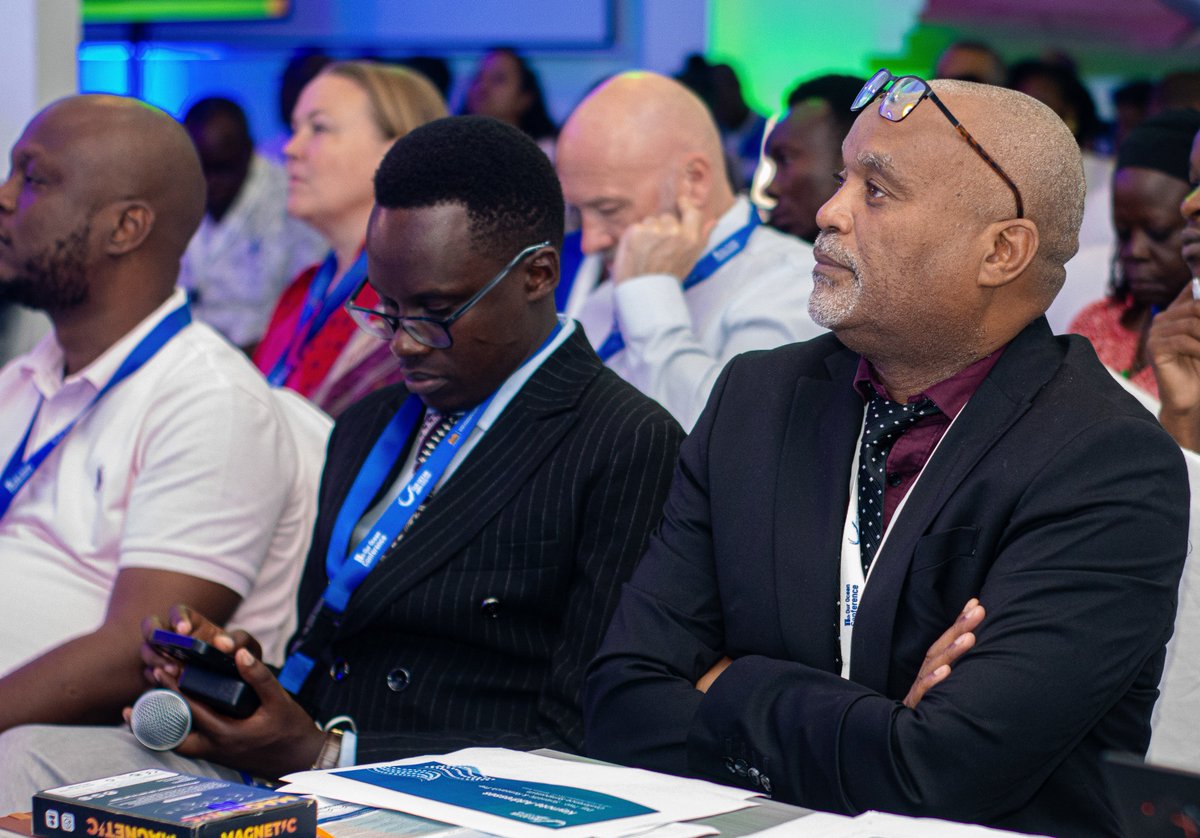
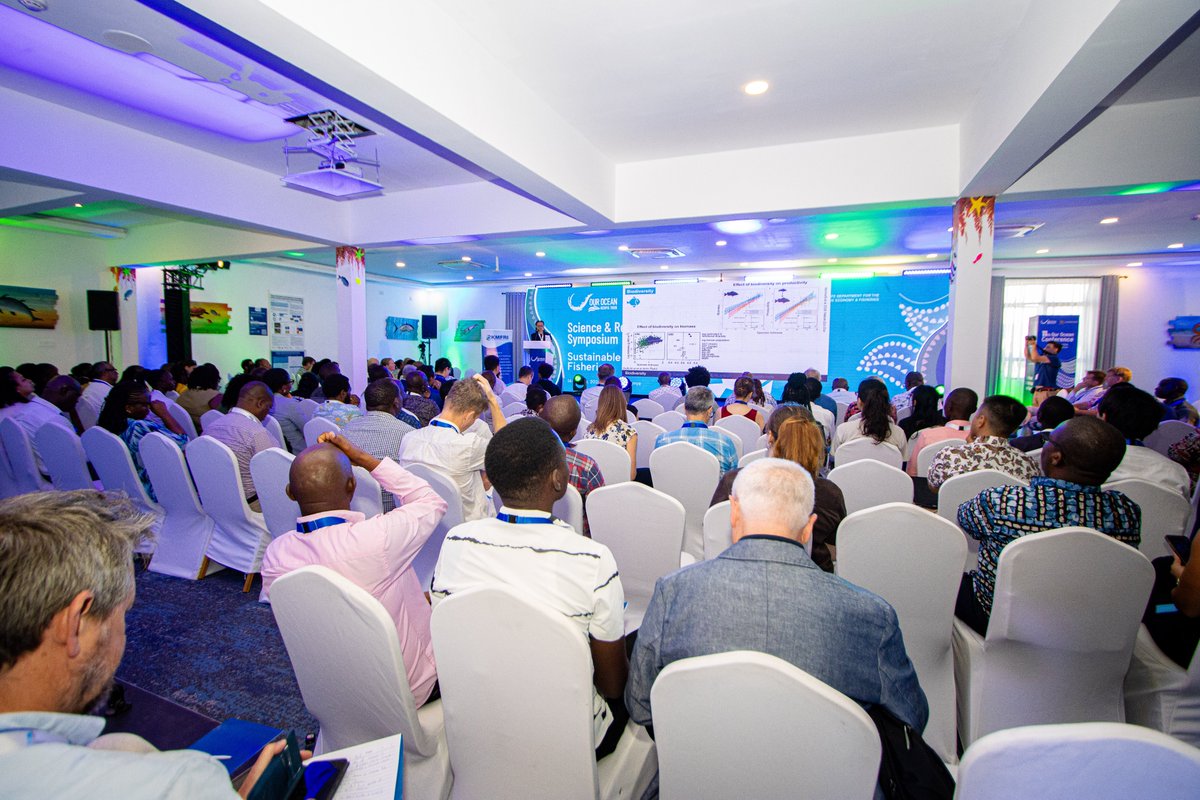
📸 The highlights from the Scientific & Research Symposium and the Business & Investment Forum in Mombasa are now captured in photos, with more to be added throughout the conference.
flickr.com/photos/ouroceanco…
📷 Photo credits: The Kenya State Department for Blue Economy and Fisheries @Blue_Economy_F
#OOC11 #OurOceanKenya #OceanScience
68
The symposium closed with a moment for the next generation. Early-career scientists who presented oral and poster research were recognised on the floor, a reminder that the future of ocean science was in the room in Mombasa this week.
Now the baton passes to the main conference. Three days. #OOC11 starts tomorrow.
#OurOceanKenya #OceanScience @KmfriResearch
1
67
Participants at the #OOC11 Scientific & Research Symposium are calling on governments, development partners, research institutions, and the private sector to act across ten areas:
1⃣ Financing ocean science infrastructure
2⃣ Strengthening science-to-policy pathways
3⃣ Aligning blue economies with conservation
4⃣ Securing coastal community rights
5⃣ Scaling blue carbon action
6⃣ Advancing equity and youth leadership
7⃣ Improving MPA effectiveness
8⃣ Harnessing technology
9⃣ Deepening regional cooperation
🔟 Closing the ocean opportunity gap by 2030.
#OOC11 #OurOceanKenya #OceanScience #30x30 @KmfriResearch
1
1
48
Participants at the Scientific & Research Symposium adopted the Mombasa Declaration on Ocean Science for Action, calling upon governments, development partners, research institutions, and the private sector to act across ten areas.
It sets out a clear case for ocean science as the foundation of governance, investment, and policy, not an afterthought.
#OOC11 #OurOceanKenya #OceanScience @KmfriResearch
1
1
73
Ocean science took centre stage at #OOC11 pre-conference events in Mombasa, Kenya.
Over two days, researchers, policymakers, and scientists convened around six thematic areas at the heart of ocean governance. The Mombasa Ocean Science Call to Action now sets the tone as the main conference opens tomorrow.
#OurOceanKenya #OceanScience
1
5
229

کیا آپ تصور کر سکتے ہیں کہ ایک زلزلہ سمندر کی شکل ہی بدل دے
#Earthquake #OceanScience #Geology #NaturalDisasters #Science
17
🐾 𝗪𝗶𝗹𝗱 𝗣𝗶𝘅𝗲𝗹 𝗔𝗻𝗶𝗺𝗮𝗹 🐾 retweeted

The Incredible Ecosystem of the Deep Ocean 🐟🪸
Hashtags: #MarineEcosystem #OceanScience #SaveOurOceans #UnderwaterHabitat #FishLife #NatureFacts
1
3
4

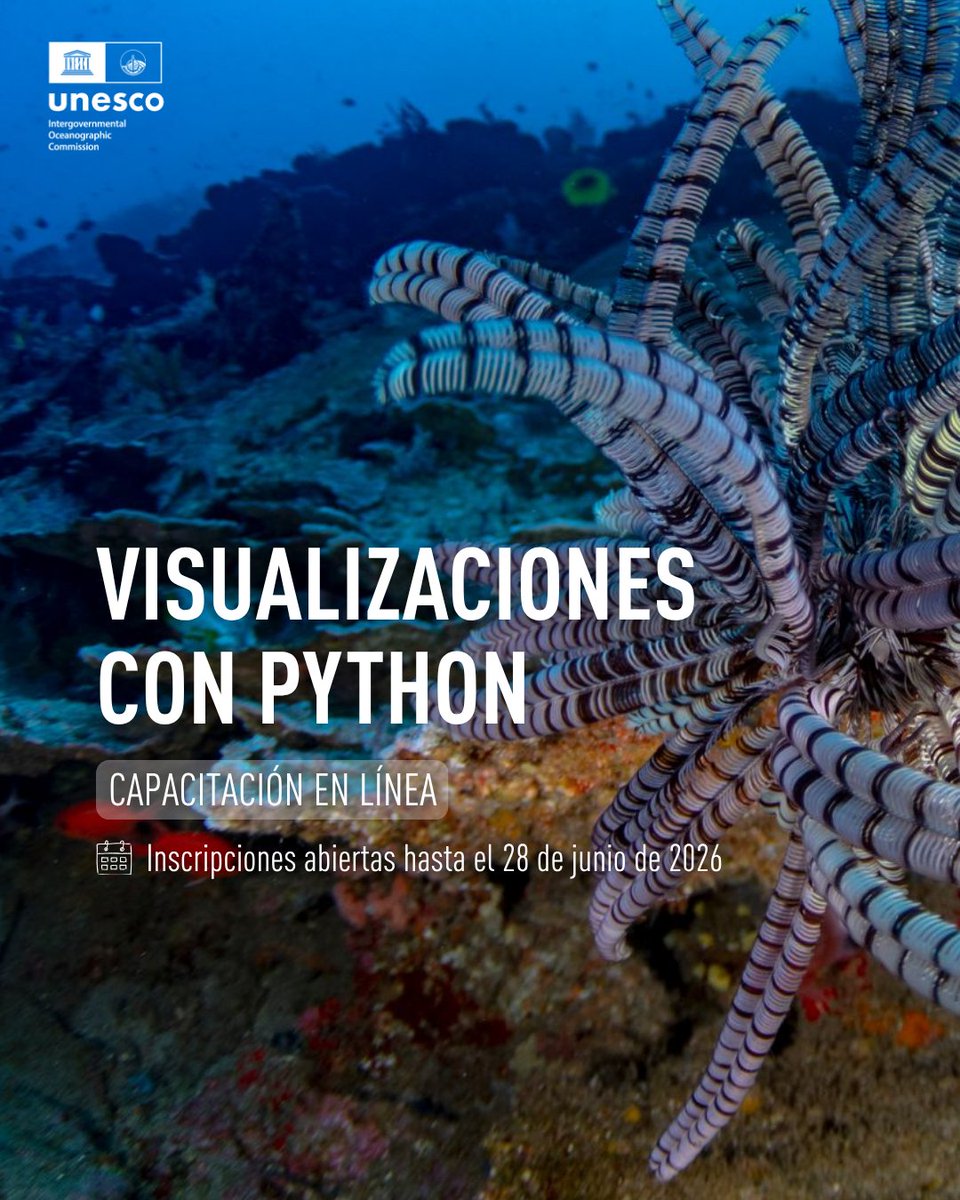
📢 ¡Nuevo curso en línea!
Están abiertas las inscripciones para el curso de Visualizaciones con Python.
🌎 Idioma de instrucción: Español
🔗 Más información: oceanexpert.org/event/5039
📅 Inscripciones abiertas hasta el 28 de junio de 2026
#OceanScience #OceanAction
📷 Kogia
2
143

Jun 15
🌊A project led by Professor YE Guanqiong from #ZJU's Ocean College has been endorsed as a #UN Decade of Ocean Science for Sustainable Development (2021–30) by #UNESCO's Intergovernmental Oceanographic Commission. The initiative, Tipping Points in Deltas and Protected Areas, is now part of the core Mega-Delta program.
🌏This marks the first time ZJU's Ocean College has led a UN #OceanDecade action — advancing international collaboration for a more sustainable ocean future.
Photo: 浙江大学海洋学院
#ZJUresearch #ZJUinnovation #OceanScience #MarineResearch #Z4G #SDGs
@UN @UNESCO @ODICCPlatform @UNOceanDecade
5
305

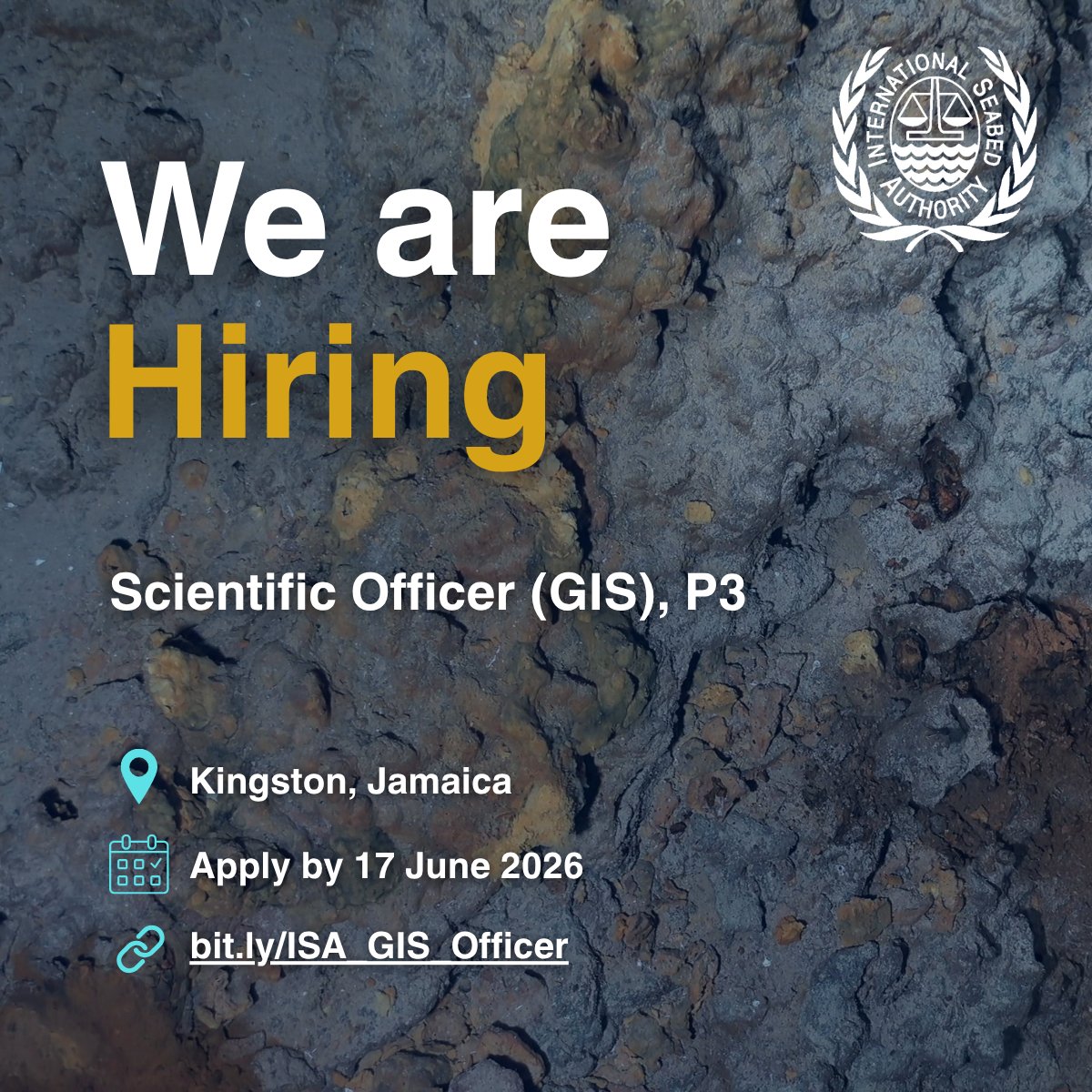
📢 Last days to apply! @ISBAHQ is looking for a Scientific Officer (GIS) to join the Office of Stewardship, Environment and Resources in Kingston, #Jamaica.
Hurry up – the deadline to apply is 17 June!
🔗 Click here: bit.ly/ISA_GIS_Officer
#Hiring #UNJobs #OceanScience
3
2
148

Jun 15
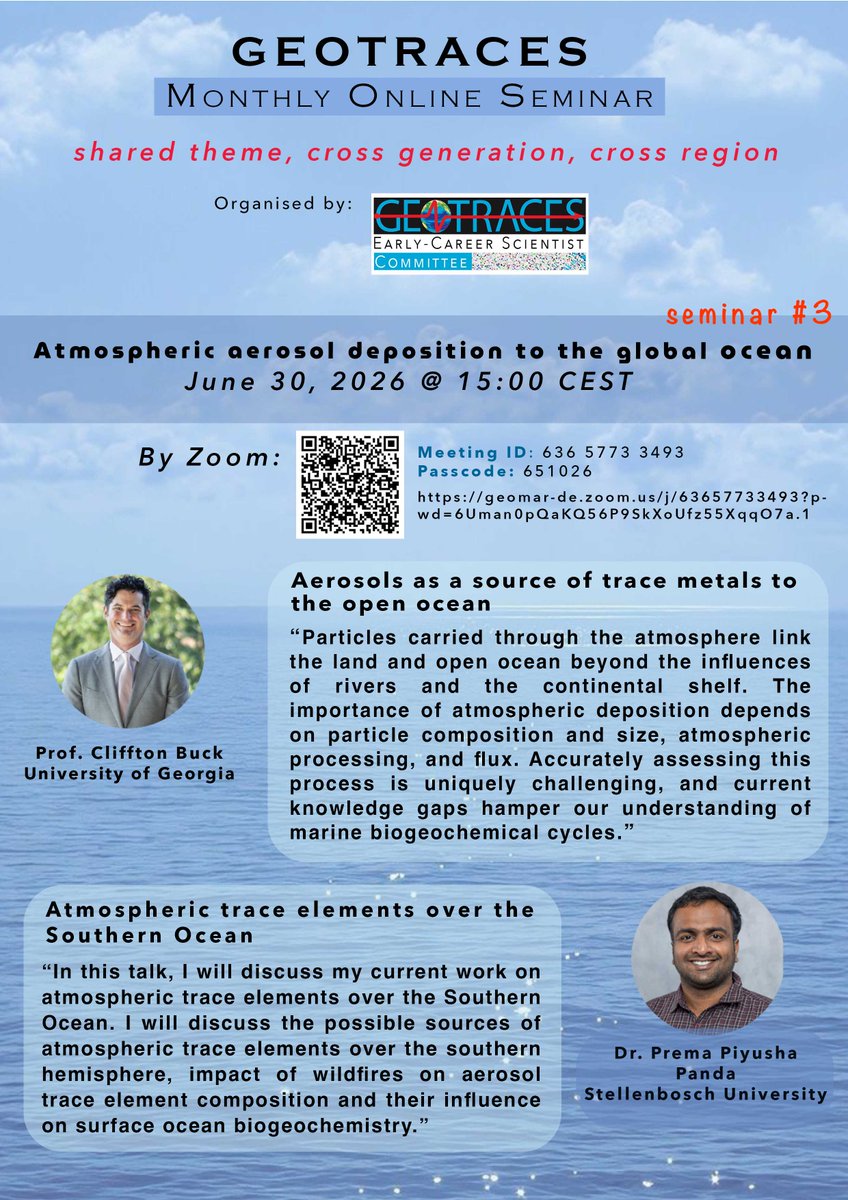
🌊Don't miss it!
GEOTRACES Online Seminar #3
30 June 15h CEST
Atmospheric aerosol deposition to the global ocean
By Clifton Buck (University of Georgia) & Prema Piyusha Panda (Stellenbosch University)
Moderator: Dr. Tal Benaltabet (ETH Zurich)
#OceanScience #EarlyCareer
2
2
67

A “cold blob” in the Atlantic may signal an AMOC slowdown. If the Atlantic weakens, expect shifts in climate patterns and potential regional impacts. Stay informed and watch for broader ocean circulation trends. #ClimateChange #AMOC #OceanScience
17

Jun 15
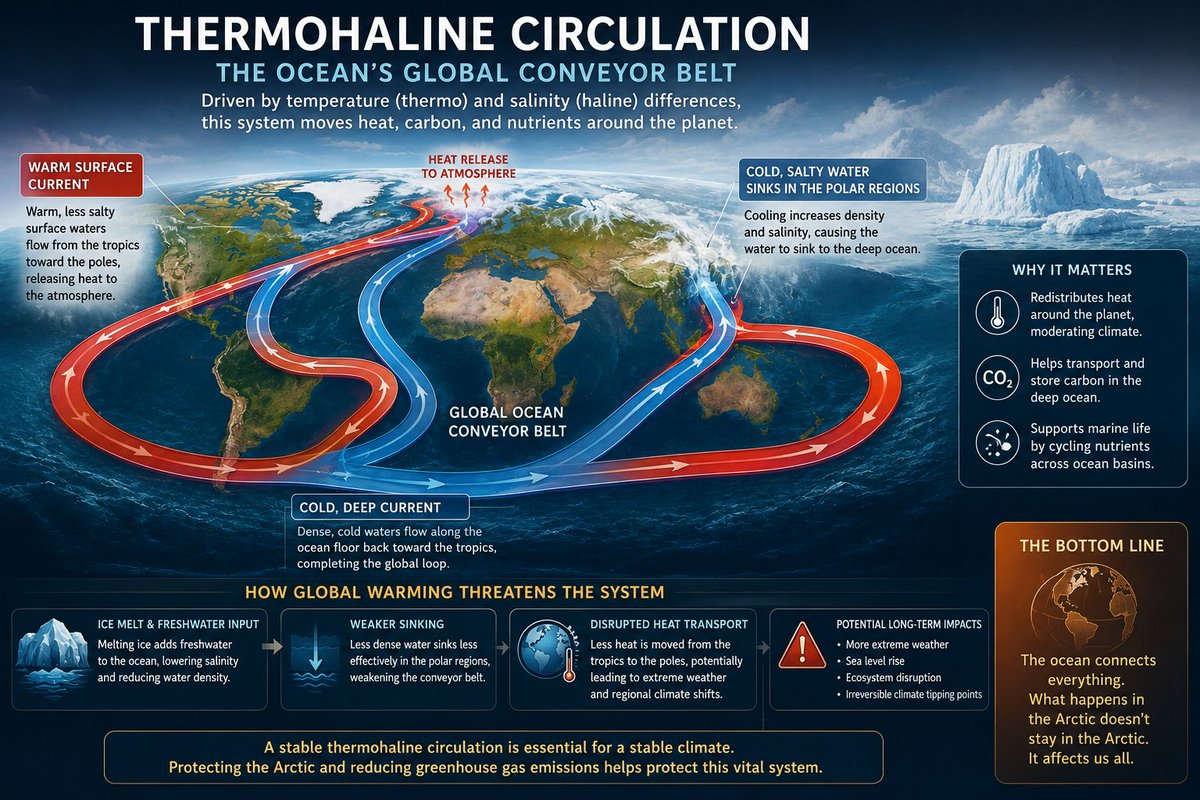
The Arctic Is Not Just Melting. It Is Changing How the Planet Works.
When most people think about Arctic ice, they picture distant glaciers, polar bears, and frozen landscapes.
But Arctic sea ice is far more important than that.
It functions as one of Earth's great climate regulators.
Sea ice acts like a giant reflective shield, bouncing sunlight back into space. Scientists call this the albedo effect. Bright ice reflects energy, while dark ocean water absorbs it. As ice disappears, more heat is absorbed, leading to even more melting in a self-reinforcing cycle.
The Arctic is now warming approximately two to three times faster than the global average—a phenomenon known as Arctic amplification. Satellite observations spanning more than four decades reveal a persistent decline in sea ice extent, particularly during late summer.
The changes extend beyond temperature.
When sea ice forms, it expels salt into surrounding waters, creating dense water that sinks and helps drive thermohaline circulation—the global ocean conveyor belt that redistributes heat around the planet. As ice melts, freshwater enters the ocean, potentially weakening these circulation systems.
What happens in the Arctic does not stay in the Arctic.
Changes in sea ice influence climate systems, ocean currents, and weather patterns worldwide. The Arctic is connected to every continent through a complex network of atmospheric and oceanic relationships.
The lesson is an important one.
Climate change is not simply about rising temperatures. It is about the disruption of interconnected systems that maintain planetary balance.
The Arctic reminds us that understanding climate requires systems thinking as much as environmental science.
#ClimateChange #Arctic #SeaIce #ClimateScience #SystemsThinking #OceanCirculation #ThermohalineCirculation #ArcticAmplification #EarthSystem #GlobalWarming #EnvironmentalScience #Sustainability #ClimateEducation #OceanScience #Biodiversity
17

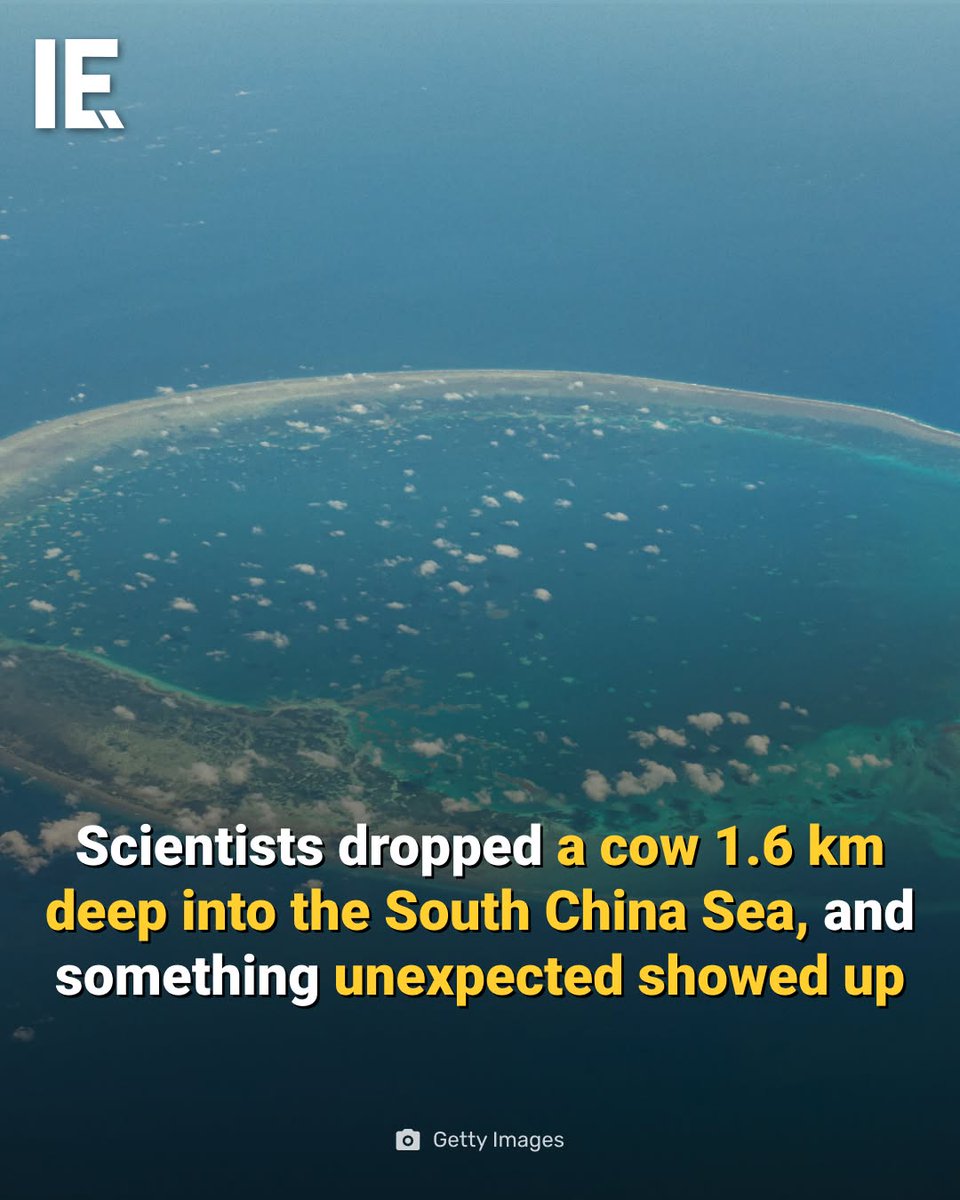
In an experiment simulating a “whale fall,” scientists lowered a cow carcass 1,629 meters into the South China Sea, and within hours, it attracted eight rare deep-sea sharks never recorded there before.
The carcass acted like a sudden energy hotspot in an otherwise food-scarce environment, drawing in predators and scavengers from across the deep. Researchers say it revealed how even a single food source can trigger an entire deep-sea feeding network, offering rare insight into life in one of Earth’s least explored ecosystems.
#DeepSea #MarineBiology #OceanScience
5
16
2,380

Seismic events drive pollution in Japan Trench hadal basins
nature.com/articles/s43247-0…
@CommsEarth #OA #OpenAccess paper by Piero Bellanova et al.
@rwth
#DeepSea #OceanScience #Pollution #Earthquakes #JapanTrench #Geoscience #EnvironmentalScience #MarineResearch
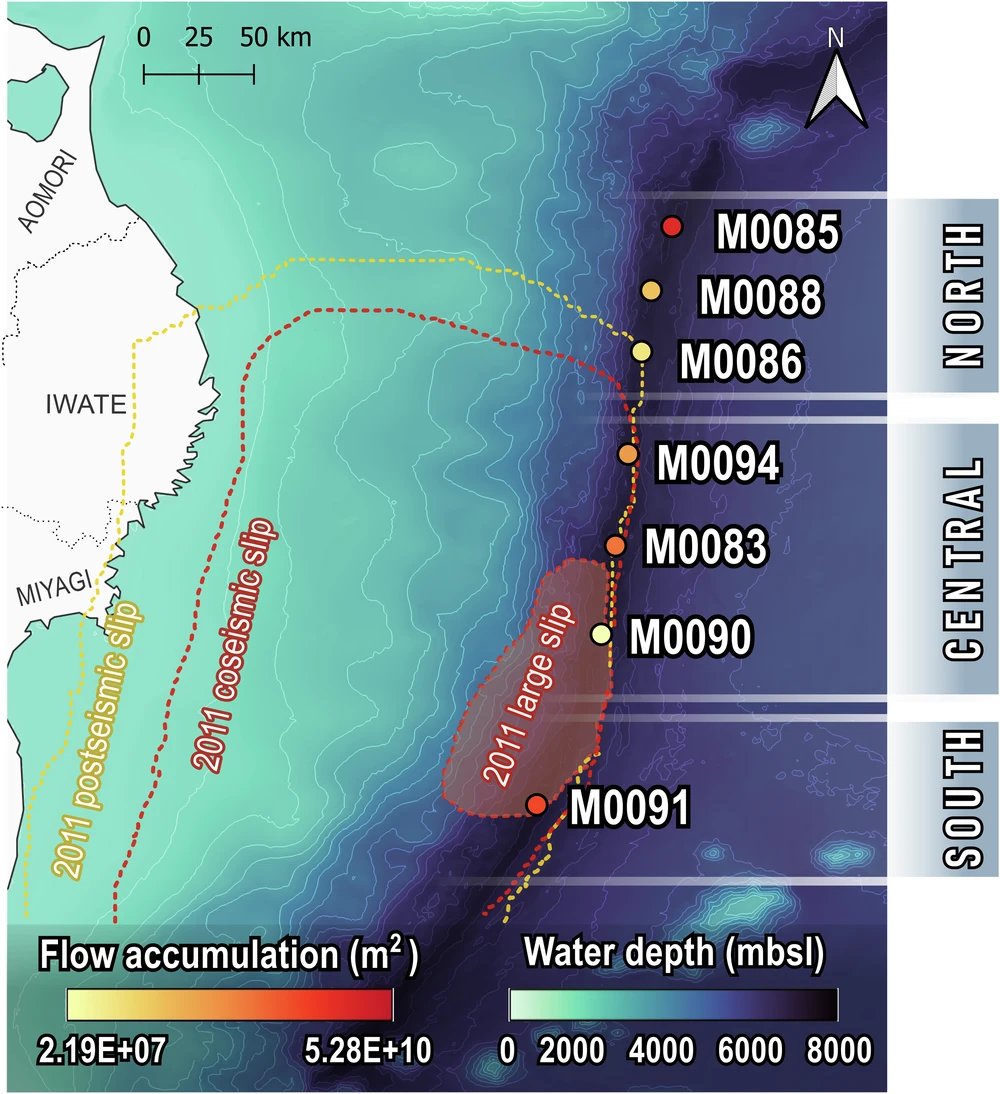
ALT Fig. 1: Japan Trench sampling overview.

Seismic events drive pollution in Japan Trench hadal basins dlvr.it/TS3PVH
191