
SO REVEREND @WellsJorda89710 let’s talk about DEI..
A huge red flag is a misspelled campaign statement and Byron smiling and after autographing the poster.
Unbelievable.
BYRON IS A DEI HIRE KAMALA another Quality Learing Center undergraduate.. Byron can’t attend his Optima Academy charter school because he defrauded that out of millions
6
AMANDÆL𐊌𐊌𐊌❤️🔥🔥❤️🔥 retweeted

21 Nov 2025
Psychopathic Optima
Will get us there, with
Optimus and... OPTIMISM
ok you know what none of those words make sense anymore, I quit 😈🖕🏼😂
1
2
26


♡Ayaka◞ꕤ◜ retweeted

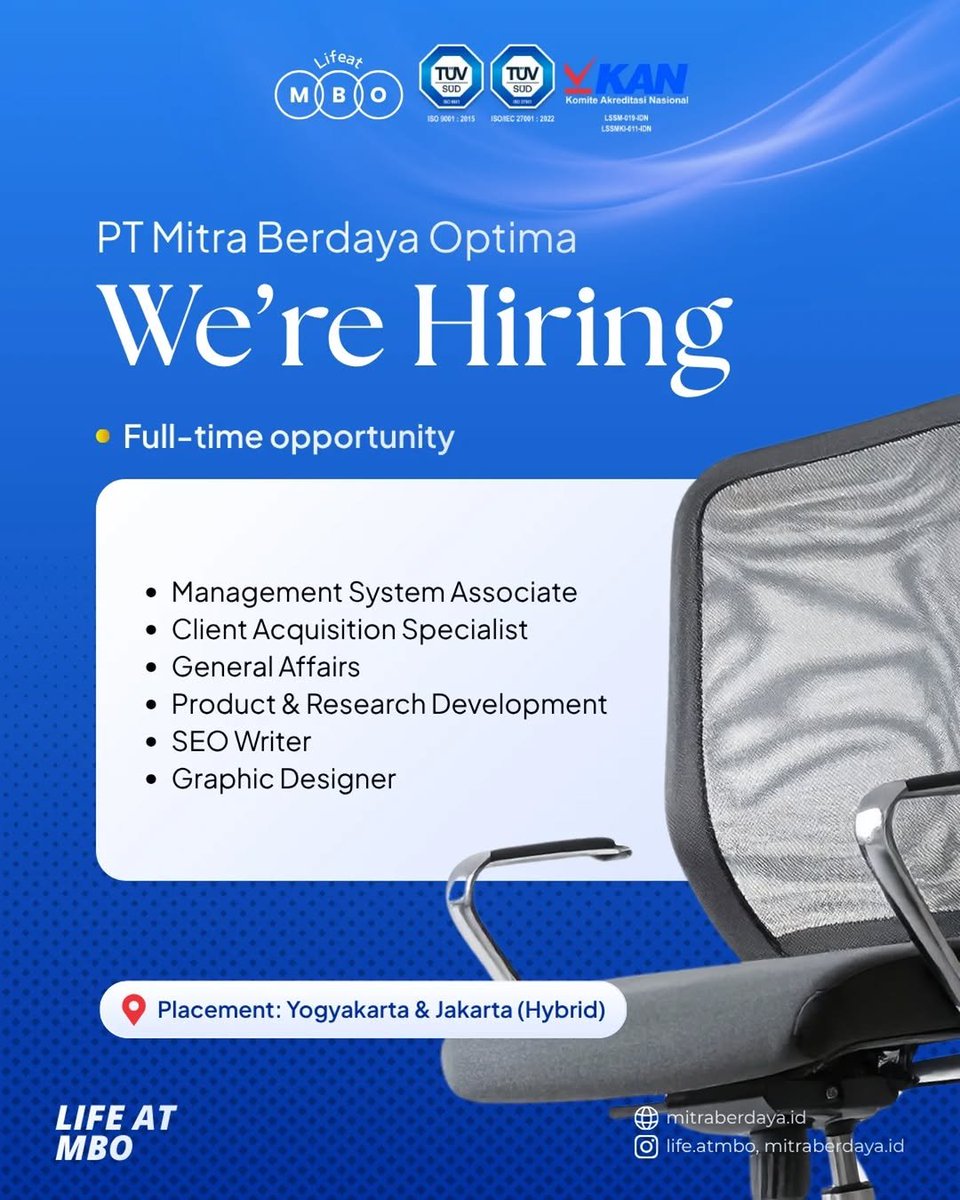
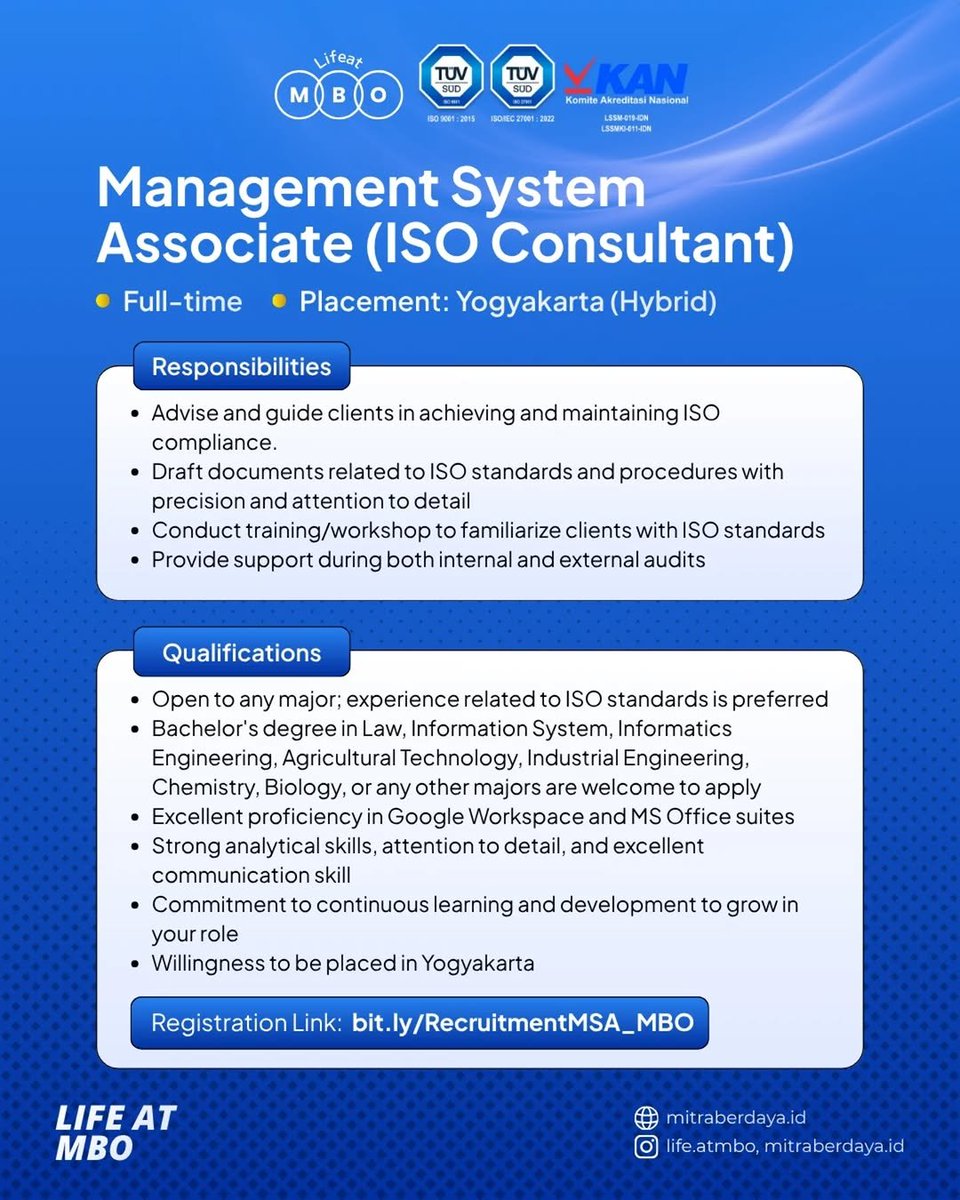
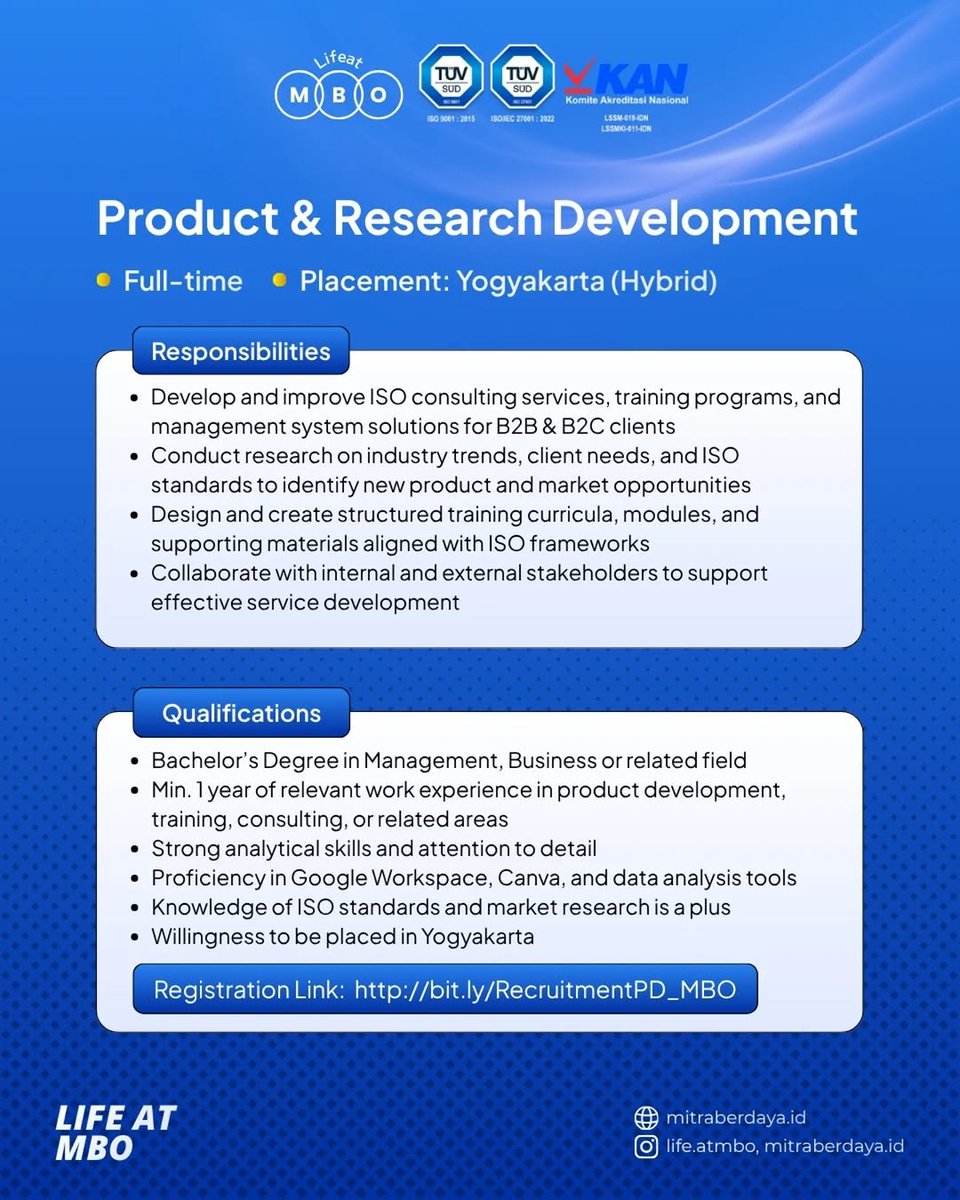
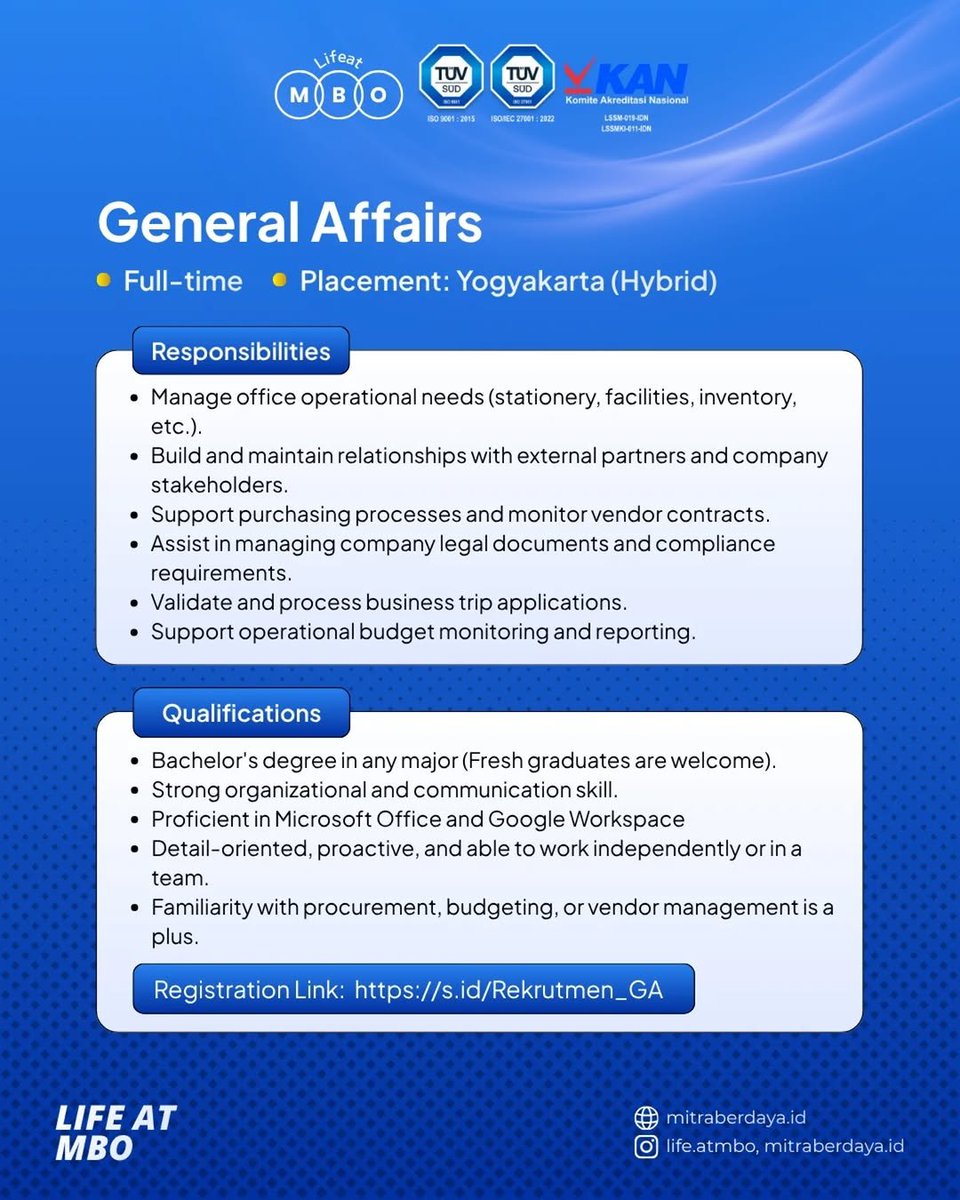
📢Info lowongan kerja (loker)
Mitra Berdaya Optima
🧑💻Management System Associate, Client Acquisition Specialist, General Affairs, Product & Research Development, Seo Writer, Graphic Designer
📍Hybrid - Yogyakarta & Jakarta
🔗mitraberdaya.id/en/career / link diposter
#disiniloker
1
1
20
1,377

After having recently graduated from the “Darnell spelling Academy” and while often professing his passion for educational excellence, and after having successfully laundered millions of dollars of taxpayer money through his Optima Charter School grift, Byron Donalds now aspires to becoming Florida’s next governor!

81

E ainda por cima eles tem uma optima selecção feminina
1
13

Exactly why we are on our 5th Kia! The warranties are unmatched!! All leased, and two purchased 197000 miles on the Optima before purchasing another. 👍

This is one of the BIGGEST SCAMS, and no one talks about it. You buy a truck, but you're not allowed to fix it because "You could get hurt?" So instead, they force you to bring it in so they can "fix" it, which is 10 times more expensive than if you did it yourself. @Ford
19

Get an Optima battery to replace the OEM one. Problem solved in a big way lol
255

Optima Teknik Servis'ten işitme cihazları için kapsamlı destek trabzonhabermerkezi.com/habe…
7

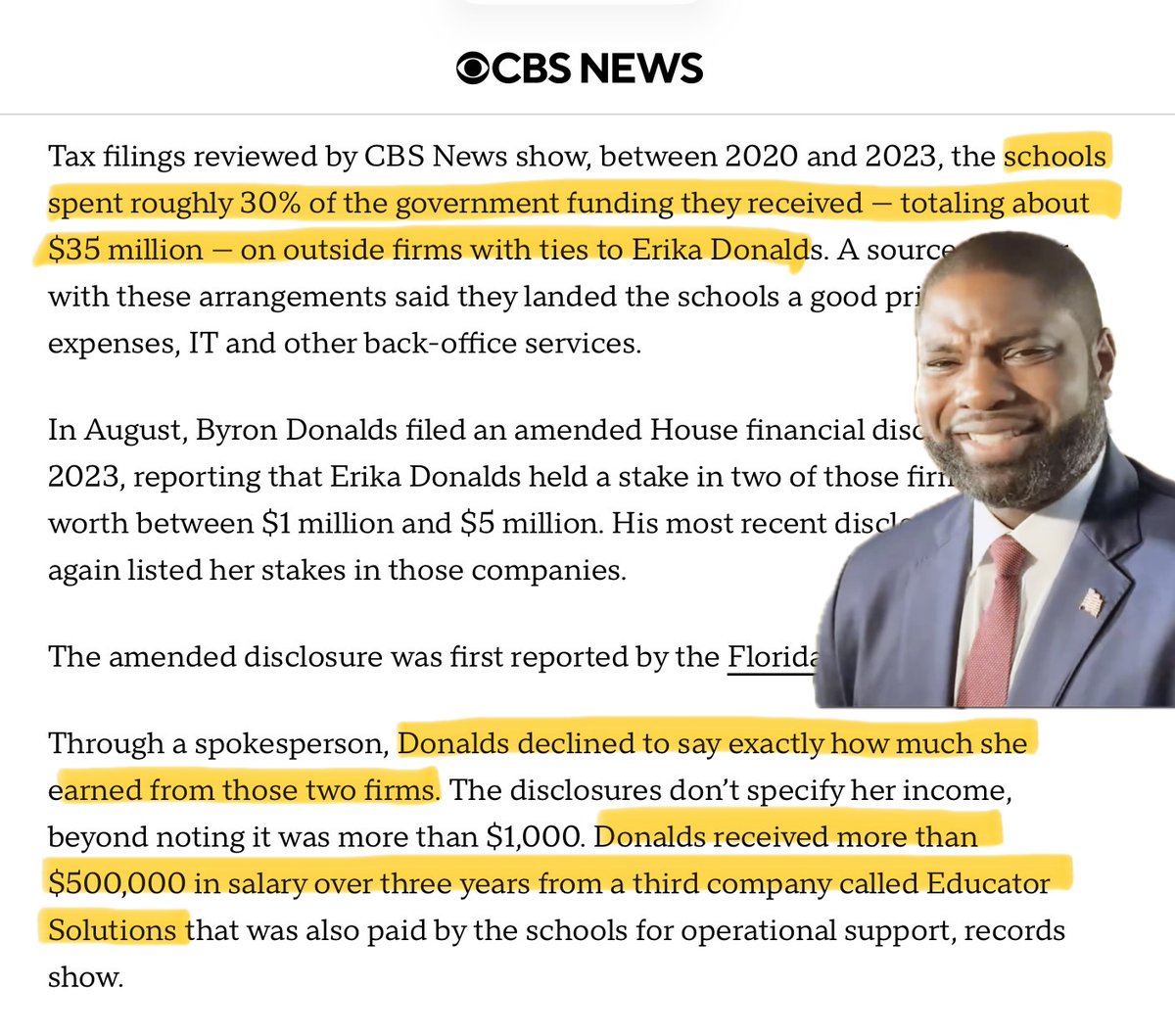
The “First Family of Educational Freedom” sounds like freed up a lot of scammed $$ from #OptimaAcademy then left the mess for someone else to clean up. #ByronDonalds and #EducationFraudErika and Optima is #1 in the Democrat Opposition File. #NeverByron
19

Those of you in Tema…. Just opposite starbites Tema C8.
Since 2025, some guy park white Optima 2015/2016 dey claim 180k for price.
We Dey June 2026.
We wait to see the buyer
1
97


England kick off their World Cup 2026 campaign this Wednesday evening against Croatia, and you can catch all the action in The Optima Stadium Clubhouse 🏟️
We are offering 25% off all draught drinks between 8PM - 9PM for England's first group game this summer 🍻

404

Everyone selling the “own your learning loop” vision has one contradiction they never name.
The pitch goes: a few frontier models are eating everyone’s expertise and commoditizing it, so every firm must build its own loop - capture your people’s tacit judgment, run RL on real internal traces, encode the “company veteran” into a system you own and can swap models under. Build the moat. Compound the advantage. First movers win.
Read that again. The mechanism you’re prescribing inside the firm is the exact extraction you’re condemning between the labs and everyone else. Just pointed inward.
When a frontier model absorbs the open web’s expertise and sells it back, that’s commoditization and the political economy “won’t tolerate it.” When your platform absorbs your engineers’ and analysts’ judgment, makes it “replicable and scalable,” and books it as an asset the firm owns and the human doesn’t - that’s empowerment. Same move. Different beneficiary.
“You can offload a task but never your learning.” Whose learning? The entire point of the loop is to externalize the individual’s learning into the firm’s token capital. That line comforts the asset owner, not the person being mined.
And “human capital only becomes MORE valuable” is asserted, never argued - against the grain of the very mechanism. If the loop really captures the veteran well enough that you can hot-swap the model beneath it, then by that same logic it captures the veteran well enough to depend on them less over time. You can’t promise both perfect encoding and permanent indispensability.
This isn’t a “stable equilibrium.” Cumulative advantage, hard-to-replicate moats, first-mover lock-in - those are divergent dynamics. They concentrate. A genuinely distributed outcome would require forces pushing AGAINST the loop you’re celebrating: open weights, interoperability, regulation, portability you can actually verify. Calling the concentrating thing “stable” is the tell.
One more: the metaphor is a hill-climbing machine. Hill climbing is famous for getting stuck in local optima. A system trained on its own traces risks laundering yesterday’s judgment into tomorrow’s ground truth - and the better your moat, the harder it is to climb back out of confident-but-wrong. Compounding isn’t monotonically good.
I’m not against firms owning their IP. I’m against a vision that borrows anti-concentration moral language to sell a concentration tool, and never explains why the extraction is villainous one layer up and virtuous one layer down.
1
16
1,603
