
19 Oct 2023
More Uranium and Nuclear Nibbles
▪️ Westinghouse Returns to US BWR Fuel Market with Utility Deal
▪️ Bruce Power Explores Advanced Nuclear Options for Ontario
▪️ IAEA Commends Progress in Germany's Nuclear Safety Regulation
▪️ Brussels Conference Addresses European Nuclear Fuel Security
Westinghouse has agreed to supply advanced nuclear fuel to a major US boiling water reactor operator, re-entering the American BWR fuel market. Under the contract, Westinghouse will provide its Triton11 fuel design touted for performance and efficiency. This restarts BWR fuel partnerships after Westinghouse last supplied its Optima2 fuel in 2016. Westinghouse will establish Triton11 manufacturing capabilities at its South Carolina fuel plant for future US deliveries. The deal builds on previous boiling water reactor fuel supply and engineering cooperation. Westinghouse offers decades of experience in BWR technology. The contract represents a strategic opportunity to increase Westinghouse's share in the US BWR fuel segment. Providing enhanced fuel will support safe, reliable generation at BWR nuclear plants.
Canadian nuclear operator Bruce Power has launched an expression of interest process to evaluate advanced nuclear technologies. This could support Ontario's plan to add up to 4,800 MW of new nuclear capacity at Bruce Power's site. The move will allow nuclear vendors to propose technologies for potential expansion of the Bruce station. It will help Bruce Power and partners assess various nuclear options to meet rising electricity demand and decarbonization in Ontario. Bruce Power runs the Bruce Nuclear Generating Station, Canada's largest operating nuclear plant. Expanding Bruce could boost clean power and economic growth in Ontario. The expression of interest enables engagement with the global nuclear industry on the latest technologies. Assessing innovations in reactor design, construction and operation will inform decisions on future nuclear growth in the province.
The International Atomic Energy Agency has praised Germany for implementing recommendations from a 2019 review of its nuclear and radiological safety regulation. Germany addressed all six proposals and 23 of 25 suggestions made. Improvements include new competence building and talent strategies, strengthened emergency preparedness, and aligning regulation with IAEA standards. The IAEA advised completing integrated management systems in some states and revising disposal facility requirements. Germany is phasing out nuclear power after the last three of 36 reactors shut down this year. The IAEA said the progress shows Germany's commitment to continuous safety improvement during the phase-out. Implementation of the 2019 mission's advice increases protection for people and the environment. The review process helps members enhance regulatory frameworks and practices.
An upcoming conference in Brussels will examine Europe's nuclear fuel needs given rising geopolitical tensions. Organized by the European Nuclear Society and Euratom Supply Agency, it will feature the ESA's 2022 nuclear fuel report. Industry experts from Urenco, Enusa and Orano will discuss uranium, conversion, enrichment, isotopes and fabrication. With dependence on Russian suppliers, fuel security is critical for Europe. Speakers will provide perspectives on securing services across the nuclear fuel cycle. The COVID-19 pandemic and Russia's invasion of Ukraine have increased focus on stable fuel supplies. As geopolitics remain unstable, Europe is looking to boost fuel sovereignty. The conference will enable key fuel chain stakeholders to engage on minimising supply chain risks. A resilient European fuel cycle is essential to nuclear fleet reliability.
@CruxInvestor #uranium
2
12
1,810

4 Jun 2021
👀 @AriRosenbergMD summarizing the @UCCancerCenter #HPV #HNCSM de-escalation strategy at #ASCO21. #OPTIMA2 paradigm includes chemoIO induction response adapted cis-RT treatment option, including in high risk (nodes, smoking) patients, still 2yr PFS > 90%. 👅🦀⚡📈. See thread:
4 Jun 2021

Grateful for the opportunity to present our OPTIMA II trial: Induction chemoIO followed by risk/response adaptive de-escalated treatment for HPV #headandneckcancer #hncsm @UCCancerCenter @lab_pearson @HNCtrials @EAB_ENT @EIzumchenko @ajuloorimd @eevokes #ASCO21
2
5

20 May 2021
- #6011 - OPTIMA2 - locoregionally advanced HPV #opscc --> nivo/nab-taxol/carbo --> response adapted definitive therapy --> excellent outcomes (2yr PFS 90% overall); return of induction therapy? @AriRosenbergMD
3
3
8

23 Mar 2021
Qui parmi vous est en #teletravail ?
Pour rendre son espace de travail agréable, il est important de bien isoler son #logement et de se protéger de l'éblouissement (pour les écrans)
Nous vous conseillons par exemple les stores à Optima2 @Franciaflex : buff.ly/3w2bLdE

1
1 Mar 2020
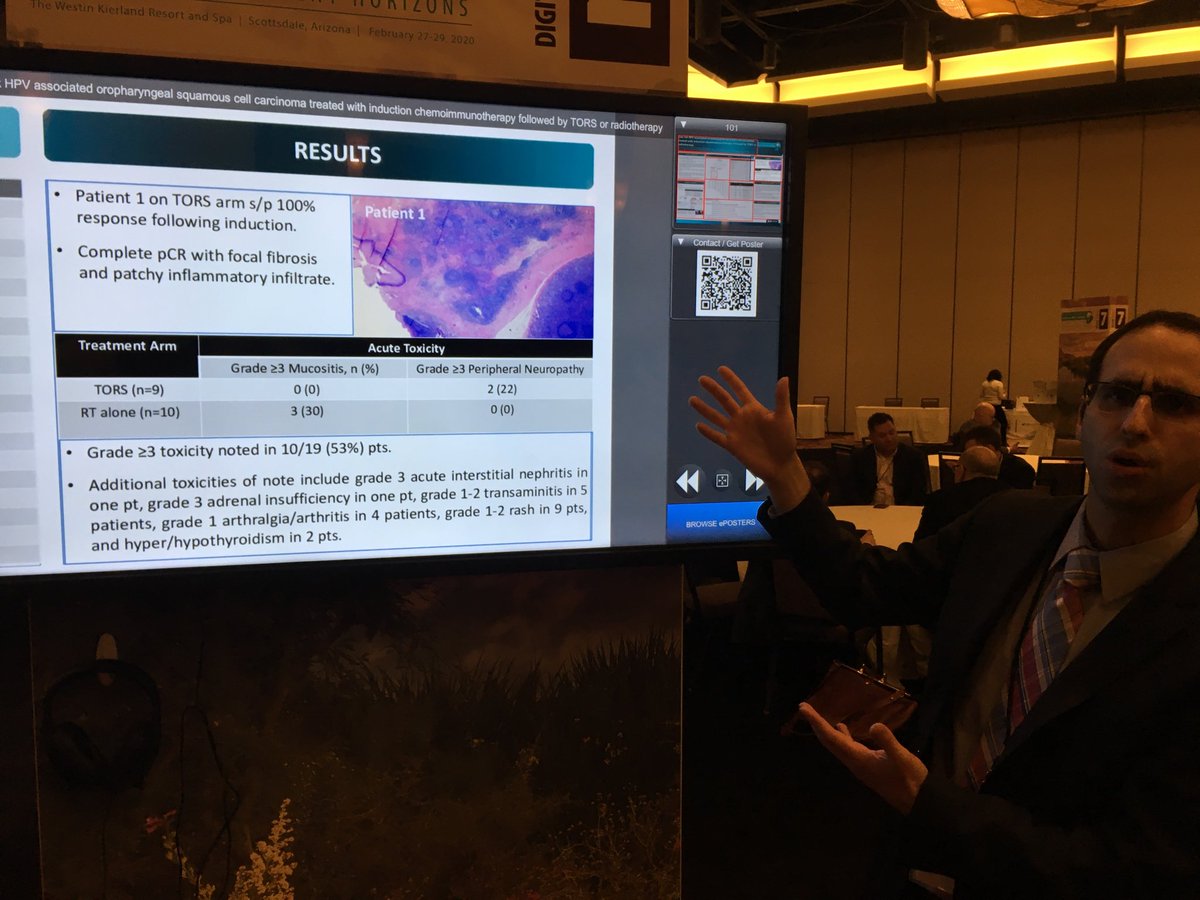
Induction Chemo/IO ➡️ #TORS for favorable risk locally advanced HPV OP HNSCC #hnscm #OPTIMA2 trial from @AriRosenbergMD. Super results including 60% pathCR at surgery 👍🏻, great g-tube and swallow function. Check out abstract 101 here: headandnecksymposium.org/Hea…
#HNCS20
29 Feb 2020
Exciting multiD conference, and honored to share early results of our institutional @UChicagoMed @UCCancerCenter Optima 2 de-escalation trial: Induction chemoimmunotherapy followed by TORS or RT alone #HNCS20
3
17 Oct 2019
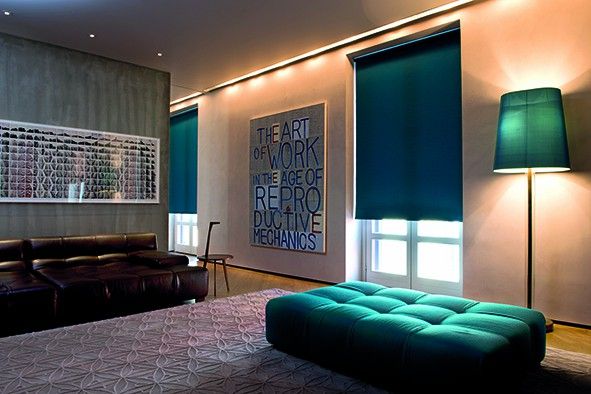
🔥 ON ENROULE ET ON RECHAUFFE 🔥
@Franciaflex a imaginé Optima2 : Un store à enroulement, alternant entre bandes transparentes et bandes obscurcissantes, de quoi doser la lumière et apporter une note forte à votre décoration !
Video : buff.ly/2mF9k1z
#renovation
1

9 Oct 2019
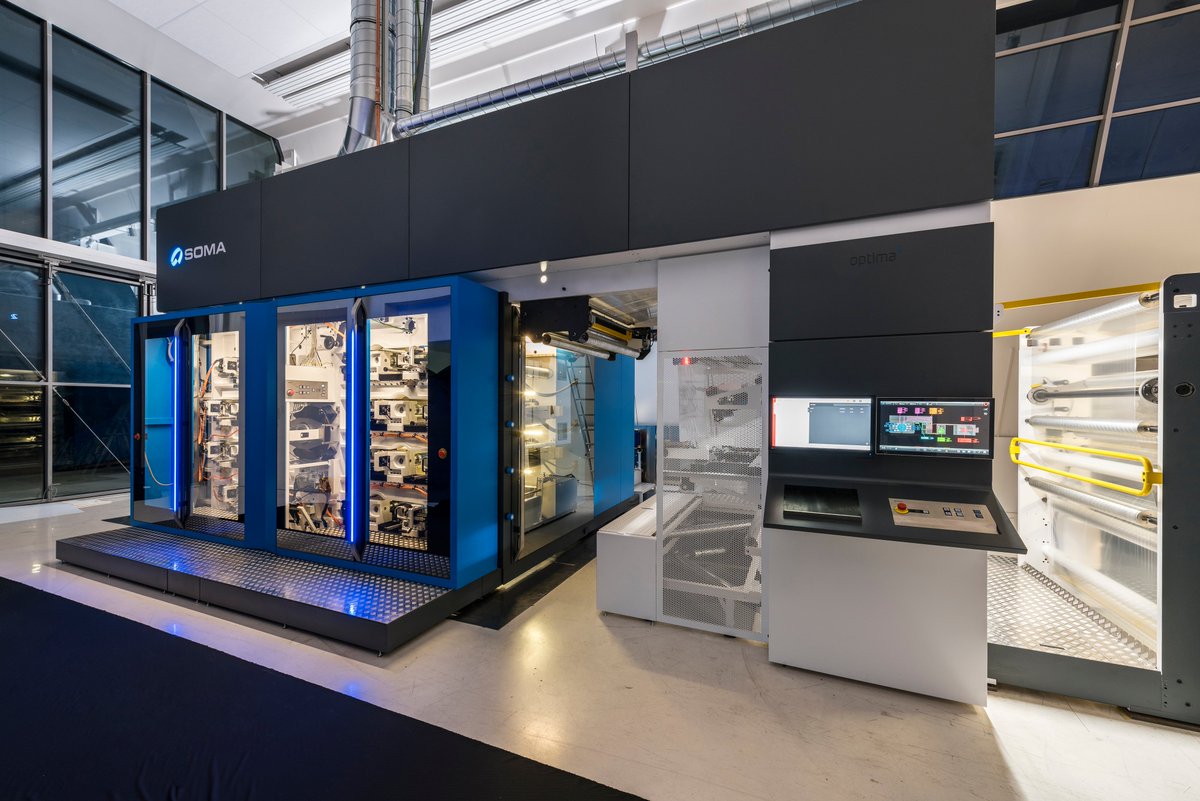
We are honored to announce that Amcor has invested in SOMA technology - the new Optima² 8C flexo press, the 4th Optima in Mexico. It will be used alongside existing presses the company already has on site.
Read more at: bit.ly/2VvNdIa
#soma #flexo #printingpress #optima2
4
7
17 Sep 2019
Listen to our loyal customer sharing experience about Optima2 - Mr. Ulrik Fauhlér from OptiPack AB, Sweden.
#soma #flexo #printingpress #optima2 #10colour #testimonial #optipack
1
2
24 Jun 2019
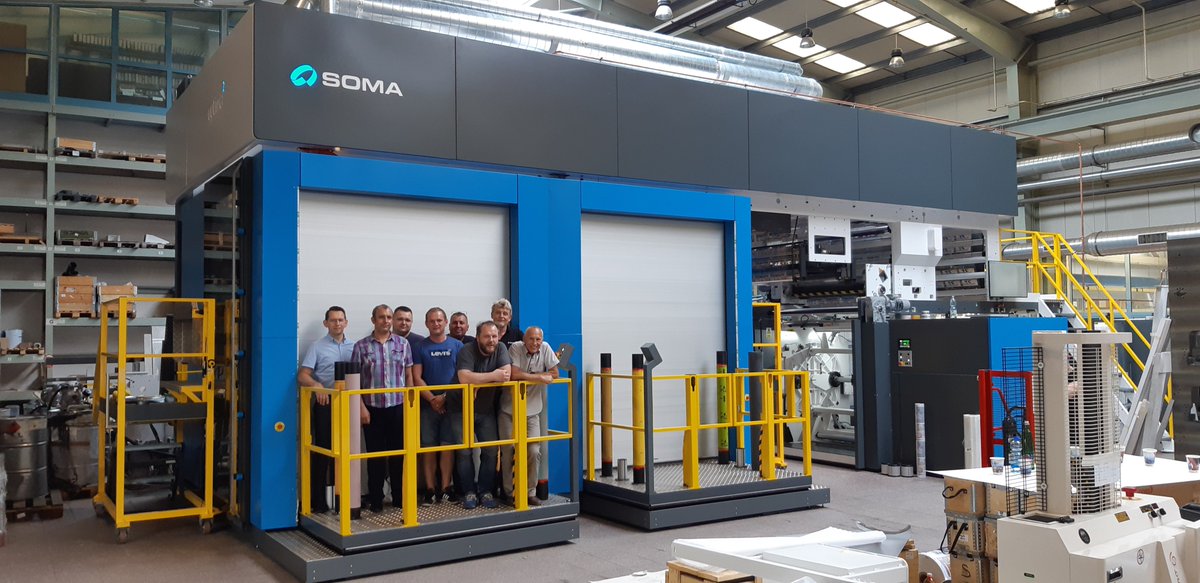
Next challenging task completed - 2 days of intensive testing with the company MARPOL from Poland. Again we are glad that our "big" Optima 2 10C was fully successful. Repeated sale to such a company proofs the top quality of our machines!
#flexo #printingpress #optima2 #10colour
3
6
7 Dec 2018
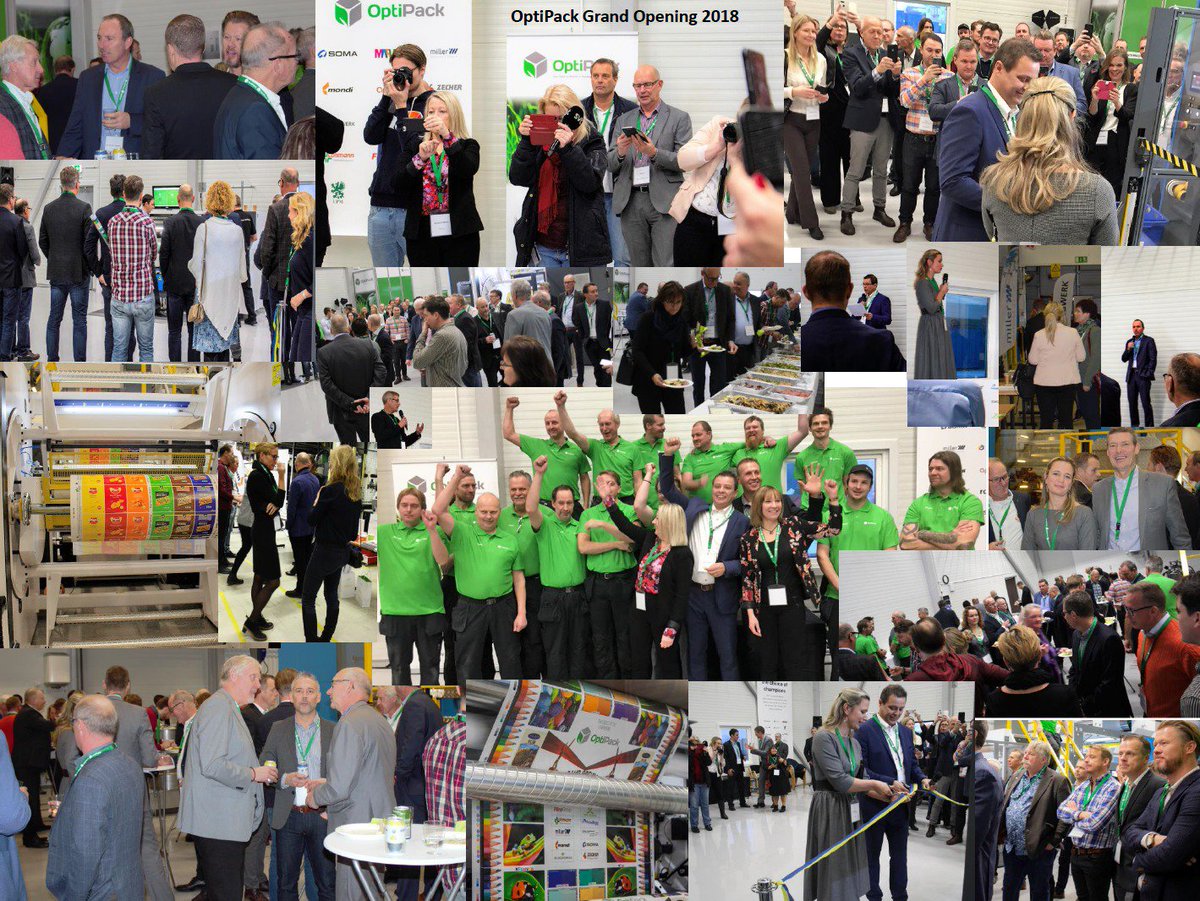
It was really an honour for our Optima2 10 colour printing press to be a part of the OptiPack AB Grand Opening in Sunne. Our admiration goes to the whole team's spirit and approach to everything what they do!
#grandopening #fullhd #flexo #printing
2
7

27 Sep 2017
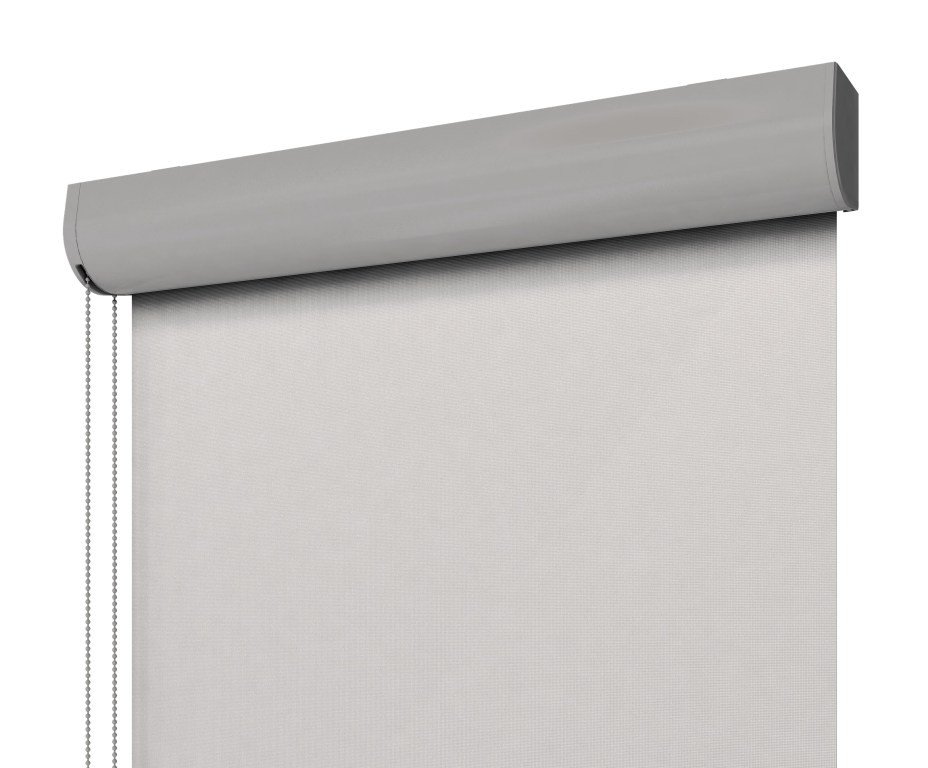
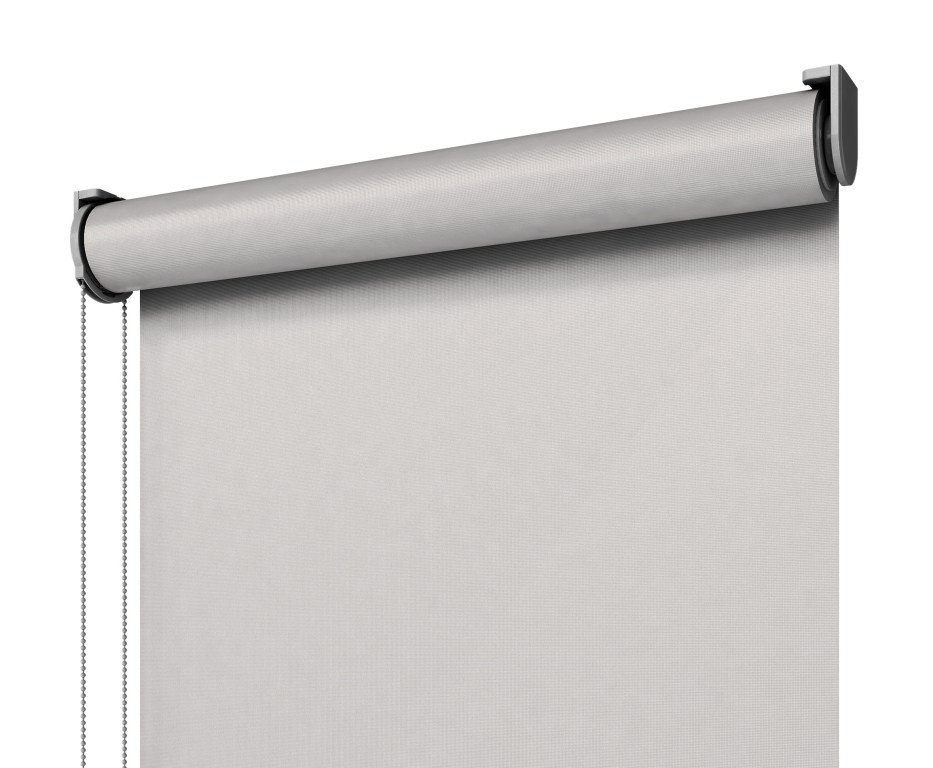
Simplicité, discrétion, occultation, protection : le #Store Optima2 Design, aux finitions soignées
1
2


23 Oct 2016
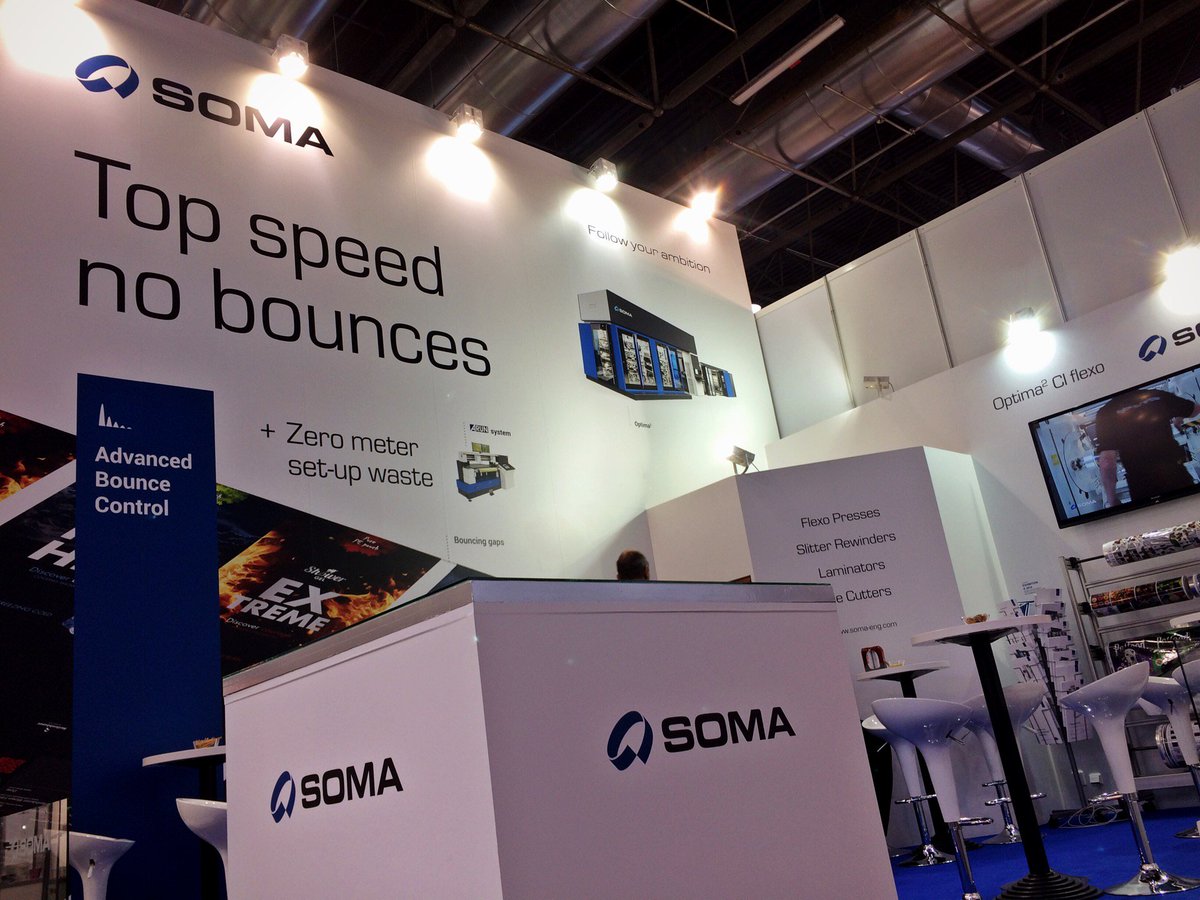
Advanced Bounce Control on SOMA OPTIMA2 at Hall 4 D20 #K2016 (@ Halle 4 - @md_gmbh) swarmapp.com/c/0klWa9NSNrE
1
5 Jun 2016
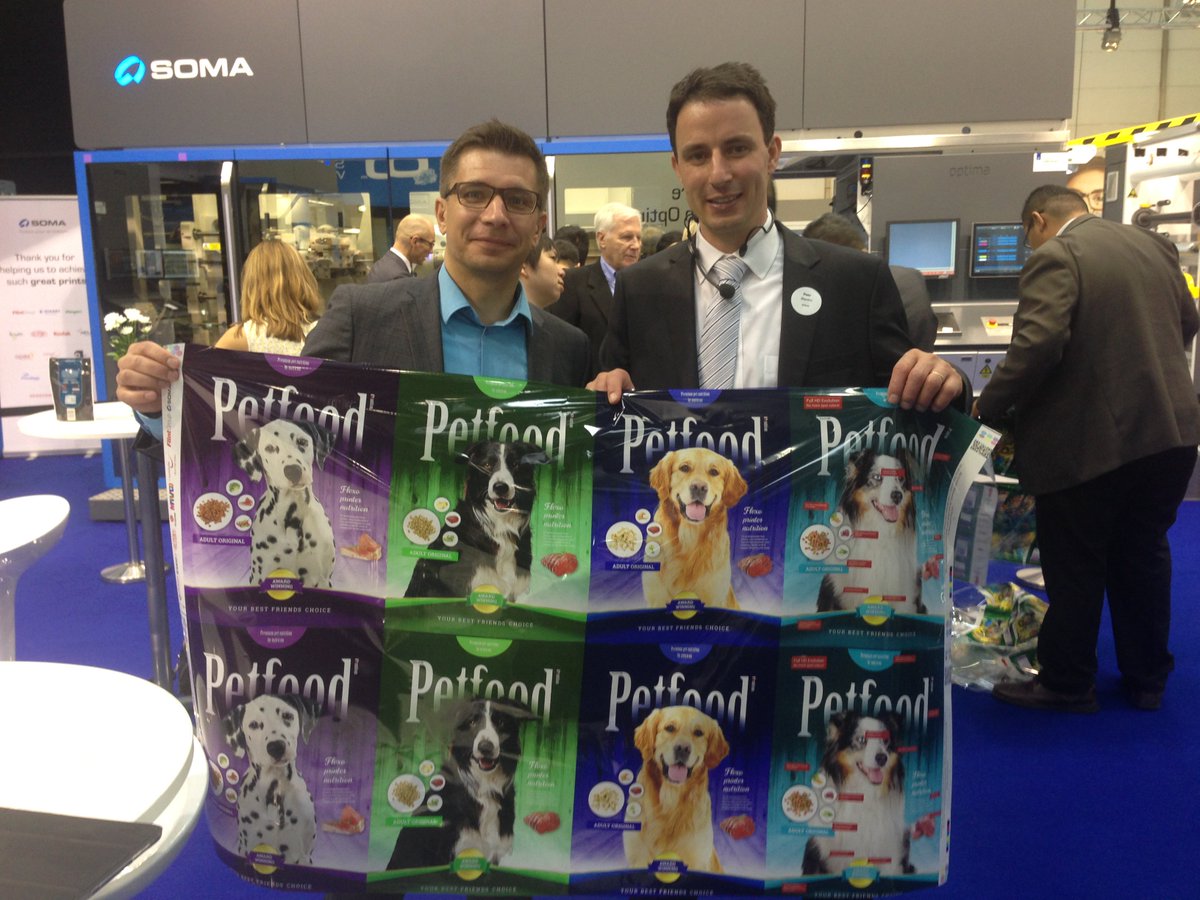
Kai from @MarvacoLtd and Petr from @somaengineering at drupa show with the 100 l/cm design printed at OPTIMA2
1
2

20 May 2016
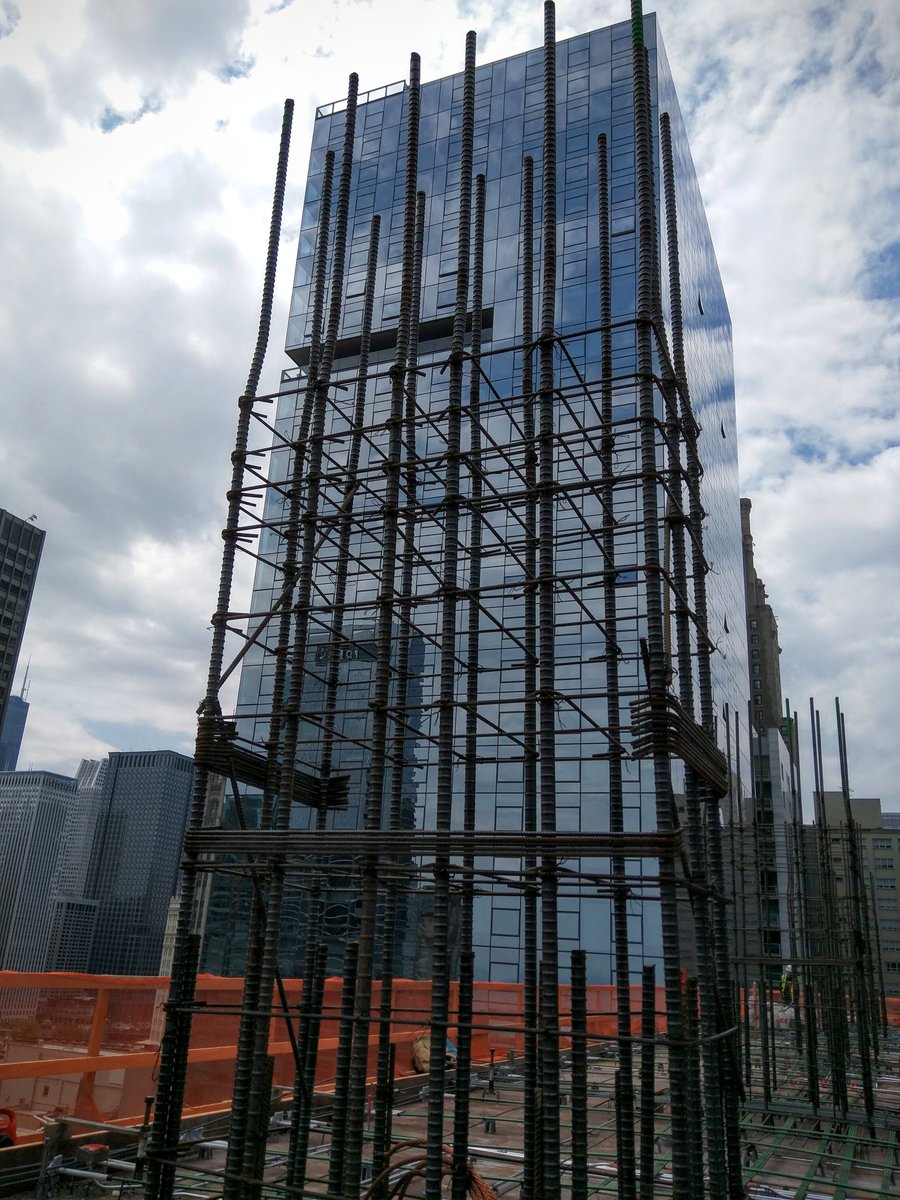
Optima2 frames up Optima1 rather nicely. 100-stories of post-tensioning by @amsysco cc @OptimaChiCtr
1
1



9 Oct 2015
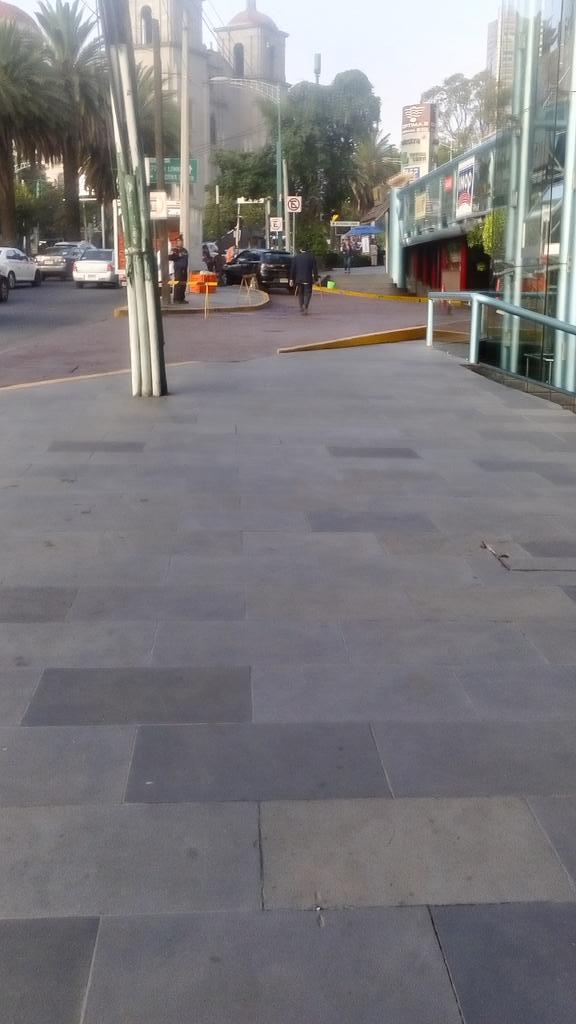
Para que la bahía Optima2 #paseodelaspalmas #lomasdechapultepec si sus proveedores no la usan @arnemx @MHestuCasa
1