
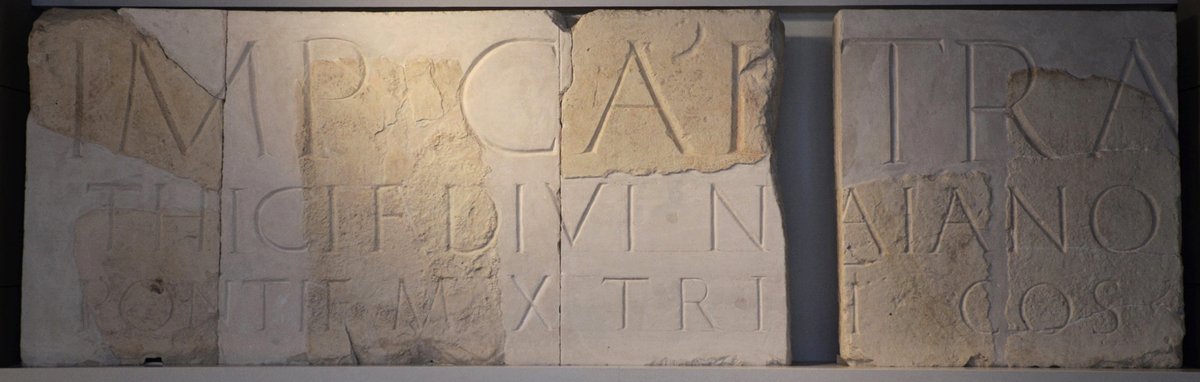
#EpigraphyTuesday - Monumental inscription from a triumphal arch dedicated to Hadrian, discovered near the camp of the Sixth Legion at Tel Shalem in Judea.
The inscription, in three lines, had belonged to a large triumphal arch erected, presumably in AD 136, by order of the Roman Senate to commemorate the suppression of the Bar Kokhba revolt. A proposed reconstruction of the inscription was prepared in 1999 by Professor Werner Eck of the University of Cologne, a renowned scholar of ancient Roman history. According to W. Eck, the inscription reads (with the expansion of abbreviations):
Imp(eratori) Cae[s(ari) divi T]ra[iani Par]/th[i]ci f(ilio) d[ivi Nervae nep(oti) Tr]aiano [Hadriano Aug(usto)] / pon[t]if(ici) m[ax(imo) trib(unicia) pot(estate) XX? imp(eratori) I]I co(n)s(uli) [III p(atri) p(atriae) s(enatus) p(opulus)q(ue) R(omanus)?]
“To the Emperor Caesar, son of the deified Trajan Parthicus, grandson of the deified Nerva, Trajan Hadrian Augustus, chief priest, holder of tribunician power for the twentieth time (?) , acclaimed imperator for the second time, consul for the third time, father of the fatherland, [the Senate and People of Rome (?)]”
The impressive dimensions of the inscription – about 11 m wide – and the size of the letters – 41cm high in the first line – show that the inscription belonged to a monumental arch similar to the Arch of Titus in Rome, erected after his death to commemorate his conquest of Jerusalem.
Israel Museum, Jerusalem, Israel.

22
102
2,846

May 30
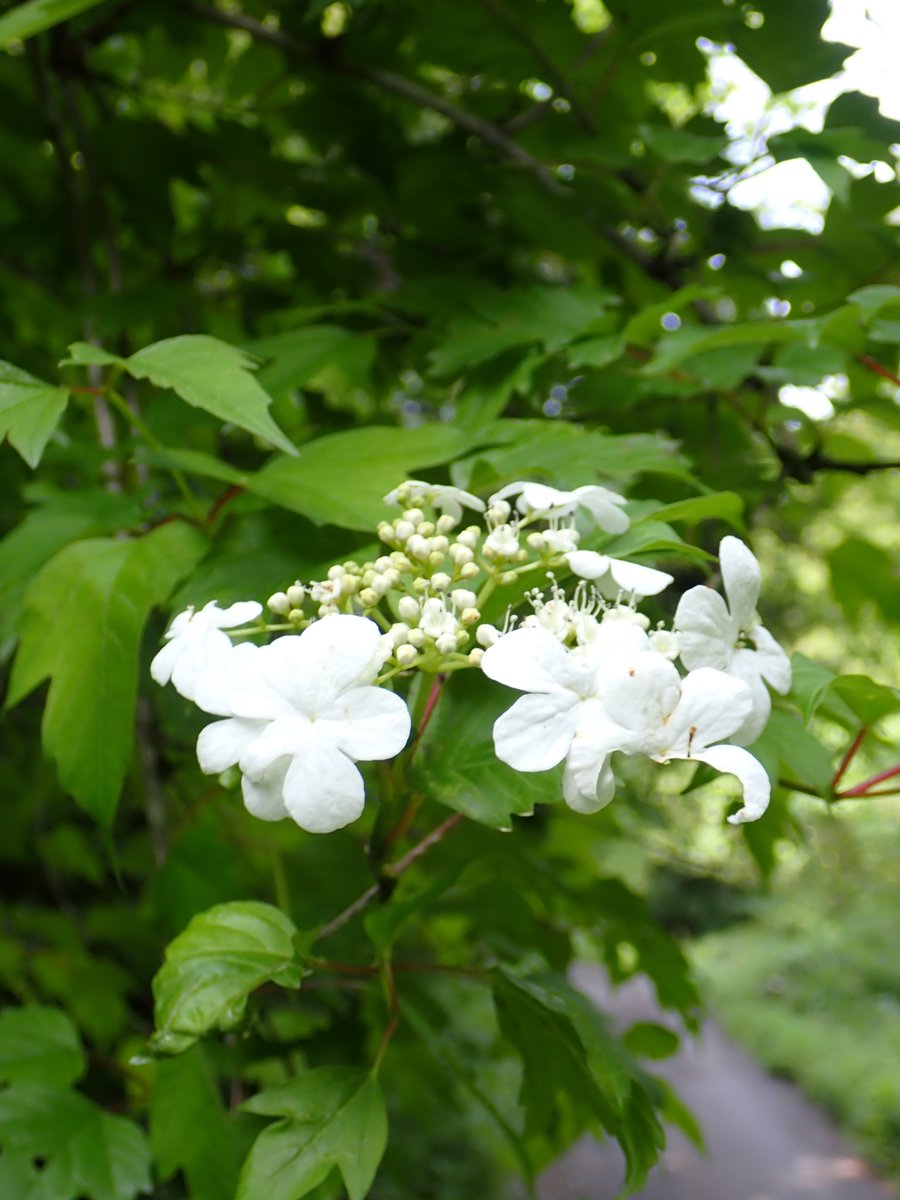
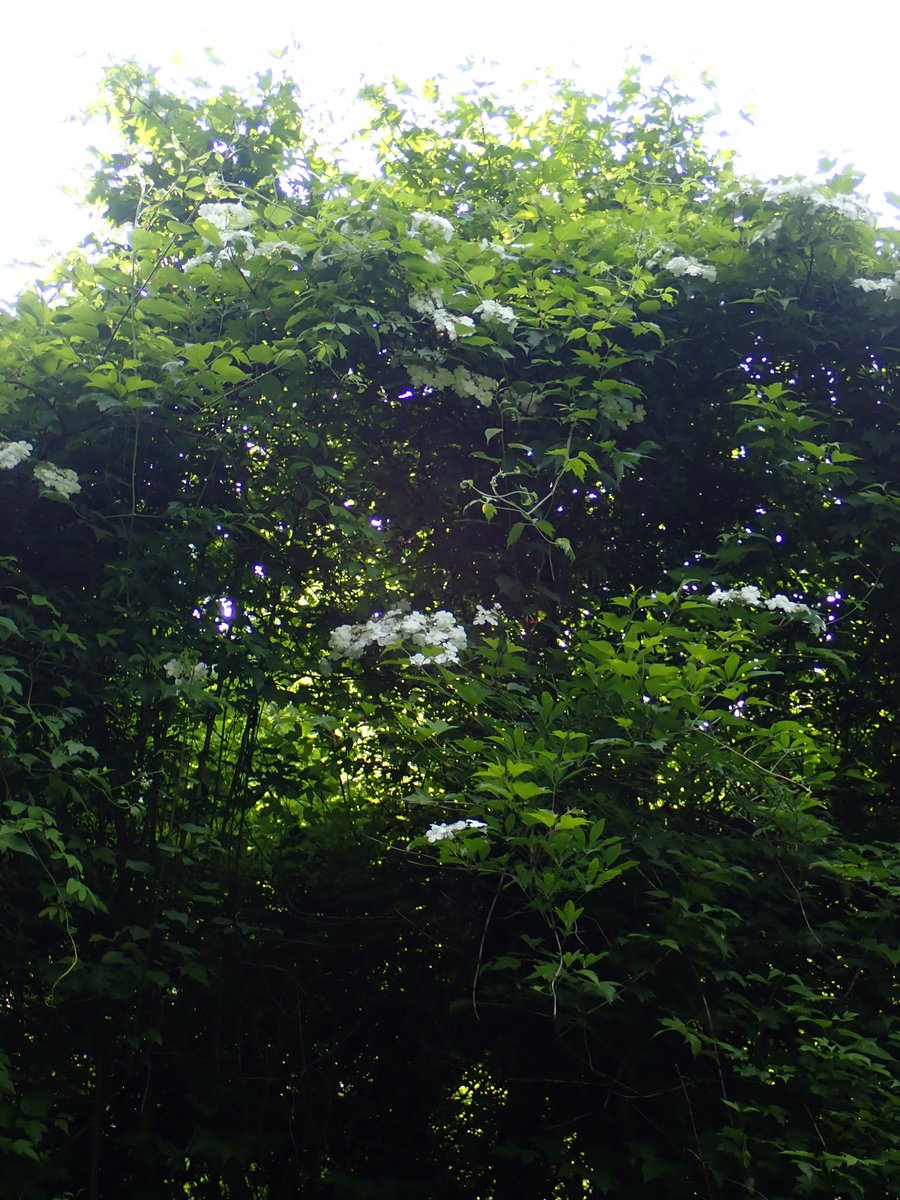
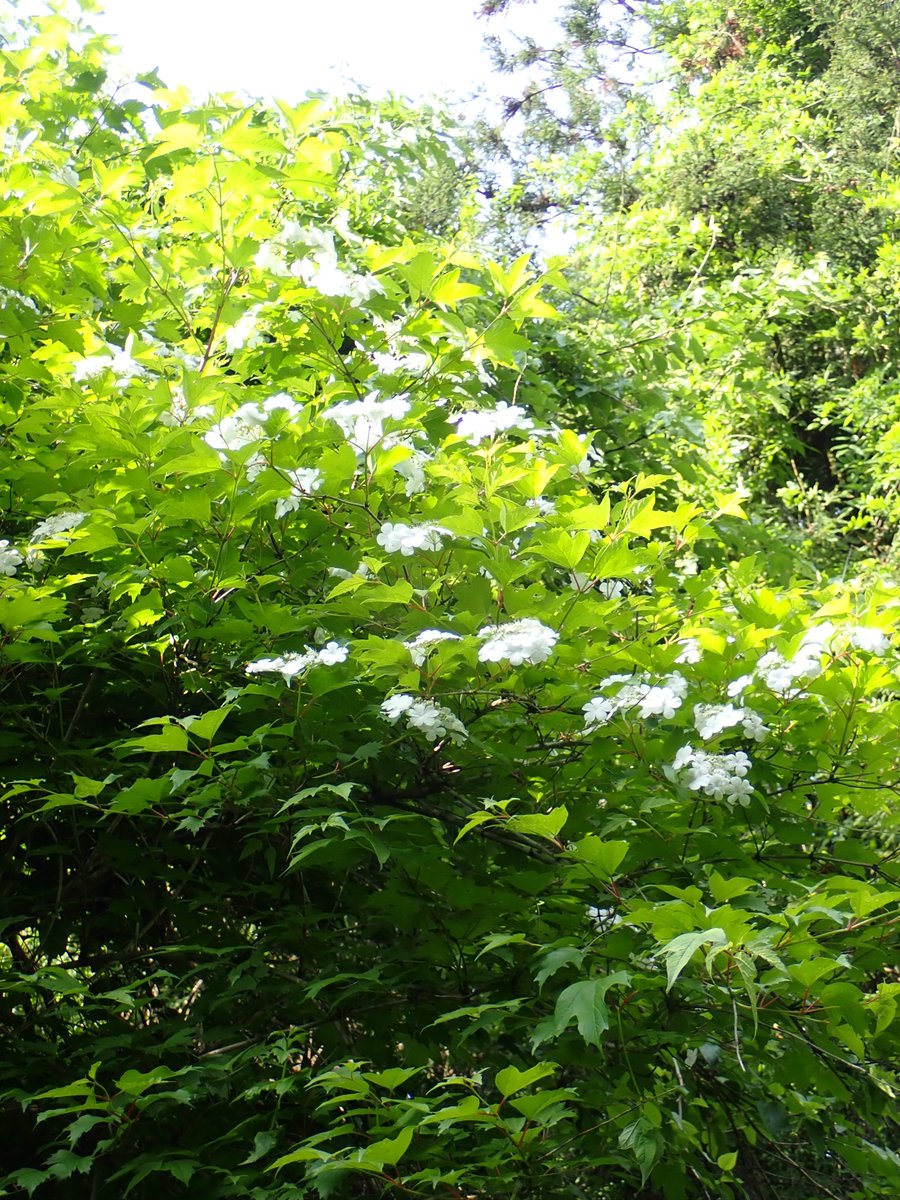
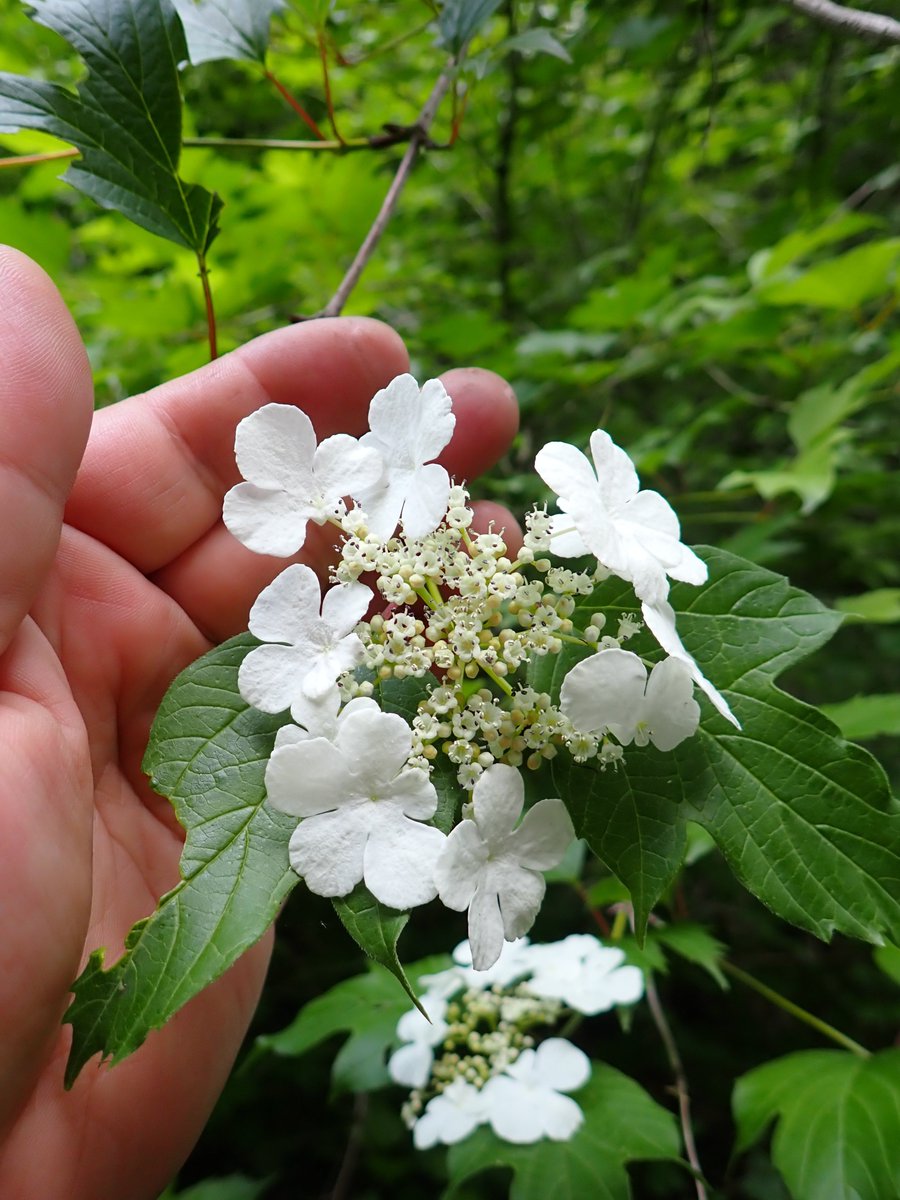
えらく高い位置にヤブデマリ咲いとるね…
と思ったらカンボクだ、この辺りにも有ったとは…赤い実は見ていたけど花は初めて見たかも。
カンボク Viburnum opulus
2
5
45
636

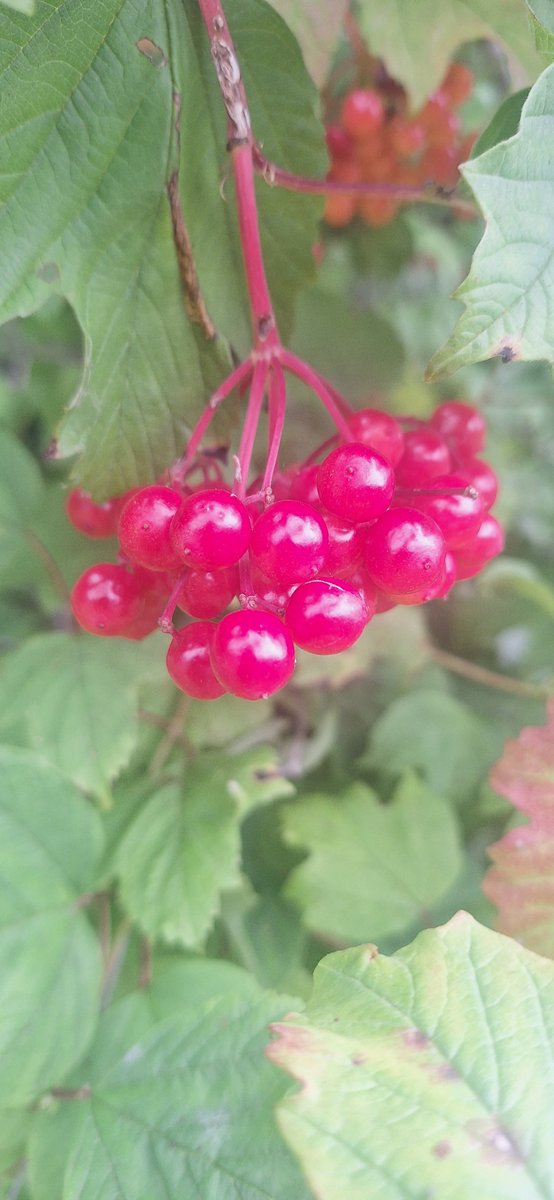
The almost fake looking Guelder Rose (Viburnum Opulus), a deciduous shrub native to Europe and North Asia.
The vibrant red berries are a vital food source for wildlife, particularly birds like waxwings and finches, during the autumn and winter.
While the berries can be cooked into jams or jellies, they are very acidic and can cause stomach upset if eaten raw.
The shrub is characterized by three-lobed, maple-like leaves and flat-topped clusters of white flowers that bloom in late spring before turning into these berries.
1
4
31


May 22
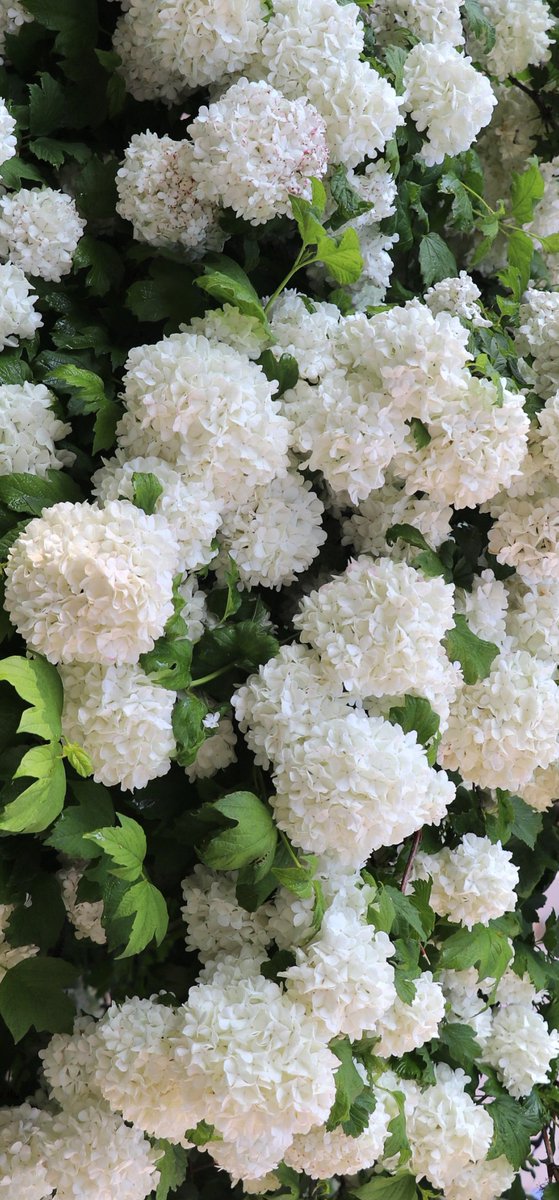
おはようございます🤗
#ビバーナム・スノーボール
学名 Viburnum opulus 'Roseum'
または Viburnum opulus 'Snowball'(園芸品種として)
レンプクソウ科ガマズミ属の落葉低木
オオデマリに似ていますが、葉に深い切れ込みが入ります
枚方市 #山田池公園 にて on Apr 28, 2026
2
4
244
672

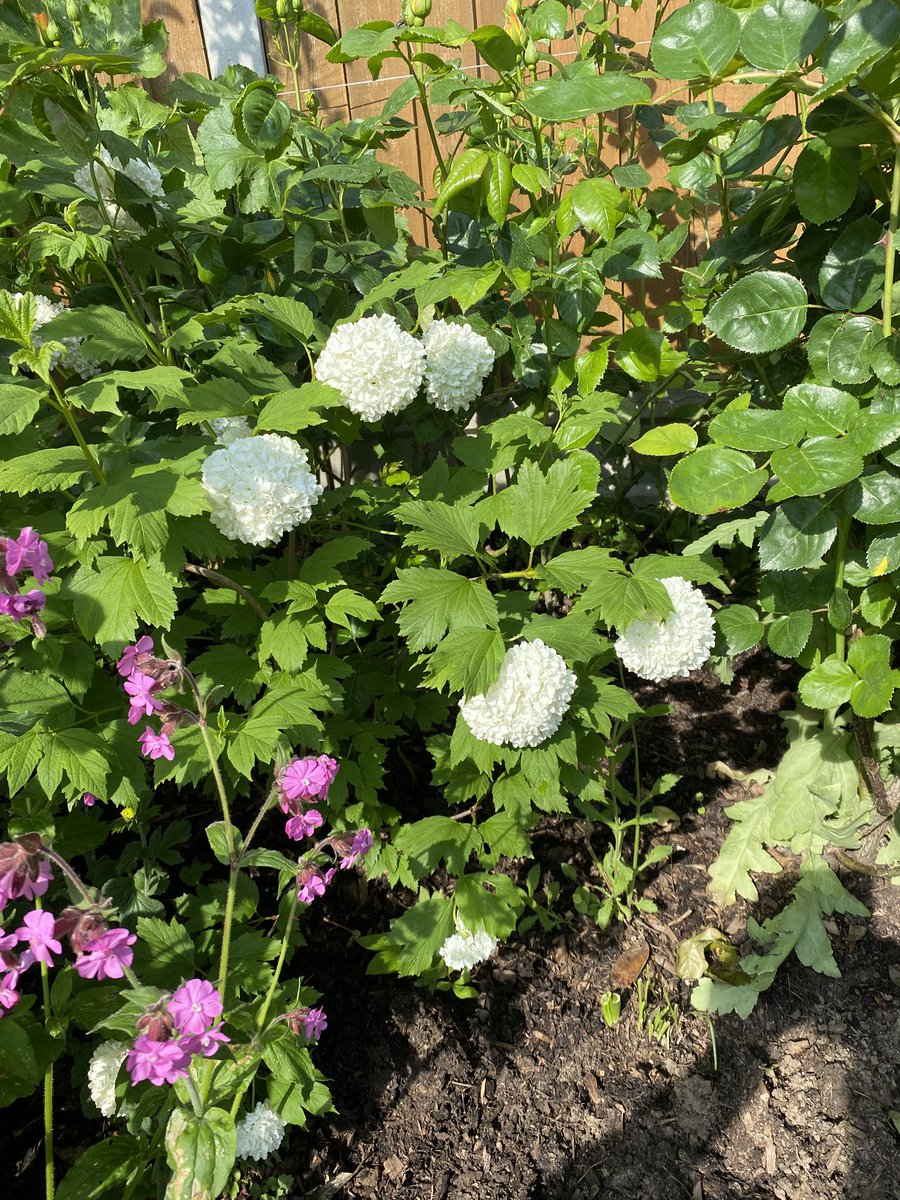
Guelder Rose (Viburnum Opulus), also known as the European cranberrybush.
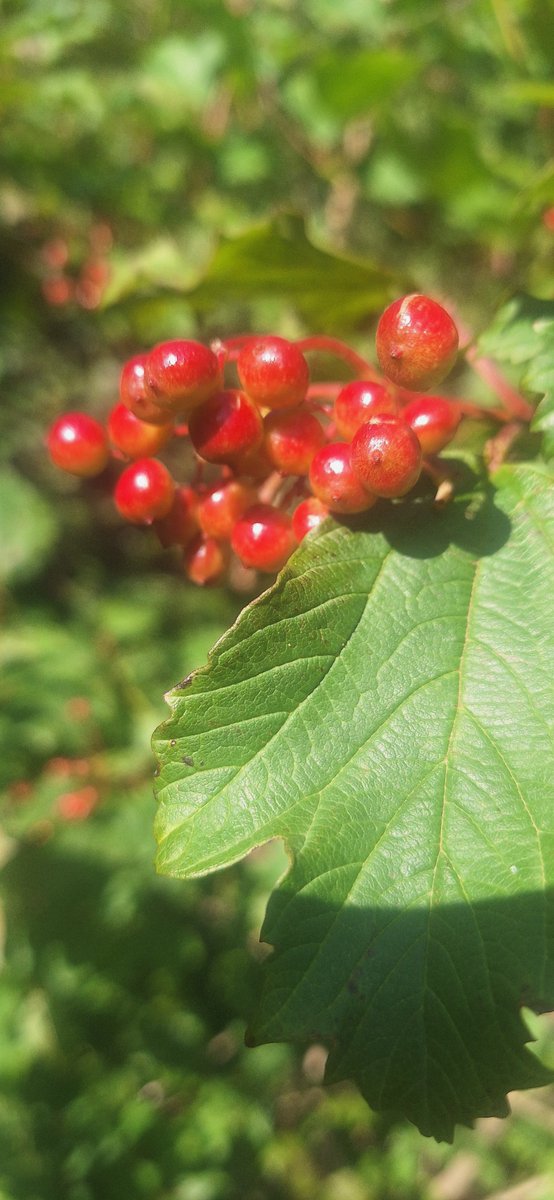
While often used in jams due to their high acidity and bitter taste, the berries can cause mild stomach upset if consumed raw in large quantities. The berries are a crucial food source for various birds, particularly during winter. The shrub is characterized by maple-like, three-lobed leaves and drooping clusters of translucent red berries.
2
57


May 7
📌 الحرب في إيران أشعلت تقلبات الأسواق العالمية، لكنها منحت المستثمرين فرصة لإعادة تقييم محافظهم الاستثمارية واختبار قدرتهم على تحمل المخاطر بعد اندلاع الحرب، وفق شبكة CNBC
📌 كبير الاقتصاديين العالميين في مجموعة Vanguard، كيفن خانغ، يوضح أن كل تراجع في السوق يمثل اختبار ضغط يكشف عن استعداد المستثمرين لمواجهة الخسائر قصيرة الأجل، مؤكداً أن الانخفاض الأخير في مؤشر S&P 500 بعد اندلاع حرب إيران، والذي تحول إلى ارتفاع في وقت لاحق، كان فرصة لإعادة ضبط الاستراتيجيات
📌 المخطط المالي المعتمد في شركة Opulus، رايان غريزر، يشدد على أن تقلبات السوق اختبار جيد، محذراً من القرارات العاطفية مثل البيع عند الهبوط، فيما تؤكد كارولين ماكلاناهان، مؤسسة Life Planning Partners، أن الحرب تساعد المستثمرين على تحديد المزيج الأمثل بين الأسهم والسندات
📌 المستثمرون الأصغر سناً يشعرون بصدمة أكبر من التراجع الأخير، إذ لم يختبروا سابقاً هزات عنيفة كالتي واجهها جيل الستينيات، بينما يرى الخبراء أن الأسهم تبقى محركاً أساسياً للنمو طويل الأجل حتى في فترات التقاعد

2
2,901

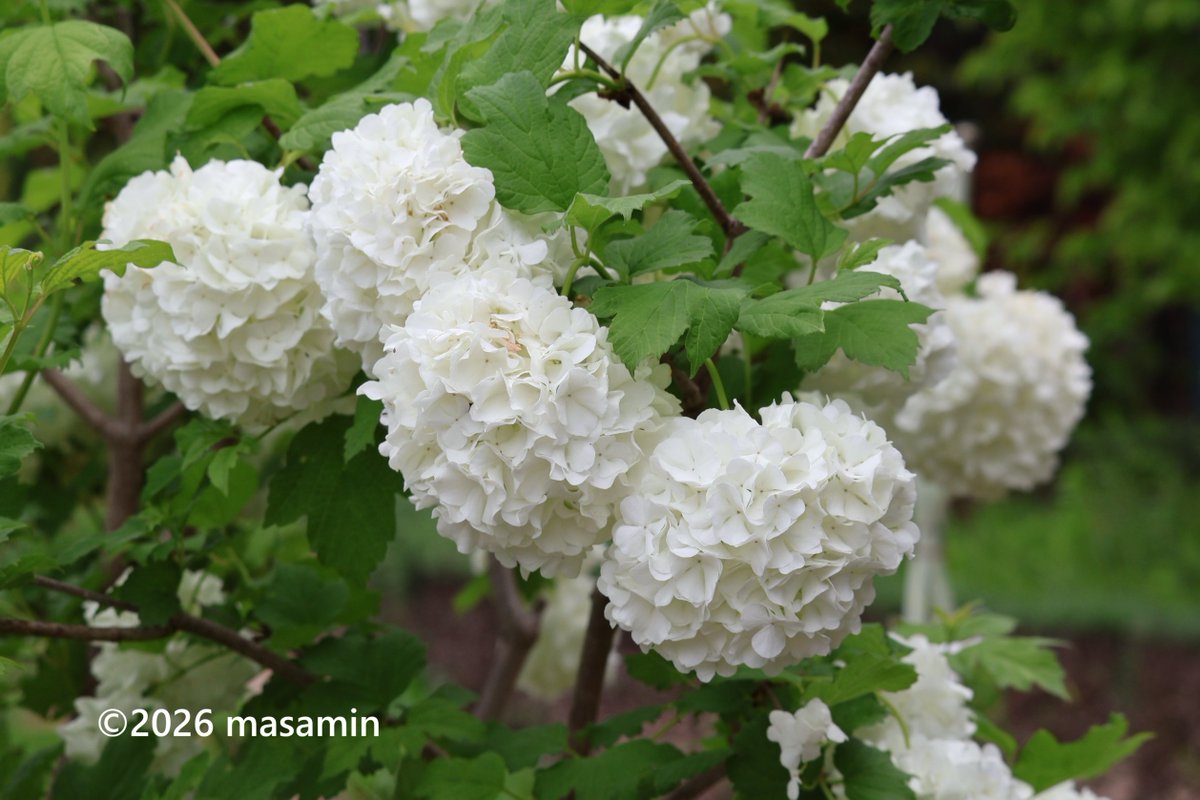
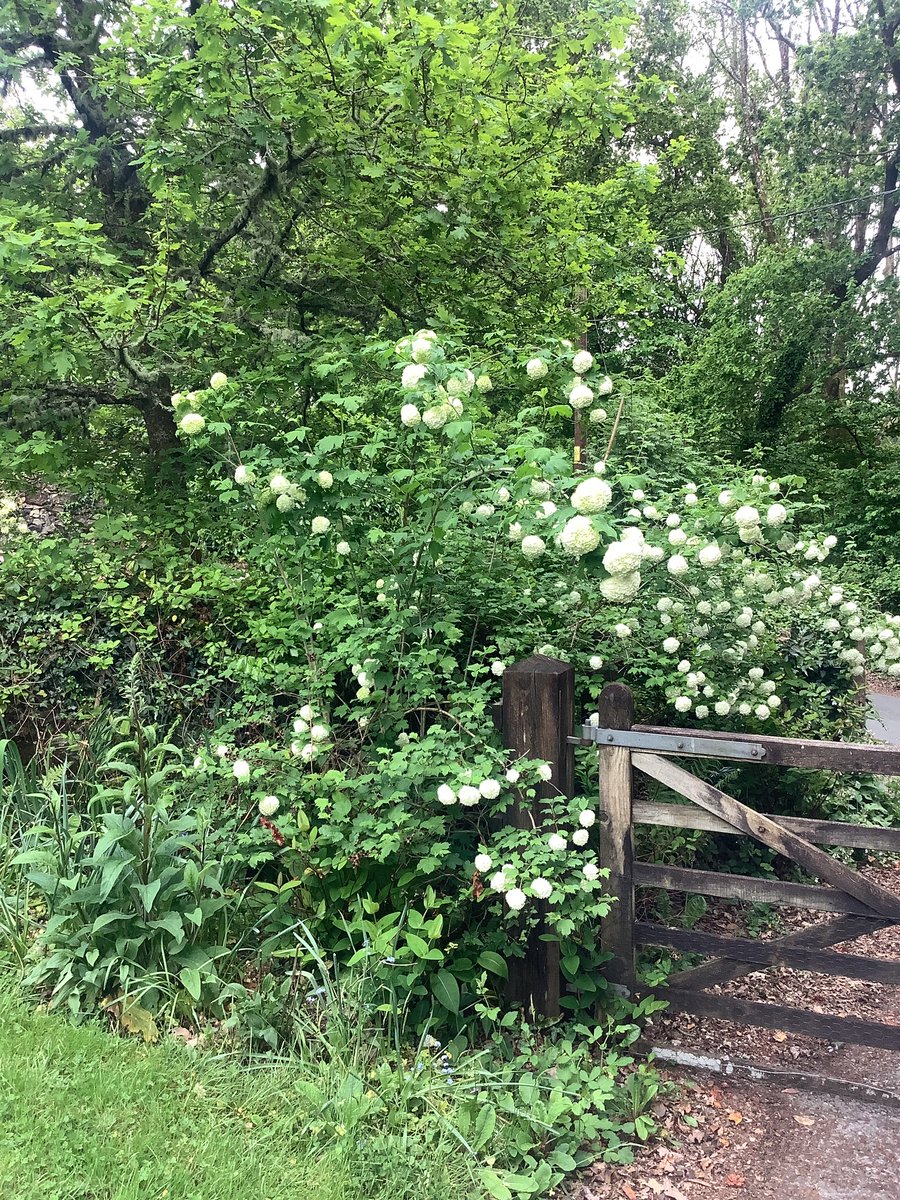
Good morning.Grey,still and cool.
Viburnums are lovely at the moment including the easily grown
Viburnum Opulus Roseum,The snowball tree.
A fine sight in full flower,forms a large shrub,not scented.
I’ve found them not very good in water,unfortunately.
Have a lovely day.😊
2
18
174

May 6
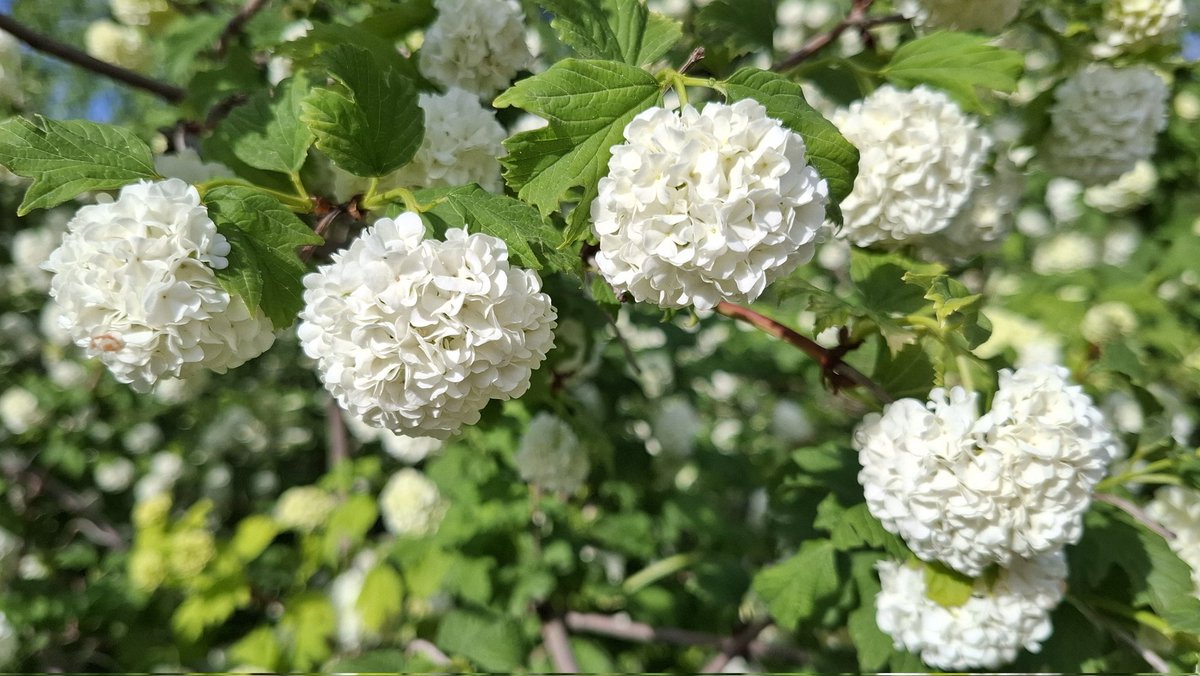
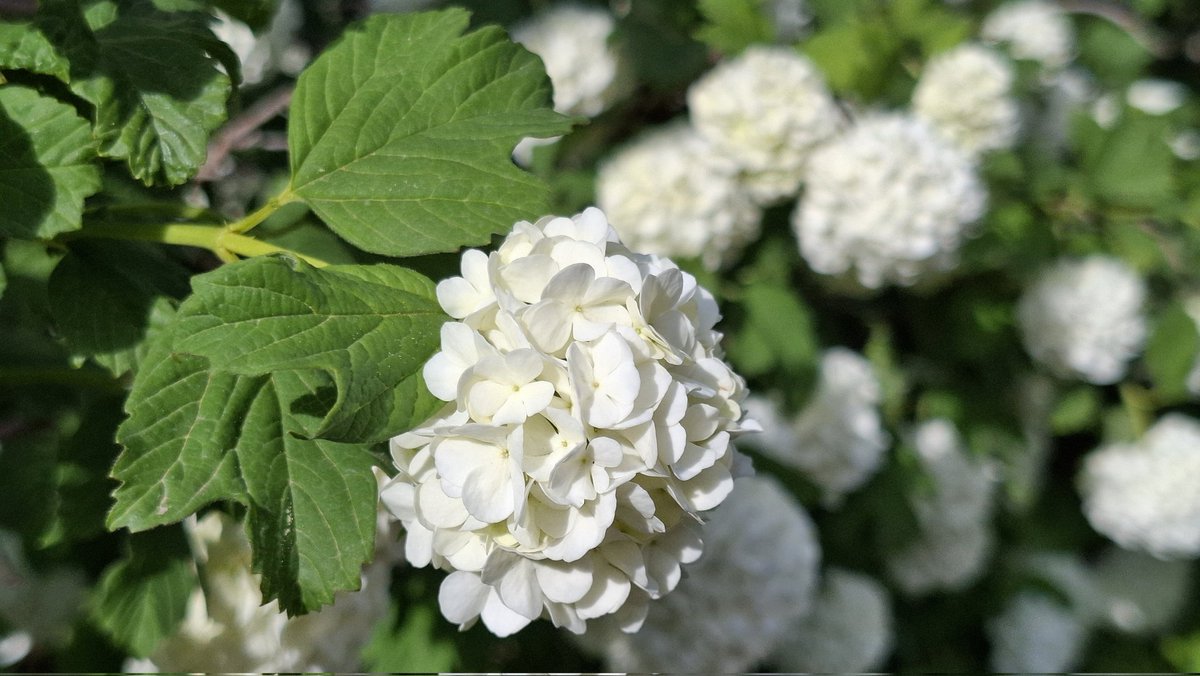
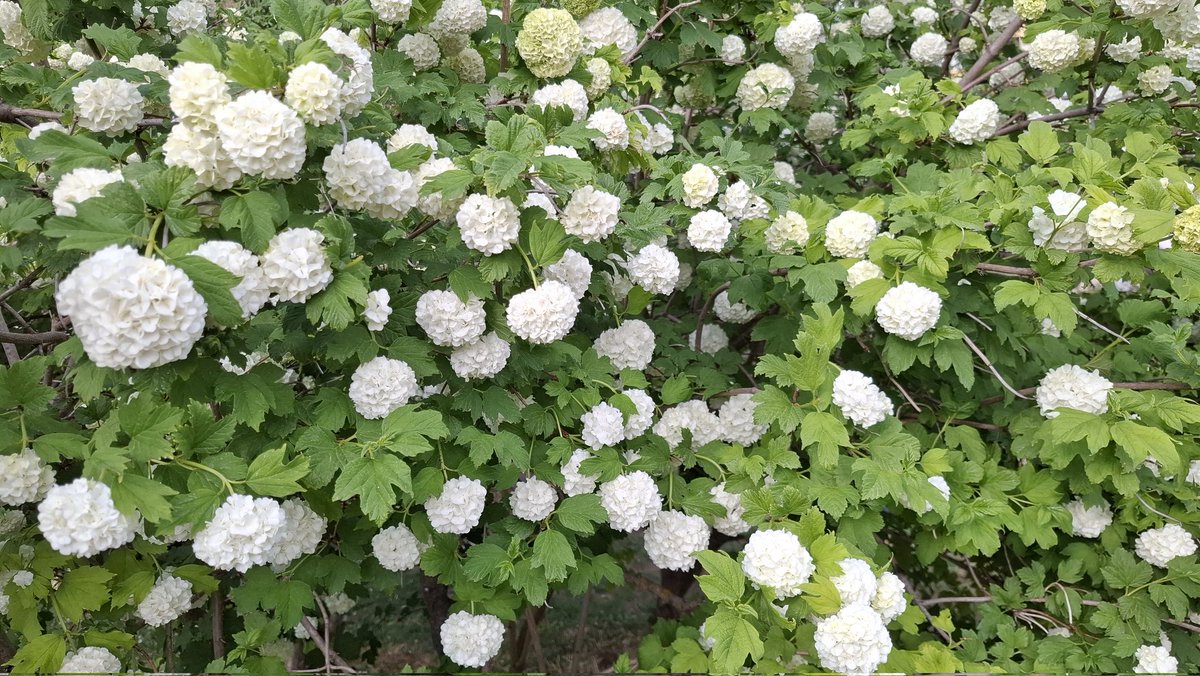
Una de flores en este fresco miércoles de mayo. Espectaculares copos. Bola de nieve (Viburnun Opulus). #Lerma #Burgos @aquilatierratve @jacobpetrus_tve @TiempoCyLTV @Tiempo_Mercedes @tiempobrasero @JoannaIvars @BelenSamper_ @lasextameteo @sibilafc @marcredondo @Aemet_Corpora
1
5
23
309

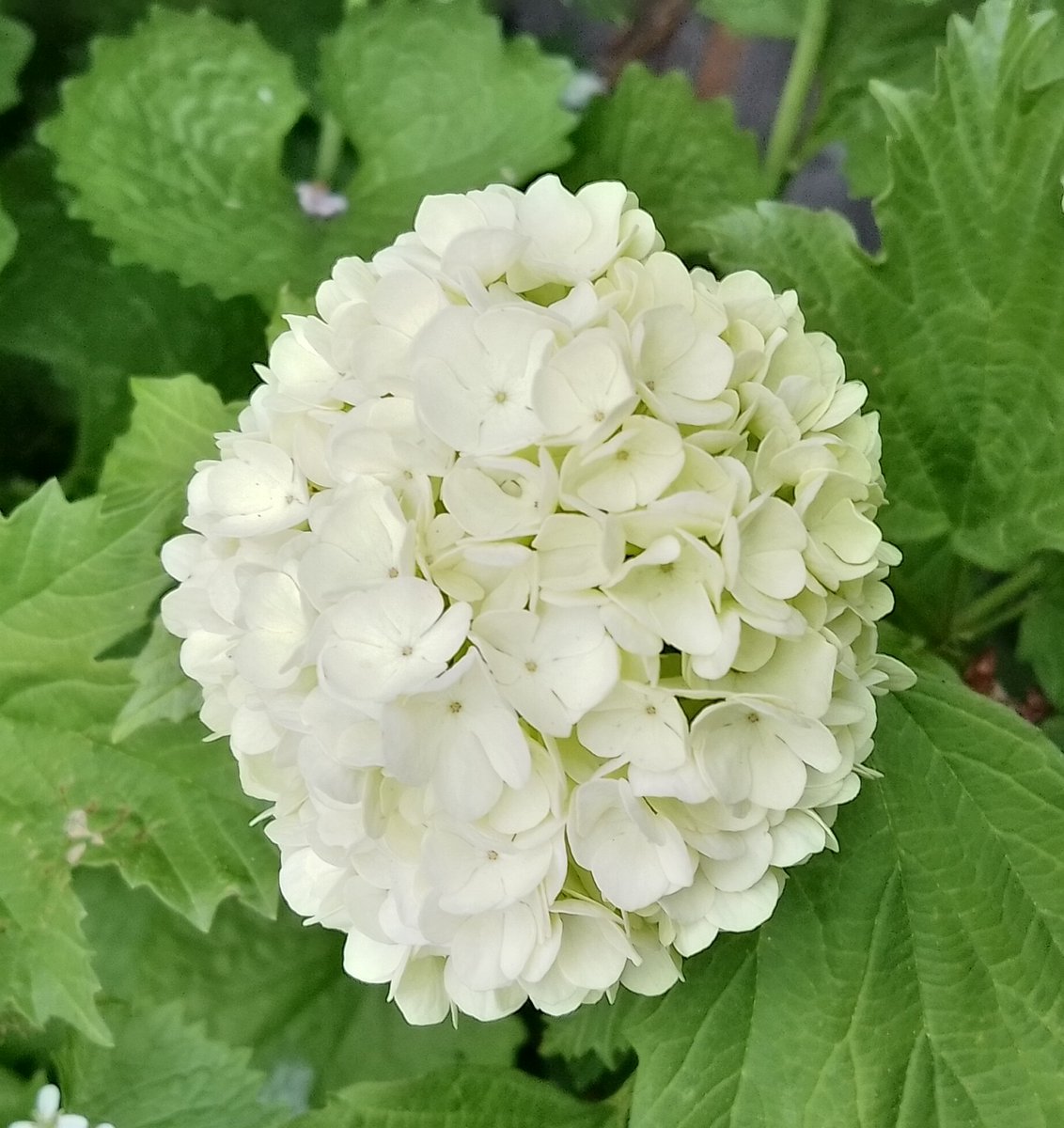

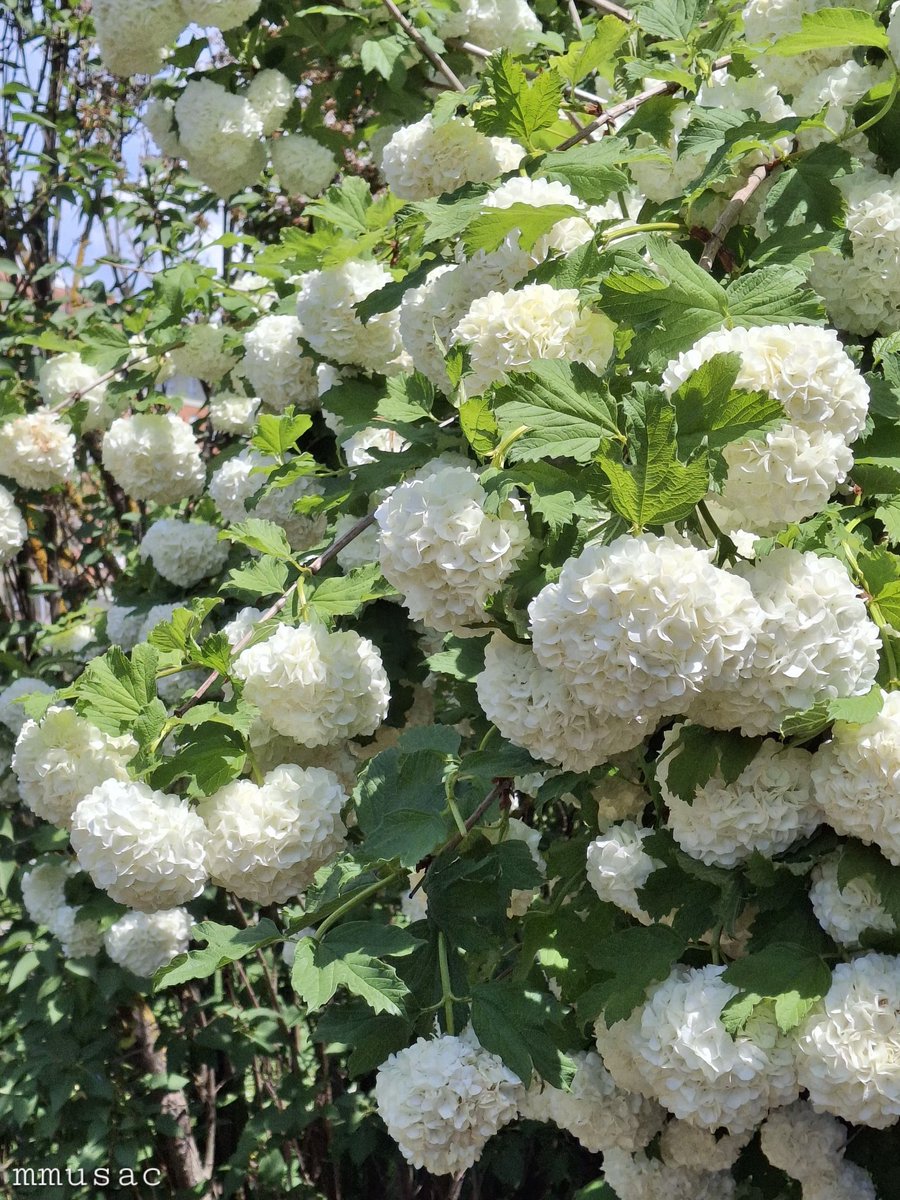

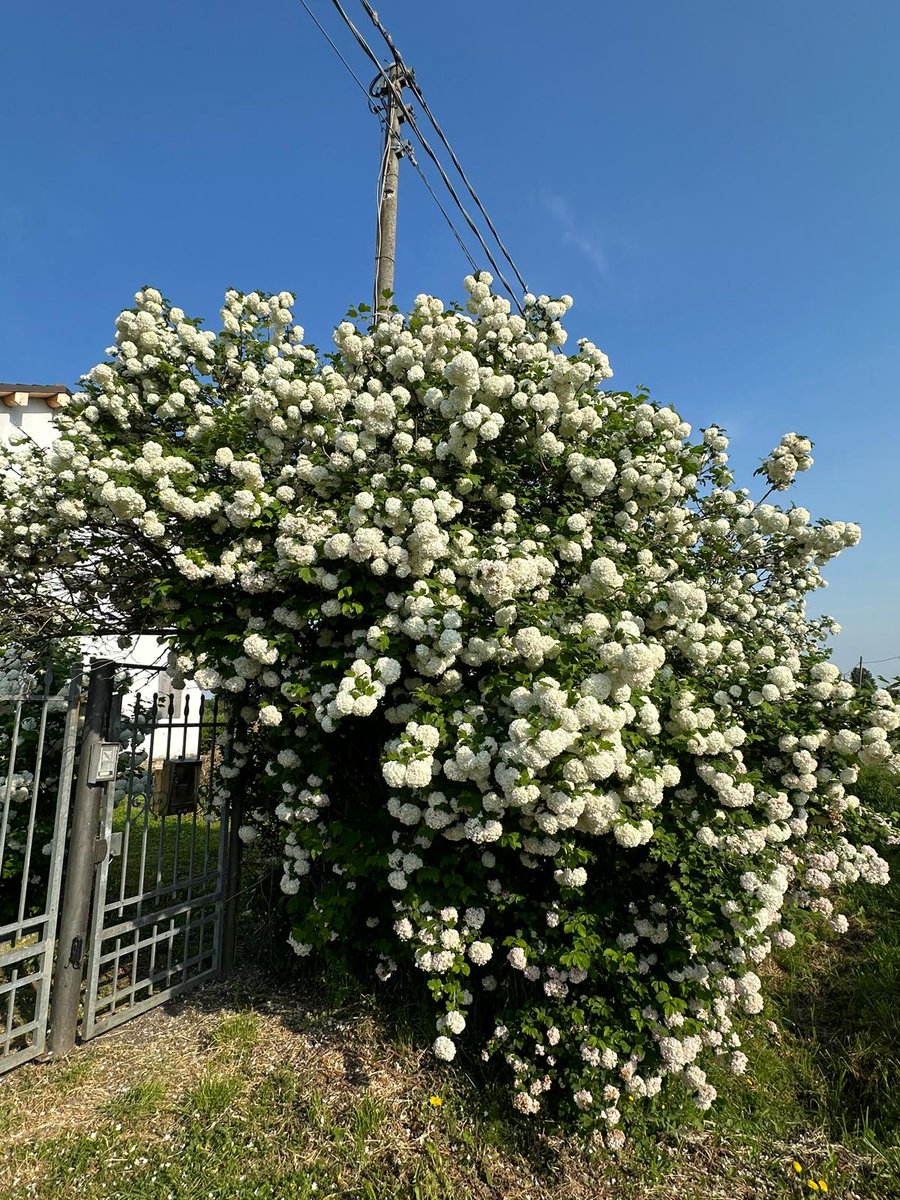
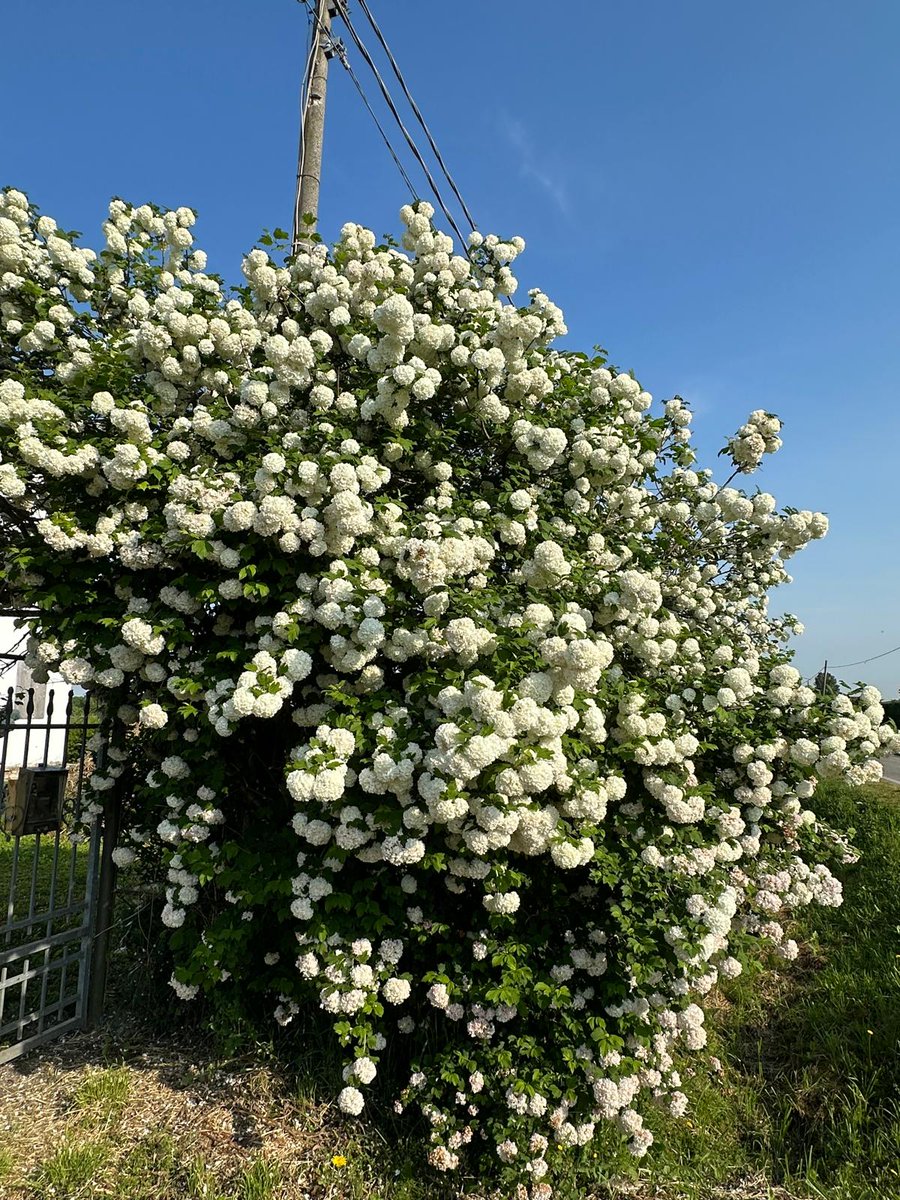
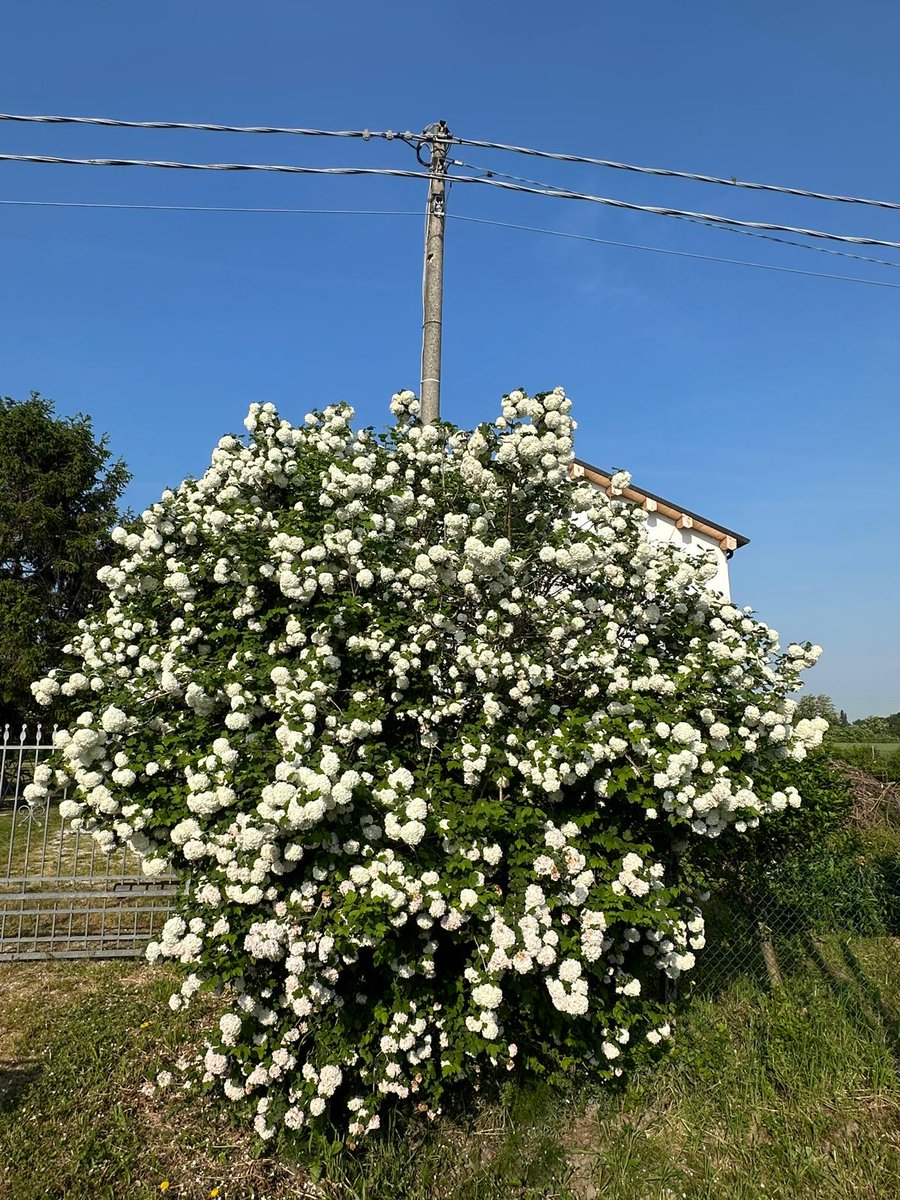
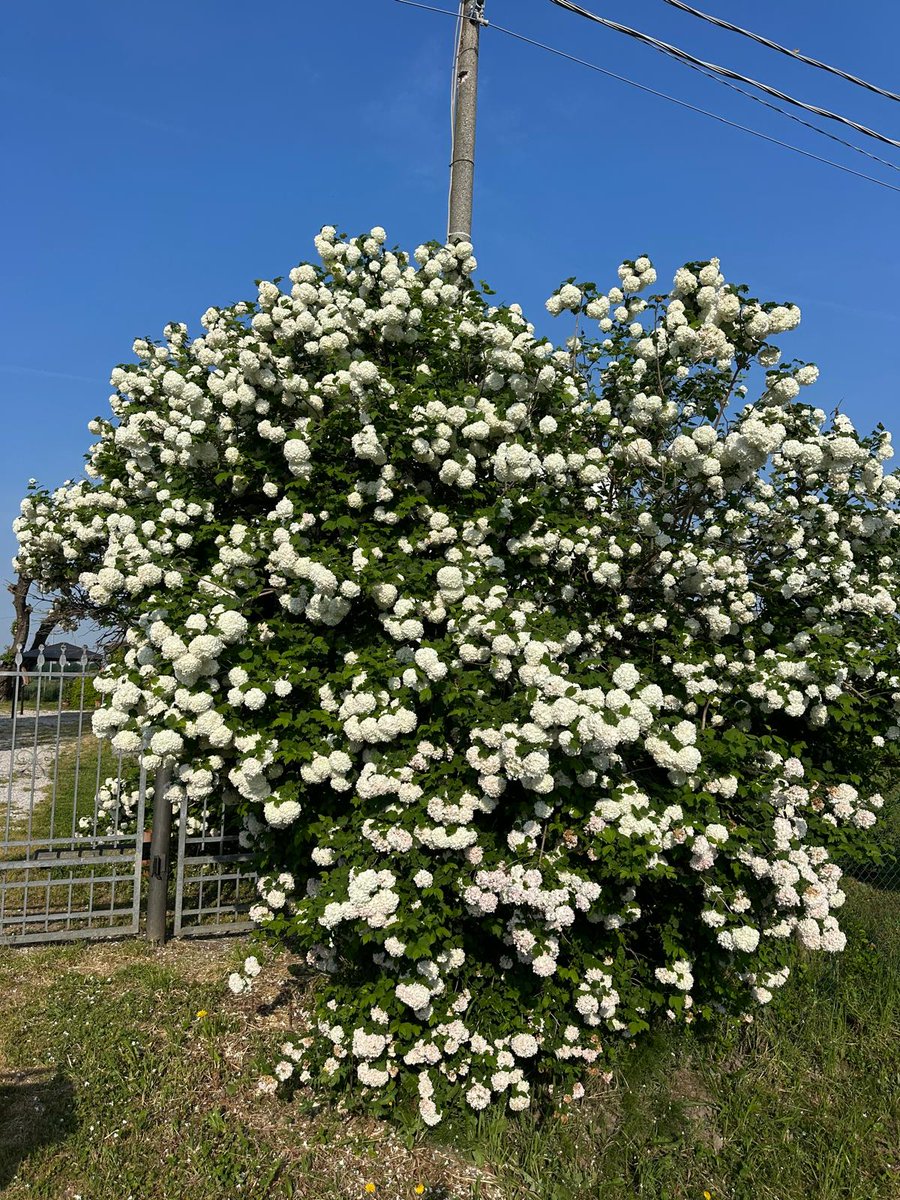
28/4/26.Cavarzere,località Martinelle. Una rigogliosa pianta di Viburnum opulus 'Roseum',comunemente noto come Palla di Neve o Pallon di Maggio.
È un arbusto ornamentale molto amato per la sua fioritura spettacolare e generosa che avviene proprio tra aprile e maggio.(G.Albertini)
1
2
55

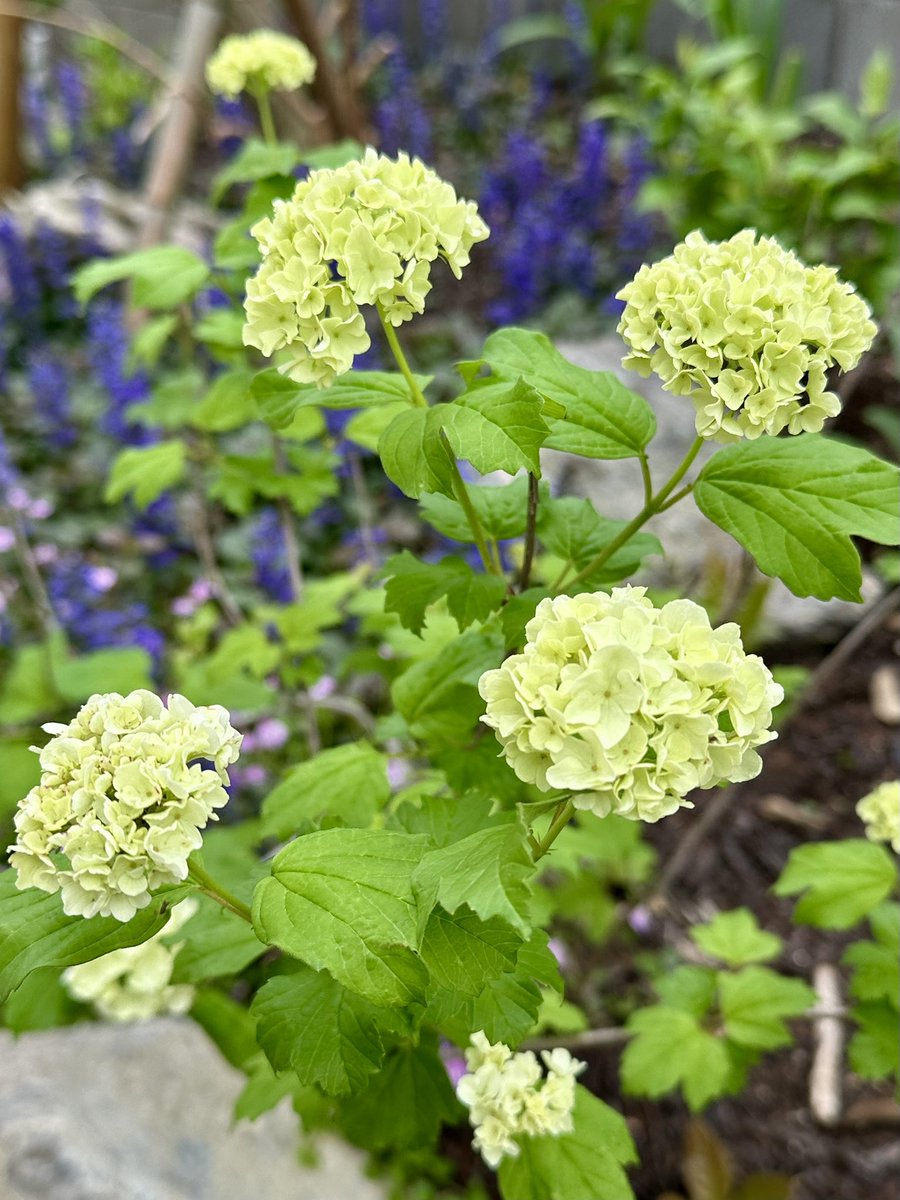

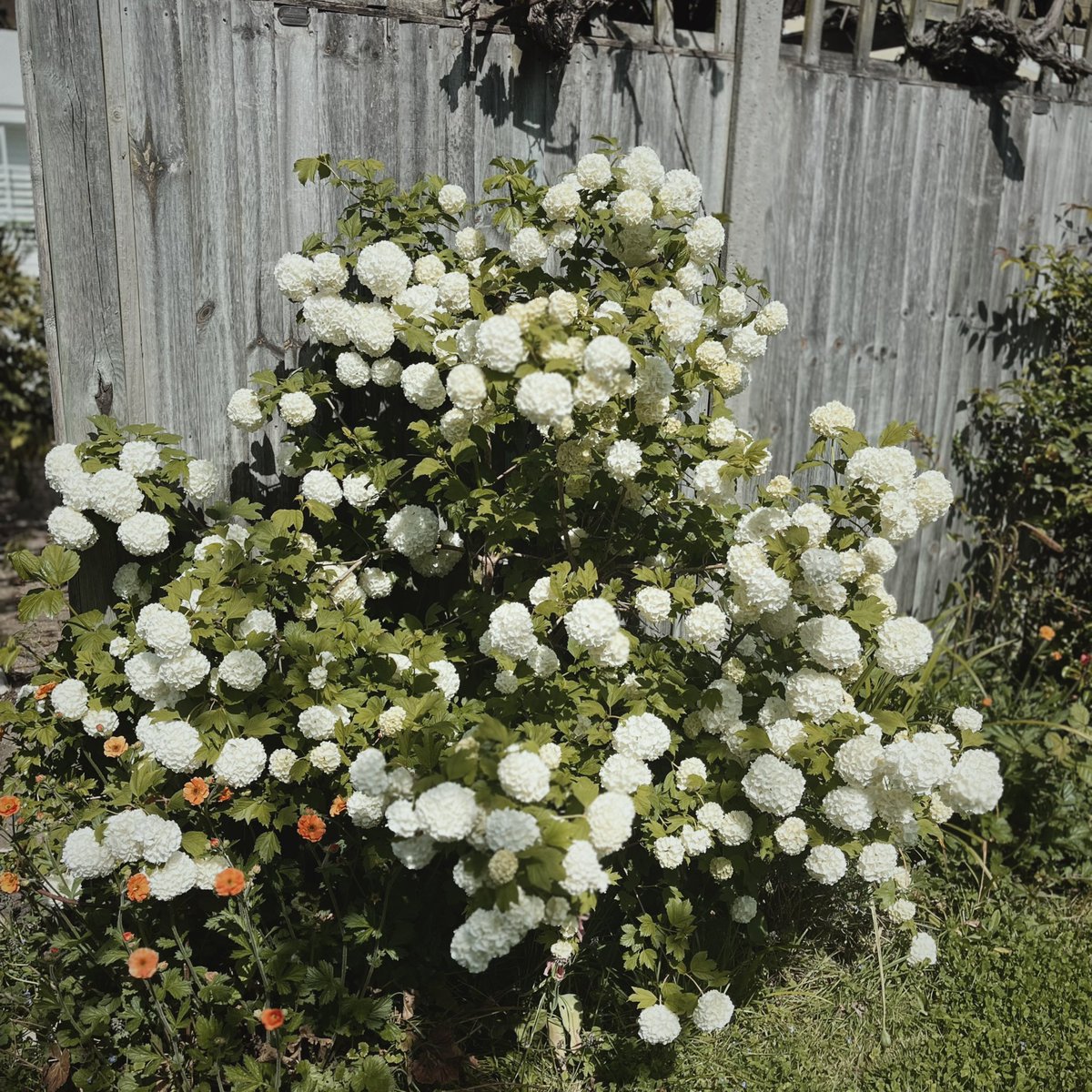

Viburnum opulus, Snježna lopta. Još nije sasvim "zrela", ali biće za koji dan. Inače, veća je od mene 😁
1
3
52

Apr 24
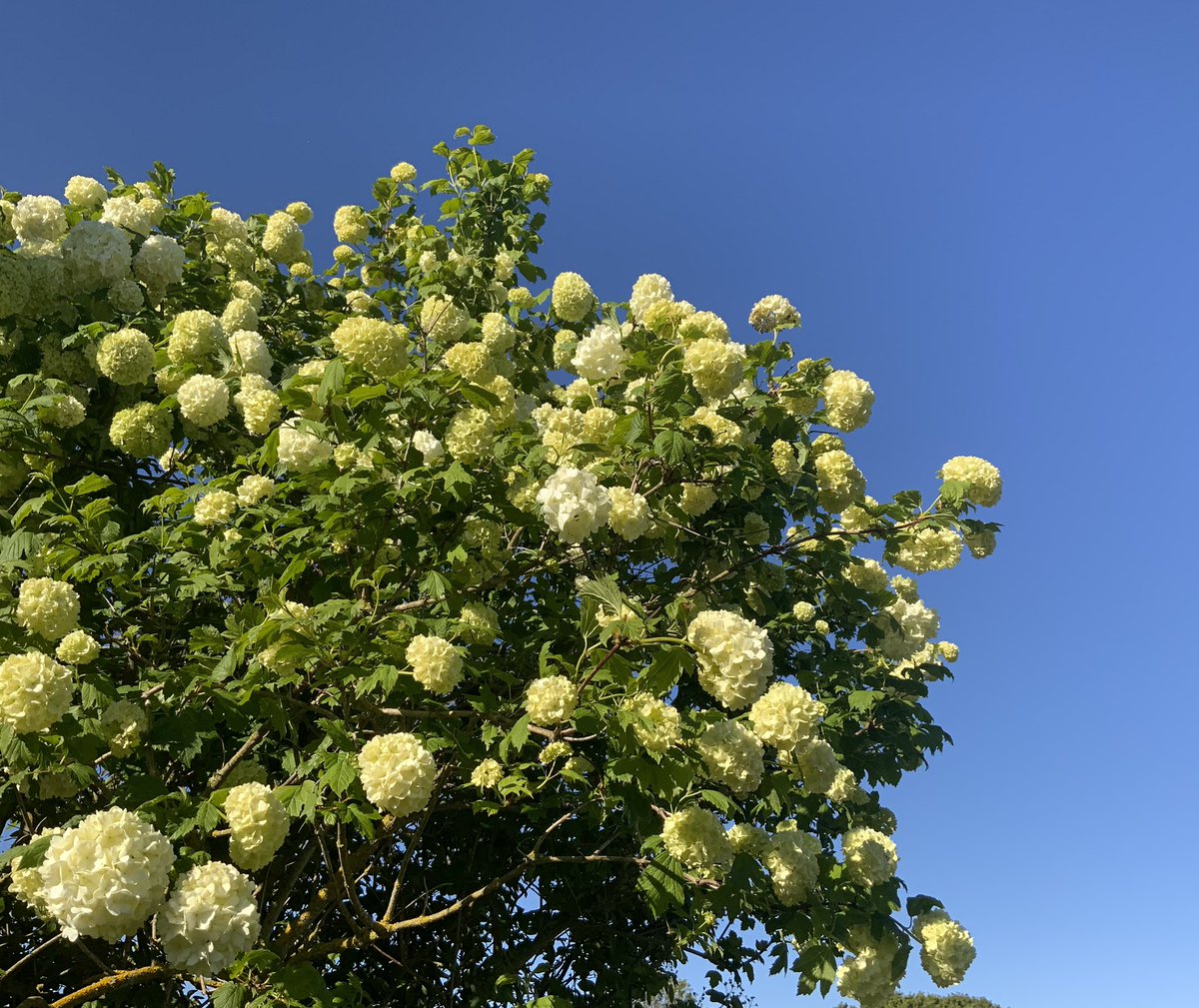
‘Blue skies, looking at me…’ 🎶
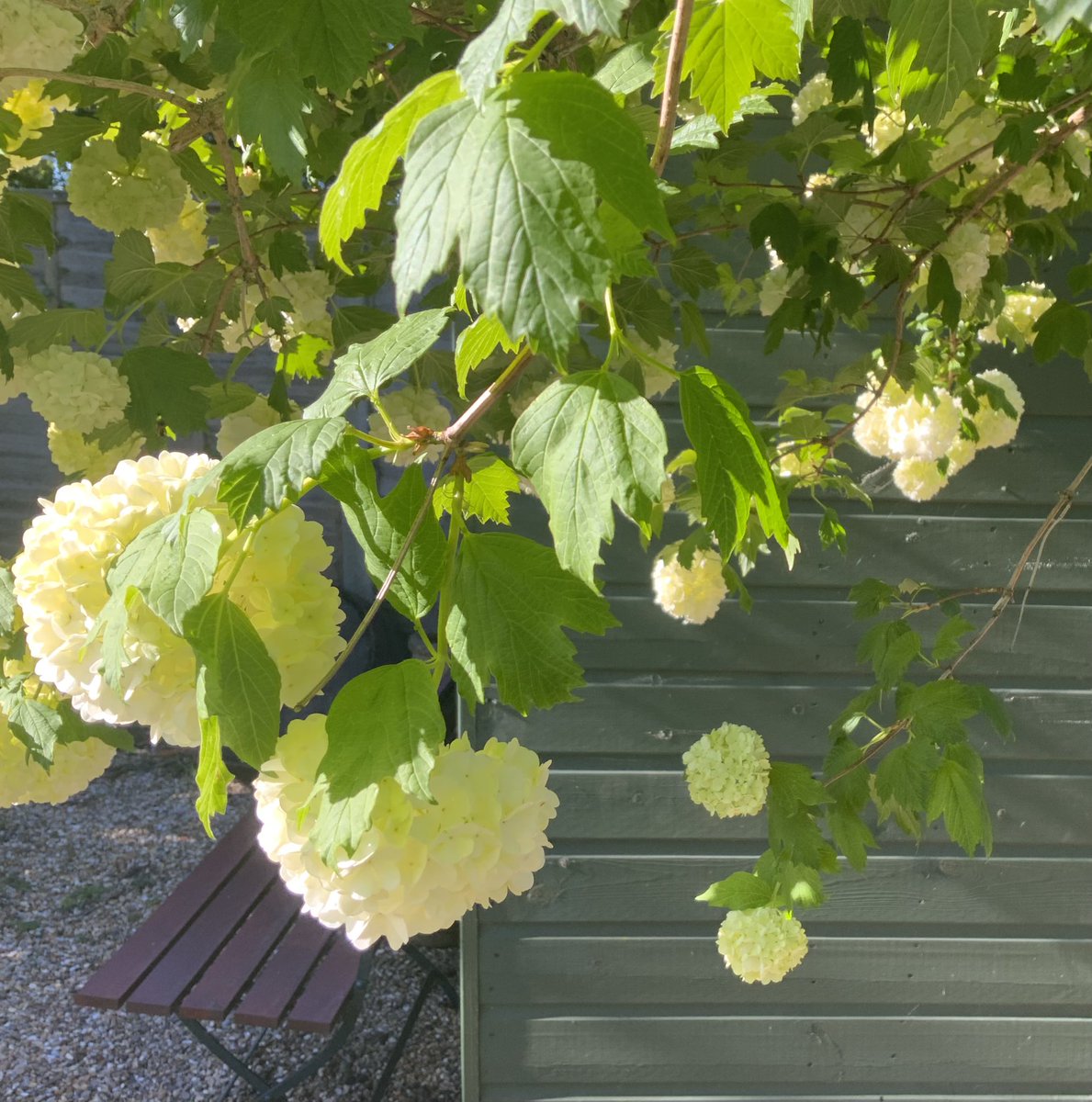
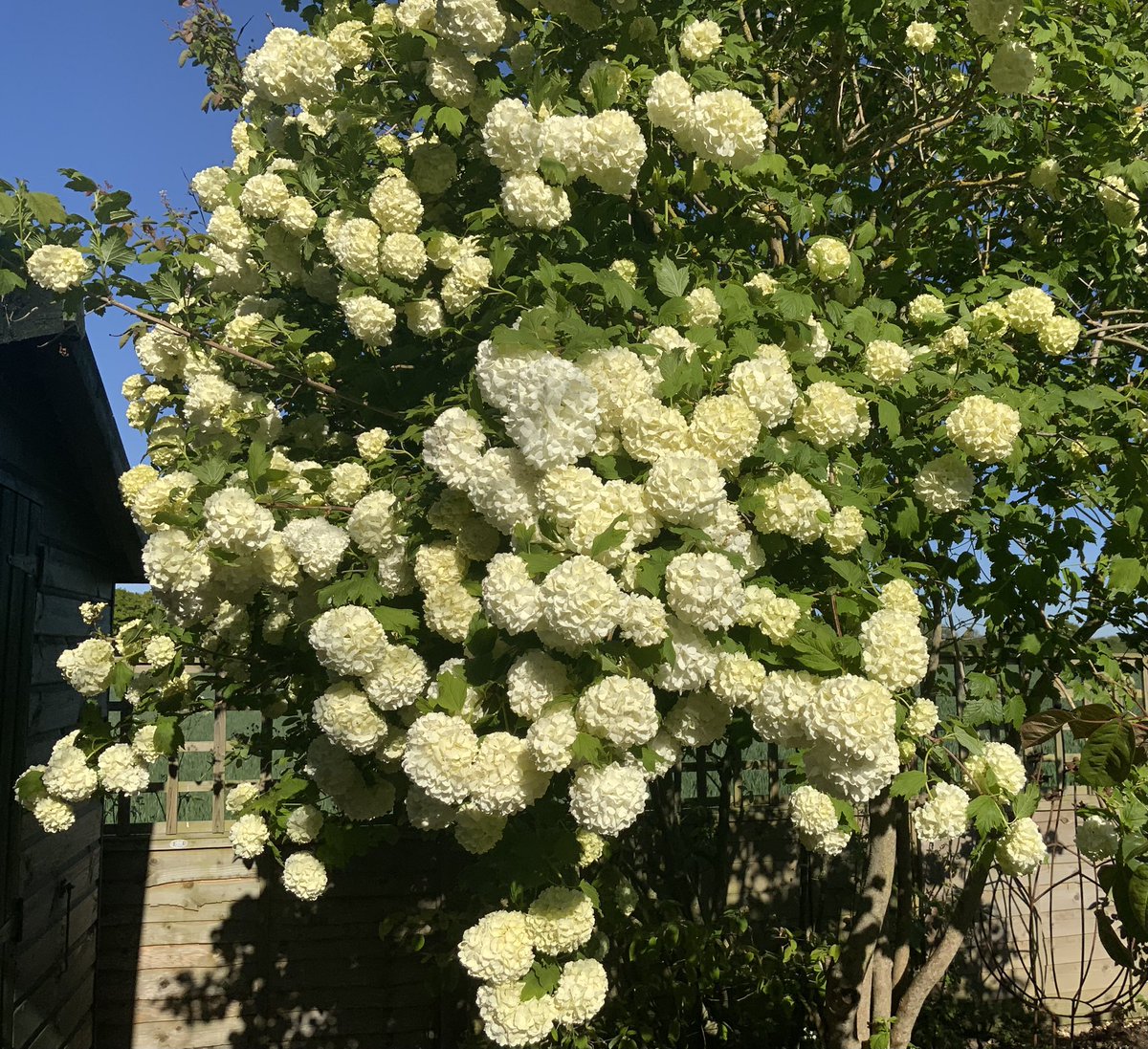
Bright, sunny but a chilly wind. Hate to say it - we need rain! Dwindling opportunity for spring planting, here the clay-based soil (despite much organic supplication) is drying rapidly. Miss PomPom (Viburnum Opulus) doing her thing. #GardeningX
1
7
54
605

