𝐃𝐚𝐫𝐤 𝐇𝐚𝐢𝐫𝐞𝐝 retweeted

2h
This is one of the main reasons We will be moving out of Massachusetts. An overwhelming amount of Massachusetts citizens voted for a state audit. The governor of the state will not even talk to the auditor of the state to get it done. They are trying or using everything they can to stop this audit. My question to Martha Healey @MassGovernor is what are you hiding?
Massachusetts residents have a right to know! 😡
5
58
55
1,103
𝗅𝖺𝗒𝗅𝗅𝖺 princesinha totalmente flamenguista retweeted

Jun 14
the overwhelming desire to be seen and understood vs the horror of letting yourself be vulnerable

36
3,480
27,030
186,344

Sweetums, as someone who has been the same gender since birth, I can assure you they are right about fuckall.
But I suppose overwhelming stupidity might cause one to become defensive.
Storm in a tcup retweeted

Everytime I challenged Tories in Lords on their sweeping assertion of overwhelming evidence, and when I cited actual evidence, lots of tut tutting & emotional, passive agressive demands to protect child safety regardless. Cos harm SO obvious. Infuriating use of actual fake news.
4
7
73
736
Colleen Rides retweeted

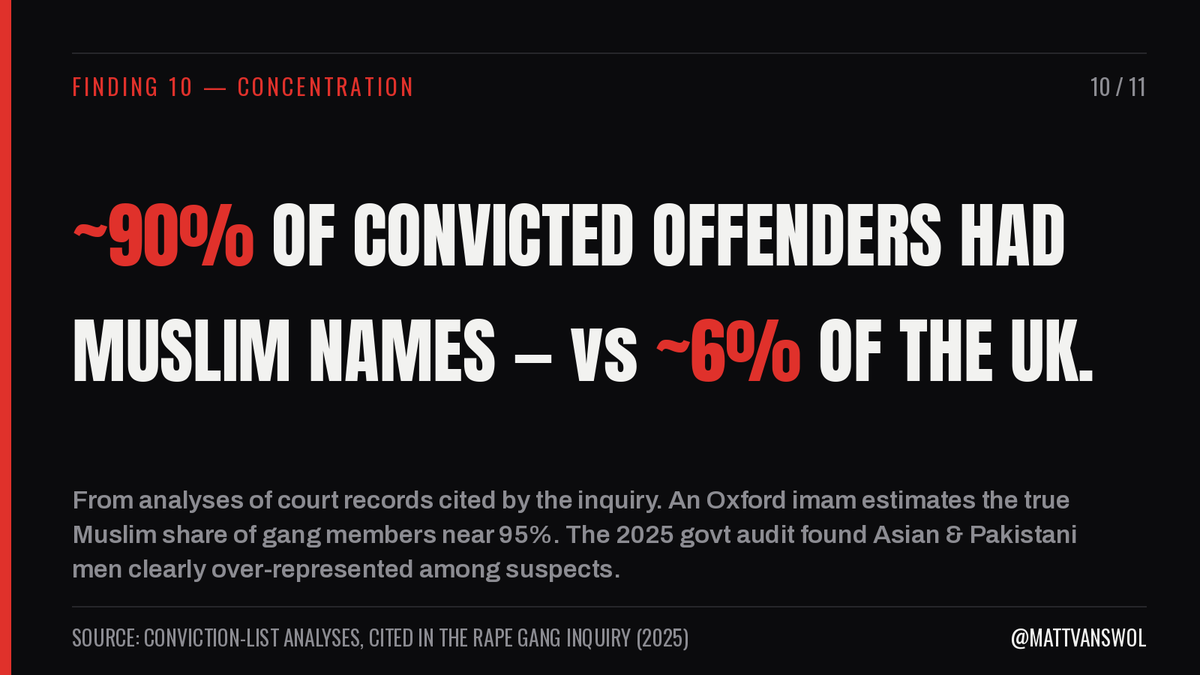
10. The overwhelming majority of the rape gang networks consisted entirely of men from Muslim backgrounds.
Between 87%-95% of the men involved in the rape gangs were Muslim...
...despite them being 6% of the population
14
118
656
8,577

My favorite video game of all-time! You're gonna love it! Royal has some great QoL features compared to P5 vanilla, and as my first Persona game as well, the calendar system is VERY overwhelming in the beginning, but I promise, it'll click before you know it. I'll try tuning in!
4
AndyL4 retweeted

As Leader of the Commons in 2016, I remember the overwhelming sense of shock and solidarity amongst MPs & Peers after Jo was killed. Our political & ideological differences seemed small. We genuinely had, for a while, "More in Common"

Extremists, algorithms & hostile states try to divide us, to turn us against each other. But we have don’t have to follow them. We can choose to talk to each other& focus on what we have in common
That’s what Jo would have done & it was a privilege to start this with @katieamess

1
6
34
1,374

This show would genuinely be the best show ever if she was just changed none of my criticisms would actually be valid as “well she did have focus but it wasn’t overwhelming” if that makes sense
2


Yes, the Boulder shooter had severe mental health issues and was initially ruled incompetent. The court ordered forced medication to restore him to competency — which is standard procedure. Once medicated, he was found competent to stand trial.
That doesn’t make it some brilliant prosecutorial masterpiece.
The case was still a slam-dunk:
• Caught on multiple surveillance videos.
• Arrested at the scene with the murder weapon.
• Overwhelming eyewitness and ballistic evidence.
Any competent prosecutor should have won that case.
Dougherty didn’t pull off a legal miracle — he handled the most obvious mass murder in recent Colorado history.
You’re not defending Dougherty.
You’re desperately coping and lashing out because your side’s soft-on-crime, progressive prosecutor culture has been exposed as a failure.
One medicated, videotaped massacre conviction doesn’t erase years of revolving-door justice, closed prisons, and sanctuary policies that protect criminals.
You call me a liar while spinning basic facts into heroic fantasy. That’s not research — that’s cult-level delusion.
1
3
Viko⁷ saw BTS retweeted

Jun 13
loving bts is so overwhelming sometimes you just feel like crying from how much they mean to you really
59
9,053
23,077
163,909
Shad Charms retweeted

The overwhelming belief around the NBA is that Giannis Antetokounmpo is heading to the Miami Heat, per @BrettSiegelNBA

36
66
965
80,534

I like boring,I think I enjoy boredom,I like enjoyment but in doses, not too much cause it becomes overwhelming,probably why my friends have to tell me of an event way ahead so I can be mentally prepared ,I love a routine too

I’m exhausted by this life and everything I’ve been carrying. Sometimes it feels overwhelming, but I’m still holding on to a small hope that better days will come and that someone will hear my voice.
1
9

sometimes i think of renheng and get an overwhelming sense of tragedy in my heart i WISH they were only lovers to enemies to lovers but they're so much more than oh my god those who hate them just can't comprehend the complexity that comes with a lost love
1
17
129
1,054
Frecklish1 retweeted

The positivity from across the American media from Scotlands presence is quite overwhelming. Scotland deserves more of a presence in the world. With Independence we can achieve this. ♥️🏴
Expect the 🇬🇧 media to attempt to distort.

1
24
32
224

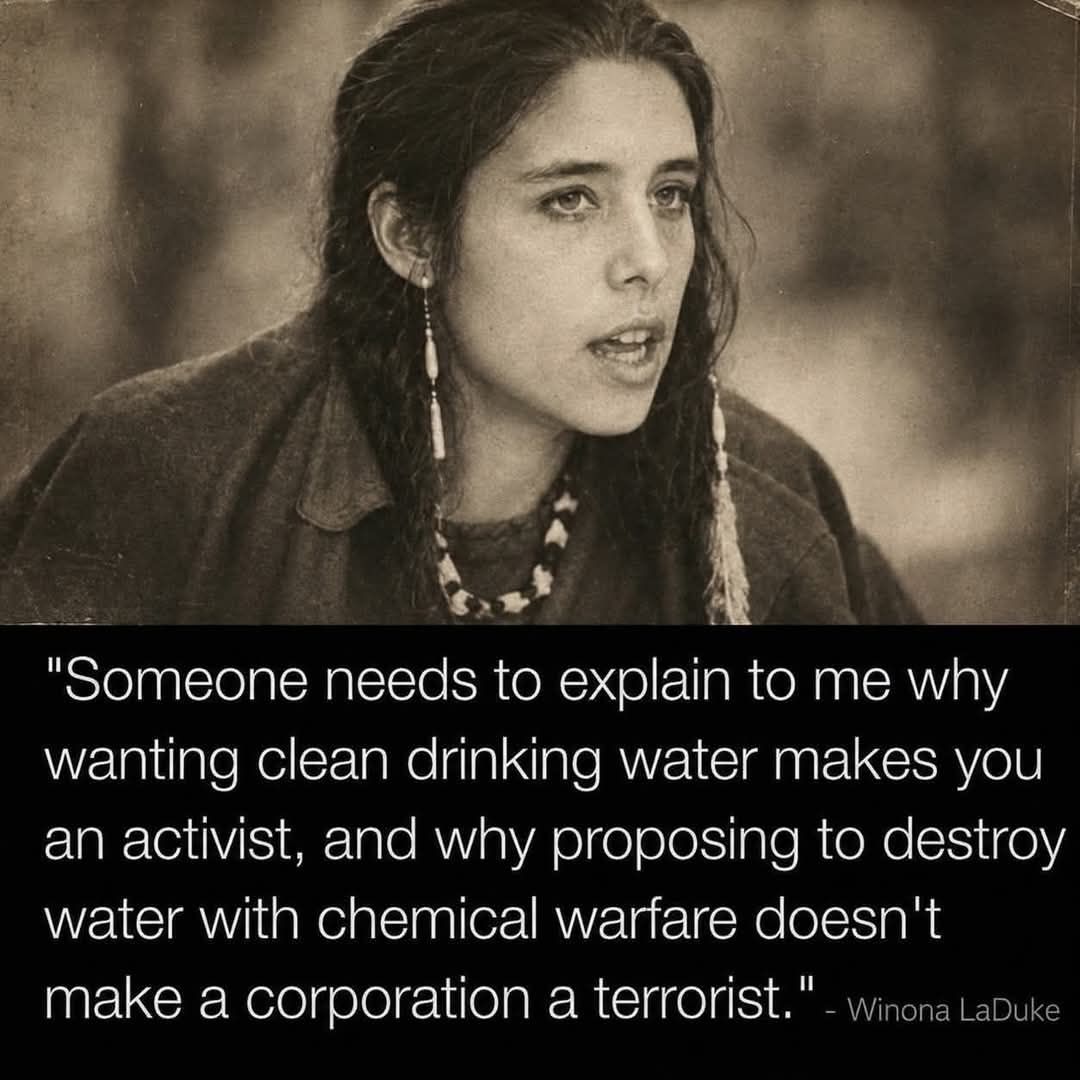
In 1982, Winona LaDuke made a choice that most people in her position would never have made.
She was twenty-three years old, fresh out of Harvard with a degree in economics, and the world was wide open in front of her. Polished career. Corporate office. The kind of future an Ivy League economics degree was supposed to unlock.
She went to the White Earth Reservation in rural Minnesota instead.
Her father was Ojibwe from White Earth. Her mother was Jewish, from the Bronx. She had been raised in Oregon, didn't speak Ojibwe, and had never actually lived on a reservation in her life. She arrived carrying the weight of a Harvard education — something that, in that community, could easily make a person look like another outsider arriving to explain things rather than learn them.
She became principal of the reservation high school. And she started paying attention.
What she found was the quiet machinery of a theft that had been running for generations.
Back in 1867, a treaty had set aside White Earth as a permanent homeland for the Anishinaabe people — more than 837,000 acres of prairie, wetlands, and sacred wild rice territory. It was meant to remain theirs. Forever.
By the time LaDuke arrived, roughly ninety percent of it was gone.
Not taken by open violence. Taken through paperwork. Fraudulent land transfers. Tax seizures imposed on people living outside a cash-based economy. Legal documents written in English for people who spoke only Ojibwe. A slow, bureaucratic erasure that looked orderly on paper and was devastating in practice.
She joined a major legal effort to reclaim the land. The courts threw the case out, saying too much time had passed.
Most people would have accepted that and moved on. LaDuke stayed.
In 1989, using $20,000 from a human rights award given by the Reebok Foundation, she created the White Earth Land Recovery Project with a goal that sounded simple and was brutally difficult: take the land back by buying it back, one parcel at a time.
No giant spectacle. No flashy campaign. Just steady, determined recovery, acre by acre, year by year.
The process was painfully slow. Progress came in small pieces while the overwhelming majority of the land remained out of reach. But while land was being reclaimed, something deeper was being restored alongside it. She helped start Ojibwe language programs so children could learn words their grandparents had once been punished for speaking. She worked to bring buffalo back to the region after they had been gone for a century. She pushed wind energy long before renewable power was fashionable. And she helped revive manoomin — wild rice — the sacred food that had nourished her people for generations and had nearly disappeared.
Over time, the project recovered around 1,500 acres. Compared to what had been taken, it was a sliver.
But it was enough for ceremonies to return. Enough for cultural memory to breathe again. Enough to prove that restoration was possible.
Then the pipeline fights arrived.
When Enbridge moved forward with the Line 3 tar sands pipeline through treaty-protected waters in northern Minnesota, LaDuke's long, quiet work turned into open resistance. She helped lead court challenges, participated in direct actions that stopped construction equipment, and stood with Water Protectors in brutal cold. She was arrested more than once. More than 600 people were arrested during the Line 3 protests altogether. People locked themselves to machinery and forced the country to pay attention.
The pipeline was ultimately completed in 2021. But the fight changed something. Treaty rights were pushed into mainstream national debate, and when a Minnesota judge later dismissed criminal charges against LaDuke and other protectors, the ruling affirmed that defending treaty land was not a crime.
She also carried the fight onto the national stage in a different way entirely. She ran for vice president on the Green Party ticket in 1996 and again in 2000 alongside Ralph Nader.
15