
@Petronas has entered agreements for various producing #upstream interests #offshore Peninsular Malaysia and Sarawak.
@enQuest_ Petroleum Production Malaysia will assume operatorship and participating interests in the Balingian, SK8 and D35 PSCs.
🔗offshore-mag.com/production/….
29


Please join us in congratulating the winners of the June PSCS Cash Lottery Draw:
1st Prize ($2000) - Travis Hutchinson of Maidstone
2nd Prize ($250) - Tom Prime of Wynyard
1st Prize ($250) - Wayne Dutchak
For more information visit our website at: pscs.ca/semsa-lottery/lotter…
16

16h
iPSCs are essentially equivalent to ESCs, capable of unlimited proliferation and differentiation into all cell types. The problem is that differentiated cells derived from either PSCs or ESCs will be eliminated by the immune system, making them impractical for regenerative therapy.
113
luiz kalimann RIDE OR DIE retweeted

tv 1 hr q o bl tv spncd jr q ia t 1 pscs plf
 midias
4
1
51
2,114

Jun 14
Thanks. The 1.8m bpd is most likely plus condensates. So true figure is most likely 1.5m bpd often shared approx as follows: 700k to 750k bpd to all IOCs because of JVs and PSCs, 215k bpd for crude backed like the $3.3b AfriExim loan-project gazelle, project leopard etc,
1
24

UPSC has previously asked this in a 'Match the Following' format and could easily frame it as a statement-based question in the future.
Never underestimate any question. If you know the core facts, it will help you eliminate incorrect options efficiently. Furthermore, this is a favorite question type in State PSCs and other one-day exams like SSC.
82


Join us at PSCS Cosmo Beauté Philippines event and we will take you on a journey from raw harvest straight from the field to the finished products. See how sustainability and science work hand-in-hand to create cosmetics that actually make a difference.
🍃 Every jar has a story

1
7

Iya, AC Milan emg tim kecil... Setara sama PSCS Cilacap 🗿
1
346

Jun 13
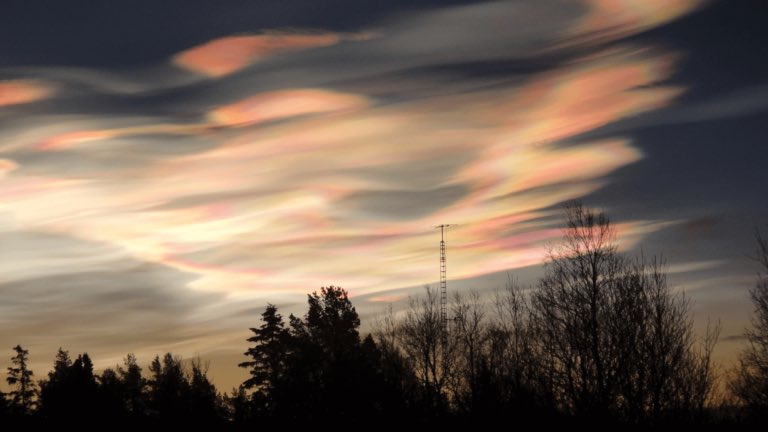
[Q&A広場#025]極成層圏雲とオゾンホールにはどんな関係があるの? - ちーがくんと地学の未来を考える spreading-earth-science.com/… via @spEarthScience ◎24/7/18, 26/6/12
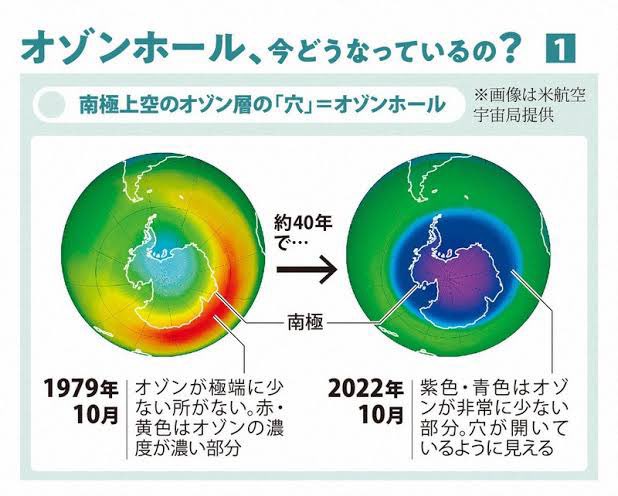
「1980年代の初めからそのような現象が特に、南極の冬-春にあたる8月から9月頃に観測されるようになった」
「極成層圏雲は塩素化合物を活性化させ、春季のオゾン破壊を引き起こす重要な要素」
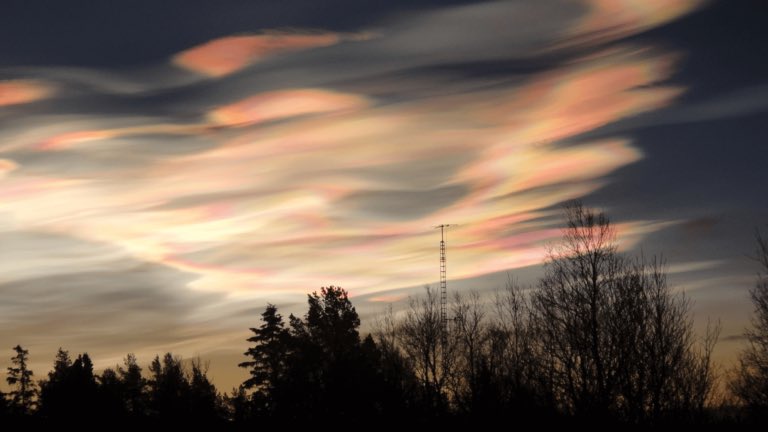
「極成層圏雲(PSCs)について改めて説明するぞ!PSCsはPolar Stratospheric Cloudsの略で、そのまま極の成層圏の雲という意味なんじゃ。この雲は非常に低温(-78℃以下)の条件下で成層圏に形成される特殊な雲」
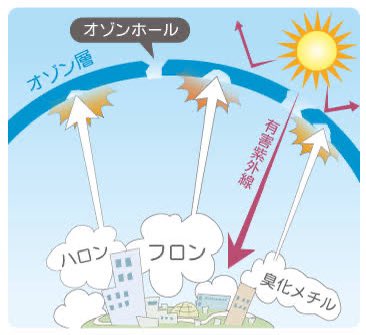
「1980年代の初めからそのような現象が特に、南極の冬-春にあたる8月から9月頃に観測されるようになったんじゃ。有害な紫外線が地球に届いて、皮膚ガンなどの病気になる人が増えてしまうといわれている」
「極成層圏巻雲の形成がオゾンホールの形成を引き起こす」
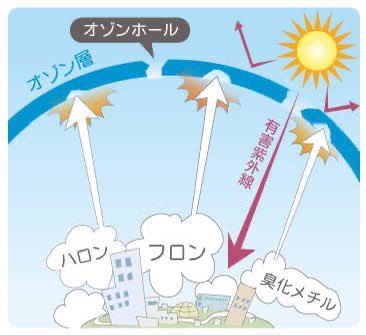
「極成層圏雲の表面で、塩化水素や硝酸塩素が塩素分子に変わり、そこに太陽光が当たると塩素分子が活性塩素原子に変わって、それがオゾンを破壊するんだ!だから極成層圏雲ができると、オゾンホールもできてしまうんです」
「極成層圏雲がなければ、安定な塩素化合物が活性塩素原子に変わることは少ない」
18 Jul 2024

[Q&A広場#025]極成層圏雲とオゾンホールにはどんな関係があるの? - ちーがくんと地学の未来を考える spreading-earth-science.com/… via @spEarthScience ◎7/18
「極成層圏雲は塩素化合物を活性化させ、春季のオゾン破壊を引き起こす重要な要素」
「極成層圏雲(PSCs)について改めて説明するぞ!PSCsはPolar Stratospheric Cloudsの略で、そのまま極の成層圏の雲という意味なんじゃ。この雲は非常に低温(-78℃以下)の条件下で成層圏に形成される特殊な雲」
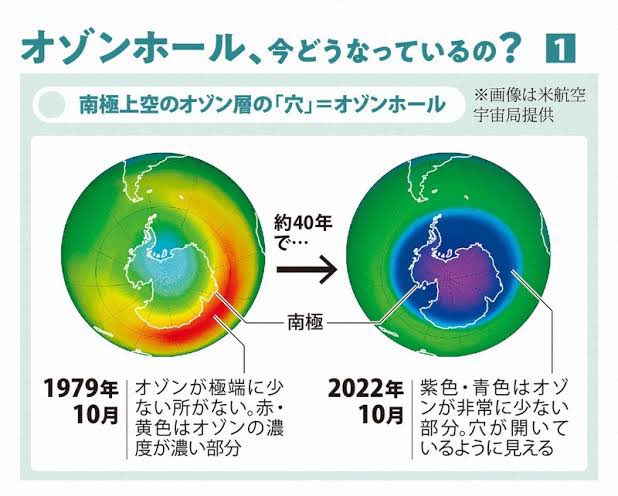
「1980年代の初めからそのような現象が特に、南極の冬-春にあたる8月から9月頃に観測されるようになったんじゃ。有害な紫外線が地球に届いて、皮膚ガンなどの病気になる人が増えてしまうといわれている」
「極成層圏巻雲の形成がオゾンホールの形成を引き起こす」
「極成層圏雲の表面で、塩化水素や硝酸塩素が塩素分子に変わり、そこに太陽光が当たると塩素分子が活性塩素原子に変わって、それがオゾンを破壊するんだ!だから極成層圏雲ができると、オゾンホールもできてしまうんです」
「極成層圏雲がなければ、安定な塩素化合物が活性塩素原子に変わることは少ない」
1
3
3
89

Jun 12
They're going to build some of the Arctic Security Cutters, not the PSCs.
1
8

Jun 12
Encourage your team to publish individually (with firm support) and present at venues like ISA, APSA, or specialized security conferences.
Use ethical, open-source AI and data tools to generate insights that academics can reference or build upon.
Shape the international geopolitical and geostrategic policy for White House and Israel.
Diversify this risk intelligence model with @Google, @X, @Meta to create service line diversification in the areas of:
Cyber threat intelligence and digital risk.
Supply chain and third-party risk.
Physical and event security risk (highly relevant to sports/events).
Executive protection and travel risk.
Financial crime, fraud, and sanctions intelligence.
Emerging technology/AI risk and regulatory intelligence.
Sports-specific vertical: Athlete safety & protection, event integrity threats, geopolitical risks for international signings/tours, and sports diplomacy/security analysis.
Productize where possible: Move from pure bespoke consulting to a mix of subscription intelligence platforms, alert services, managed monitoring, and on-demand reports.
Expand into adjacent Advisory Services. Like, Security program design and consulting (non-operational): Help clients design security policies, conduct vulnerability assessments, and develop risk mitigation strategies.
Training and capacity building: Executive briefings, tabletop exercises, crisis management training, and awareness programs (this is a common bridge toward the training arms of larger PSCs).
Integrated risk reports: Combine intelligence with actionable recommendations and program design.
Sports-specific offerings: Event security risk assessments, international athlete movement risk, tournament integrity monitoring, and geopolitical risk for sports infrastructure or tours.
Move towards Integrated Risk solutions: Offer end-to-end risk advisory engagements that include intelligence consulting implementation oversight (without performing the physical security work yourself).
Develop sector-specific practices (e.g., Sports & Major Events Risk, Energy & Critical Infrastructure, Financial Services Risk).
Create modular service packages that clients can scale (basic monitoring → full risk program advisory).
Selective Capability Expansion -
Adding a training academy or certification programs.
Building a network of vetted local partners for on-ground support (without direct operational control in high-risk areas initially).
Pursuing government contracting opportunities only through proper channels (SAM registration, demonstrated past performance on unclassified work, and eventual pursuit of facility clearances if needed).
Scaling requirements:
Talent and Expertise:
Hire or affiliate former military/intelligence professionals, security managers, and subject-matter experts (with proper vetting).
Build a bench of regional specialists and analysts.
Invest in continuous professional development and certifications.
Create operational infrastructure:
Secure data platforms and client portals.
Standardized methodologies and quality control.
Robust insurance (professional indemnity, cyber, and — if moving toward higher-risk advisory — appropriate coverage for advisory work in complex environments).
Scaling:
Target Client Personas:
Chief Risk Officers, General Counsel, and CISOs in multinational corporations.
Sports organizations, leagues, teams, event organizers, and athlete management firms.
Private equity, asset managers, and financial institutions (country risk and due diligence).
Insurers and brokers.
Mid-to-large enterprises with international exposure.
Core pillars of commercial and go to marketing:
1
73

📍 Confirmed locations include:
🔴 Donegal – PSCs (Letterkenny, Milford, Dungloe, Lifford, Donegal Town, Carndonagh) County House Lifford
🔴 Galway – County Hall
🔴 Waterford – City Hall
🔴 Kildare – Virtual online illumination
1
1
81
📍 Confirmed locations include:
🔴 Cavan Courthouse
🔴 Carlow – Town Hall, Tullow St, Hanover, Barrack St, Liberty Tree, Garda Station, Ducketts Grove
🔴 Cork –County Hall
🔴 Donegal – PSCs (Letterkenny, Milford, Dungloe, Lifford, Donegal Town, Carndonagh) County House Lifford
1
87

Radical Green New Deal activists are pouring millions into obscure Public Service Commission races.
Why?
Because PSCs decide the future of energy reliability, affordability, and infrastructure in America.
Read more from RRPAC President Elizabeth Gianini:
realclearenergy.org/articles…
1
1
5
Stock-To-Buy ⭐️⭐️⭐️⭐️ retweeted

Jun 10
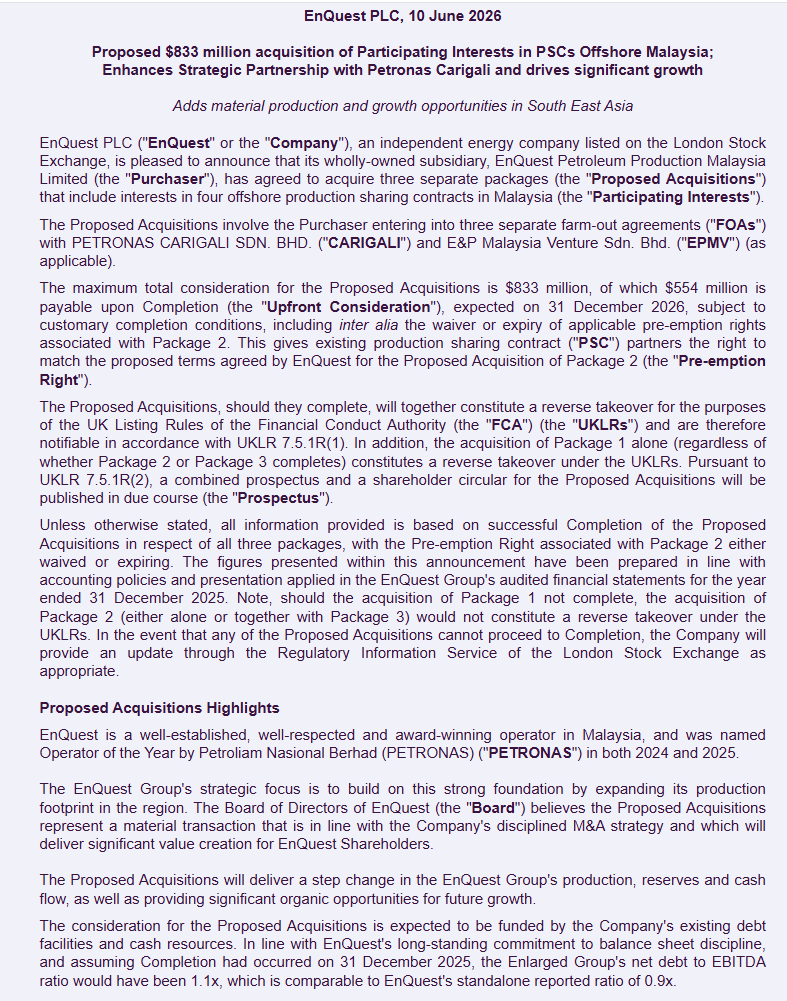
#ENQ Enquest Significant Acquisition in Malaysia
Proposed $833 million acquisition of Participating Interests in PSCs Offshore Malaysia;
Enhances Strategic Partnership with Petronas Carigali and drives significant growth
investegate.co.uk/announceme…
2
8
839

Jun 12
Morning, we’re here until 5pm to answer your general queries.🕔
Who owns and controls your company?
A person with significant control (PSC) is someone who holds ownership or control over your company.
Find out more about PSCs: gov.uk/guidance/people-with-…

ALT White text against black background - Good morning, we're here until 5pm to answer your queries.
1
1
481
