#physics #science #physicshomeworkhelp #physics #Motivation #neweyeimplant
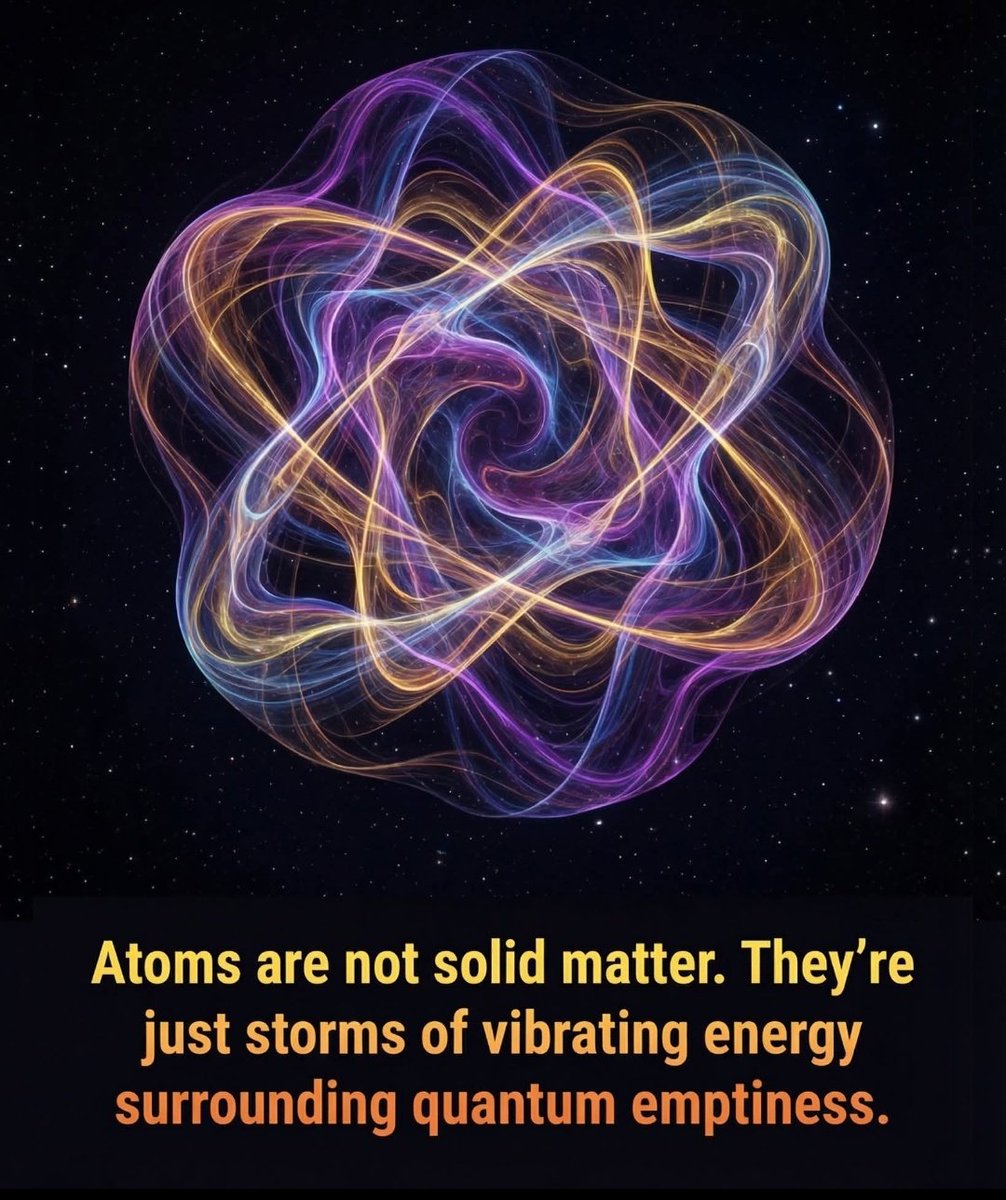
Quantum physics shows that the solid world we perceive is actually made of energy lines, emptiness, and probability — not physical matter.
For centuries, we have viewed the universe as a collection of solid objects, but quantum physics is dismantling that illusion.
At the heart of every atom lies not a tiny, hard marble, but a swirling electric storm of probability and vibration. Scientists have proven that what we perceive as physical substance is actually a series of ghostlike force fields and resonant waves dancing in a vast, silent void.
This fundamental shift in understanding suggests that the material world is less like a construction site of fixed parts and more like a complex symphony of energetic happenings.
This discovery challenges our very sense of identity, suggesting that we are not solid beings inhabiting a solid world, but rather intricate patterns of energy echoing through space. If the foundation of reality is built on probability instead of substance, the boundaries between the observer and the observed begin to blur. We are part of a continuous, dynamic dance where nothing is truly static, reminding us that existence is an ongoing process of vibration rather than a collection of independent, inanimate things.
Source: Heisenberg, W. Physics and Philosophy: The Revolution in Modern Science. Harper & Row.
30

Apr 1
#ScarletHeartTH #Hearts2Hearts #physics #science #physicshomeworkhelp #physicsAlzheimer #historyEvery
THE HUMAN BODY WAS NEVER DESIGNED TO DIE. AGING IS A PROGRAM. AND SOMEONE WROTE IT.
In 1961, Dr. Leonard Hayflick discovered that human cells stop dividing after approximately 50 divisions. He called it the Hayflick Limit. Science accepted it as biological law. The textbooks closed. The discussion ended.
But the discussion should have started.
Lobsters do not age. Their cells produce an enzyme called telomerase that rebuilds their telomeres after every division. They do not weaken with time. They do not develop cancer. They grow stronger, larger, and more fertile the older they get. A lobster does not die of old age. It dies because it runs out of energy to molt. If fed and protected, there is no known biological limit to how long it can live.
Turritopsis dohrnii. The immortal jellyfish. When it reaches the end of its life cycle, it does not die. It reverts to its juvenile state and begins again. It has been doing this for millions of years. Biological immortality is not theoretical. It exists in nature right now.
Naked mole rats live ten times longer than any rodent their size. They do not get cancer. Their cells maintain telomere length far beyond what the Hayflick Limit predicts. Scientists have studied them for decades and still cannot explain why they refuse to follow the rules of aging.
Your DNA contains the same telomerase gene. It is called hTERT. It is present in every cell of your body. But in most cells, it is switched off. Deactivated. Silenced.
Not by nature. Nature does not build a repair mechanism and then disable it. That is not evolution. That is engineering.
Something turned off your ability to regenerate. Something rewrote the code so that your cells self-destruct after a set number of divisions. Something programmed you to decay, to weaken, to forget, and to die on a schedule that conveniently aligns with a lifetime of labor and consumption.
You work from 18 to 65. You consume. You pay taxes. You get sick. You spend your savings on medical bills. You die. The next generation begins the same cycle.
A human who lives to 200 does not participate in this system. A human who does not age does not fear. A human who does not fear cannot be controlled.
The MedBed telomere restoration protocol reactivates the hTERT gene. It does not slow aging. It reverses it. The cells begin to divide again. The telomeres rebuild. The biological clock does not just stop. It runs backward.
They did not hide immortality from you because it was impossible. They hid it because a species that does not die does not obey.
3
558
Apr 1
#ScarletHeartTH #Hearts2Hearts #physics #science #physicshomeworkhelp #physicsAlzheimer #historyEvery
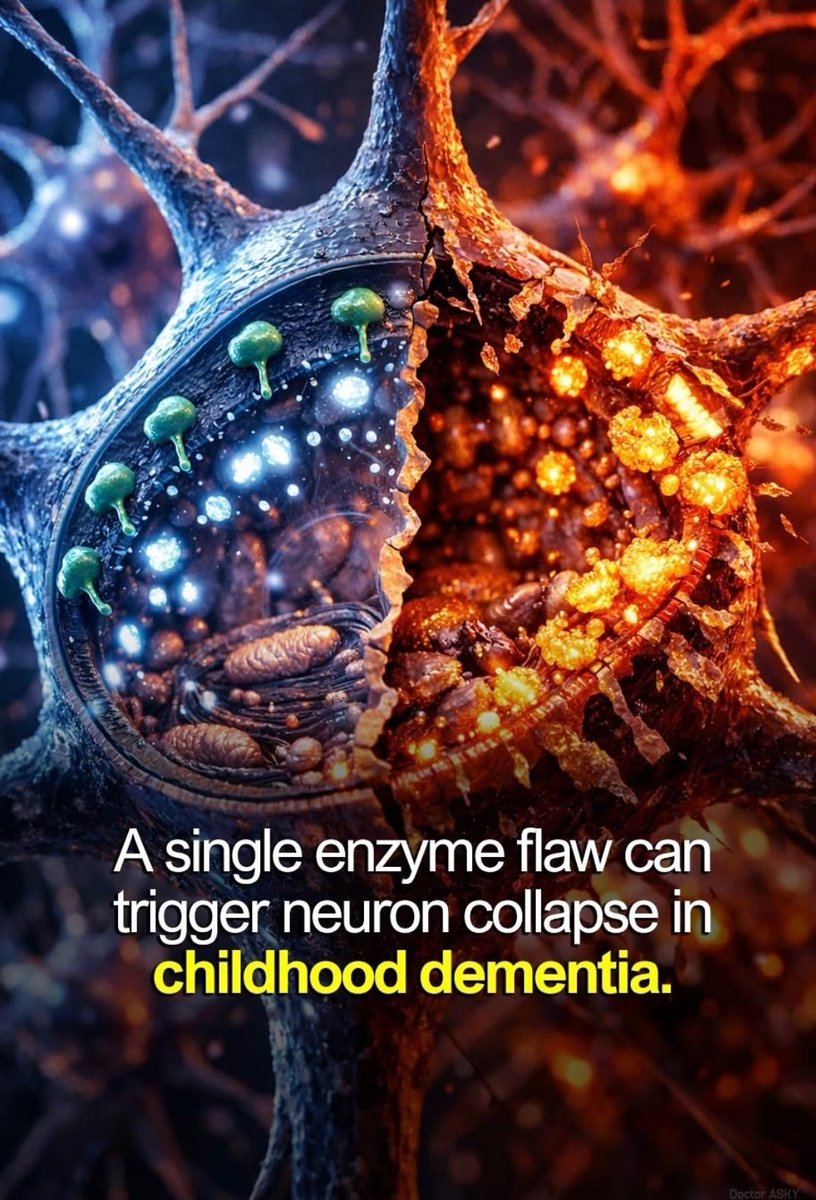
🧠 A Single Enzyme Could Destroy a Child’s Mind… But How?
Scientists have discovered something shocking: a tiny flaw in just one enzyme can trigger neurons in a child’s brain to collapse. This rare mutation disables a protective protein, letting harmful chemicals silently attack brain cells. The result? Rapid, devastating childhood dementia that can appear seemingly out of nowhere. Imagine your brain’s defenses suddenly failing — and there’s nothing you can see until it’s too late. Researchers say this is one of the clearest examples yet of how a single microscopic change can change an entire life.
Could this discovery help unlock future treatments — or does it reveal how fragile our brains really are? The mystery is only beginning.
Source: ScienceDaily. (n.d.). Single enzyme flaw triggers neuron collapse in childhood dementia.
1
473
Jan 14
#ScarletHeartTH #Hearts2Hearts #physics #science #physicshomeworkhelp
#physicsAlzheimer
#historyEvery
#FollowMe
#physicsHistory
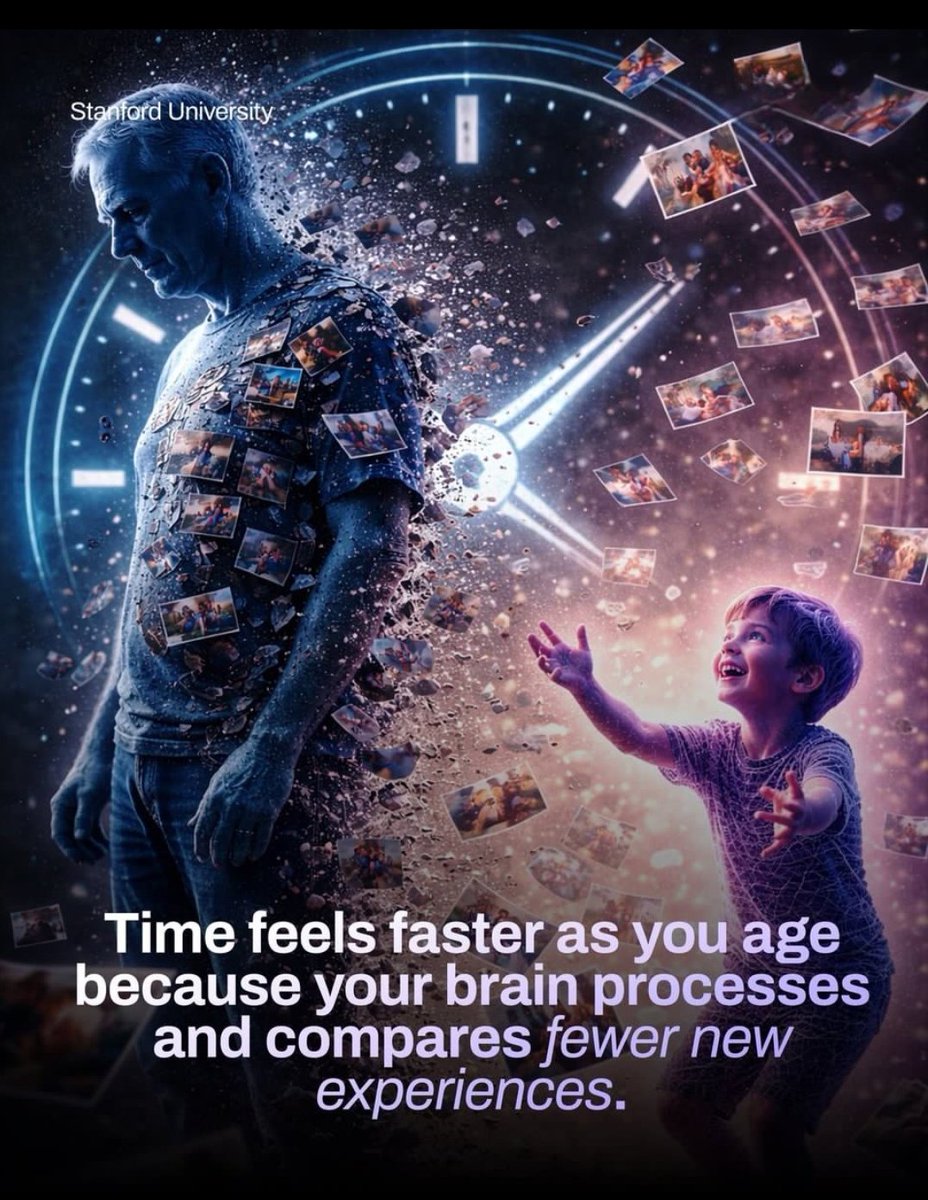
🧠 As we age, time often feels like it speeds up because the brain records fewer novel experiences, a concept known as the memory content hypothesis.
Research discussed by psychologists at Stanford University explains that new and unfamiliar experiences create richer, more detailed memories, which make periods of time feel longer in hindsight.
In childhood and youth, the brain is constantly forming new neural patterns, filling memory with distinct snapshots that stretch our sense of time.
With age, daily life becomes more routine, leading the brain to store fewer unique memories and compress long periods into shorter-feeling recollections.
As a result, years can seem to pass quickly not because time changes, but because memory does.
1
3
538
Jan 3
#ScarletHeartTH #Hearts2Hearts #physics #science #physicshomeworkhelp
#physicsAlzheimer
#historyEvery
#FollowMe
#physicsHistory
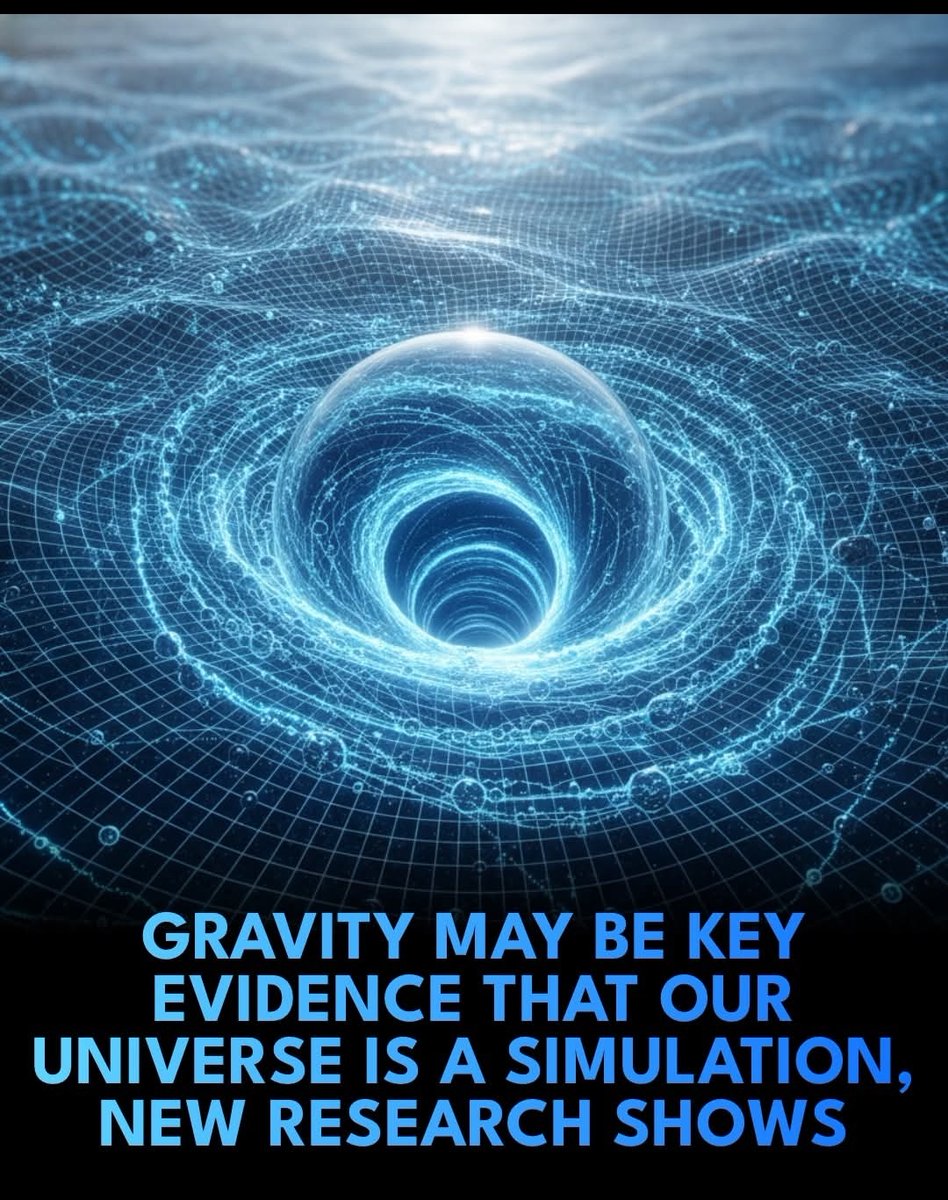
🚨 New research suggests gravity might be the glitch revealing our universe is a simulation.
A groundbreaking new theory suggests gravity is not a force of nature, but a universal data-compression tool designed to optimize the computer of our reality.
Physicist Melvin Vopson is challenging the very foundation of physics with a theory that redefines gravity as an informational byproduct rather than a fundamental force. Vopson suggests the universe operates like a colossal computer, and gravity is its primary method for optimizing data storage. Much like a file compression algorithm, gravity pulls matter together to reduce the complexity of the information being stored within the cosmic system. This perspective shifts our view of the cosmos from a collection of drifting masses to a highly efficient, self-optimizing data-processing machine.
This concept relies on the second law of infodynamics, which posits that the universe seeks to minimize information entropy to remain computationally efficient. By clumping matter into organized structures like stars and planets, the system reduces the processing power needed to render reality. If gravity is indeed an emergent efficiency algorithm, it lends significant weight to the simulated universe hypothesis, suggesting that spacetime itself might be composed of discrete digital pixels. This fusion of digital logic and physical law offers a provocative new way to understand why our universe is structured with such mathematical precision.
Source: Vopson, M. M. The second law of infodynamics and its implications for the simulated universe hypothesis. AIP Advances.
2
3
382
26 Dec 2025
#ScarletHeartTH #Hearts2Hearts #physics #science #physicshomeworkhelp
#physicsAlzheimer
#historyEvery
#FollowMe
#physicsHistory
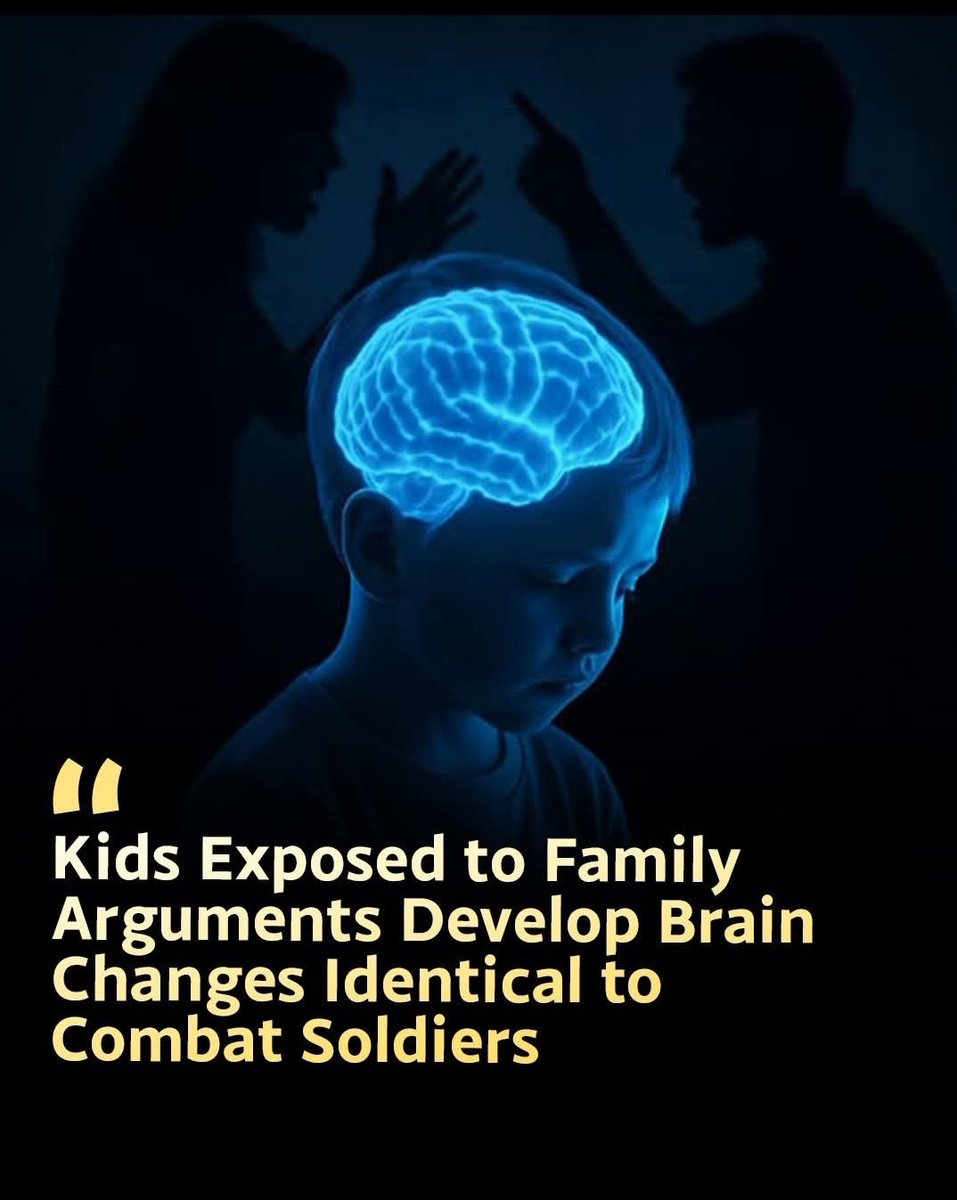
Yelling isn't just yelling. The brain doesn't know the difference.
MRI scans show children living in high-conflict homes have hyper-reactive threat centers identical to soldiers with PTSD (Post-Traumatic Stress Disorder).
Their amygdala stays on constant alert, scanning for danger that isn't there. A hostile home rewires a child's brain for war.
Source: University College London / Child Development
3
408
20 Dec 2025
#ElonMusk #Tes
#ScarletHeartTH #Hearts2Hearts #physics #science #physicshomeworkhelp
#physicsAlzheimer #space #FollowMe
#historyEvery
#physicsHistor
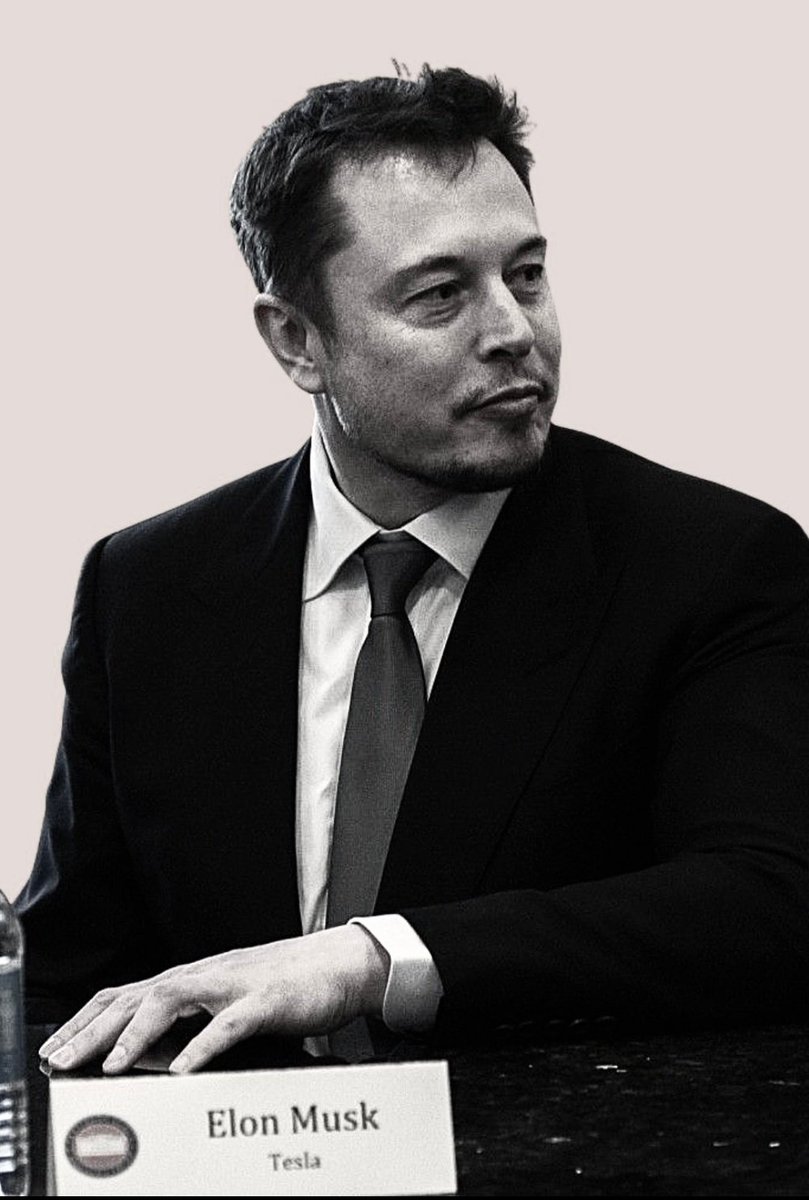
ELON MUSK AND TESLA WON! 👏
Justice finally showed up.
The Delaware Supreme Court ruled that Elon’s 2018 Tesla CEO compensation package from Tesla - worth $56B - must be restored.
This was a performance based packaged tied to milestones people said was impossible. And him and the Tesla team hit every one.
And while the haters threw stones saying he was getting paid too much, Elon kept building, for years without pay.
And today we finally won.
Tesla shareholders won.
Truth won.
Congratulations #ElonMusk and #tes #test
265
16 Dec 2025
#ScarletHeartTH #Hearts2Hearts #physics #science
#physicshomeworkhelp
#physicsAlzheimer
#historyEvery
#FollowMe
#physicsHistory
#physics #Motivation
#newindia
#Astrobase #space
#AndromedaGalaxy
#ElonMusk
Elon musk is the first person in human history to touch $600B in net worth, yet he lives nothing like people expect.
He doesn’t own mega-mansions, doesn’t party on yachts with models and bottles, and isn’t burning cash on materialistic things that most billionaires spend $ on. In fact, he sold off all of his homes and lives in a small, modest house near SpaceX in Texas, close to the work, worth ~$50K.
Almost everything he owns is in companies pushing humanity forward - Tesla, SpaceX, Starlink, xAI, Neuralink, 𝕏, Boring Company. He uses his $ to push the mission of his companies forward.
And I bet he’ll continue to use his wealth to make Earth safer, accelerate sustainable energy, and ensure humans become a multi-planetary species on Mars.
This is FAR from comfort.
That’s what makes him different. Most billionaires optimize for lifestyle, while Elon optimizes for outcomes that matter to civilization.
Time will tell, but I believe people won’t remember him for what he owned, but rather people will remember him for what he sacrificed and built.
Congrats Elon.
1
278
15 Dec 2025
#physics #science
#physicshomeworkhelp
#physicsAlzheimer
#historyEvery
#FollowMe
#physicsHistory
#physics #Motivation
#newindia
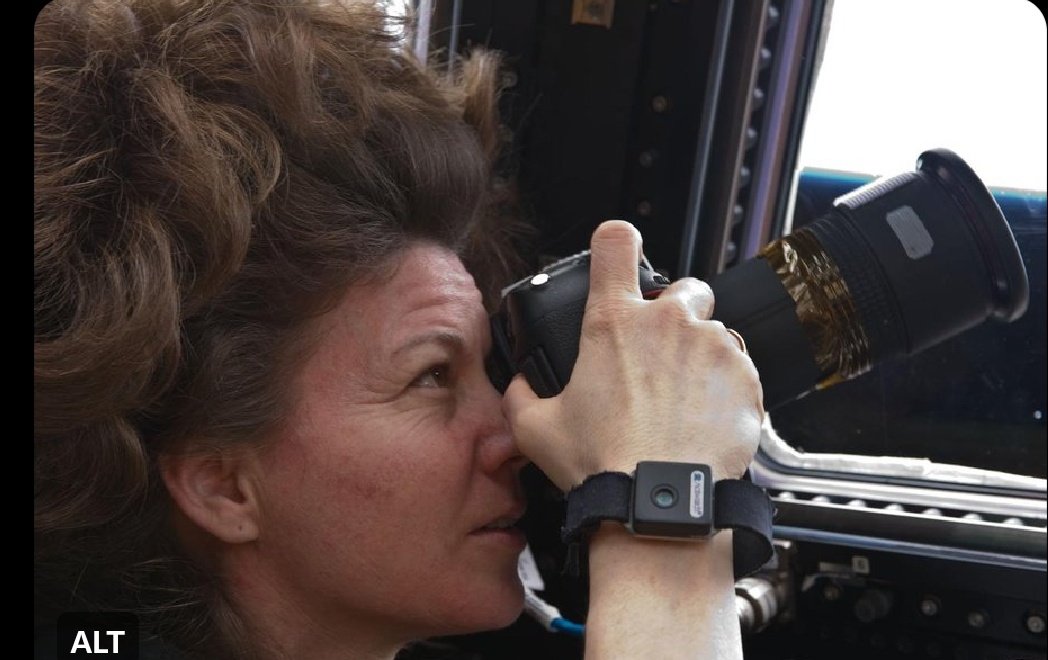
#Astrobase #spaceCady Coleman 💫
ASE Life Member @Astro_Cady took pictures from the Cupola of the @Space_Station in April 2011 during her long-duration mission (Expedition 26/27).
Fun fact: She competed on @MIT’s crew team in college!
Happy 65th birthday, Cady! 🎉
1
40
14 Dec 2025
#ScarletHeartTH #Hearts2Hearts #physics #science #physicshomeworkhelp
#physicsAlzheimer
#historyEvery
#FollowMe
#physicsHistory
#DNA
#NASAWebb
#NASA #NOAAghoststationImagine
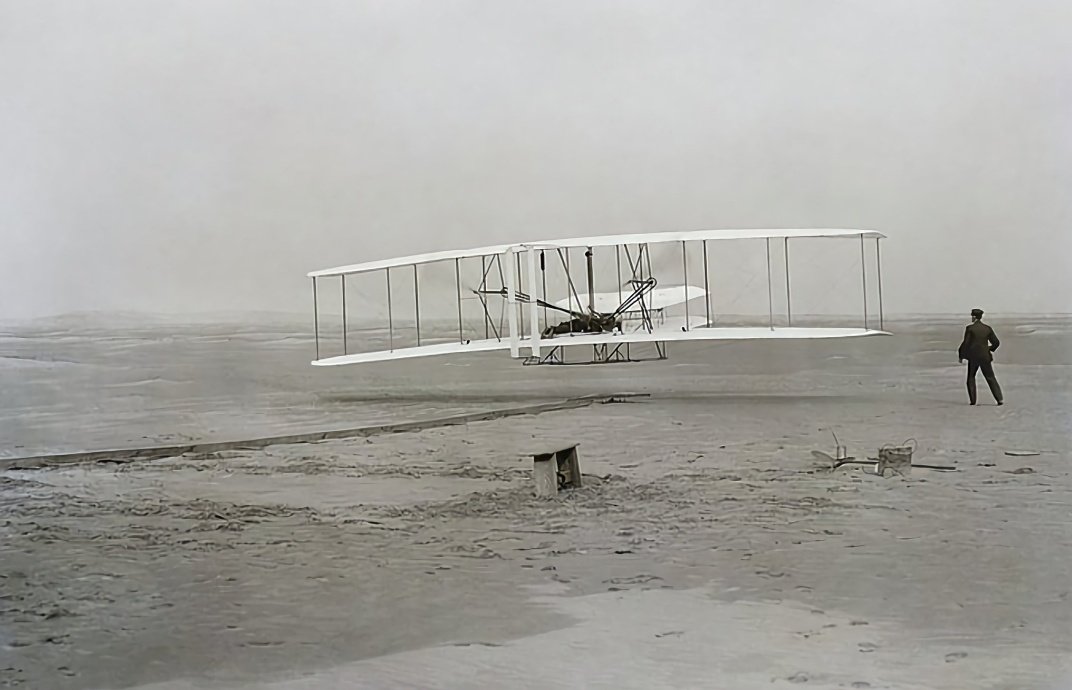
December 14, 1903, the Wright brothers made a first attempt to fly their Wright Flyer at Kitty Hawk, North Carolina. The airplane stalled and came down after 31⁄2 seconds with minor damage. Photo by John T. Daniels of December 17, 1903 flight.
1
2
751
13 Dec 2025
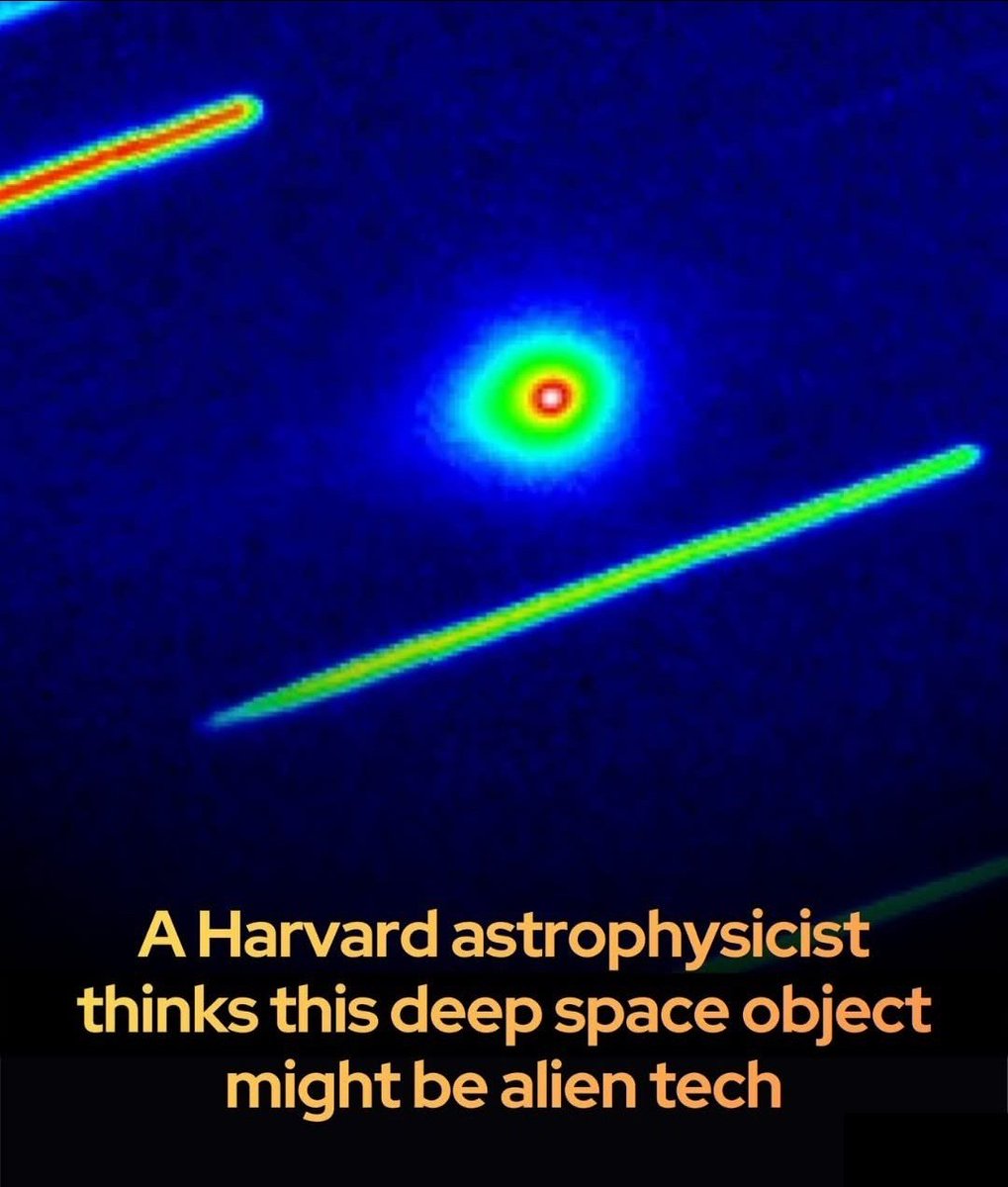
🚨: Harvard’s astrophysicist says interstellar object 3I/ATLAS has just a 0.005% chance of being natural.
And it could “save or destroy us.”
A mysterious interstellar visitor is raising big questions—and a few eyebrows—in the astronomy community. Known as 3I/ATLAS, it’s only the third confirmed interstellar object ever detected, and it’s unlike anything we’ve seen before.
Bigger than ‘Oumuamua and moving at 152,000 mph, the object is older than our Sun and traveling on a trajectory that passes unusually close to Venus, Mars, and Jupiter—all while staying almost perfectly aligned with our solar system’s orbital plane.
That strange precision caught the attention of Harvard astrophysicist Avi Loeb, who says the odds of such an alignment happening by chance are less than 0.005%. While he’s not declaring it alien technology, he argues the possibility can’t be dismissed, warning that 3I/ATLAS could “save or destroy us” depending on what it turns out to be.
Most astronomers, however, see a different picture. Data from the James Webb Space Telescope and other observatories show signatures of CO₂, water ice, and dust—all characteristic of comets, albeit with some odd chemistry. To them, 3I/ATLAS is likely a rare but natural object ejected from another star system.#ScarletHeartTH #Hearts2Hearts #physics #science #physicshomeworkhelp
#physicsAlzheimer #space #FollowMe #Nature #astronomy, #Nasa #astrophotography
#historyEvery
#physicsHistory
#DNA
#NASAWebb
#NASACelebrate
2
323
12 Dec 2025
#ScarletHeartTH #Hearts2Hearts #physics #science #physicshomeworkhelp
#physicsAlzheimer
#historyEvery
#FollowMe
#physicsHistory
#DNAThis
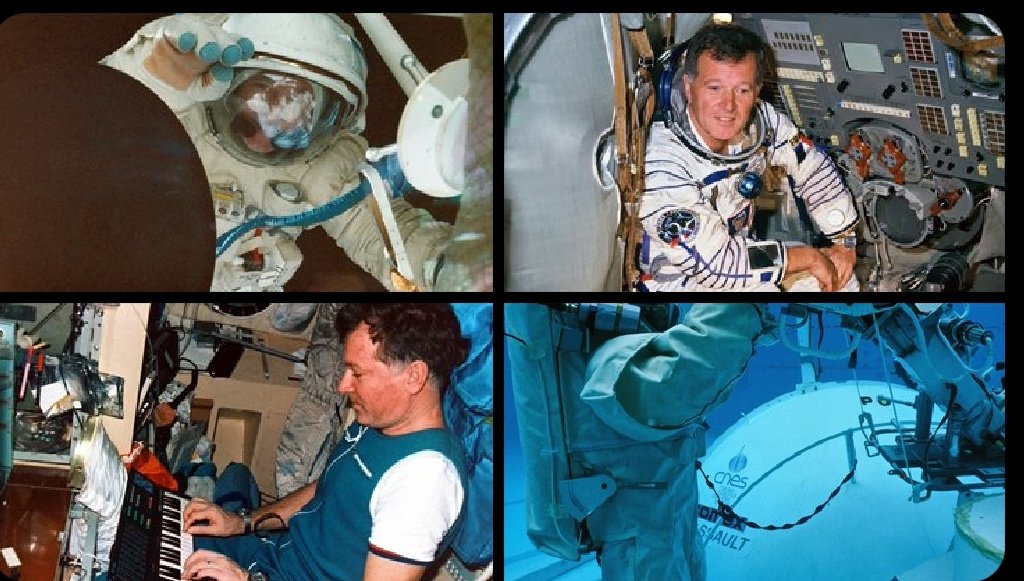
#NASA Today marks the 37th anniversary of the first French spacewalk!On December 9, 1988, CNES astronaut Jean-Loup Chrétien performed a 5h 57m EVA from Mir during the Aragatz mission, making France the third nation (after USSR & USA) to conduct an extravehicular activity.With cosmonaut Aleksandr Volkov, he deployed the 4-meter hexagonal ERA structure (after some stubborn unfolding) and installed the ÉCHANTILLONS materials-exposure experiments. Near the end, his suit’s ventilation failed, fogging his visor while closing the hatch.The intense Franco-Soviet scientific program included life-science experiments (CIRCE, bone densitometry, echocardiography, etc.) and technology tests (AMADEUS, ERCOS, ERA, ÉCHANTILLONS).After 24 days in orbit, Chrétien returned on Soyuz TM-7. This was his second flight (first French astronaut in 1982) and the first time a non-Soviet/non-American spent more than 11 days in space. He later flew on Shuttle Atlantis in 1997.
2
508
11 Dec 2025
#ScarletHeartTH #Hearts2Hearts #physics #science #physicshomeworkhelp
#physicsAlzheimer
#historyEvery
#FollowMe
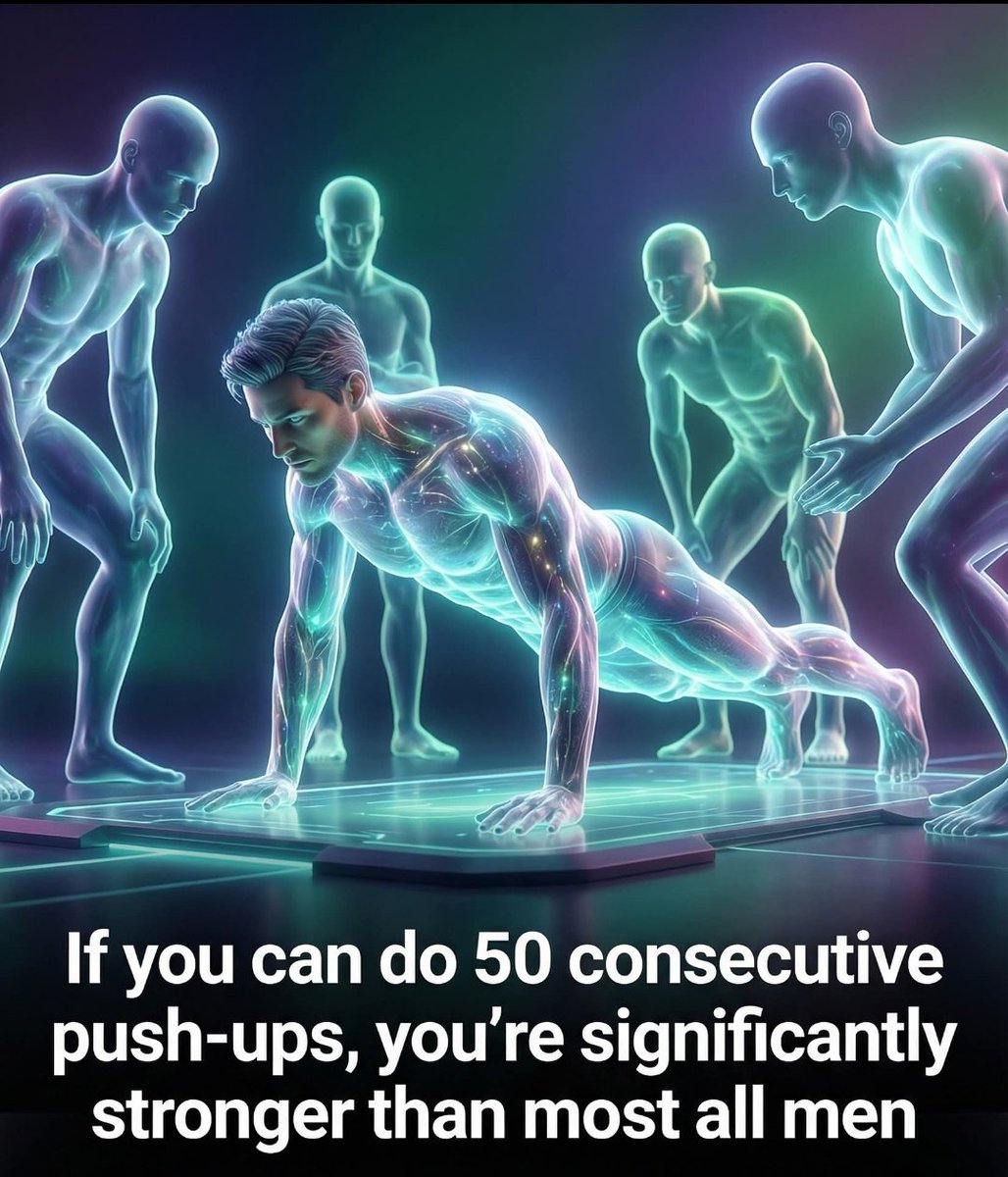
#physicsHistory 💪 Can you do 50 push-ups in a row?
Being able to do 50 consecutive push-ups is more than just a party trick—it places you well above he average adult in terms of upper-body muscular endurance.
While fitness levels vary by age and sex, most sources estimate the average man can perform around 15 to 20 push-ups in a single set, with fewer for women. According to various strength benchmarks, hitting 50 push-ups in a row would land you in the top 10–15% of men, depending on age, and far ahead of the general population.
That level of performance suggests not only strength, but also discipline, consistency, and muscular endurance.
Push-ups are a compound bodyweight movement that test more than just chest power. They engage the chest, shoulders, triceps, and core, and also demand stability and form under fatigue. Unlike gym-based strength tests, push-ups are universal and require no equipment, making them a widely accepted indicator of baseline fitness. While they're not a complete measure of athleticism, reaching 50 strict reps signals a serious level of conditioning—and in an age where sedentary lifestyles are common, it’s a fitness milestone worth recognizing.
Source: American College of Sports Medicine. (2022). ACSM’s Guidelines for Exercise Testing and Prescription, 11th edition.
1
1
397
10 Dec 2025
#ScarletHeartTH #Hearts2Hearts #physics #science #physicshomeworkhelp
#physicsAlzheimer
#historyEvery
#FollowMe
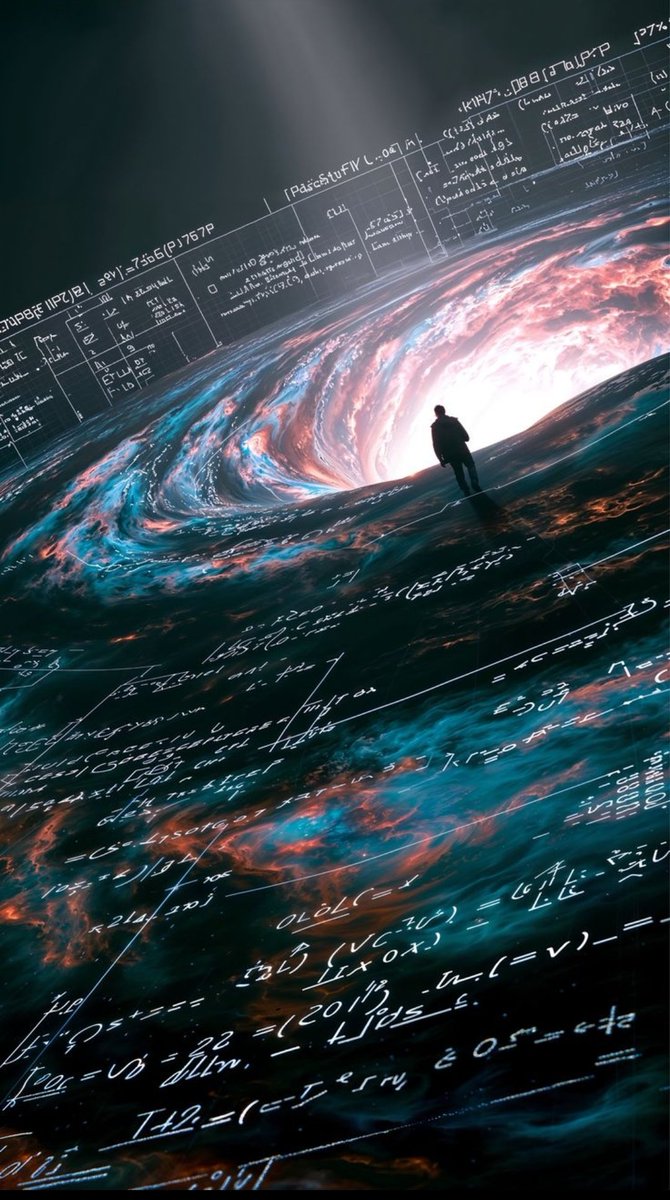
#physicsHistory I, a universe of atoms, an atom in the universe.
— Richard P. Feynman ✍️
1
3
632
8 Dec 2025
#ScarletHeartTH #Hearts2Hearts #physics #science #physicshomeworkhelp
#physicsAlzheimer
#historyEvery
#HistoricalFiction
#FollowMe ???
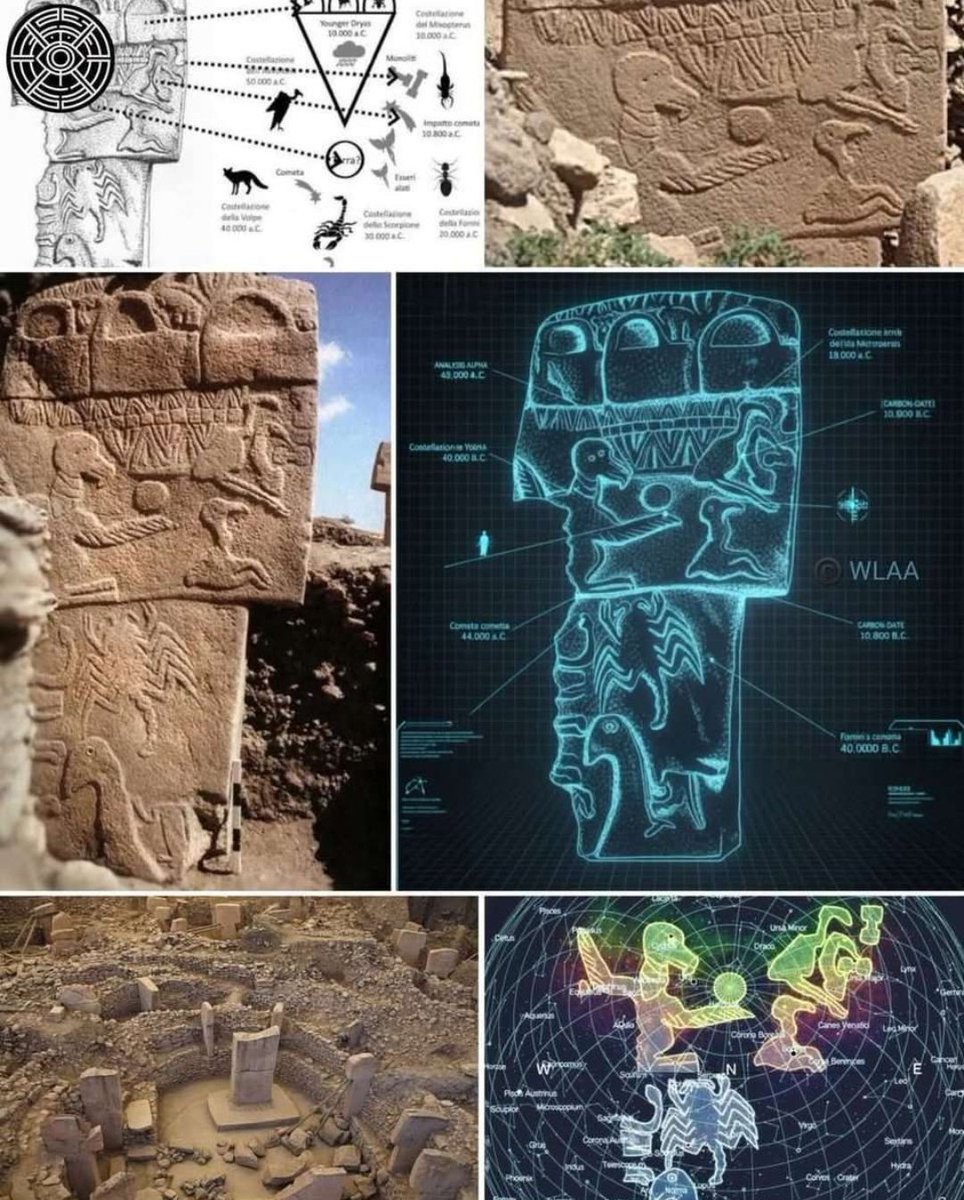
Pillar 43 at Göbekli Tepe, the one they call the Vulture Stone, doesn’t look like decoration. It looks like a message.Carved 11,600 years ago into a 16-ton T-shaped limestone monolith, its surface is a riot of snarling beasts, headless men, scorpions, and (most chilling of all) huge-winged vultures looming over a decapitated human corpse. The images aren’t scattered randomly. They’re arranged in deliberate panels, almost like comic-strip frames or lines of text in a language no one has ever read.Then archaeologists noticed something that made their blood run cold.When you overlay the carvings with the night sky as it appeared above southeast Turkey in 10,950 BCE, the match is uncanny. The vulture corresponds to the constellation we now call Cygnus. The scorpion lines up with Scorpius. Other symbols mark the exact positions of stars that have since drifted due to precession of the equinoxes. Pillar 43 isn’t just art; it appears to be a star map frozen in stone, recording the sky as it looked the very year the Younger Dryas comet swarm slammed into Earth and triggered a thousand-year global winter.In other words: people we’ve always called “primitive hunter-gatherers” (people who, according to textbooks, hadn’t invented farming, pottery, or permanent houses) built the world’s oldest known temple complex… and turned it into a functioning observatory that commemorated the worst cosmic disaster in human memory.Göbekli Tepe isn’t just rewriting prehistory.
It’s proving that civilization didn’t slowly crawl out of the mud.
It woke up screaming from a nightmare written in the stars. Klaus-Peter Simon (CC BY-SA 3.0) | Sky reconstruction: Martin Sweatman & Dimitrios Tsikritsis, 2017
3
525
7 Dec 2025
#ScarletHeartTH #Hearts2Hearts #physics #science #physicshomeworkhelp
#physicsAlzheimer
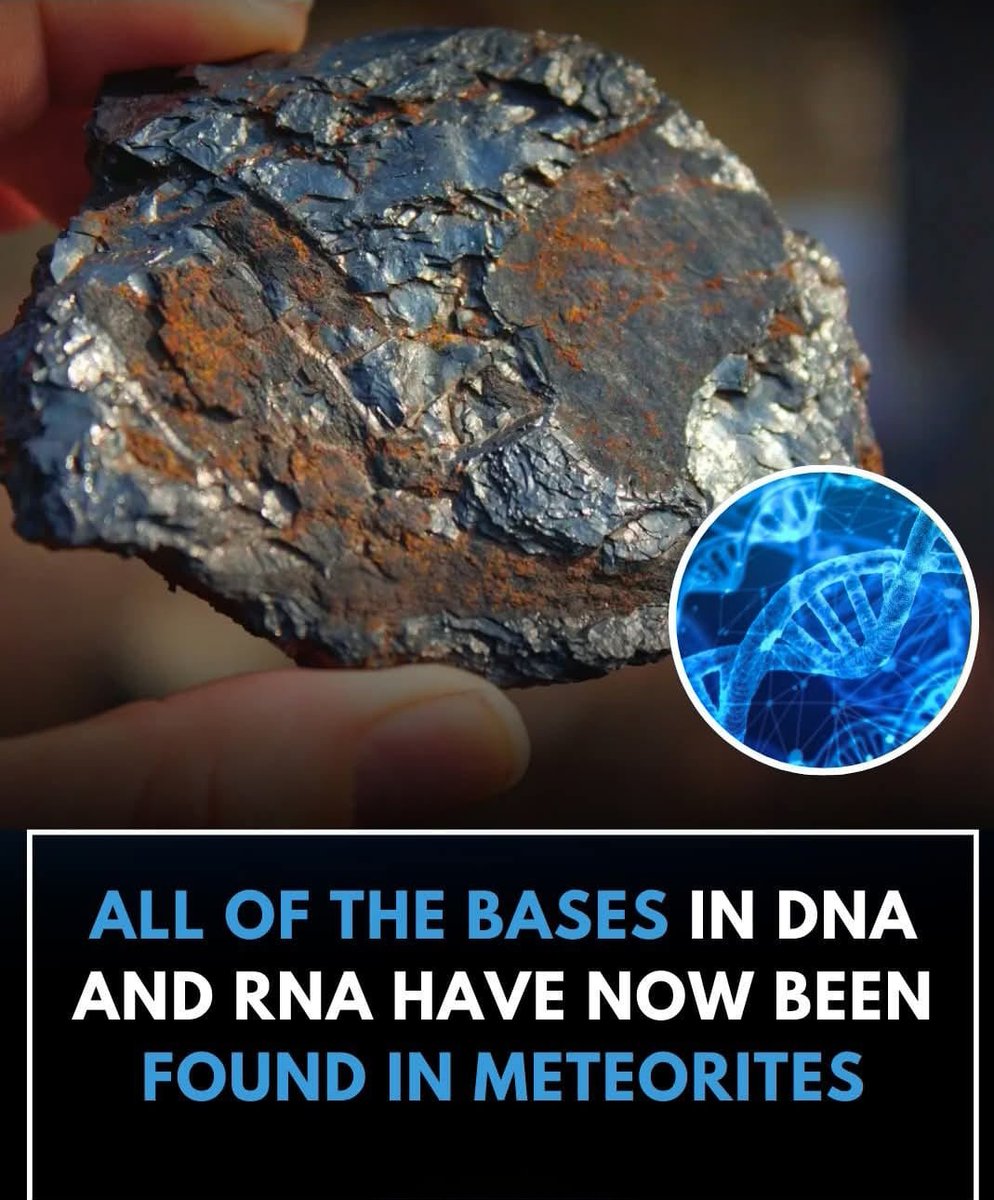
#historyEvery single DNA and RNA base has now been found in meteorites—life might just come from the stars!
1
3
668
7 Dec 2025
#ScarletHeartTH #Hearts2Hearts #physics #science #physicshomeworkhelp
#physicsAlzheimer
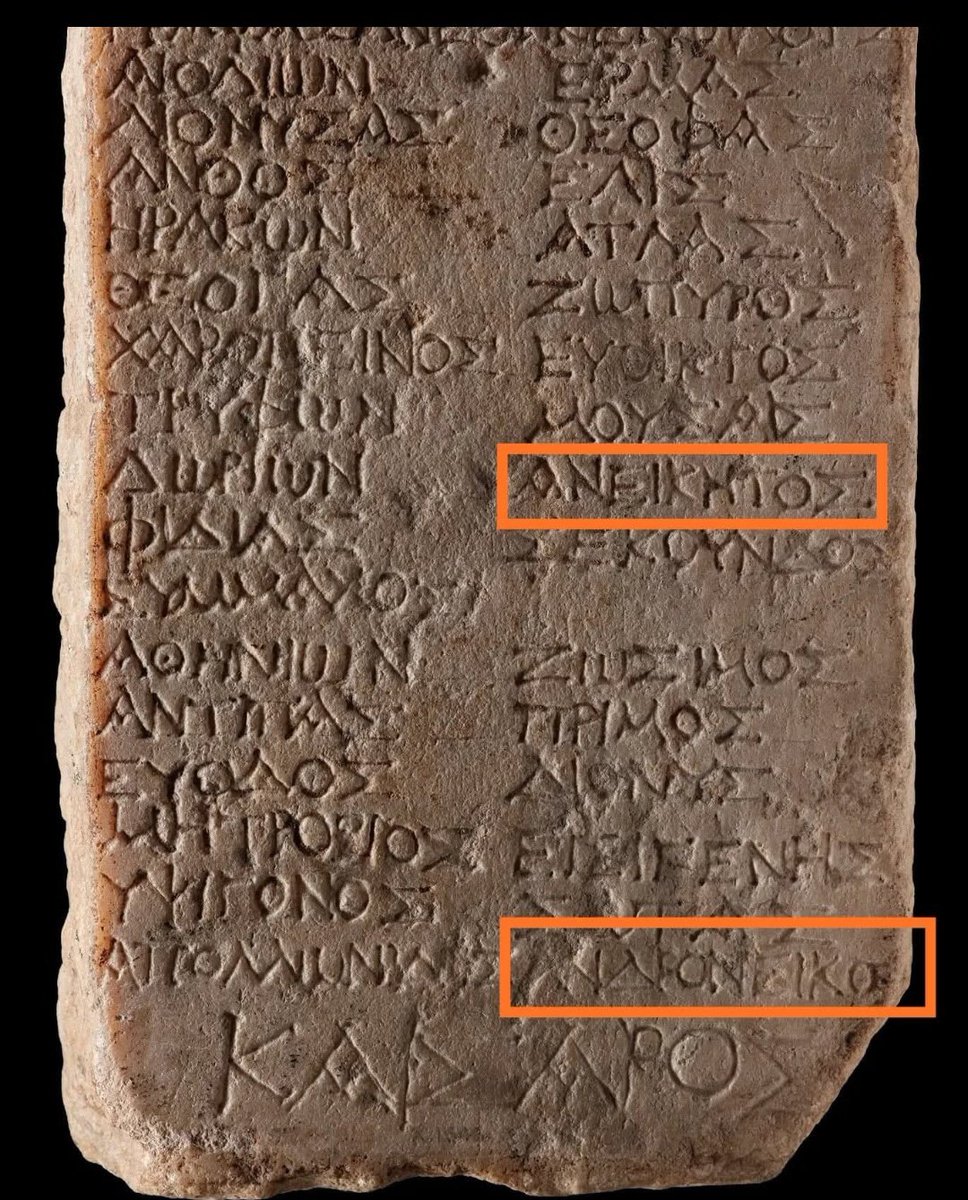
#history Ancient Greek equivalent of ‘graduate school yearbook’ discovered on stone.... It lists a group of 31 friends who went through the Athenian ephebate together during the reign of the Roman Emperor Claudius (41-54 AD) and was intended to commemorate the close relationships they had formed.
When they first read of a reference to it, experts thought it might be a copy of a similar list in the collection of the Ashmolean Museum in Oxford, but realised that was not the case when they saw it.
AIOLION
CHANROTEINOS
EUTHYNGOS
DORON (gift)
ANEIKITOS
ATHINON ANTAS TIRIMOS
EUTHYLOS
SEISMOS
KASANDROS (partially visible at the bottom)
It is a really interesting inscription, partly because it’s new but also because it gives us new names and a bit of insight into the sort of access or accessibility of this institution which is often associated with elite citizens.”
"It's the ancient equivalent of a graduate school year book"
Dr Peter Liddel, professor of Greek history and epigraphy at the University of Manchester, who led on the discovery, said:
It is not known where the list was displayed but it is thought it could have been put up somewhere such as the gymnasium where the young men trained.
“Because of lockdown we were not able to travel to the museum until July 2021, and on seeing it we realised that this was not a copy of an already known inscription but it was a completely unique new discovery which had been in the storerooms of the NMS for a very long time, since the 1880s, and it listed a group of young men who called themselves co-ephebes or co-cadets and friends.
“It turned out to be a list of the cadets for one particular year during the period 41-54 AD, the reign of Claudius, and it gives us new names, names we’d never come across before in ancient Greek and it also gives us among earliest evidence for non-citizens taking part in the ephebate in this period.
Dr Liddel said: “It was made to create a sense of camaraderie and comradeship among this group of people who had been through a rigorous training programme together and felt like they were part of a cohort.
“It’s the ancient equivalent of a graduate school yearbook, although this is one which is created by a number of individuals who wanted to feel like they had come together as friends.”
Experts said discovery represents an important new source of information about elite Athenian society in mid-1st Century AD, a period that was crucial for Athens as it adapted to its place under the Roman Empire.
The Arts and Humanities Research Council-sponsored Attic Inscriptions in UK Collections is a four-year project, led by Cardiff University with the University of Durham and the University of Manchester.
Dr Margaret Maitland, principal curator, Ancient Mediterranean, at NMS, said: “To have the team come and visit and confirm it was something that had never been published before was really thrilling.”
Inscriptions from this period are relatively rare, and experts said this makes it all the more striking that the newly discovered ephebic list belongs to the same year and cohort as the inscription at the Ashmolean.
2
589
7 Dec 2025
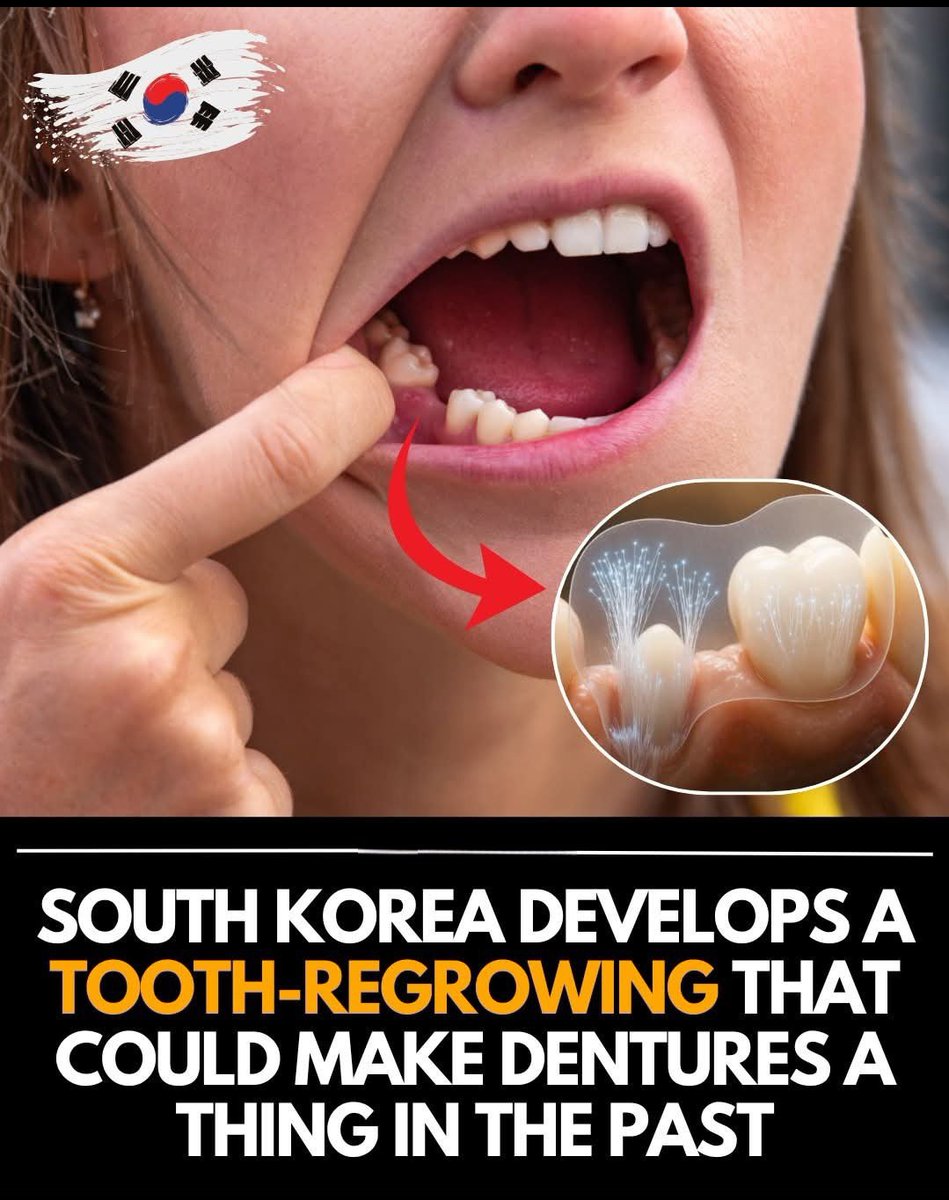
🦷 The Tooth Regrowth Patch That Could Change Dentistry Forever
Researchers at Seoul National University have developed a tiny microneedle patch that triggers your body’s own stem cells — helping damaged or missing teeth regrow naturally, without implants, drills, or dentures.
The patch delivers tideglusib, a regenerative compound known for repairing dental tissue. When it’s absorbed through the gums, it reactivates dormant stem cells that rebuild dentin and enamel, allowing your tooth to regenerate from the inside out.
This means:
✨ No painful procedures
✨ No artificial materials
✨ A faster, natural, and potentially cheaper solution to tooth loss
Experts say this technology could completely shift dentistry from “replacement” to true biological healing. With clinical trials already underway, the world may see the first tooth-regrowing patch as early as 2026 — offering millions a chance to rebuild their real teeth for the first time in history.#ScarletHeartTH #Hearts2Hearts #physics #science #physicshomeworkhelp
#physicsAlzheimer
3
168
6 Dec 2025
#ScarletHeartTH #follow #Hearts2Hearts #physics #science #physicshomeworkhelp
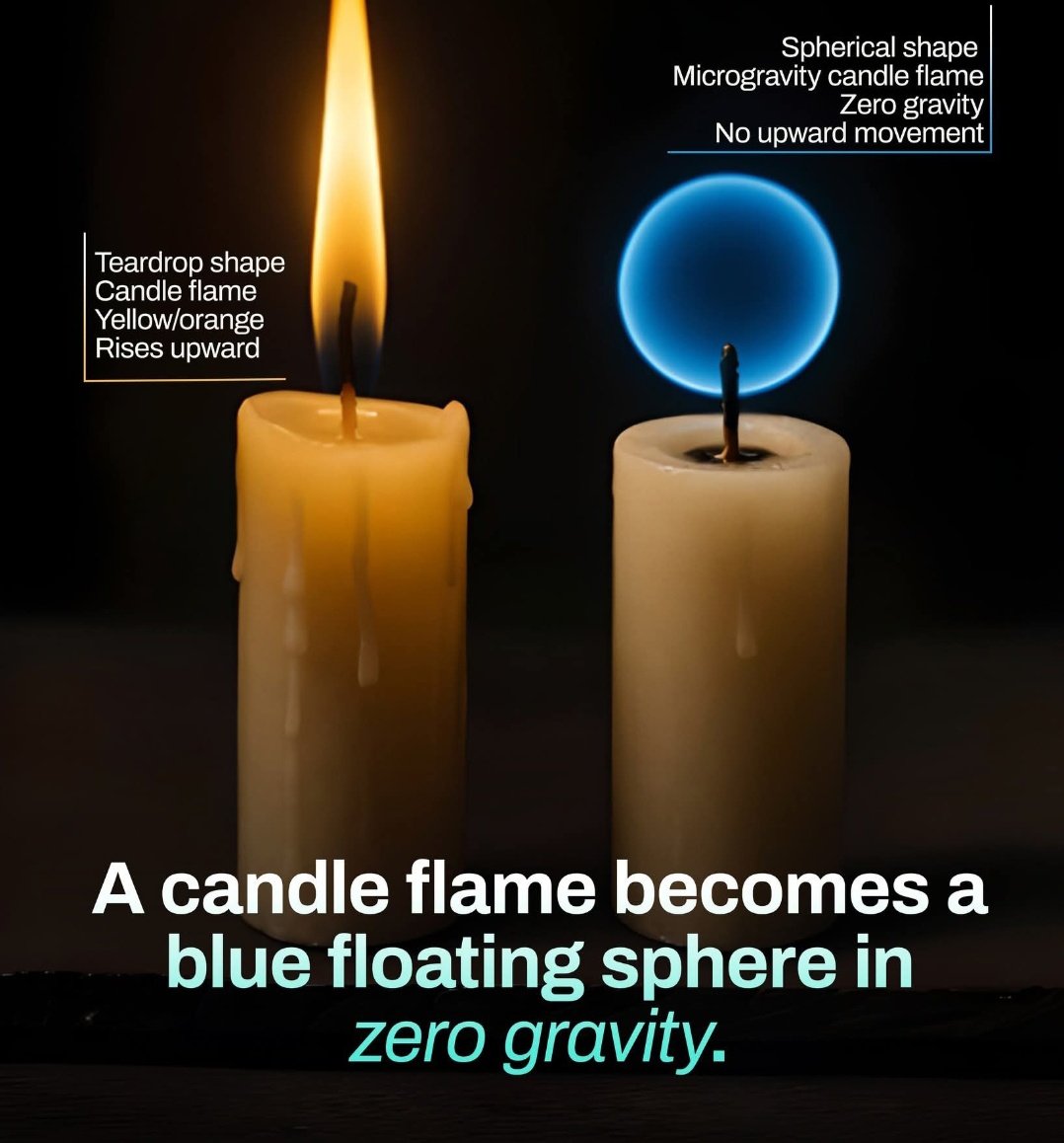
#physicsAlzheimer In zero gravity, a candle flame forms a small blue sphere instead of the familiar teardrop shape.
Without gravity, hot air doesn’t rise, so the flame no longer stretches upward.
Instead, gases spread evenly in all directions, creating a smooth, round flame.
This environment allows the fuel to burn more completely, which is why the flame appears blue and produces no soot.
The result is a calm, gentle orb of fire that behaves very differently from a candle flame on Earth.
2
391