
Jun 14
a playscript and a film script are very different! shakespeare is also a special case due to him being considered a literary great and his playscripts often being studied in schools… there are also many, Many renditions and productions of plays throughout time, unlike most films
17

May 26
PlayScripts , Practice Scripts , and other things available dm me 📲📲
2
194

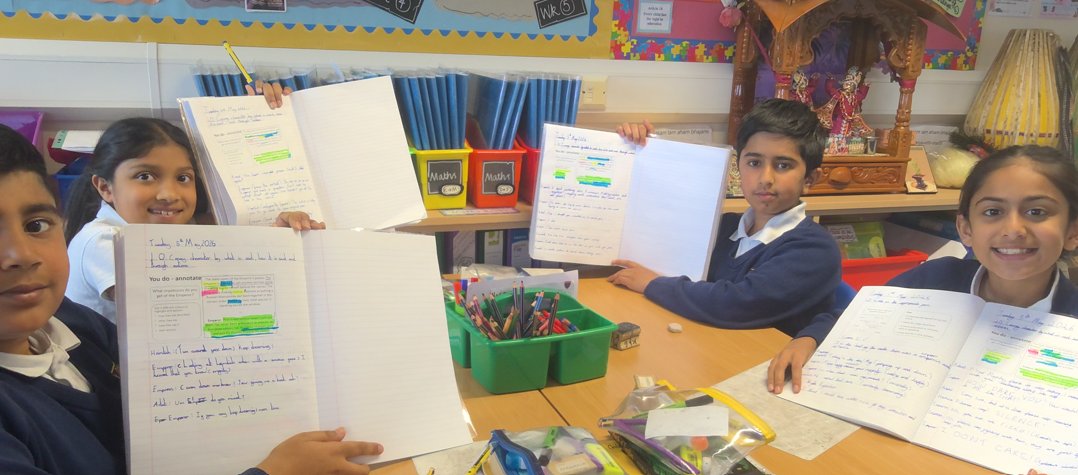
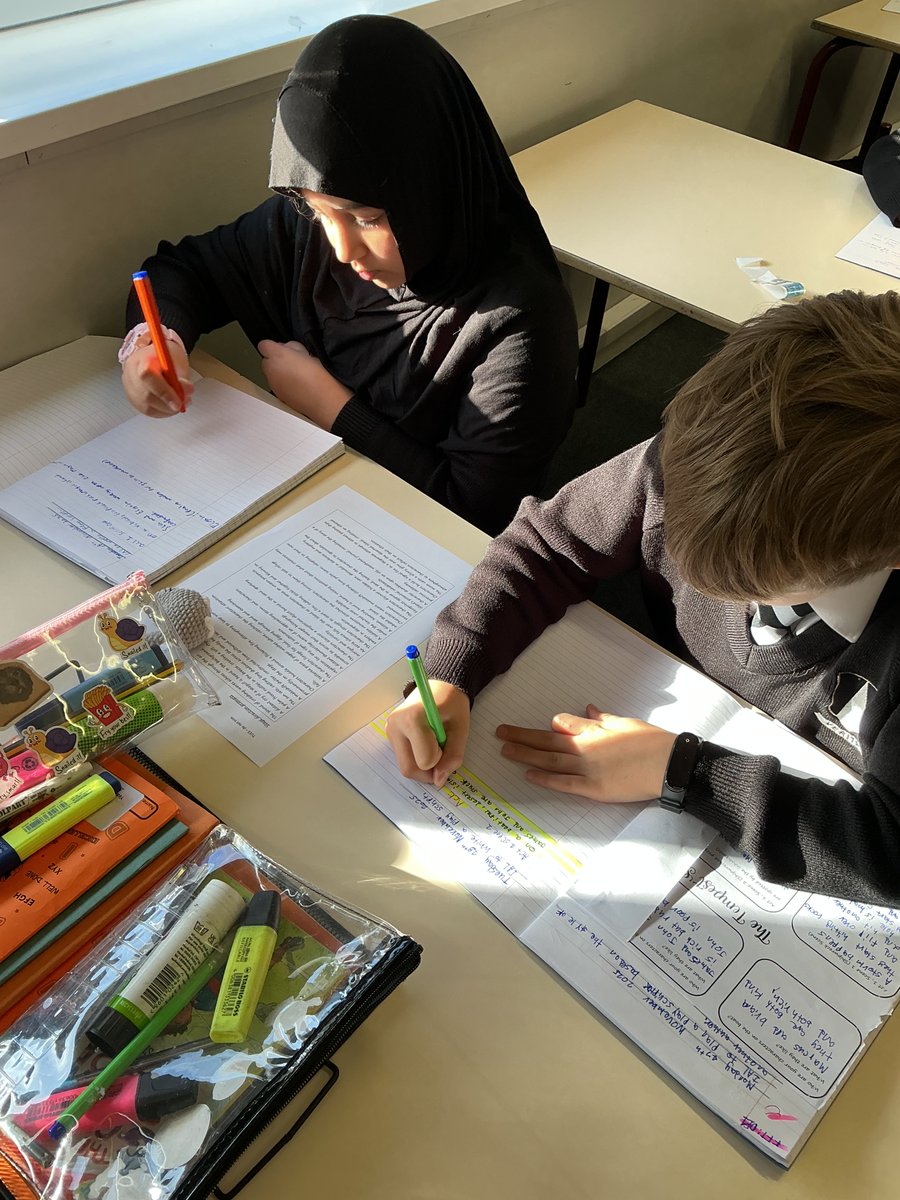
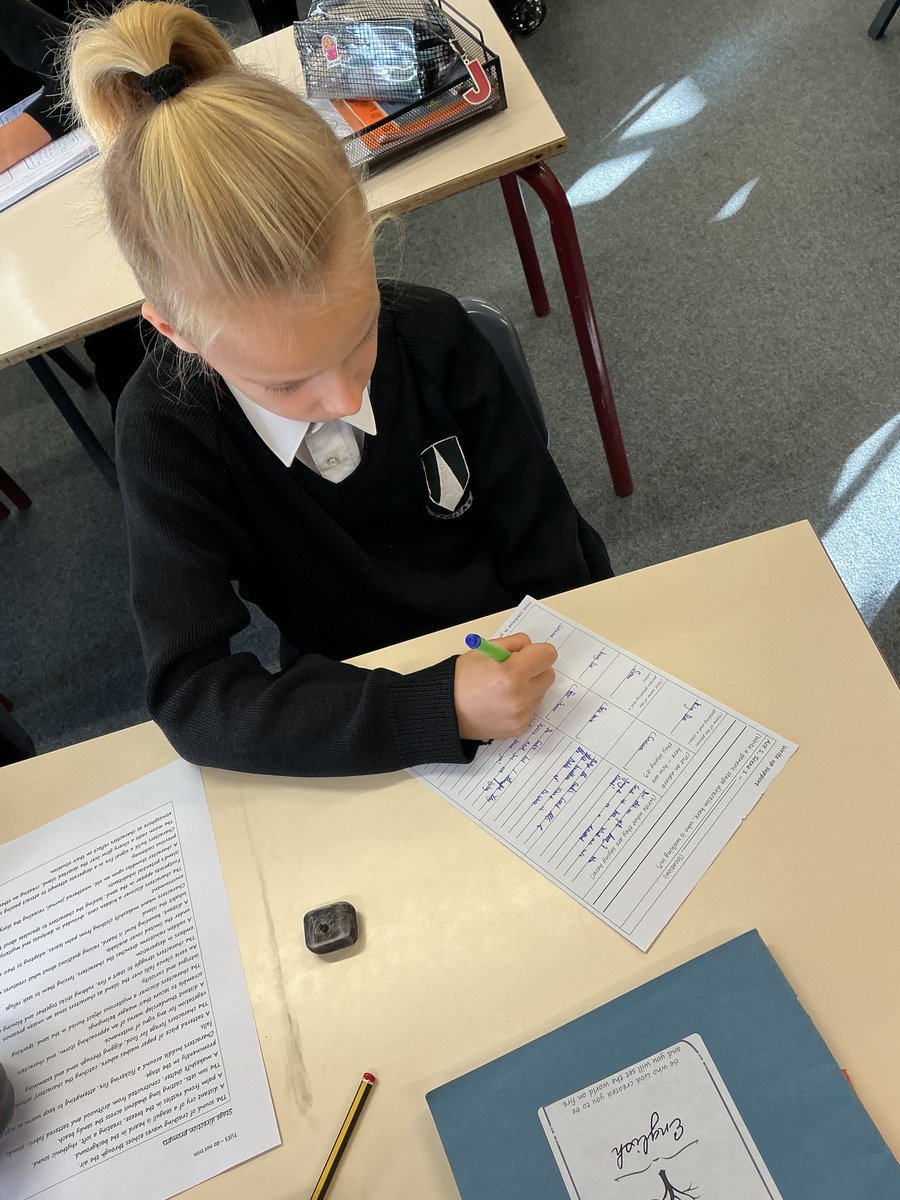
Year 5 are exploring playscripts in our English lessons at the moment. Today's focus was to continue writing a scene using playscript features such as names and colons (to indicate who is speaking), brackets / italics (for stage directions) and a new line for each new speaker.
3
212

Apr 14
Doubling or expandable casting. Reimagined timeless works. Bold, electrifying tales that resonate with the realities of our time.
Browse the Playscripts collection at concordtheatricals.com and bring something unforgettable to your stage. 👏
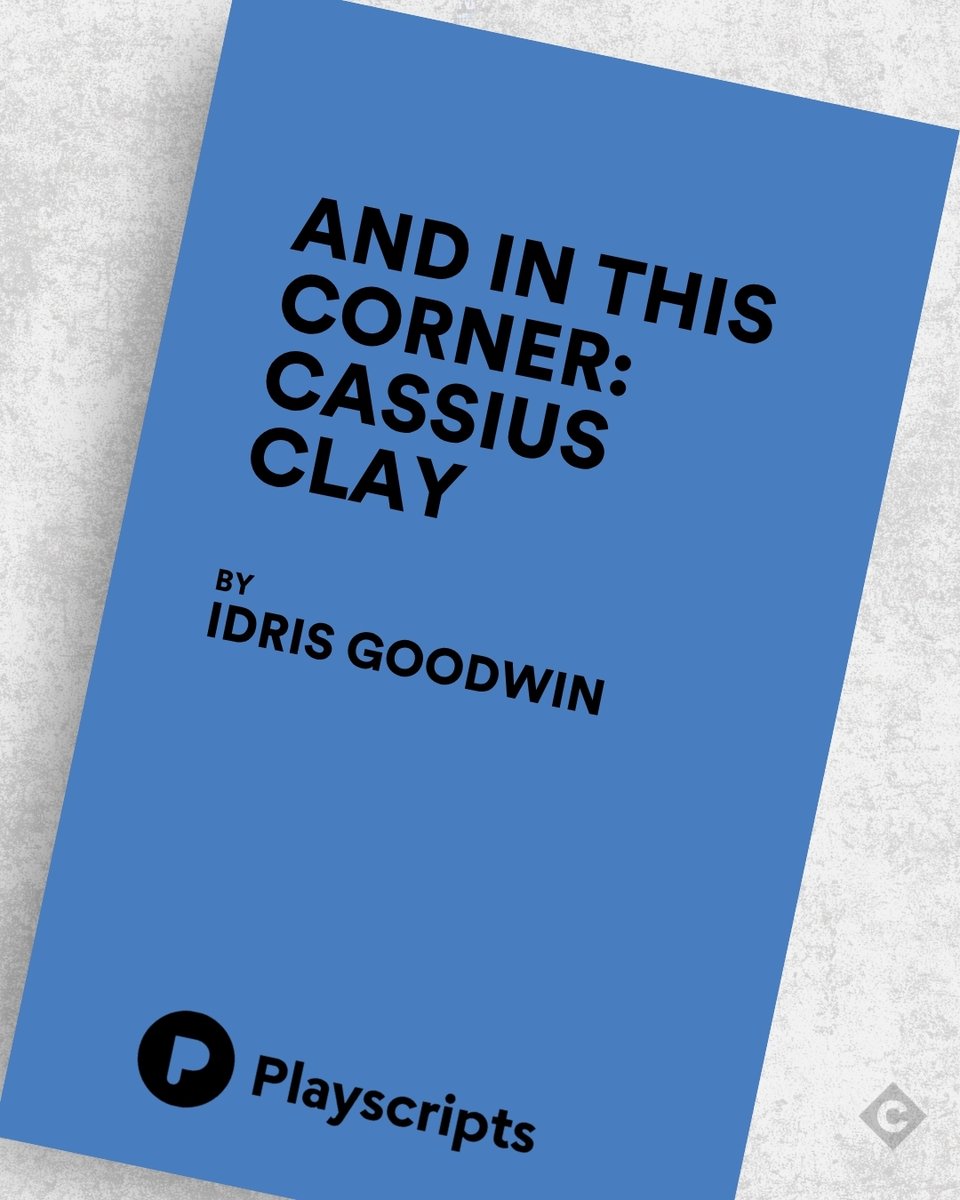
ALT Blue script cover of And In This Corner: Cassius Clay by Idris Goodwin against a marble background.
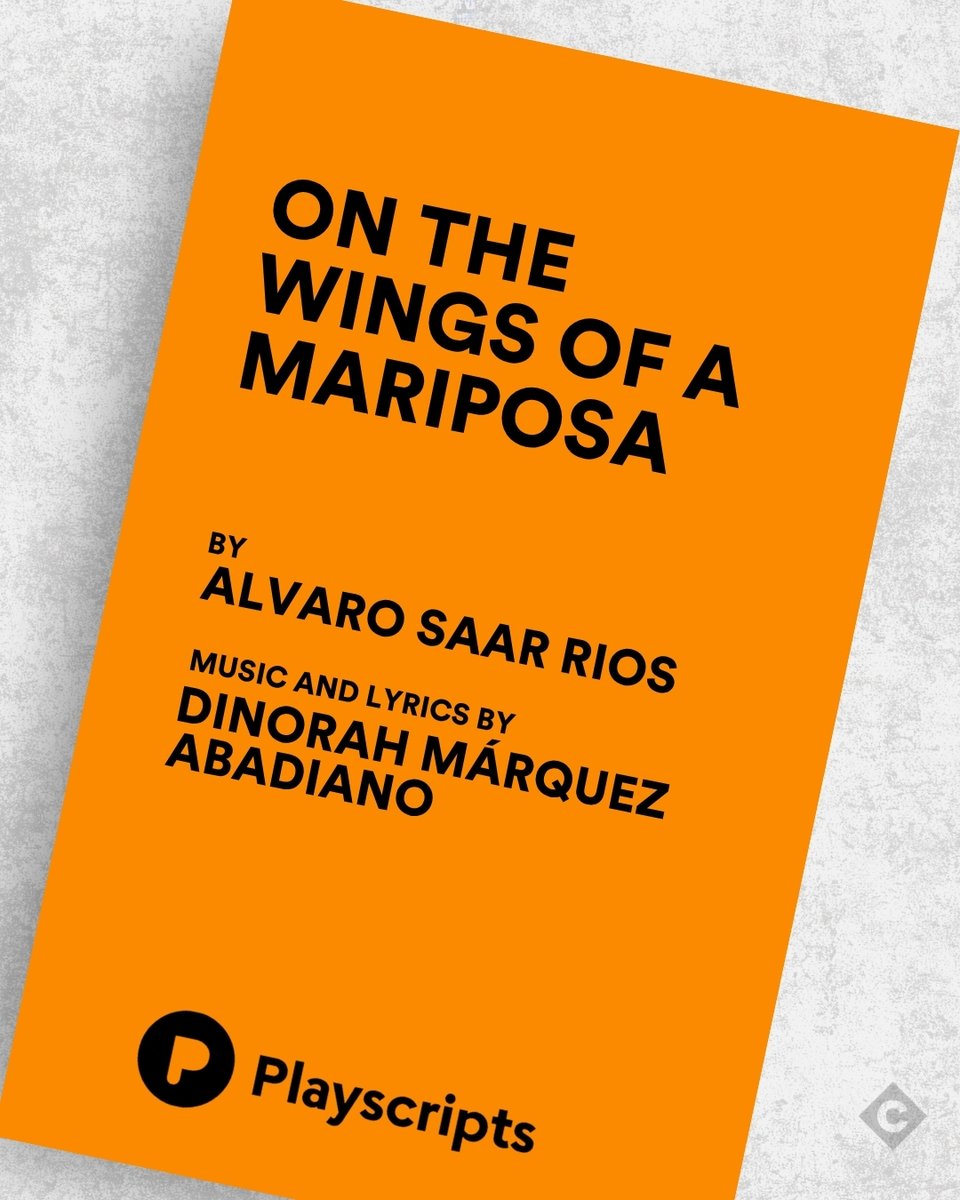
ALT Orange script cover of On the Wings of a Mariposa by Alvaro Saar Rios with music and lyrics by Dinorah Márquez Abadiano against a marble background.
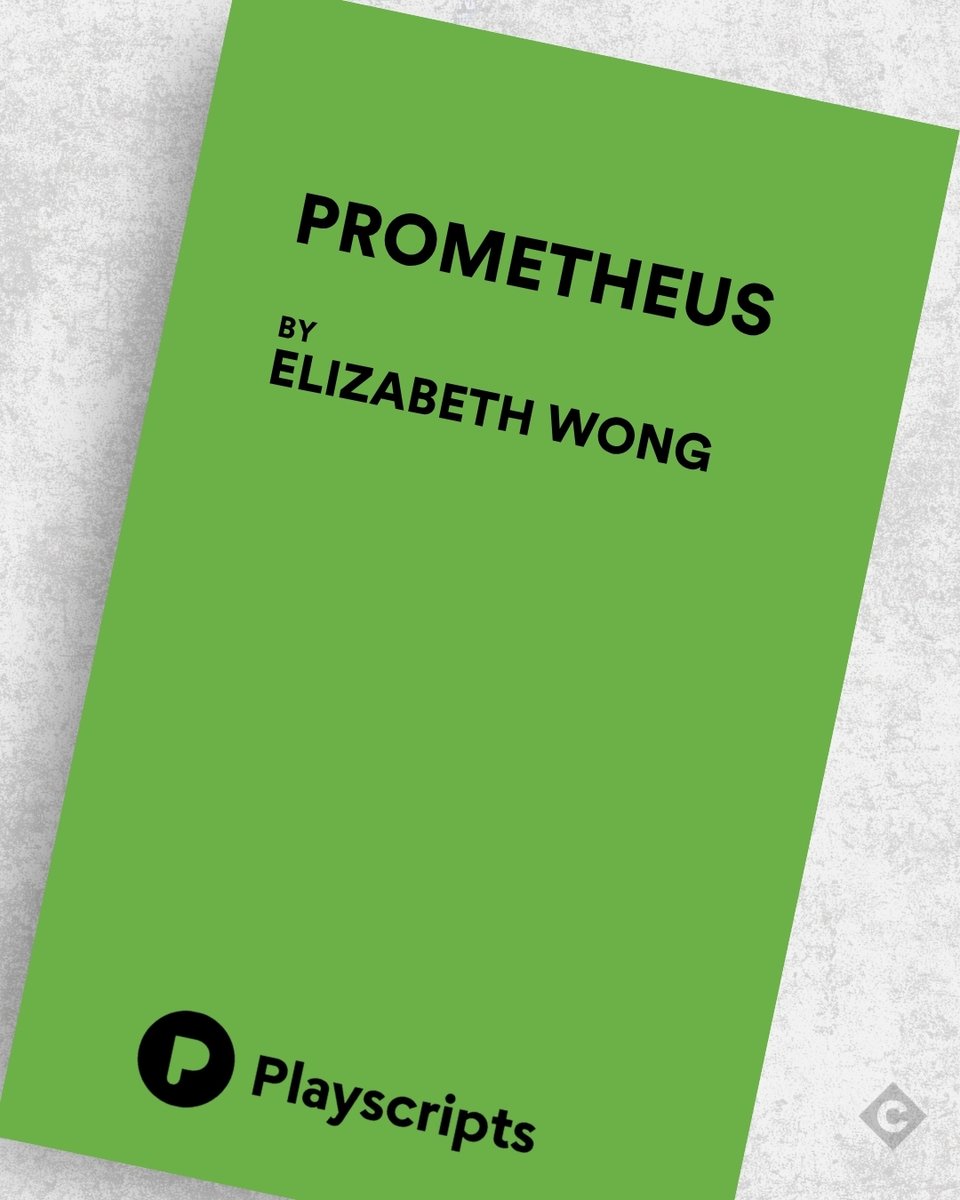
ALT Green script cover of Prometheus by Elizabeth Wong against a marble background.
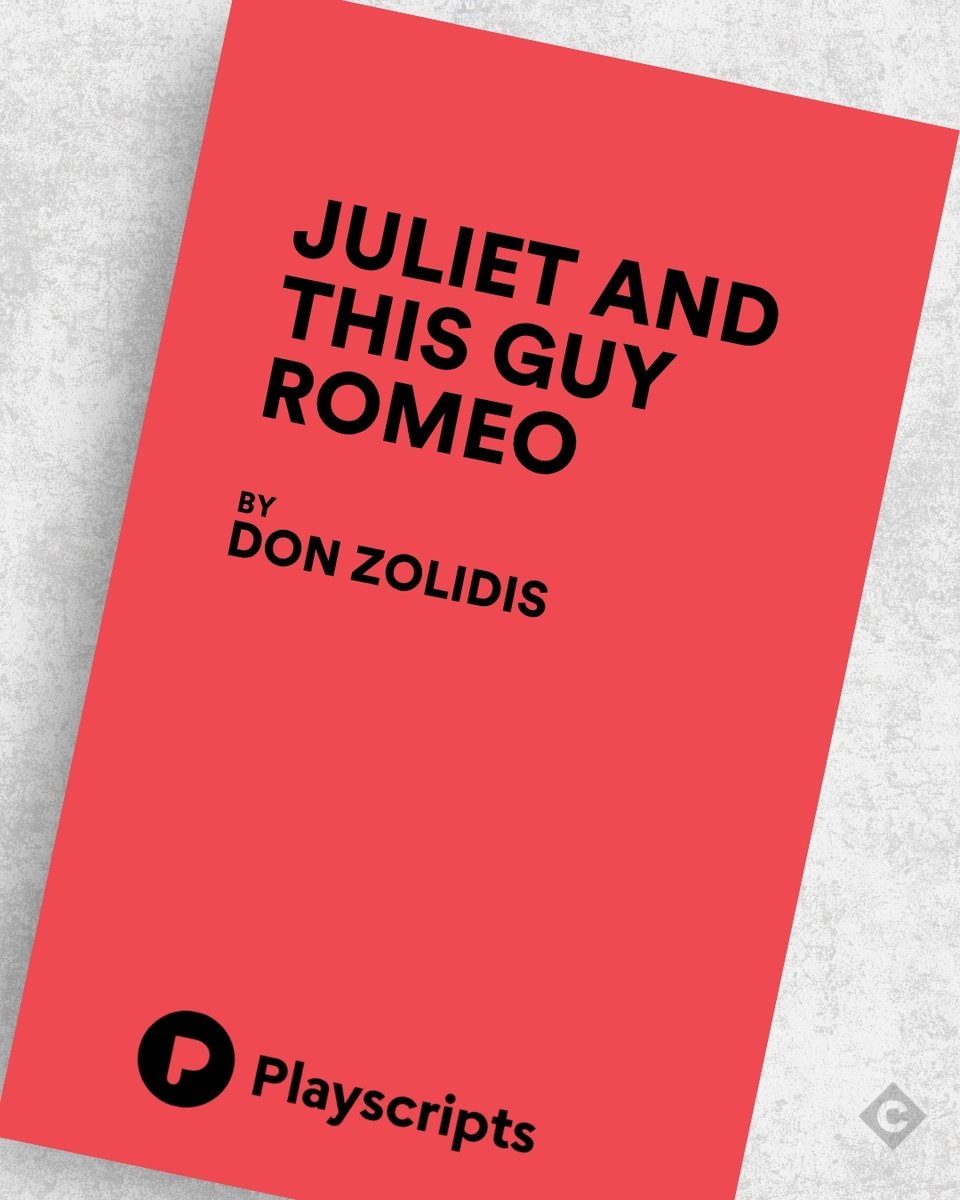
ALT Red script cover of Juliet and This Guy Romeo by Don Zolidis against a marble background.
3
240

Mar 12
i know hudson is famous famous because why are yaga epubs on 🌊 of pdf. Playscripts getting pirated now bc of him 😭
2
126

Mar 9
It is shitty yet (somehow) officially endorsed and lore inconsistent fanfic
I have read better fanfic. Everyone going "oh it is just you don't like playscripts" no, the plot fucking sucks. I do not care how good you insist the stage magic is even before the transphobia came out
5
386

Your annual reminder: playscripts are books, too. Happy #WorldBookDay2026!

ALT Playscript open in front of shelves full of playscripts.
2
195

Jan 20
Tom Palmer and Onjali Q. Raúf, Louis Sachar,
Trash by Andy Mulligan,
Beowulf Dragonslayer by Rosemary Sutcliff,
the Oxford playscripts for Dracula, Frankenstein, The Moonstone.
Also like I Am David by Anne Holm for Y7, the oldies are the goodies
1
2
137

Jan 16
Ffrindiau o gwmpas Dydd Gwener!
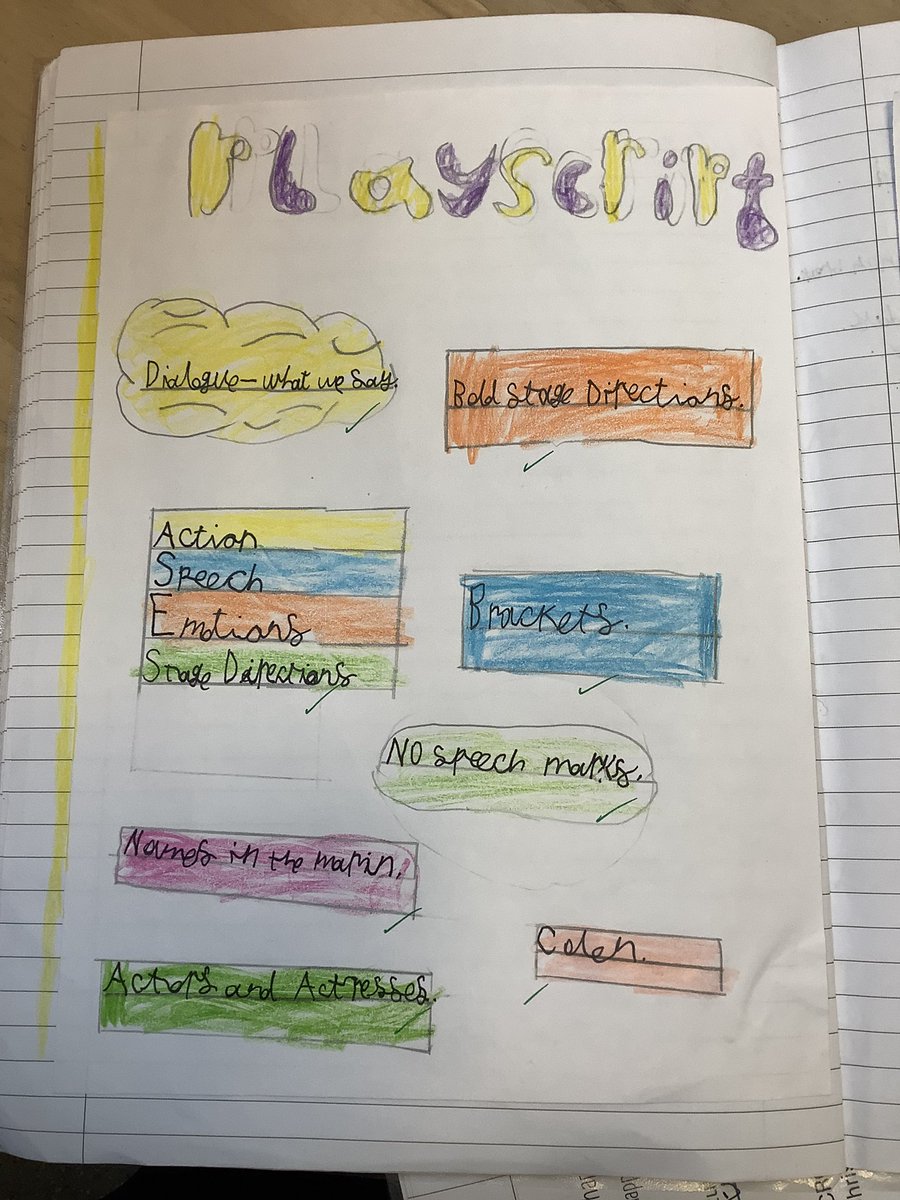
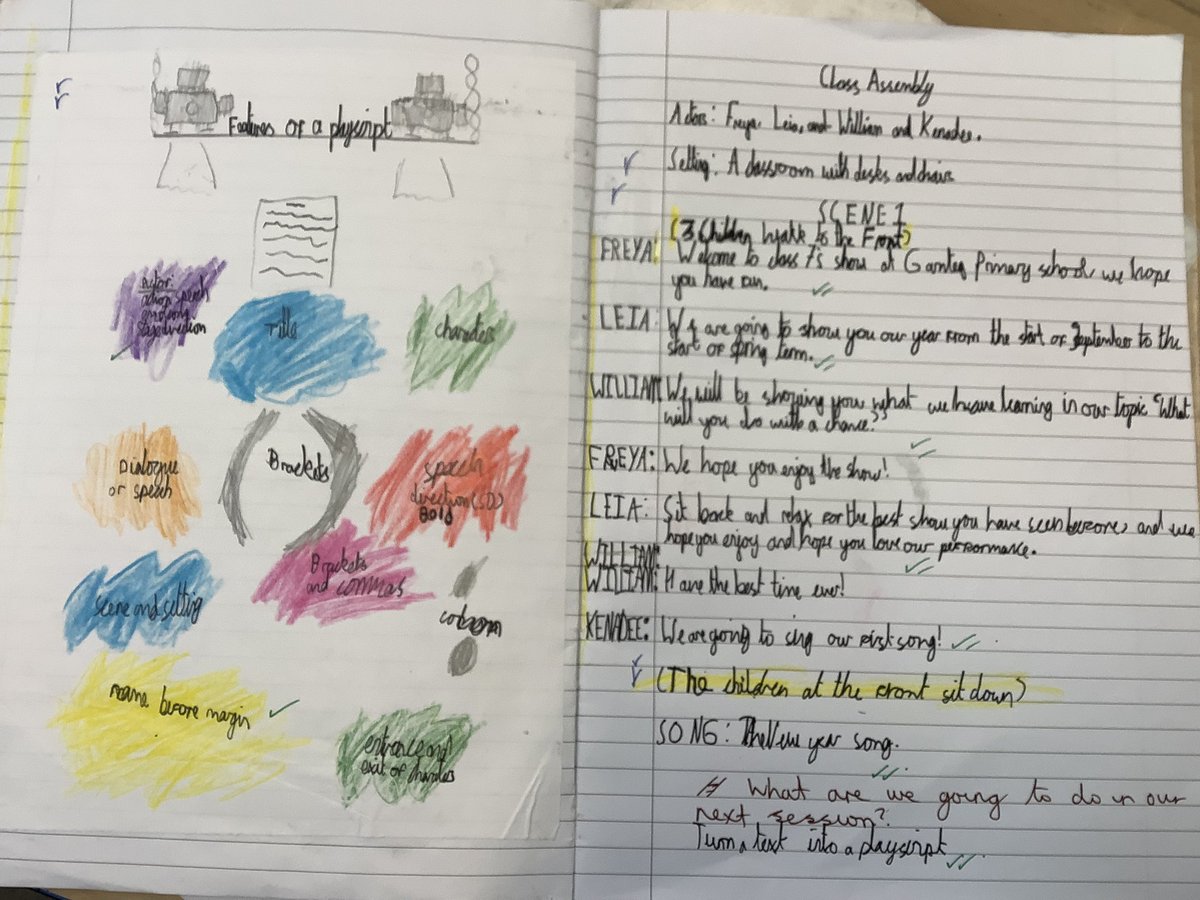
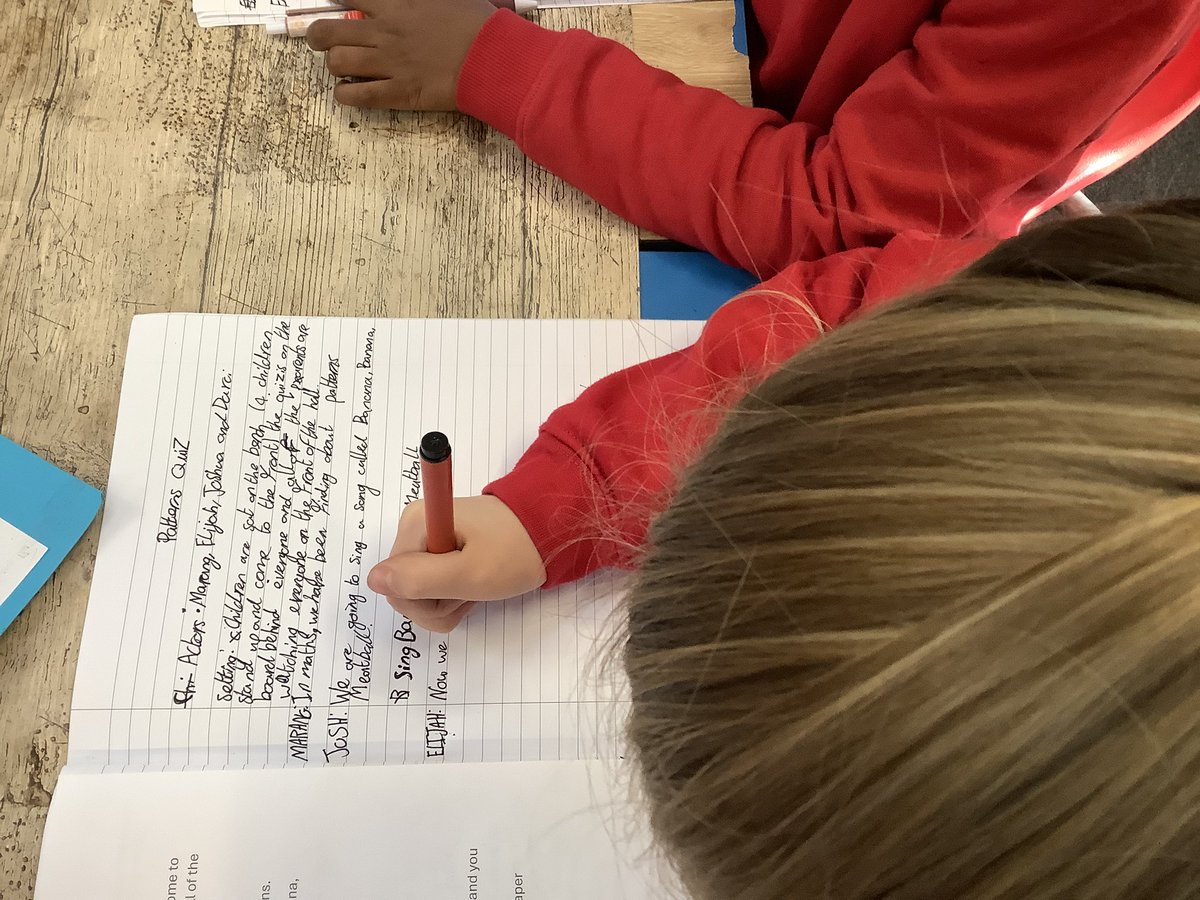
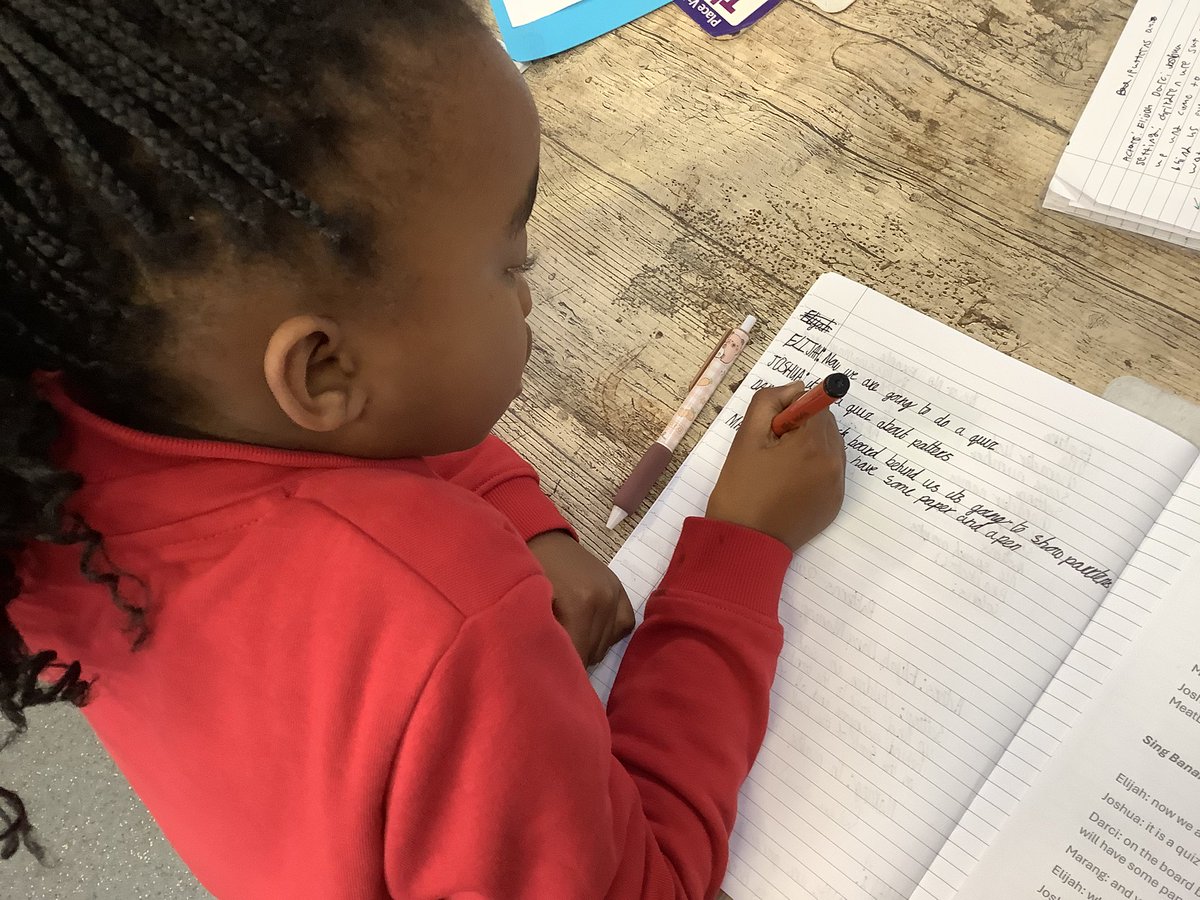
We have been reflecting on our playscripts we have written for our class assembly next week.
We have been looking at our stage directions and actions for each scene and thinking about how we can improve them.
@garntegprimary
2
2
111

Jan 2
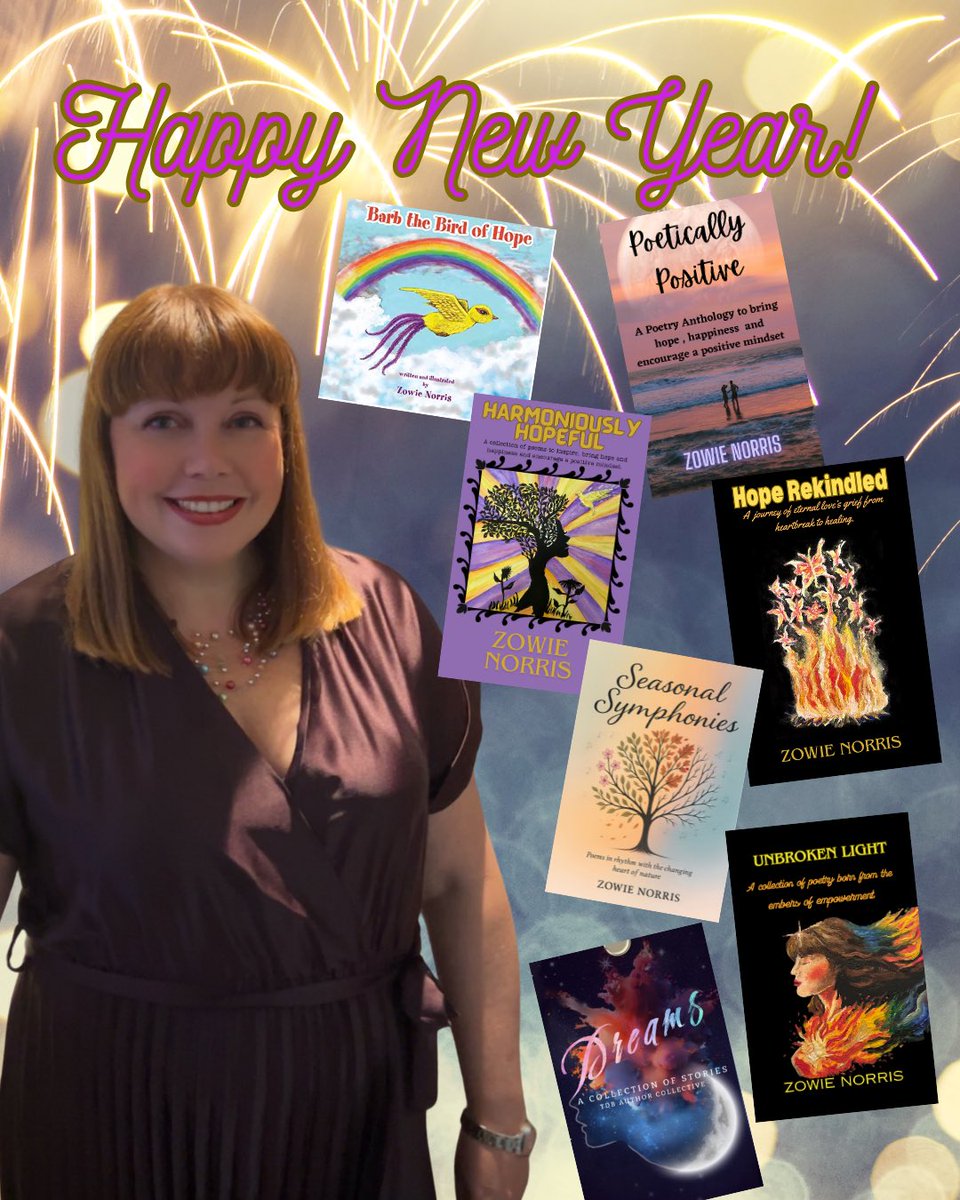
Cheers to a Year of Words & Wonders! ✨✍️
📚 3 new books
📰 2 magazine features
🎭 2 school playscripts
🎤1st live poetry performance!
Huge thanks to the amazing writer community for the constant inspiration and support.
#WritingCommunity #poetrycommunity #poetrylovers #readers
2
10
303

4 Dec 2025
Ukrainian Carmen and her traits in world music, from Haydn and Motzart to The Andrews Sisters and Glenn Miller
Ukraine has her Carmen and the poetess who left her traits in centuries, though her life is half a legend. Her name was Marusya, which is a diminutive of Maria.
According to legend, Marusya Churay was born in 1625 and lived in Poltava. She was the daughter of the Cossack centurion Gordiy Churay, who became one of the leaders of the anti-Polish uprising. Marusya's father was a foreman during the Ostryanin uprising and was burned on fire in Warsaw as a rebel.
Marusya remained to live with her mother. The girl was incredibly beautiful and had many suitors, among them was the young Cossack Ivan Iskra. But she was in love with another - Hryts (Gregory) Bobrenko, the son of a cornet of the Poltava Regiment, to whom she secretly became engaged.
In 1648, the anti-Polish war started, and Hryts went to war, promising to return. Marusya Churai waited for him for four years, but when he returned, it turned out he had started to court another girl from a noble and wealthy family.
The love story ended tragically: Marusia-Maria poisoned the cheater, some legends say with the intent, other ones - that she had prepared the poison for herself, but he drank it by mistake.
Marusya Churai was sentenced to death, but she was pardoned by a decree of Hetman Bohdan Khmelnytsky, which was brought in time by Ivan Iskra (the unfortunate suitor). The decree stated that no one kills anyone who loves sincerely in their right mind but not in affection, and therefore, she should not be punished without reason. Hetman ordered to count the head of the Poltava Cossack Centurion Gordiy Churai, cut off by the Poles as the pay for the sake of the wonderful songs that she composed. Marusia was released and made a pilgrimage to the holy sites in Kyiv, after which she returned to Poltava and dyied in 1652 or 1653 at 28, after taking a veil according to some legends.
There is no documentary evidence that she existed, but she has become so famous and the songs that are considered to be written and composed by her so popular that she became an embodiment of the Ukrainian female soul, like thinking about the Spanish woman, the world thinks about Carmen, not thousands of silent women.
There are a lot of songs that were supposedly composed by her, but her love story is told in one "Oh, Hryts (Gregory), Don't Go To The Parties"
The song was translated into German and French, and the melody was used by Mozart, Haydn, List, van Beethoven, and it's new life started with the Jewish emigration from the Russian Empire. The Jews brought it to New York, and it is way simpler to find a recording by David Medoff on YouTube than by the Ukrainian opera singers. David Medoff recorded only one of the variants, and I have surprisingly found Israeli recordings in Hebrew. The song has been extremely popular in Ukraine regardless of the figure of Marusia, but it is supposed that she belonged to the time that the Jews consider a tragedy.
In Ukraine, the drama became the basis of dozens of poems, novels, playscripts, many of them just followed the line in the song, not the Cossack story, like the clip made of the film of the 1970s, it is rather a story about a villagers in the 19th centrury, they are dressed according to that time, than the drama of the Cossack upper class.
At the end "Oh, Hryts, Don't Go To Parties" became the famous American "Yes, My Darling Daughter" performed by The Andrews Sisters, Glenn Miller and many others. It combined klezmer and the altered Ukrainian lyrics, which resemble the original plot - just without the murder. The music was taken from the old vaudeville "Cassack-Poet" composed by an Italian Russian, and the lyrics and the arrangement belong to Jack Lawrence, who with all his anglocised named was a son of the Ukrainian Jews from the Kyiv Governorate Jacob Louis Schwatz. And what is wonderful in this story is that Jacob-Jack was born in Brooklyn, but he knew the song. This means his parents sang it, though their native language was definitely Yiddish, but they lived among the Ukrainians.
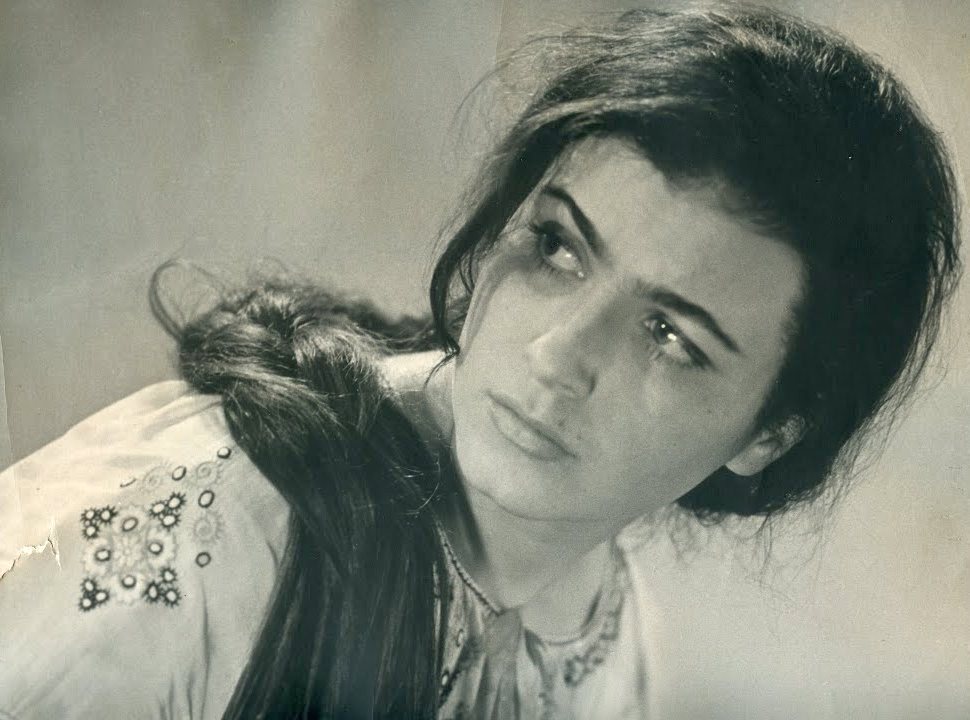
The photo is of the actress Nila Kkrukova acting Marusia Churai in 1981.
The song and its alterations below.
1/ ⤵️
1
2
560



11 Nov 2025
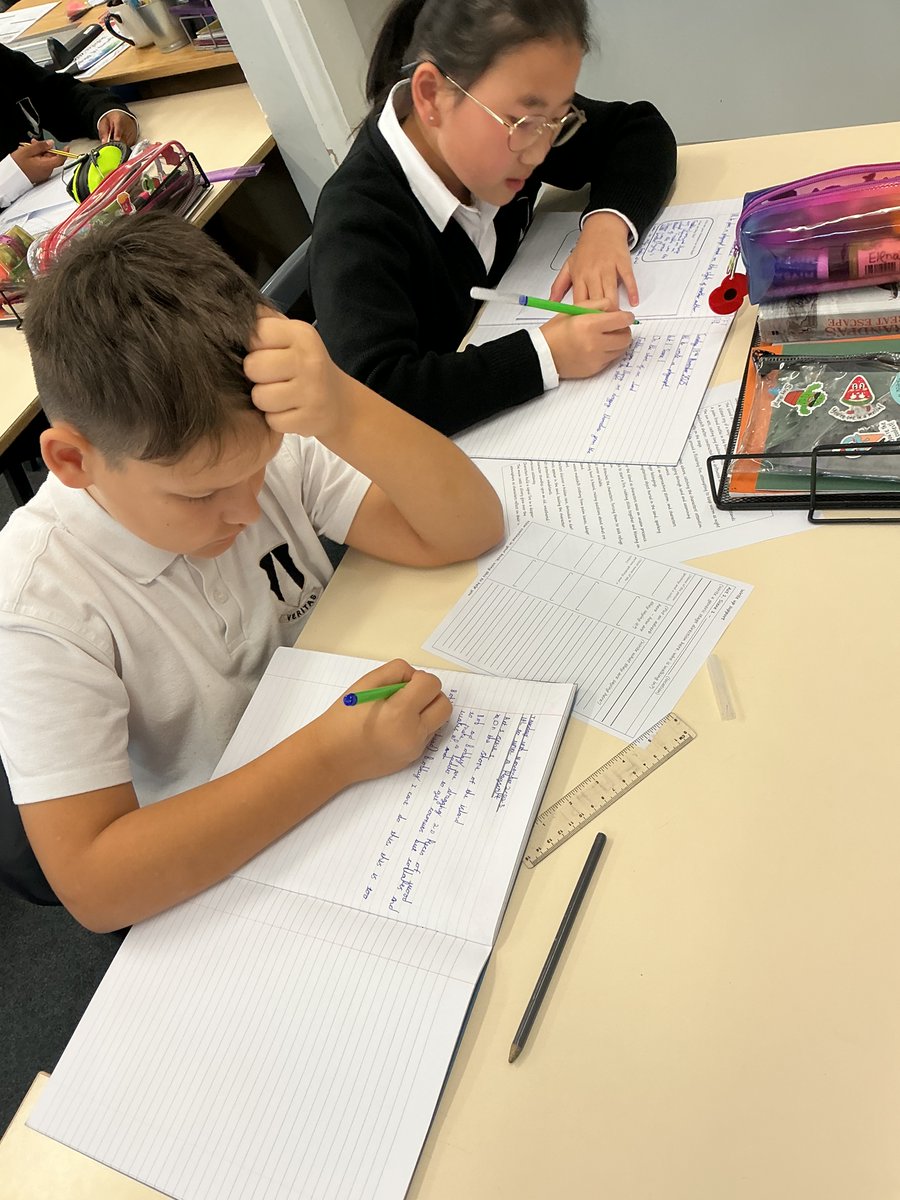
🎭 Primary English: Plays
Engaging lesson ideas and activities for KS2 pupils to read, write and perform playscripts.
👉 bit.ly/3LqMvKe

1
735

15 Oct 2025
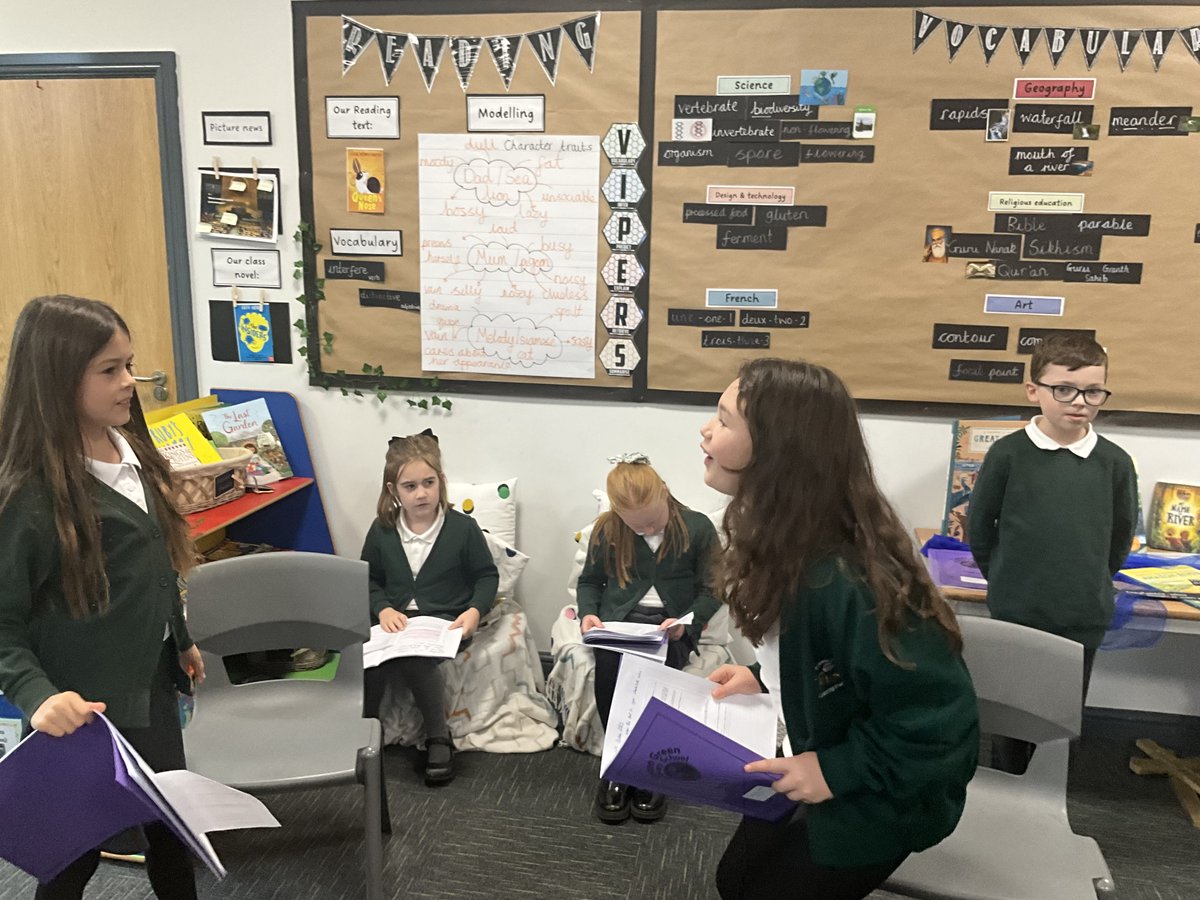
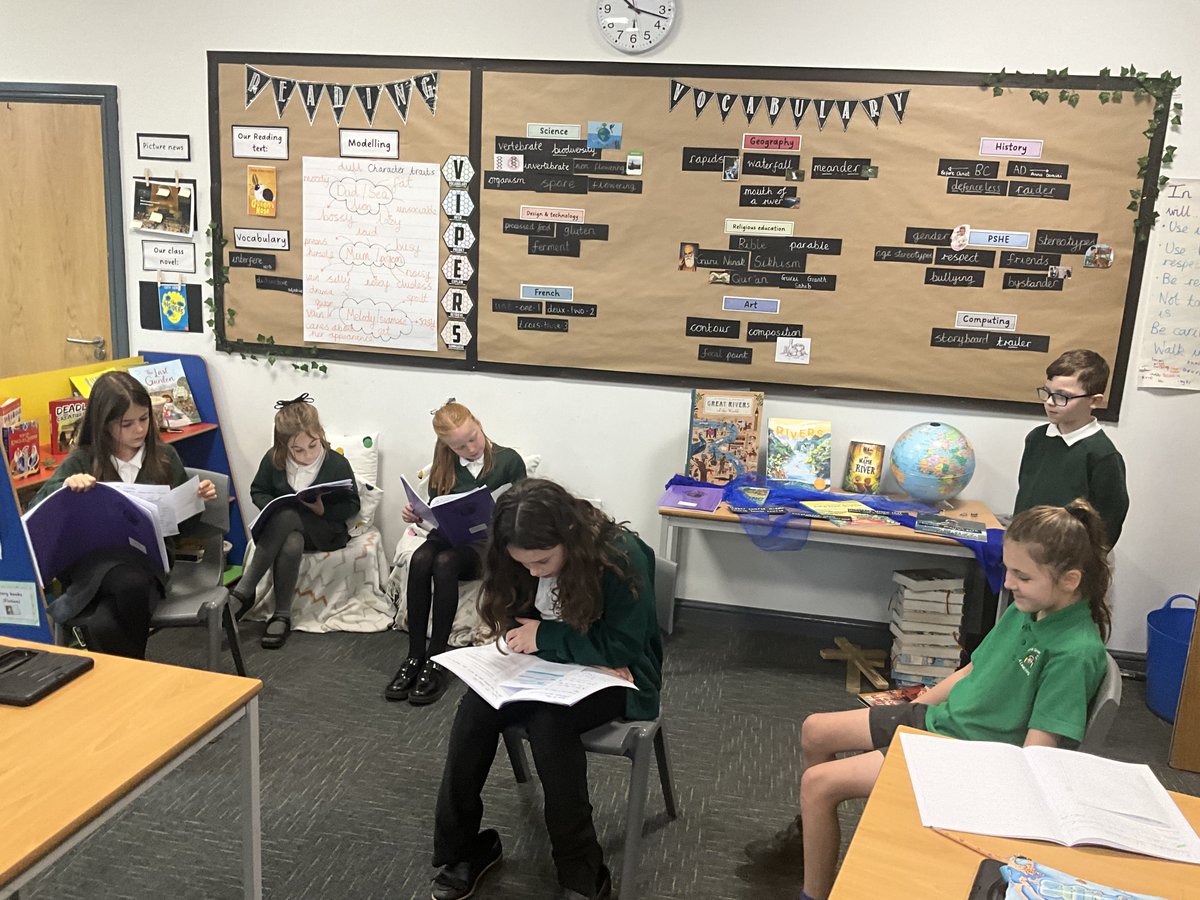
Mrs Lucas’ Year 4 guided reading group have loved exploring playscripts this week — bringing characters to life with amazing expression, confidence and acting skills! 🎭👏
2
502

26 Sep 2025
Ladies and gentlemen, it's with some regret that I must say out loud what many understand but are embarrassed to admit: fiction is dead.
I'm struggling to remember the last time I read fiction—and it's hard. It was about ten years ago. I'm simply not interested. I read nonfiction, popular science, reports, blogs—and that completely replenishes all my vitamins.
Everything fiction once provided is now fully provided by movies, videos, TV series, memes, blog posts, and so on.
Furthermore, all the great writers who had the opportunity to write plays for the theater did not shy away from this opportunity. Reading playscripts is excruciating torture, but for some reason, school teaches us about this misunderstanding. But plays are precisely an attempt to break free from the confines of fiction.
More and more, a great writer isn't someone who's written a long book, but someone who can reach the depths of people's souls. Through any format. Through an iPhone app, a podcast, an art event.
Fiction is dead. But from its compost, a million new, fascinating formats have been born.
2
29

17 Jul 2025
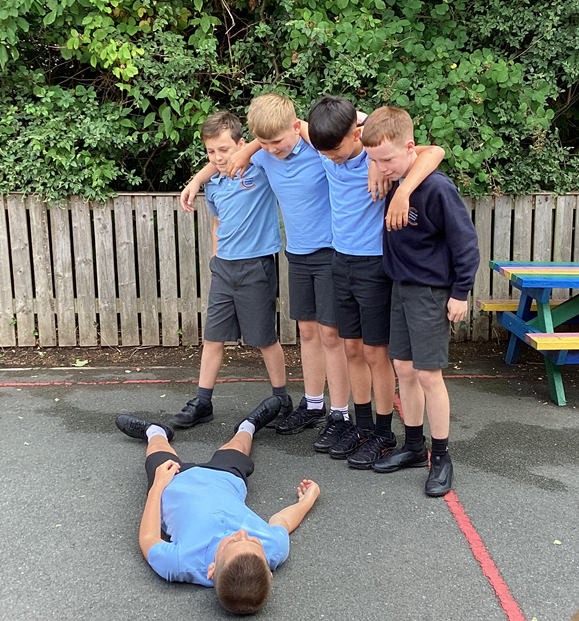
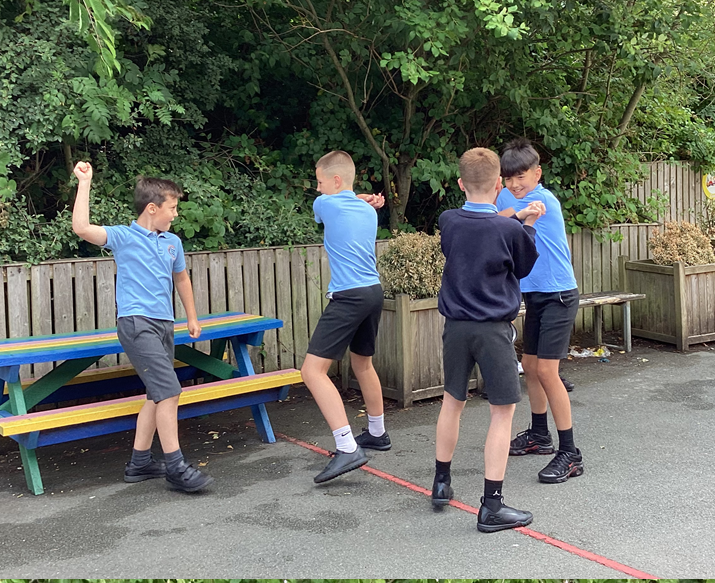
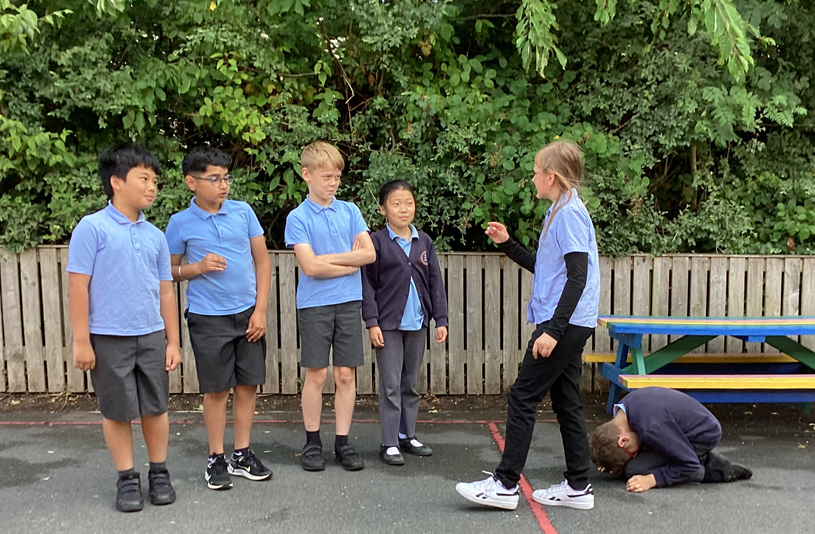
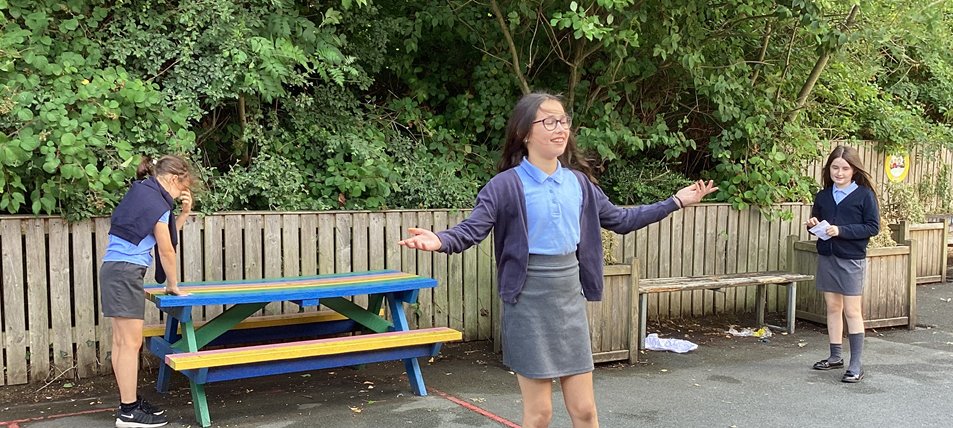
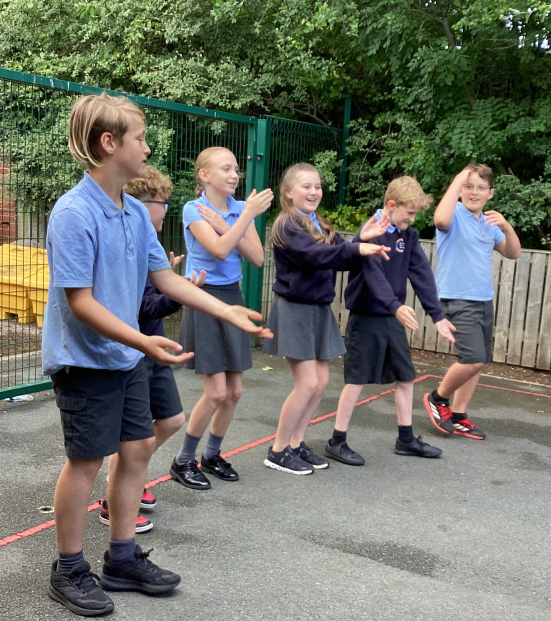
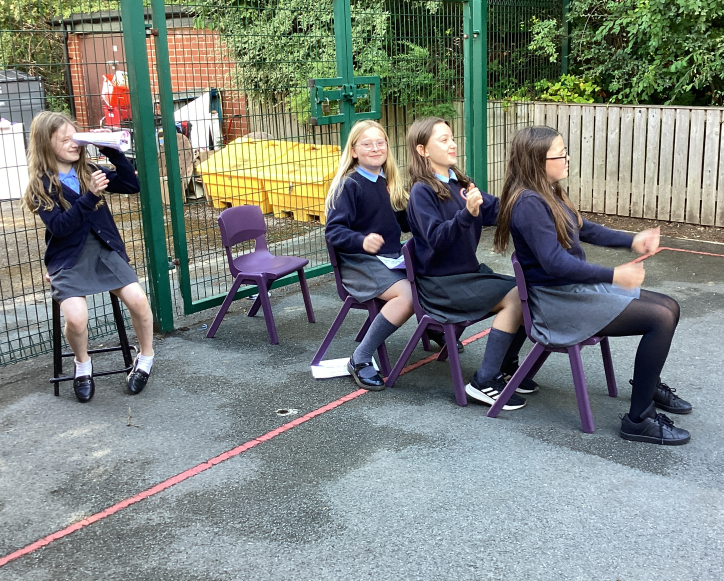
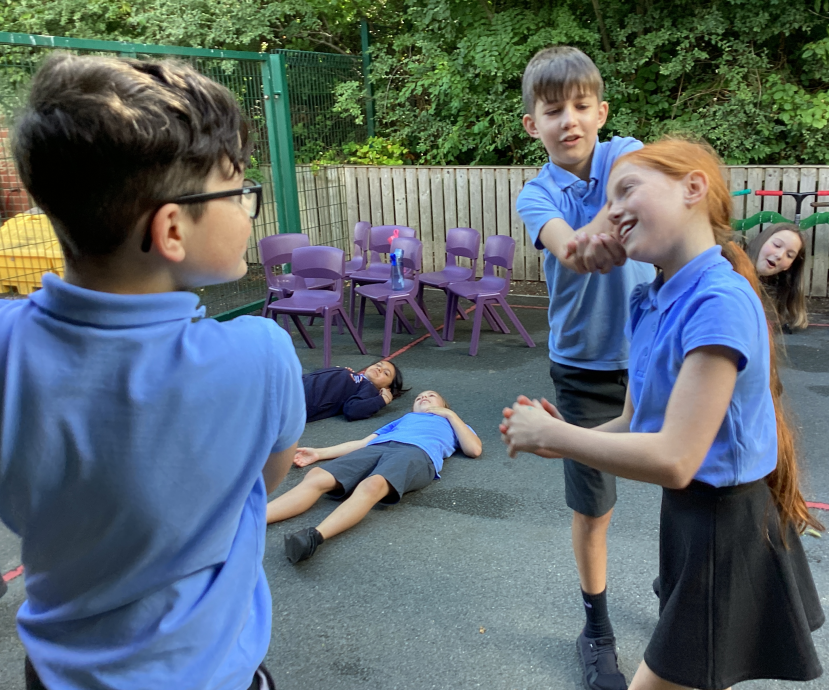
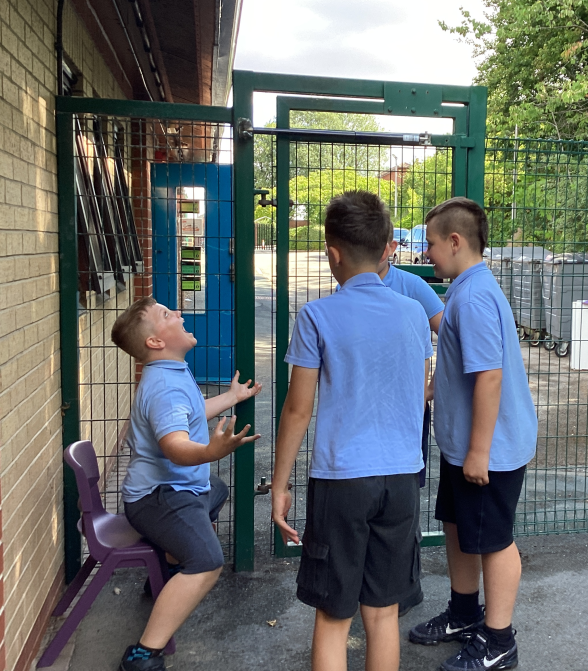
Year 5 enjoyed a fantastic, fun and co-operative end to their Ancient Greece topic by re-enacting the Battle of Marathon after researching and writing playscripts about it. They were able to portray the legacies of the battle excellently! 🌈
1
4
602
17 Jul 2025
Year 5 enjoyed a fantastic, fun and co-operative end to their Ancient Greece topic by re-enacting the Battle of Marathon after researching and writing playscripts about it. They were able to portray the legacies of the battle excellently! 🌈
2
512