kathie van Uden retweeted

Congratulations to @DanJarvisMBE on his appointment as Secretary of State for Defence.
Jarvis, who has served, pledged to secure the funding for our gallant armed forces and to protect this country against the many threats we face.
telegraph.co.uk/news/2026/06…
6
5
28
353


For centuries? Were you sleeping in history class? You pledged allegiance to the Turks for centuries.
8
Cheryl Kernot retweeted

I just pledged to never vote One Nation. Please do the same getup.to/14xB4Di3CMPnF9
57
68
248
1,958

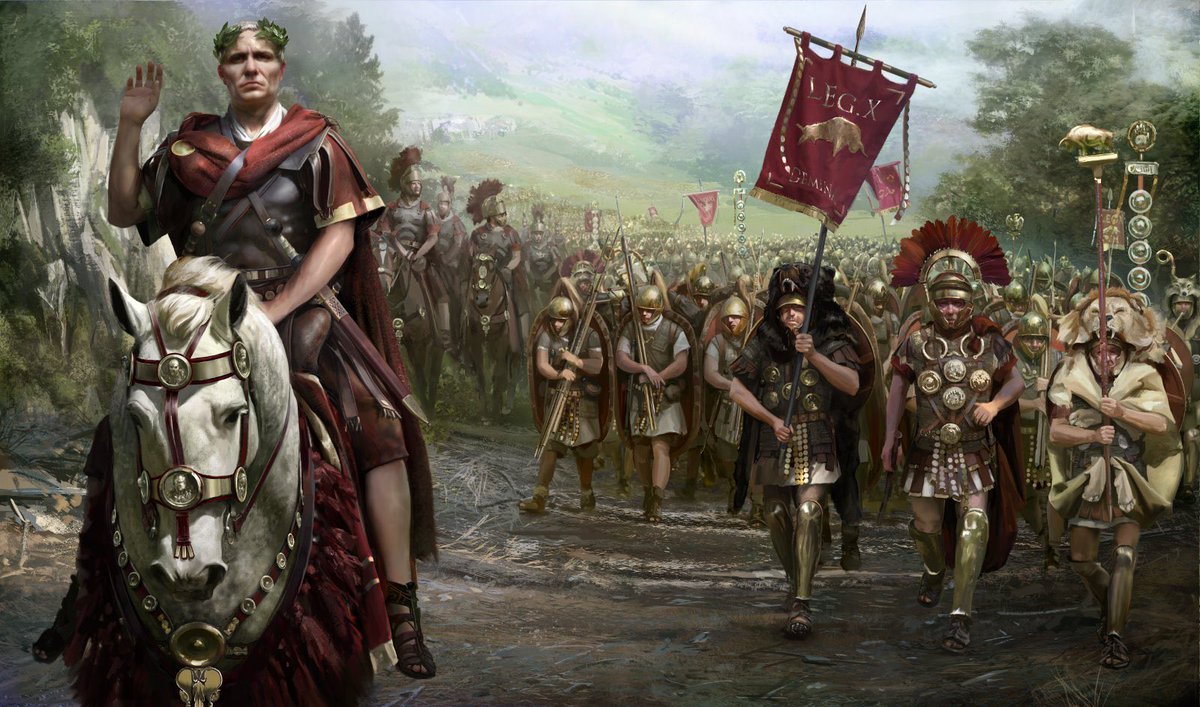
Series: Julius Caesar’s Conquest of Gaul – Day 9: Diplomacy & Tensions with the Suebi
Caesar attempted to resolve the crisis with Ariovistus through diplomacy. He sent envoys proposing a meeting between the two commanders. Ariovistus agreed but set strict conditions: no Roman infantry could attend, only cavalry. He feared assassination and distrusted Roman foot soldiers.
When the meeting finally occurred on an open plain, Ariovistus was blunt. He reminded Caesar that the Suebi had been invited into Gaul by the Sequani and had earned their land through victory. He refused to return hostages or stop further migrations across the Rhine, claiming the Germans had as much right to expand as the Romans.
Tensions inside Caesar’s own camp were rising. Many legionaries and officers had heard terrifying stories about the physical size, ferocity, and battle prowess of the Germans. Some centurions and tribunes began voicing concerns about the wisdom of fighting so far from Roman territory. Morale started to dip.
Caesar responded with one of his most famous leadership moments. He called an assembly and addressed the troops directly. He reminded them of their past victories, mocked the exaggerated fears of the Germans, and pointed out that Ariovistus himself had been declared a “Friend of Rome” by the Senate — meaning any attack by the Suebi would be on Rome’s allies, not an unprovoked war. He declared that if no one else would follow, he would march against Ariovistus with just Legio X, his most loyal legion.
The speech worked. The soldiers’ pride was rekindled, and they enthusiastically pledged to follow Caesar anywhere.
With diplomacy failed and morale restored, Caesar prepared to march against the Suebi. The first major confrontation between Roman legions and a large Germanic force in Gaul was now imminent.
#GallicWars #JuliusCaesar #Ariovistus #Suebi #AncientRome #RomanLegions
1
Obaisi Alaanuloluwa retweeted

🚨 NEW: The Tories have pledged to strip judges of the power to stop migrants being deported
All appeals will instead be heard by the Home Office
[@Telegraph]
108
52
771
58,491

Keir Starmer pledged tougher sanctions to curb Russian revenues and announced hundreds of millions of pounds in energy aid for Ukraine at the #G7 summit. #KeirStarmer #RussiaDay #Ukraine #
6
😎Billy Republic retweeted

The far-right is rising, but so are the people who will stop it. I just pledged to never vote One Nation. Will you do the same? getup.to/15kAMc3CMPnF9
26
13
37
506
🇨🇦 ♋⚡BlackSunshine⚾️🇹🇹 retweeted

ICYMI, this morning I pledged - in my ongoing campaign against #Brexit - to attend every event I go to in the coming weeks in either an EU dress, just a skirt, or wearing nothing other than a comfy pair of shoes, with the outfit chosen by the throw of a die (m.youtube.com/watch?v=fKYXiu…)
Tomorrow morning this will be put to the test: I am recording a podcast at the Institute of Economic Affairs in central London, so I’ll be travelling up to London and then speaking at one of Britain’s most influential think tanks.
Will I be in a comfortable dress? Will I be bearing my b*reasts against Brexit? Or will I be completely n*ked amongst the crowds of the capital and in front of peers who are far more used to seeing me in a smart suit?
You can find out tomorrow morning when I roll the die on camera, but until then the one thing I’m sure of is that I will be having a sleepless night wondering just how exposed I will be tomorrow.
But whatever tomorrow’s throw of the die brings, nothing I might have to do compares to the damage that Brexit has done to Britain. #BrexitLeavesBritainNaked
6
2
56
1,170

Other than raising good, America loving children & grandchildren, one of my greatest achievements will be to be laid to rest under the flag I pledged my life to. I love this country with everything in me. It was an honor to serve her & continue to do so by making sure those around me love her just as much. 🇺🇸
4
67
Charles Howarth retweeted

Reminder: Reform has pledged to repeal legislation such as the Employment Rights Act, therefore: * Reinstating Firing and Rehiring * Reversing Sick Pay and Leave: (sick pay, bereavement leave, and pregnancy/maternity protections) *Scrapping Unfair Dismissal Protections etc etc
2
5
98