
Jun 13
The very same Carbon Capture, Usage and Storage.
Used for:
Building Materials: Strengthening concrete and manufacturing bricks.
Chemicals & Plastics: Producing polyurethanes and other synthetic materials.
Synthetic Fuels: Creating low-carbon aviation or shipping fuels.
8

Jun 9
I think a lot of us have questioned the safety of sunscreen! Especially knowing they will disolve/soften/remove industrial coatings, lacquers, enamel and polyurethanes used on everyday products 🚗📱🪑🚤🛹

STUDY FINDS SUNSCREEN USE LINKED TO DRAMATICALLY HIGHER RISK OF MULTIPLE SKIN CANCERS
A UK Biobank analysis of 470,000 people found sunscreen users faced significantly higher risk of:
- MELANOMA: 292%
- BASAL CELL CARCINOMA: 140%
- SQUAMOUS CELL CARCINOMA: 126%
This is what happens when you slather rapidly absorbed hormone disrupting chemicals all over your body while blocking vitamin D — one of the body’s key defenses against cancer.
These dramatic cancer signals remained even after accounting for major skin cancer risk factors: age, sex, skin type, tanning ability, sunburn history, sunlamp use, and time spent outdoors.

21

Jun 8
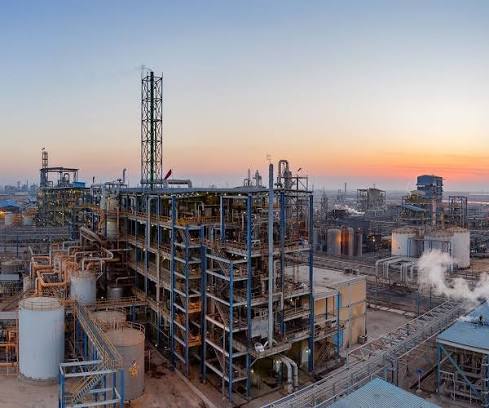
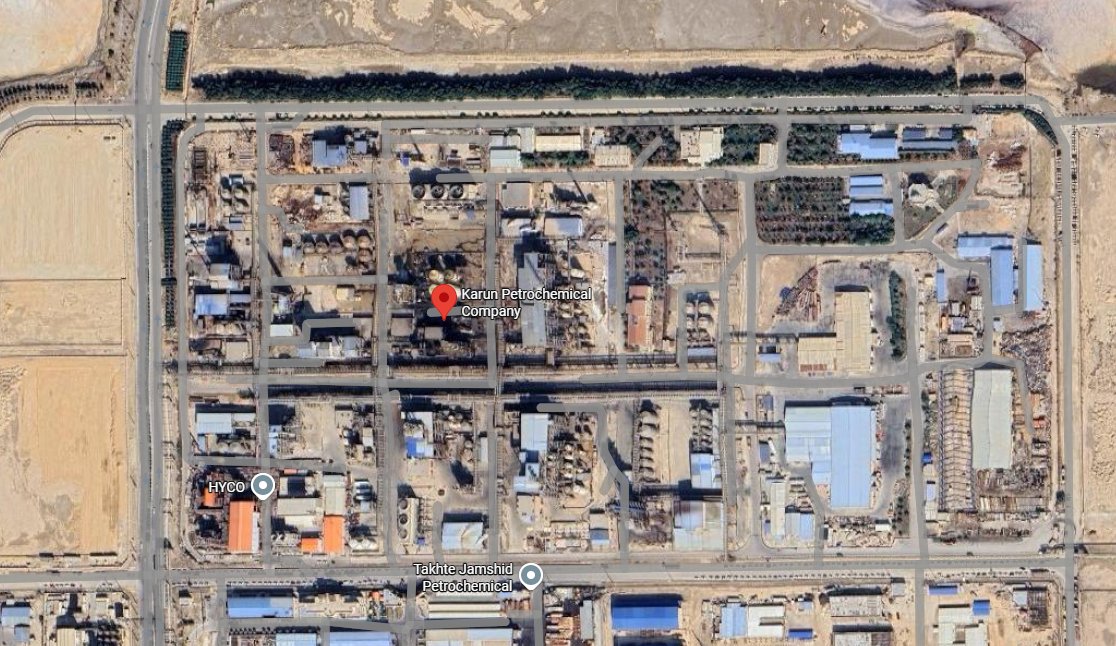
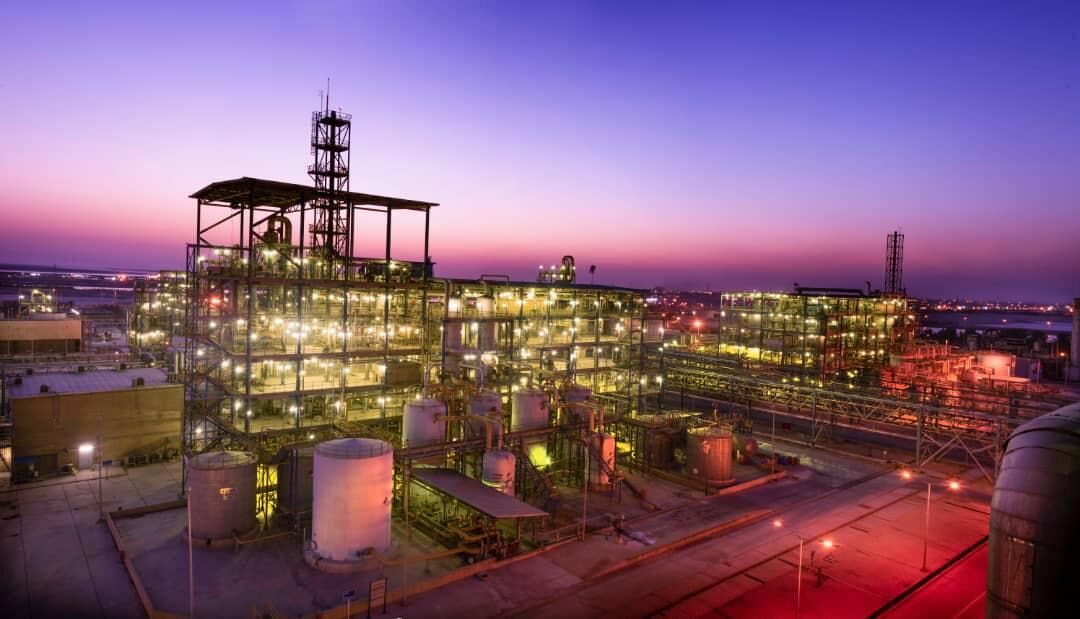
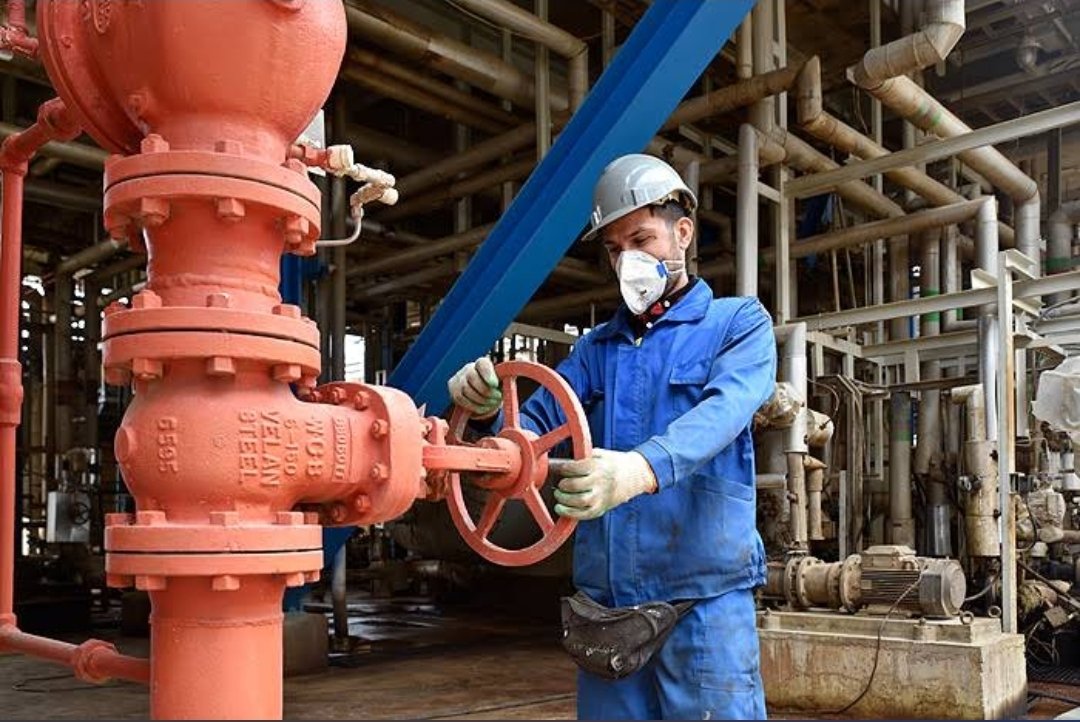
The IDF confirmed that today the Air Force attacked the Karun Mahshahr Petrochemical Company near Bandar-e-Mahrshahr, Khuzestan Province.
The facility serves as the first and primary producer of isocyanates (TDI & MDI) in Iran. These are critical raw materials for polyurethanes that are used in foams, insulation, automotive parts, furniture, construction, etc.
The complex produces ~80,000 tons of primary isocyanates along with tens of thousands of tons of byproducts such as nitric acid, MTD, and hydrochloric acid. Karun works in tandem with nearby facilities to import the necessary feedstocks such as toluene and chlorine.
The facility doesn't have significant production volume in its own right, but is still important as it reduced Iran's dependence on certain petrochemical products that were previously imported from abroad.
Now Iran is self-sufficient in this field and sells isocyanates on the global market. The plant likely generates Iran tens of billions of Rals annually, with the facility's registered capital numbering 9.2 billion Rials and production soaring over the past 2 years.
1
19
73
34,810

Jun 8
Karun Petrochemical Company is regionally significant primarily because of what it makes rather than its size. Affiliated with Persian Gulf Petrochemical Industries Company, it was the first isocyanates producer in the Middle East, making TDI and MDI with  a combined capacity of 80,000 tons per year (40,000 tons each of toluene diisocyanate and methylene diphenyl diisocyanate, plus hydrochloric acid and bleach as byproducts).
That gives it strategic weight. Isocyanates are the feedstock for polyurethanes, so before Karun, Iran had to import these chemicals. They’re highly reactive chemicals used in flexible and rigid foams, fibers, and coatings, and increasingly in the automobile industry and building insulation , meaning Karun underpins a whole range of domestic downstream manufacturing.
1
1
44

📢PostDoc in Synthesis of novel high-performance polyurethanes
We are hiring!
A Postdoctoral Researcher position is now open at Eindhoven University of Technology in the area of Synthesis of Novel High-Performance Polyurethanes.
If you are passionate about polymer chemistry, advanced materials, and sustainable high-performance polymers, we would love to hear from you.
Do you have a PhD in organic chemistry or polymer science?
Strong skills in organic/polymer chemistry and polymer characterization?
An interest in sustainable materials?
tue.nl/en/working-at-tue/vac…
2
8
626

Jun 6
100 years might be a bit of an exaggeration but yeah, Aliphatic Polyurethanes are great products that can be applied quickly. Even is they recoat it every 25 years.
2
24
Universal Base-Catalyzed Aza-Michael Addition: A General Platform for Transforming Polyurethanes into High-Performance Injectable Thermogels | Journal of the American Chemical Society pubs.acs.org/doi/10.1021/jac…
3
25
2,864

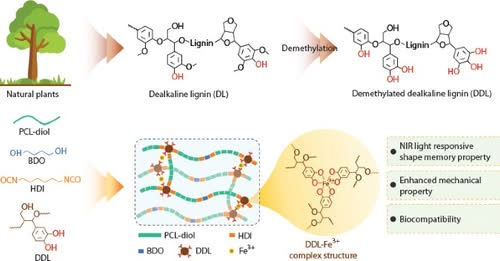
Lignin-powered Shape Memory Polyurethanes 🌿
From Beijing University of Chemical Technology and collaborators, this CJPS study enhances lignin’s photothermal performance via demethylation and Fe³⁺ complexation, enabling NIR light-responsive shape memory polyurethane for biomedical applications.
DOI: 10.1007/s10118-026-3574-0
Read the full article: link.springer.com/article/10…
#PolymerScience #ShapeMemoryPolymers #Biomaterials
3
15

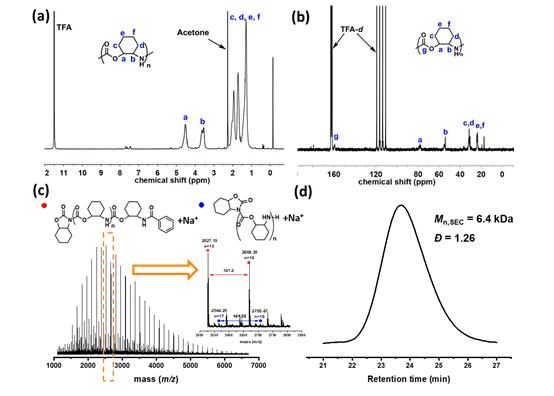
.@CCSChemistry Article Highlight: CO₂-based chemically recyclable polyurethanes: controlled synthesis, quantitative monomer recovery, and polymer functionalization
Click to read: chinesechemsoc.org/do/10.555……
#chemistry #openaccess #science #chemtwitter

.@CCSChemistry Article Highlight: CO₂-based chemically recyclable polyurethanes: controlled synthesis, quantitative monomer recovery, and polymer functionalization
Click to read: chinesechemsoc.org/do/10.555…
#chemistry #openaccess #science #chemtwitter
4
10
231

.@CCSChemistry Article Highlight: CO₂-based chemically recyclable polyurethanes: controlled synthesis, quantitative monomer recovery, and polymer functionalization
Click to read: chinesechemsoc.org/do/10.555…
#chemistry #openaccess #science #chemtwitter
9
12
710

May 17
Light-Programmable Morphology in Photothermal Polyurethanes Based on Stenhouse Salt as Photothermal Agent | Journal of the American Chemical Society @UCSB pubs.acs.org/doi/10.1021/jac…
5
29
2,941

🎉 Registration is OPEN for the 2026 Polyurethanes Technical Conference (Oct. 5–7, Orlando)!
Join industry leaders for cutting-edge insights, professional development, and networking
Secure your spot: web.cvent.com/event/39fe8a25…
#PolyCon26

3
49

May 11
First fighter Jet, first programmable computer, the first true submarine (Type XXI), direct fuel injection, synthetic fuel, electron microscopy, magnetic tape, Nylon and Perlon, Polyurethanes, Polyurethanes, Tabun, Sarin, and Soman
All invented/discovered by NS Germany
2
22
550

🚫🇮🇳 WHAT INDIA PROTECTED FOREVER:
• All dairy (milk powder, butter, cheese, infant formula, dairy ingredients) at 30 to 60 percent tariffs. Fonterra's main export categories. The exception is access for NZ dairy ingredients used for Indian export manufacturing. India captures the value-add margin.
• All meat except sheep. Beef, pork, poultry, goat, offal.
• All tea at 110 percent. All coffee at 100 to 110 percent. All spices at 33 to 77 percent. All edible oils. All sugar at 110 percent.
• 89 percent of vehicles. Cars at 70 to 137 percent. Motorcycles. Tractors. Vehicle parts. The 11 percent India accepted: bicycles, wheelchairs and baby carriages.
• 97 percent of ships. Every vessel including fishing vessels and naval craft.
• Half of consumer electronics. Mobile phones, semiconductors, integrated circuits and cathode-ray displays walled off. The half India accepted is industrial transformers, lighting and power conversion gear.
• All primary aluminium. The Tiwai Point smelter's main export.
• All gold and all jewellery.
• Most major medical devices. MRI, ECG, dialysis, defibrillators, syringes, catheters, anaesthetic equipment all excluded. Sorry Fisher and Paykel. India phased in surgical instruments, endoscopes, hearing aids, X-ray and CT scanners over 10 years. While protecting these from NZ exports, India required NZ's Medsafe to accept Indian device approvals without inspecting them.
• Two thirds of plastics. The third India accepted is specialty industrial resins (Teflon-type, polyurethanes, silicones, epoxies). Mass-market polymers walled off.
• All petrol. All ethanol blend fuel.
• All processed traditional Indian medicines including Ayurvedic and homeopathic preparations.
• Most processed fruit and vegetable products. India accepted only roasted cashews and ground nuts over 7 to 10 years. Pickles, chutneys, jams, juices, preserved vegetables walled off.
• All tobacco. 71 percent of books and printed material (greeting cards in, books and newspapers out). Almost half of finished textile products like sheets and towels.
• The right to slap punitive "anti-dumping" tariffs on NZ exports any time India decides NZ exporters are selling too cheap. NZ has no way to challenge those tariffs through the deal's dispute system. India launches more anti-dumping investigations than any other country in the world. Fonterra has been hit with this before on milk powder.
So even when NZ exports clear the tariff schedule, India can slap a new tariff on top under a different label, and NZ cannot push back.
7
3
43
1,425


Apr 26
2 = approximately 4-inch fan width (ideal for narrow surfaces like trim, fences, decks, or railings).
.11 = 0.011-inch orifice diameter (perfect for thinner materials such as stains, sealers, polyurethanes, or light primers, latex paints)
1
4
68

Machine Learning-Driven Prediction and Interpretation of Glass Transition Temperature in Polyurethanes #machinelearning #compchem pubs.acs.org/doi/abs/10.1021…
2
242

Apr 16
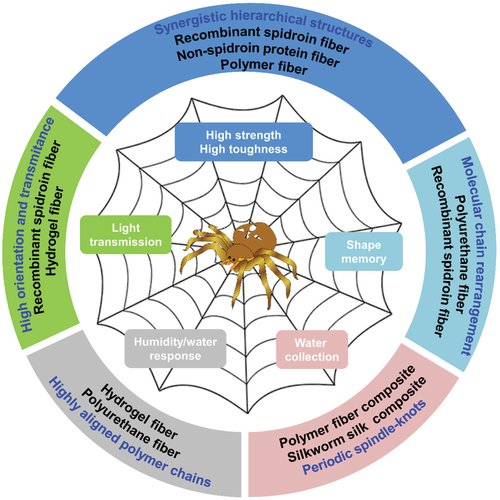
Spider silk is a natural biofiber, & has attracted extensive research becuz of its extraordinary properties including high tensile strength & toughness,[2]sciencedirect.com/science/ar… high thermal conductivity,[3]advanced.onlinelibrary.wiley… supercontraction,[4]nature.com/articles/nmat1534 & peculiar torsion rotational actuation.[5]pubs.aip.org/aip/apl/article… These excellent properties make spider silk an attractive biomaterial for potential apps in artificial ligaments, heat sinks, artificial tendons, & artificial muscles.
W/ the in-depth study of the structure of spider silk, great progress has been made in the preparation of strong & tough fibers using different technologies such as biotech, nanotech, polymer chemistry, & materials science. The materials used to prepare strong & tough fibers include recombinant spidroins, non-spidroin proteins, polymer materials (e.g., hydrogels, polyurethanes, cellulose, etc.), & their composites.
Artificially mimicking natural spider silk by employing recombinant spidroins is an effective way to prepare artificial spider silk. Recombinant spidroins are generally prepared by genetic engineering techniques, including gene design, cloning, & protein expression in different foreign hosts such as bacteria,[46]pnas.org/doi/full/10.1073/pn… yeasts,[47]link.springer.com/article/10… insect cells,[48]sciencedirect.com/science/ar… plants,[49]nature.com/articles/nbt0601_… & mammary gland cells of goats. These artificial spider silk fibers are obtained from a solution of recombinant spidroins by various spinning techniques, including wet-spinning, dry-spinning, & electrospinning. During wet-spinning, the solution of recombinant spidroins is extruded into a coagulation bath, where the spidroins precipitate & the fibers are formed.[51]link.springer.com/article/10…
The mechanical properties of the artificial spider silk are also correlated to the concentration of the spinning dope & coagulation bath. It is generally difficult to achieve natural spidroins’ concentration (30–50%, w/v) w/ recombinant spidroins.[17]sciencedirect.com/science/ar…
The Xia group designed a microfluidic spinning chip to mimic the natural spinning apparatus, including shearing & elongational sections. The spinning dope of recombinant spidroins flowed through the microfluidic spinning chip, causing self-assembly & orientation of spidroins to form fibril structures.
advanced.onlinelibrary.wiley…
Water-soluble recombinant spider dragline silk protein (w/ a low molecular weight of 47 kDa) was adopted to prepare aqueous spinning dope. Artificial spider silks were spun via microfluidic wet-spinning, using a continuous post-spin drawing process (WS-PSD). By mimicking the natural spinning apparatus, shearing & elongational sections were integrated in the microfluidic spinning chip to induce assembly, orientation of spidroins, & fibril structure formation.
The additional post-spin drawing process following the wet-spinning section partially mimics the spinning process of natural spider silk & substantially contributes to the compact aggregation of microfibrils. Subsequent post-stretching further improves the hierarchical structure of the fibres, including the crystalline structure, orientation, & fibril melting.
nature.com/articles/srep3647…
We report the rational design, expression, & spinning of intrinsically red-colored artificial silk fibers. A mini-spidroin variant was engineered as a fusion w/ the red fluorescent protein mCherry, expressed @ high yields (20 g/L) in E. coli fed-batch fermentations, & purified under native conditions. Although the presence of the mCherry globular domain reduced spinnability when used alone, blending w/ wild-type mini-spidroins enabled continuous wet spinning into robust, fluorescent fibers.
Our biomimetic spinning approach preserved the correct folding of the mCherry domain w/in the fiber, resulting in stable red coloration & fluorescence, while maintaining mechanical properties comparable to those of other recombinant silks.
nature.com/articles/s43246-0…
1
15
23
598

✅ What is the relief?
The notification provides BCD exemption on notified goods by reducing the effective customs duty rate to Nil.
✅ Which goods are covered?
The list mainly includes important industrial raw materials, chemicals and polymer inputs, such as:
Anhydrous ammonia
Toluene
Styrene
Methanol
Isopropyl alcohol
Monoethylene Glycol (MEG)
Phenol
Acetic acid
Vinyl acetate monomer
Purified Terephthalic Acid (PTA)
Ammonium nitrate
Polypropylene
Polystyrene
SAN
ABS
PVC
PET Chips
Epoxy resins
Polyurethanes
Synthetic rubber inputs
1
87
✅ Which goods are covered?
The list mainly includes important industrial raw materials and intermediates, such as:
Anhydrous ammonia
Toluene
Styrene
Methanol
Isopropyl alcohol
Monoethylene Glycol (MEG)
Phenol
Acetic acid
Vinyl acetate monomer
Purified Terephthalic Acid (PTA)
Ammonium nitrate
Polypropylene
Polystyrene
ABS
PVC
PET Chips
Epoxy resins
Polyurethanes
Synthetic rubber inputs
1
1
229