
Sherry Birkin re9:
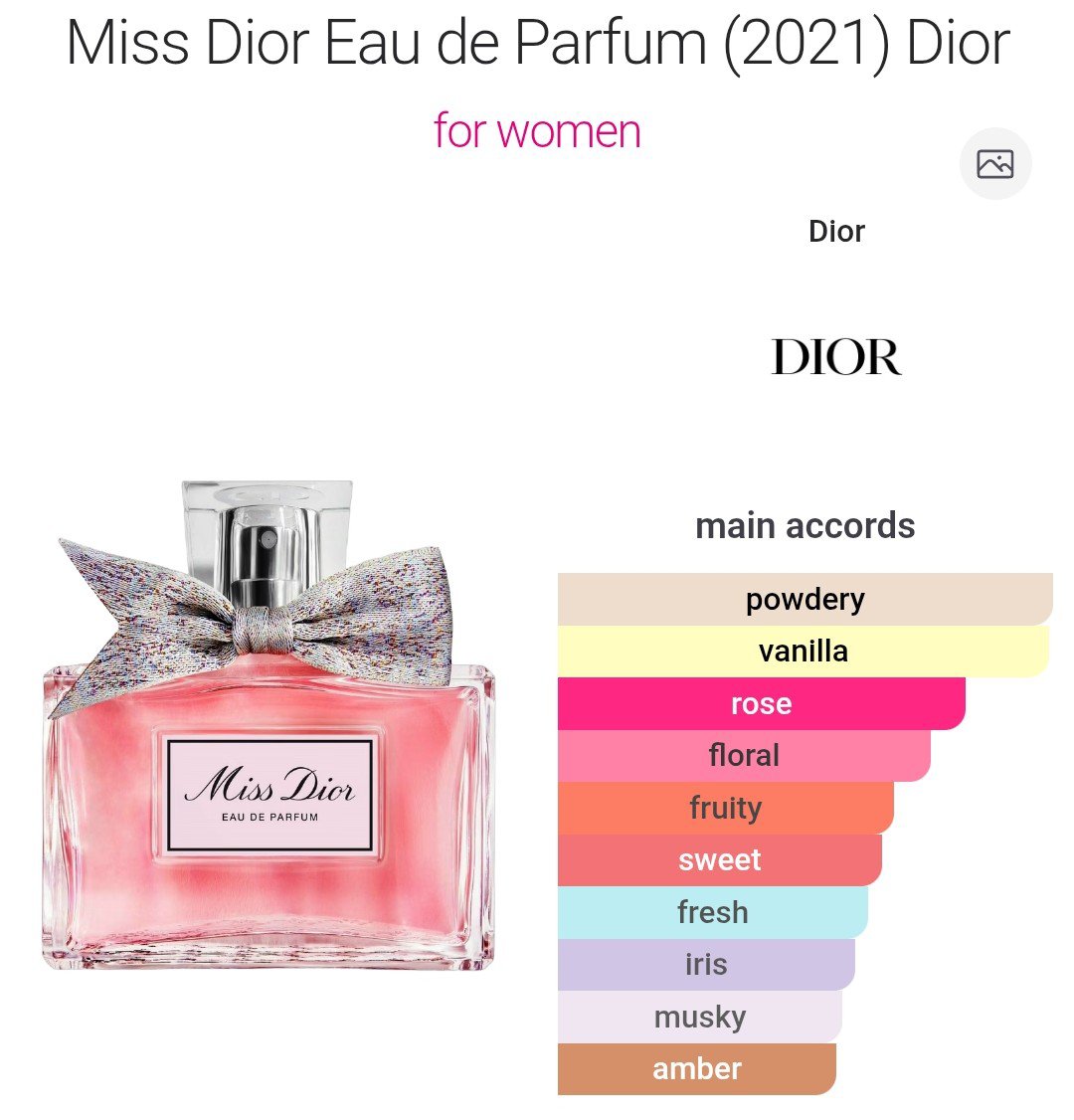
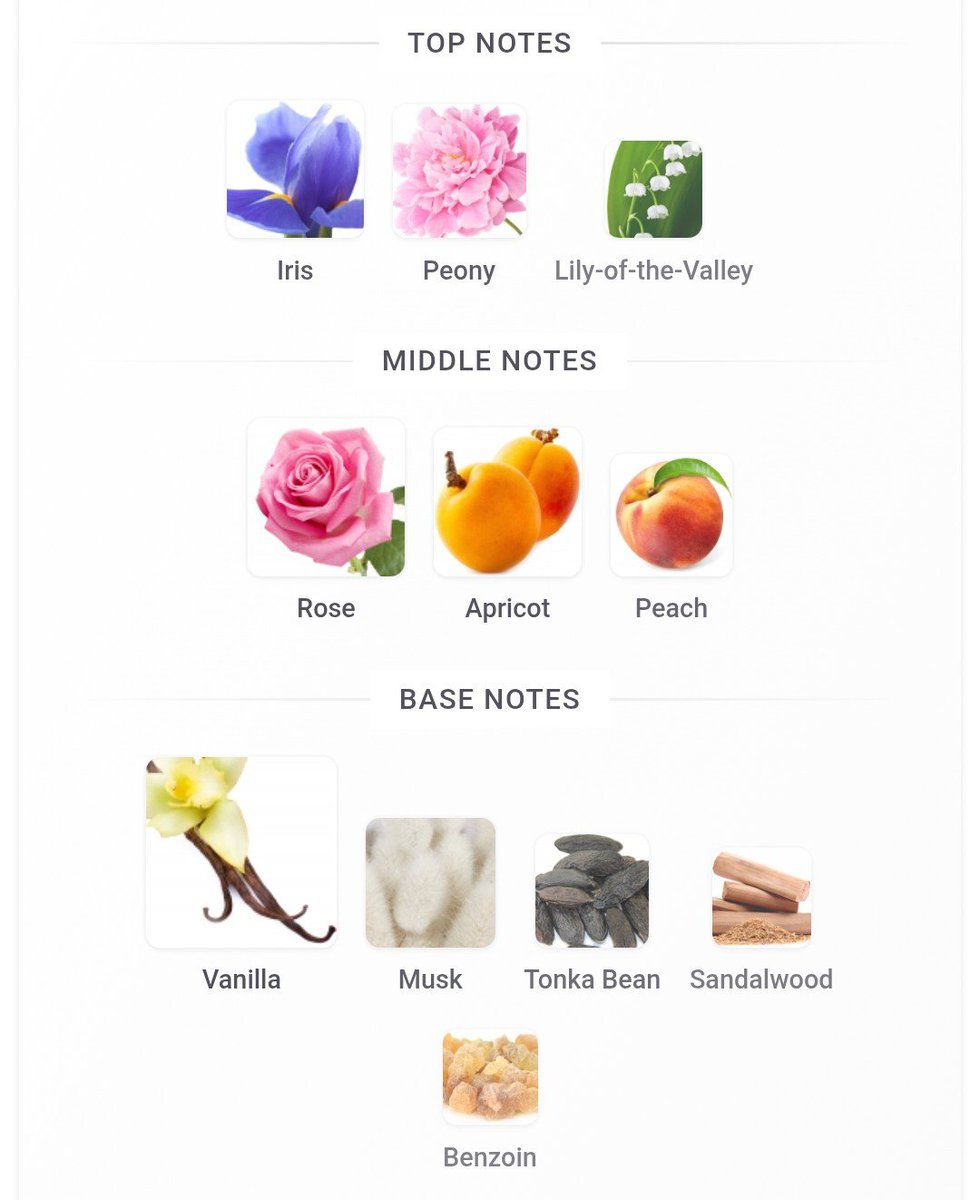
Miss Dior by Dior.
A more mature scent now that she's older. My MIL wears this and it's so so sooo pretty. The powdery mixes so well with the rose to make the perfect light and soft, yet mature scent.
1
1
15
✶ Sandra Benedet ✶ retweeted

15h
galliano’s powdery petite coquettes


197
1,833
18,573


11

Pollen floating on water usually appears as a fine, yellow-to-green powdery film. It is highly hydrophobic (water-repelling) and will float on lakes, ponds, or pools rather than sinking immediately. While harmless to water ecosystems, it can irritate allergies and clog pool
4

Off and on all day someone would be wiping at the powdery gray dust that settled over everything.

1h
This also works for vineyards, where powdery mildew is a problem requiring significant use of fungicide.

What you are watching in this video is something that should not exist yet and it already does, at scale, in fields right now (Save this).
An autonomous robot moves through strawberry fields at night, using UV-C light to kill fungal pathogens and spider mites that would otherwise require multiple weekly pesticide applications.
By morning, workers can safely enter the field with zero chemical residue, zero re-entry interval, and virtually no risk of resistance.
The science behind UV-C pest control has been validated across more than three years of controlled field trials by Cornell University, the University of Florida, and the Norwegian University of Life Sciences.
Those trials found that nighttime UV-B and UV-C applications were as effective as or better than, the best available fungicides for controlling powdery mildew on strawberries, grapes, cucumbers, basil, and roses, killing up to 95% of infection on leaf surfaces.
The reason you do it at night is because of biology.
Fungi have a UV repair mechanism that requires blue light to activate.
In complete darkness, the DNA damage from UV-C is irreversible, the pathogen cannot repair itself and dies.
Expose the same pathogen to UV in daylight and it heals.
Tric's autonomous robots exploit that window with precision, running every acre twice a week while the farm sleeps.
The Eden robot has a span of over 40 feet, matching the form factor of conventional spray rigs so it can navigate farms with tight turns and obstacles.
The Luna platform covers six rows per pass with a range of 50 to 100 acres, equipped with boom height and wing adjustments for uneven terrain, and carries UV boom, bug vacuum, and precision camera payloads simultaneously.
Pilots on California's Central Coast have shown up to 70% reductions in pesticide usage, and the company operates as a service, farmers do not buy the robots, they subscribe to coverage, Tric sets up the fleet, and the robots run on their own.
Europe has already implemented restrictions on dozens of the fungicides that American strawberry and grape growers depend on, and the EPA is accelerating reviews of several widely used active ingredients under the Endangered Species Act.
1
18

Cloudar by Drake!!?!?! CHEWED! A powdery orange floral with a hit of tonka bean >>>>>> I wanna eat my arm
37

What you are watching in this video is something that should not exist yet and it already does, at scale, in fields right now (Save this).
An autonomous robot moves through strawberry fields at night, using UV-C light to kill fungal pathogens and spider mites that would otherwise require multiple weekly pesticide applications.
By morning, workers can safely enter the field with zero chemical residue, zero re-entry interval, and virtually no risk of resistance.
The science behind UV-C pest control has been validated across more than three years of controlled field trials by Cornell University, the University of Florida, and the Norwegian University of Life Sciences.
Those trials found that nighttime UV-B and UV-C applications were as effective as or better than, the best available fungicides for controlling powdery mildew on strawberries, grapes, cucumbers, basil, and roses, killing up to 95% of infection on leaf surfaces.
The reason you do it at night is because of biology.
Fungi have a UV repair mechanism that requires blue light to activate.
In complete darkness, the DNA damage from UV-C is irreversible, the pathogen cannot repair itself and dies.
Expose the same pathogen to UV in daylight and it heals.
Tric's autonomous robots exploit that window with precision, running every acre twice a week while the farm sleeps.
The Eden robot has a span of over 40 feet, matching the form factor of conventional spray rigs so it can navigate farms with tight turns and obstacles.
The Luna platform covers six rows per pass with a range of 50 to 100 acres, equipped with boom height and wing adjustments for uneven terrain, and carries UV boom, bug vacuum, and precision camera payloads simultaneously.
Pilots on California's Central Coast have shown up to 70% reductions in pesticide usage, and the company operates as a service, farmers do not buy the robots, they subscribe to coverage, Tric sets up the fleet, and the robots run on their own.
Europe has already implemented restrictions on dozens of the fungicides that American strawberry and grape growers depend on, and the EPA is accelerating reviews of several widely used active ingredients under the Endangered Species Act.
5
14
58
5,002