Marjon Hulsegge retweeted

Vorige week was ik in Praag. De hoofdstad van Tsjechië ligt op slechts 3 uur rijden van onze DDR-boerderij. We bezochten er o.a. het gebouw van de Duitse ambassade, waar een klein stukje DDR-geschiedenis ligt. Ik schreef er een stukje over op Substack:
open.substack.com/pub/djeeko…

1
2
16
452

Ik hing gewoon op hoor.
Toen was er in Praag geen nederlandse spreker te krijgen 😂
Belde ze weer, zei ik: ga je normaal doen want anders hang ik weer op! 😂🤣
1
1
67

15h
Why 1 year? They both have more years on their contract and we've seen what Praag can do with the cap. I don't think it would be limited to one year.
24


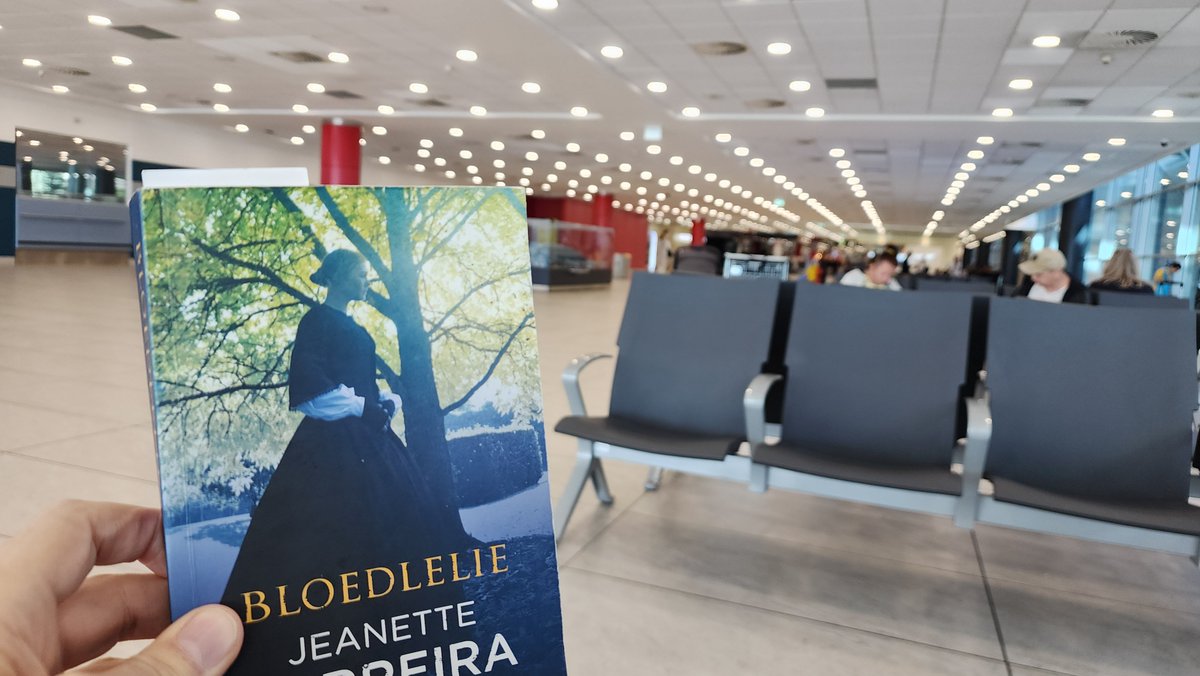
Ek wag nou hier by die lughawe in Praag om opgelaai te word. Op die kort vlug hierheen van Charleroi af, het ek weer Jeanette Ferreira se roman, Bloedlelie, begin lees. Dit gaan oor Piet Retief se weduwee, Magdalena Retief. Maar ook oor Dingaan en Zoeloes en plaasmoorde vandag. Ons het veel meer sulke boeke nodig wat die velede én die hede belig. En eintlik het niks sedert 1838 verander nie.
1
3
16
548


Jun 16
Prachtig! Wauw, wat een prachtige sound in de tunnel! Praag staat nog op mijn wens-lijstje. Zeker na het boek van Dan Brown, 'Het ultieme geheim', te hebben gelezen.
1
1
55

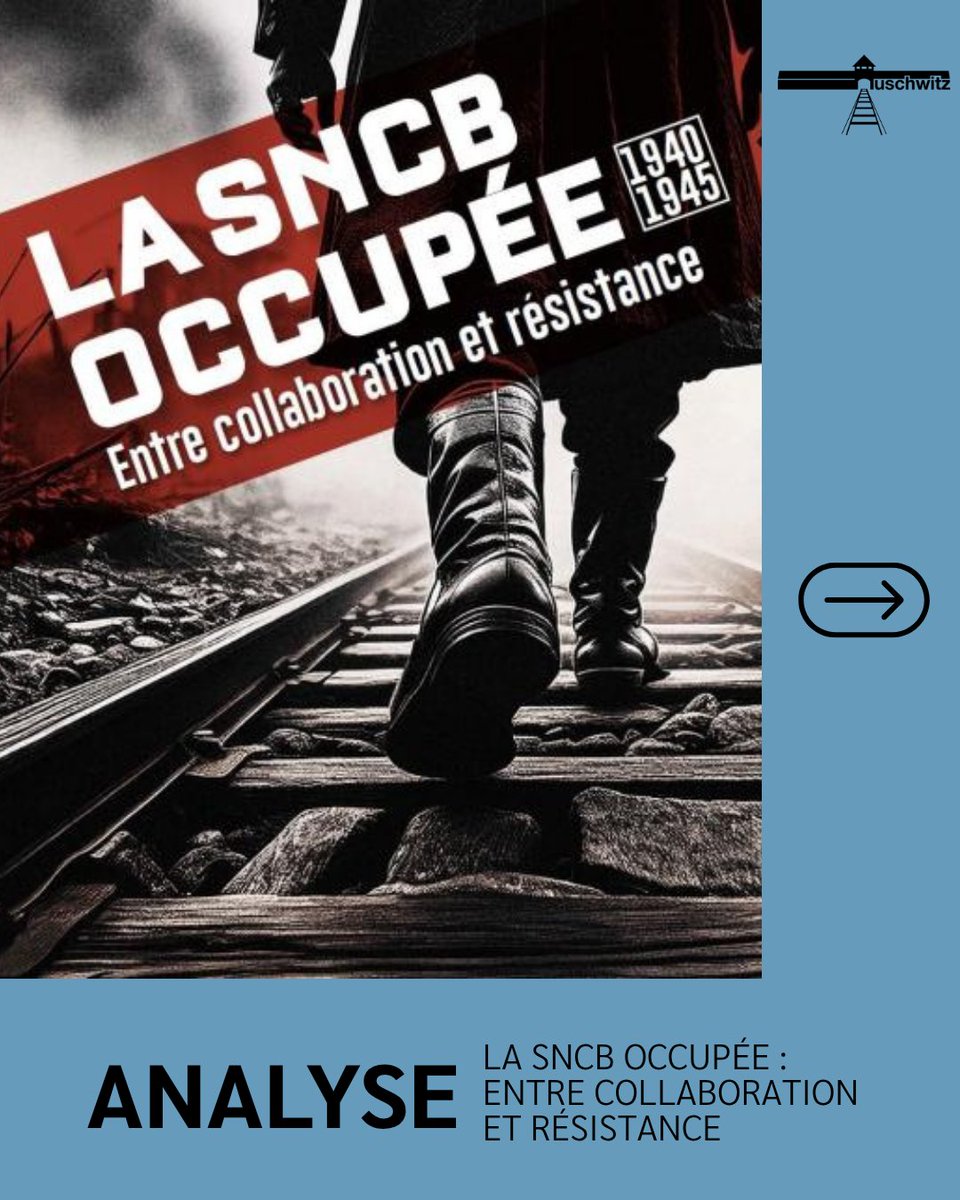
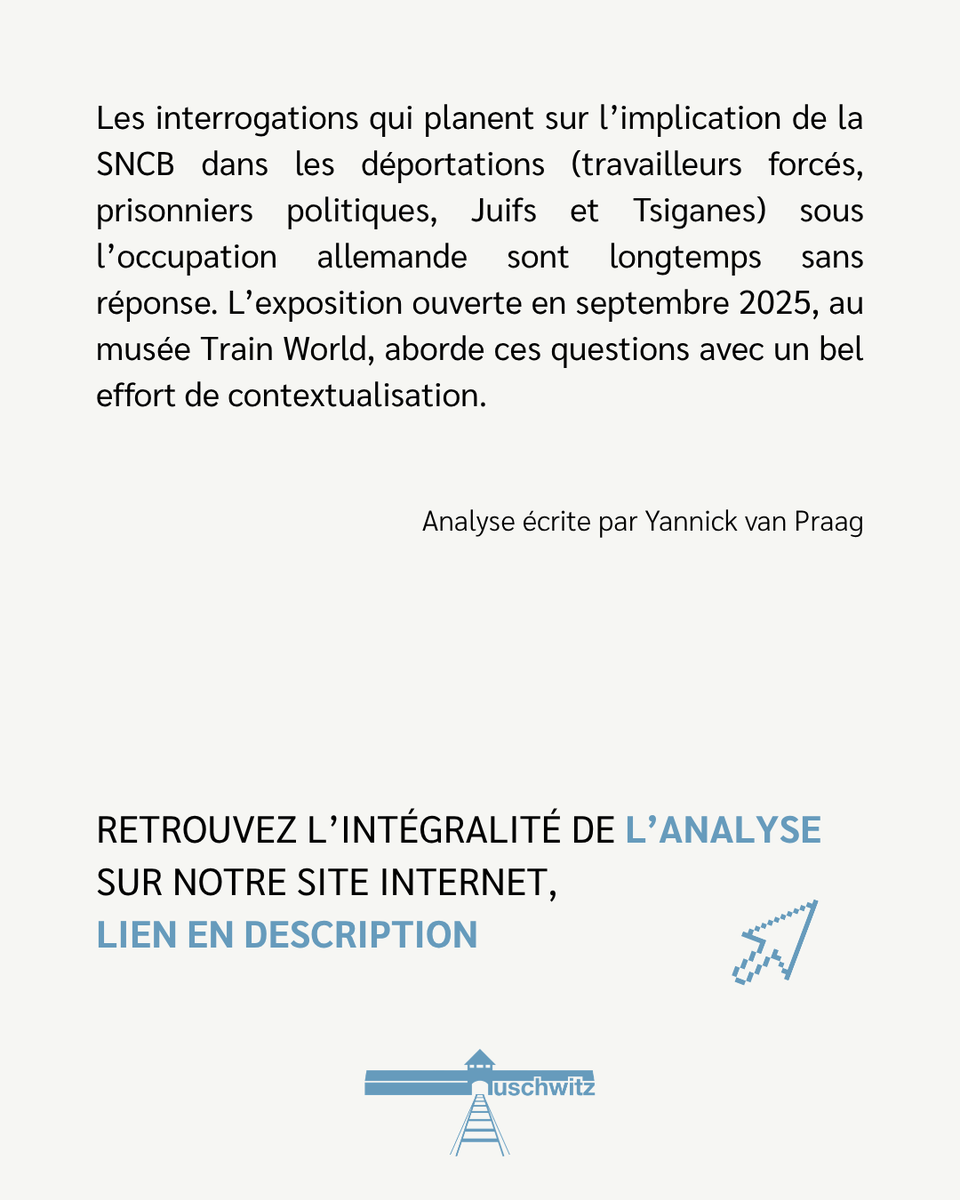
Les interrogations qui planent sur l’implication de la SNCB dans les déportations (travailleurs forcés, prisonniers politiques, Juifs et Tsiganes) sous l’occupation allemande sont longtemps restées sans réponse.
L’exposition ouverte en septembre 2025, au musée Train World, aborde ces questions avec un bel effort de contextualisation.
Ce nouveau texte d'Éducation permanente rédigé par Yannik van Praag est à lire ou à télécharger sur notre site web : auschwitz.be/images/_experti…
👍 Likez
🔁 Partagez
🗣 Commentez
📲 Abonnez-vous pour suivre l'actualité de la Fondation Auschwitz
1
1
38

Mieke_venAa retweeted

Jun 15
Sorry maar hier in Praag heb ik ooit zelfde in het station gezien, 2 security gasten vlammen dienen gast op de grond en wachten tot de politie komt geen 2 minuten later...nadien de auto in en weg. Iim Belgie moeten ze een dansje doen om zelf niet gerechterlijk vervolgd te worde
2
9
91
1,824

Jun 16
The WhoWhatWhy piece (featuring Paul Schrade and references to Lisa Pease’s work) promotes the second-gunman/conspiracy theory for the RFK assassination. Here is the refutation for each major claim using the forensic, ballistic, autopsy, witness, and historical record (primarily from Mel Ayton’s The Forgotten Terrorist, which directly addresses these arguments):
• Schrade was shot first, Sirhan fired two shots missing RFK, then hit Schrade
The book reviews the sequence: the pantry was chaotic. Sirhan fired rapidly at RFK from the front as he passed. Schrade was hit early by one of Sirhan’s bullets. The timeline and ballistics match Sirhan firing all 8 rounds in the struggle. No evidence requires a separate first shooter.
• Second gunman behind RFK fired the fatal head shot
The autopsy and book confirm all three bullets that struck RFK came from the front at close range with powder burns consistent with Sirhan’s position. The fatal head wound trajectory aligns with Sirhan firing upward in the moving crowd. The “behind at point-blank” claim is a misinterpretation of the scene; witnesses place Sirhan in front, and the wounds match.
• Kennedy asked “Is everybody okay? Is Paul alright?” and other last words
The book confirms Kennedy’s last words and concern for others (including Schrade). This is consistent with the lone-gunman scenario — Kennedy was conscious briefly after being shot by Sirhan. It does not prove a second shooter.
• Sirhan fired seven shots total, pinned to the table, unable to fire more into Kennedy
The book explains the struggle: Uecker and others grabbed Sirhan after the first shots, but he struggled and fired all 8 rounds rapidly before being fully subdued. The “pinned after the second shot” is selective — the grappling allowed continued firing in the chaos. The capacity and recovered bullets match Sirhan’s gun.
• 13 shots on Pruszynski audiotape (two guns, shots in opposite directions)
The book examines the disputed audio analysis (Van Praag et al.). The “13 shots” is not conclusively proven as additional gunshots; ricochets, echoes, and the small space are alternatives. All recovered bullets and wounds are consistent with Sirhan’s revolver. No second gun or extra casings were found.
• Mismatched bullets (Kennedy and Weisel bullets not from the same gun)
The book addresses early police documents and ballistics. The final forensic match ties the bullets and fragments from victims to Sirhan’s gun. The “mismatch” is from preliminary notes or selective reading; the evidence chain supports Sirhan.
• Destroyed evidence (doorways, ceiling tiles, 2,000 photos, sealed files, destruction orders)
The book acknowledges LAPD flaws: some material was destroyed after the trial and appeals (often for storage). However, the key evidence (autopsy, recovered bullets, Sirhan’s gun, notebooks, key witnesses) was preserved and sufficient for conviction. Sealing was standard. The destruction does not prove a second gunman or cover-up.
• FBI twisted witness accounts, polka dot dress woman (“We shot him”)
The book reviews the polka dot dress and other witnesses. Accounts were inconsistent in the panic, but the reliable testimony places Sirhan firing at RFK. The “FBI twisted” and “We shot him” claims are from one or two witnesses and do not prove a conspirator or second shooter.
• Sirhan programmed/manipulated through hypnosis, no memory, notebooks as automatic writing
The book rejects the Manchurian Candidate/hypnosis theory as unsupported speculation. Sirhan’s notebooks show clear premeditated motive (hatred of RFK over Israel). His “no memory” is psychological, not programming. The defense used diminished capacity for sentencing, not innocence.
1
38