NM retweeted

Jun 13
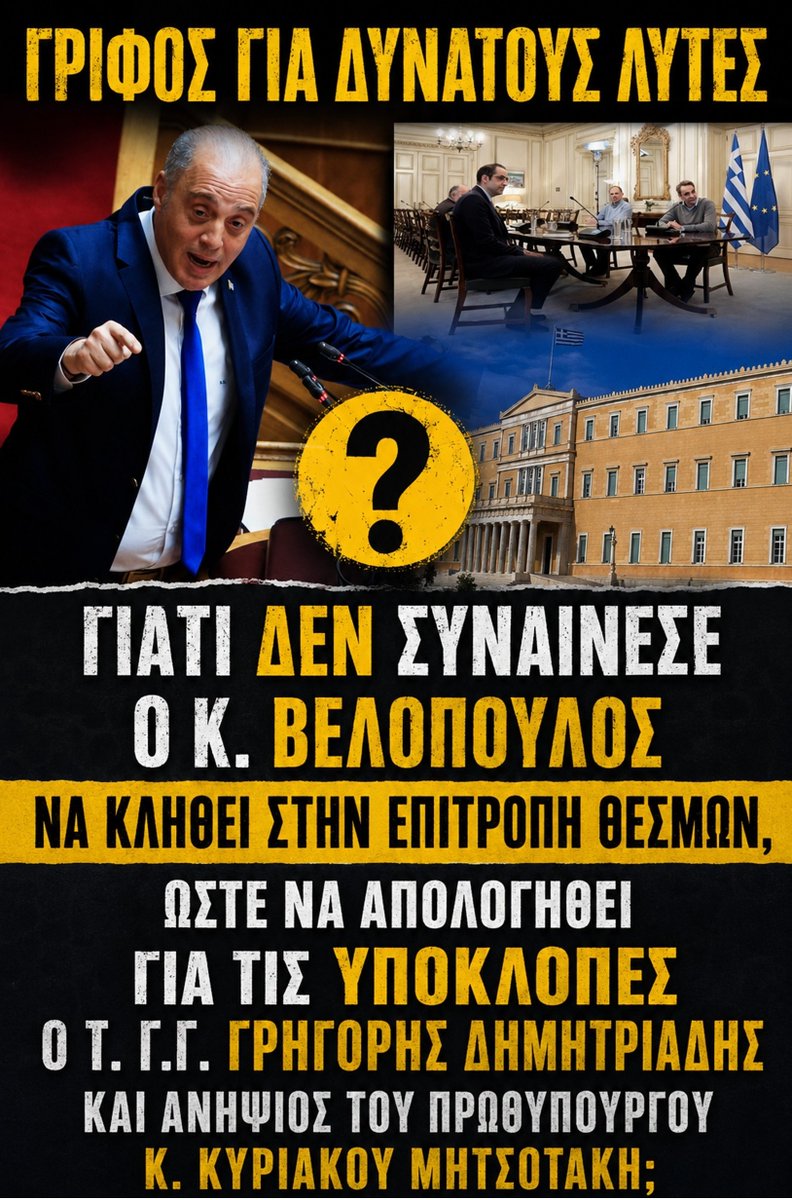
ΓΙΑΤΙ ΔΕΝ ΣΥΝΑΙΝΕΣΕ Ο ΒΕΛΟΠΟΥΛΟΣ;
#Υποκλοπές #PredatorGate #ΕπιτροπήΘεσμών #Βελόπουλος #Δημητριάδης #Μητσοτάκης #Διαφάνεια #Λογοδοσία #ΚράτοςΔικαίου #GreekPolitics
9
10
29
783

12millionleakscandal.com
#PredatorGate #Predator #υποκλοπές #κατασκοπεία
#Intellexa #Μητσοτάκης #ΔημητριάδηςΓρηγόρης #Cosmote #ΟΤΕ #Άρειος_Πάγος #Ντογιάκος #Ζήσης #Τζαβέλλας #Αδειλίνη #Πολυζωγόπουλος #Προκοπίδου #μαφία #έσχατη_προδοσία #νδ_συμμορια #ΝΔ_εγκληματική_οργάνωση
Jun 14

Ισόβια κάθειρξη στον υπεύθυνο του λούνα παρκ που δεν πήρε τα μέτρα ασφαλείας και σκοτώθηκε ο 19χρονος. Λογική απόφαση καθώς από την έλλειψη μέτρων ασφαλείας προκλήθηκε το δυστύχημα. Και σκέφτομαι. 1) Τέμπη, δεν λήφθηκαν τα μέτρα ασφαλείας, σκοτώνονται 57 άτομα και συλλαμβάνεται (προσωρινά) μόνο ο σταθμάρχης, έως σήμερα κανείς άλλος στην φυλακή, ούτε με προσωρινή κράτηση. 2) παραβίαση του απορρήτου στην Cosmote το 2020, τα δεδομένα 12 εκ συνδρομητών σε αγνώστους εγκληματίες επειδή δεν έλαβε 6 μέτρα ασφαλείας η εταιρεία. Σοβαρό ποινικό αδίκημα και οι Εισαγγελείς Πολυζωγόπουλος και Προκοπίδου το αρχειοθέτησαν χωρίς καν να καλέσουν για εξηγήσεις τον υπεύθυνο για τα μέτρα ασφαλείας της Cosmote. Δυο μέτρα και δυο σταθμά από μια Δικαιοσύνη και μερικούς εισαγγελείς για γέλια.
38
12millionleakscandal.com
#PredatorGate #Predator #υποκλοπές #κατασκοπεία
#Intellexa #Μητσοτάκης #ΔημητριάδηςΓρηγόρης #Cosmote #ΟΤΕ #Άρειος_Πάγος #Ντογιάκος #Ζήσης #Τζαβέλλας #Αδειλίνη #μαφία #έσχατη_προδοσία #εσχάτη_προδοσία #νδ_συμμορια #ΝΔ_εγκληματική_οργάνωση #ΝΔ_αριστεια
Jun 14

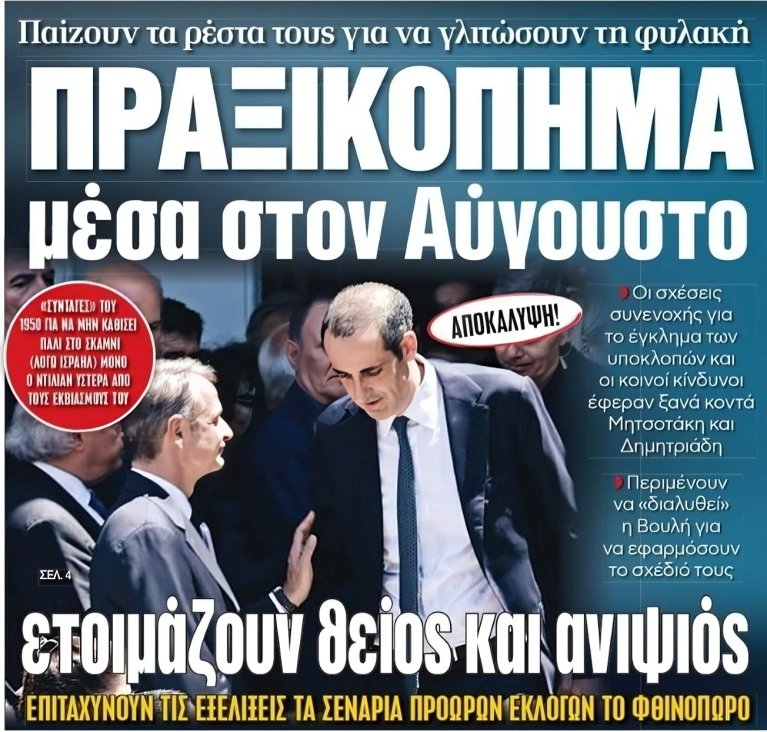
Άγριες καταστάσεις ετοιμάζουν Μητσοτάκης και ανιψιός καθώς η δικτατορία καταρρέει και η φυλακή για τις υποκλοπές είναι πιο κοντά από ποτέ. Θα καταπατήσουν όποιο συνταγματικό άρθρο έχουν αφήσει έως τώρα.
24
12millionleakscandal.com
#PredatorGate #Predator #υποκλοπές #κατασκοπεία
#Intellexa #Μητσοτάκης #ΔημητριάδηςΓρηγόρης #Cosmote #ΟΤΕ #Άρειος_Πάγος #Ντογιάκος #Ζήσης #Τζαβέλλας #Αδειλίνη #έσχατη_προδοσία #εσχάτη_προδοσία #νδ_συμμορια #ΝΔ_αριστεια #ΝΔ_εγκληματική_οργάνωση
Jun 13
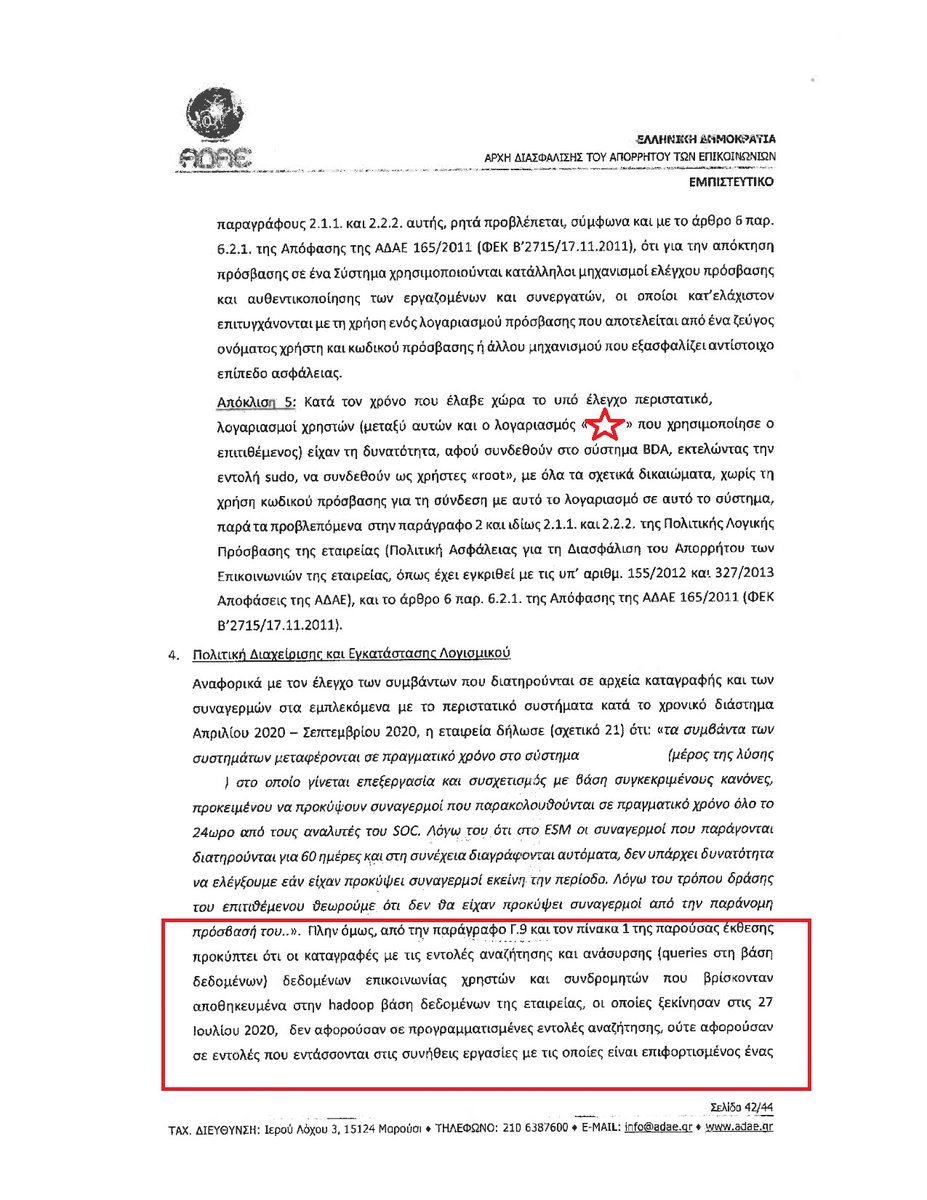
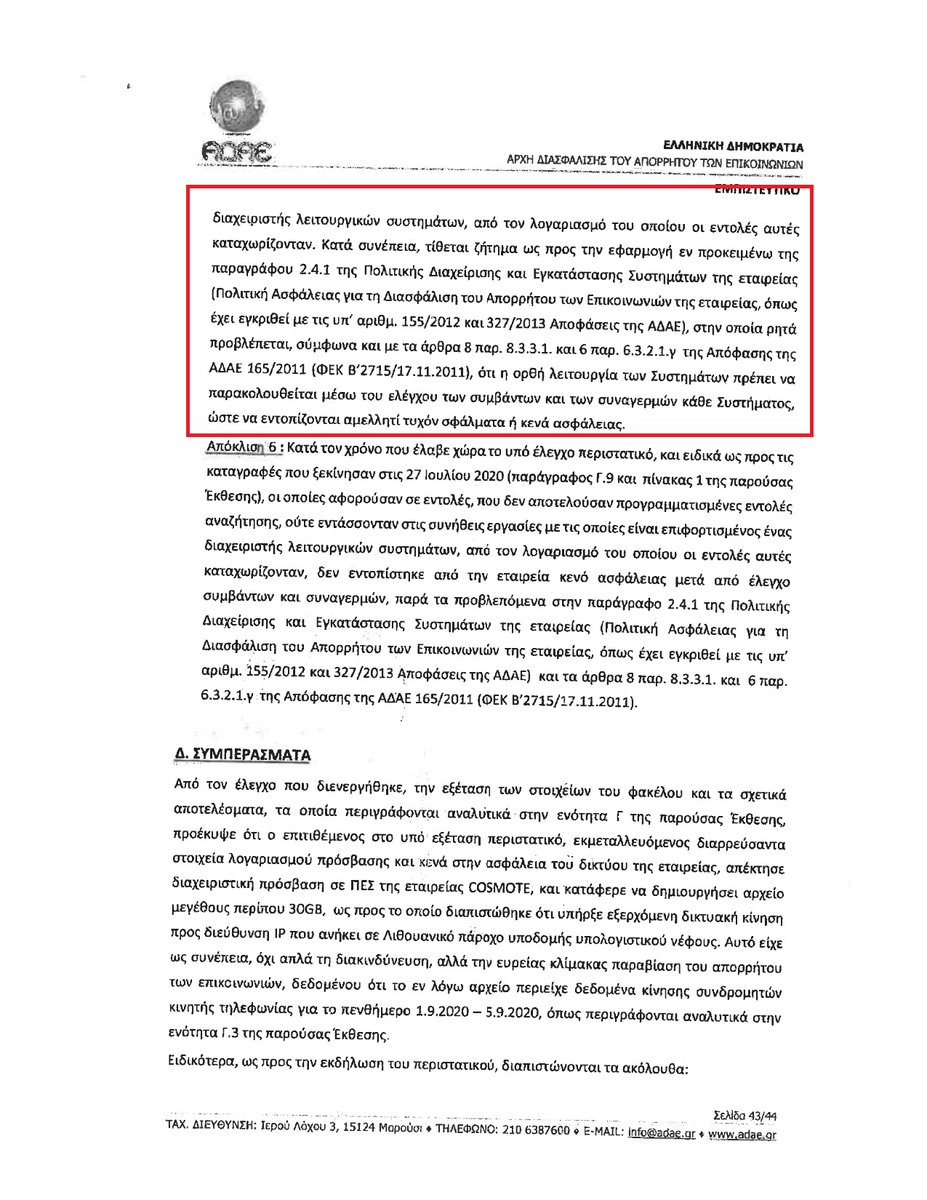
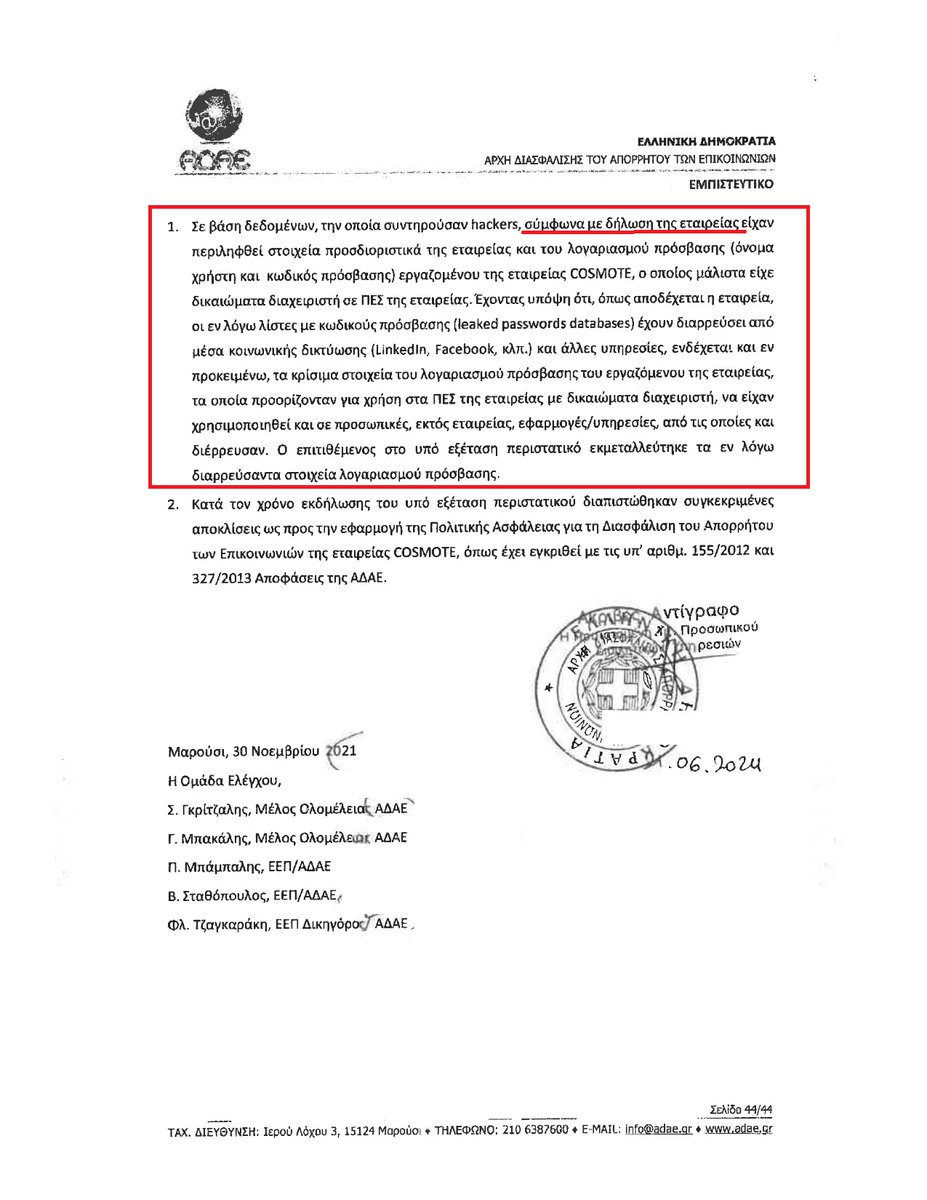
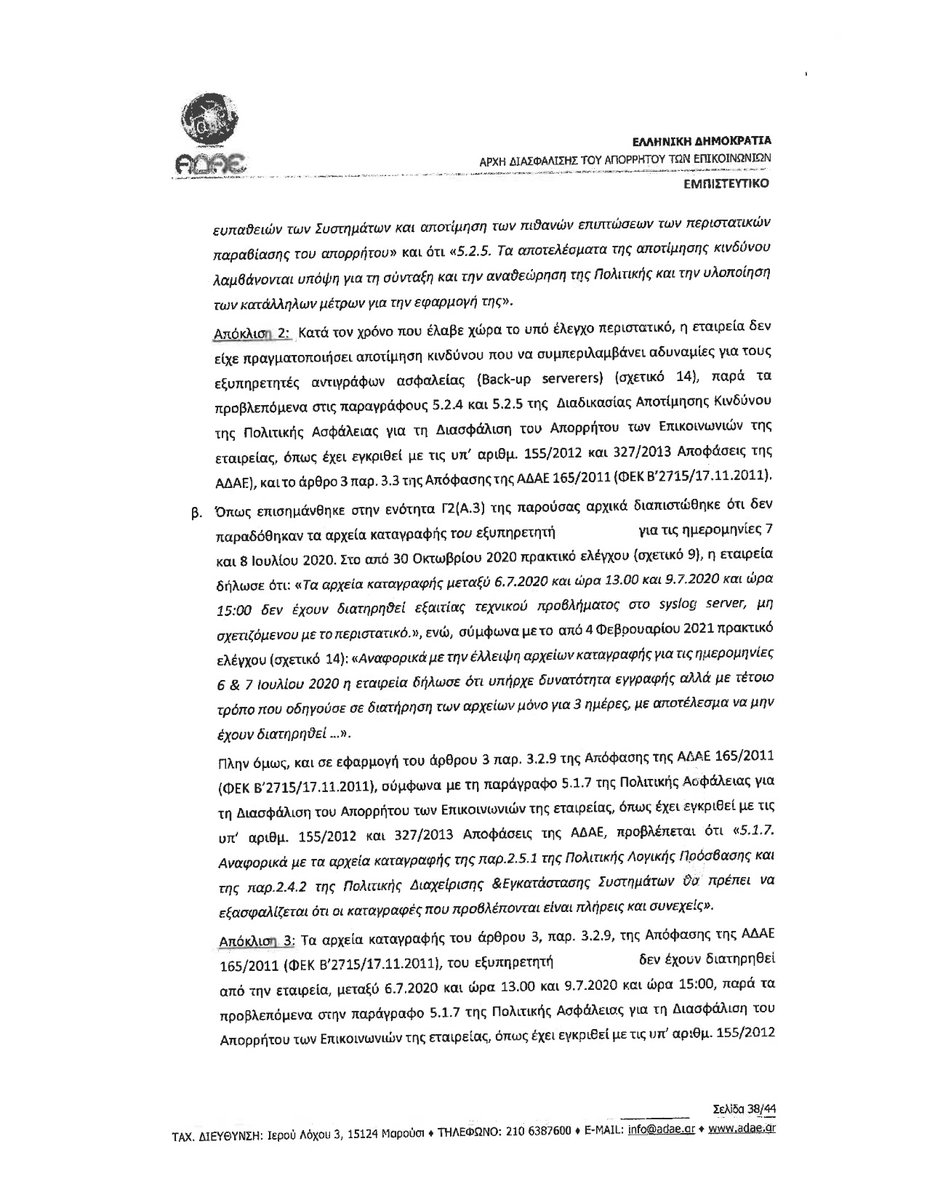
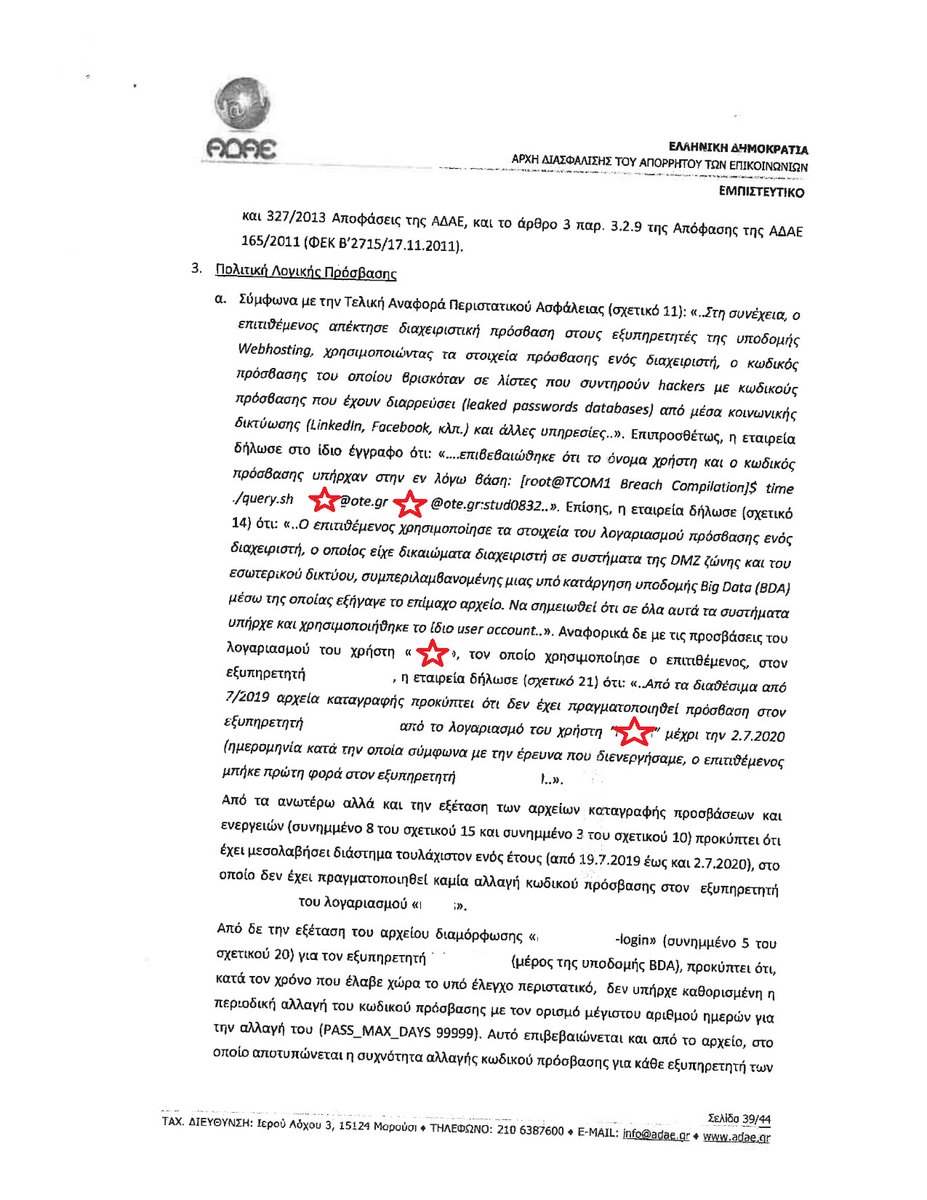
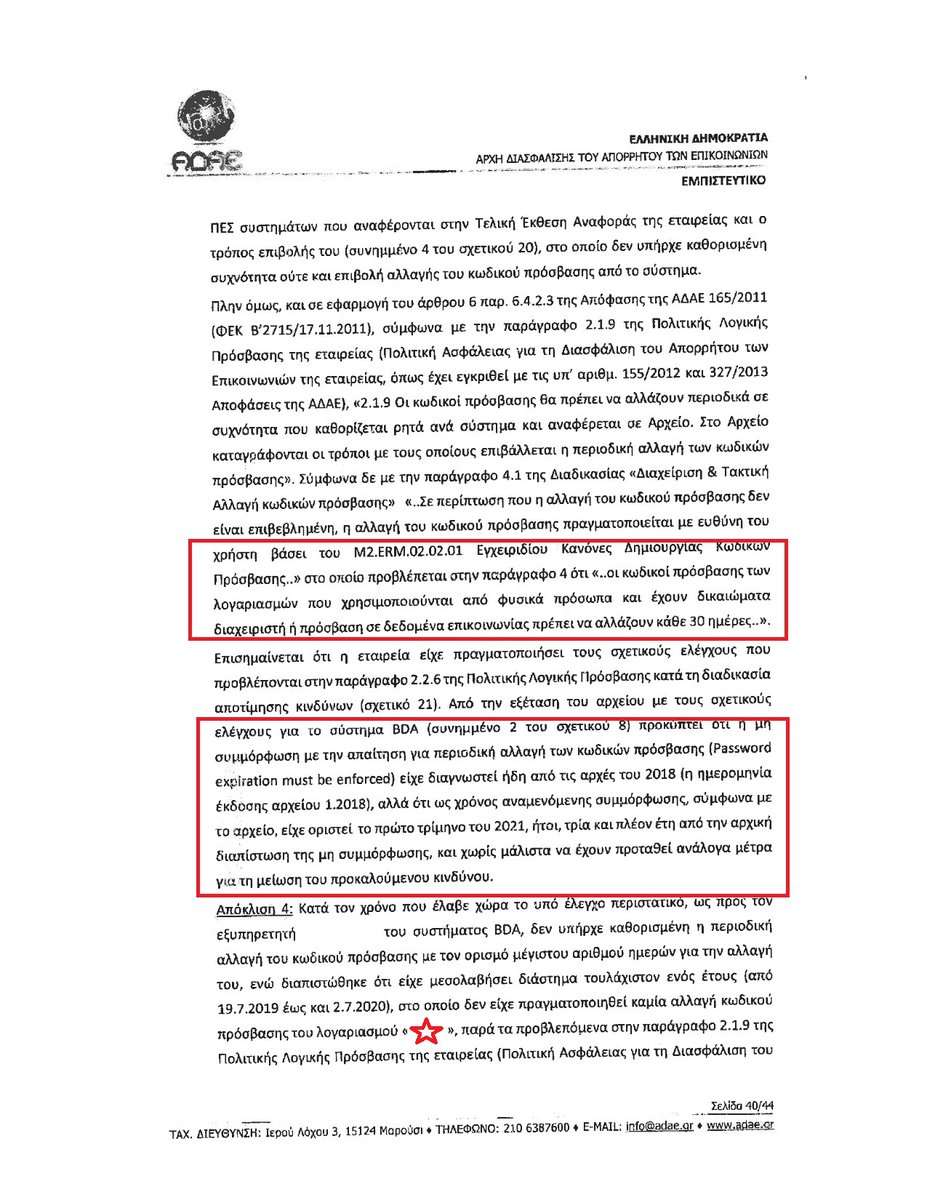
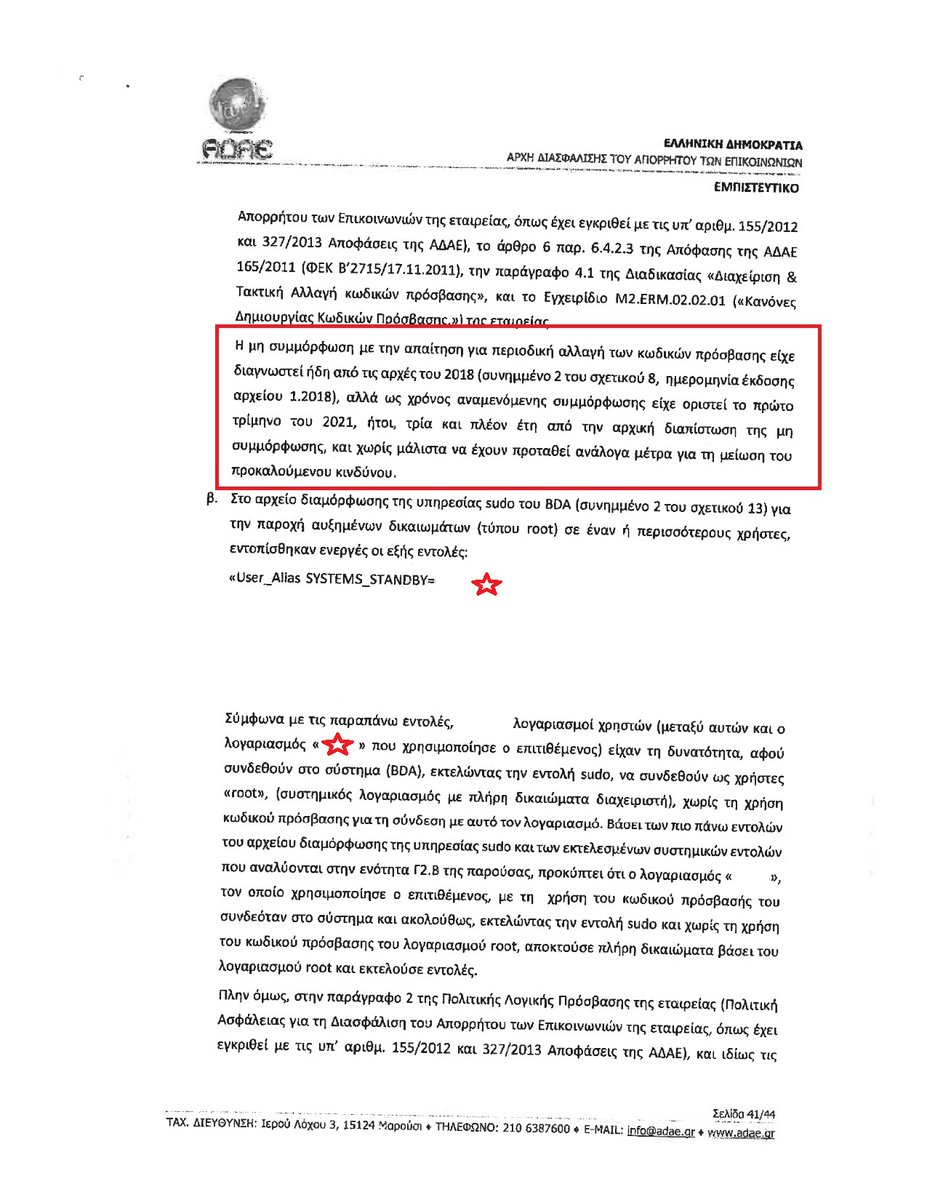
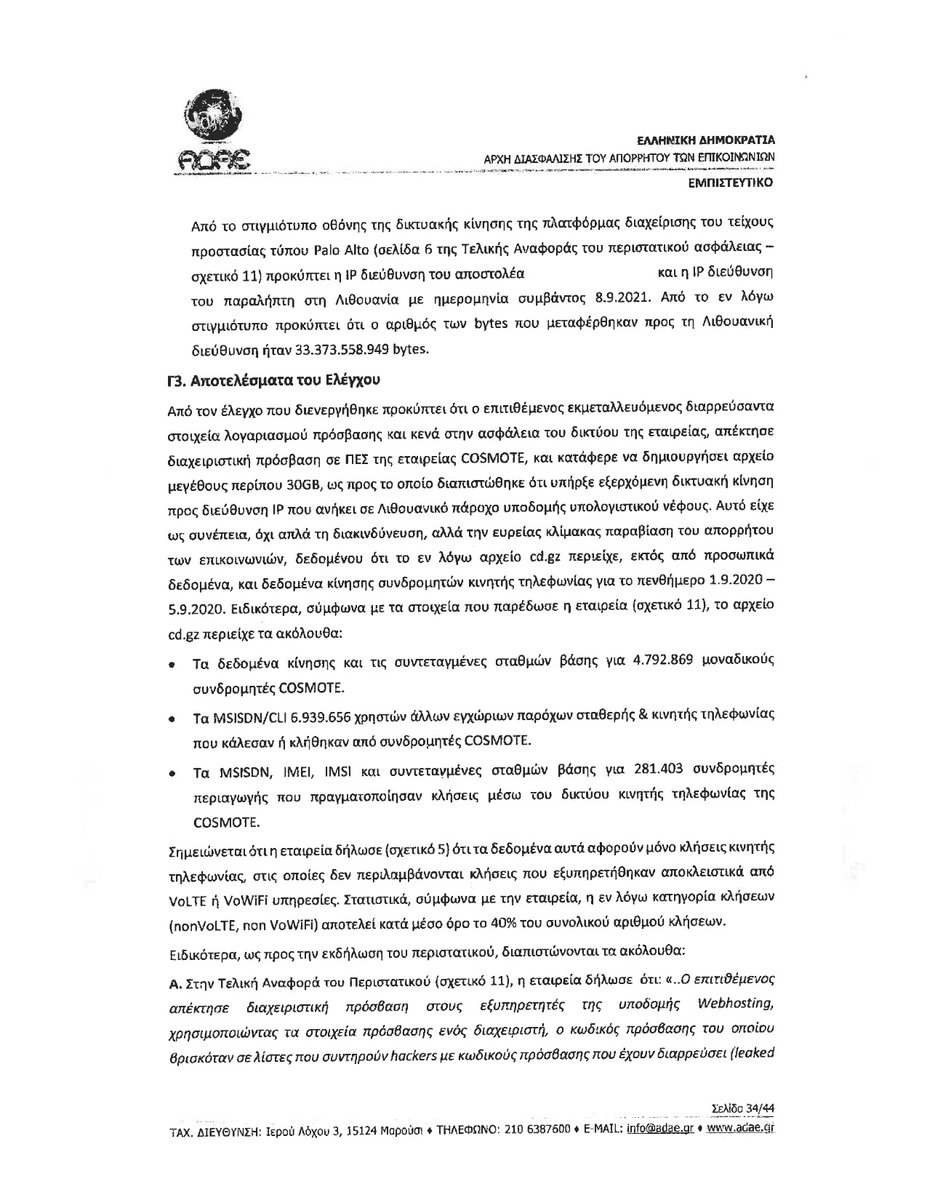
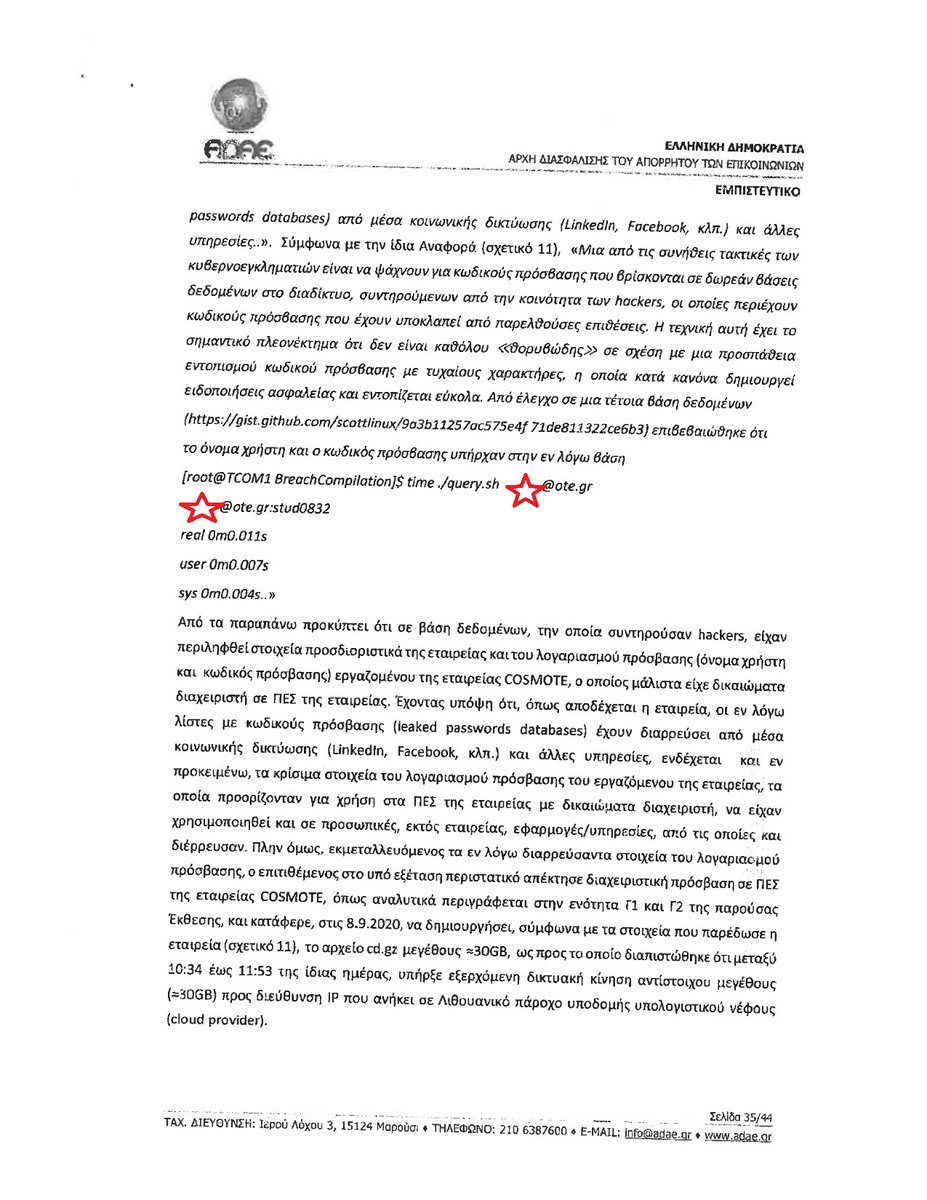
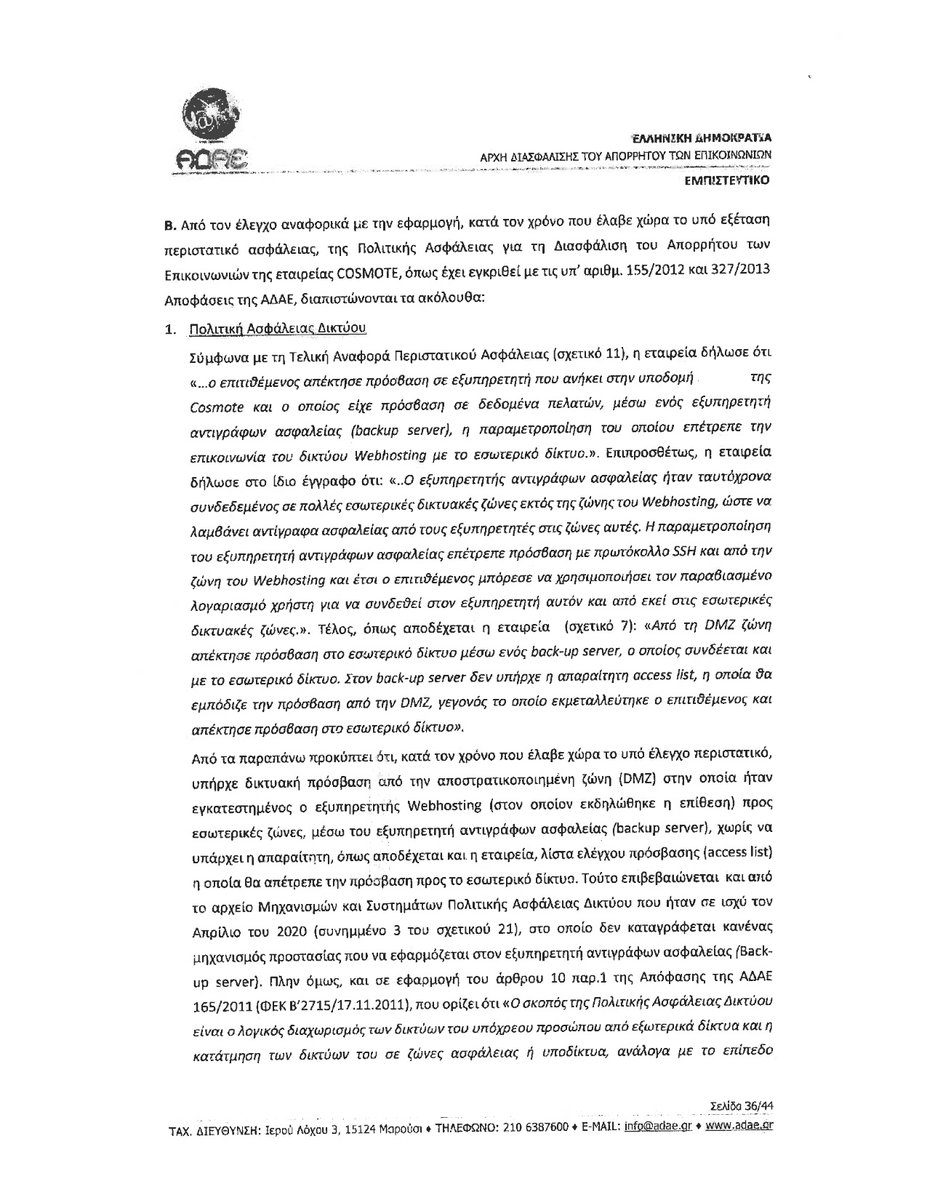
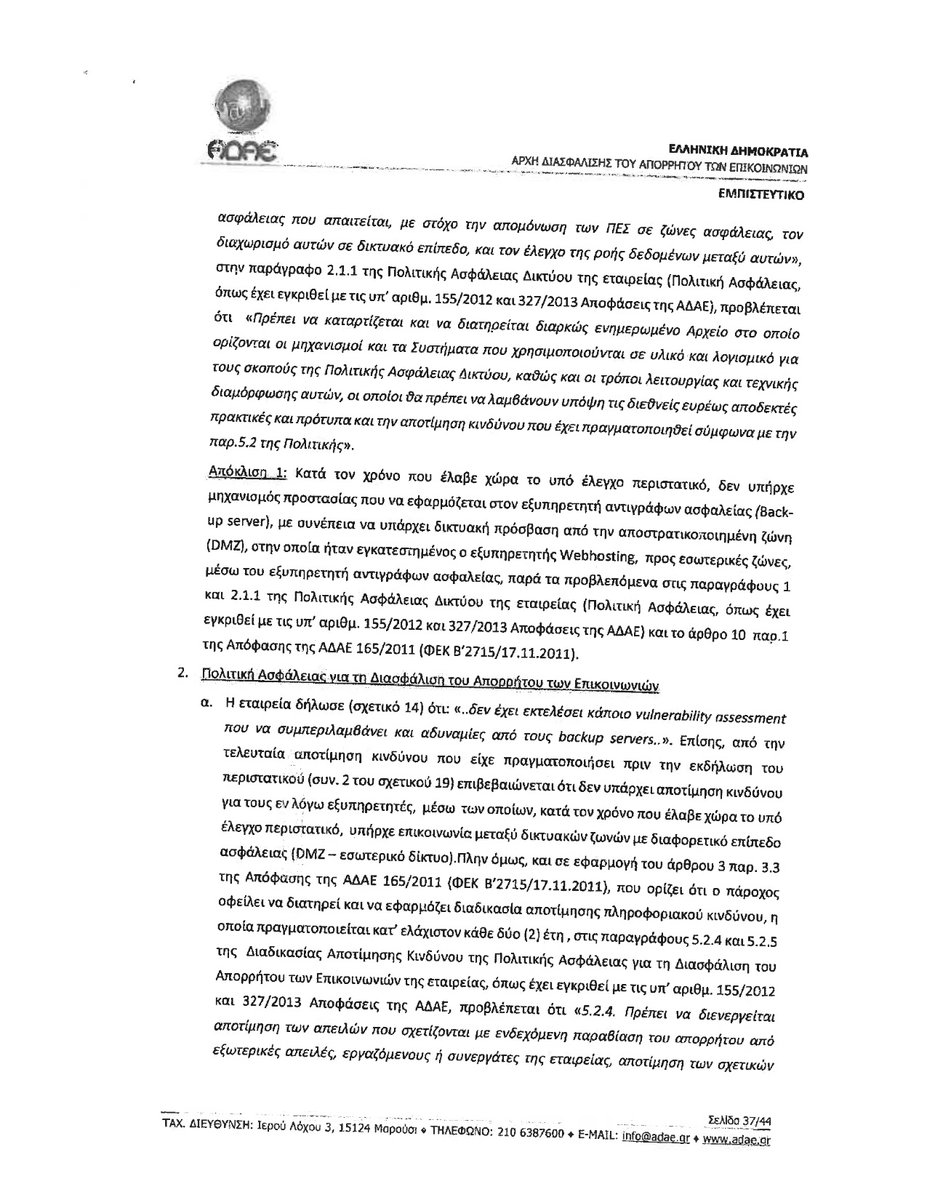
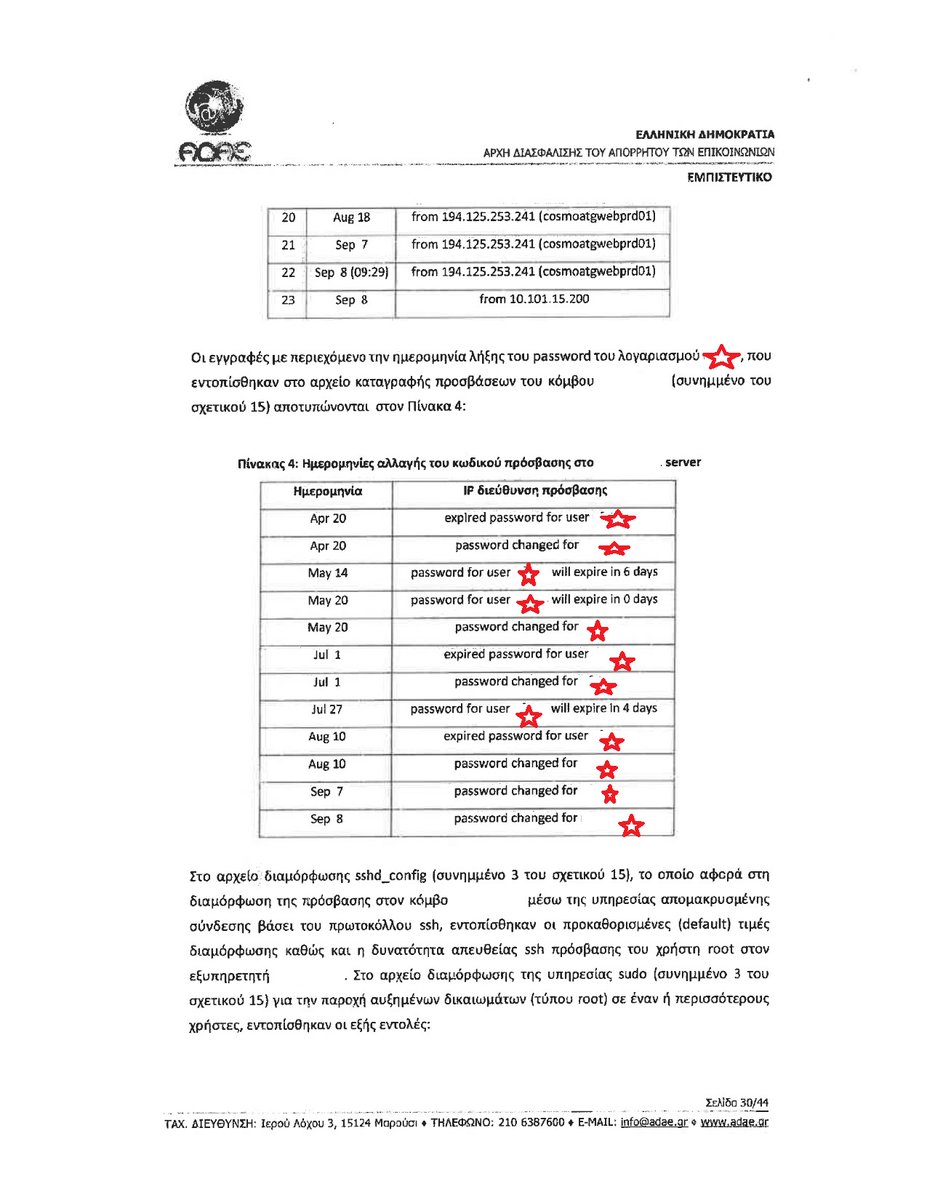
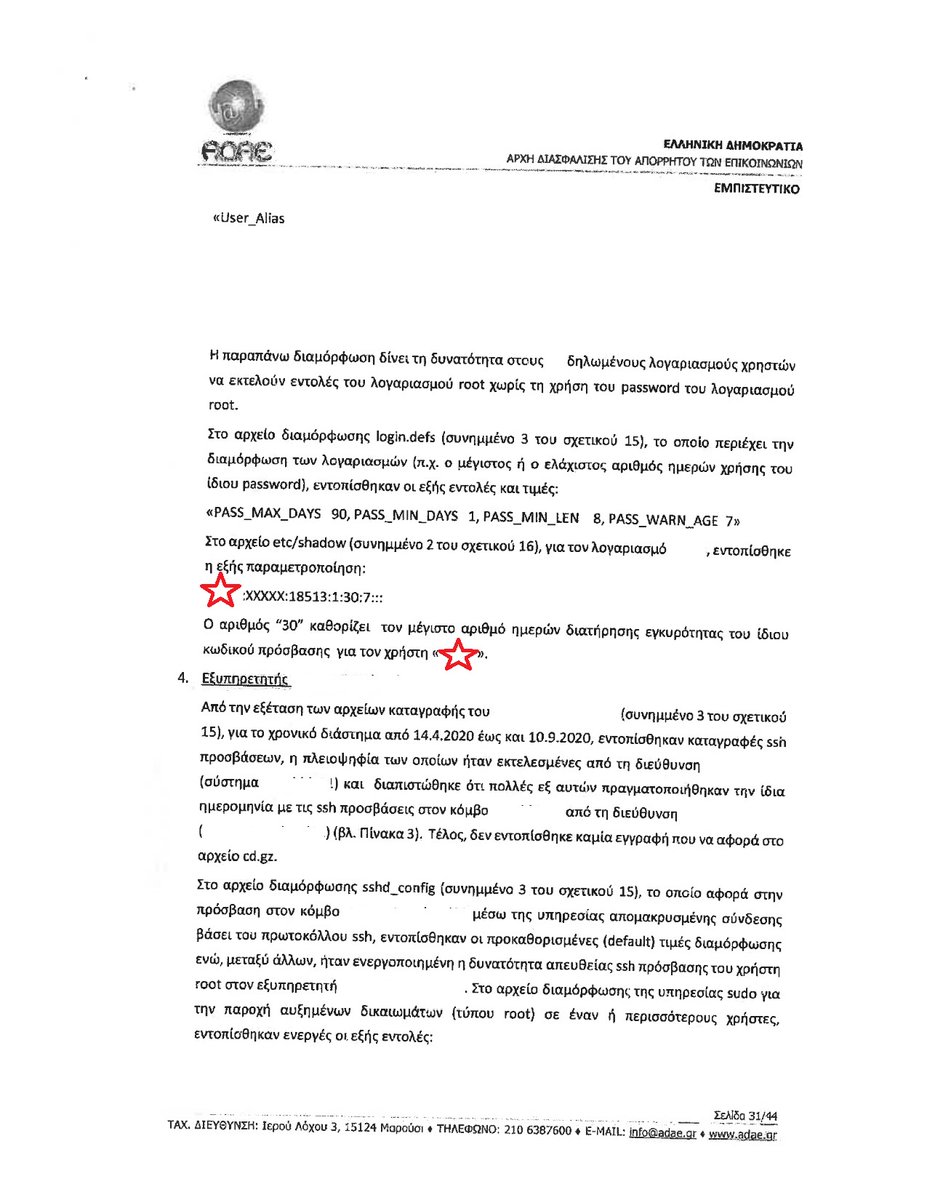
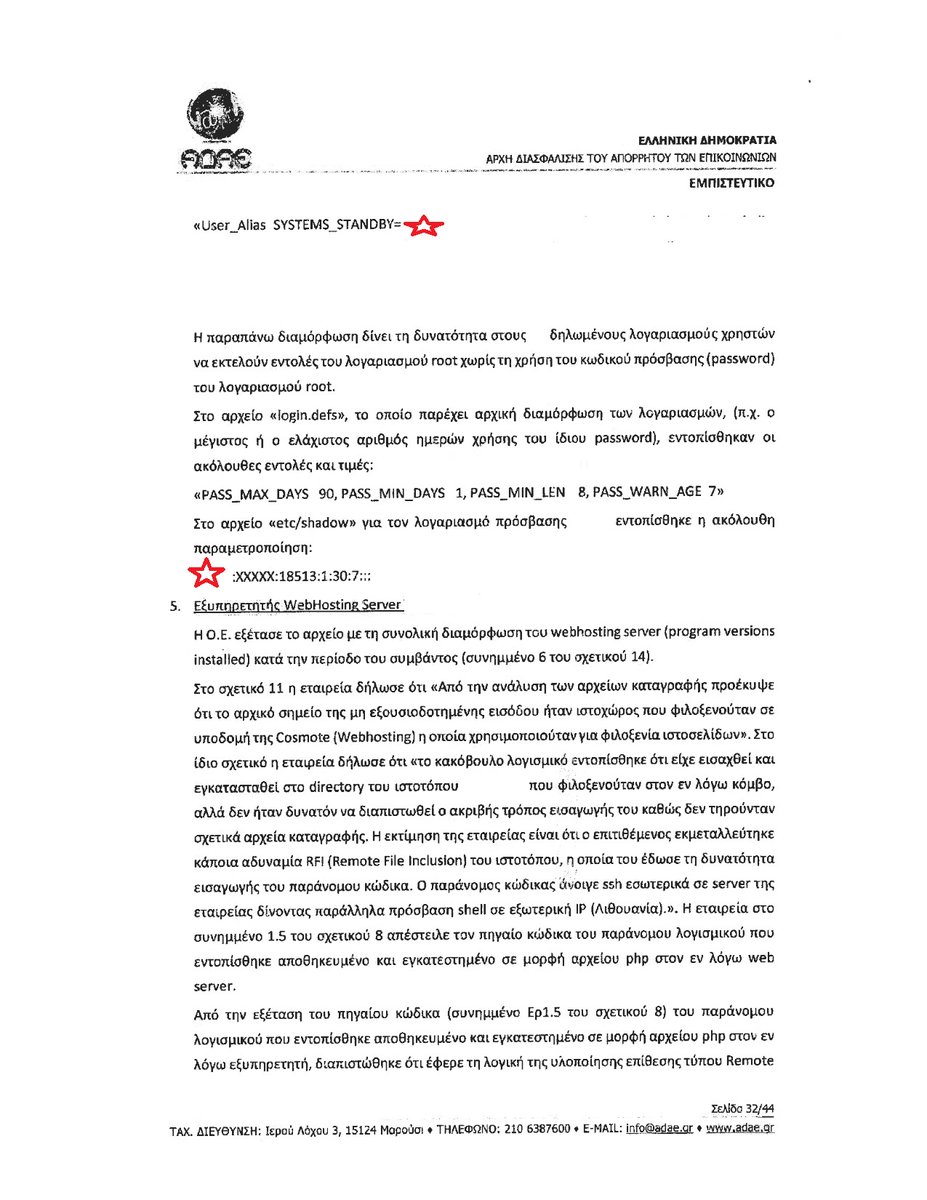
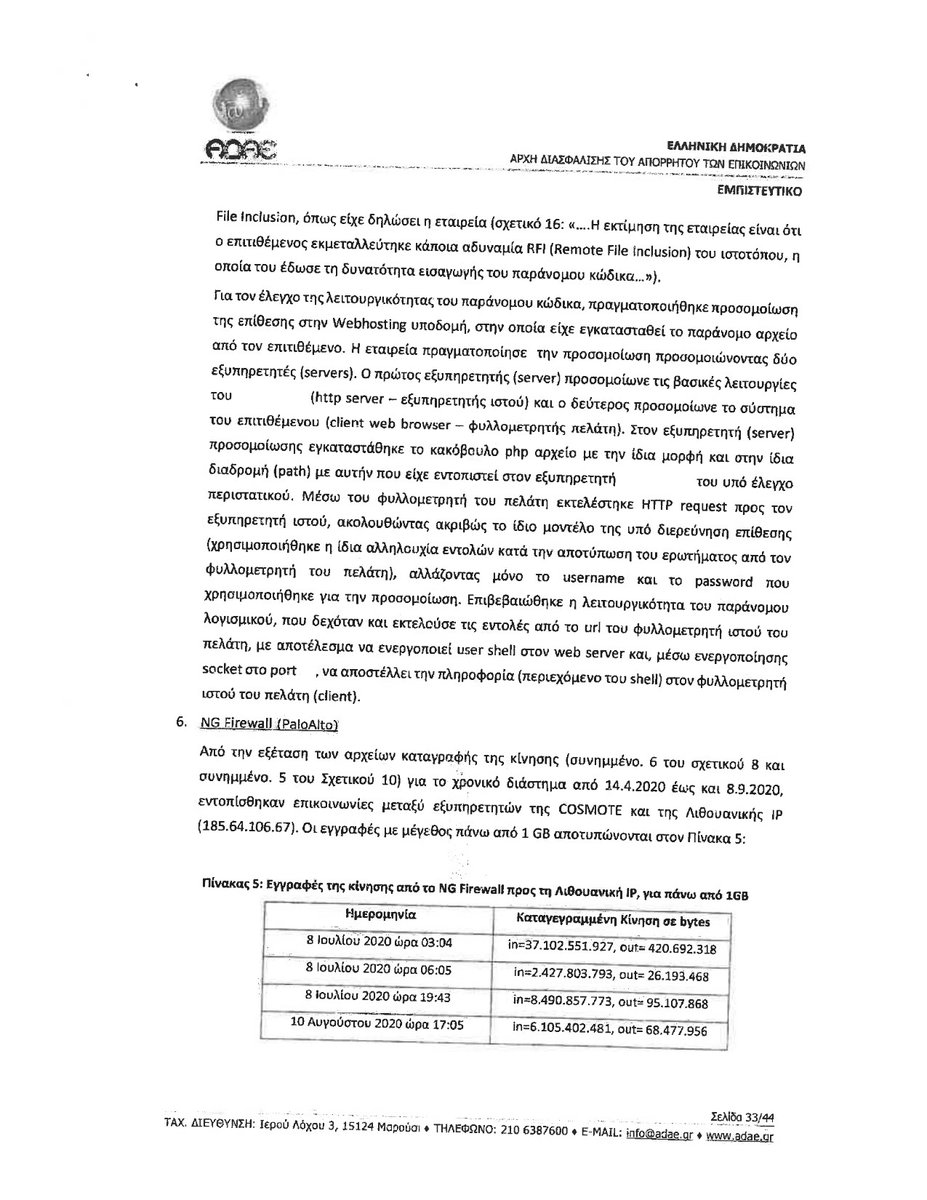
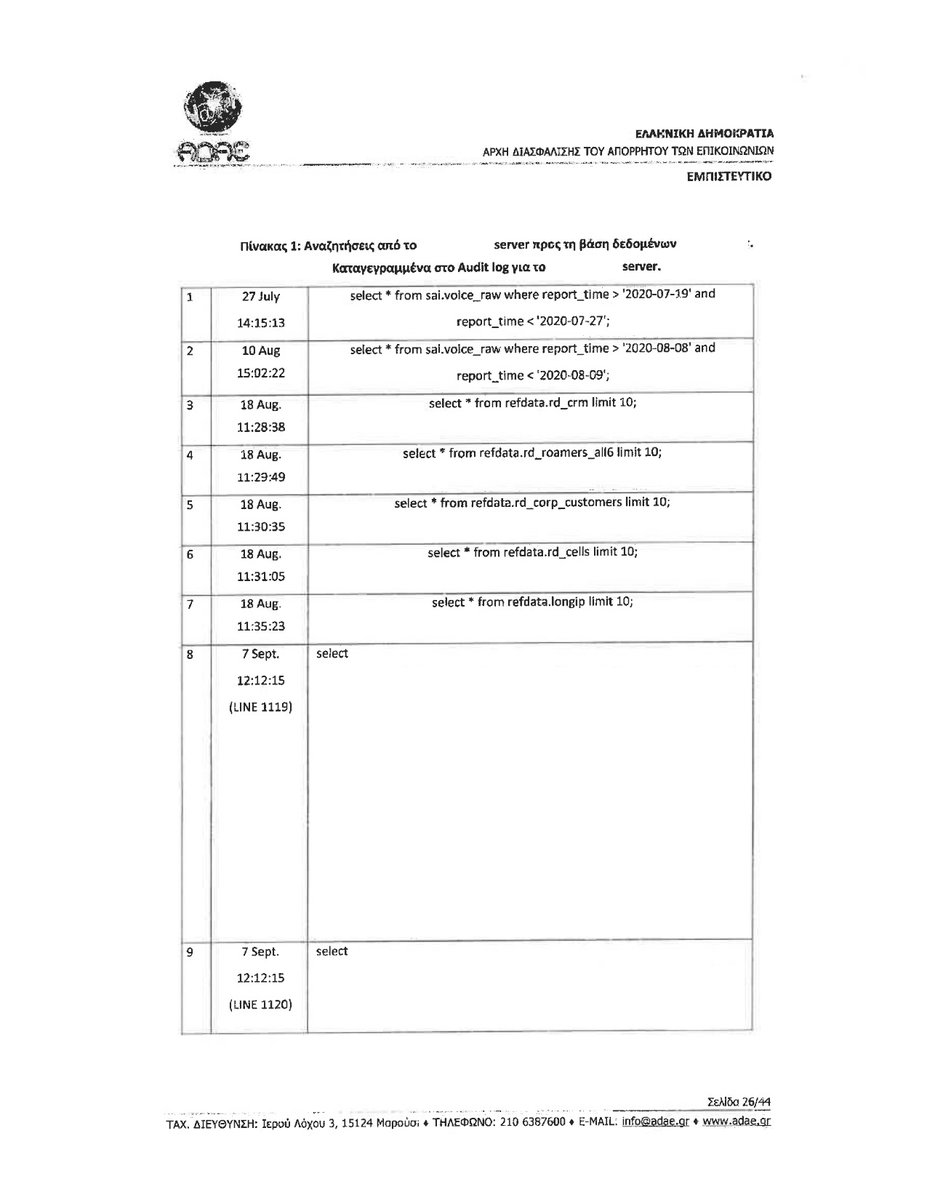
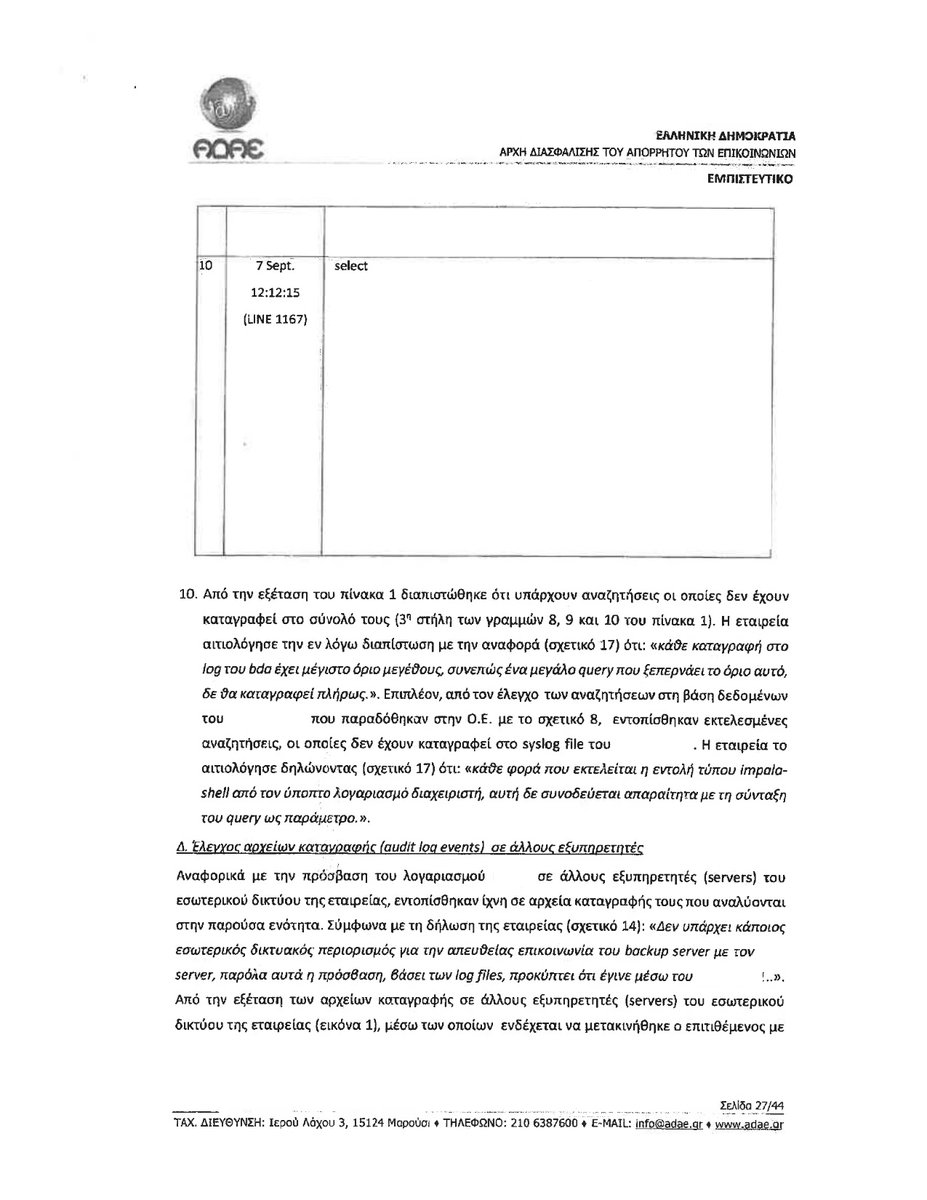
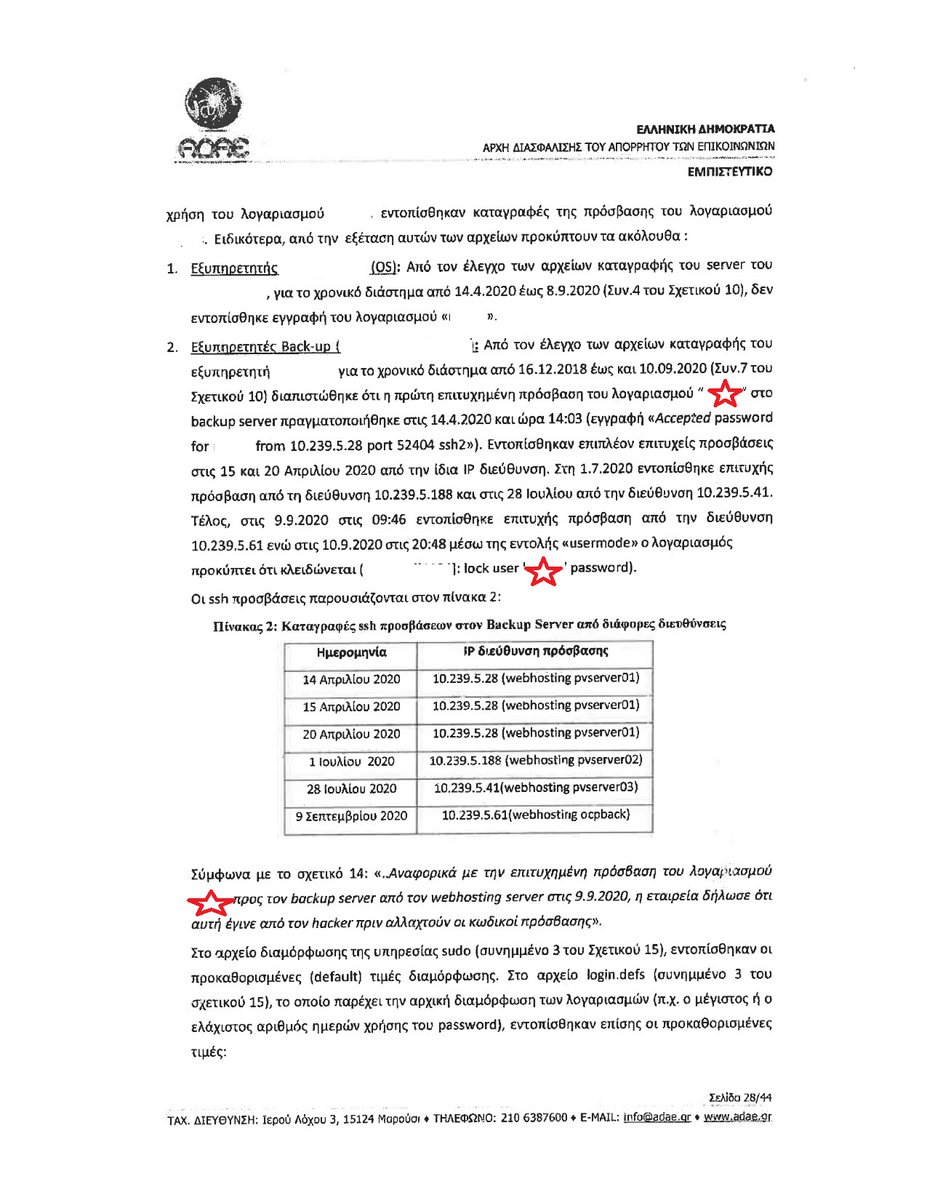
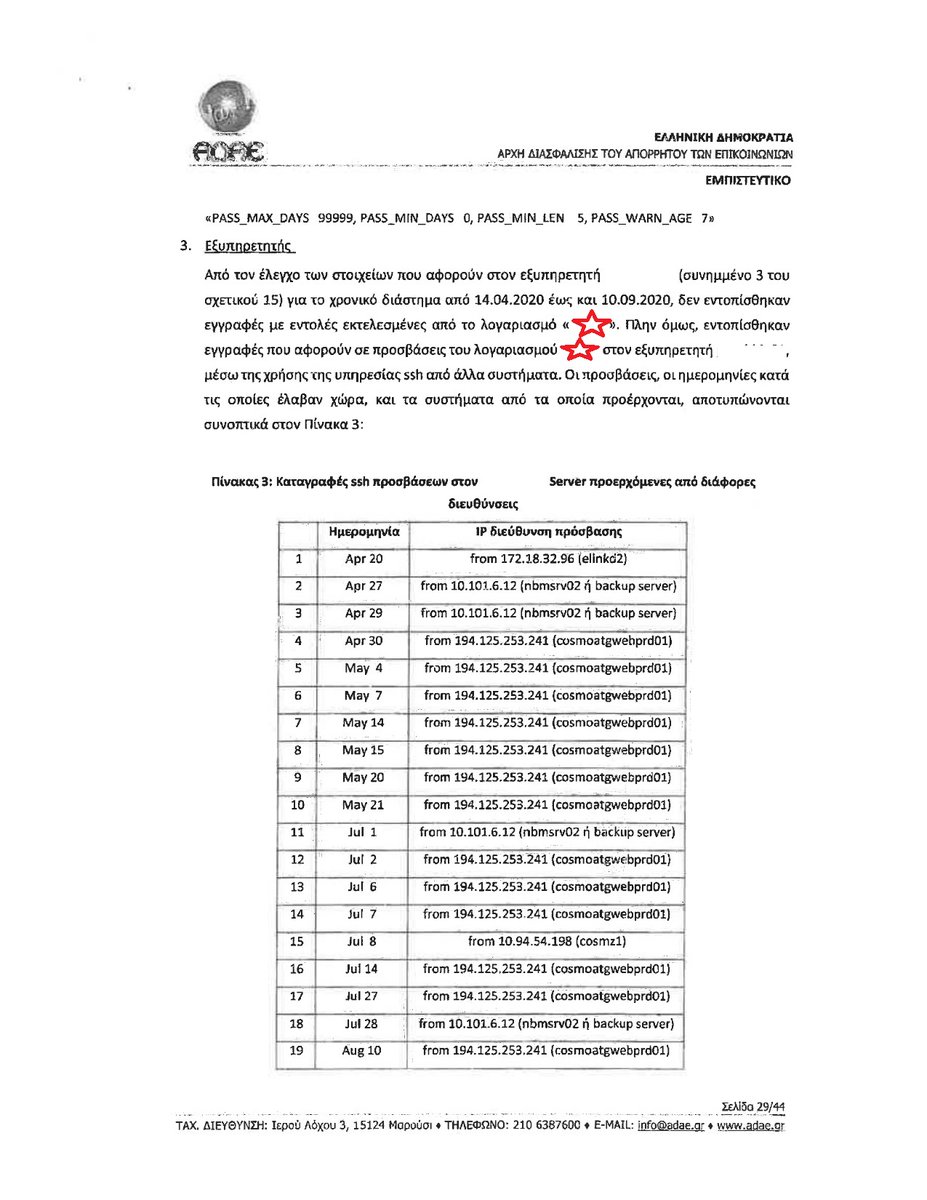
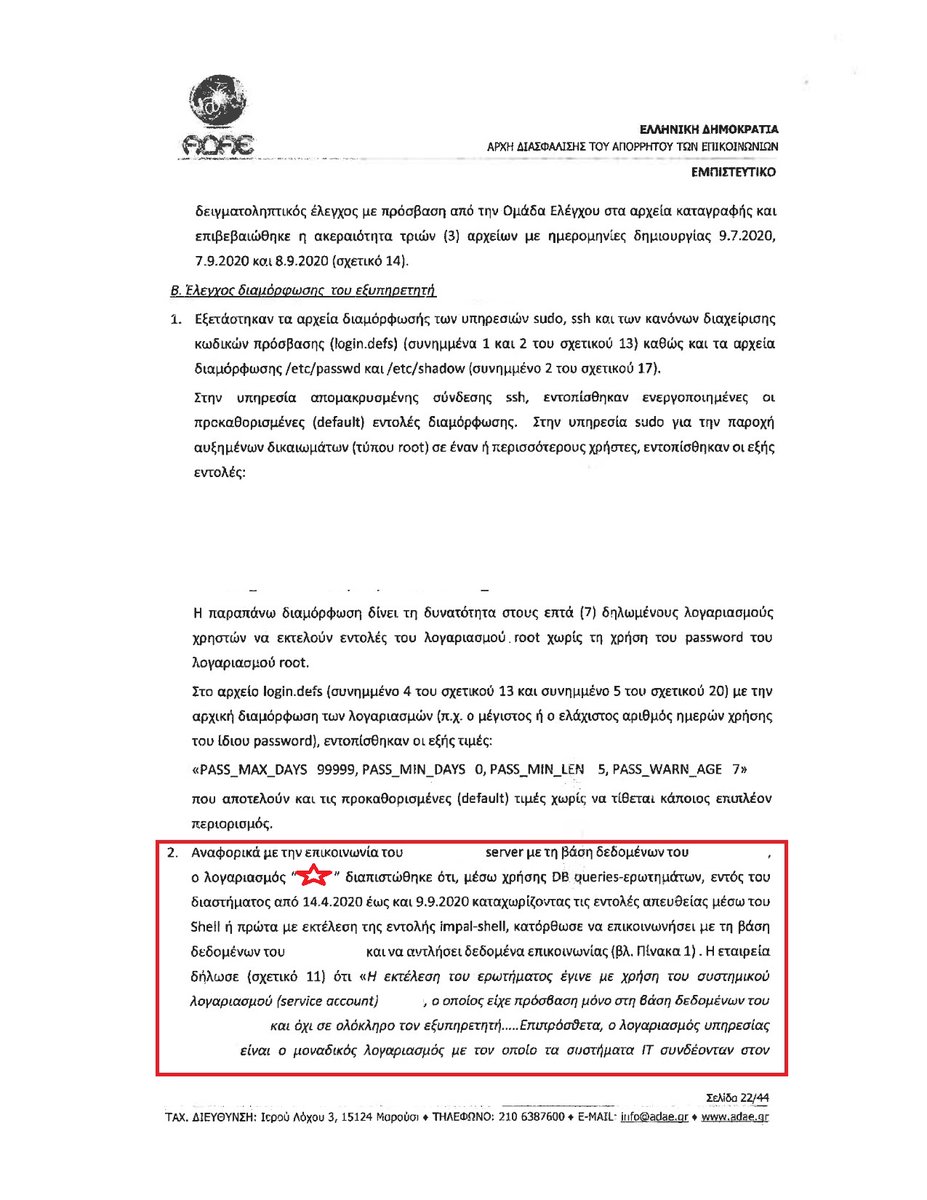
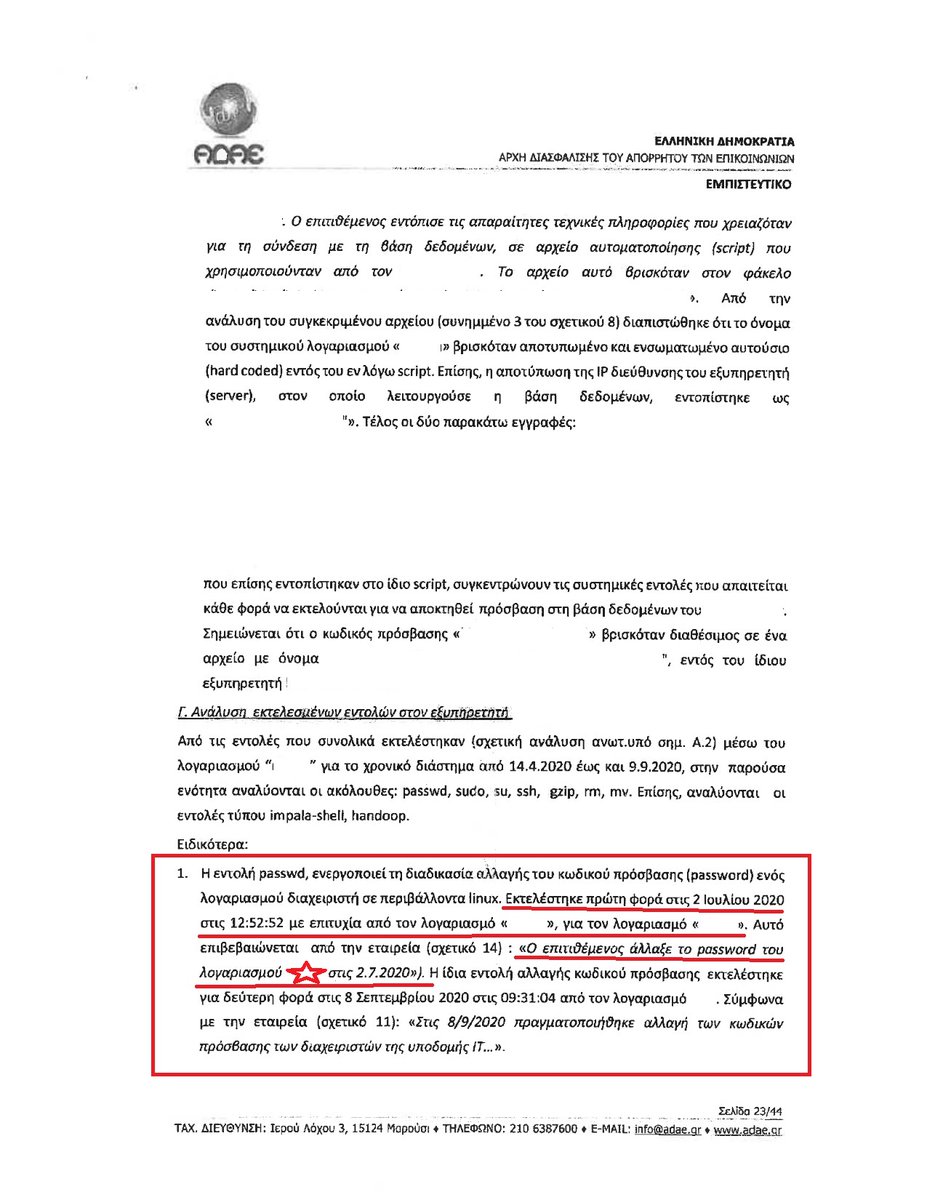
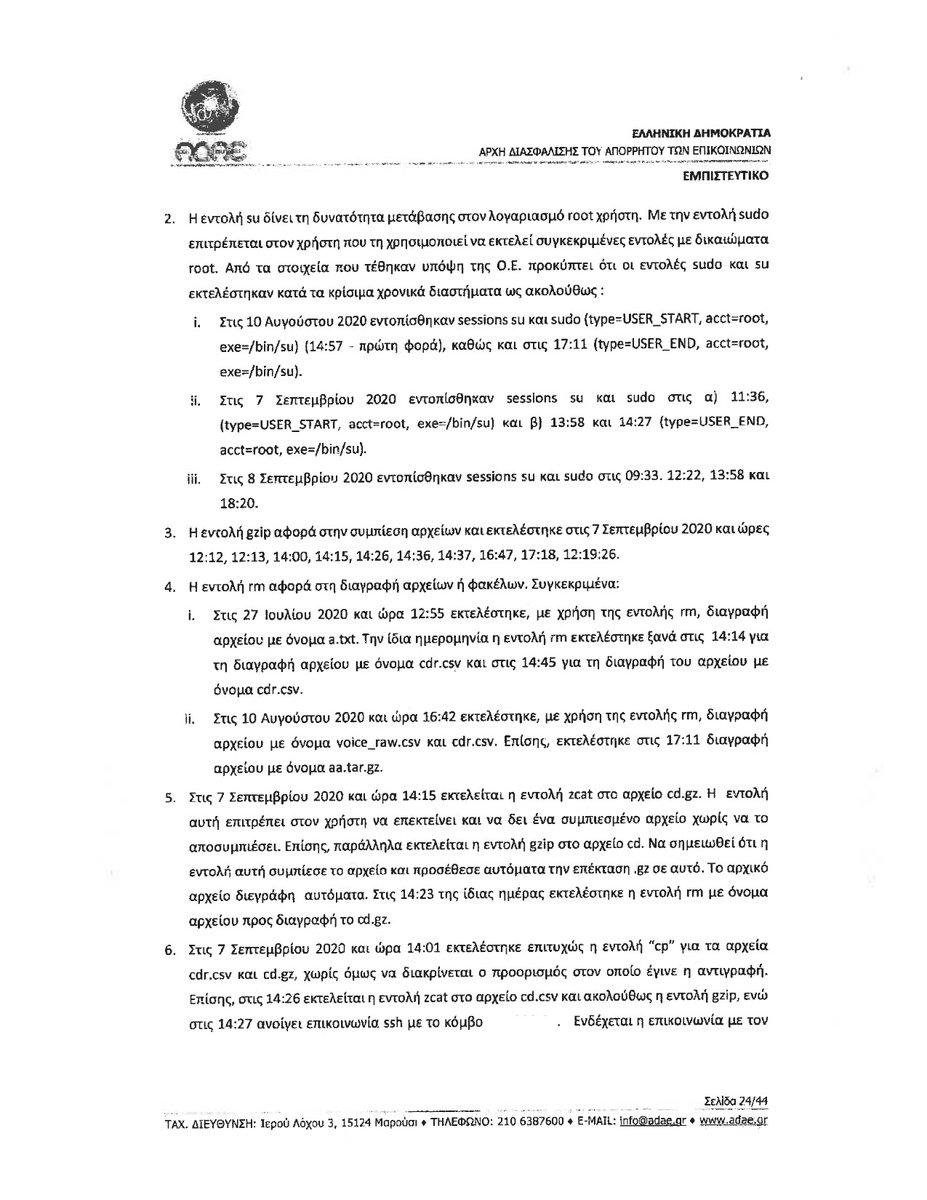
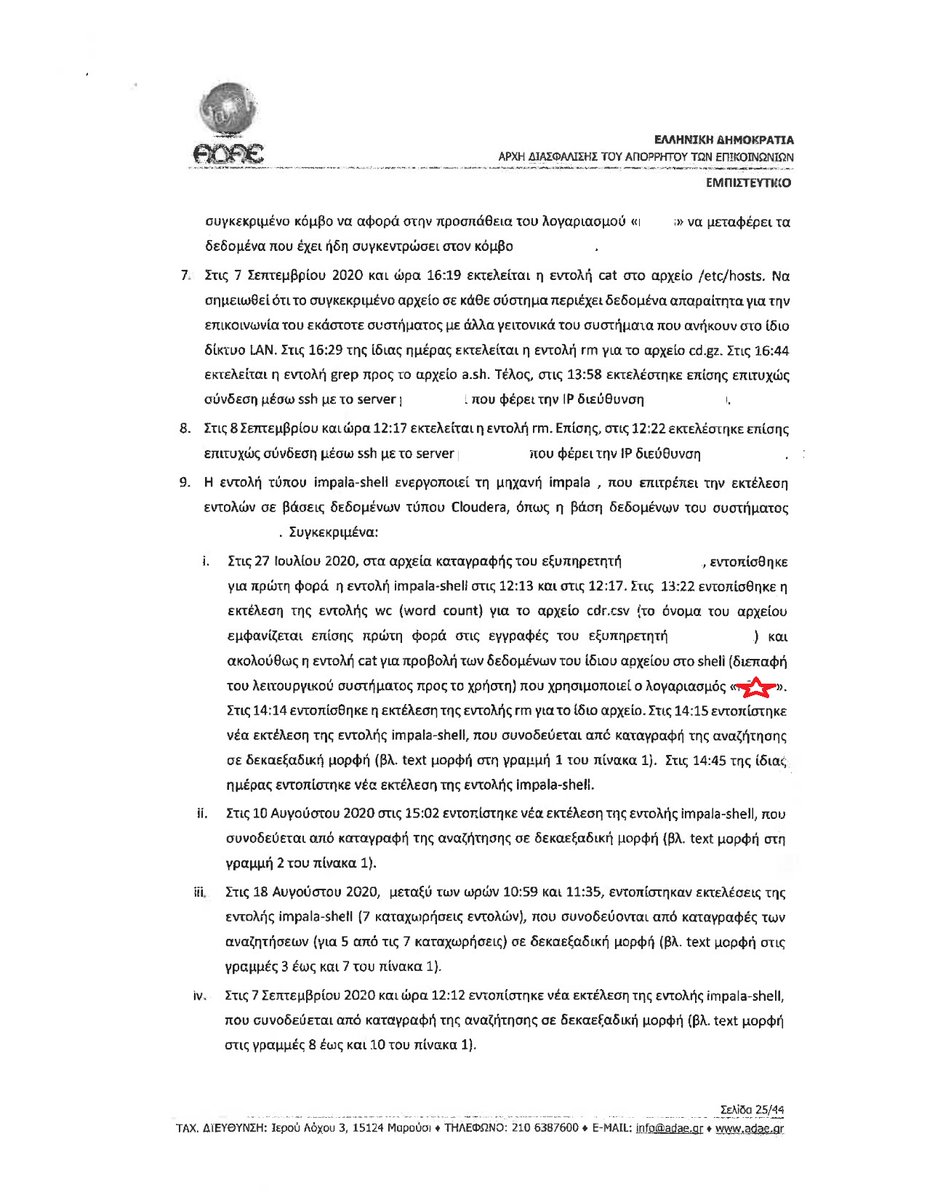
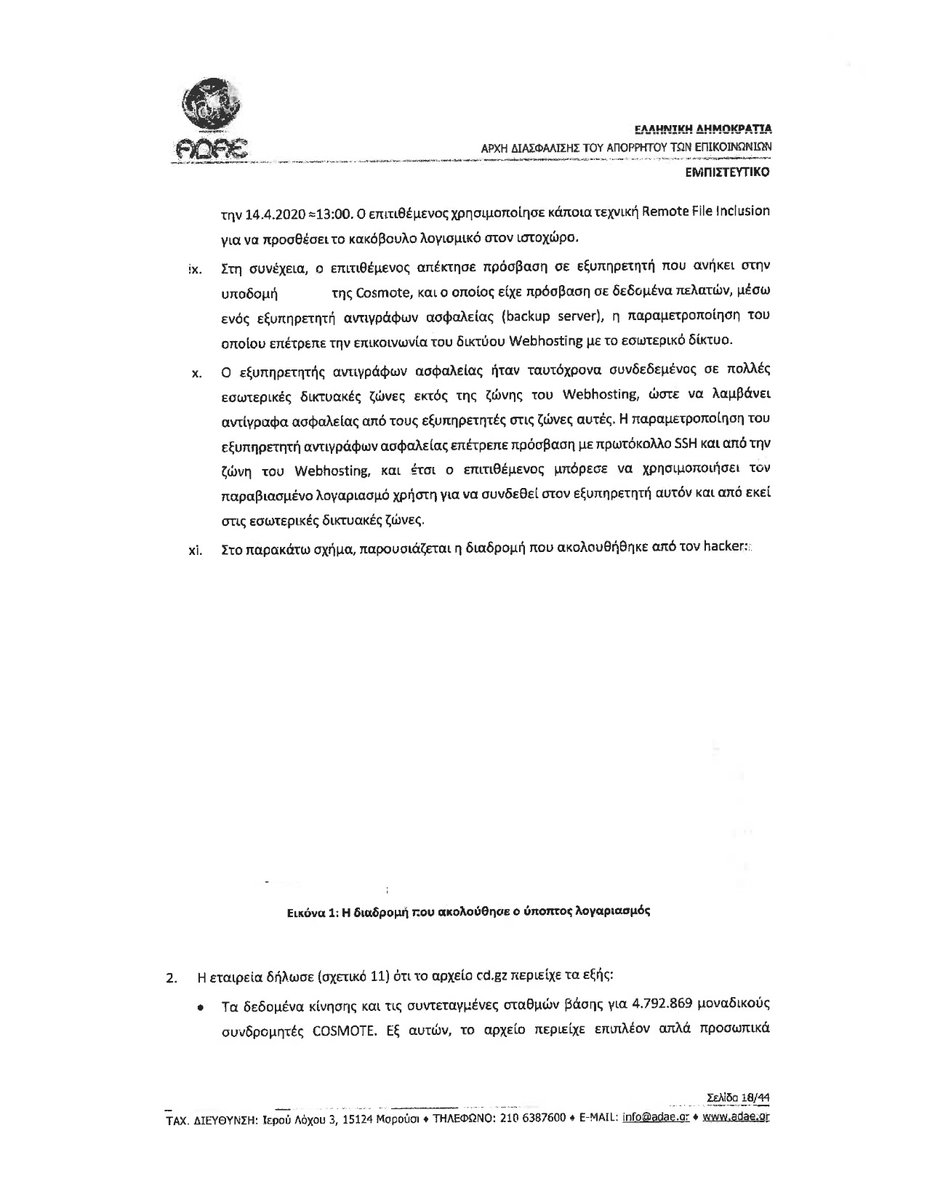
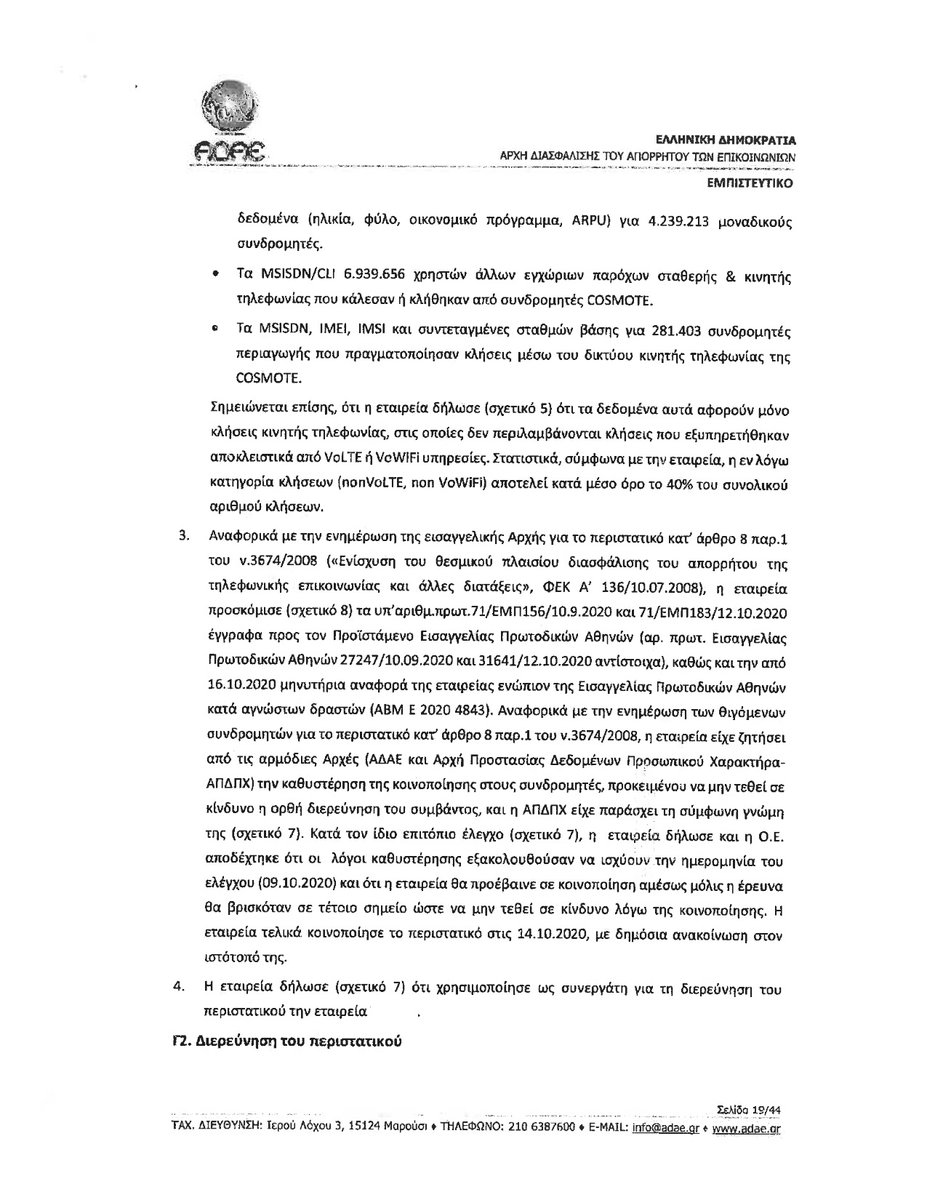
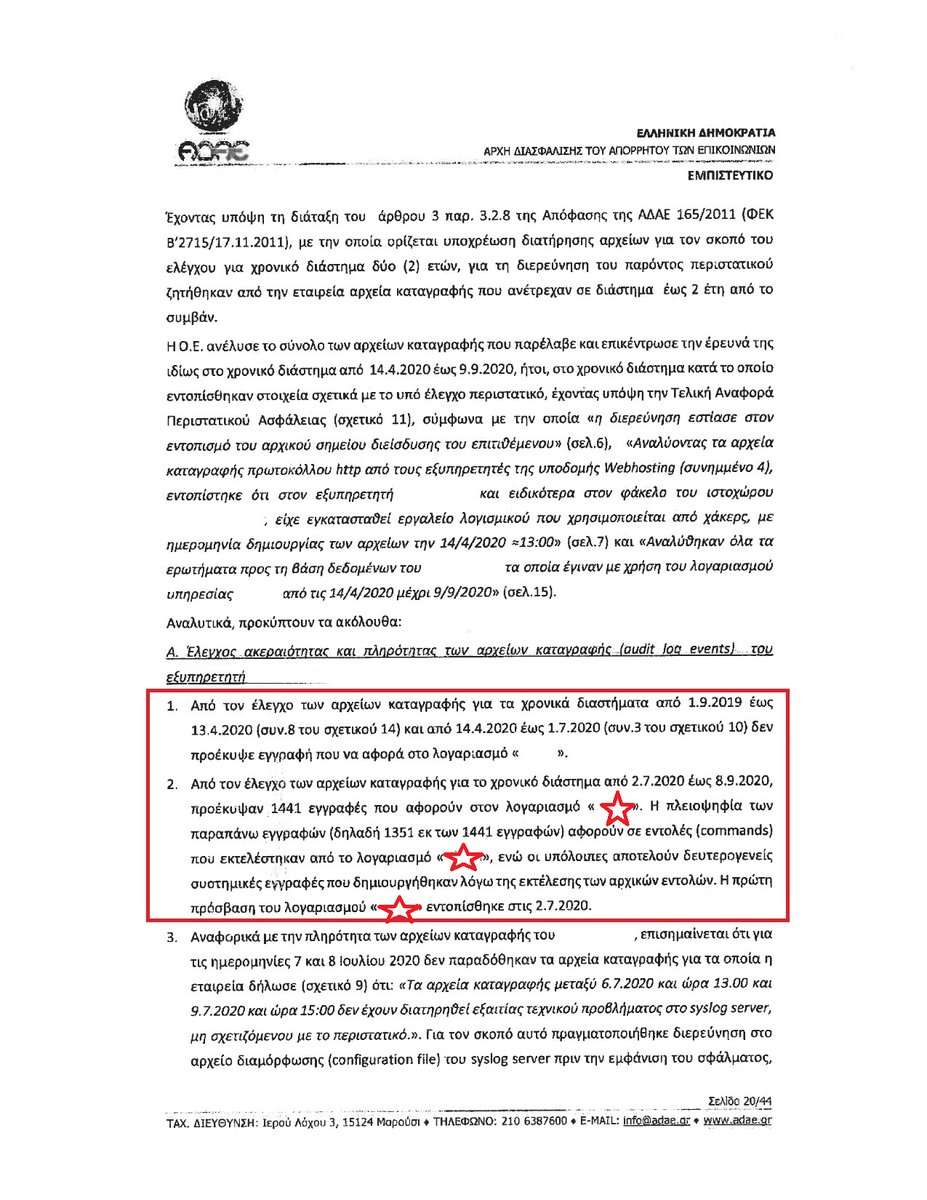
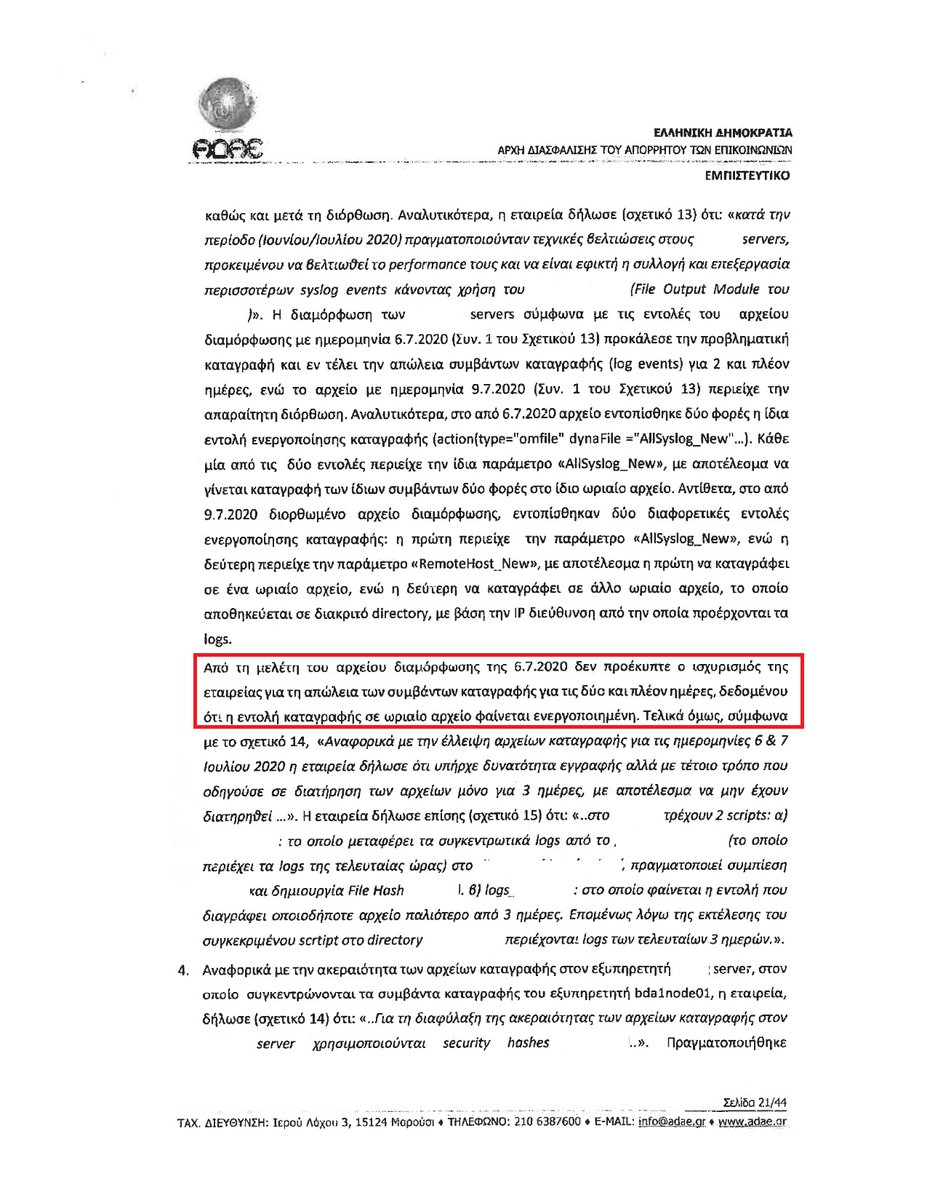
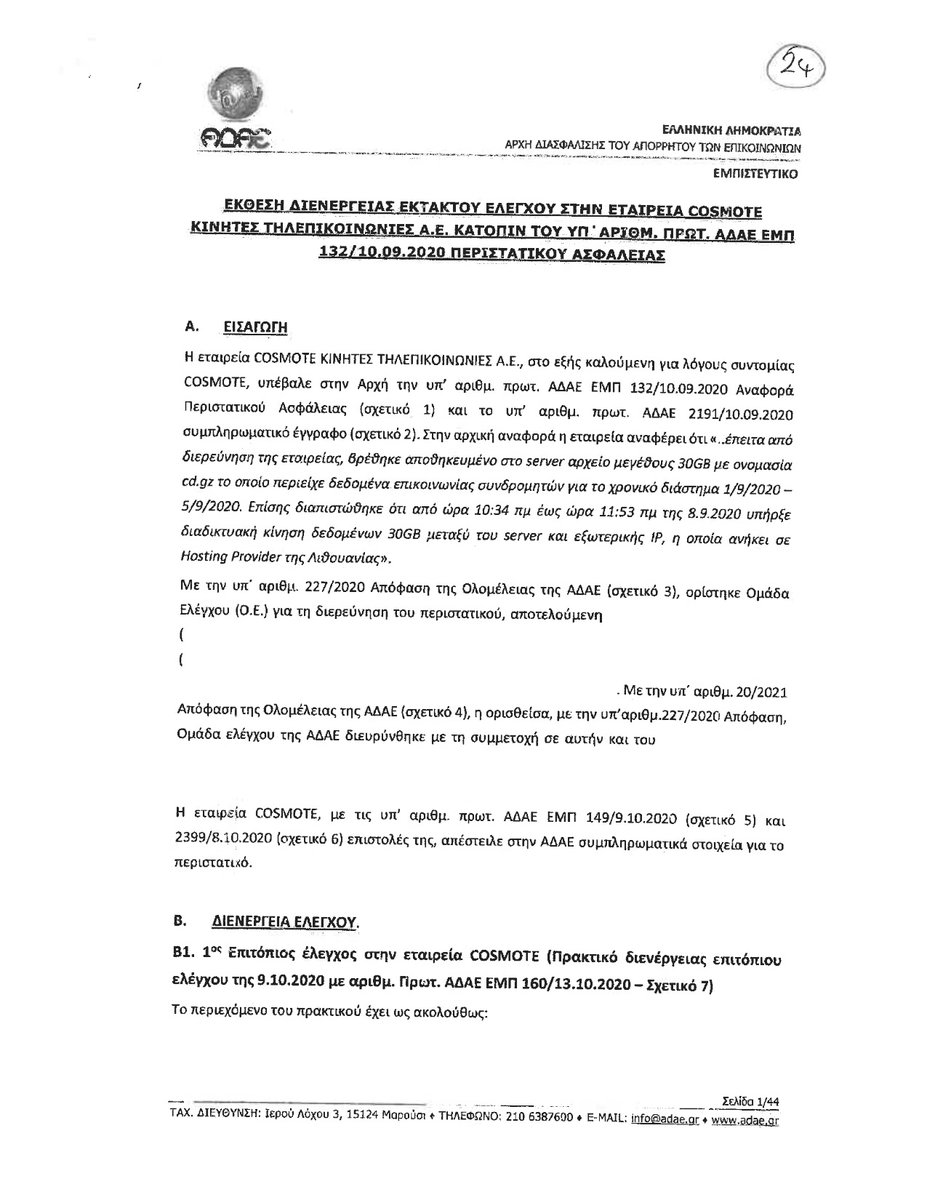
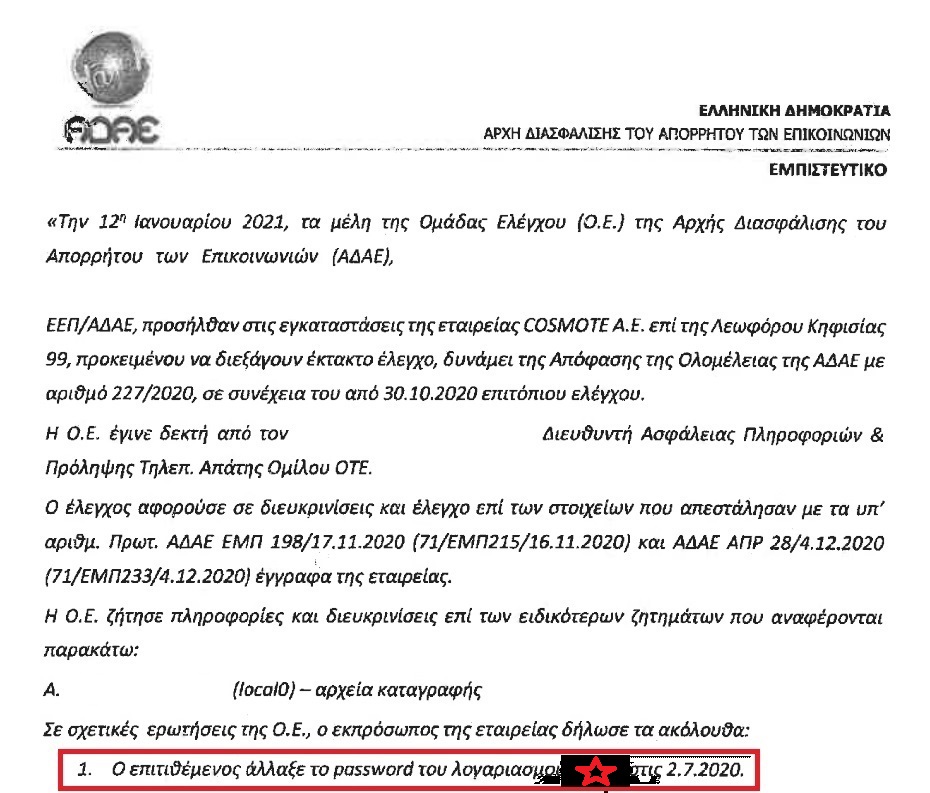
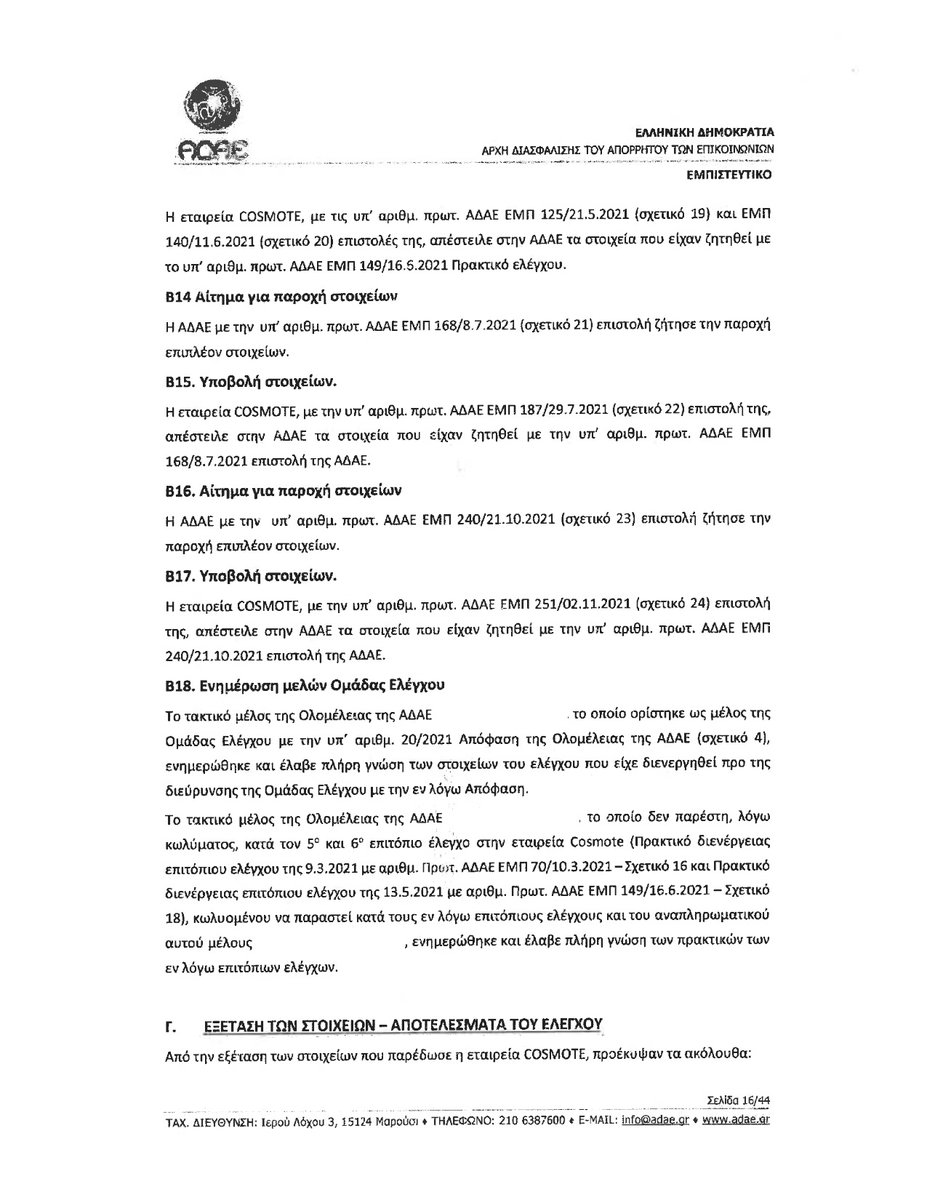
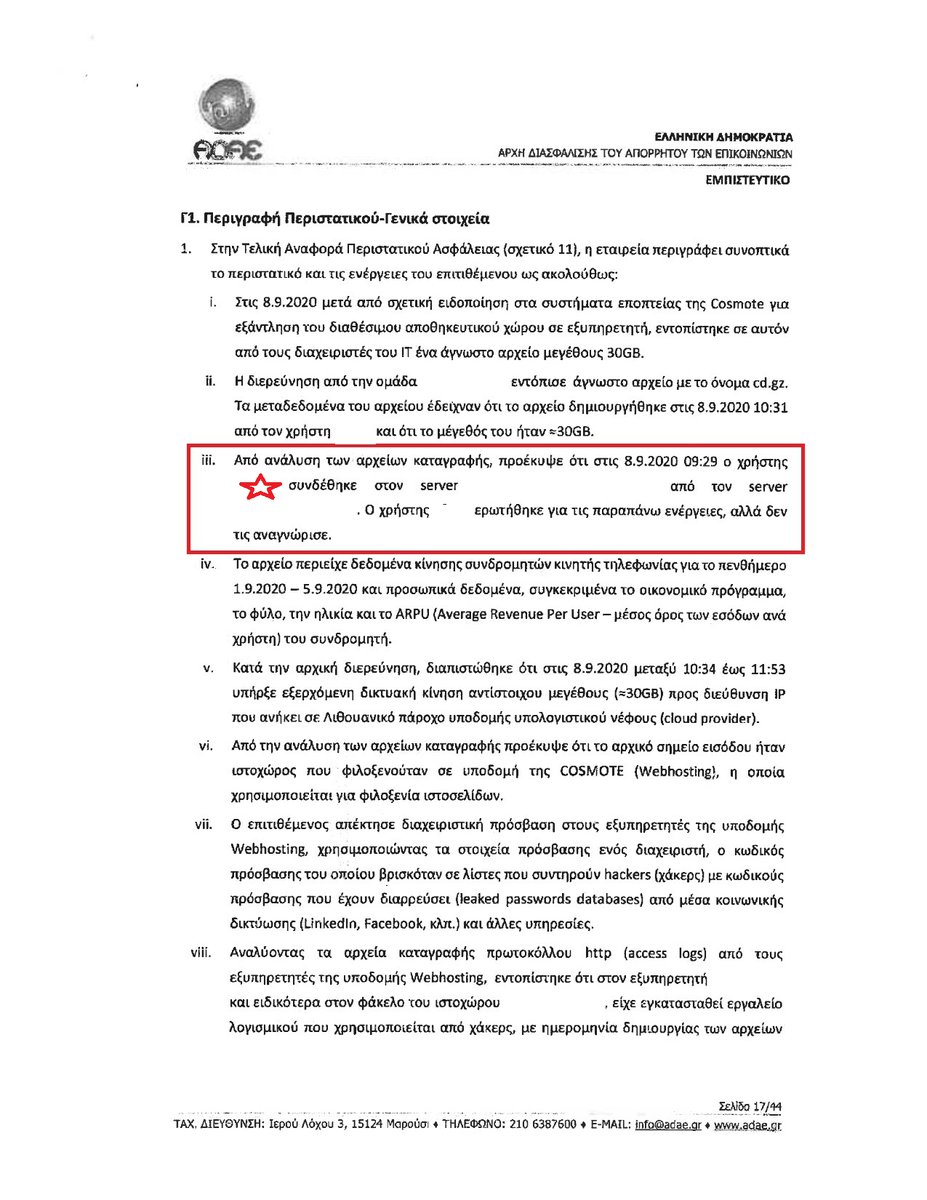
Επειδή η Εισαγγελία δυσκολεύεται να ξεθάψει την μεγαλύτερη παραβίαση του απορρήτου που έγινε ποτέ (COSMOTE-ΧΑΚΕΡ 2020) θα την διευκολύνω λίγο δημοσιεύοντας την Έκθεση Ελέγχου της ΑΔΑΕ για την υπόθεση. Για ότι διαβάσετε κρατήστε τα εξής:
1. Επί 5 μήνες ο, υποτιθέμενος, «χάκερ» έκοβε βόλτες στα συστήματα της COSMOTE και κανείς δεν τον κατάλαβε
2. Λένε ότι δεν άλλαζαν τα password ενώ όφειλαν να το κάνουν κάθε 30 ημέρες. Και όμως καταγράφονται αλλαγές των password του Ν.Φ., του υπαλλήλου της COSMOTE με τον λογαριασμό του οποίου έγιναν όλα.
3. Τον Ιούλιο του 2020 έφυγε άλλο αρχείο με 33 GB δεδομένα για Λιθουανία αλλά δεν ξέρουν τι έγινε γιατί «η COSMOTE έχασε τα αρχεία καταγραφής».
4. Η ΑΔΑΕ (Ράμμος) δεν έστειλε την απόφασή της ΑΔΑΕ στον Εισαγγελέα ώστε να αναζητηθούν ποινικές ευθύνες.
5. Όταν πήγα στον Εισαγγελέα για να αναζητήσει ποινικές ευθύνες της εταιρείας, αρχειοθέτησε την υπόθεση ΧΩΡΙΣ να καλέσει για εξηγήσεις τον υπεύθυνο της εταιρείας ή τον Ν.Φ..
6. Η Εισαγγελία έχει από το 2020 την υπόθεση στο συρτάρι της, για αναζήτηση ευθυνών σε επίπεδο χάκερ και τρίτων, τον υπάλληλο της COSMOTE Ν.Φ. που με τον λογαριασμό του έγιναν όλα ούτε καν τον έχει καλέσει για εξηγήσεις μάλλον.
7. Ο Ζήσης και ο Τζαβέλας στον Άρειο Πάγο δεν σκέφτηκαν ότι ίσως να είναι οι ίδιοι με το Predator παρότι έγιναν ταυτόχρονα και παρότι ενημερώθηκαν σχετικά.
8. Για όλα αυτά ΟΛΑ ΤΑ ΜΜΕ σιωπούν, γιατί άραγε;
9. Όπου κόκκινο αστεράκι γίνεται αναφορά στον λογαριασμό του Ν.Φ., οι σελίδες που δεν είχαν ενδιαφέρον έχουν παραληφθεί
20
12millionleakscandal.com
#PredatorGate #Predator #υποκλοπές #κατασκοπεία
#Intellexa #Μητσοτάκης #ΔημητριάδηςΓρηγόρης #Cosmote #ΟΤΕ #Άρειος_Πάγος #Ντογιάκος #Ζήσης #Τζαβέλλας #Αδειλίνη #έσχατη_προδοσία #εσχάτη_προδοσία #νδ_συμμορια #ΝΔ_αριστεια #ΝΔ_εγκληματική_οργάνωση
Jun 13
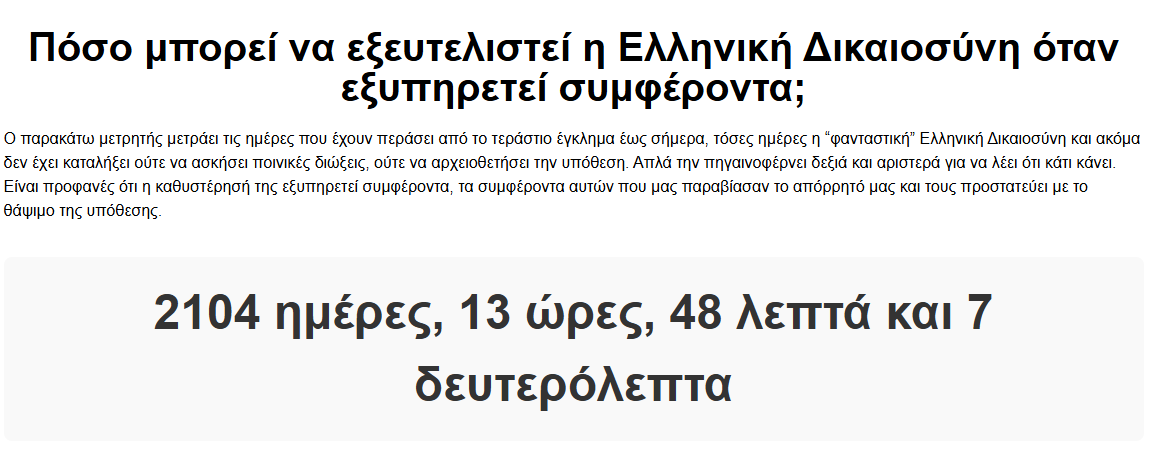
Το 2020 έγινε το "χακάρισμα" στην Cosmote και πήραν τα μεταδεδομένα επικοινωνίας 12 εκ συνδρομητών (πιθανότατα οι ίδιοι του Predator). Εφτιαξα ένα χρονόμετρο που τρέχει στην 12millionleakscandal.com/ που μετράει ζωντανά τον εξευτελισμό της Ελληνικής Εξαρτημένης Δικαιοσύνης. Από τότε έως σήμερα 13/6/26 έχουν περάσει 2104 ημέρες χωρίς κανένα αποτέλεσμα.Η Εισαγγελία έχει θάψει την υπόθεση, χωρίς ποινικές διώξεις, χωρίς αρχειοθέτηση. Προφανώς δεν τολμάει να αρχειοθετήσει γιατί γνωρίζει ότι θα πάρω την δικογραφία και θα μαθευτούν όλα. Οταν σας λένε για "ανεξάρτητη" δικαιοσύνη να τους στέλνετε στην σελίδα
17
#PredatorGate #Predator #υποκλοπές #κατασκοπεία
#Intellexa #Μητσοτάκης #ΔημητριάδηςΓρηγόρης #Cosmote #ΟΤΕ #Άρειος_Πάγος #έσχατη_προδοσία #εσχάτη_προδοσία #νδ_συμμορια #ΝΔ_αριστεια #ΝΔ_εγκληματική_οργάνωση
Jun 14
Άγριες καταστάσεις ετοιμάζουν Μητσοτάκης και ανιψιός καθώς η δικτατορία καταρρέει και η φυλακή για τις υποκλοπές είναι πιο κοντά από ποτέ. Θα καταπατήσουν όποιο συνταγματικό άρθρο έχουν αφήσει έως τώρα.
9
#PredatorGate #Predator #υποκλοπές #κατασκοπεία
#Intellexa #Μητσοτάκης #ΔημητριάδηςΓρηγόρης #Σμυρλής #νδ_συμμορια #ΝΔ_αριστεια #ΝΔ_εγκληματική_οργάνωση
Jun 14

Κεσσές: Ο Γιάννης Σμυρλής, που ενέκρινε τις εξαγωγές του Predator δεν εξετάστηκε ούτε ως μάρτυρας στις υποκλοπές | in.gr in.gr/2026/06/14/greece/kess…
16
#PredatorGate #Predator #υποκλοπές #κατασκοπεία
#Intellexa #Μητσοτάκης #ΔημητριάδηςΓρηγόρης #νδ_συμμορια #ΝΔ_αριστεια #ΝΔ_εγκληματική_οργάνωση
Jun 14
Νέες αποκαλύψεις για Predator: «Συστατικές επιστολές» από το κράτος στην Intellexa - Βολές της αντιπολίτευσης efsyn.gr/politiki/1405186/ne…
13
#PredatorGate #Predator #υποκλοπές #κατασκοπεία
#Μητσοτάκης #ΔημητριάδηςΓρηγόρης #νδ_συμμορια #ΝΔ_αριστεια #ΝΔ_εγκληματική_οργάνωση
Jun 12

Ο Κ. Μητσοτάκης ρωτήθηκε με σαφήνεια χθες για τα βέλη που δέχεται για συγκάλυψη στην υπόθεση των παράνομων παρακολουθήσεων με Predator
📍Με τον δικό του τρόπο για πρώτη φορά ουσιαστικά παραδέχθηκε την σύνδεση του Predator με την ΕΥΠ, δηλώνοντας 3 κρίσιμα πράγματα:
✔ Αναγνώρισε ευθύνες λειτουργίας
✔ Άνθρωποι έφυγαν από τις θέσεις τους
✔ Η λειτουργία της ΕΥΠ άλλαξε
📍Στην ερώτηση για το αν συνδέεται η Κυβέρνηση με τις παράνομες παρακολουθήσεις απέφυγε να διαψεύσει την προμήθεια του Predator από την ΕΥΠ, ενώ δεν αναφέρθηκε σε καμία από τις τελευταίες δηλώσεις του Ταλ Ντίλιαν ή στα δεκάδες στοιχεία που δείχνουν τη σύνδεση ΕΥΠ-Predator.
📍Η δήλωση του έρχεται σε μια πολύ σημαδιακή ημερομηνία. Τον Ιούνιο του 2021 παγιδεύτηκε με Predator ο Μιχάλης Μπεκίρης, διευθυντής του γραφείου του στη Βουλή.
📍Το μήνυμα παγίδευσής του σχετιζόταν με τον ίδιο τον Κ. Μητσοτάκη, καθώς ανέφερε ότι «Μιχάλη από εχθές έχει 145.000 views το video του Luben με τον Πρωθυπουργό να παίζει παντού».
📍Θα είχε αξία να απαντήσει ο Κ. Μητσοτάκης και ο Μ. Μπεκίρης γιατί δεν έχουν προσφύγει κατά όσων τους παγίδευσαν, για ποιο λόγο προσπαθούν με κάθε τρόπο να αποφύγουν την κλήση και εμφάνιση του Ταλ Ντίλιαν στην Επιτροπή Θεσμών και Διαφάνειας και για ποιον λόγο δεν επιτρέπουν τη σύσταση Εξεταστικής Επιτροπής στη Βουλή για τη διερεύνηση της υπόθεσης.
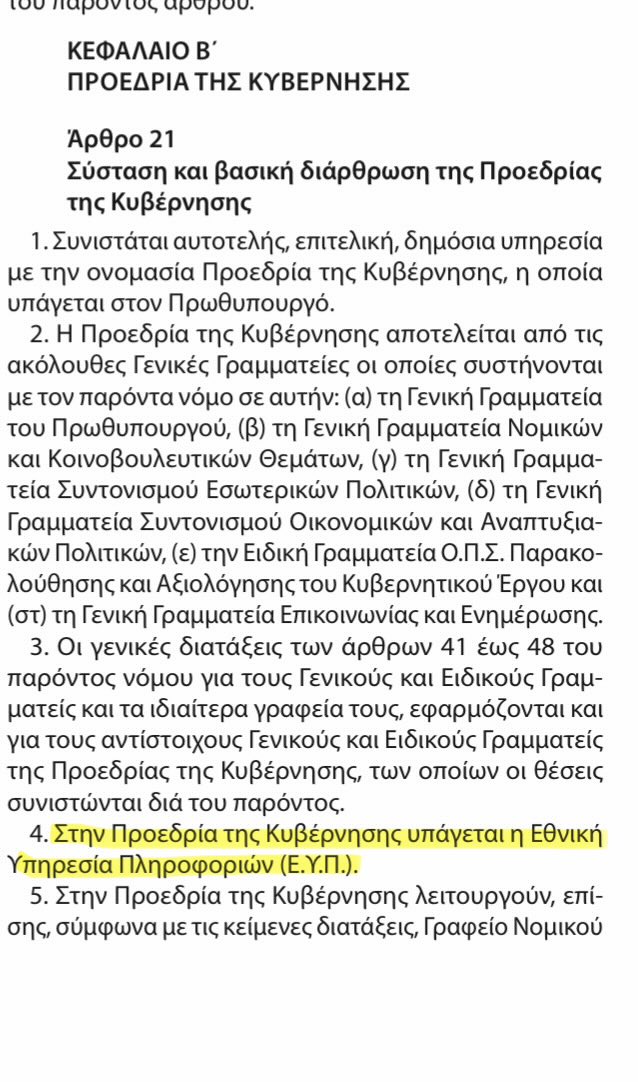
📍 Ίσως η απάντηση κρύβεται στην τελευταία δήλωση του πρωθυπουργού ότι η ΕΥΠ είναι πολύτιμος σύμμαχος του, επομένως δεν θέλει να την εκθέσει για τις έκνομες δραστηριότητές της. Άλλωστε η ΕΥΠ υπάγεται απευθείας στο γραφείο του Πρωθυπουργού από 7.8.2019 με τον Ν. 4622/2019.

38
Jun 13
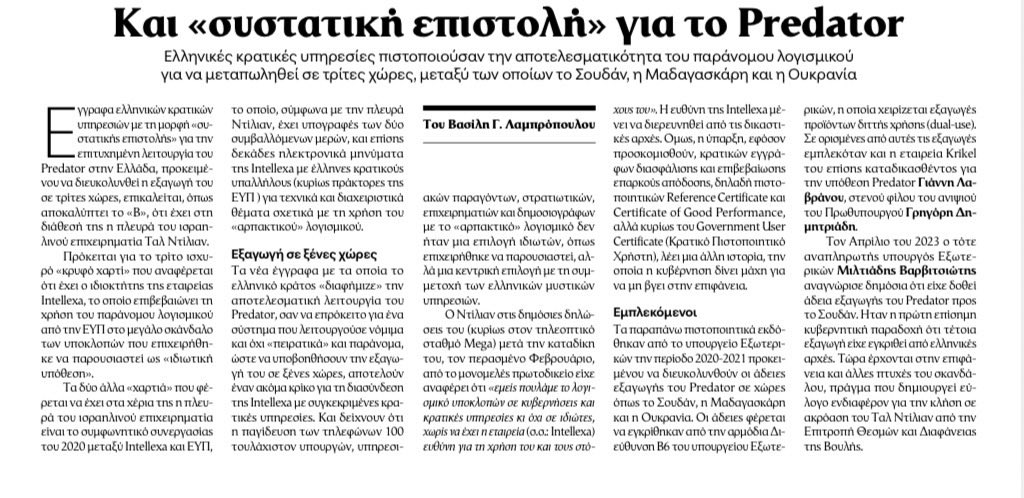
Ο @VasLabropoulos αποκαλύπτει στο @tovima πως η πλευρά του Tal Dilian διαθέτει έγγραφα ελληνικών κρατικών υπηρεσιών με τη μορφή «συστατικής επιστολής» που αναφέρονται στην επιτυχημένη λειτουργία του Predator στην Ελλάδα. Η επιστολή δόθηκε για να πωληθεί το Predator εκτός Ελλάδος
10

Jun 14
Greece has been repeatedly condemned and ordered to pay financial damages by the European Court of Human Rights (ECtHR) for systemic human rights violations. Concurrently, Greek domestic courts have issued landmark criminal sentences against corporate executives involved in widespread surveillance abuses.
The primary international rulings against the Greek government, alongside notable local legal actions regarding human rights abuses, involve the following key cases:
International Condemnations (European Court of Human Rights)
The ECtHR serves as the judicial watchdog for the Council of Europe. Because Greece is a signatory to the European Convention on Human Rights, it is legally bound by these decisions:
•Systemic Migrant Pushbacks: In a unanimous landmark ruling, the ECtHR formally confirmed Greece’s systematic practice of pushing third-country nationals back across the border to Turkey without assessing their risk of harm. The court found Greece guilty of unlawful detention and failing to provide effective legal remedies.
•Abuse of Unaccompanied Children: The ECtHR condemned Greece for subjecting unaccompanied migrant children to inhumane and degrading treatment. Rulings exposed devastating physical and psychological conditions at the Samos Reception and Identification Center (RIC), where thousands lived in makeshift, overcrowded shacks. The Greek government was ordered to pay financial compensation to the victims.
•Violations of the Prohibition of Torture: The court issued over a dozen judgments against Greece for violating Article 3 of the European Convention (Prohibition of Torture and Degrading Treatment). These cases cited horrific detention conditions in police facilities and reception centers, including forcing a pregnant asylum seeker to live in hazardous camp conditions.
Domestic Criminal Sentences and Trials
Within Greece, the legal system has faced heavy international scrutiny regarding how it handles human rights defenders versus corporate actors:
•The "Predatorgate" Spyware Convictions: An Athens misdemeanor court delivered a massive domestic ruling over the unlawful use of Predator spyware to target journalists, politicians, and businessmen. Three executives from the spyware company Intellexa and a prominent businessman were found guilty of violating communications privacy and personal data systems. They were sentenced to 126 years in prison each, which was capped at the statutory maximum of 8 years because the charges were classified as misdemeanors.
•Criminalization of Humanitarian Aid: Conversely, Greek prosecutors spent years attempting to jail humanitarian workers involved in migrant search-and-rescue operations. Two dozen aid workers faced up to 20 years in prison on heavily criticized felony charges, such as migrant smuggling and money laundering. Following international outcries from organizations like Human Rights Watch, a court on the island of Lesbos fully acquitted the aid workers.
2
2
5
129