
Jun 8
The Bedrock change is the one to check if you run AWS models. The LangChain team removed Bedrock prevalidation from load, so config errors should come from the provider path you use, not an early LangChain guard.
1
23

Incentive-compatible node relaying based on “whatever gets mined”
vs.
Economically incentive-compatible relay by design
BitMEX Research argues that it is sensible for Bitcoin Core to prioritize economically incentive-compatible relay, because it favors:
- Compact Blocks
- Signature prevalidation
- Check-cashing efficiency
- Accurate fee estimation
Their core argument boils down to this:
“You have to follow the reality of the network.”
And further:
“This is the reality of what is being mined, so Core’s defaults should reflect or accommodate that reality.”
I believe this is completely upside down.
Bitcoin’s goal is monetary sovereignty in the hands of the plebs. The plebs are willing to die for that freedom—and rightly so. That fundamental dynamic matters.
By that very logic, miners and so-called “economic nodes” are service providers, not rulers. They sit at the table secured by node runners, not the other way around.
If the primary client is designed to serve only the “reality of the network”—what miners currently mine—rather than the reality of the world we live in, then it becomes a betrayal of mankind.
I would argue that Satoshi’s primary purpose was not convenience, efficiency, or miner optimization—but rebellion. Bitcoin was a solution to escape tyranny, a countermeasure to the nightmare trajectory that ends in CBDCs.
Optimizing defaults around what miners currently do, instead of what humanity needs, inverts Bitcoin’s power structure—and that inversion is existentially dangerous.
1
4
270

3 Dec 2025
the transaction lifecycle in @quranium_org rebuilds how payments and contract execution should work for a quantum ready world every step from submission to finality becomes a secure future proof uncrackable pipeline where the fast blockdag layer ingests and prevalidates instantly while slh dsa ml kem and hash based signatures lock settlement with mathematical certainty users feel raw speed first and quantum grade protection right after creating trust legacy chains cannot match even as the quantum era arrives
key features of the quranium transaction lifecycle
• instant ingestion and prevalidation through blockdag
• parallel validation powered by proof of respect
• final settlement secured with slh dsa and ml kem
• hash based signatures for long term resilience
• future proof architecture designed for the quantum era

94
70
1,574

26 Nov 2025
This entire debate is because people are preventive pearl clutchers and need some weird arbitrary prevalidation to finding a character hot when the game goes
"They are elfs bro, whatever. Who is your favorite?"
2
3
189
10,998

24 Nov 2025
This week will be launch week 🚀
On the menu:
1/ NameGenie, a domain name generator (with prevalidation)
2/ Bipboard, a Build in public project management with logs (using a range of templates), time and revenue tracking and launch wizard.
Both FREE!
Stay tuned 😊
1
2
76

25 Sep 2025
Agreed. I don't know about you, but it has changed how often I review other's works. I see how important it is to leave feedback for someone else. One day I will need them myself. Some readers are looking for that prevalidation before committing to reading a book for themselves.
1
3
30

MAVRYK’S ECONOMIC FLEXIBILITY: Protocol Validation & Voting
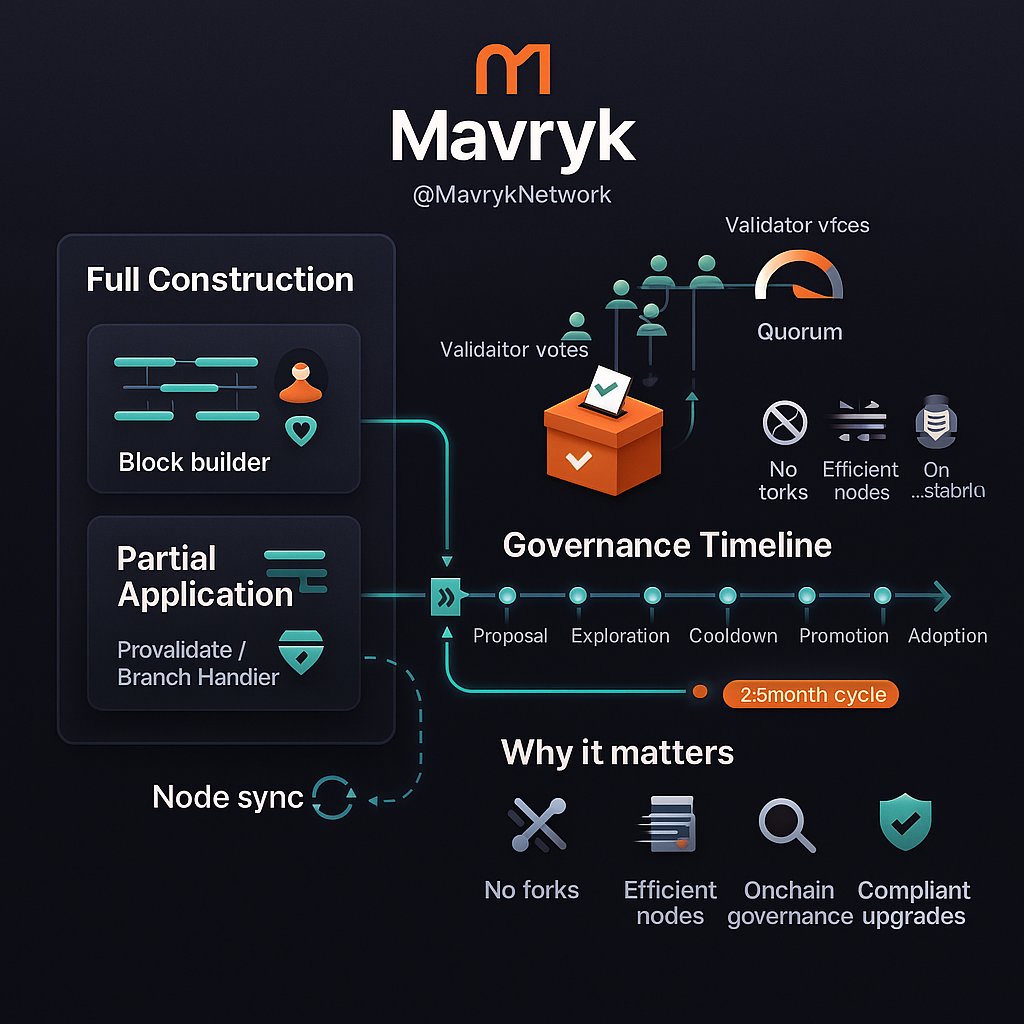
One less talked‐about but crucial part of how @MavrykNetwork works is its validation modes and on-chain amendment (voting) process. These give the chain an ability to adapt, stay secure, and scale without always forcing heavy node requirements or rigid consensus checkpoints.
Key Features
Different Validation Modes: Mavryk implements at least two modes: Full Construction and Partial Application. Full Construction is what validators use when building blocks. Partial Application is lighter, used for pre-validating operations or handling branches/forks without fully applying everything. This helps speed up node syncing, reduce spam, and lighten load during high throughput periods.
Amendment & Voting Protocol: There is a built-in onchain procedure where delegates (validators / stakers) can submit, vote on, and activate protocol amendments. It’s structured in periods (Proposal, Exploration, Cooldown, Promotion, Adoption) each lasting several cycles (~2.5 months total). The rules for proposals, quorum, and super-majority are codified and immutable unless changed via the same process.
Why It Matters
Allows the network to evolve without hard forks which can fragment communities.
Node operators get tools to stay efficient: they can do prevalidation, partial checks, and lighter duty when needed.
Governance is truly onchain: protocol parameters can change transparently, under stakeholder input.
For RWAs this ensures regulation or compliance shifts (tax laws, securities laws etc) can be accounted for without disruption.
59
2
55
2,028

25 Aug 2025
Way different, fully integrated into coinbase so no bridge needed anymore from there and from every CEX
> faster than solana with flashblocks (200ms prevalidation)
> cheaper than solana
> no MEV possible, so no sandwich
> built on $ETH
5
320

9 Jul 2025
Strong prevalidation.
I had 2 calls with potential customers. Got feedback. I know what to sell to the next customer. Schedules 2 more calls.
1
7
149

5 Jul 2025
You are doubling down??? Just wow!!!
@Computershare should make you a speed up procedure such as a prevalidation. They should already know your paperwork already. 😅
6
120


24 Jun 2025
Gm today I would like to talk to you about my prefunding prepmf prevalidation prebraincells idea Pareen, let’s jump on a call!
3
7
195

31 May 2025
Damn, this is a banger write up!
I tried to build sample chat project with streaming output using lazyvstack and scroll which is fine, but the expansion while streaming is still a problem
Curious how do you define the cell type? Based on response json model or you have prevalidation query?
1
6
1,869

3 May 2025
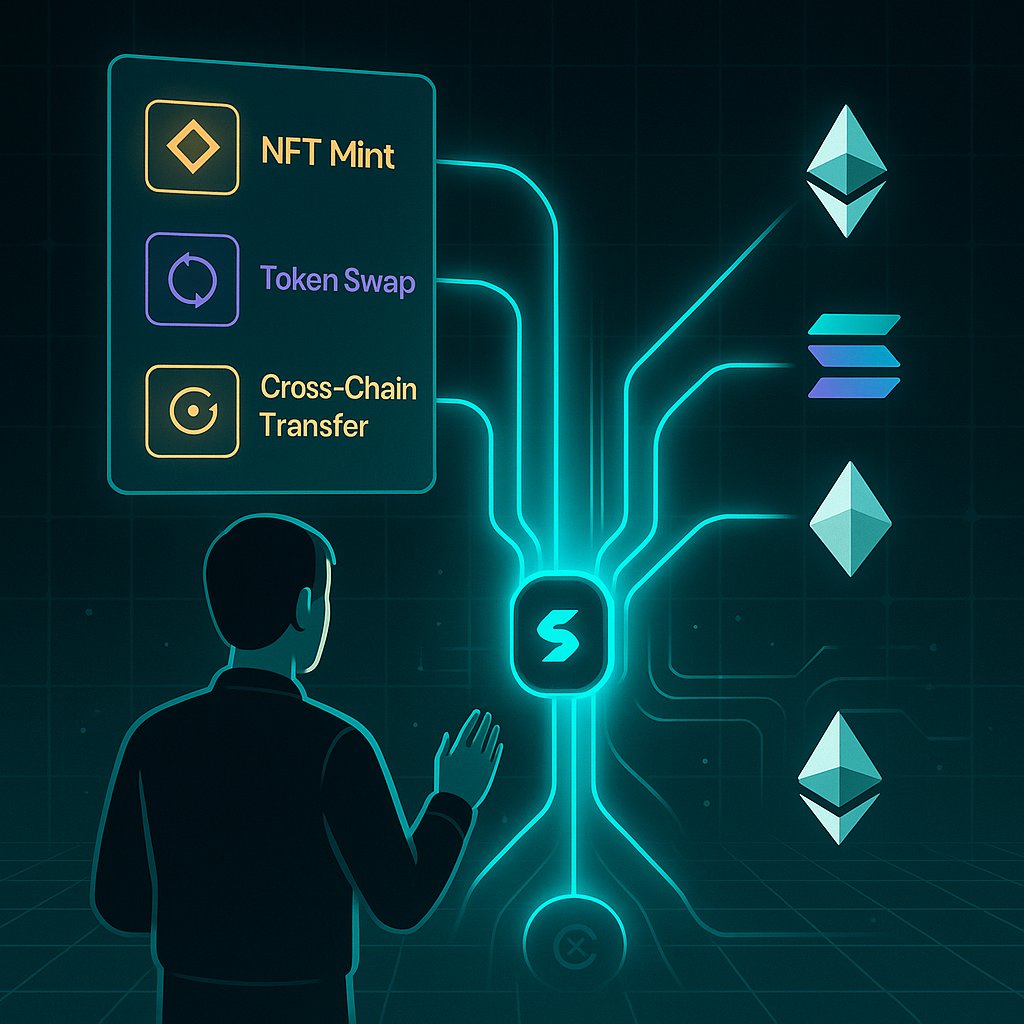
📌Here’s how @skate_chain's intent aggregation works in everyday terms:
Skate lets you sign simple intents on whatever chain you’re already using say you want to mint an NFT or swap tokens.
Those intents get picked up by the hub, which bundles them all into one block. Off chain executor nodes then race to carry out each batch in real time and send proof back to update Skate’s single global state.
The result is fewer transactions, no clunky bridges, and an experience that feels like you’re using one smooth app instead of juggling a dozen.
- How it actually happens
- Signing your intent
You sign a message on your chosen chain saying what you’d like to do mint an NFT, swap some tokens, whatever.
- Gathering and batching
The hub collects those signed intents from all supported networks and packs them into a single block. A prevalidation step makes sure everything is ready to go.
- Executor competition
A group of decentralized executors grabs the batch, bids to run it on the right chains, and then submits proofs back to the hub so the global state updates.
Scaling by focusing on intents
This setup can handle thousands of chains because you only ever write your logic once and avoid separate deployments or fragmented liquidity.
- What it means for you
– Simplicity
You click once per intent. No manual bridging, no switching wallets.
– Lower gas and faster results
Batching multiple actions into one on chain transaction and using meta transactions cuts your fees and speeds up finality.
– Truly frictionless cross chain
You sign your intent, step away, and come back to see everything done no extra steps required.
- A quick example
Alice signs two intents on Solana one to mint an NFT, another to swap tokens on Ethereum. Skate’s hub bundles them together, executors run both back to back, and Alice wakes up to find both actions completed in one seamless flow.
#skatechain #web3 #Blockchain
27
26
239

17 Feb 2025
🤓 I've built the ultimate threat actor attribution tool!!
Okay, okay… not quite ultimate, but still pretty useful. 😅
Let me explain. 👇
When you investigate an attack, sometimes you know what you are looking at—maybe you are an experienced analyst or have tracked a threat actor long enough to recognize their patterns.
But sometimes, you don’t! Or maybe your biases are too strong. 🫠
So, I wanted a system where I could describe an attack, add IOCs, TTPs, or a target sector, and get an automatic threat actor suggestion with confidence level and justification, based on my data and public knowledge.
I used the following metric: direct evidence (IOCs matching, tools/malware ID, TTP correlation), confidence scoring (0-100%), attribution factors (target, geography, infrastructure, timeline, tools, code patterns), and validation through public sources like ORKL.
I threw everything into an AI model with some similarity calculation, prevalidation and evaluation, and tada!
13
47
225
21,556

10 Feb 2025
Hmm maybe still DoS-able if people can formulate invalid/reverting migration txs that can't be caught in simple tx pool prevalidation checks... but you could check for some minimum balance reserved in the account during prevalidation but then only charge it if the tx ends up reverting.
2
68

4 Feb 2025
Upon popular request: django-formset version 1.7 now offers a stepper to fill out multiple forms sequentially with optional prevalidation.
django-formset.fly.dev/form-…
2
52

18 Oct 2024
Did you catch our latest LinkedIn Live? 🙋
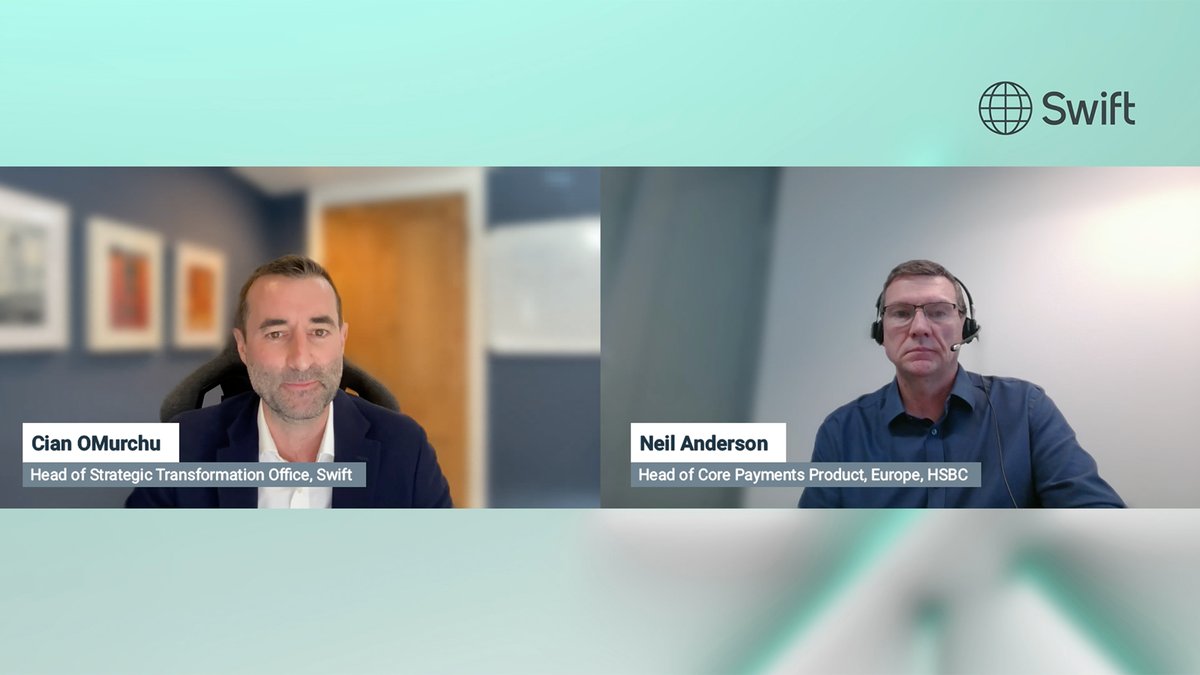
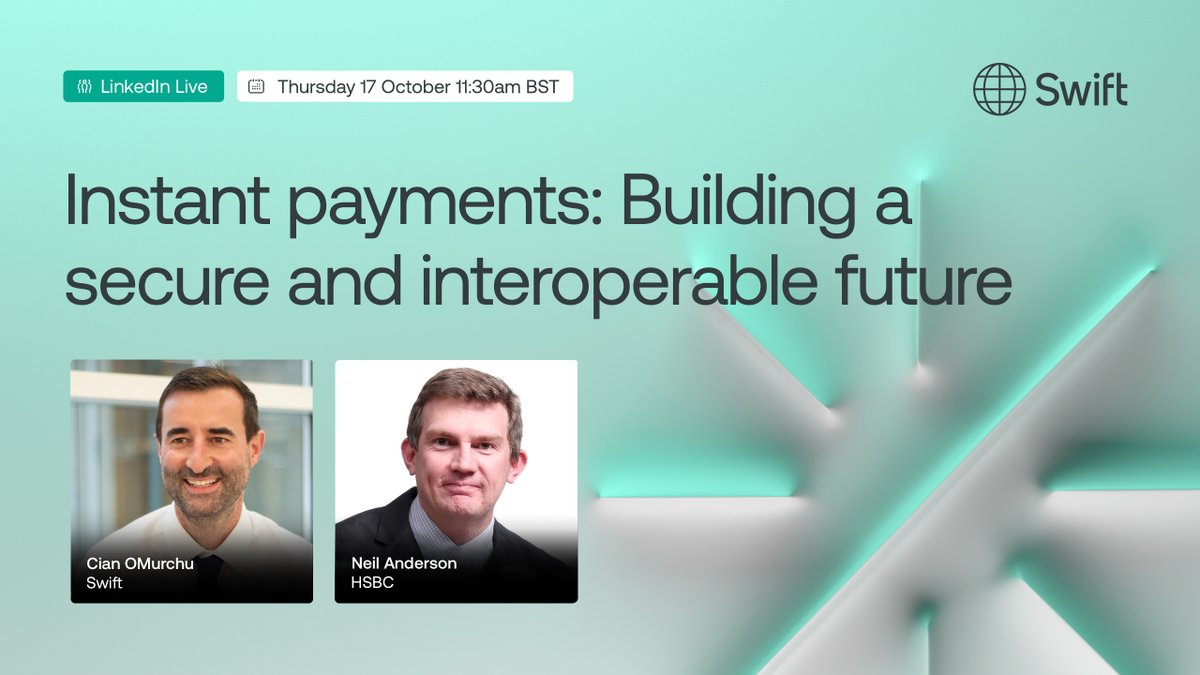
If you missed it, check out ‘Instant Payments: Building a secure and interoperable future’. In the session, Swift’s Cian OMurchu was joined by @HSBC's Neil Anderson to unpack some of the effects of the upcoming EU Instant Payments Regulation and discuss the current Verification of Payee landscape across Europe and beyond.
📽️ Watch now: youtu.be/u6JQbM1apxQ
#payments #instantpayments #interoperability #prevalidation
3
17
69
3,669
16 Oct 2024
🚨 Don’t miss your last chance to register for tomorrow’s #LinkedInLive! 🚨
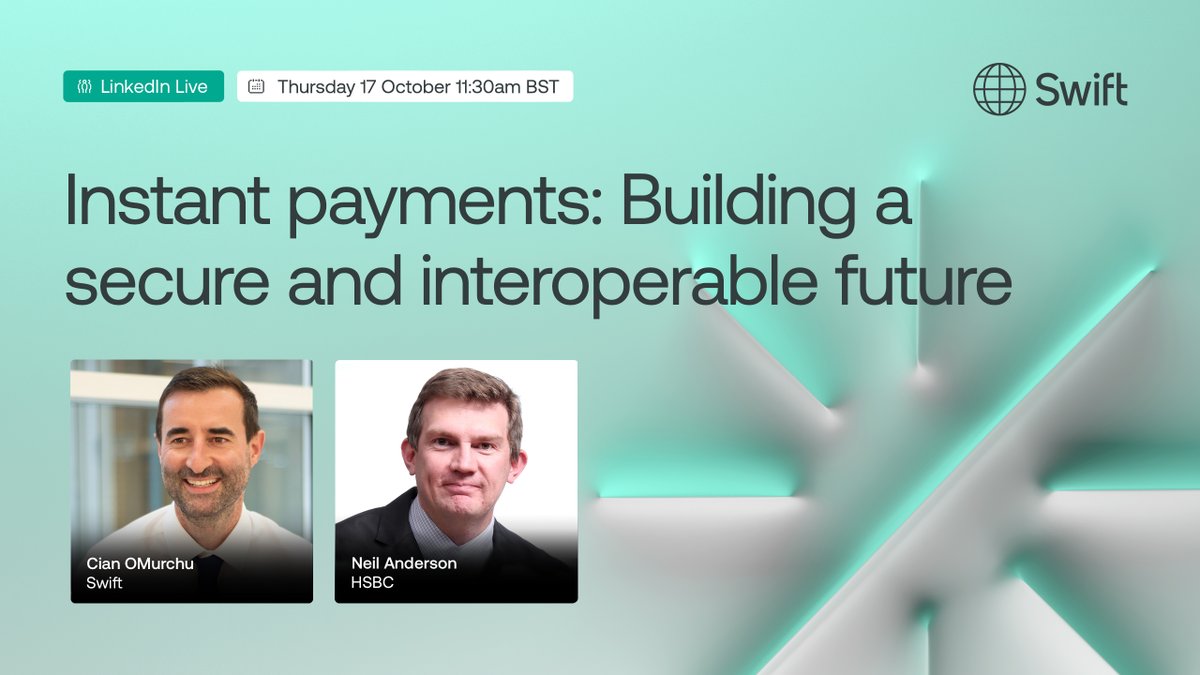
In this session, Swift’s Cian OMurchu will be joined by @HSBC’s Neil Anderson. They’ll unpack some of the effects of the upcoming EU Instant Payments Regulation and discuss the current Verification of Payee landscape across Europe and beyond.
✍️ Register today: linkedin.com/events/72467859…
#payments #instantpayments #interoperability #prevalidation
3
11
68
6,066
7 Oct 2024
The European Commission’s Instant Payments Regulation is poised to raise the standard of cross-border payments across the continent. As part of this regulation, payment providers will need to perform Verification of Payee checks on transactions by October 2025. What’s needed to make this a reality?
Join us on 17 October for our latest #LinkedInLive! Cian OMurchu, Head of Strategic Transformation at Swift, and Neil Anderson, Head of Core Payments Product at @HSBC will dive into this topic – don’t miss the chance to be part of the discussion!
✍️ Register now > linkedin.com/events/72467859…
#payments #instantpayments #interoperability #prevalidation
18
65
245
26,228