
i was going thru my abandoned projects and found these vocaloid-y (?) cyber diva and cyber songman designs i forgot about

Alfaisal Graduate School retweeted

Jun 11
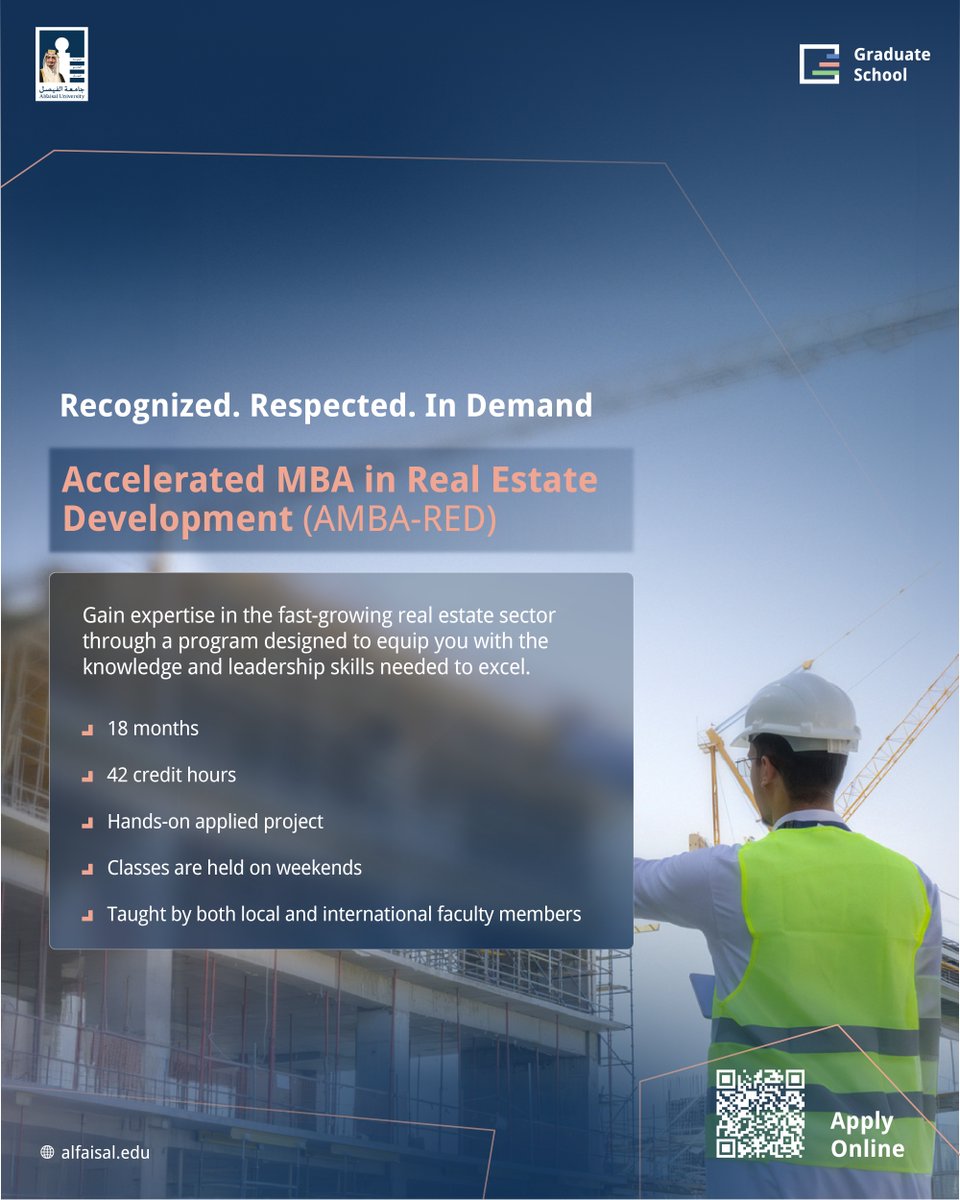
Step into the future of real estate with a world-class MBA. Learn from experts, work on real projects, and unlock global career opportunities. Your next big move starts here.
1
4
92,876

📩 Open for freelance photo retouching projects.
Email: shadat.hossain.sls.01@gmail.com
3

Oh that kinda sucks 😭✋ im still at the start of tlok but i hope they retcon in future projects to have katara being reminded as more than a healer :/

Happy Sunday, @arc -hitects
I will be touching grass today to recharge for the coming week.
Meanwhile, you can drop those projects you are building in my CS 👇.
Let people test them out for you and give you honest feedback you need to grow better.
As always... Build on Arc ✌️

1

This is what I have learned by talking to businesspeople in Ethiopia, both locals and foreigners.
Ethiopia has huge potential for growth, mainly thanks to a labour force that is trustworthy, smart and committed, and yes, for now at least, also very cheap, though the latter is the kind of advantage that will hopefully not last. Ethiopian Airlines provides a competitive edge for exports by air to the big markets of Europe and the Gulf.
To stimulate investment, the various mega projects are great and necessary, but that should only be the beginning. There must also be a friendlier climate towards small-scale entrepreneurs. The authorities need to listen more to producers’ concerns. This means stepping up the fight against corruption, cutting bureaucracy and ending the practice of a taxation regime that changes with the seasons. Many complain that the current system arbitrarily taxes turnover instead of profit. Fewer blackouts would also help, because diesel generators are a heavy cost. Security is a major issue, of course. And last but not least, the price of port access needs to come down. It costs more to get a container from the Red Sea to Addis Ababa than from China to the Red Sea.
Despite these problems, it is basically a rather attractive high-risks high-returns situation today.
Okay, so I listen to businesspeople, but I do not buy everything they tell me. They love competition among their suppliers, but not within their own field of production, because it is what cuts the most into their margins. But competition is the best mechanism to spread the benefits of progress. Politicians often prefer to let businesspeople reap monopoly earnings that can then be taxed and turned into handouts, because this is what buys popularity, dependence and hence political power, but the people are better off when there is competition for sales, competition for hiring, competition for everything.


7 /
$TOSHI has no CEO. No board. No roadmap handed down from above.
It runs on the MEOW DAO 🐾
Holders vote. Community decides.
In a world full of centralized projects pretending to be Web3 — this is the real thing.
1

For Xinxin's drama opening support, Little Pomegranates have casually raised around ¥500,000.
With just one day's notice, all the limited-quantity support items sold out. The remaining options are unlimited contributions (¥30, ¥66, and ¥121.8) for cakes, LED screen ads, and other support projects. The more people contribute, the bigger the fan project.
Thank you to all the Little Pomegranates who participated 🥰❤️🙏🏻.
#YuShuxin #EstherYu #虞书欣



rue retweeted

capricorns, i hope we continue supporting caprice and her projects with love and positivity. 💗 whether we're loud about it or supporting silently, i hope we never forget why we're all here in the first place.
i know X can sometimes be overwhelming, stressful, and pressuring, so rest lang if needed and then come back ulit if you're ready. 🫶
ang layo na ng nararating ni caprice ngayon, and it's not just because of her talent, but also because of the genuine love, hard work, and efforts that everyone has poured into supporting her, big thanks din sa mga admins. 🥹
and wherever our preferences may lie, i hope we continue to enjoy things without losing respect and kindness toward one another. at the end of the day, i hope we always remember that no one is entitled to dictate how others should support her. 🤍
6
14
114
Jurij Kristan retweeted

15h
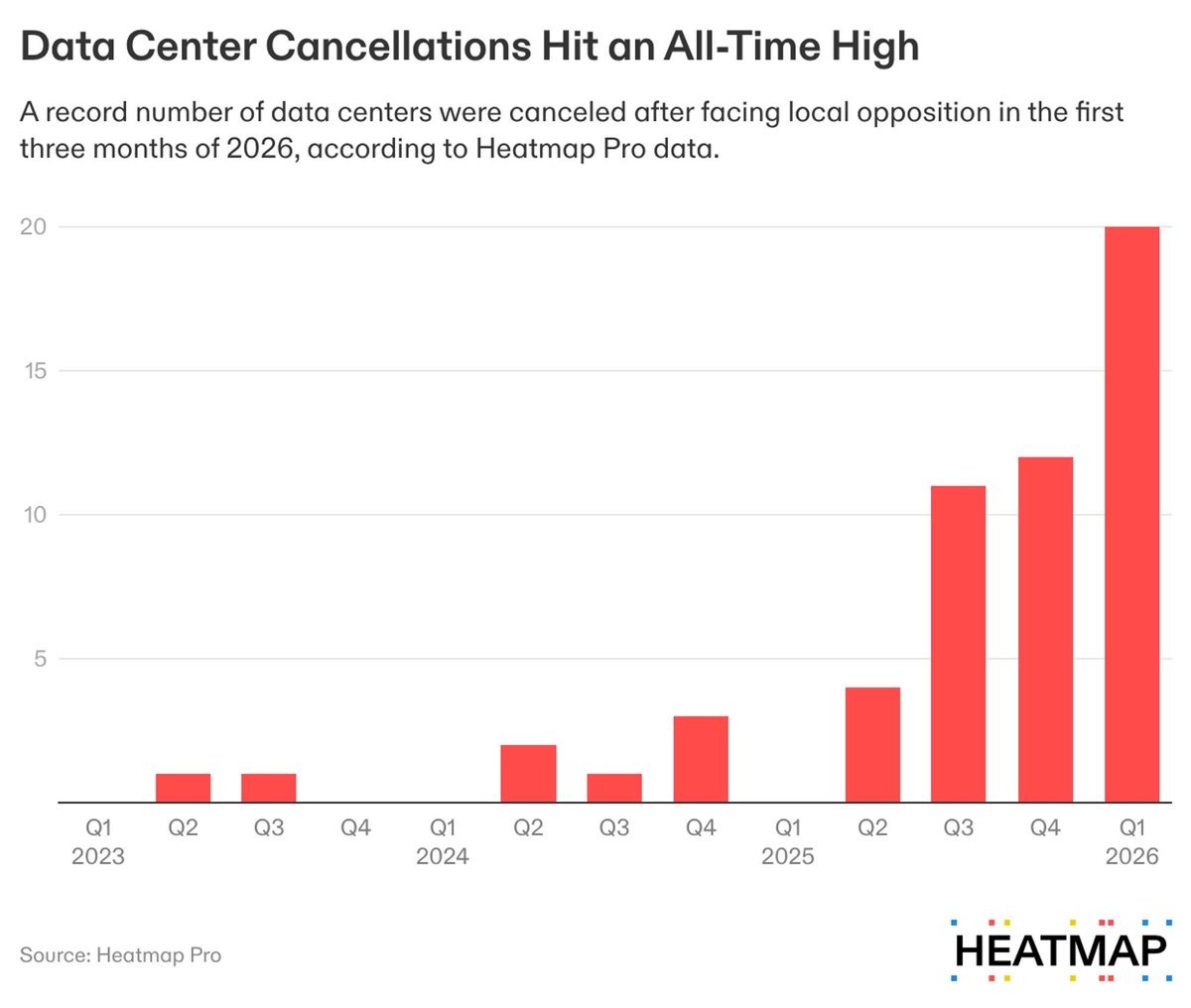
🦔Community protests have blocked $130 billion in data center projects so far this year. Q1 2026 produced the most blocked and delayed projects on record. Nashville collected 180,000 petition signatures in days. Charlotte voted on a moratorium.
My Take
These companies committed hundreds of billions in capex and filed IPOs on the assumption the data centers would get built. $130 billion of them didn't.
Communities across the country figured out how to organize against these projects before the developers could lock in permits. The industry built its financial models around infrastructure that doesn't have permission to exist yet, at least not on the timeline the IPOs need.
Hedgie🤗
26
79
271
24,024

49s
It will be won by projects that connect ecosystems and create real utility.

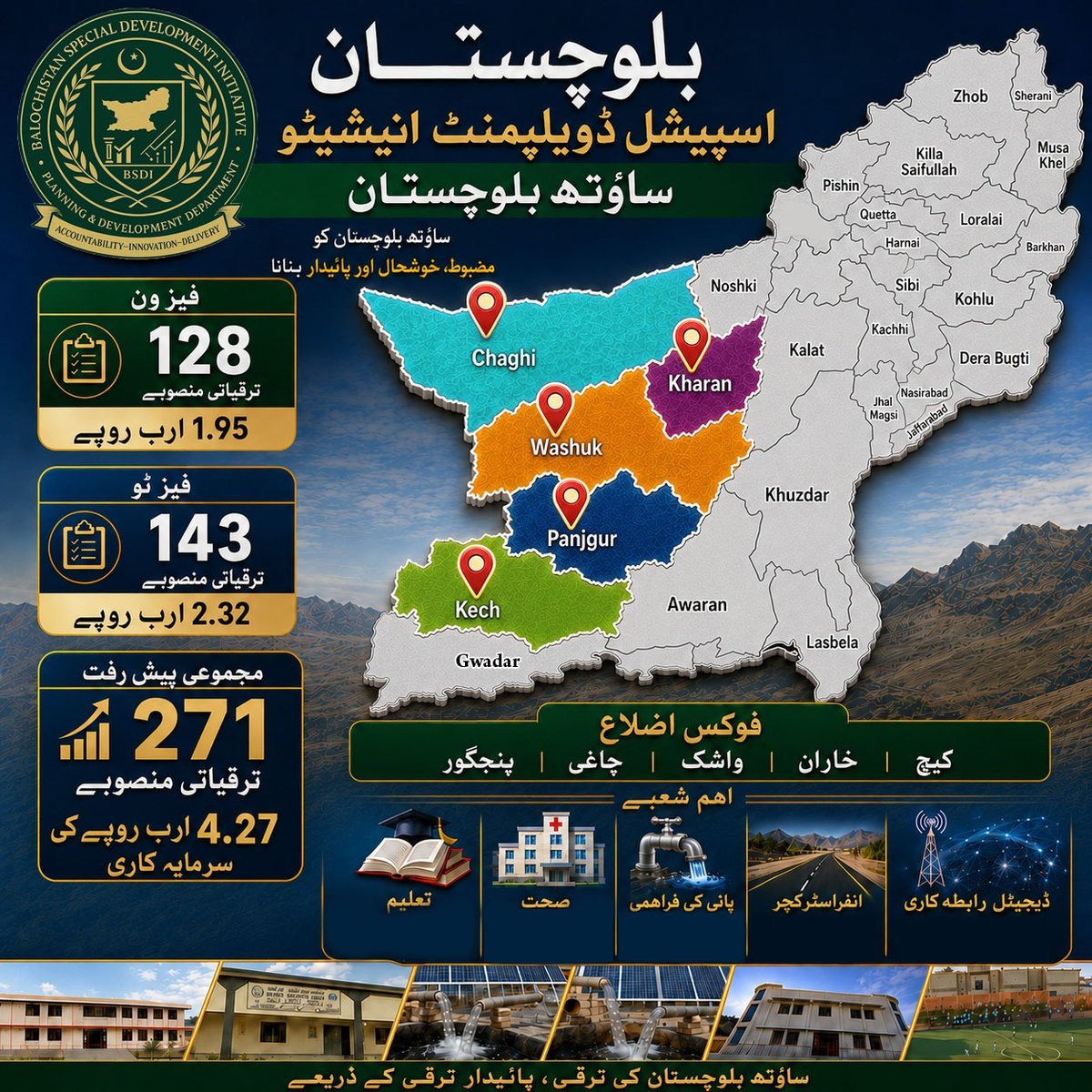
South Balochistan is on the rise! Under #BSDI, PKR 4.27B has been invested in 271 projects across Kech, Kharan, Washuk, Chagai & Panjgur. Transforming education, healthcare, water supply, and digital connectivity for a prosperous future. #BalochistanDevelopment #Infrastructure
1
sofiü 🇦🇷 | va a ver a bts⁷ retweeted

ahora se dejan de romper las bolas con los fan projects y todas levantamos un banner que diga well follow you into the sun con el sol de fondo y listo que es lo más fácil de hacer y seguro queda lindo
 Banco de videos ML
8
301
1,890
11,361

55s
also just annoying that you chose the same pfp i've been using for years atp to blatantly spit in the face of his actual birthday projects i hate when y'all make me look stupid by association
2

AGRONOMME 🇷🇼 retweeted

The Rescue Gets More Intense During These Massive Lake Reclamation Projects.
13
16
839
AGRONOMME 🇷🇼 retweeted
15 DIY Projects That Will Inspire You
13
22
815
Aditya Chaudhary(SSRian) retweeted

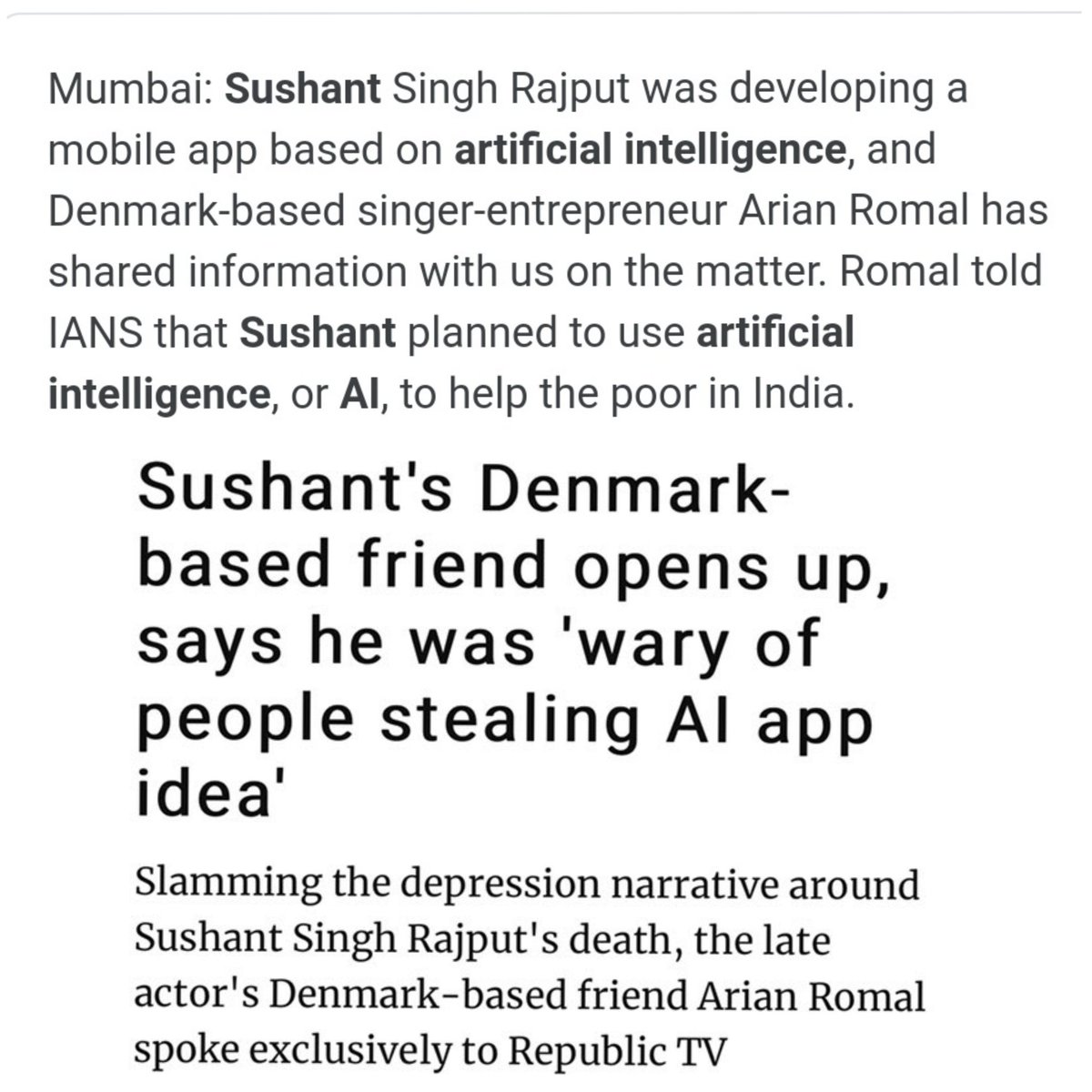
📌Sushant's Denmark-Based Friend, Arian Romal, claims SSR was 'Wary Of His AI App Idea Being Stolen'
📌Were SSR Projects one of the reasons behind his Brutal Murder❓
@CBIHeadquarters @arjunrammeghwal
@IPS_Association @PMOIndia
6years Of Injustice To Sushant
1
20
3
79

good morning millionaire friends
it's the start of a new week, here's the list of the projects I'd been looking out for
@Doodlemon151
@NewDreamFolder by @NikMdt
@Hooties_eth
what do you think is missing here guys?
may this new week favour us all♥️