
18s
Aren't most of the prominent people in Reform ex Tories?
Reform cant label everyone to their right Nazi's and then expect them to vote for them. They don't deserve peoples votes, they need to earn them.

🚨 BREAKING: Abraham Hermosillo Alvarez, 31 is the son of prominent Omaha Latina Entrepreneur Martha Hermosillo (The Palace formalwear & event planning) alleged mastermind of White House UFC Freedom 250 attack plot. NOT a U.S. citizen.
No indication if mother is involved
Alvarez claimed he was the Joint CEO of The Palace! Story Developing

7
114
178
2,664
dorfnordost retweeted

Viele Medien, darunter u.a. @ORF und @derStandardat berichten prominent und unkritisch über den aktuellen „Jahresbericht“ der „Dokustelle Islamfeindlichkeit und antimuslimischer Rassismus“. Aber offensichtlich hat sich bislang kein Medium die Mühe gemacht, ein wenig Hintergrundrecherche zu betreiben. Die Organisation weist vielfältige Verbindungen zu Akteuren aus dem islamistischen Spektrum auf. Drei von vielen Beispielen:
Im Oktober 2024 deckte der Nationalratsabgeordnete @yannickshetty auf, dass ein Vorstandsmitglied der Dokustelle Hamas-verherrlichende Postings veröffentlicht hatte, während die Dokustelle staatlich finanziert Workshops zu „antimuslimischem Rassismus“ für 10-14-jährige Kinder an Schulen hält (Details siehe Link unten). Shetty schrieb deshalb: „Diese Personen werden - steuergeldfinanziert - für Antirassismus-Workshops bei Kindern eingesetzt? Das kann doch nicht wahr sein. Gibt es in drei beteiligten Ministerien gar keine Qualitätssicherung?“ – Aber offensichtlich hat das niemanden in der österreichischen Medienlandschaft interessiert.
Dunia Khalil, die Leiterin der Rechtsberatung der Dokustelle, moderierte am 28.11.2025 eine Veranstaltung zum Thema „The Criminalisation of Palestine Solidarity in Austria”, an der mehrere Akteure aus der anti-israelischen und antisemitischen Szene in Österreich teilnahmen, darunter Andrea Chiara Bauco vom European Legal Support Center (BDS-Unterstützer), Vertreter von BDS Austria und von Dar Al Janub. Dar Al Janub wird vom DÖW als antisemitischer Verein bezeichnet. Seit über einem Jahr wird wegen mutmaßlicher Unterstützung der Hamas gegen den Verein ermittelt.
Die Dokustelle arbeitet mit CAGE zusammen. CAGE steht in Verdacht, Terrororganisationen wie al-Qaida zu unterstützen. Zudem wird ihr von Kritikern vorgeworfen, die Scharia-Rechtsprechung zu befürworten und sich zu weigern, sich klar gegen die Todesstrafe durch Steinigung und gegen weibliche Genitalverstümmelung zu positionieren. An diesen Positionen stört sich die Dokustelle ebenso wenig, wie daran, dass CAGE Austria zu einer Iftar-Feier den bekannten deutschen Salafisten Marcel Krass und den Londoner Direktor von CAGE, den Islamisten und Kalifats-Verfechter Dr. Adnan Siddiqui als Redner geladen hat. Adnan Siddiqui wird im britischen Telegraph wie folgt zitiert: „Jihad is an ‘important concept’ and in some cases suicide bombings are ‘a price worth paying’.”
Aufgrund dieser und etlicher weiterer Verbindungen ins islamistische Spektrum sollten Medien Zahlen und Berichte der Dokustelle Islamfeindlichkeit eigentlich mit Vorsicht behandeln, statt sie einfach zu übernehmen. Vermutlich hat sich keines der berichtenden Medien die Mühe gemacht, die Kriterien zu überprüfen, nach denen die Dokustelle arbeitet, noch welche Agenda sich hinter den Begriffen und Konzepten „antimuslimischer Rassismus“ oder „Islamophobie“ verbirgt.
Mit dieser unkritischen Berichterstattung wird eine Organisation aufgewertet und legitimiert, die sich in einem mehr als fragwürdigen Umfeld bewegt. Würden Berichte von Organisationen, die Verbindungen ins rechtsextreme Spektrum aufweisen, ebenso unkritisch übernommen werden?
Zum Thread von Yannick Shetty geht es hier, weitere Links im nächsten Tweet: twitter.com/yannickshetty/st… /1
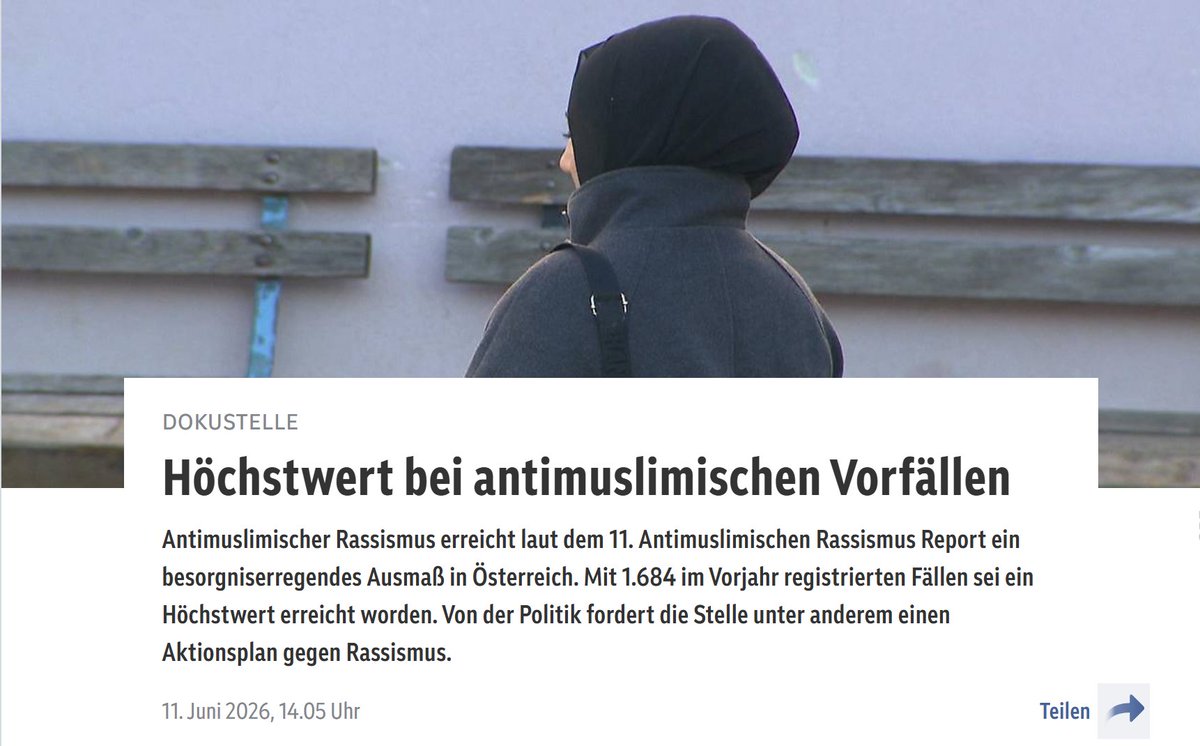
18 Oct 2024

🧵Die SteuerzahlerInnen finanzieren über Bildungs- Arbeits und Sozialministerium Workshops gegen “antimuslimischen Rassismus” für 10-14 Jährige. Klingt harmlos - ist es aber nicht. Aber warum & wer steckt dahinter?
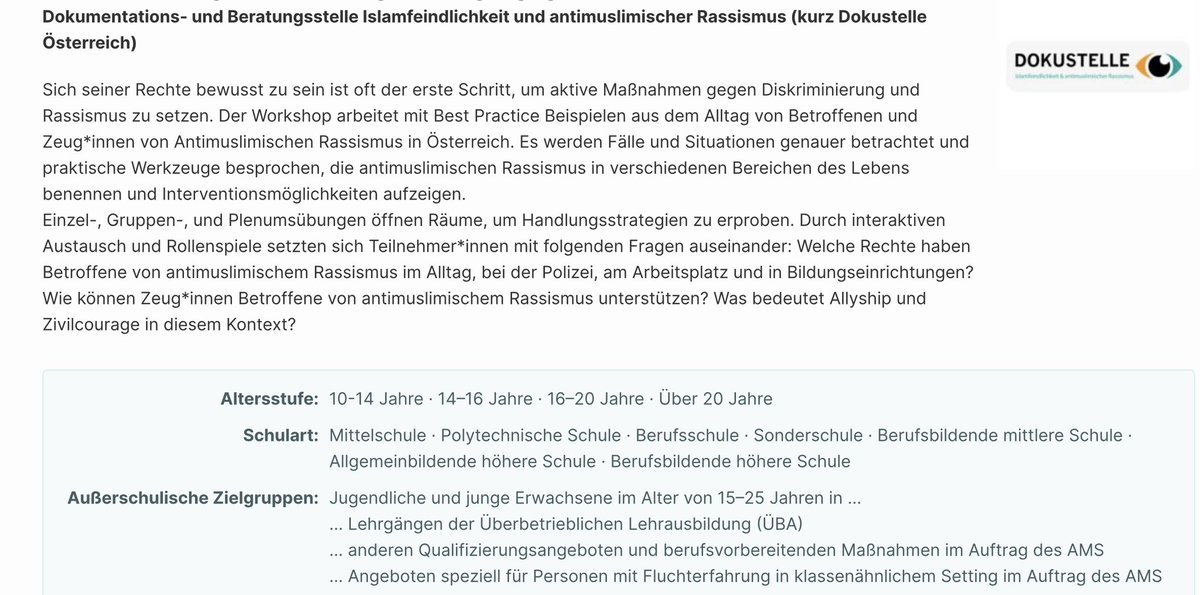
10
106
294
9,104
Lemmon B Turner Sr retweeted

🔥🚨DEVELOPING: Prominent 2000s Rapper Mystikal has beensentenced to 20 years in prison after 'mistakenly' pleading guilty to r*ping a woman at his house in Louisiana in 2022.
Mystical: “If I did that to you, I deserve the max sentence,” he said to victim in court.
39
22
415
122,452

A decision by Israel’s top court to deny the release of a prominent Gaza doctor has been condemned as a "profound moral and legal failure" rte.ie/news/2026/0617/157881…
19
24
34
6,307
〓〓 retweeted

28m
Prominent Labour Friend of Israel Mike Tapp is resorting to schoolboy insults to distract from the government's Palestine Action ban
By @willem_moore_uk
thecanary.co/trending/2026/0…
6
12
326
🇮🇳deshpremi🇮🇳 retweeted

⚓️INVESTORS FLOCK TO BENGAL – STATE BUDGET TO BE PRESENTED ON 22 JUNE AT NOON⚓️
🏗️ At least 42 prominent industrialists have officially contacted State Commerce and Industries Minister Tapas Roy to deploy fresh capital into West Bengal. The incoming investment wave sets the stage for State Finance Minister Swapan Dasgupta to present the first full 'Double-Engine' State Budget on June 22 at 12 Noon.
🗺️ To reverse decades of industrial flight, NITI Aayog has kicked off a comprehensive, long-term economic blueprint spearheaded by Vice-Chairman Ashok Kumar Lahiri. The strategic masterplan aims to restore Bengal from its current 6th-place GDP ranking back to its historic post-independence economic glory, systematically dismantling structural bottlenecks like militant trade unionism and administrative delays.
📊 The administration has guaranteed swift corporate handholding, with a wave of blockbuster domestic industrial announcements slated to drop during the ongoing State Assembly budget session.
Source: thehawk.in/news/economy-and-…
#InvestInBengal #DoubleEngineGrowth #BengalBudget2026 #NITIAayog

1
7
60
1,303
Liz Deep-Jones retweeted

Mary Kostakidis Wins CN’s Gary Webb Award
“The prominent Australian journalist, Mary Kostakidis, in court accused of racial hatred for her reporting critical of Israel’s genocide, has won Consortium News’ 2026 Gary Webb Freedom of the Press Award.” consortiumnews.com/2026/06/1…
1
63
154
1,262
alot lewd🍉 retweeted

Am i stupid or is everyone else is? Why are people in prominent position praising a thing that appears almost incomprehensibly dumb and moronic to me?

Indian psyop twitter breaching the Chinese firewall was not on my bingo card of 2026. The content is wild. And I mean WILD.
70
17
682
27,479

Prominent businessman looks set to stand for police and crime commissioner role ift.tt/3ja6ocp
2

Prominent businessman looks set to stand for police and crime commissioner role ift.tt/9eXOTpQ
3

Let’s ban schools !!
Yes, UK schools play a particularly prominent role in teenage mental health — backed by national data and government focus.
Scale of the issue in the UK
• Around 1 in 5 (20.3%) of 8–16 year olds had a probable mental disorder in 2023, with rates higher among older teens (23.3% for 17–19 year olds) and especially young women. Mental health issues are strongly linked to poorer school attendance and engagement. digital.nhs.uk
• Academic pressure is a major driver. A recent UCL study found that higher academic pressure at age 15 is linked to increased depressive symptoms at age 16, with effects persisting into the early 20s. Each one-point rise on the pressure scale was associated with a 0.43-point increase in depressive symptoms and higher odds of self-harm. WHO Europe data shows schoolwork pressure rising sharply: 63% of 15-year-old girls and 43% of boys report feeling pressured (up from previous years), with girls facing a bigger jump. ucl.ac.uk
• Bullying in schools remains a significant contributor to anxiety, depression, and lower wellbeing, often compounding academic stress.
These school-related factors align with your earlier point about the 80s experience — they’ve long been central, and UK data shows they remain modifiable risks today.
Current support in UK schools
The government and NHS have expanded in-school mental health provision as a key response:
• Mental Health Support Teams (MHSTs): As of spring 2025, over 600 teams are operational across England, reaching about 52% of pupils in over 10,000 schools and colleges. Expansion is underway toward full coverage by 2029/30. Nearly 80% of secondary schools now have access.
• Recent figures show nearly 6 million children and young people can access this support. Nine in ten schools report improved pupil wellbeing from these teams, and seven in ten note better attendance.
• Schools are encouraged to take a “whole-school approach” with senior mental health leads, training, and integration into the curriculum (e.g., via PSHE). DfE guidance emphasises early support, resilience-building, and reducing stigma. england.nhs.uk
Challenges persist: Specialist services like CAMHS still have long waits in many areas, so schools often act as the first line of support. Funding, staffing, and varying implementation quality remain issues.
Link to the wider debate
This fits the BBC article context on UK teens, social media risks/opportunities, and the proposed under-16 ban. While social media gets attention for amplifying comparison, bullying, and pressure, UK evidence highlights schools as a core daily environment where academic demands and peer dynamics have direct, measurable impacts on mental health.
The government’s approach includes both platform safety measures and ramping up school-based support — recognising that early intervention in education settings can help build resilience and catch issues before they escalate.
Your emphasis on schools being “huge” is well-supported here. Academic pressure stands out as one area where whole-school changes (e.g., workload adjustments, better support structures) could make a real difference, according to the research.
6

Sal retweeted

Now that we’re talking about Cabo Verde, let me interest you once again in one of the country’s prominent anticolonialists 👇🏾
21 Dec 2025

Alda do Espirito Santo (1926-2010) - poet, anticolonialist, socialist.
Cabo Verde
You may know Amilcar Cabral. You ought to know Alda do Espírito Santo
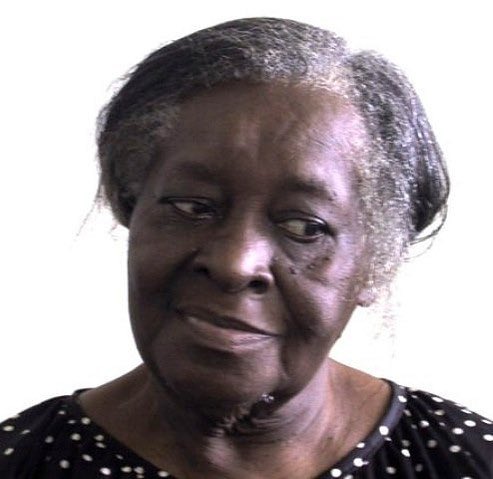
2
196
760
16,805

homophobic epel jokes were funny but making this his prominent character trait is genuinely offensive 💔 justice for my son
4
Belle Zerbis retweeted

Compare the policy in the report to a current prominent Reform ex-MP who promoted an amnesty for all illegal immigrants.
2
7
177
DIPRO Narnaul retweeted

Jun 16
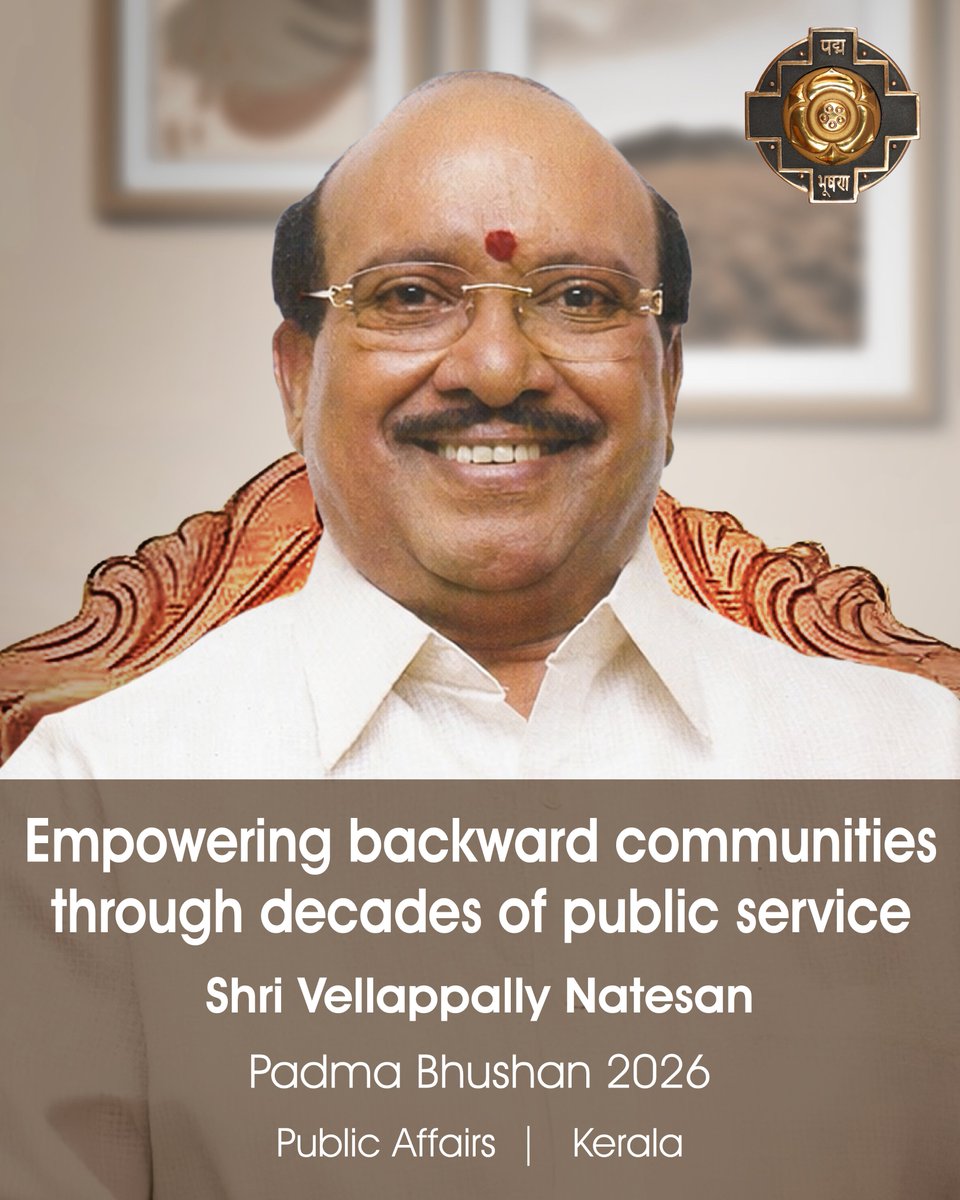
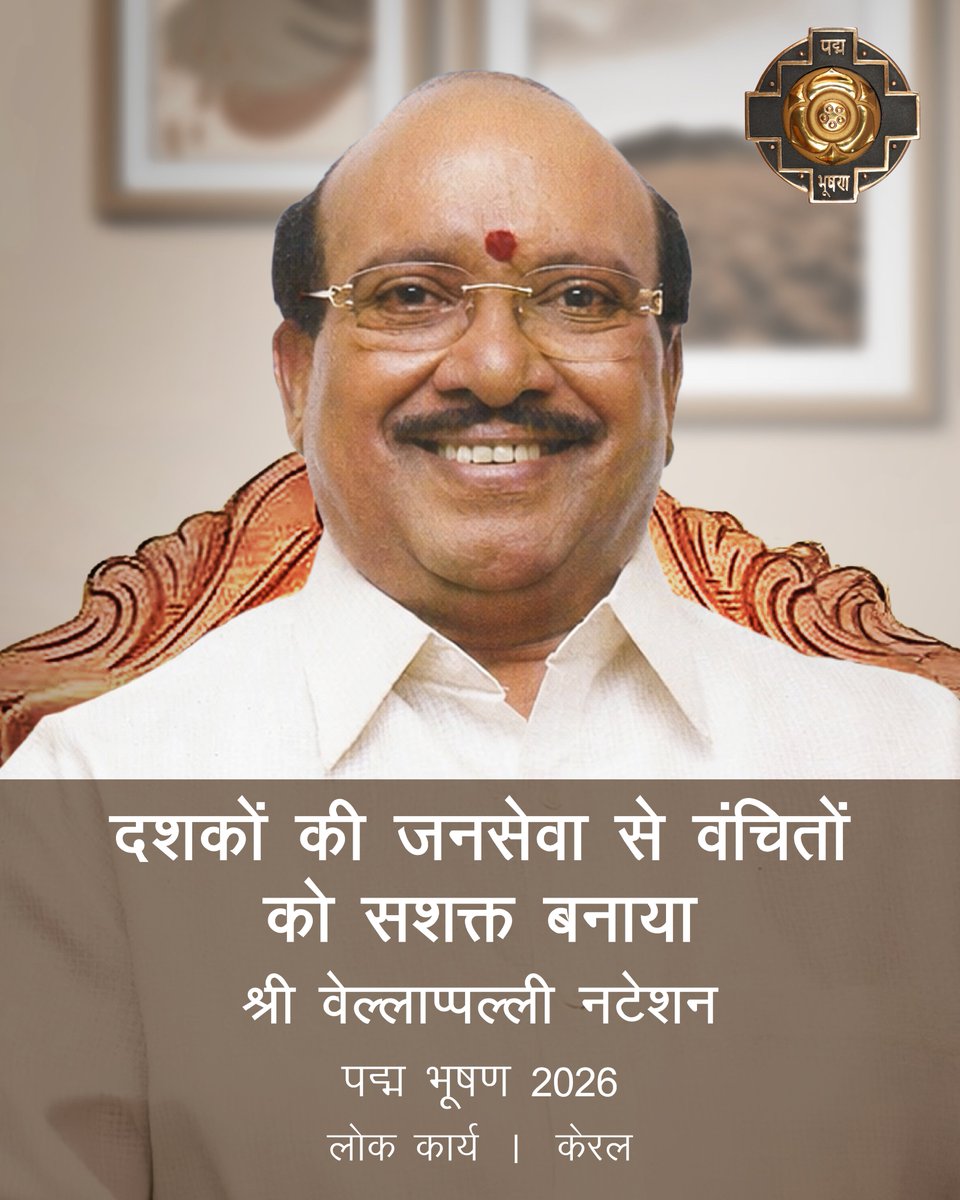
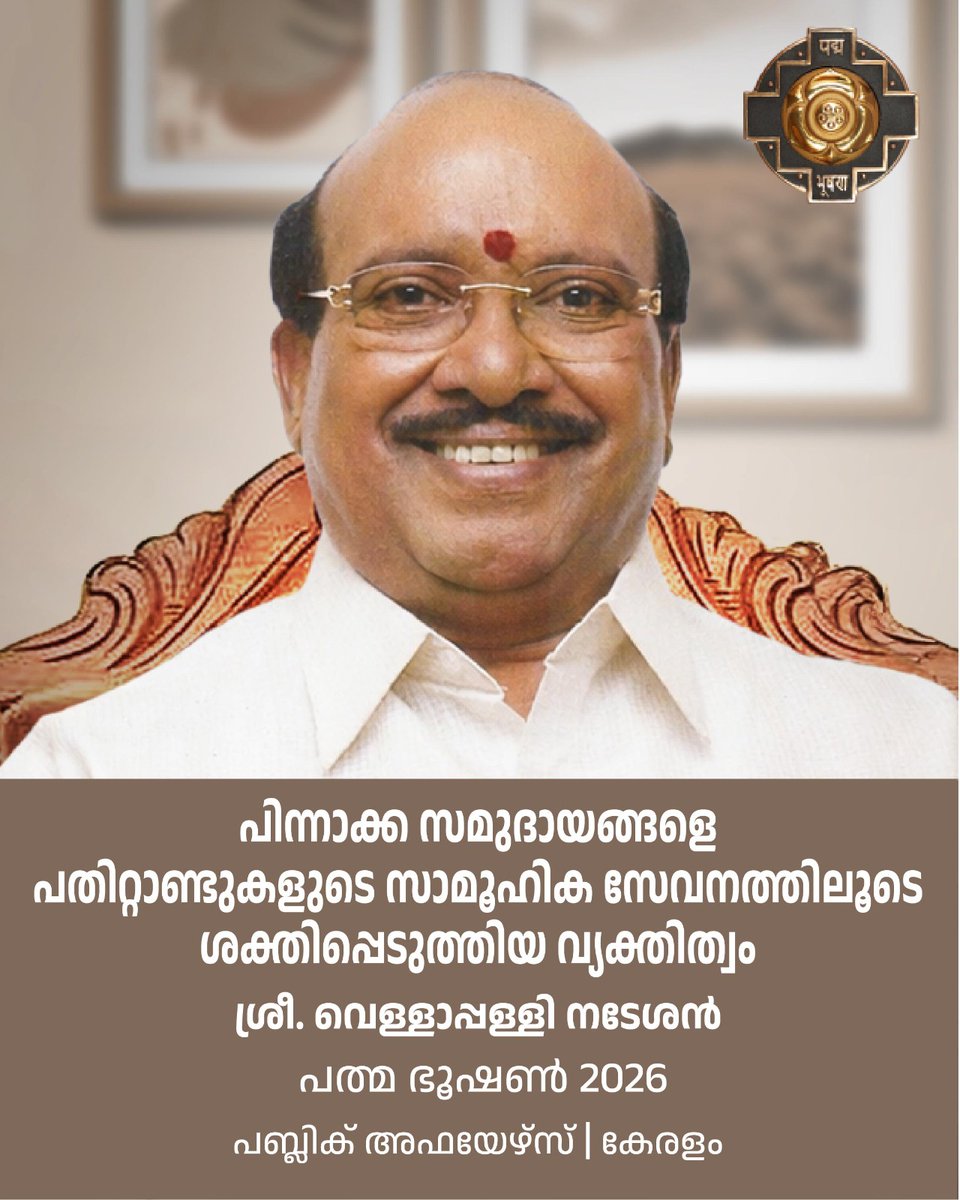
Shri Vellappally Natesan, Prominent social leader and General Secretary of Sree Narayana Dharma Paripalana Yogam, honoured with Padma Bhushan. Championed social empowerment by developing more than 130 educational institutions and widening access to quality education for disadvantaged communities.
#PeoplesPadma2026 #PadmaAwards2026 #PadmaBhushan #publicaffairs
30
406
557
16,435
χριστόφορος retweeted

“Cyprus could become a more prominent element in future regional disputes.” =We gotta solve the #cyprob pronto, folks.

Turkey steps up focus on Cyprus as Israel ties expand - go.shr.lc/4oxeJ5n #Cyprus #Israel #Turkey #EasternMediterranean #Geopolitics #RegionalSecurity
2
1
31