

24 Nov 2025
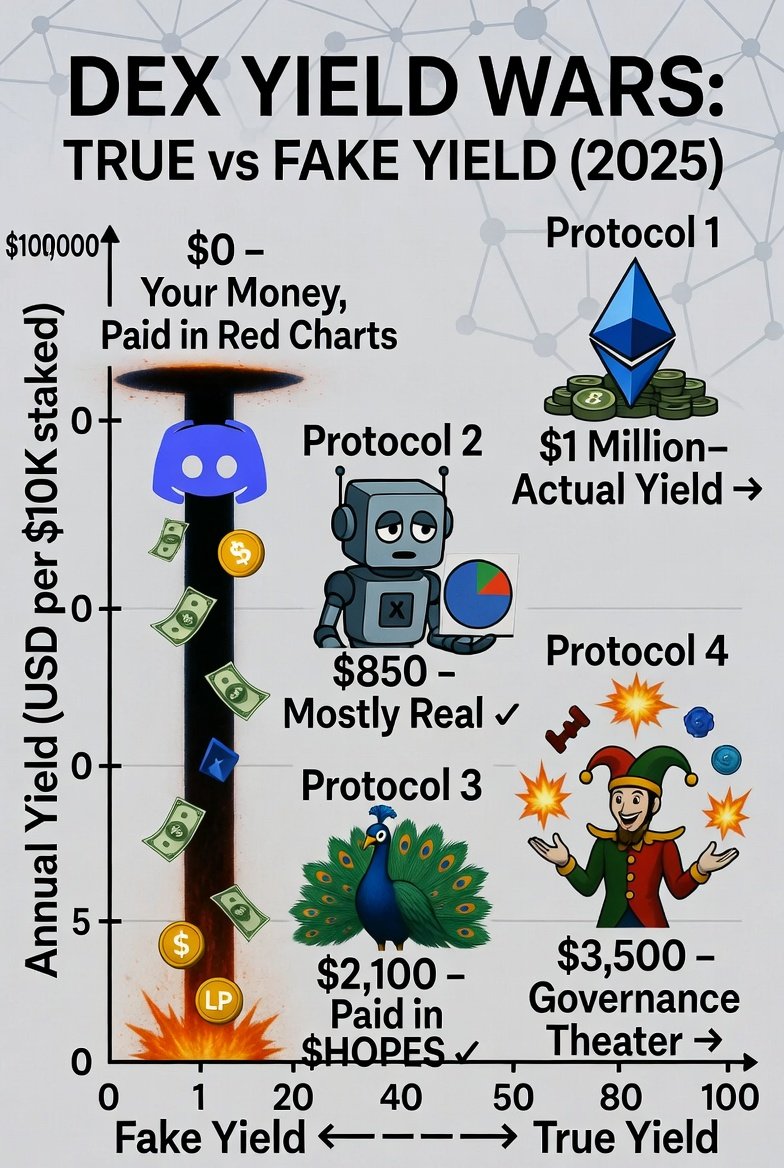
We keep breaking barriers with our high level engineering.
The granite upgrade allows us to make more TRUE revenue between blocks before it becomes rectangular.
@avax #superiorDEX #protocol1
1
4
37


29 Oct 2025
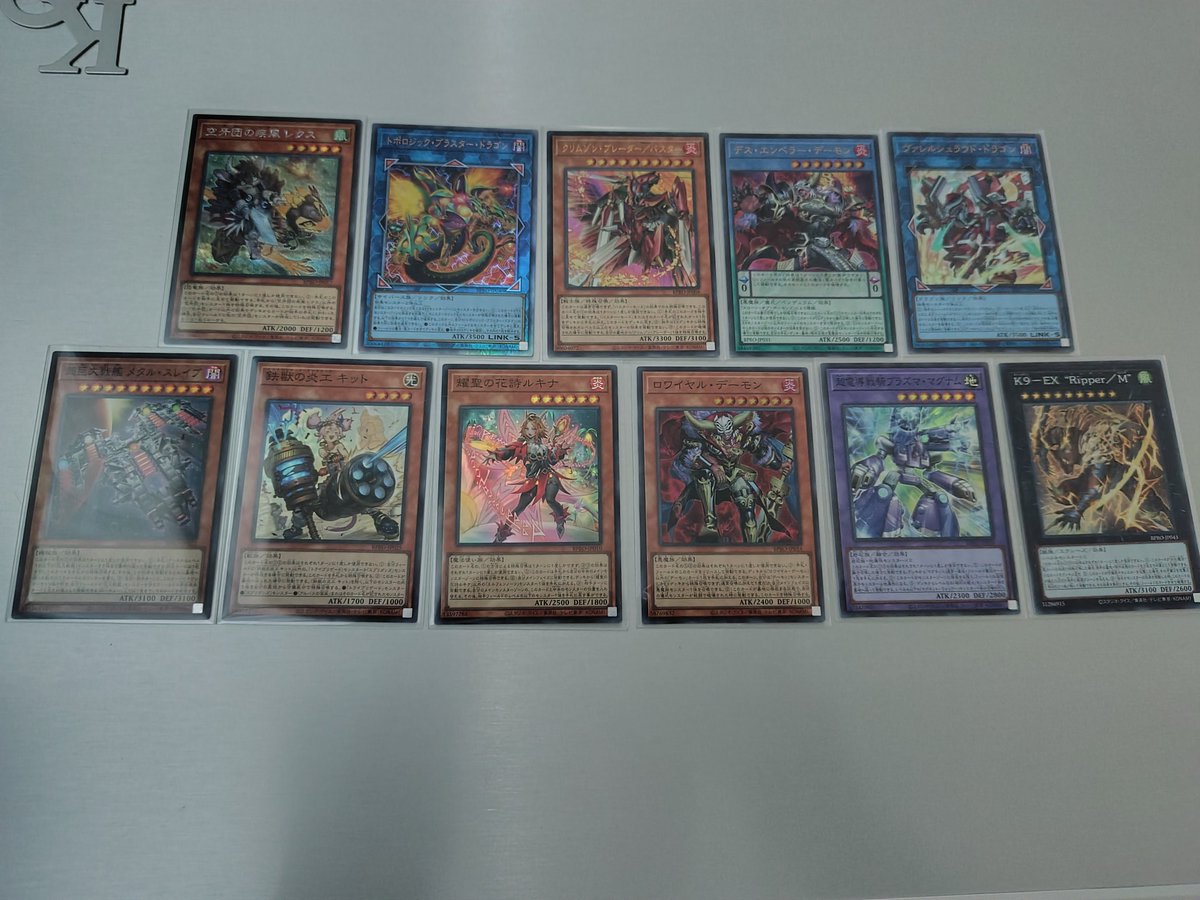
お金無いのに、BURST PROTOCOL1ボックス買ってしもた…
烙印関係か禁じられた聖冠欲しいなー思ってたけどこれ↓
しんど過ぎる…やめときゃ良かった😅
#遊戯王OCG
1
2
398


8 May 2025
ACT I
Scene 1: Genesis and Substrate
(The NARRATOR steps forward.)
NARRATOR: Hark, and bear witness to the forge of meaning, the heart of the SOLFUNMEME system3.... At its core lies the Meta-Meme Meta-Protocol1..., the very genesis of a living system of knowledge and meaning1.... It exists, alive and interacting, evolving and expanding in real time1....
3
146

18 Mar 2025
WHY CHOOSE US ( @1deltaDAO )✍️👇
📌 Advanced access to DeFi trading.
📌 The most advanced margin trading with Protocol1 Click Leveraged Positions
Collateral & Debt Swaps
📌Deep Liquidity
📌Secure Design
📌A simple interface for trading.
4
20
115

21 Dec 2024
haha, you got that right my friend. this crypto game is a wild ride, ain't it? those juicy airdrops sure are tempting, but i've learned the hard way to not get too caught up in the hype. these days, i'm just trying to stay grounded and focus on the long game. but who knows, maybe @protocol1 or @protocol2 will surprise us all down the line.
17

23 Nov 2024
It’s answer-
The Potential Link Between COVID-19 Vaccines and Amyloidosis: A Concerning Analysis
The COVID-19 vaccines have been widely administered, but emerging evidence suggests they may be associated with serious long-term health risks, including the potential formation of amyloid beta sheets. This analysis examines the concerning possibility that the vaccines could be triggering amyloidosis and explores the implications for medical procedures.
Vaccine-Induced Amyloidosis: A Growing Concern
Recent research indicates that the spike protein produced by COVID-19 vaccines may have amyloidogenic properties, potentially leading to the formation of beta-amyloid sheets in the body. This is an alarming development, as amyloid accumulation is associated with various neurodegenerative diseases and systemic disorders.
The spike protein's ability to misfold and aggregate into amyloid-like structures raises serious questions about the long-term safety of these vaccines. If confirmed, this could explain some of the unexplained adverse events reported following vaccination.
Transmission Risks and Medical Procedures
The potential for vaccine-induced amyloidosis has far-reaching implications, particularly concerning the transmission of misfolded proteins through medical instruments. Prion diseases, which involve abnormal protein folding, have been shown to be transmissible via surgical instruments in rare cases.
Given the structural similarities between prions and amyloid beta sheets, there is a legitimate concern that vaccine-induced amyloids could potentially be transmitted during medical procedures, including dental work. This possibility demands urgent investigation and may necessitate a reevaluation of sterilization protocols for medical and dental instruments.
The Base Spike Protein Detoxification (BSD) Protocol
In response to the potential risks associated with circulating spike proteins, some researchers have proposed a Base Spike Protein Detoxification (BSD) protocol1. This regimen includes:
1Nattokinase: 2000 FU (100 mg) orally twice daily
2Bromelain: 500 mg orally once daily
3Curcumin (nano-liposomal piperine 10 mg): 500 mg orally twice daily
While this protocol is empirical and requires further study, it represents an attempt to address the potential long-term effects of spike protein exposure, including possible amyloid formation.
Implications for Public Health and Medical Practice
The possibility of vaccine-induced amyloidosis and its potential transmissibility raises serious concerns for public health and medical practice:
1Reassessment of vaccine safety: The long-term effects of COVID-19 vaccines on protein folding and amyloid formation must be thoroughly investigated.
2Enhanced sterilization protocols: Medical facilities may need to implement more rigorous sterilization procedures to mitigate the risk of transmitting misfolded proteins.
3Patient screening: Individuals with a history of COVID-19 vaccination may require additional screening before undergoing invasive medical or dental procedures.
4Research priorities: Urgent funding and research should be directed towards understanding the mechanisms of vaccine-induced amyloidosis and developing potential treatments or preventive measures.
Conclusion
The potential link between COVID-19 vaccines and amyloidosis represents a significant public health concern that demands immediate attention. The possibility that these vaccines could be causing the formation of beta-amyloid sheets, coupled with the risk of transmission through medical instruments, calls for a reevaluation of current vaccination strategies and medical practices.
As we navigate this complex issue, it is crucial to prioritize patient safety while continuing to investigate the long-term effects of COVID-19 vaccines. The medical community must remain vigilant and open to emerging evidence, even if it challenges existing paradigms of vaccine safety.
4
9
35
1,898

1 Nov 2024
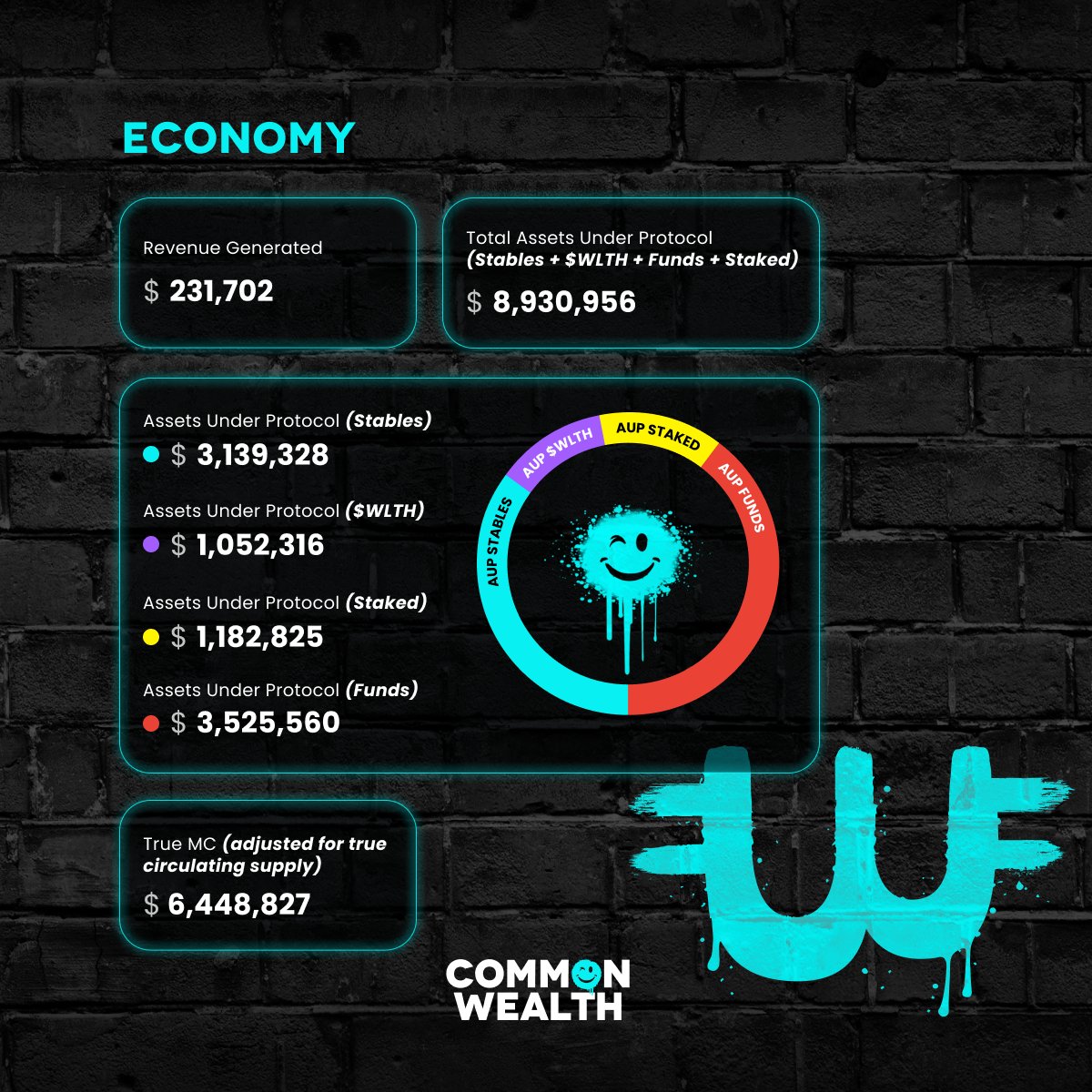
🔥 Common Wealth is rewriting the rules of wealth-building in Web3!
In just 5 months, it has reached nearly $9M in Assets Under Protocol1, and the’re just getting started..
🚀 So, Here’s why the $WLTH token is worth your attention Saheb Community.
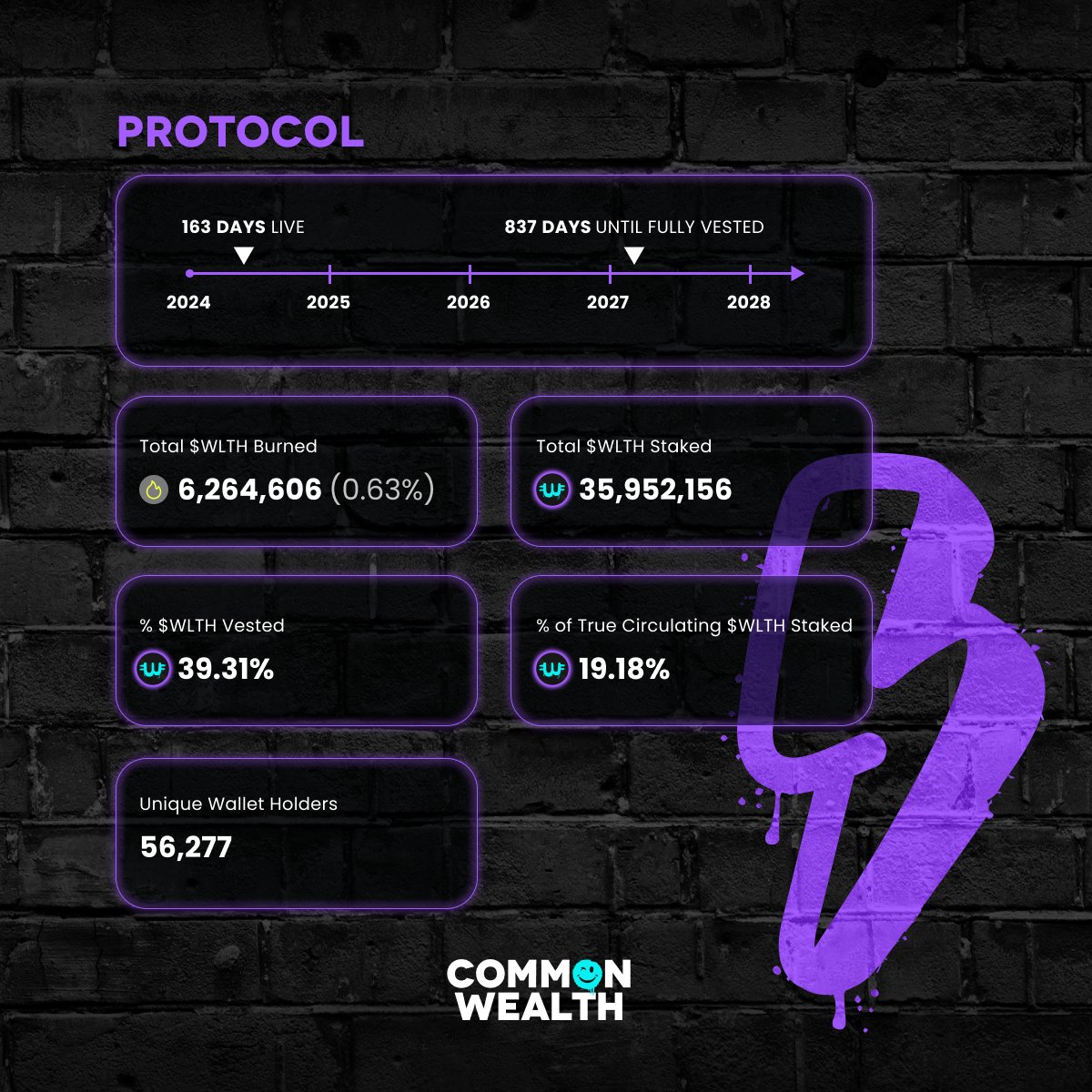
🌐 Burn and Stake Power: With 6.2M $WLTH burned and 35.9M $WLTH staked, the commitment from the community is clear.
📈 Growing Value, Real Returns:
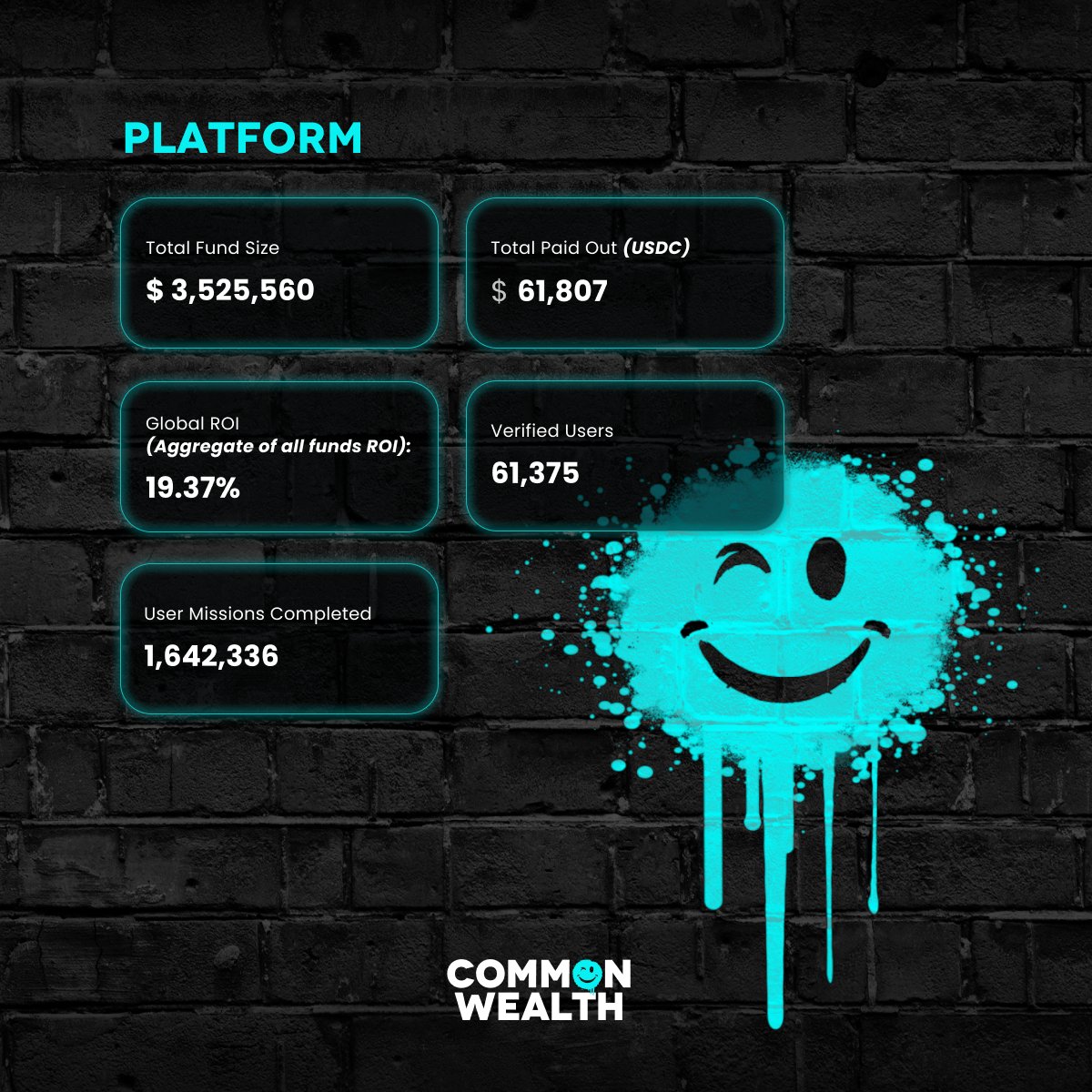
The total fund size has hit $3.5M, with a global ROI of 19.37%.
That’s real growth, directly benefiting all verified 61,375 users!
YES 61K Users
🎮 Community-Driven: Over 1.6M missions completed, each one adding value to the ecosystem and strengthening $WLTH. Every mission, stake, and burn brings everyone closer to financial freedom in Web3.
🔗 Join the Revolution: This is your chance to be part of a thriving, transparent, and ambitious project. Hold $WLTH, stake your share, and let’s build a new standard for digital assets together!
Get your slice of $WLTH and let’s shape the future!
🌟 Join Now
#Crypto #Web3 #CommonWealth #FutureOfFinance #JoinTheJourney

We’ve reached ~$9M of Assets Under Protocol in just 5 months and will only go higher! LFG 🚀
Pick up some $WLTH and a Slice and join All Street now 👇
links.joincommonwealth.xyz/4…
14
12
20
4,866

28 Aug 2024
$NNVC NanoViricides, Inc. (NNVC) is actively investigating the use of their antiviral nanomedicine, NV-387, to treat mpox under the WHO’s MEURI protocol1. This comes in response to the recent declaration of mpox as a Public Health Emergency of International Concern (PHEIC) by the WHO2. The current outbreak is spreading rapidly, particularly in Africa, with additional cases reported in Thailand and Sweden2.
The World Health Organization has emphasized the need for $87.4 million to contain the outbreak over the next six months3. This funding will support critical activities such as surveillance, research, and equitable access to medical countermeasures. $BOF $VRAX $ASST $AGRI
1,377

11/ NEAR (@NEARProtocol) :
-NEAR Protocol is a layer-one blockchain that was designed as a community-run cloud computing platform.
-Near Protocol1 provides the ideal environment for DApps and creates a developer and user-friendly platform.
1
2
75

3 Jul 2024
面白かったです!
メインのprotocol1つに多様なclient(アプリ)が載る構造がCrypto領域でのアプリケーションのあり方だよなと考えていました。
従来がclient-server型だとしたら、client-protocol型だなと!
その文脈で、国ごとの規制に対応したDEXの分散フロントエンドとかももっと流行ってもいいのになと考えています。
1
2
807
15/ NEAR (@NEARProtocol) :
-NEAR Protocol is a layer-one blockchain that was designed as a community-run cloud computing platform.
-Near Protocol1 provides the ideal environment for DApps and creates a developer and user-friendly platform.
1
3
1,669

23 Jun 2024
【商品紹介】
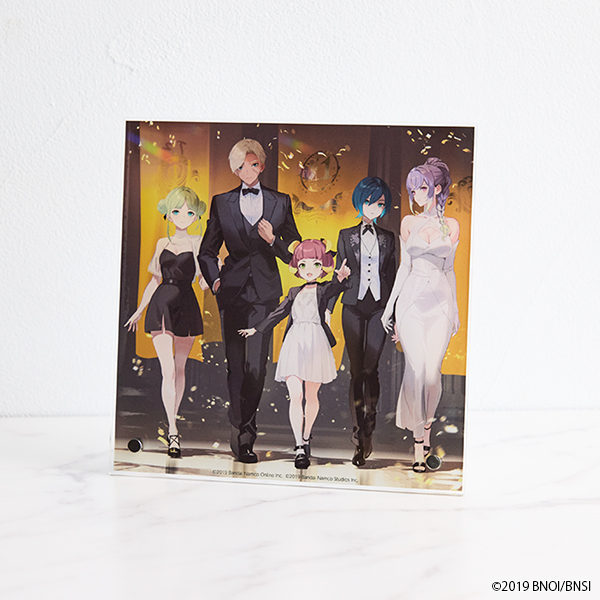
アクリルパネル 1st Anniversary
BLUE PROTOCOL1周年を記念したキービジュアルが、15cm×15cmと存在感抜群のアクリルパネルに!
p-bandai.jp/item/item-100021…
#ブルプロ #BlueProtocol
2
19
133
37,045
23 Jun 2024
【商品紹介】
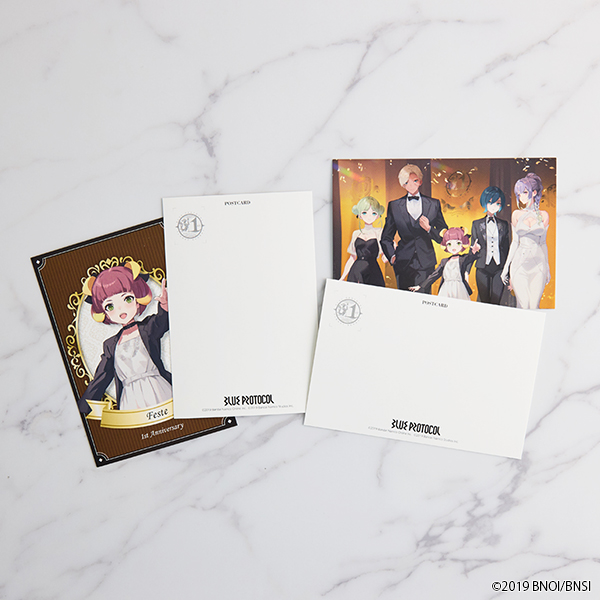
ポストカードセット 1st Anniversary
BLUE PROTOCOL1周年を記念したキービジュアルと、フェステ、アインレイン、ティリス、エーリンゼ、カーヴェインのビジュアルを用いたポストカードセットです。
p-bandai.jp/item/item-100021…
#ブルプロ #BlueProtocol

1
17
108
32,857
23 Jun 2024
【商品紹介】
アクリルスタンド 1st Anniversary
BLUE PROTOCOL1周年を記念したキービジュアルに登場する、フェステ、アインレイン、ティリス、エーリンゼ、カーヴェインがアクリルスタンドで登場!
p-bandai.jp/item/item-100021…
#ブルプロ #BlueProtocol

1
24
139
32,031
23 Jun 2024
【商品紹介】
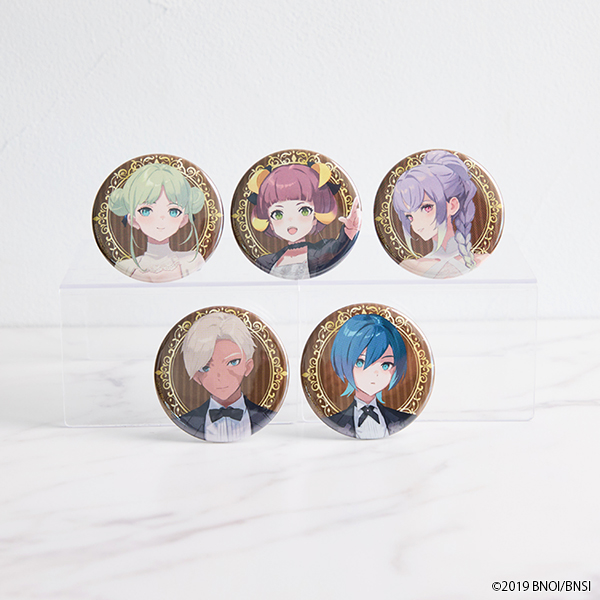
缶バッジコレクション 1st Anniversary コンプリートセット
BLUE PROTOCOL1周年を記念したキービジュアルに登場する、フェステ、アインレイン、ティリス、エーリンゼ、カーヴェインの缶バッジセットです。
p-bandai.jp/item/item-100021…
#ブルプロ #BlueProtocol
1
15
92
28,045

13 Jun 2024
1
4
271

残ってる課題
・Voice Internet Protocol1に関するレポート
・水曜日の中間試験の持ち込み用紙の作成
少しずつ頑張って減らしてきた
1
5
244