LATE BLOOMER 🪷🪷🪷🪁 retweeted

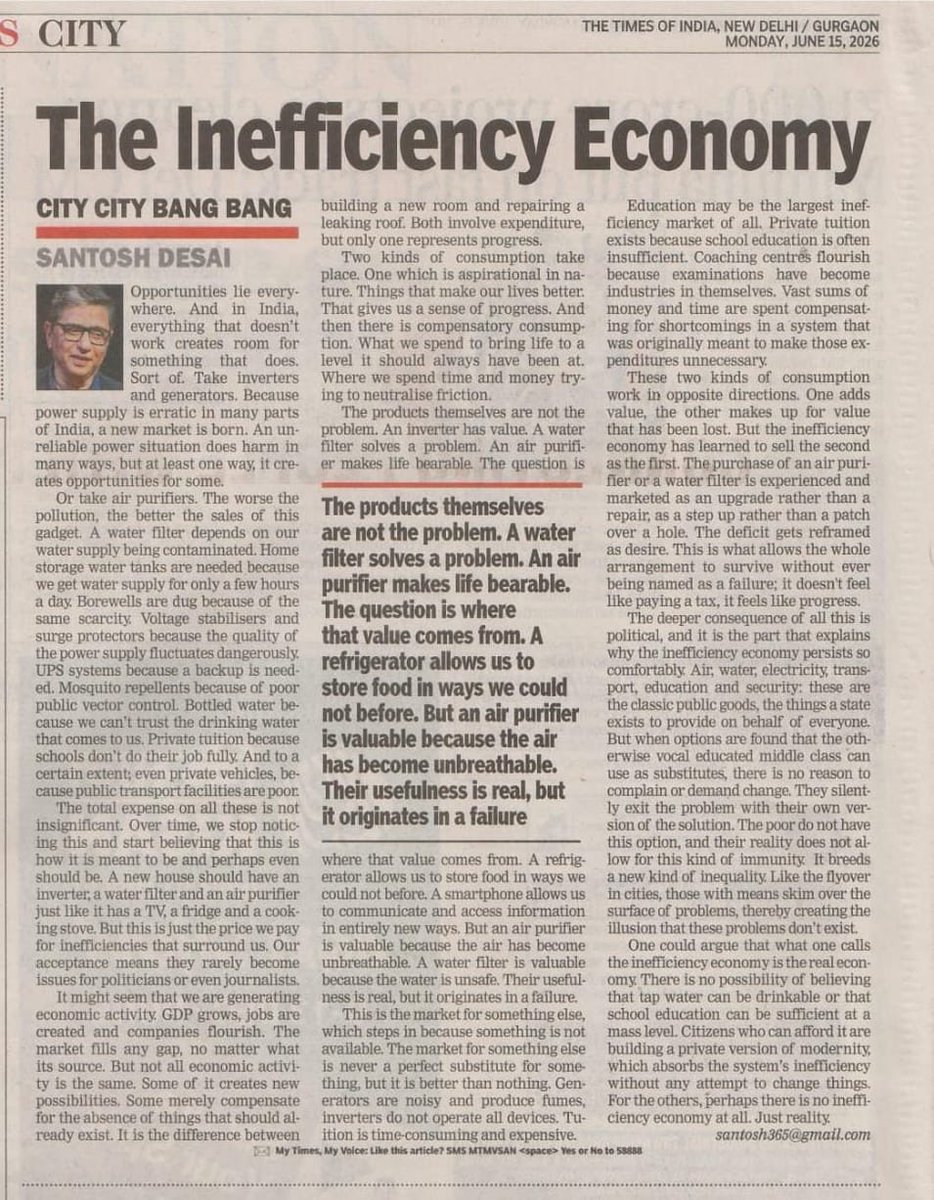
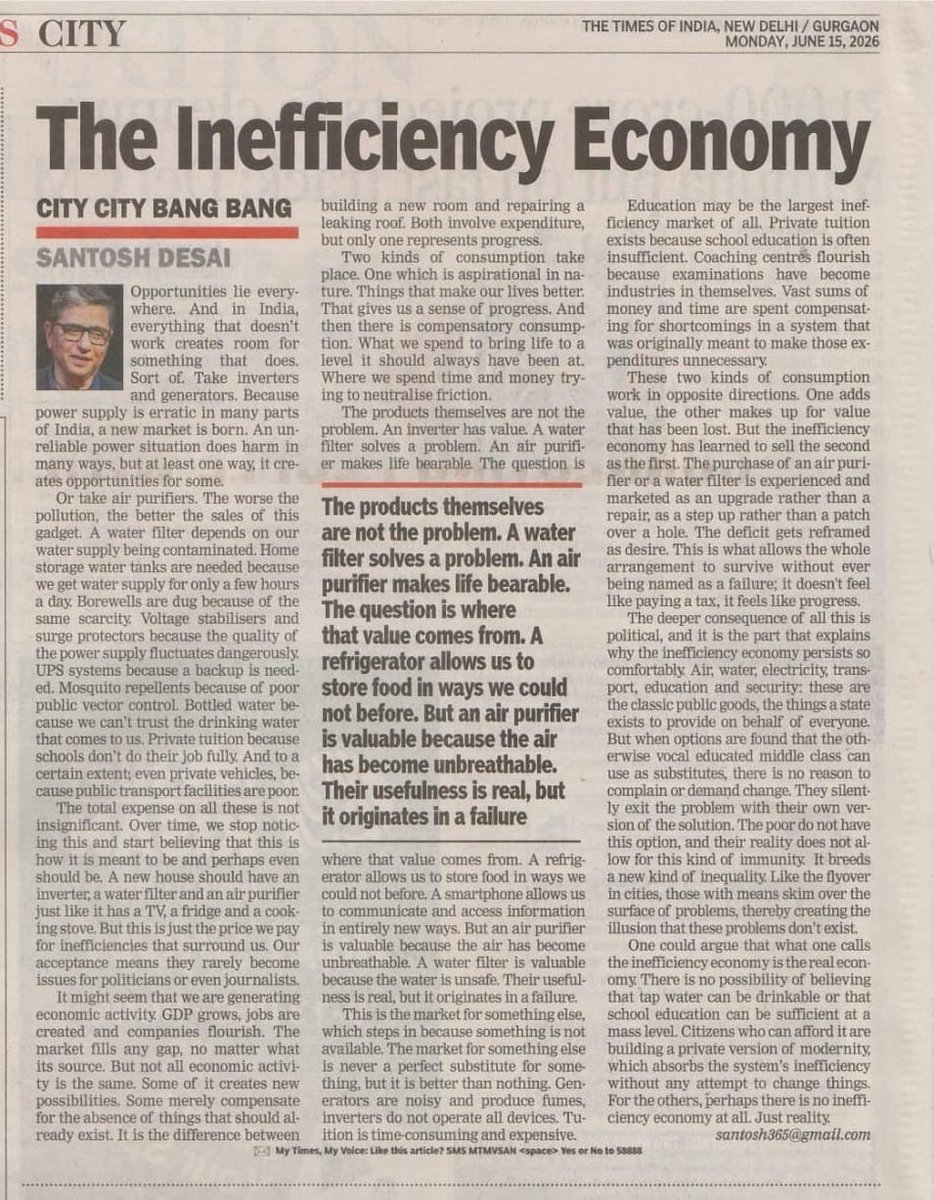
Inverters, generators, air purifiers, water filters, storage tanks…so much of what we buy is a compensation for inefficiency. On the Inefficient Economy. Today in the TOI
20
155
429
13,144
͏Postcards4USA 🟧 retweeted

Oncologists say they run air purifiers to reduce respiratory infections and end up in hospital less.

Oncologists describe the changes they've made in their own houses to reduce their daily exposure to chemicals, pollutants, and carcinogens.
time.com/article/2026/06/03/…
38
256
5,180

I know it’s odd for medical staff not to mask but it severely annoys me that my brother, who constantly gets it, won’t at all inside a hospital. I’m going to have to mask at home and run purifiers for a while.
1
5

"The Inefficiency Economy" by Santosh Desai (Times of India)
Opportunities lie everywhere. In India, everything that doesn’t work creates room for something that does. Inverters, water filters, air purifiers, voltage stabilisers — these are not luxuries. They are bandaids on a broken system.
The products themselves are not the problem.
A water filter solves a problem.
An air purifier makes life bearable.
A refrigerator allows us to store food in ways we could not before.
Their usefulness is real, but it originates in a failure.
We are spending money trying to neutralise friction instead of building real progress. We have normalised paying a tax just to live decently — unreliable power, contaminated water, unbreathable air, poor public services.
This is the deeper inefficiency: an entire economy thriving on compensating for what should already exist.
We keep buying solutions to problems that shouldn’t exist in the first place.
What if we fixed the root instead of glorifying the workaround?
#sustainability #India #InefficiencyEconomy #ThinkDeep
1
5

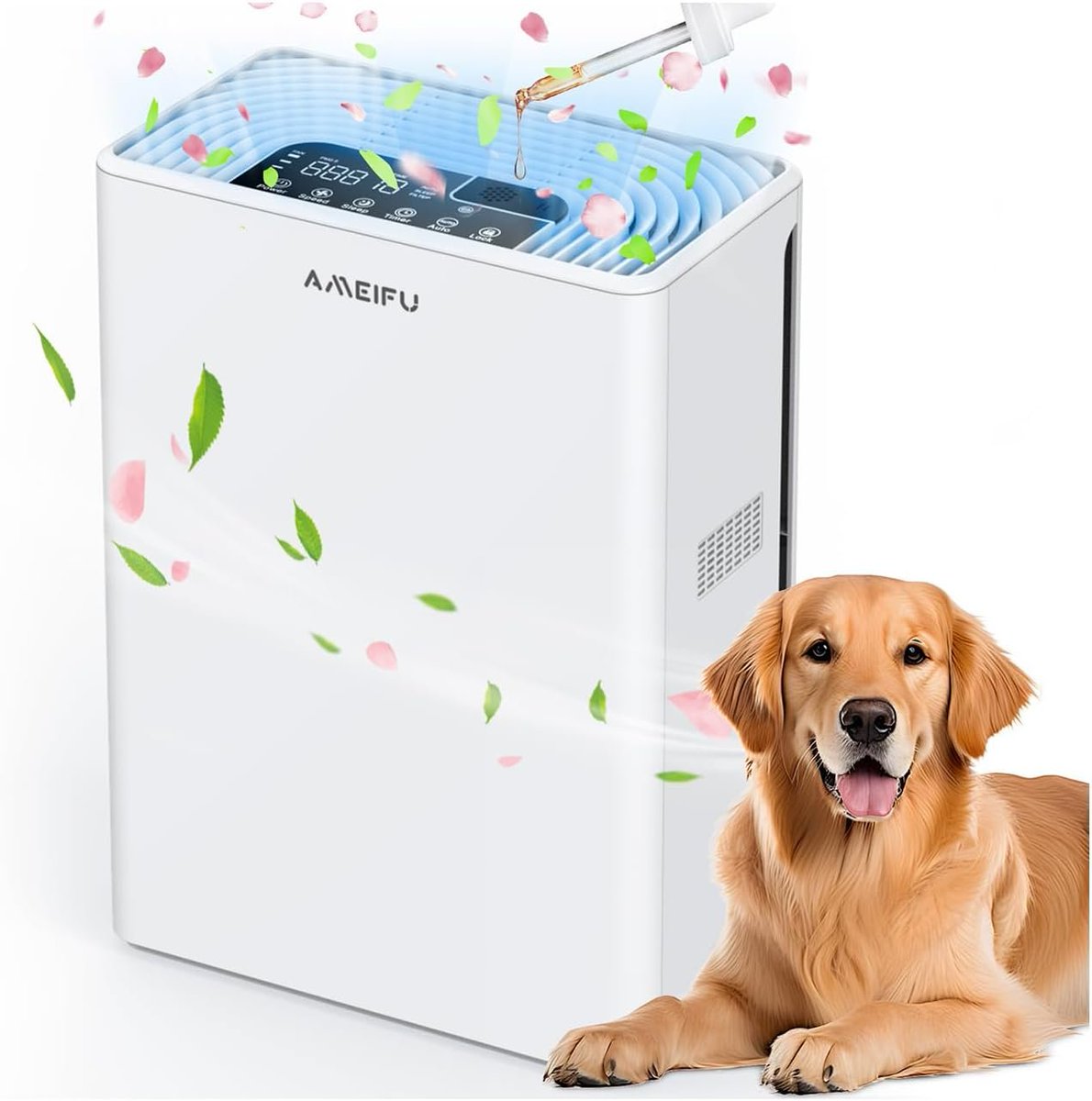
AMEIFU Air Purifier for Home Bedroom Dorm, Large Room 2300 Ft², HEPA Air Purifiers for Home Pets with Fragrance
$45.00 (reg.$69.99)
amzn.to/4vae6kB #AD
20

as an enviromental engineer myself, this air purifier is just a cheap way to make more money
plants can filtrate, but they work really slowly and inefficient at filtering the air compared to actual air purifiers.
and putting it inside a glass jar doesnt make it even better
1
21