
FEMALE NAMES:
Pastoria
Ewegenia
Woolhelmina
Ewelaila
Meadow
Baabs
Ewelissa
Ewenice
Baabie
MALE NAMES:
Woolliam
Ramses
Ramon
Rambo
Aries
Wooly
Woolson
Woollis
Woolfred
7


Me da que lo de las joyas de ZP es como lo del ajuar funerario de Tutankamon comparado con el de Ramses II
Ahora quiero saber que se ha regalado a los ministros, especialmente a Bono y a Pablo Iglesias

Sebastián defiende a Zapatero mostrando las joyas que le regaló el rey de Arabia Saudí. theobjective.com/espana/poli…
2
9
19
225

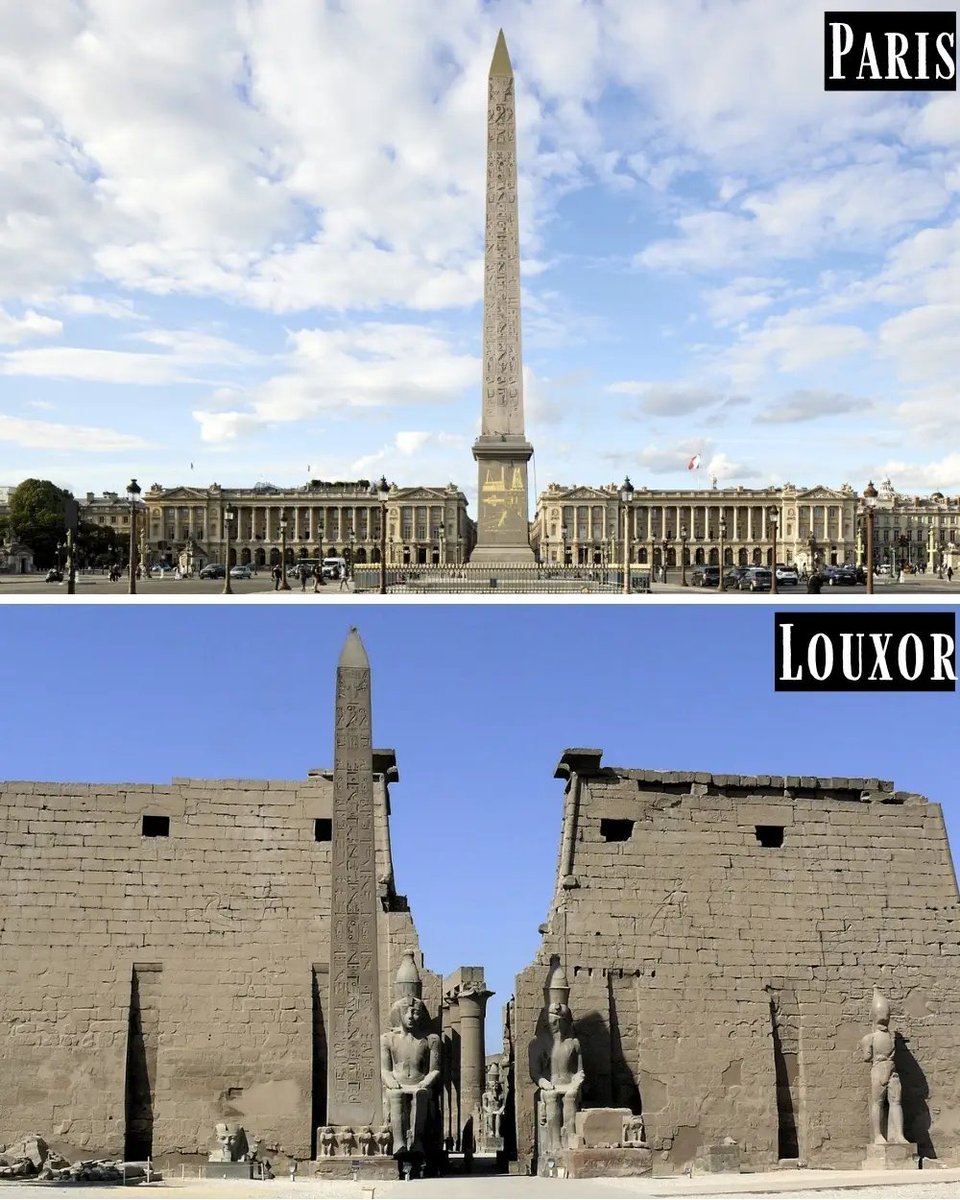
The obelisk standing at the center of the Place de la Concorde is 3,300 years old. It was already ancient before Paris existed.
Pharaoh Ramses II had it carved in the 13th century BC and placed at the entrance of the Luxor Temple in what is now southern Egypt. There were two of them. They stood at the temple gates for over 3,000 years until France decided it wanted one.
In 1829, Egypt's ruler Muhammad Ali offered one obelisk to France as a diplomatic gift. Moving it was a different problem. A custom flat-bottomed barge called the Louxor was built specifically for the job, its dimensions calculated to clear every bridge over the Seine. The obelisk was laid on its side, loaded onto the barge, and transported across the Mediterranean, up the Atlantic coast, and into Paris via the Seine. It arrived in December 1833. It took until 1836 to raise it into place.
King Louis-Philippe chose the Place de la Concorde deliberately. Just decades earlier, that same square had been the site of the guillotine. More than 1,100 people were executed there during the French Revolution, including Louis XVI and Marie Antoinette. A 3,300-year-old piece of Egyptian stone from a pharaoh's temple was, in his view, a more neutral presence than any symbol of the French monarchy.
The twin obelisk never moved. It still stands in front of the Luxor Temple today, in the exact position where Ramses II placed it.
1
3
18
565
Ramses Sandoval ©️ retweeted

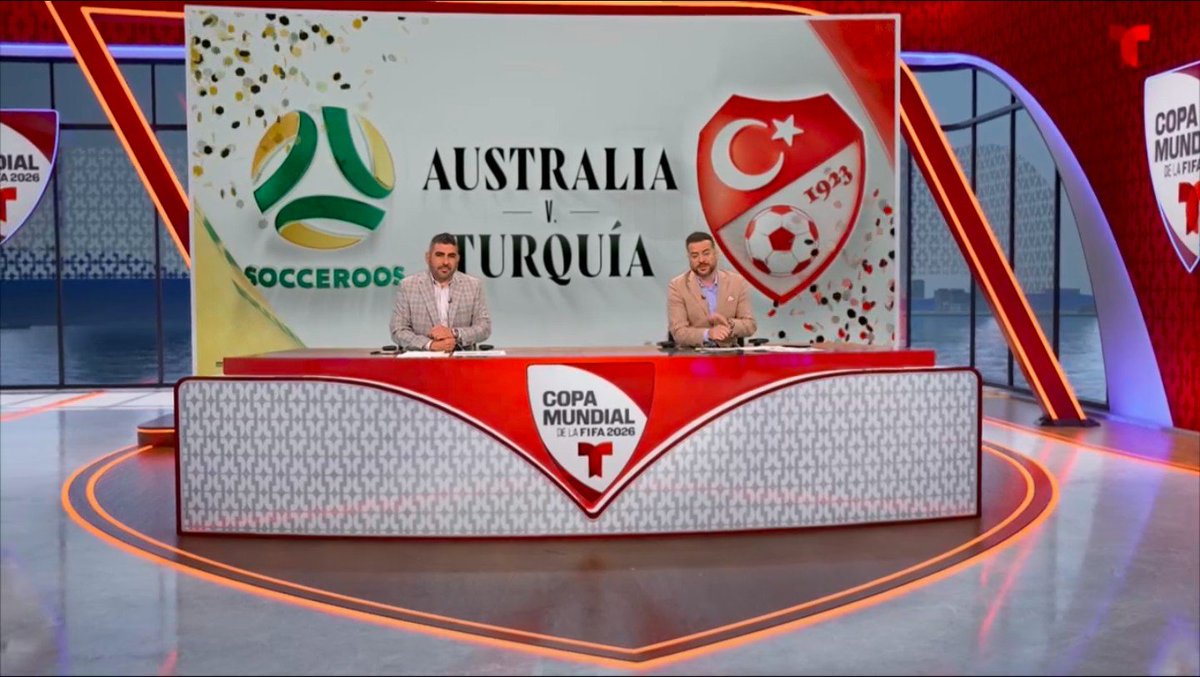
¡Qué padre verte ahora en Telemundo, Ramses Sandoval! @RamsesSandoval Narración de lujo hoy para el Australia vs Turquía amzn.to/4ooplU4 Copa Mundial FIFA 2026
2
2
79
Ramses Sandoval ©️ retweeted

@RamsesSandoval buenas noches don ramses y para tod@s feliz viendo en telemundo Copa Mundial 2026 Australia vs Turquia atte : fernando puerta soy colombiano vivo en washington dc la capital de u.s.a.
1
1
150
Jose retweeted

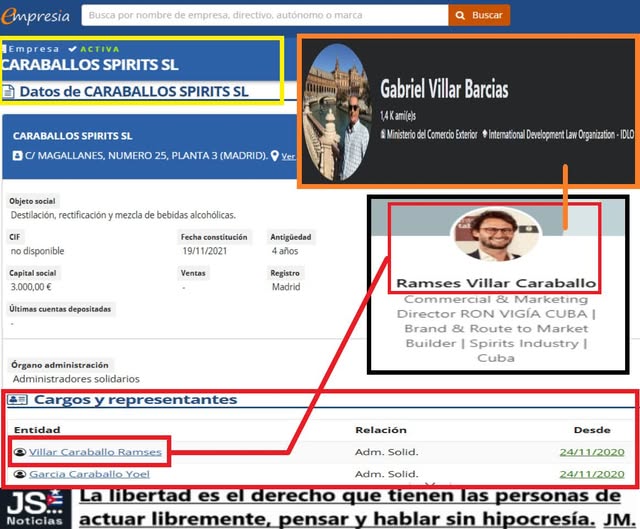
Segunda empresa vinculada a Ramses Villar Caraballo, hijo de un alto funcionario del MINCEX-Cuba: Gabriel Villar Barcia.
Ramses administra la empresa española: CARABALLOS SIPRITS SL.
Y el humilde resistiendo hambre y apagón en Cuba.
Esto es lo que hay que defender??
1
43
55
438


@jorge_cris18370 Permíteme darle la agilización correspondiente a tu caso con tus comentarios.
Ramses S.
1
3
Hola @jcmrock101, buenas noches, es un gusto saludarte. Te informamos que hemos creado un caso para tu inconveniente, nos pondremos en contacto contigo para brindarte asistencia personalizada.
Ramses S.
1
11

Mdrrrr ce bouffon leur a sorti sa croix en se prenant en templier alors qu’elles s’en battent littéralement les couilles de sa gueule et sa religion, Hossam t’es vraiment la plus grosse merde des immigrés, parce que n’oublie jamais que tu n’es et ne sera jamais français Ramses
64

Okay, I need some help. I am looking to get coaching, but I don't know who I should get to coach me? Esam could help with Brawler stuff, but maybe someone like Ramses would be better at helping me improve as a player. Any suggestions?
2