
I regularly state that Israel first pieces of shit like @RepFine are the best recruiting tools white nationalists have had in decades. This news story has been another such tool. It's basically the equivalent of the Reginald Denny video playing on a loop. Good job Jews! 👍
1

In this first clip from Dr. Reginald Coopwood's speech, he shares the story behind how the deal came together—offering valuable insights into leadership, collaboration, and the power of strategic partnerships to drive meaningful community impact
Local Expertise. Global Reach.
1
OldStuffFan retweeted

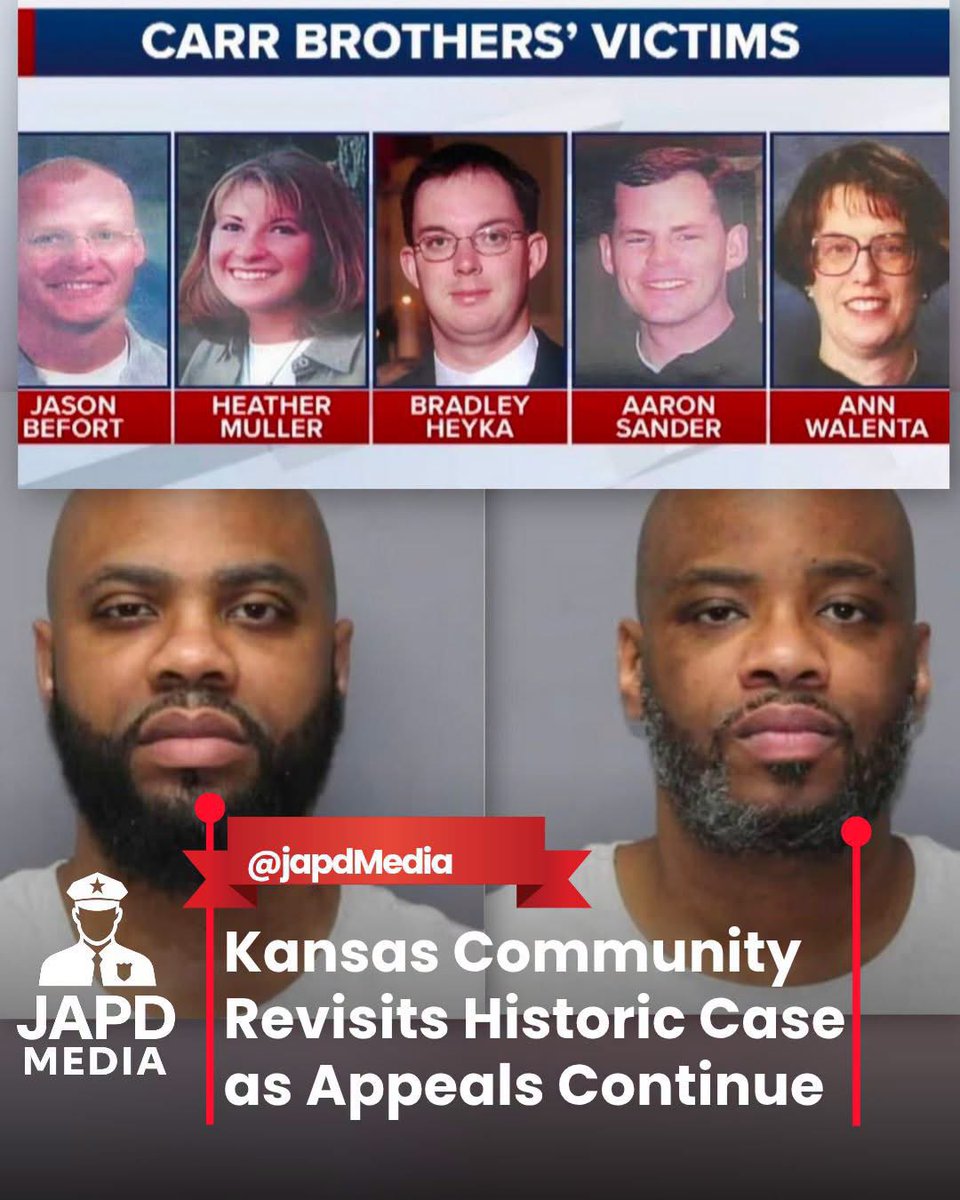
🚨 Never Forget the Wichita Horror: Carr Brothers Massacre
In Dec 2000, Jonathan & Reginald Carr invaded a Wichita home. Armed with guns & clubs, they robbed, tortured, and sexually assaulted 5 young friends for hours.
Then they drove them to a snowy field and executed them.
4 murdered: Aaron Sander (29), Brad Heyka (27), Jason Befort (26), Heather Muller (25). One survivor (H.G.) thanks to a hair clip deflecting the bullet.
Convicted in 2002 — now on death row, actively seeking clemency.
Victims’ families: NO mercy.
The monsters showed none.
Justice must be served.
Stand with the families! 👇
#WichitaMassacre #CarrBrothers #JusticeForVictims #Kansas #DeathPenalty
252
1,098
1,618
17,321


"BECAUSE HE IS SHIT !!!!!!!!!!!!!!!!!!!!!!!!!!!!!!!!!!!!!!!!!!!!!!!!!!!!!!
LAZY ASS IS SITTING IN THAT HOTEL ROOM DOING NOTHING.
REGINALD AND DOROTHY KEITT WILL CHARGED BECAUSE THEY EONT OVER THERE TWICE LAST MONTH AMD WAS THE LAST TIME .
THEY NEED TO BE CHARGED!!!!!!!!!!!!"

4


Sorry for late reply anon! First off, thank you so much hehe. I appreciate it ^_^
Second, I wouldn't say I'm nonsharing! I'm cool with doubles! b
But I do feel uncomfortable at the idea of Thorned Apart Reginald being yume'd.. if that makes sense

2
19
'TOLD REGINALD AND DOROTHY KEITT TO FOTO HELL !!!!!!!!!!!!!!!!!!!!!!!!!!!!!!!!!!!!!!!!!!!!!!!!!!!!!!!!!!!!!!!!!!!!!!!!!!!!!!!!!!!!!!!!!!!!!!!!!!!!!!!!!!!!!!!!!!!!!!!!!!!!!!!!!!!!!!!!!!!!!!!!!!!!!!!!!!!!!!!!!!!!!!!!!!!!!!!!!!!!!!!!!!!!!!!!!!!!!!!!!!!!!!!!!!!!!"

3


3
JGP Football 🏈 retweeted

Jun 15
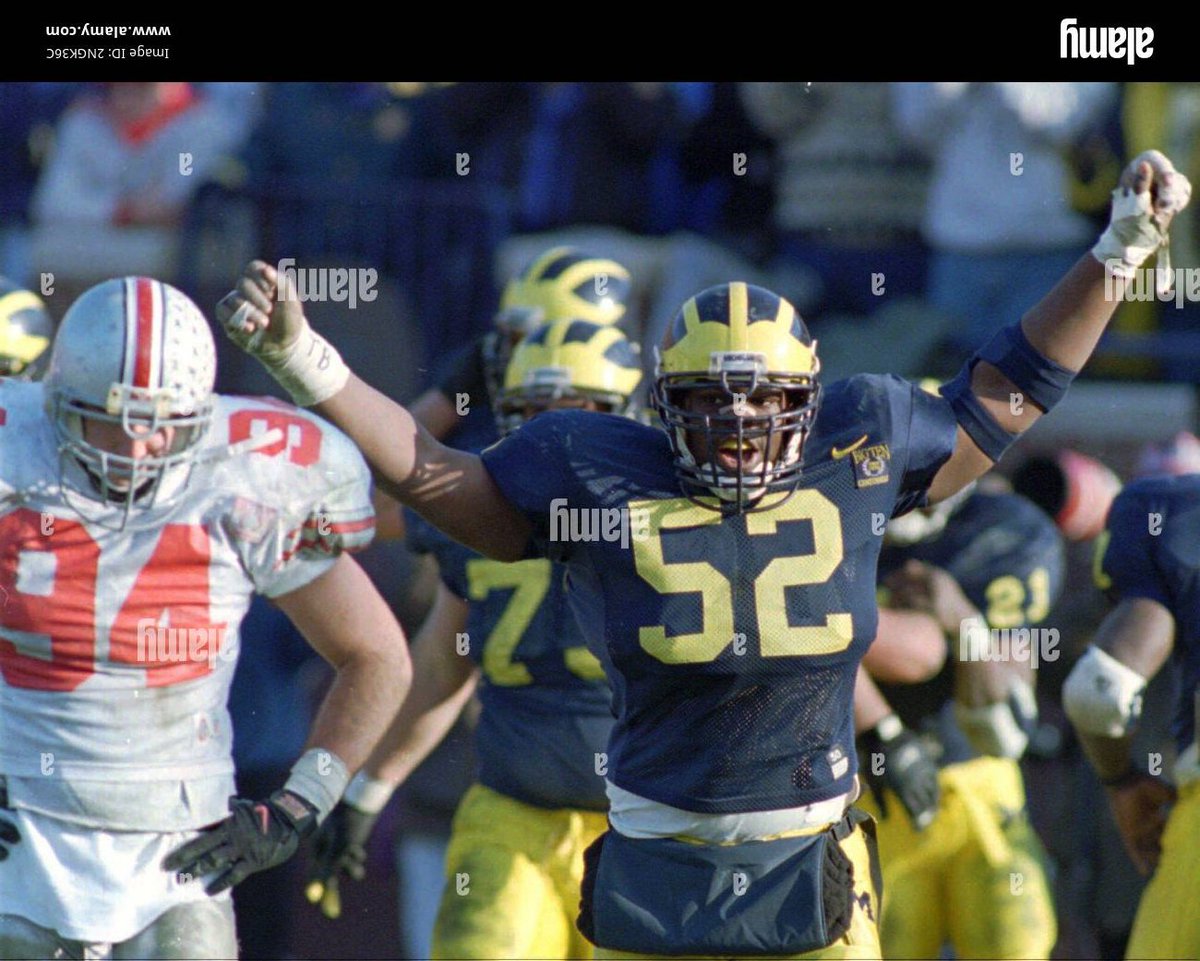
🥳 Happy birthday to Rod Payne.
On this date in 1974....
Reginald Gerald Payne was born. Payne attended Killian High School in Miami, Florida before committing to the University of Michigan.
〽️ 1992 - 1996
Offensive Lineman
#52 & 64

1
2
34
625

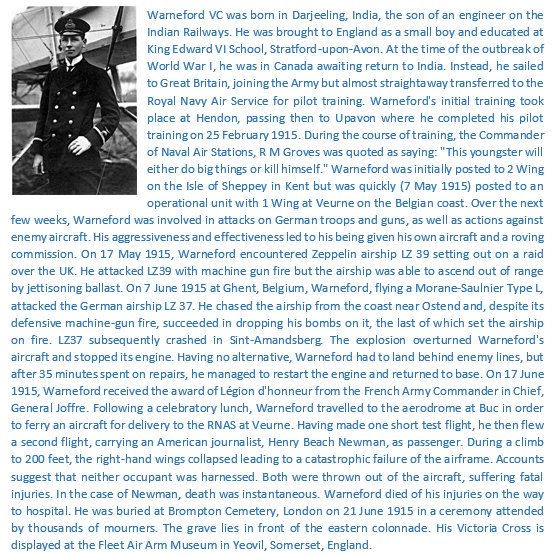
Killed in a flying accident 17 June 1915. Sub-Lieutenant Reginald Alexander John Warneford (b. 15 October 1891). Royal Naval Air Service officer and Victoria Cross recipient. Killed with his passenger, American journalist H.A. Needham, in the crash of a Henri Farman F27.
1
5
319

#BoltonComedyFestival is back! 😆🎉 Catch Rachel Fairburn, Lucy Porter, Ed Byrne, Lucy Beaumont, Reginald D Hunter more at Octagon Theatre.
📅 8–21 July 2026 | 📍 Octagon Theatre
🩷 Plan your visit: visitbolton.com/event-listin…
#WhatsOnBolton #ComedyFestivals #BoltonFestivals

1
1
23

look like straight reginald but cool nonetheless😂


5


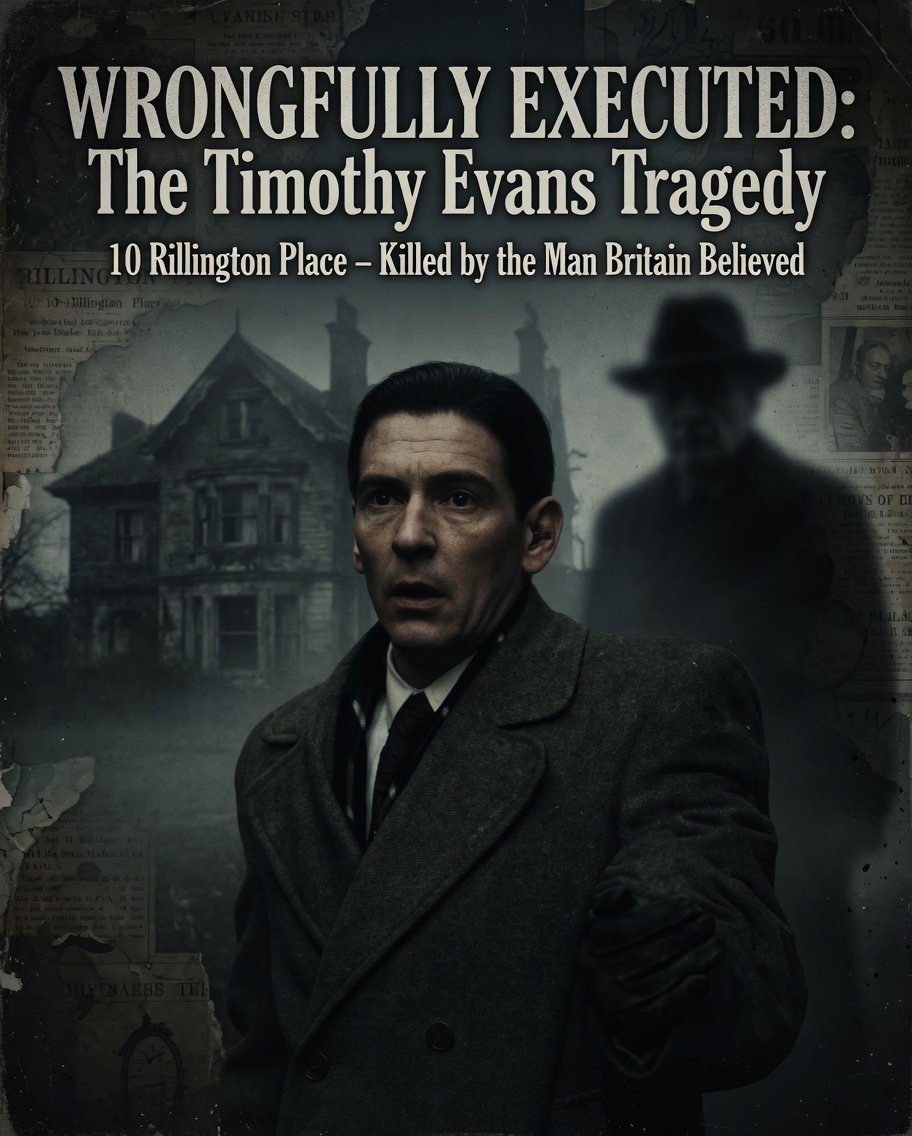
🌍🇬🇧"One of Britain's darkest miscarriages of justice: The story of Timothy Evans, who died for the murders of a serial killer"..
In the heart of post-war London, in the poor district of Notting Hill, a tragedy occurred that shook the foundations of British justice. Timothy Evans, a young truck driver from Wales, was hanged in 1950 for the murder of his wife Beryl and young daughter Geraldine. Three years later, it turned out that the real culprit was his downstairs neighbor - the inconspicuous John Reginald Christie, one of the worst serial killers in British history. This case became a symbol of the failure of the system that sent an innocent person to death.
Timothy Evans was a simple man with a low education and limited intellectual abilities. He lived with his wife Beryl and daughter Geraldine in the attic apartment of number 10 Rillington Place. Their neighbor Christie was a respected gentleman - a former policeman and civil servant. When Beryl became pregnant and wanted an illegal abortion, she turned to him. Christie, posing as a medical expert, offered to “help” her. Instead, he murdered her.
Evans, devastated and confused, went to the police and initially admitted that his wife had died after the abortion. He later accused Christie. The police rejected his version. During the interrogations, which were conducted under great pressure, Evans changed his statement several times. The jury at the Old Bailey did not believe him. The key witness for the prosecution was Christie himself, who denied any involvement and described Evans’ arguments with his wife. The trial lasted only three days, with the jury deciding in forty minutes. Evans was found guilty of murdering his daughter (he was tried separately for his wife) and was hanged at Pentonville on 9 March 1950.
In 1953, everything changed. The new tenants of the house discovered the decomposing bodies of women hidden in the walls, under the floor and in the garden. Christie, who had already killed several women in front of the Evans family, was arrested, confessed to the murders, including Beryl and Geraldine, and was hanged himself in July 1953. The police failed tragically in their initial investigation – they missed the bodies in the house.
The first official inquest in 1953 still confirmed Evans' guilt, but the public and journalists (notably Ludovic Kennedy in his book "10 Rillington Place") fought on. It was not until October 1966 that Evans was granted a posthumous royal pardon. In 2003, an independent report by Lord Brennan definitively confirmed that Evans was innocent of both charges – there was no evidence against him and that Christie had committed the murders. The family was awarded compensation.
The Timothy Evans case exposed deep systemic problems: overconfidence in "decent" witnesses, weak protection of the accused, inadequate forensic work and the danger of the death penalty. Along with other miscarriages of justice, it contributed to the restriction and eventual abolition of the death penalty for murder in Britain in 1965. It remains a warning to this day of how easily justice can fail.
Sources:
- Official Parliamentary Records and Inquiries (Hansard)
- Ludovic Kennedy's book "10 Rillington Place"
#Miscarsion #TimothyEvans #RillingtonPlace
1
138

If you’re ever in Baltimore you should check out the Reginald F. Lewis Museum of African-American history. Great portraits of Civii Rights leaders
17

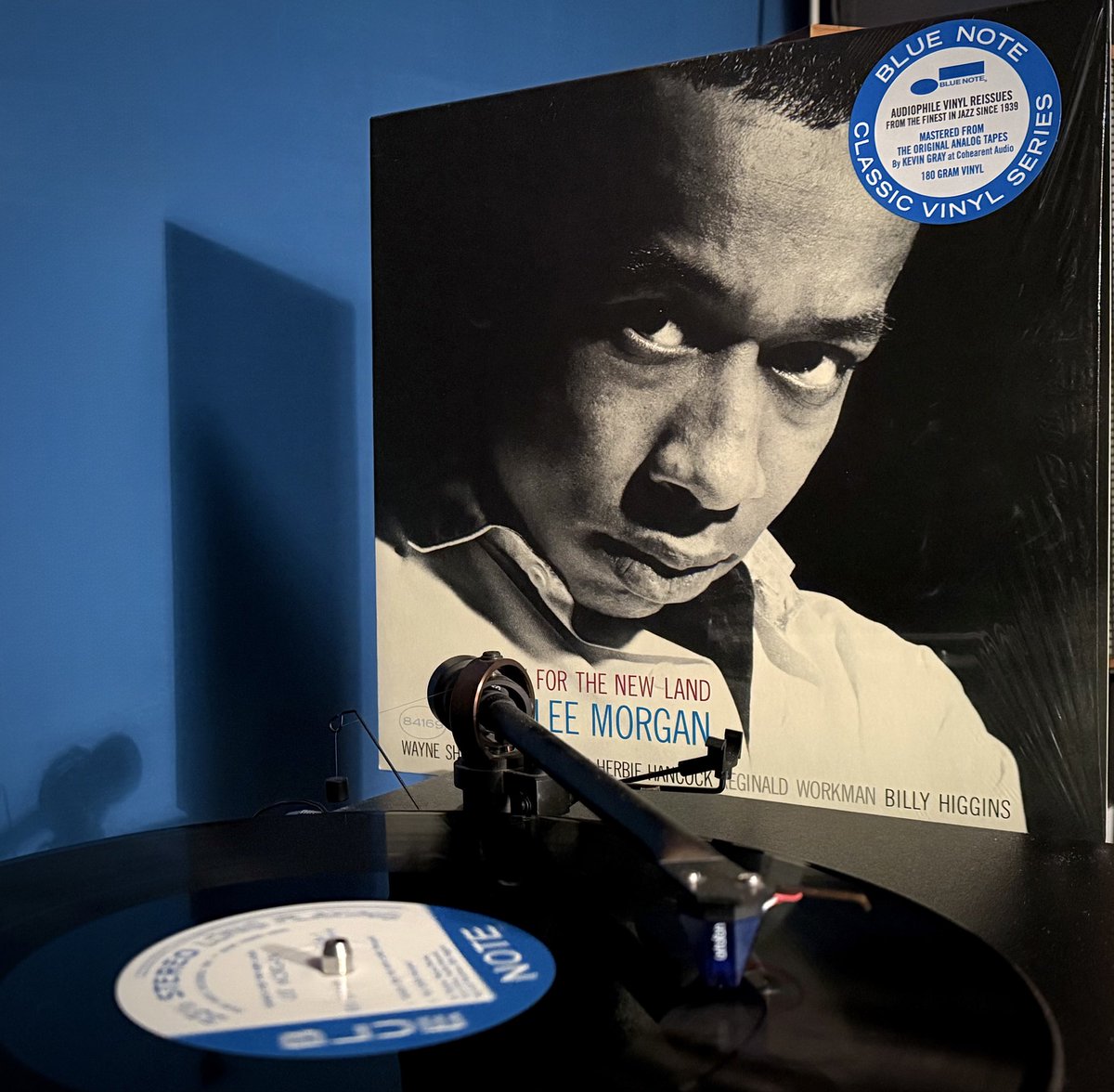
Lee Morgan - Search For The New Land
feat. Wayne Shorter, Grant Green, Herbie Hancock, Reginald Workman, Billy Higgins
1966 @bluenoterecords
Now playing jazz on vinyl
1
9
76
2,059