
[Replay] 🇨🇮 La Revue de presse de RTI 1 du 10 juin 2026 présentée par Carine Agora #RTIi
youtu.be/G7zu-cAXIls
171


Apr 27
Anticipate, dacă castigata AUR, atunci jos cu PSDan, si sa faca guvern sa il puna pe CG presedinte si gata. Bag p*** in m*rtii lui de neasumat, de om al pacii!
Daca nu castiga AUR, atunci sa piardă si PSD!
3
56

In Irlanda este de 20% , de aia multi romani nu se mai intorc acasa din cauza mafiei de la putere care taxeaza tot ce prinde in m@rtii lor de jigodii.
2
26
Apr 7
Sa pe pipi pe m*rtii vostri de dobitoci, de paraziti, de asistati sociali. Mars in mm in Rusia, acolo cel putin nu ai internet.
1
2
25

Apr 1
Ai avut impresia, ca acest pedofil este in stare de ceva? Cel mai bun la toate, ne-a facut cu ou si otet, ca ei sunt cei mai tari, iar cand ii platesti in aceiasi moneda, nu este bine. Sa invere in m*rtii lui sa respecte, si o sa fie respectat.
1
7
151

Apr 1
Mi'am făcut calculele pentru vacanța de Paști. N'am mai făcut total la final, ca să nu înebunesc cu creierii capului când văd câți bani din munca mea îmi sunt luați din buzunar, cu japca, de BoloDAN*.
*rtii măicuței voastre de hoți!
2
3
46
659

AY YOKA RTII AGLIOM

3
56
21 Sep 2025
Imi cer scuze pentru ortografie, 'rtii mamii lui de autocorect ca a facut varza textul!😞
9
212

11 Sep 2025
Cine m/rtii lui e cap de poola asta? Are toate atuurile de prst. Fata de 💩 si nici nu stie sa vorbeasca cursiv. Marsh mah de mizerie penala!
4
32

8 Sep 2025
"Experții Băncii Mondiale au descins în România. Au cerut reforme speciale pentru creșterea economiei și modificări în companiile de stat"
Cine m*rtii lor sunt aia de la Banca Modiala ca sa vina cu pretentii in Romania?!
M@R$ ma va.luam cu furcile!
1
3
7
98
11 Aug 2025
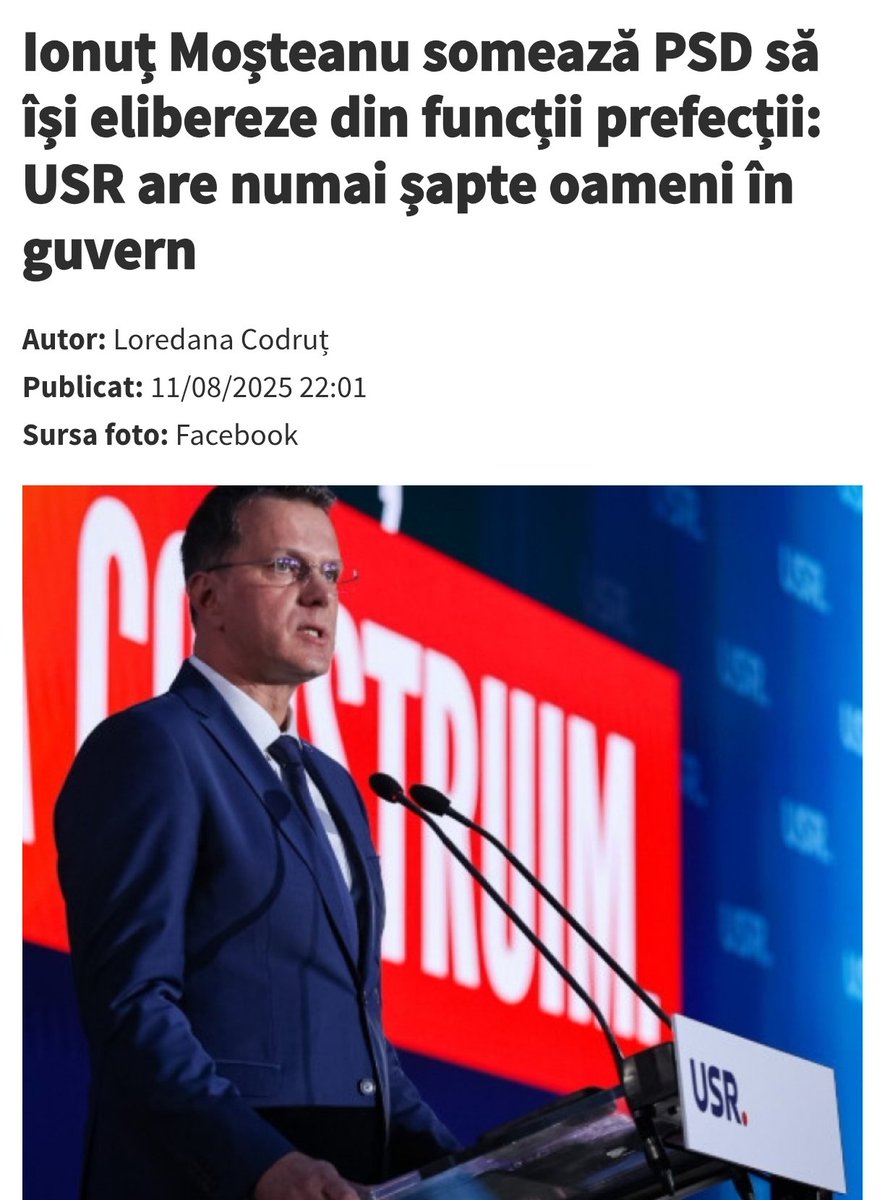
Cum M*rtii m*sii sa vrei functii cu 12% din 50% populatie la vot?!🤣
Astia nu au rusine deloc...
In acest moment PSD este mai jos decat o c*rv*🤣
2
2
15
666
25 Jul 2025
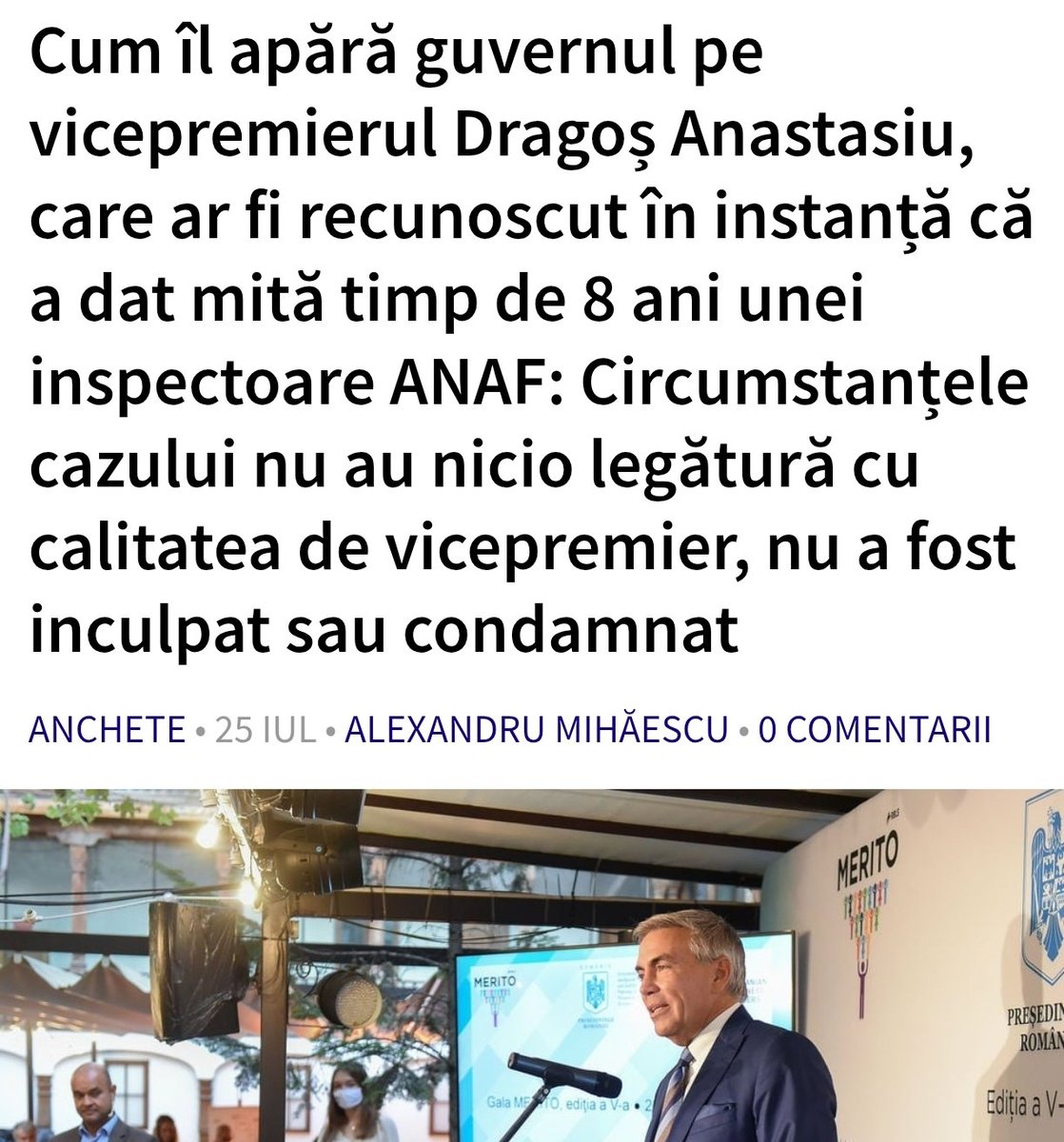
Statul Roman ne spune asa:
"Un om care a recunoscut ca a fost vi*lat*r si a molestat minori si nu numai, poate sa fie pus in functia de Patriarh sau consilerul patriarhului🤣fiindca nu a fost condamnat dar a recunoscut🤣"
Cum m*rtii masii vine asta, bai, guvernule?!🤣
2
7
25
446
15 Jul 2025
Eu ma intreb cateodata cat de prosti ne cred astia toti😂?!
Adica ei vor sa credem ca stiu ce vor sa faca hotii cu tezaurul dacic furat dar nu stiu unde e tezaurul si care sunt hotii😂
Cum m*rtii mamii lor vine asta?! O minima logica de bun simt ne spune ca e un non sens🤭

15
28
101
2,121
7 Jul 2025
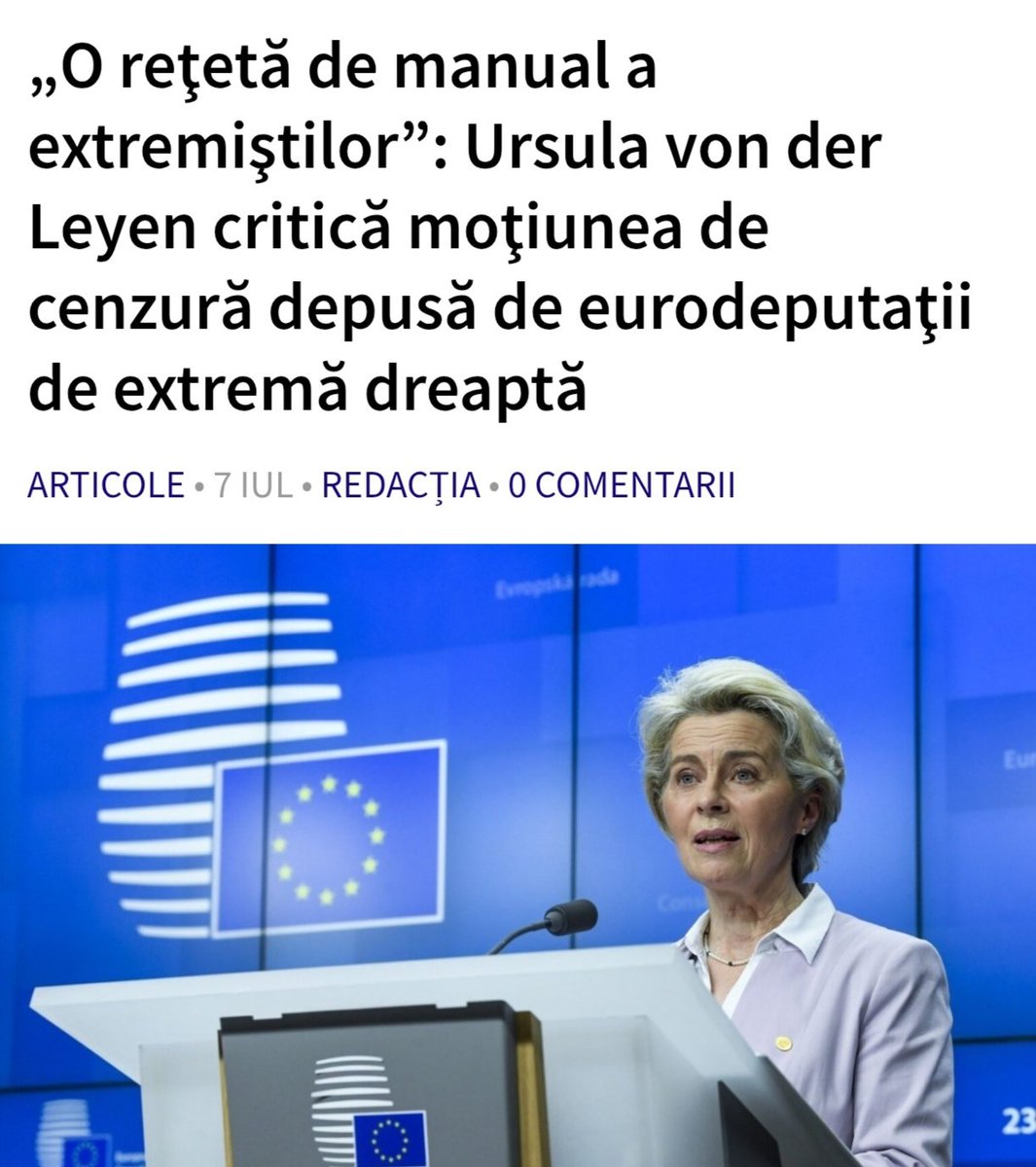
Ursula...🤣 Sper sa imi dea Dumnezeu zile sa ma pot duce la mormantul ei si doar sa scuip. Atat‼️
...tu-ti m*rtii de d*ctatoare bolsevica💩
41
61
379
9,741
25 Jun 2025
Unde e legea impotriva Comunismului⁉️Unde e⁉️
Alo AUR, Simion‼️ Unde e⁉️
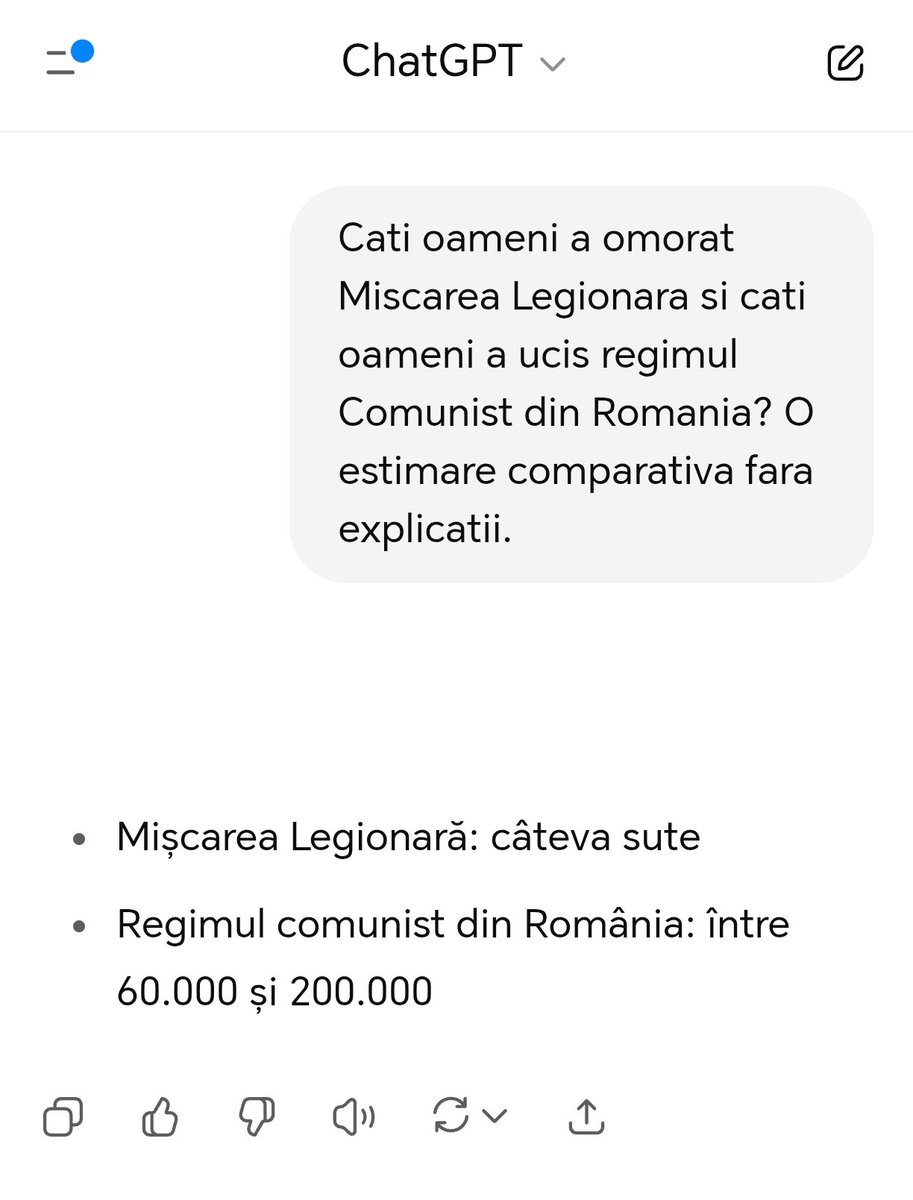
Adica avem lege impotriva unei miscari care a omorat cel mult cateva sute de oameni iar cei care au omorat cateva sute de mii, nimic⁉️
Cum m*rtii masii vine asta❓❓❓❓
3
3
18
252

18 Jun 2025
While some of your suggestions such as localised vigilance, reward for intelligence, and use of technology have merit in concept, they fall short of the boldness, systemic teeth, and constitutional grounding required to stop what is no longer random violence — but a sustained, ideological, ethnoreligious cleansing campaign in the North Central and Southern Kaduna regions of Nigeria.
The truth is this: what we’re witnessing is not mere “banditry” or “farmer-herder conflict.” It is organised, persistent, well-armed, and ideologically backed terrorism with ethno-religious motives and geopolitical ambition. So we must stop treating it like a minor breakdown in community policing. These are acts of war and must be responded to as such.
Here are far more robust, constitutional, and practically enforceable measures the Federal Government and relevant authorities must urgently consider:
1. Immediate Classification of Fulani Terrorist Cells as Terrorist Organisations
The Federal Government must officially proscribe and publish in the Gazette any Fulani militia or herdsmen group linked to violence (e.g. the Miyetti Allah Kautal Hore faction, or others if found culpable). This classification triggers legal tools for asset seizure, prosecution, international cooperation, and military engagement under the Terrorism (Prevention) Act of 2011 (as amended in 2013).
2. Activation of the National Counter-Terrorism Centre (NCTC) to Coordinate Response
The NCTC under the Office of the NSA must take central control of all anti-herdsmen terror operations in Benue and Plateau, not fragmented state-led responses. The NCTC is empowered to coordinate security agencies, gather real-time intelligence, and direct military deployments in terror zones. It is grossly underutilised.
3. Formation of Legally Backed State Security Corps
Instead of loosely referencing vigilantes, States must pass specific Security Corps Laws, as Amotekun in the Southwest has done. This gives legal identity, defined powers, accountability, and structure to these forces. They must be armed, trained in counterinsurgency, and embedded with federal security liaison officers. Anything short of this invites chaos or civilian overreach.
4. Creation of Permanent Forward Operating Bases (FOBs) in High-Risk LGAs
The Nigerian Army, in partnership with the Nigerian Air Force and DSS, must establish permanent forward operating bases (not “reactive deployments”) in flashpoints like Guma, Gwer West, Agatu, Riyom, and Barkin Ladi. These bases must include armed reconnaissance drones, mobile surveillance towers, and terrain-adapted patrol vehicles. A token military response post-massacre is insulting to victims.
5. Introduction of Rural Terror Impact Index (RTII) and Security Accountability Metrics
Rather than arbitrarily suspending traditional rulers (as Reno suggested), the Federal Ministry of Police Affairs and Interior must develop an RTII to score LGAs and their leadership based on incident frequency, response time, intelligence reporting, and community protection efforts. LGAs and States scoring consistently low should face withholding of security votes and probing by the EFCC for diversion of funds meant for peacebuilding.
6. Institutionalised Arms Control and Ranching Reform via Constitutional Amendment
No meaningful peace can occur unless we address the weaponisation of Fulani nomadism. The National Assembly must expedite constitutional amendments making open grazing illegal nationwide, with enforcement powers granted to states. All herders must be biometrically registered under a National Livestock & Security Database, with compulsory fixed-address ranches and regular monitoring by agro-rangers.
7. Creation of a Special Terror Victims Tribunal and Restitution Commission
Rather than dipping into the old 2014 Victims Support Fund, a new commission must be set up, with legislative backing, to investigate and prosecute mass atrocities like the Yelewata massacre. It must have the powers to:
Hold public hearings
Identify sponsors and collaborators
Recommend prosecution to the Attorney General
Award compensation to affected communities
Such tribunals have precedent in Rwanda (Gacaca), South Africa (TRC), and Kenya (TJRC).
8. Demand for ECOWAS & AU Regional Involvement
Many of the weapons and fighters linked to these atrocities cross in from Sahelian corridors — Mali, Burkina Faso, Niger, and Chad. Nigeria must stop being insular and demand a West African Regional Summit on Sahel arms trafficking and trans-border terror movement. Multinational Joint Task Force (MNJTF) efforts must expand beyond Lake Chad to the Benue Valley.
In Closing:
The time for pedestrian solutions has long passed. We are at the edge of genocide. What Benue and Middle Belt communities need now is not caution or incrementalist appeasement, but an iron-fisted constitutional, military, intelligence, and political overhaul of how the Nigerian state responds to rural terrorism.
We must match the blood of our people with bold laws, armed resistance, federal coordination, and non-negotiable justice.
Anything less is complicity in evil.
7
5
18
1,589
13 Jun 2025
Moșii care conduc acum cele mai puternice tari din lume tinereii din Europa(conduși tot de un mos, Soroș), după ce si-au trait frumos viata vor sa declanseze acum un razboi nuclear😳
Ei fiind la finalul vietii ce le mai pasa de popoare?!🤬
M*rtii lor de screlozati dementi🤬
1
7
26
268
