
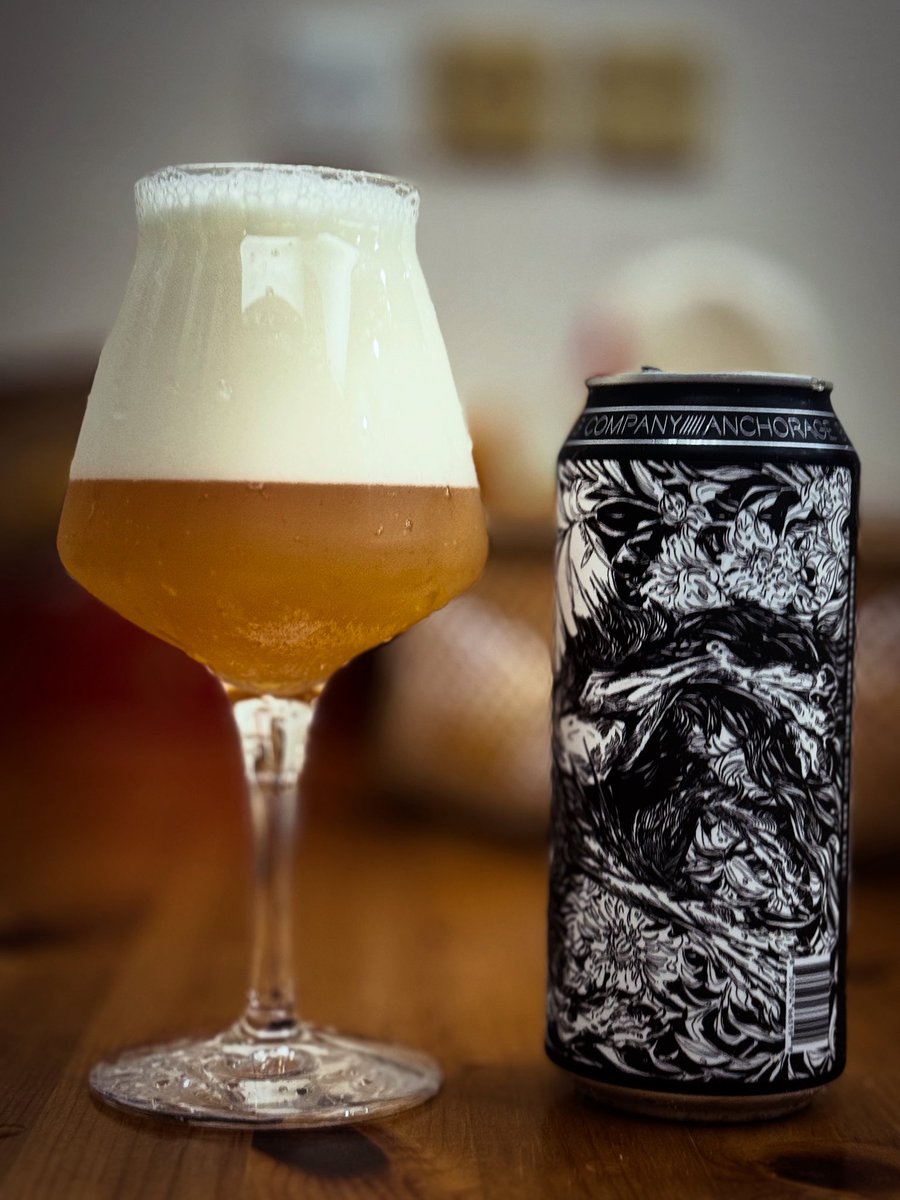
Anchorage Brewing Company
Revenge
安克雷奇復仇者雙倍混濁IPA
花得黎非常美觀既酒標,飲到新鮮既啤酒花味,8.4%酒精度,原麥汁19度,Riwaka啤酒花100%,又幾啱飲,熟芒果菠蘿香氣十足!
#啤啤夫
#beer #ratebeer #beerstagram
1
29

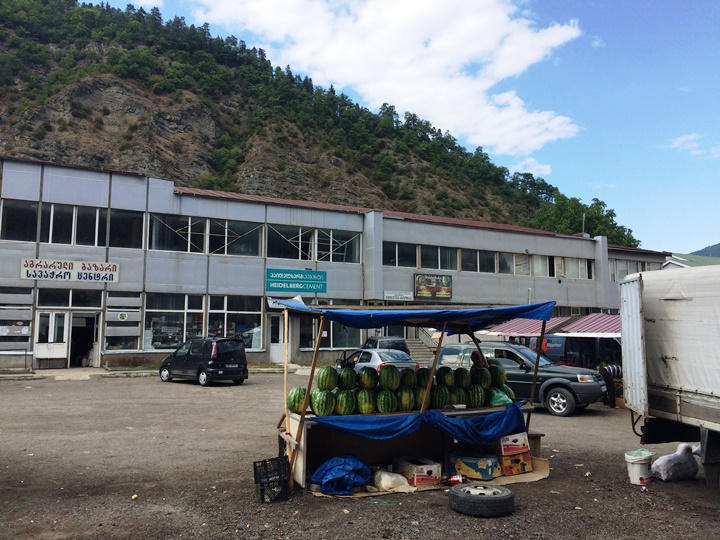
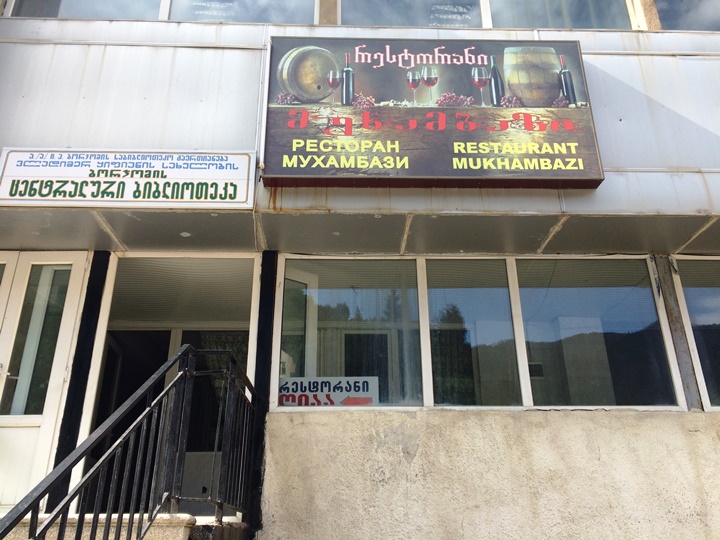
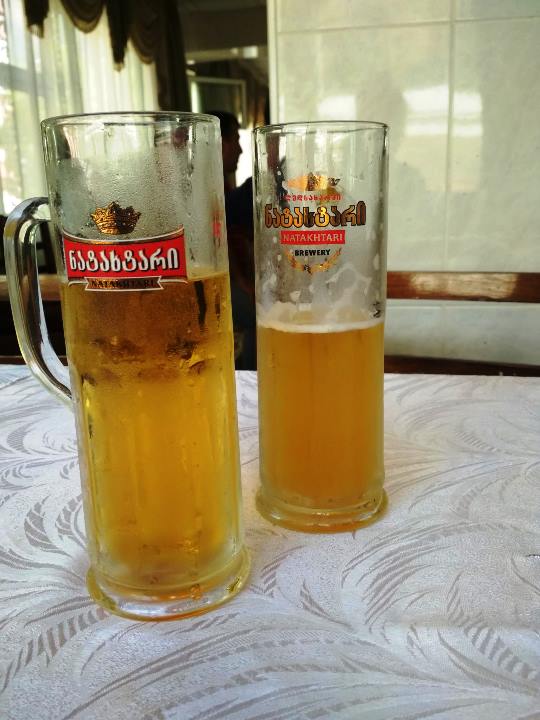
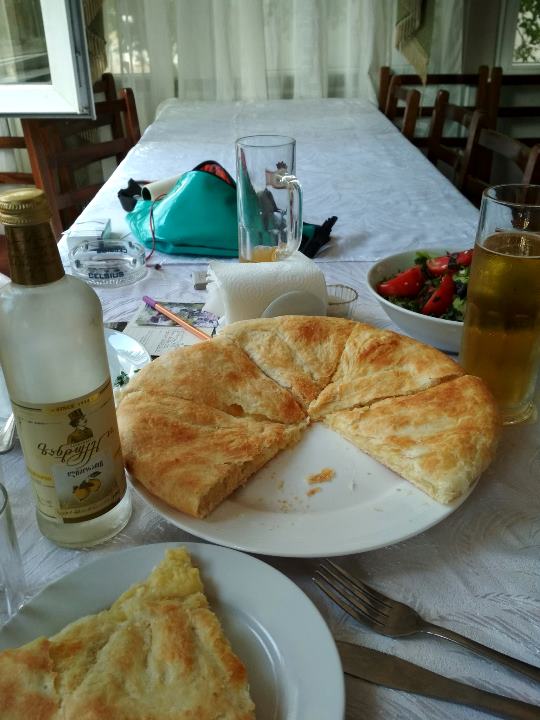
Objednáváme pivo Natakhtari, které od pivolabužníků na Ratebeer dostává jako pivo vonící po plastu, slámě a zvratcích velice nízké známky. „A co máte bez masa?“ myslíme na klimatickou změnu. „Myslím, že nic,“ překvapuje nás vrchní.
Nádražku v Bordžomi jsme vydali před 8 lety!
1
12
395

7 Aug 2025
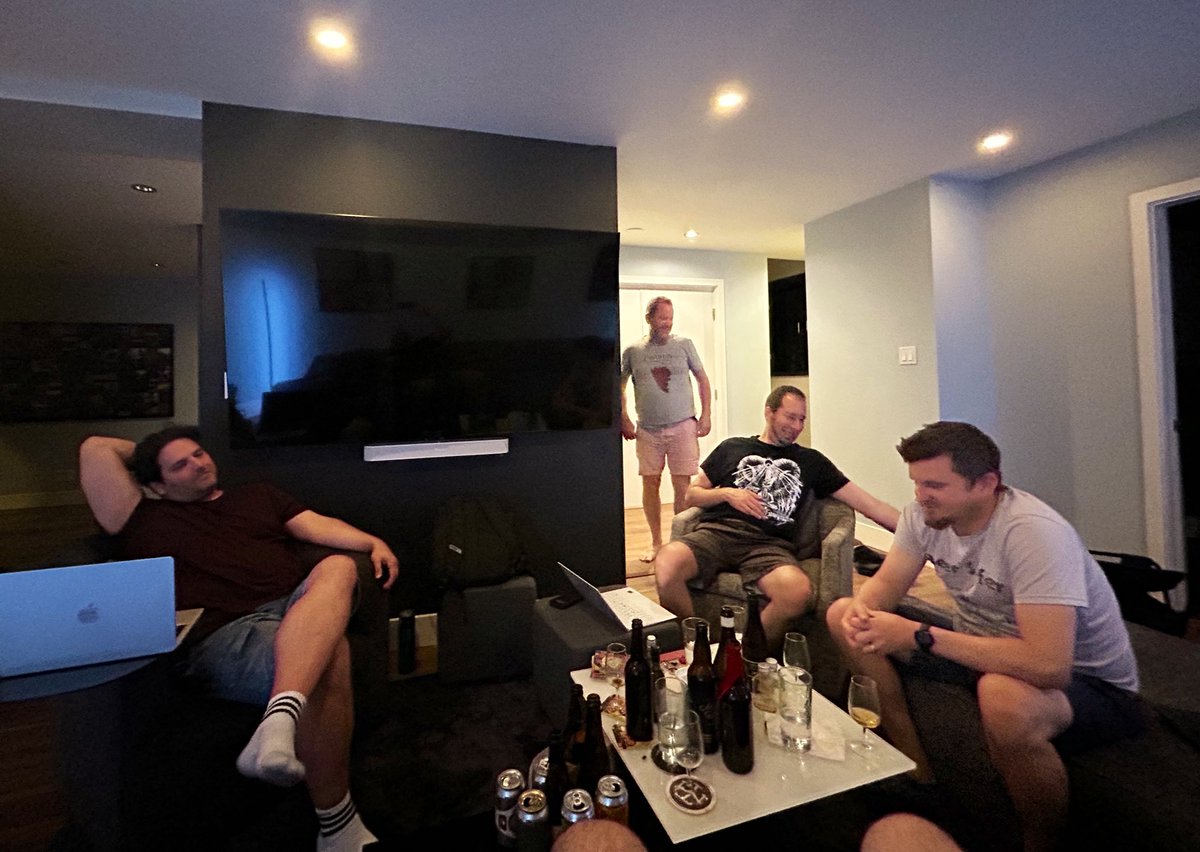
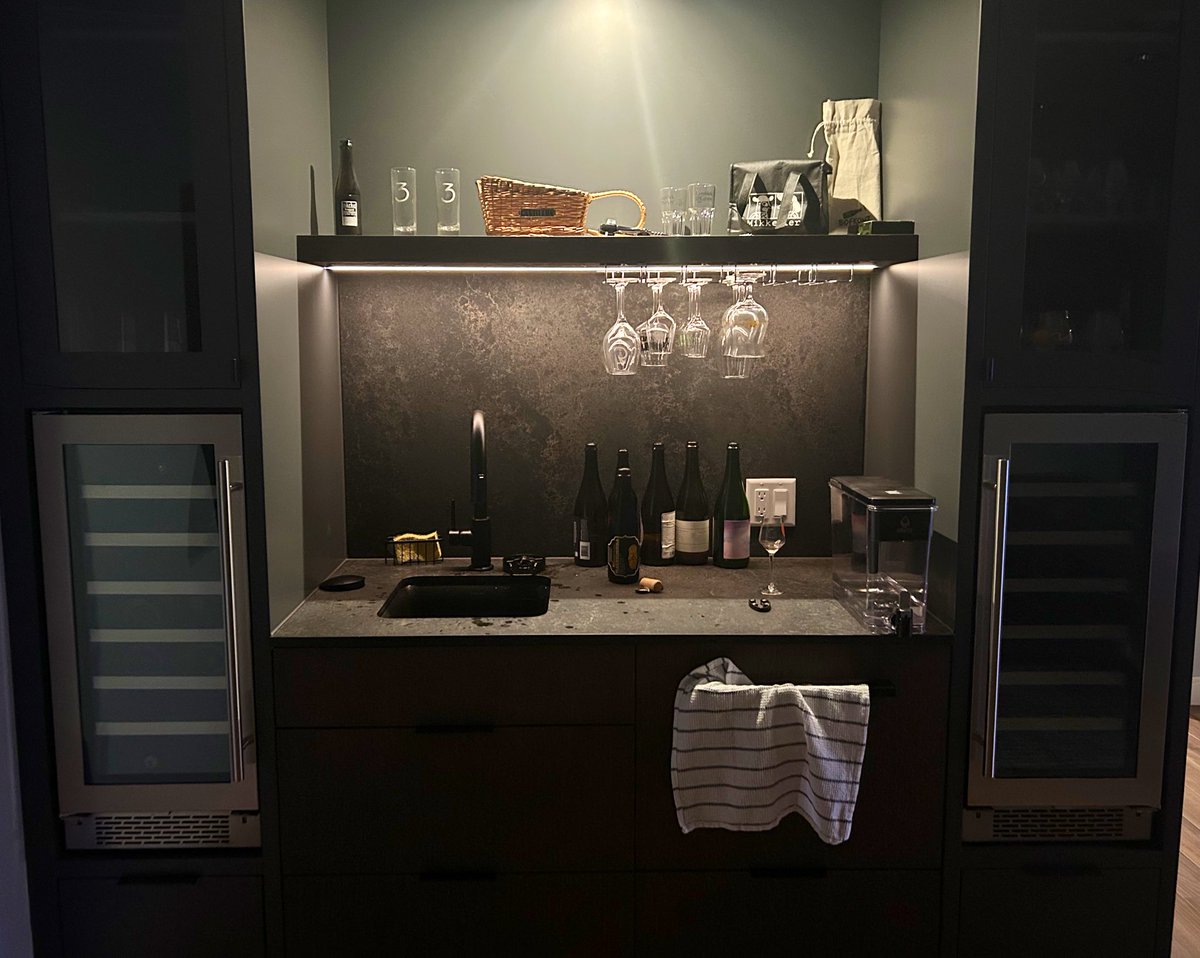
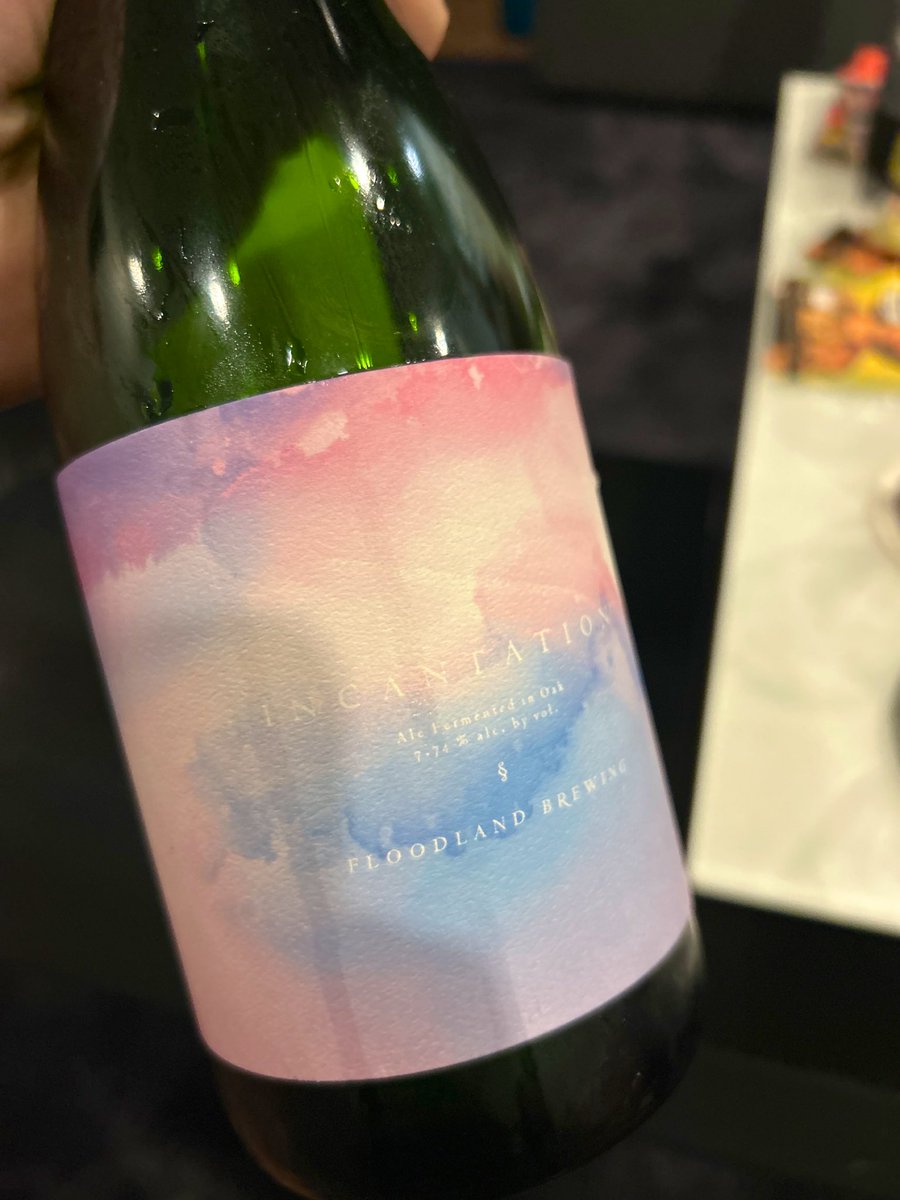
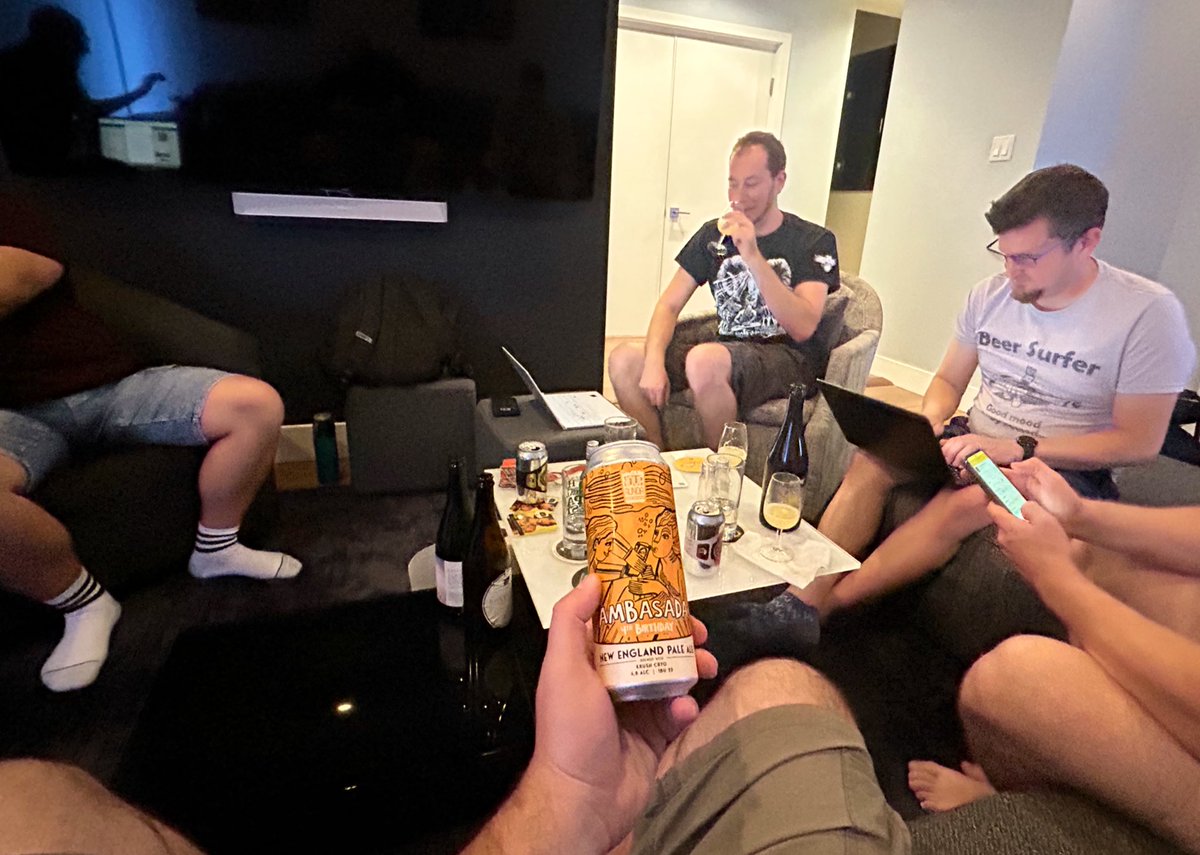
U Vancouveru nam je lokalna Ratebeer ekipa organizirala tejsting. Domaćin ima savršen setup u podrumu za ovakva druženja. Ponijeli par @NovaRunda ovaj evenat.
5
168

2 Aug 2025
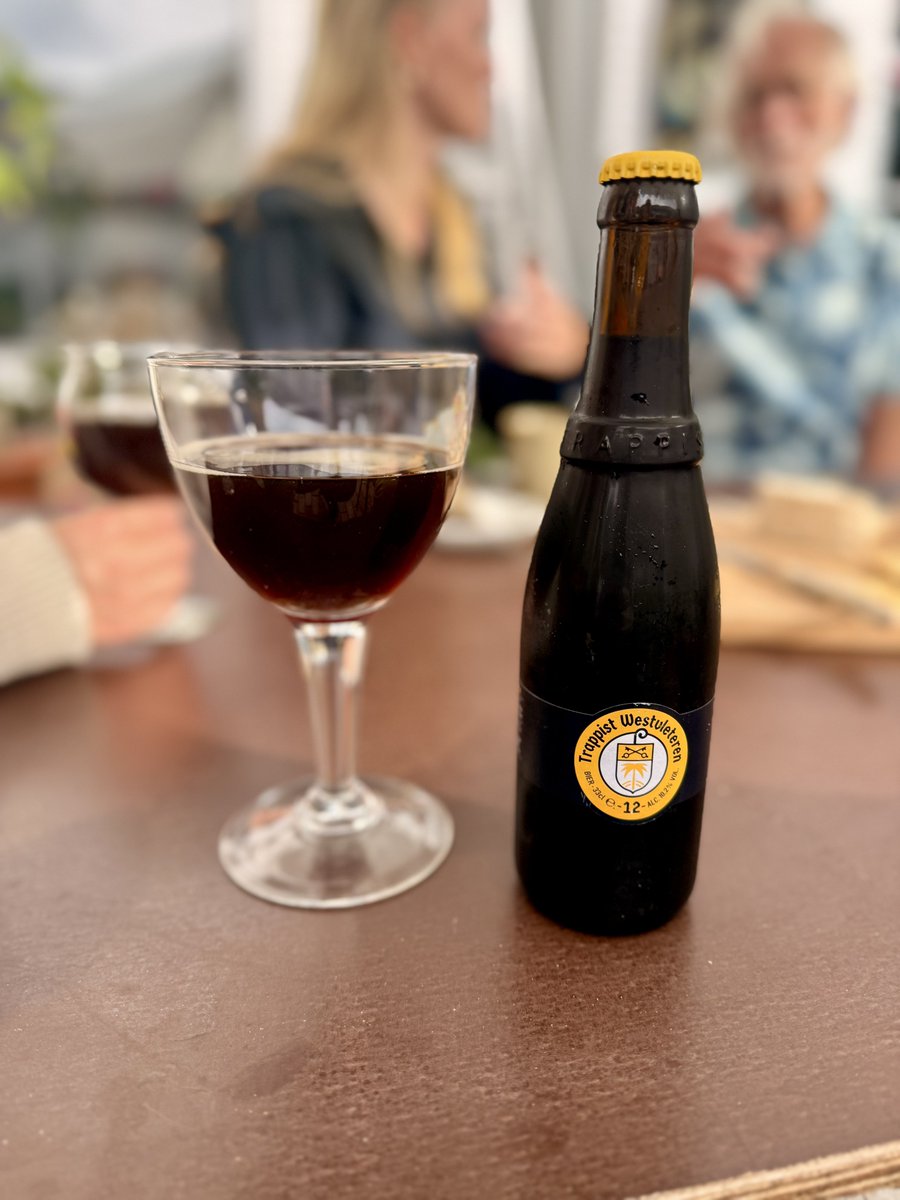
Traveling around Belgium and The Netherlands offers enjoying the best beer in the world.
Description and Taste Profile
Westvleteren 12 is a dark amber beer with a stable white head and strong lacing. It has an alcohol by volume (ABV) of 10.2% and pours with lively carbonation, offering aromas of sweet toffee, caramel, prunes, raisins, and nuts. The flavor is full-bodied and smooth, featuring notes of caramel, chocolate, dark fruits like plum and raisin, and a touch of phenol, leading to a warm, long-lasting aftertaste without being overly sweet or cloying. It’s bottle-conditioned, meaning it undergoes secondary fermentation in the bottle, which contributes to its evolving taste—many enthusiasts note it improves with age, developing even more depth after a few years of storage. For optimal enjoyment, serve it at 12–16°C in a chalice glass, pouring carefully to leave the yeast sediment at the bottom (which can be drunk separately if desired, though it may add bitterness).
Brewing Details
The beer is crafted using just five natural ingredients: water, barley malt, hops (locally sourced from Poperinge), yeast (from Westmalle Abbey), and sugar (including candy syrup and invert sugar). Brewing takes place within the abbey walls by a small team of monks, adhering to strict Trappist traditions—it must be produced by monks in a monastery to bear the “Authentic Trappist Product” label. The process includes cold conditioning and refermentation in the bottle for natural carbonation. Production is intentionally limited to about 475 kiloliters annually (unchanged since 1946) to sustain the monastery and support charitable causes, rather than for profit.
History and Reputation
The Saint Sixtus Abbey was founded in 1831, with brewing starting in 1838. Westvleteren 12 was first introduced in 1940 as a strong dark ale (originally called “Abt”). From 1946 to 1992, it was brewed under license by the nearby St. Bernardus Brewery, but production returned in-house in 1992 to comply with Trappist certification rules. Its global fame exploded in 2005 when RateBeer.com named it the world’s best beer based on user reviews, despite limited prior exposure (only about 150 reviews at the time). This led to massive demand, traffic chaos at the abbey, and over 100,000 calls to their “beer phone” reservation line for just a few hundred cases. It held the top spot on RateBeer until 2008 and has consistently ranked highly on sites like BeerAdvocate and RateBeer, with many drinkers calling it their favorite. The hype has made it a sought-after “holy grail” for beer enthusiasts, though some argue similar beers like St. Bernardus Abt 12 (brewed with the same yeast strain) are comparable and easier to obtain.
Availability and Labels
True to Trappist principles, the beer isn’t advertised or widely distributed—the monks brew only what they need. It’s sold primarily through online reservations on the abbey’s website, with pickups at the brewery (one or two crates per person every 30 days, tied to a phone number and license plate to curb reselling). A crate of 24 bottles (33 cl each) costs €56 at the abbey. Limited quantities are also available at the abbey’s In de Vrede café, and since 2023, about 10% of production is shipped to the Netherlands to combat grey-market prices (which can reach €20 per bottle vs. the abbey’s €2.33). Rare exports, like gift packs sold in the US in 2012 for abbey renovations, have occurred, but resale is discouraged and often illegal.
Historically, bottles had no labels since 1945, with details only on the crown caps (yellow for the 12). However, simple labels were introduced in August 2022, including the best-before date (three years from bottling) and batch info. The label in your photo matches this updated style, which may include pricing or additional details for certain markets.
2
4
195

16 Jul 2025
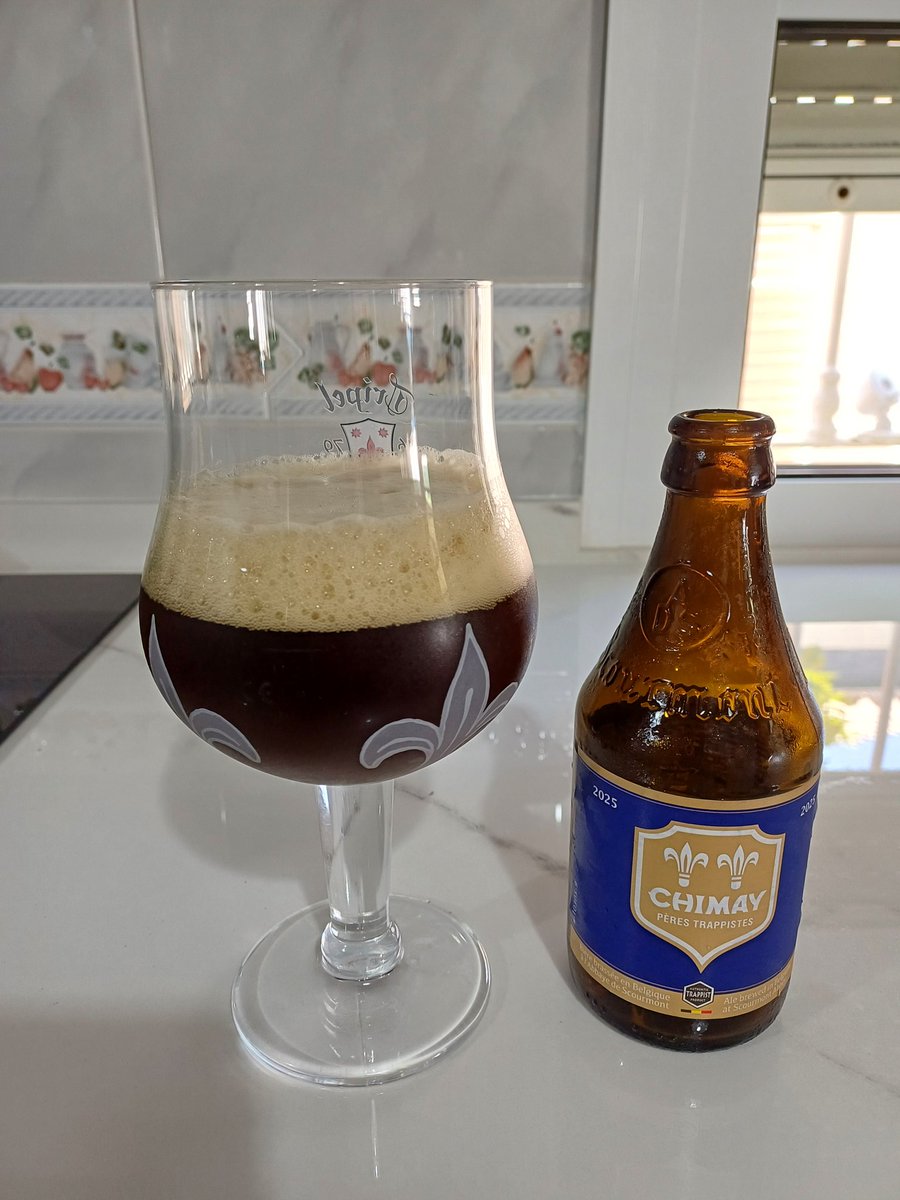
A continuación va 🧵 con la puntuación actualizada que le doy a los más de 200 tipos de cerveza que he probado. Yo puntuo sobre 10 y la web ratebeer puntúa sobre (5).
Salud. Espero que os guste.
1
9
2,004

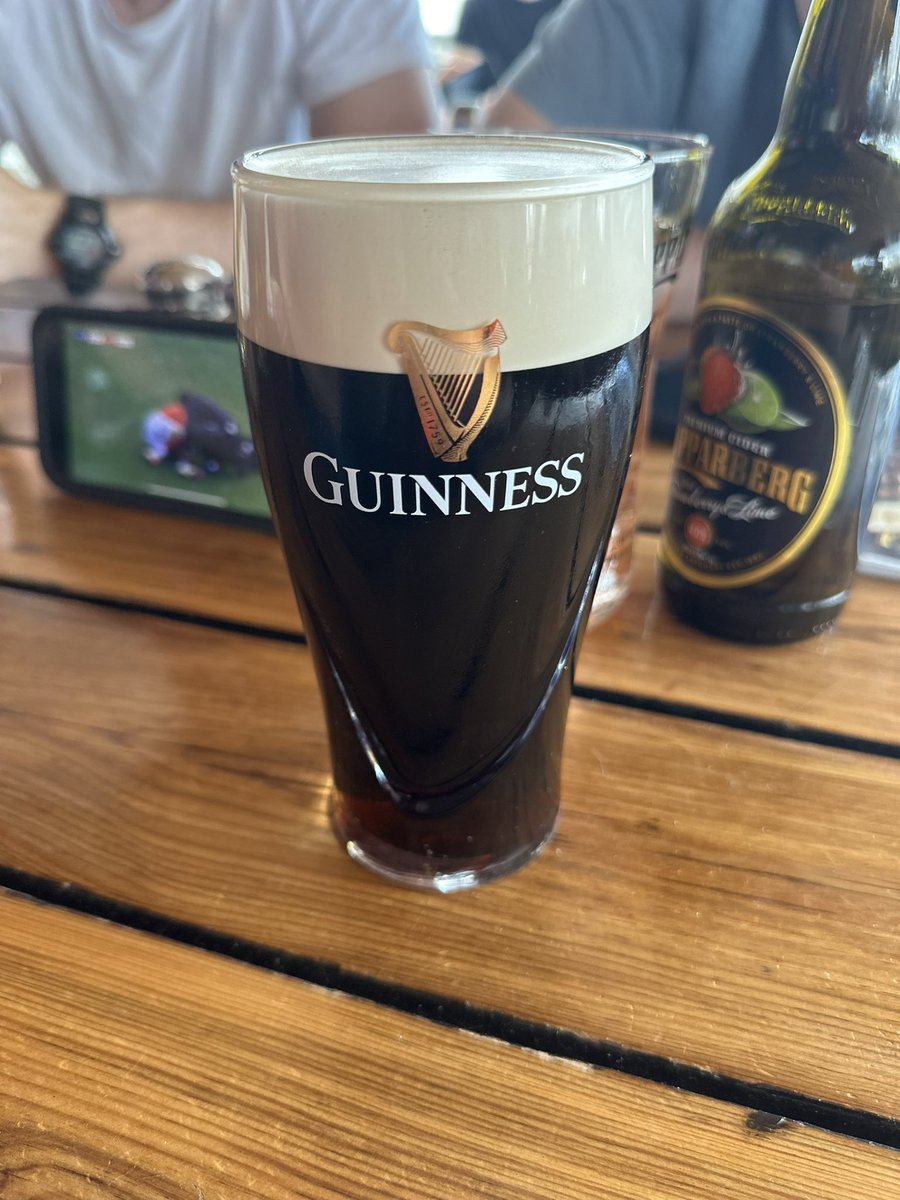
@PintsBeauty think the bartender split the G for me… O’Connors Irish Bar, Feurtaventura 🇪🇸 @guinnessrating @ratebeer
2
2
14,551


17 Feb 2025
Beer News: Last Round For RateBeer / Sky High Airport Beer Prices americancraftbeer.com/beer-n… #CraftBeer
2
298

12 Feb 2025
Aizrakstīju RateBeer veidotājam un pēcākam uzturētājam. Saņemu e-pastā .csv failu ar saviem vērtējumiem.
1
2
54


10 Feb 2025
Erano anni che salvavo le birre che avevo assaggiato su @ratebeer Tutto perso.
L'app non funziona più ed è sparita dal play store, il sito non esiste più.

1
1
111

5 Feb 2025
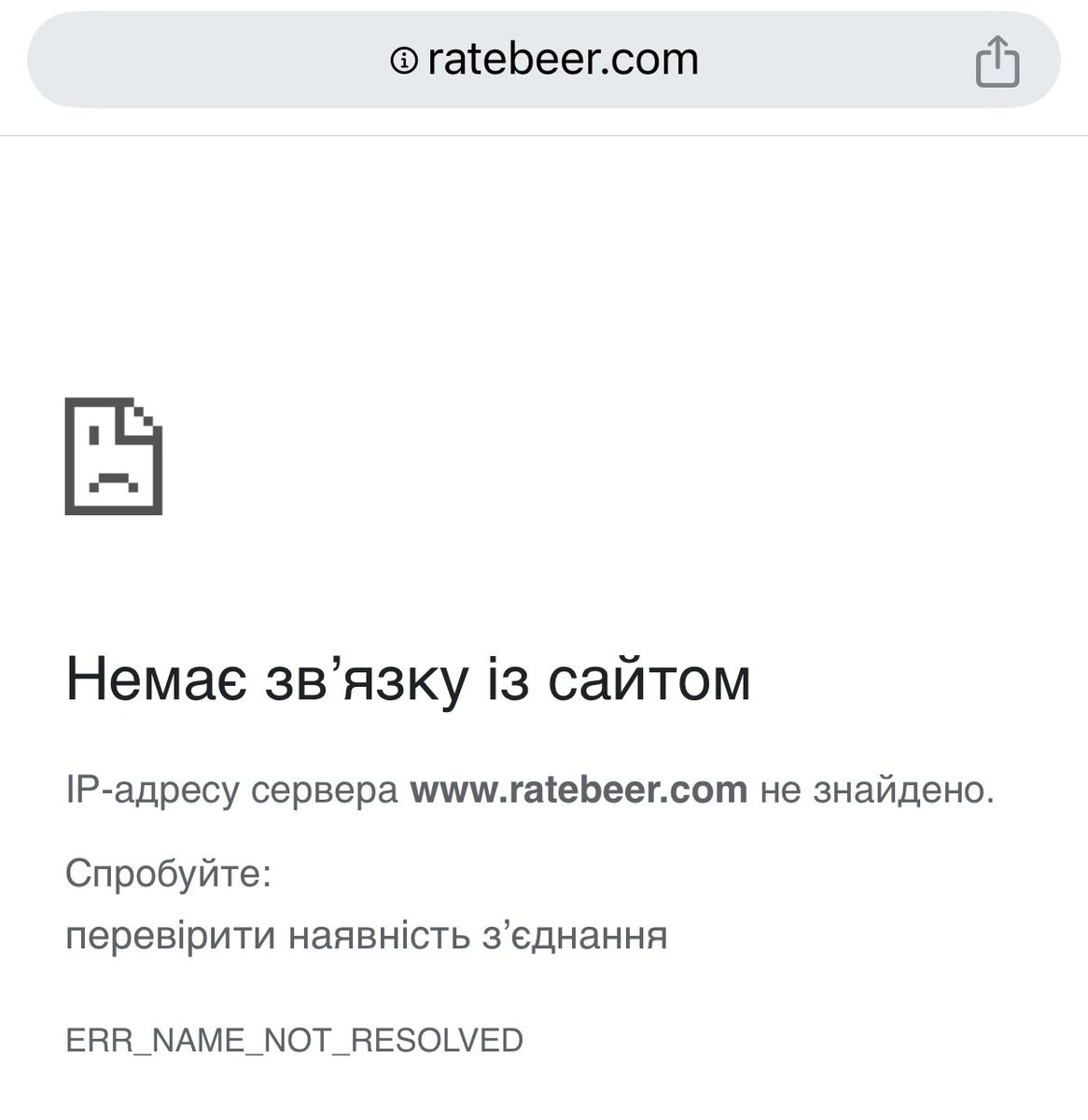
Пішла легенда
Сайт RateBeer.com припинив свою діяльність 01.02.25. RateBeer був заснований у далекому 2000.
У 2017 компанія Anheuser-Busch InBev придбала частку в RateBeer, а в 2019 — повний контроль над сайтом.
Закриття платформи стало несподіванкою для багатьох
1
3
489

4 Feb 2025
Look what we have on draught 👀 Bye bye Dry January! Gouden Carolus Whisky Infused scores 99/100 on Ratebeer. We're so good to you. #BelgianBeers #belgianbeer #belgianbeercafe #whisky #wetfebruary

1
4
15
530

31 Jan 2025
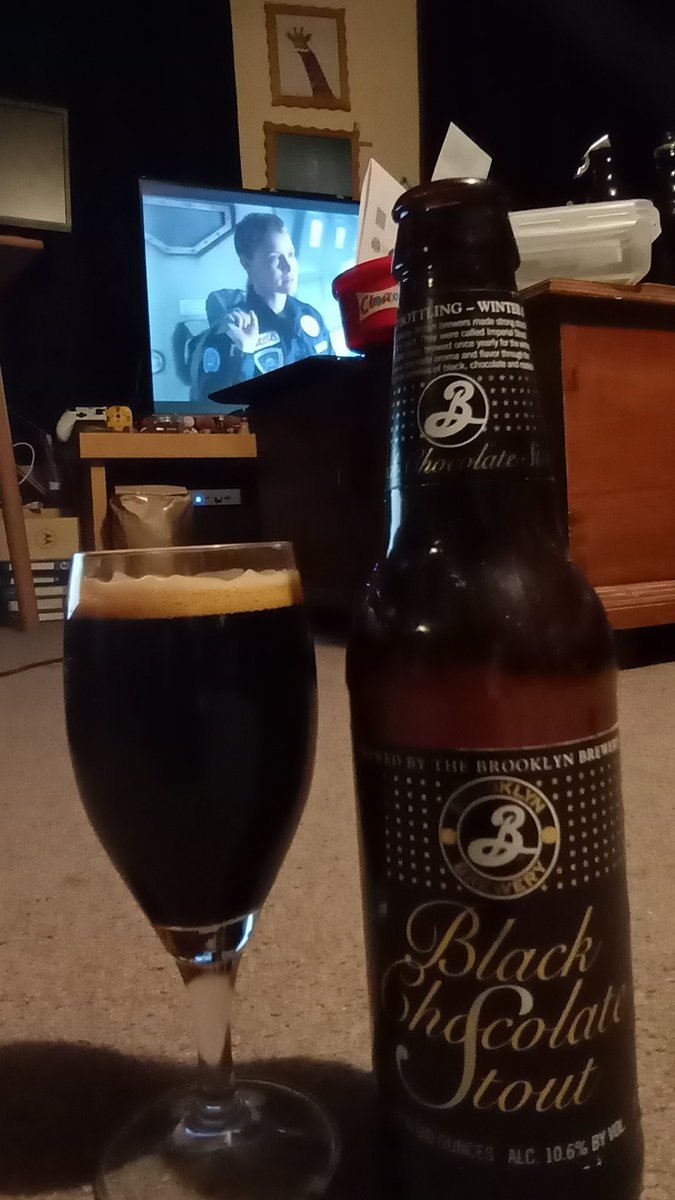
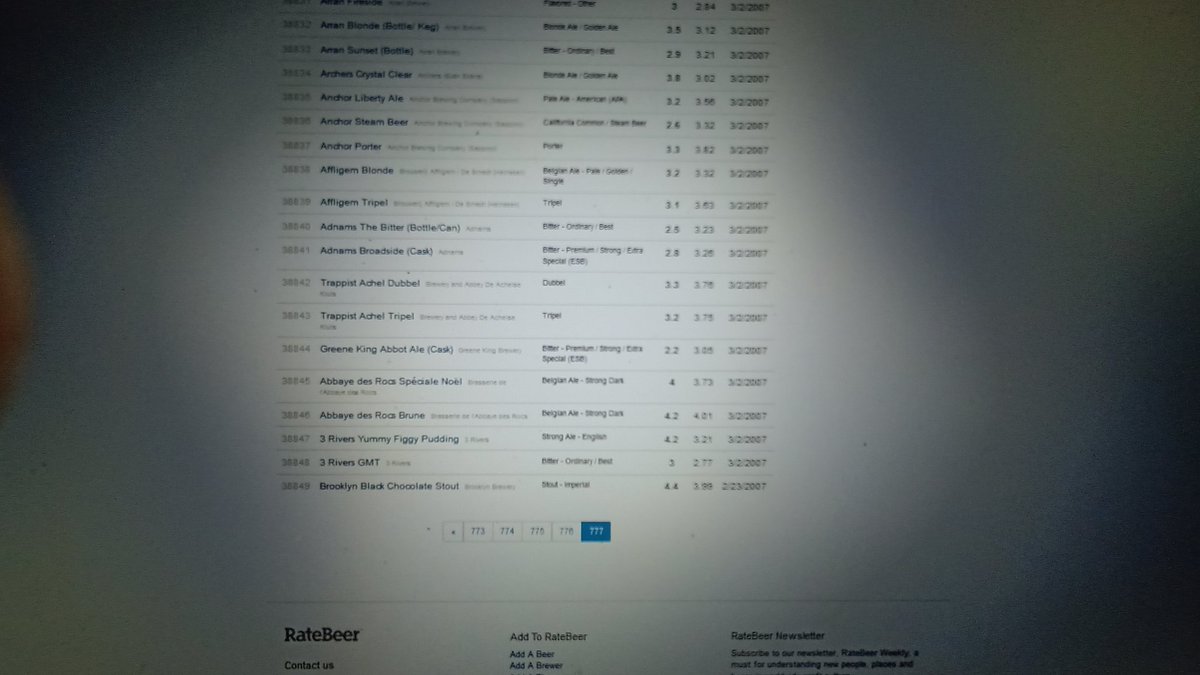
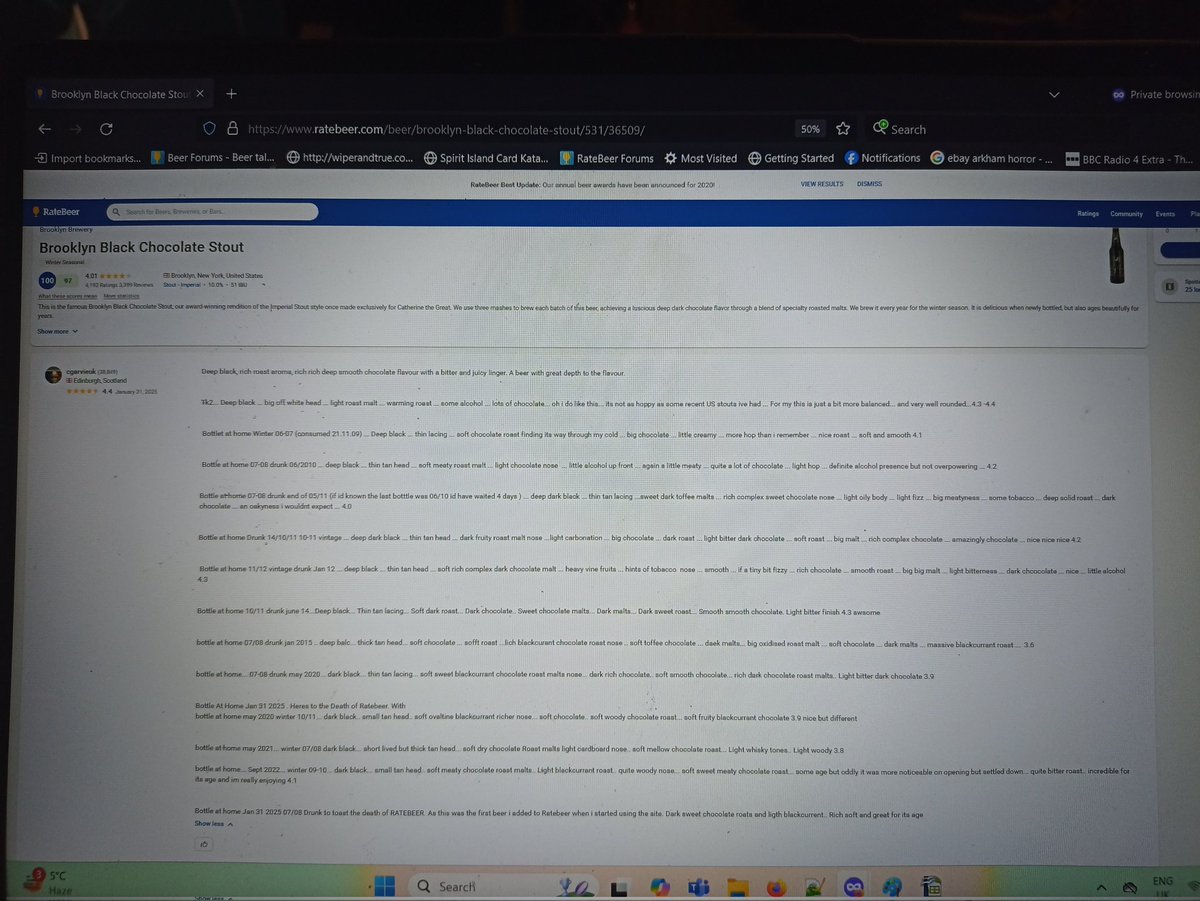
Well Ratebeer you've been a great friend . So let me raise a toast to you , with the beer i started my Ratebeer journey with.
1
4
199

30 Jan 2025
Online since 2000 @RateBeer built a community out of nothing. Beer nerds found a community that led to meetups & lifelong friendships. It was more than just a website for reviewing beers.
porchdrinking.com/articles/2…
1
4
349

30 Jan 2025
Ratebeer、今年の2月で終了するんだ…
ここ数年は年始の風物詩、Ratebeer Bestも出てなかったしなー。残念、あのランキング毎年楽しみにしてたんだけど。
3
337

25 Jan 2025
Wat erg !
Doek dreigt te vallen voor ambachtelijke bierbrouwer De Molen.
Bavaria-moederbedrijf Royal Swinkels wil de brouwerij sluiten.
De Molen staat bekend als een topbrouwer.
Op haar website roemt de brouwerij ook de hoge noteringen op o.a. RateBeer.
nu.nl/economie/6343497/doek-…
1
1
4
259

13 Jan 2025
In 2005, RateBeer was merely a niche website, and Westvleteren just a footnote in terms of words written.
Yet overnight, after nearly 200 years of relatively quiet brewing, Westvleteren 12 became the most famous beer in the world.
l8r.it/v4mC
2
4
349

9 Jan 2025
RateBeer cierra definitivamente, en febrero cesa su actividad. Creo que es delicado cuando se cruzan modelos de actividad y negocio craft e industrial o modelos sociales versus modelos de consumo cuyos intereses y perfiles de usuario o consumidor pueden incluso chocar
1
2
198