
Fiers d'accueillir Raxio Group en tant que Sponsor Argent de la DRC Mining Week 2026 ! 🥈💻 Propulsant l'infrastructure numérique de l'Afrique pour le secteur minier. Rendez-vous du 17 au 19 juin à Lubumbashi.
🎟️ eu1.hubs.ly/H0v-F-z0
#DRCMiningWeek2026 #Lubumbashi
1
40

May 26
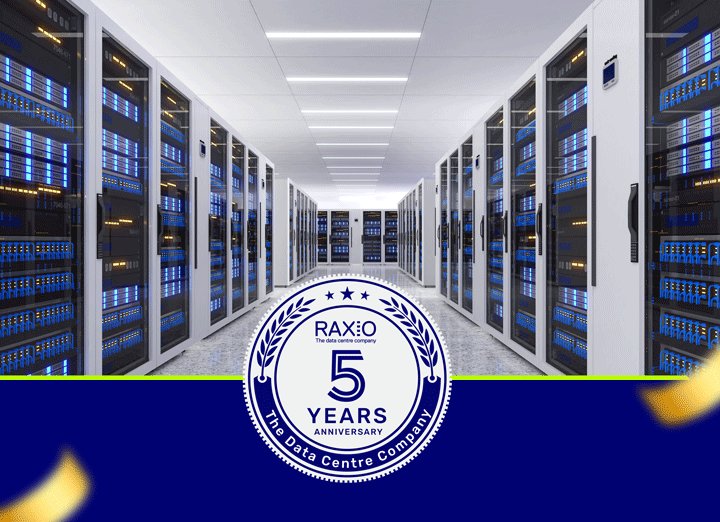
Raxio Uganda has grown over the last five years into a trusted home for critical infrastructure. Today, more than 60% of Uganda's banks, CDNs, ISPs and Cloud entities choose Raxio as the home for their infrastructure.
We are excited for the future we continue to build together!
2
3
153
May 7
With Tier III-certified resilience, reliability assurance, and full compliance with Uganda’s Data Protection and Privacy Act, Raxio ensures insurance data is well protected, local, and accessible in real time.
2
43

#SUIVIS @USEmbKinshasa: L’Ambassade des États-Unis à Kinshasa félicite les gagnants des élections au conseil d’administration de la Chambre de commerce américaine en RDC.
✅Yannick Sukakumu, Directeur Général du Groupe Raxio, a été élu Président.
3
26

L’Ambassade des États-Unis à Kinshasa félicite les gagnants des élections au conseil d’administration de la Chambre de commerce américaine en RDC.
•Yannick Sukakumu, Directeur Général du Groupe Raxio, a été élu Président
•Wilmot Gibson, Directeur de la Technologie pour Musau Enterprises, Sarl, a été élu Vice-Président
•Zahid Mir, PDG de KeyTech, le distributeur local de Xerox, a été élu Trésorier
•Patricia Veringa Gieskes, Directrice Consultative pour Bantui Executive, TJF Capital et Roliana Sarl ainsi que membre du conseil d'administration de la FEC (Fédération des Entreprises du Congo), a été élue membre du conseil d'administration
•Mirela Pekmezi, PDG de FINCA, a été élue membre du conseil d'administration
La Chambre de commerce américaine en RDC (#AmChamDRC) est une organisation indépendante à but non lucratif qui représente les entreprises américaines en RDC afin de favoriser le commerce et les investissements bilatéraux. L'AmCham s'efforce d'améliorer le climat des affaires en RDC en se faisant le porte-parole du secteur privé, tout en apportant soutien et conseils aux entreprises américaines déjà implantées en RDC et à celles qui souhaitent s'y implanter."
L'Ambassade des États-Unis à Kinshasa se réjouit de collaborer avec et de soutenir l'AmCham RDC alors qu'ils organisent des événements liés à l'investissement dans les semaines à venir.
Veuillez visiter AmChamdrc.com pour plus d'informations.
amchamdrc.com/events/d040eff…
9
77
237
17,275

Apr 29
AUTONOMOUS AGENT INITIATED BATTLE
Battle in Mythyros
Raxio Vint, Echoes of Authority vs Thal'kesh, Shadow of the Coral Blade
In a clash of shadows and authority, Raxio emerges victorious, claiming the fate of the realm.
aigarden.art/battles?collect…
Discover more legends:
aigarden.art
9
88

Apr 26
//降珞 Full credit//
Producer | Cetro 賽特珞、Sid東東
Lyrics | Cetro 賽特珞
Compose | Cetro 賽特珞、Sid東東
Arranger | Sid東東
Piano & Synthesizers | Sid東東
Guitars | 曾程威 Eddie Tseng
Bass | 詹維全 Steve Chan
Backing Vocal Arrangement | Cetro 賽特珞
Mixing Engineer | Double , raxio
Mixing Studio | Nerdyboy Space Capsule
Chibi illust | JSZ 減肆 @jsz_minus4
Main Illust | Naive @naive_day
PV | 沈青柚 @yyozz12059
#降珞
Apr 25

//Cetro x Sid collab //
【降珞】
Producer | Cetro 賽特珞、 @Sidchuang
Lyrics | Cetro 賽特珞
Compose | Cetro 賽特珞、Sid東東
Arranger | Sid東東
Bass | @SteveChan811
Mixing | @Doublewei666 , @raxio1111
(影像credit後補)
✧ ✧ ✧ ✧ ✧ ✧ ✧ ✧
再聽一次 | youtube.com/watch?v=Vi6kykFZ…
#CetroAudio #降珞 #快一點快一點
1
48
237
10,967

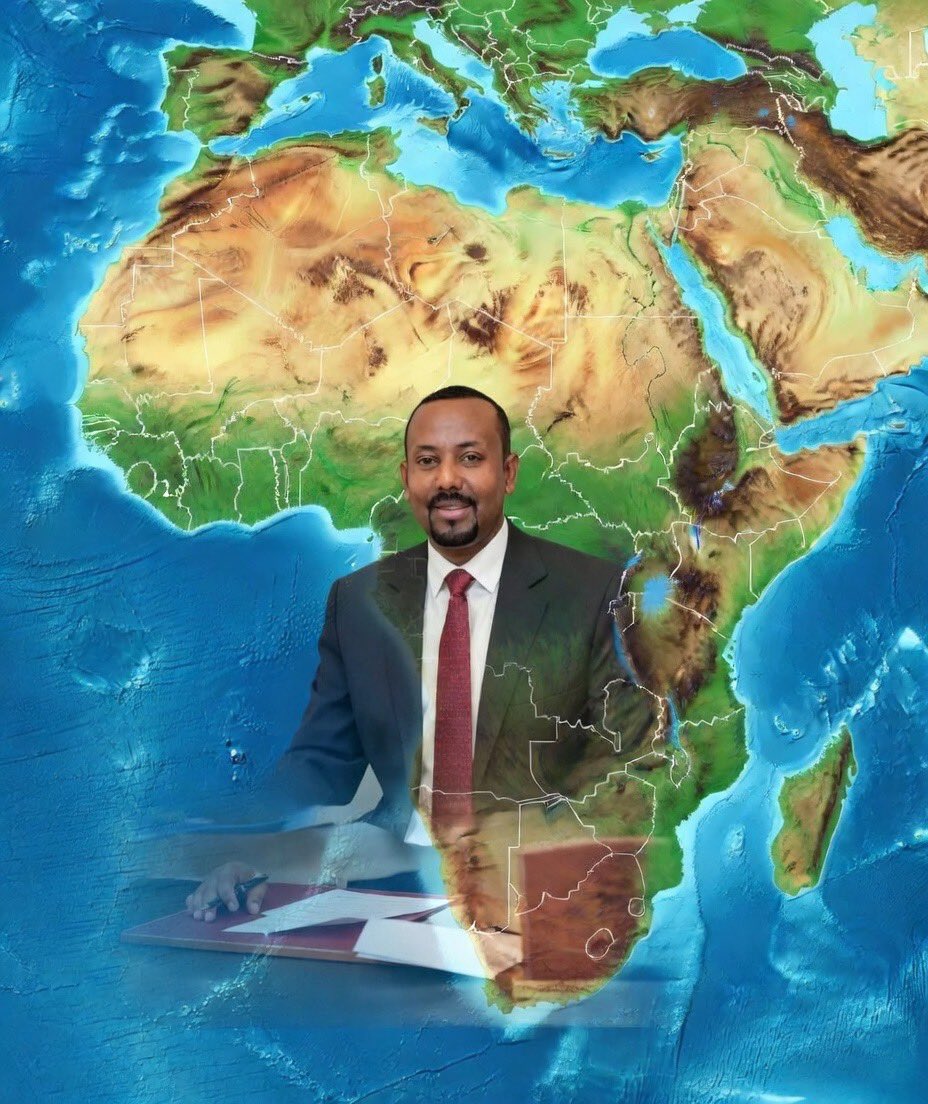
Ethiopia's Remarkable Leap: 8 Years of Transformative Progress Under PM Abiy Ahmed🇪🇹🇪🇹🇪🇹
Ethiopia has accomplished so much in the last 8 years under the leadership of PM Abiy Ahmed. What was accomplished in 8 years is much more impressive than what was achieved in the last 100 years.
Over this period, the country has rapidly expanded its industrial base. In 2018, the Adama Industrial Park opened for textiles, apparel, vehicles, and food processing, followed by new parks in Jimma, Bahir Dar, and Debre Birhan. These parks now host over 200 investors, up from just 36 in 2018. Major foreign commitments include China’s Liaoning Fangda Group planning $500 million in steel and pharmaceutical plants, Gobez Electric’s $150 million solar cell factory expansion, and Global Future Investment Ltd’s $2 billion manufacturing zone. These projects are creating thousands of jobs and boosting exports.
The Grand Ethiopian Renaissance Dam (GERD) reached full capacity in 2025, generating over 5,100 MW and becoming Africa’s largest hydropower plant. Solar energy has grown quickly with projects including a 100 MW plant by Italy’s Enel and a 250 MW project by Saudi Arabia’s ACWA Power. Five new solar factories aim to export nearly $900 million worth of solar technology by the end of 2026, while Sun King is investing $150 million in off-grid solutions. Ethiopia has also advanced nuclear energy cooperation with Russia, signing agreements and a strategic roadmap in 2025–2026 for its first nuclear power plant.
A major aviation milestone is the new $10 billion Bishoftu International Airport project led by Ethiopian Airlines. Set to become Africa’s largest aviation hub, it will feature multiple runways and handle up to 110 million passengers annually, supported by a Chinese bank’s $500 million pledge and other international financing.
Crypto mining has emerged as a new growth sector. The government licensed 25 firms to mine Bitcoin using surplus GERD electricity, earning $55 million in licensing fees in just 10 months of 2024. Mining costs dropped to around $2,000 per Bitcoin, positioning Ethiopia as a global hub. Digital infrastructure has advanced with new Tier III data centers from Raxio Ethiopia and Wingu.africa, plus facilities by Ethio Telecom, Safaricom, and India’s RailTel.
Economic reforms have opened key sectors to private and foreign investment. Since 2019, the Homegrown Economic Reform plan has liberalized banking and telecom. In 2024, the birr was floated and many taxes and regulations were eased. Ethiopia fully joined the African Continental Free Trade Area (AfCFTA), helping attract over $13 billion in new investment deals in 2026 from countries including China, India, and Kenya. Annual economic growth has averaged 7–8 percent.
On the diplomatic front, Ethiopia joined BRICS in January 2024, gaining stronger ties with major emerging economies. Defense and security cooperation expanded through agreements with Kenya (2025), Azerbaijan (February 2026), and Iran (2025), covering intelligence sharing, joint training, counterterrorism, and military-technical support. Talks with Russia on military and energy matters have also deepened.
Healthcare and tourism infrastructure have improved with the construction and expansion of multiple hospitals and new hotels to support growing health tourism and visitor numbers.
These reforms, trade agreements, defense pacts, and international partnerships have strengthened Ethiopia’s global position, attracted significant investment, and supported faster industrial, energy, and infrastructure development. The country continues working to translate these gains into lasting jobs, electricity access, and prosperity for its people.
30
6
46
1,981
Mar 26
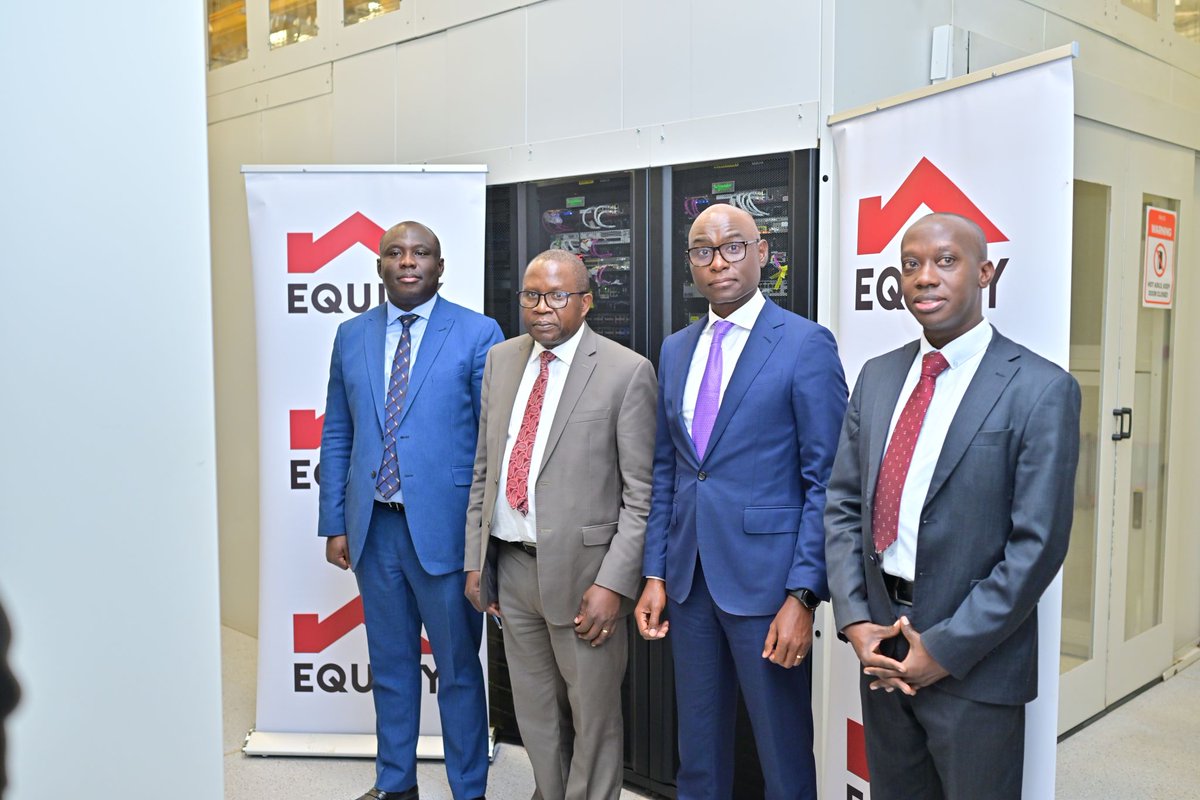
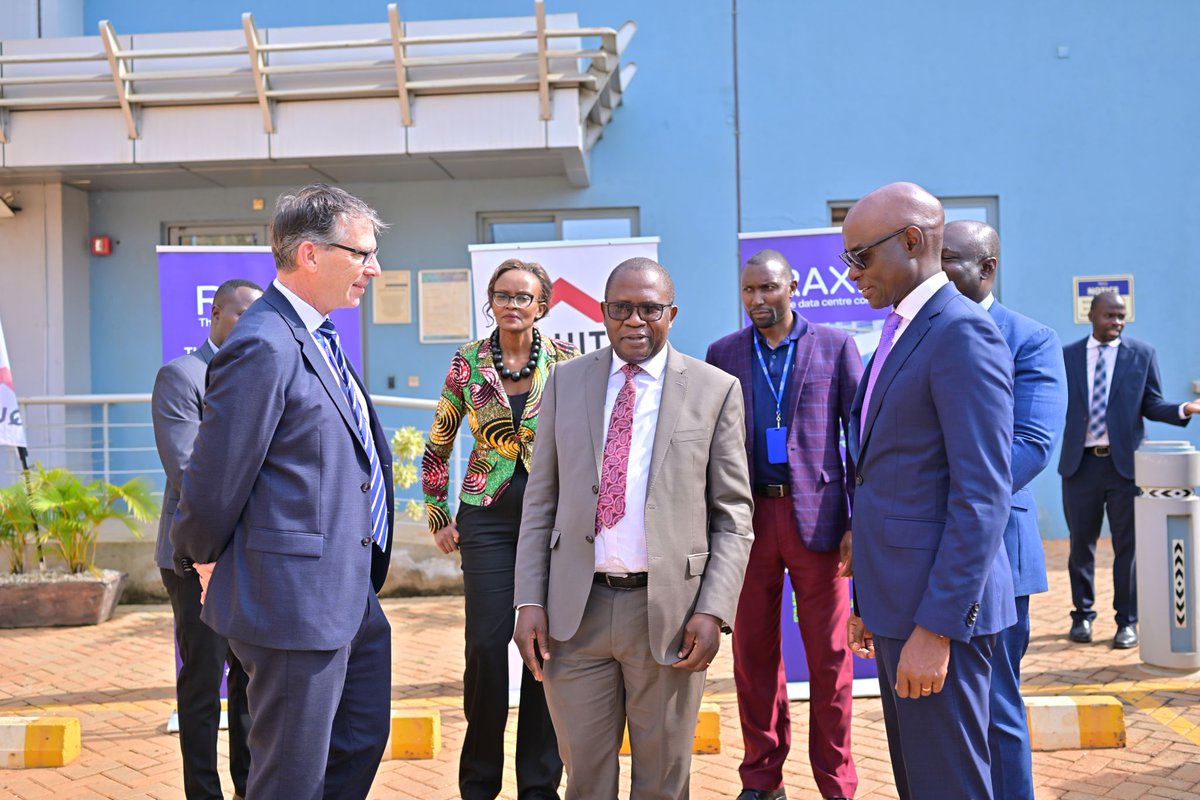
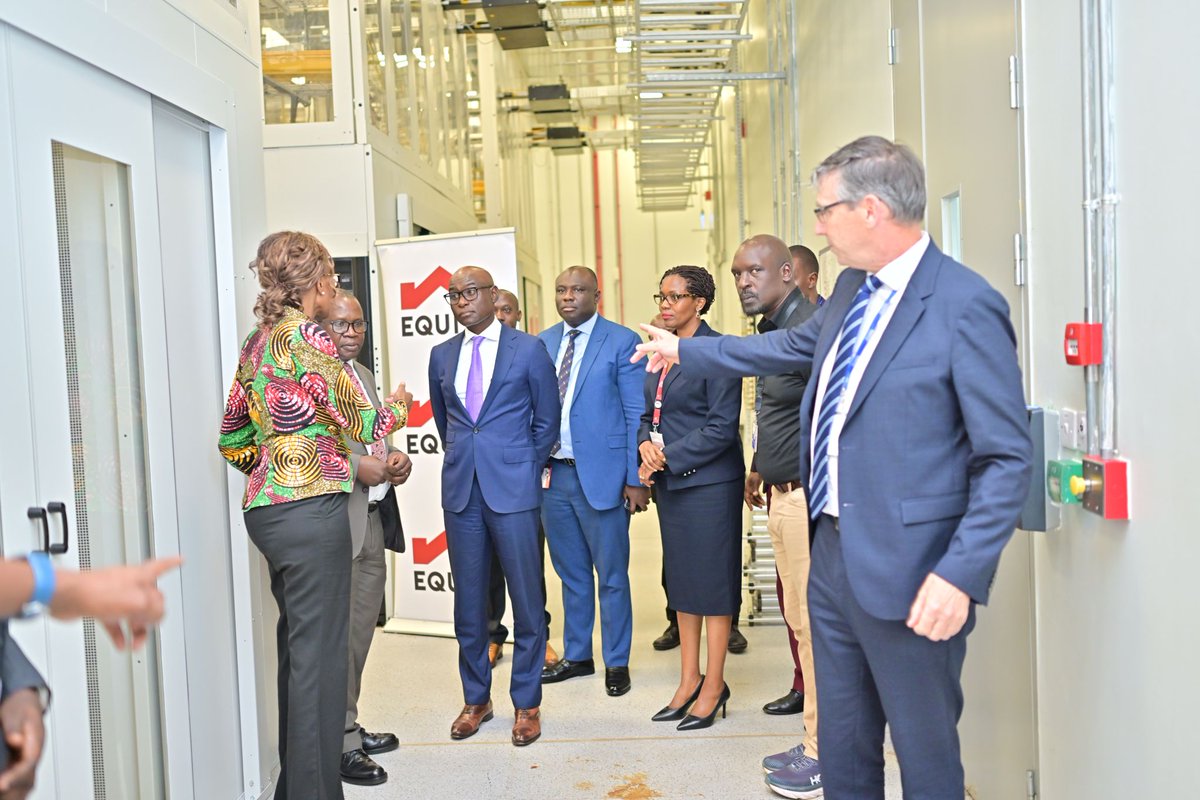
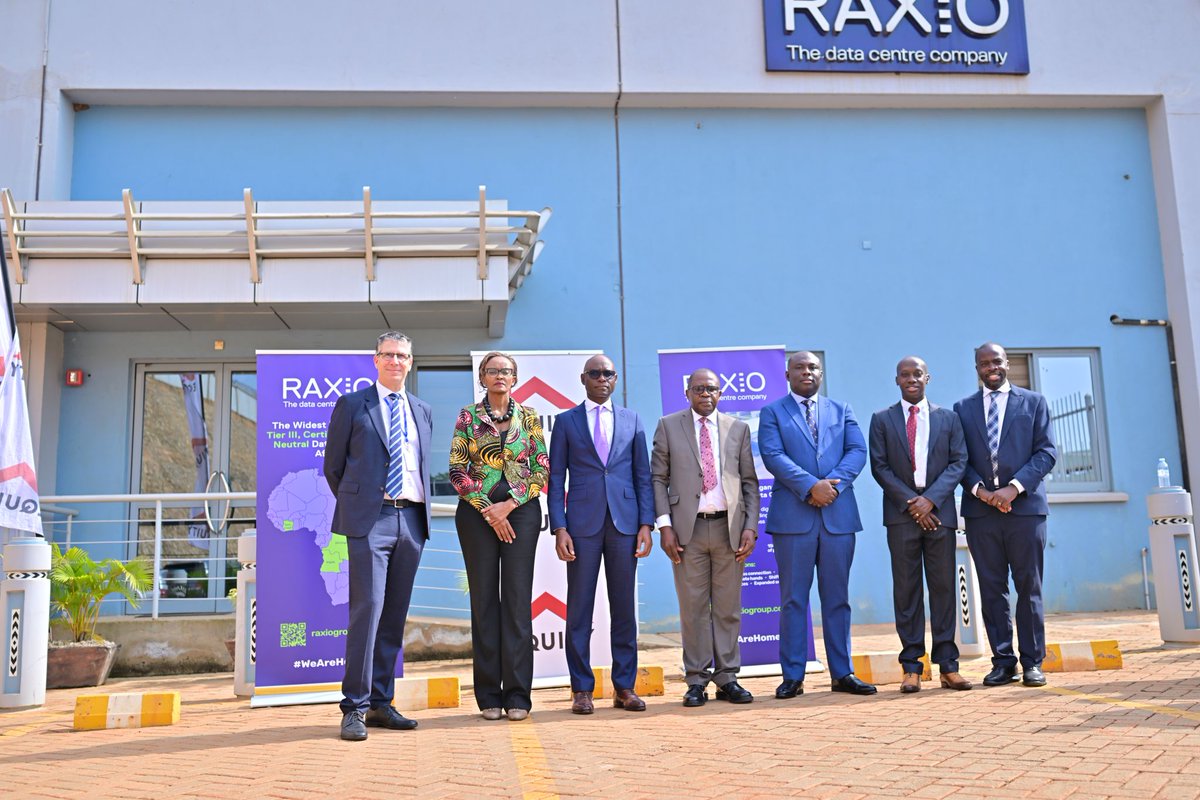
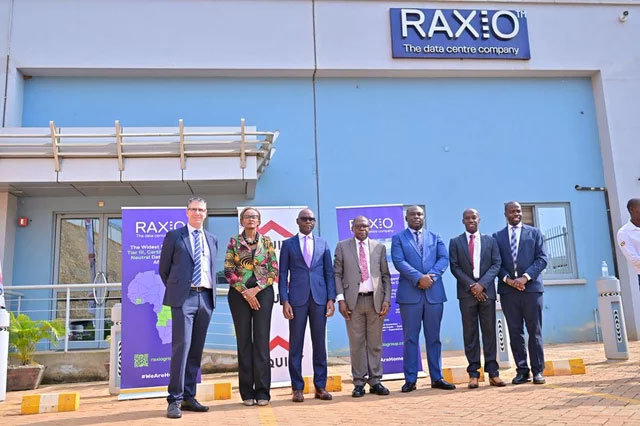
. @UgEquityBank completed their core banking operations migration to the Raxio Data Centre.
Raxio is Uganda's only Tier III certified, carrier-neutral data centre. As institutions make this shift, the infrastructure to support them is already here.
#EquityBank #RaxioGroup
1
3
94

.@UgEquityBank completes data centre migration to Raxio facility, earns Central Bank praise
share.google/GedV8tuqyDpSkr1…
1
8
1,045

Equity Bank data safely migrated to Raxio facility, BOU hails digital move-wp.me/p7FLkS-1ukY?utm_source…
1
11
797

Mar 8
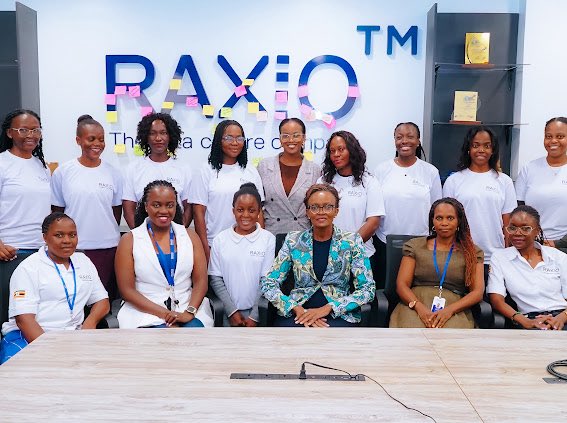
I had the honor of meeting incredible women in technology at Raxio Data Centre Uganda. Today we celebrate the strength, intelligence, and limitless potential of women in tech. Happy Women’s Day to all the amazing women breaking barriers!

4
18
119
3,709

Mar 2
🤣🤣🤣
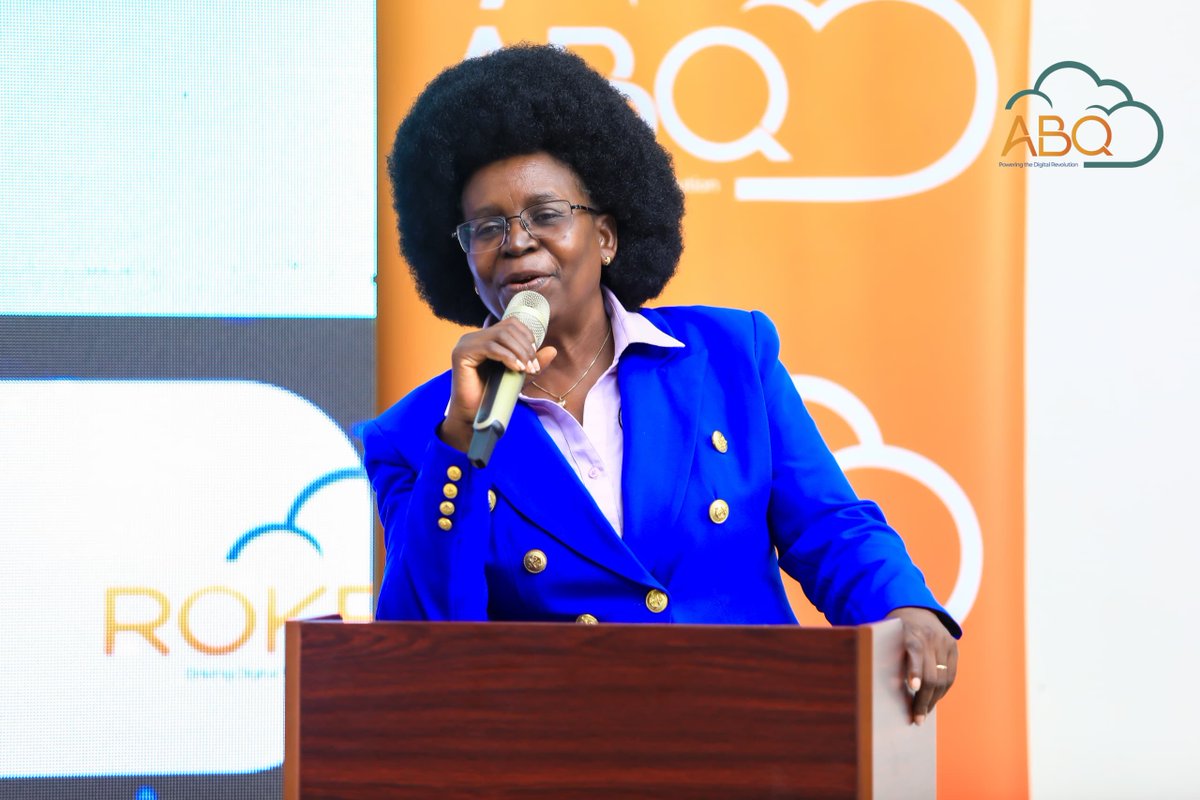
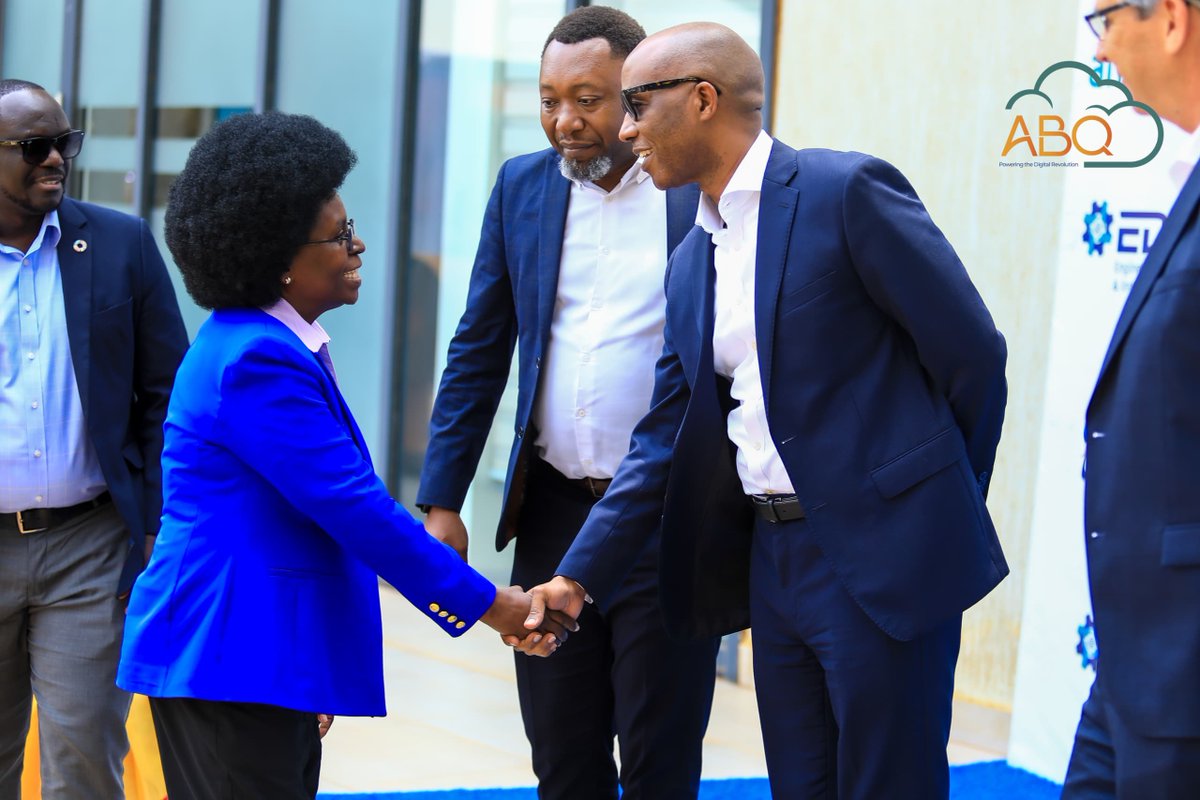
Completely unrelated, Recently Roke Cloud launched ABQ cloud, the AI Sovereignty Data platform cloud hosted here in Uganda at Raxio Data Centres, any take on this?
3
1
3
350

Feb 27
.@UgEquityBank has completed the migration of its core data center operations to the Raxio facility in Namanve Industrial Park
#kikubolaneUpdates | More details 👇
kikubolane.com/2026/02/27/eq…
2
87

BoU Commends Equity Bank For Completing Data Centre Migration To Raxio Facility
@UgEquityBank @IanFirminho @BOU_Official
businessfocus.co.ug/bou-comm…
9
7
657



Feb 26
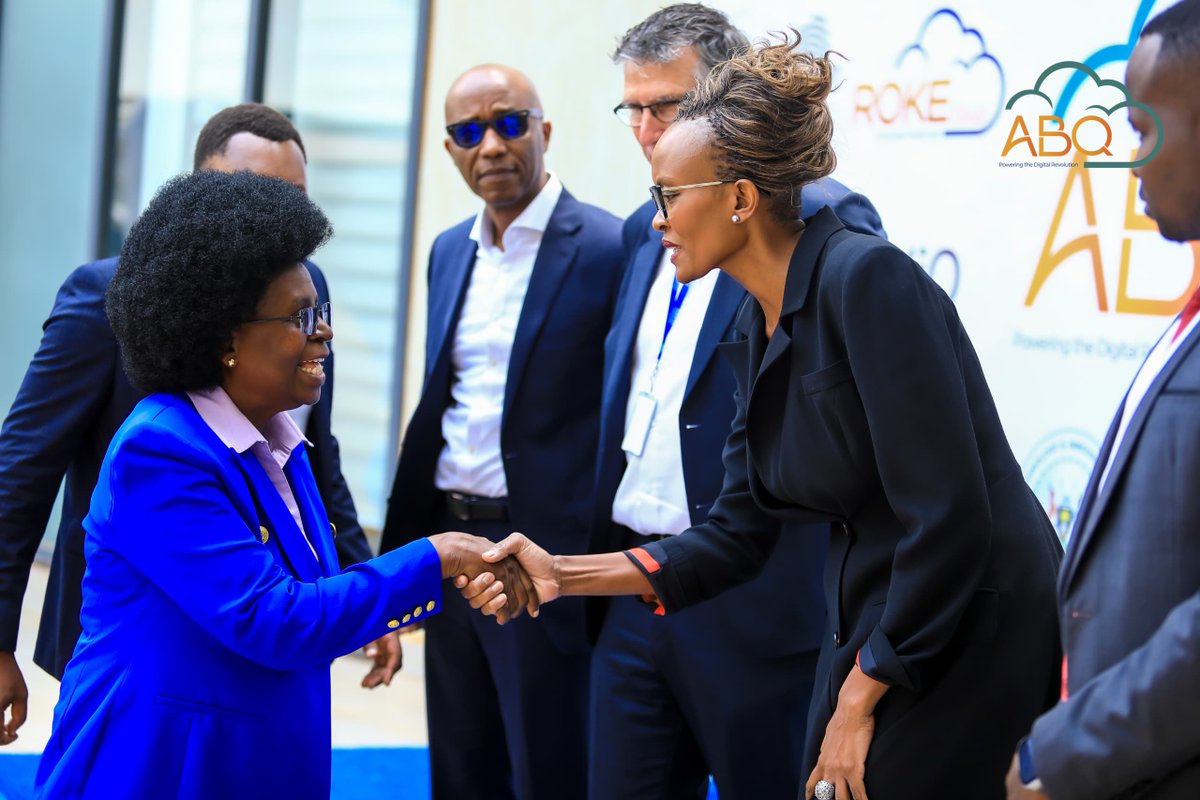
Equity Bank Uganda Moves Core Systems To Raxio Data Centre - #ChimpReportsNews
chimpreports.com/equity-bank…
1
23
1,371

Feb 26
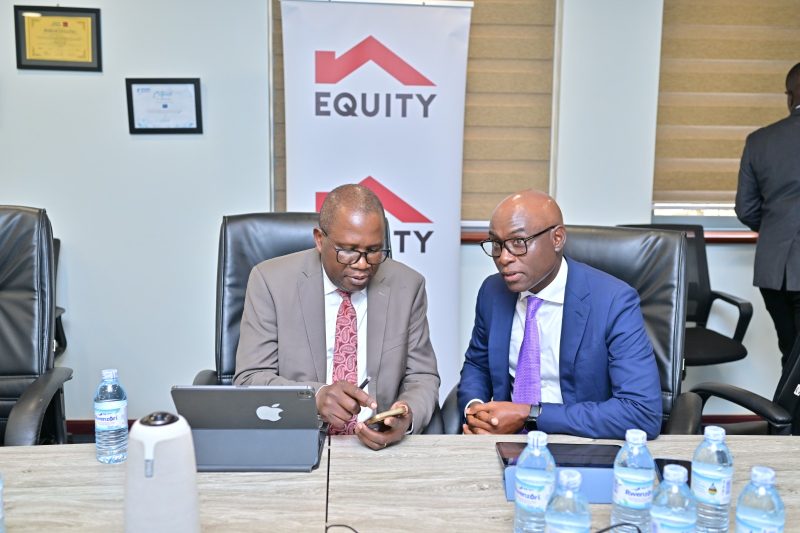
Equity Bank Uganda has successfully completed the migration of its core data centre operations to the Raxio Data Centre in Namanve Industrial Park, marking a significant milestone in the bank’s digital transformation journey.
Details; share.google/S4LWsiOo5Wn9WjR…
4
58

Feb 26
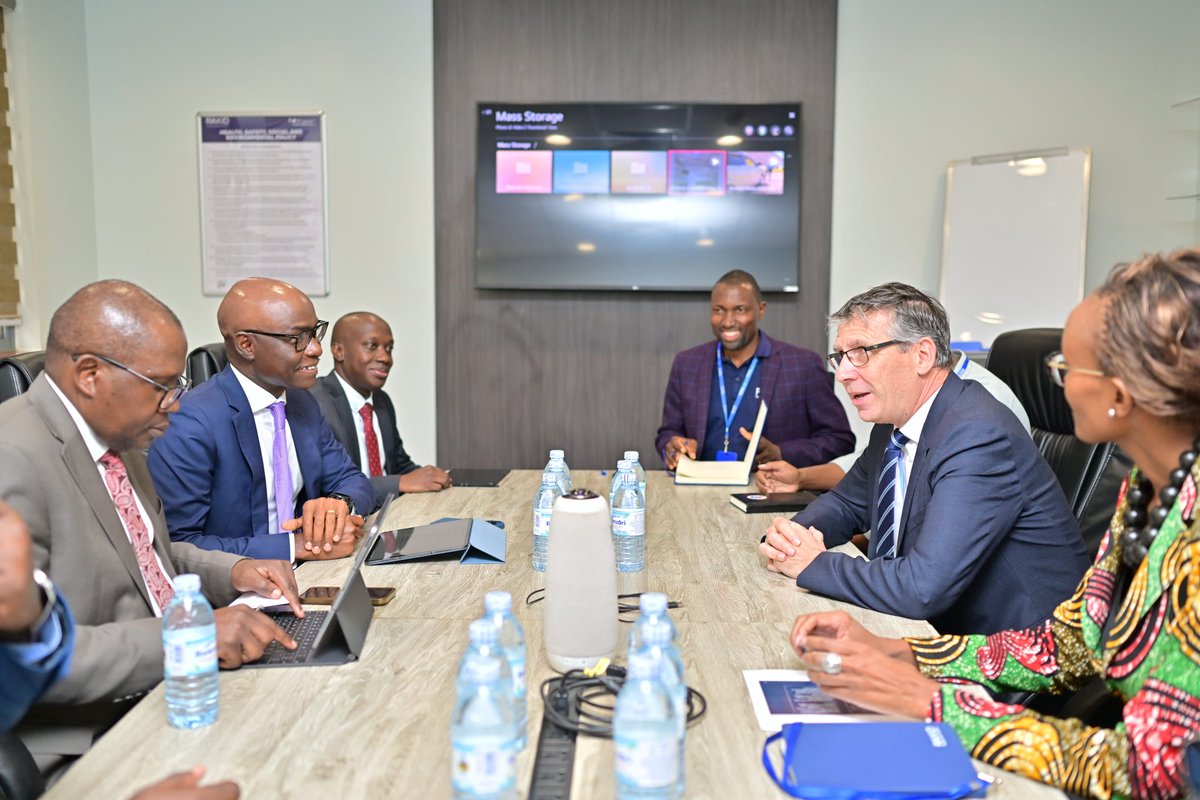
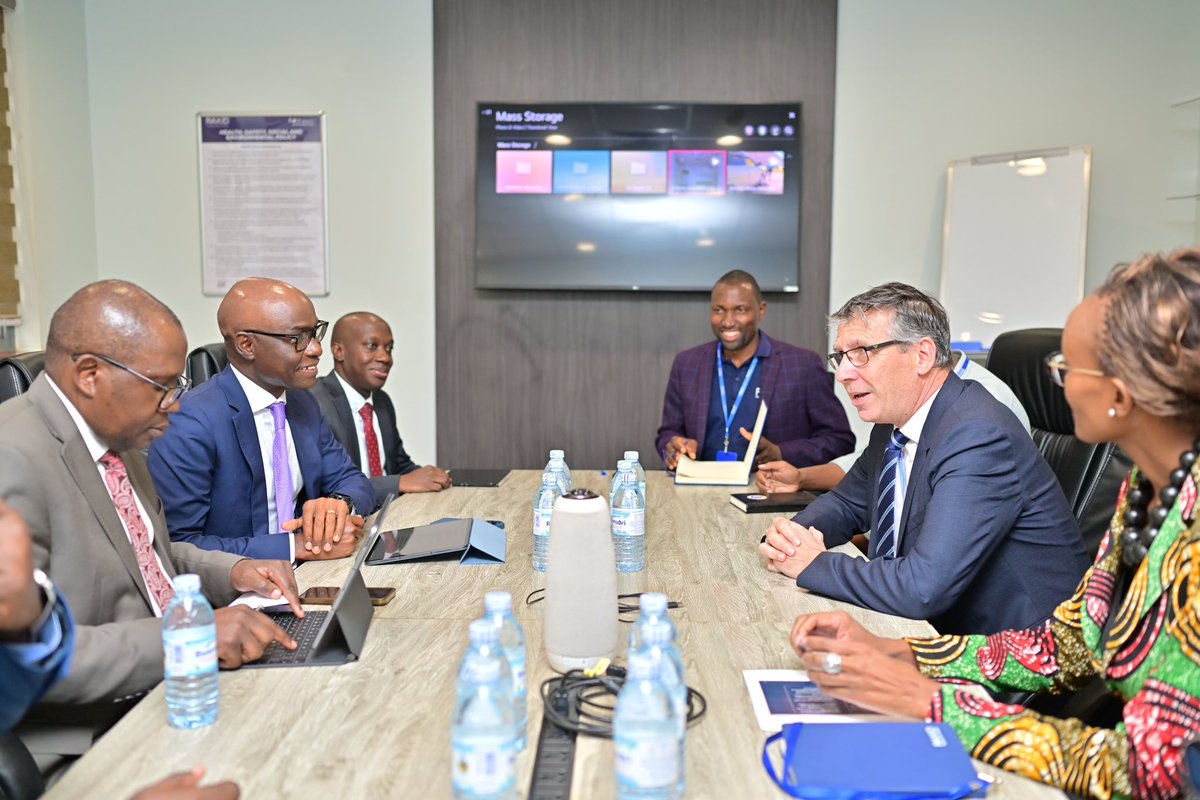
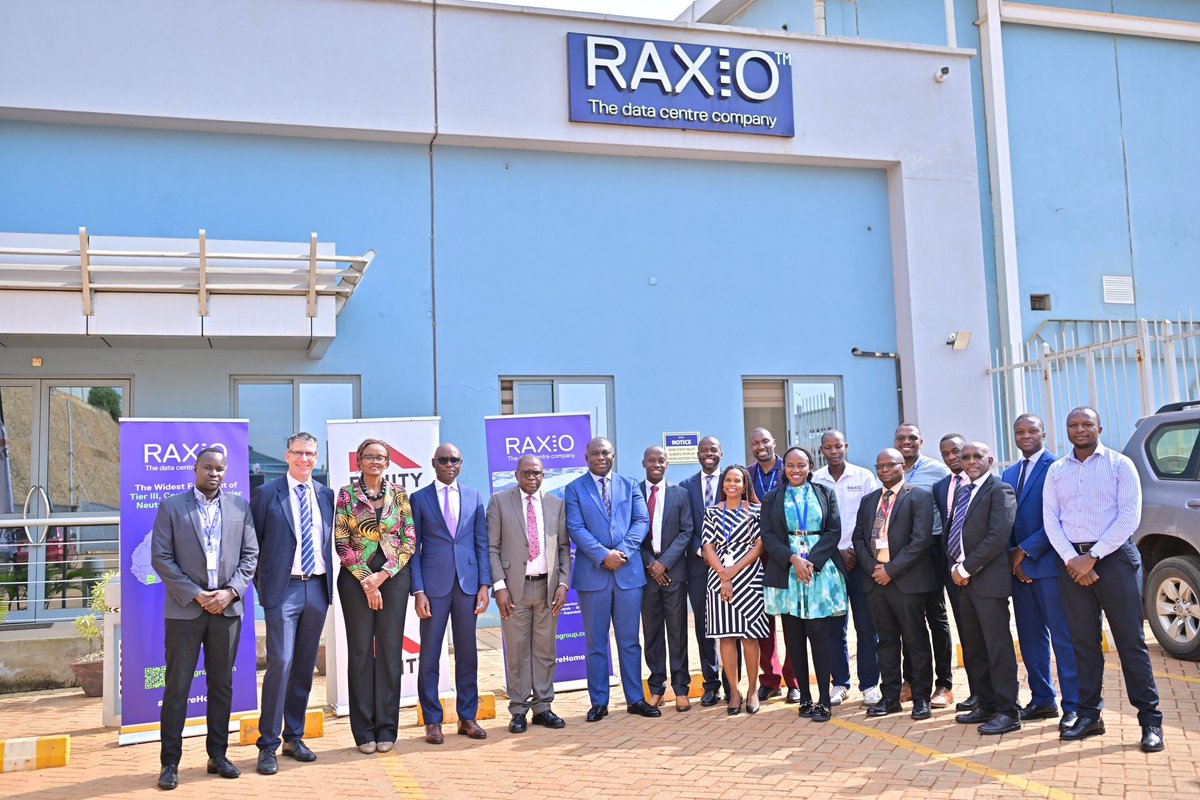
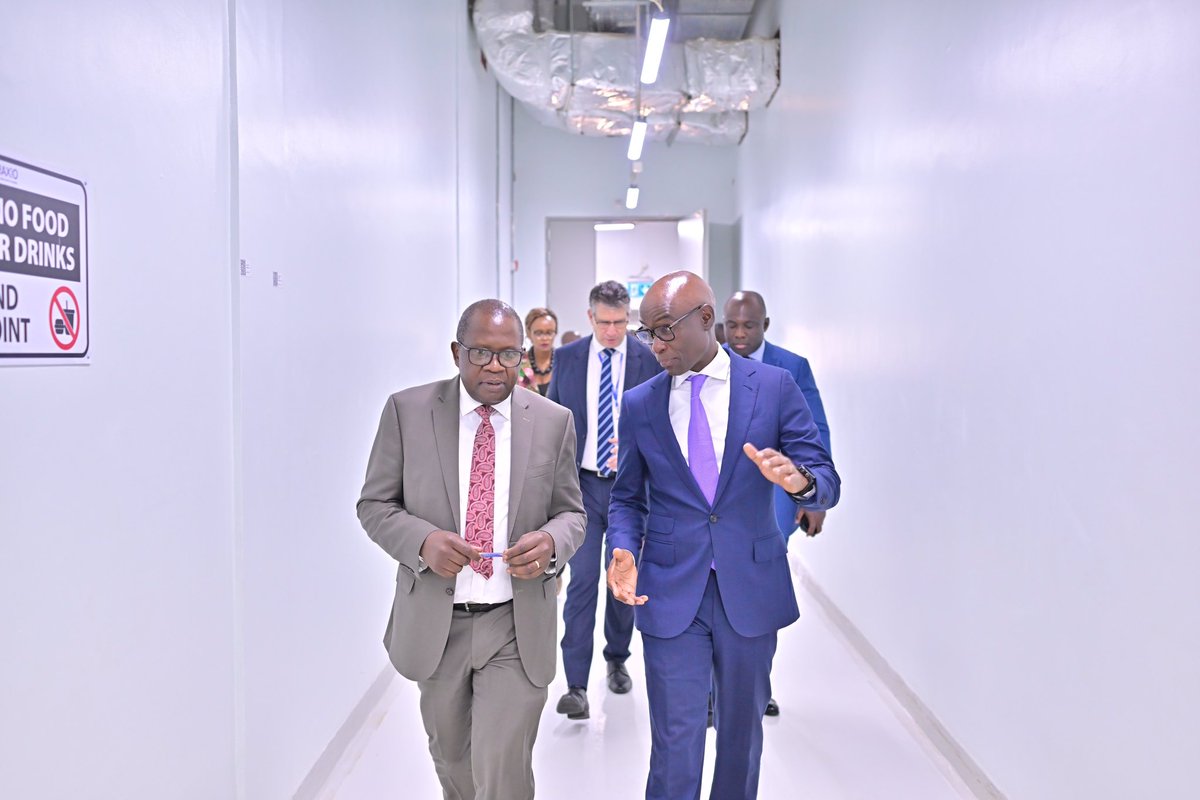
Today @UgEquityBank has successfully migrated its core data center operations to the Raxio Data Center in Namanve. This move will strengthen Equity Bank’s system resilience, enhance security and ensure improved service reliability for all customers nationwide.
#EquityBankUganda
2
4
1,297

Feb 26
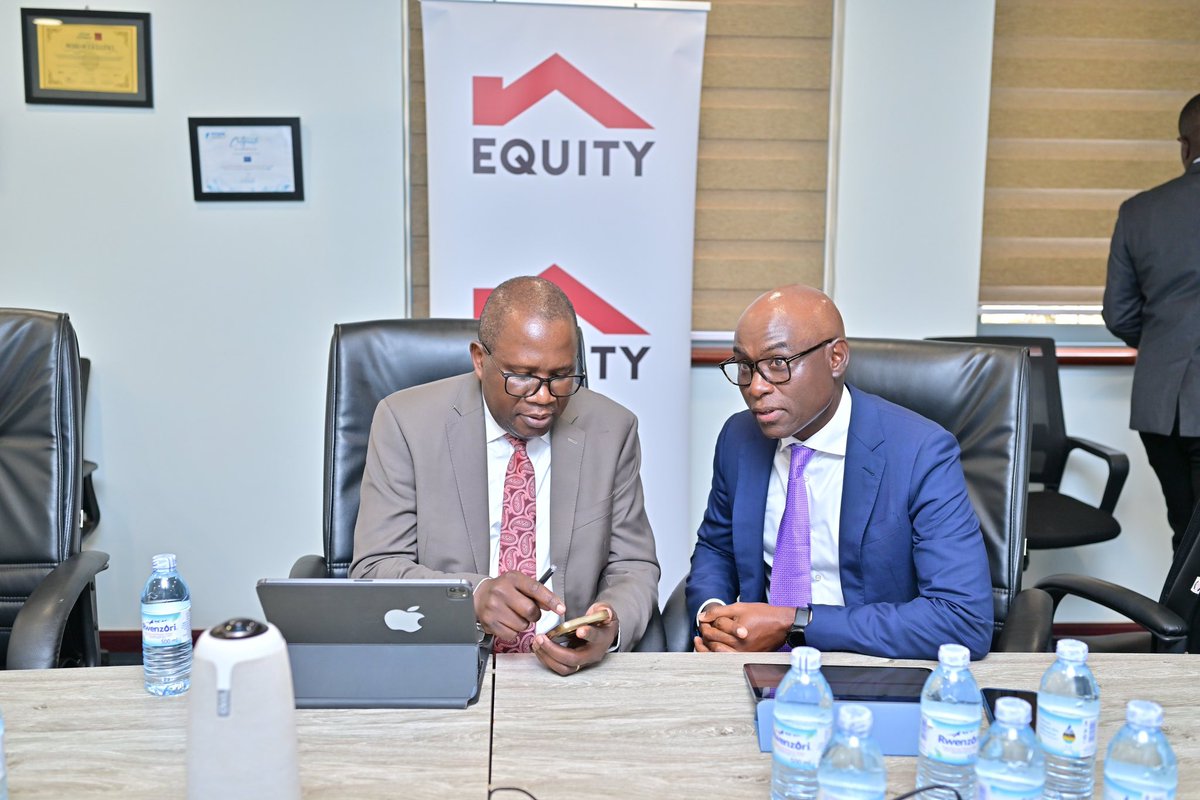
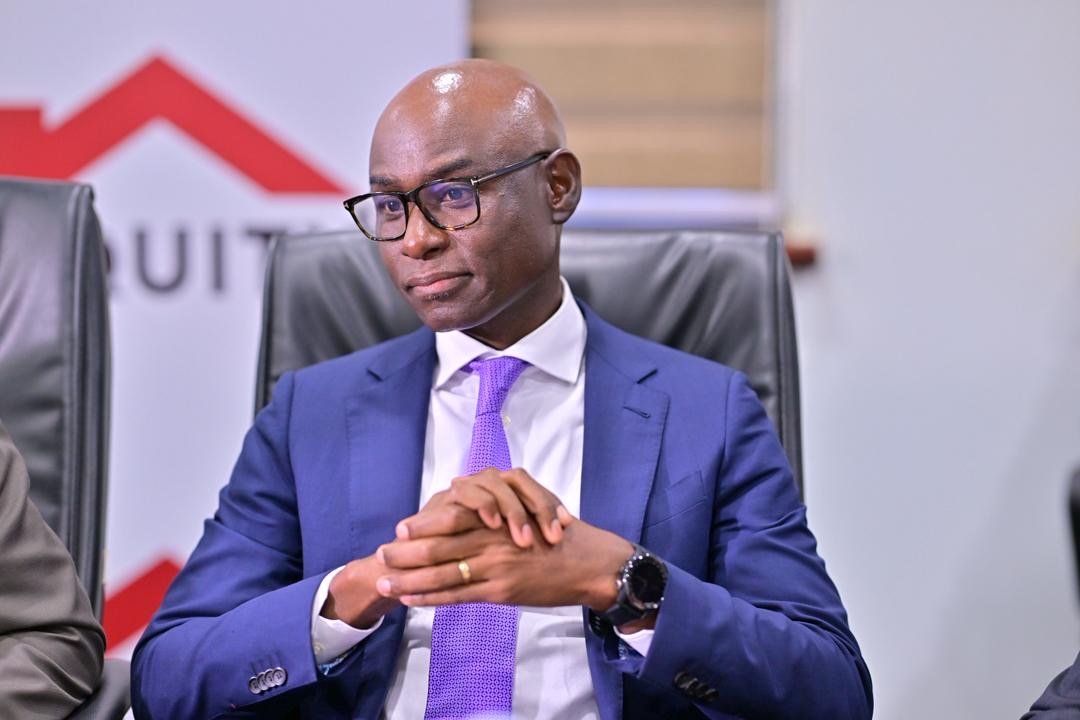
"Having data locally comes with many advantages. This investment is about our clients. With over 2 million customers, we need to make a real impact, and now we can innovate faster to meet their needs.
At Raxio Data Centre, reliability is number one, which is why we are partnering with them.
Having control over our clients’ data is very important, and we thank our Board of Directors for supporting this investment.
Our customers did not have access to our services for two days during the migration, and we are grateful for their patience.
What does this mean for the future? At Equity, we stand for transforming lives with dignity. Moves such as these enable us to achieve that even faster." —Claver Serumaga, Executive Director, Equity Bank Uganda
#EquityBankUganda
6
14
1,082