

25 Nov 2025
Chittorgarh has fallen many times and gone multiple renovations.
And it wasnt built by rajburrs but captured by Bhappa raywal later.
9
75

8 Mar 2024
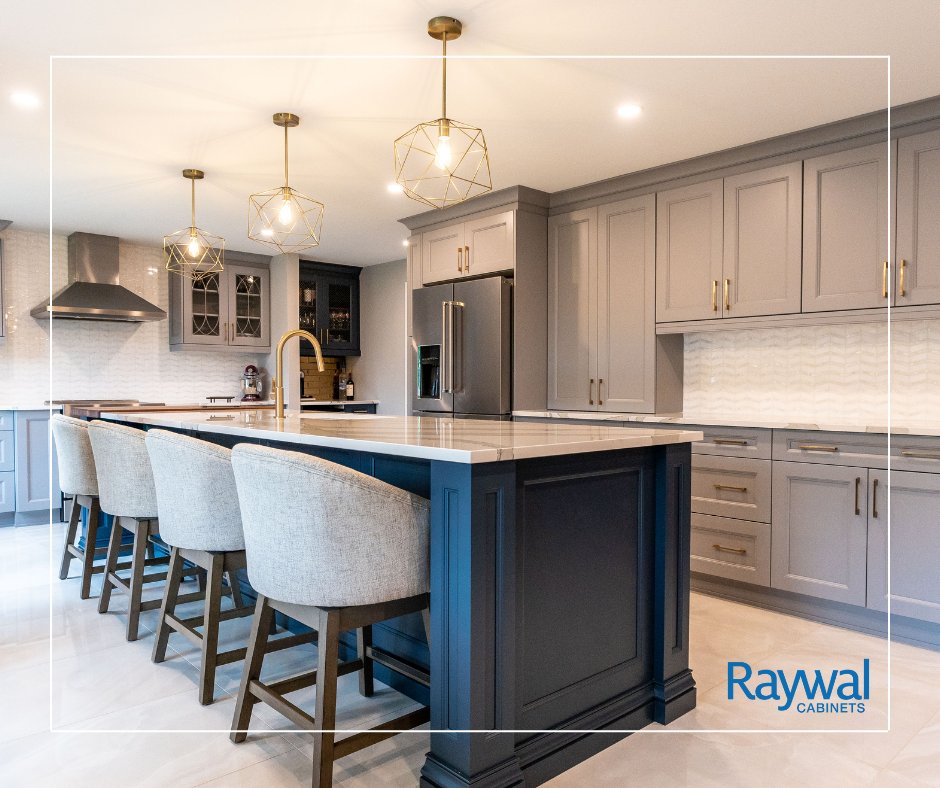
Feature Friday: 2 Tone Kitchen featuring tons of storage and Satin Brass accents.
Door Style: Rosedale in Silver with Navy Island
Mouldings: 2pc TCC and SLV light valance.
#raywal #raywalcabinets #canadianmade #cabinets #kitchendesign #kitchensofinstagram #kitchendecor
1
18

7 Mar 2024
While the mango is referred to as the king of fruits, with the Alphonso mango being revered as the king of kings, the 1875 Maclean’s ‘Guide to Bombay’ published in 1875 says that the Mazagon mango was a tad better than the Alphonso. It describes the Mazagon mango as being “pear-shaped” and distinguishable from the other mangoes by a little lump or horn at the narrow end.
Though the Alphonso mango continues to tickle our taste buds, unfortunately the Mazagon mango has been lost to history, perhaps because of the mindless urbanisation in Mumbai that may have seen these trees being chopped down. One can postulate that the ‘Ambewadi’ in Mazagon may have housed this mango grove.
Conservationists and activists fear that a similar fate may await the native or desi varieties of mangoes, which are broadly referred to as ‘raywal’ or ‘payri’ mangoes in Maharashtra. These wild varieties of the fruit have unique tastes, shapes and even names. For instance, ‘dahya’ tastes like curd, ‘chikuya’ has a significant amount of ‘chik’ or turpentine, ‘safarchandya’ is shaped like an apple, ‘bitki’ and ‘bhopli’ are small, round shaped and shaped like a pumpkin respectively. A wild variety of mangoes is also named ‘telsildaracha’ after the princely-era bungalow of a tehsildar at Panhala in Kolhapur district where it was found.
According to the National Mango Database, India has nearly 1,000 varieties. But, only about 20 varieties are grown commercially. Perhaps they can be conserved and documented for an existence beyond journals and books.
2
5
24
2,836
12 Dec 2023
Hey @CambriaSurfaces we think it's time for a rematch!
#gingerbreadhouseday #allingoodfun #goodtimes
#raywal #raywalcabinets #canadianmade #cabinets #kitchendesign #interiors #kitchensofinstagram #kitchendecor #kitchenreno #interiordesign

1
20
2 Dec 2023
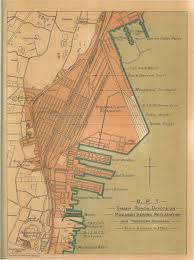
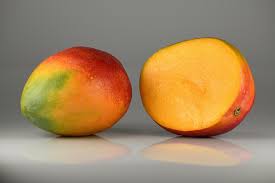
#Mazgaon is a small urban settlement in #Mumbai known for its quaint houses at the Matharpacady village, colonial-era churches and the docks. But did you know that the mangoes from Mazgaon were relished even by the Mughal emperor Shah Jahan? Read on:
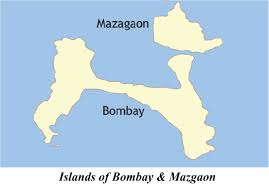
Mazgaon or #Mazagaon may be the corruption of the term 'maccha grama' or fishing village. It is said to be one of the seven islands of #Mumbai.
In July 1914, a hyena was killed in that locality and in November 1929, a tiger was sighted near the Mazgaon fort. This shows that at a time when Mumbai or #Bombay as it was then known as, was expanding, Mazgaon was still sequestered. The area developed after Sir John Malcolm, the then Governor of Bombay, moved his residence from Apollo street to Parel, where the Haffkine institute stands.
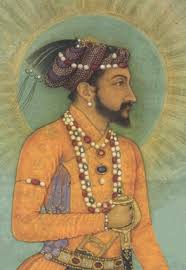
Mazgaon has a hoary past that predates these developments. Mangoes grown in Mazgaon were known for their taste and were much in demand. In his 1820 book 'A Geographical, Statistical, and Historical Description of Hindostan and the Adjacent Countries,' Walter Hamilton says that the Mughal emperor Shah Jahan had these mangoes brought down from in Mazgaon ('The mangoes produced here are so famous for their
excellence, that they were formerly sent to Delhi during the reign of Shah
Jehan'). Maria Graham says (1810) that "Mazagaon's celebrity in the east is owing to its mangoes." Dr Julius Berncastle refers to the Mazagaon mango being the most celebrated of these fruits in his 'A Voyage to China, Including a Visit to the Bombay Presidency, the Mahratta Country'.
Unfortunately, many of these trees were cut down. Today, no trace of that famous Mazgaon mango can be found. This is a fitting reminder for us to preserve our indigenous varities of mangoes called 'raywal/ raiwal aambe' in #Marathi.
#history #heritage #MumbaiHeritage #fruits #Mughals #British #Maharashtra #ShahJehan #ShahJahan #Food #FoodTwitter #FoodHistory
(All photos from the internet).
5
16
75
8,316

9 Oct 2023
Mon amour, vous mangez tous morceau après morceau. Vous êtes d'accord avec Raywal
1
3
259

8 Aug 2023
Welcome to GOHBA! Raywal Cabinets & Trevor Bellamy
.
Raywal Cabinets have been creating one-of-a-kind kitchens and living spaces for more than 65 years in North America.
.
For more info visit their directory listing here: lnkd.in/dgpc_W-v #gohba #ottawa #homebuilders

2
105

29 Jan 2023
Es todo mentira eso ..un tal RAYWAL tiene 9263737284836281816484402928372 socios ...son datos mentirosos los de afa
2
252

14 Jan 2023
Haa. Naani banaati thi Konkan mei tou woh steel ke thali mei Hapus /Paayari / Raywal Aam ka ras daal ke aangan mei sukhaa deti thi. Hum bachhe uski rakhwali karte thei Gaay -Bhains se. Usko Aam Paapad naam abhi padaa hai. Tab usse 'Aambyache Saath' bolte thei.
1
2
25


4 Jul 2022
Es todo mentira ,si raywal tiene 3948594940327162839 socios ,son los más grandes de Argentina.......verifiquen de nuevo
4
5 Jun 2022
Es mentira eso, si RAYWAL llena la cancha más q el Real Madrid y tienen 4947372936329373628 socios
13

20 May 2022
Love all mangoes. Grew up eating hapus, paayri, raywal, rajapuri.
Hapus is overpriced, but the taste is heaven!
Have never had banganpalli, wd love to taste it.
#MangoTangent 😄
3
3

18 May 2022
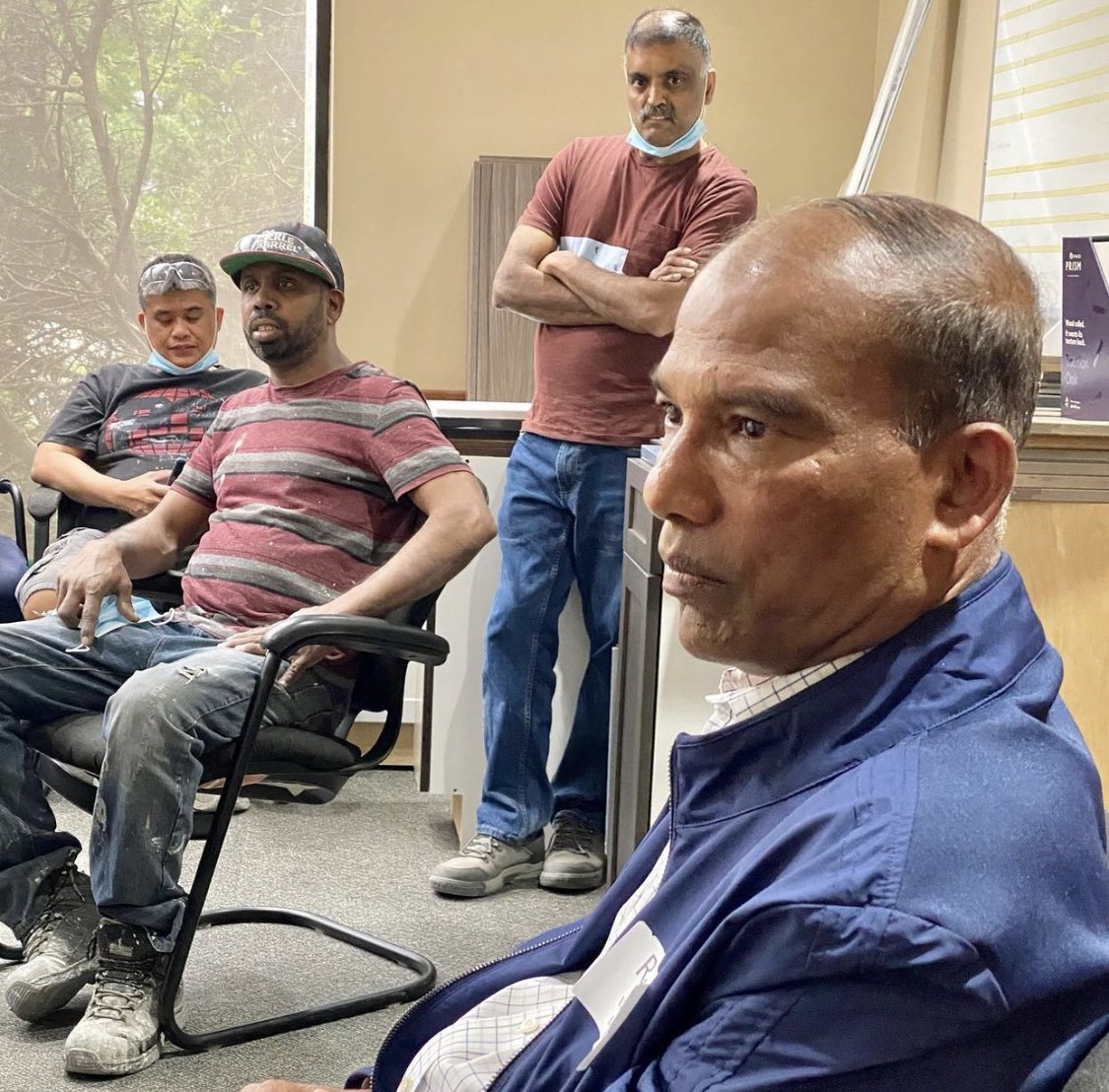
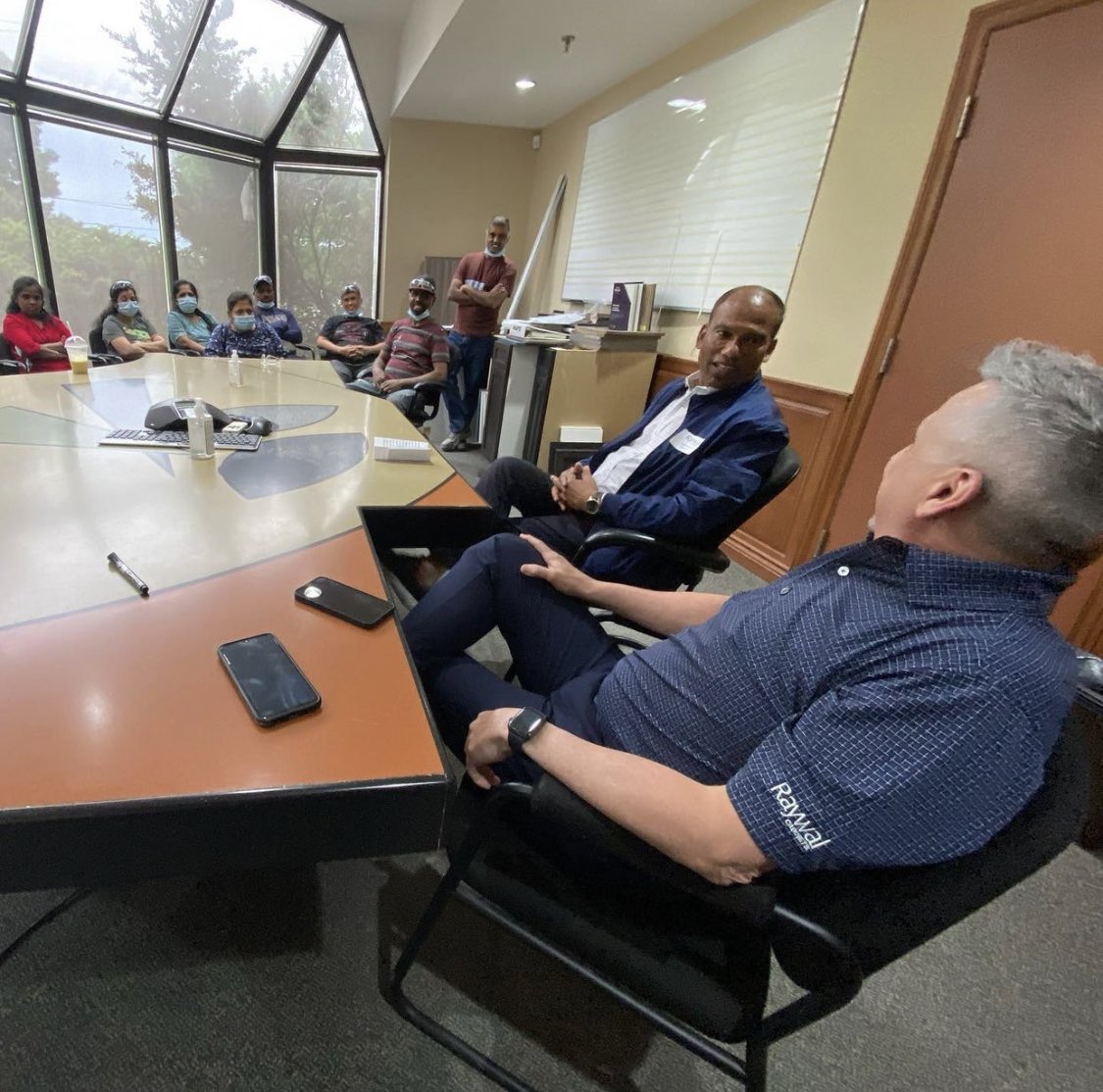
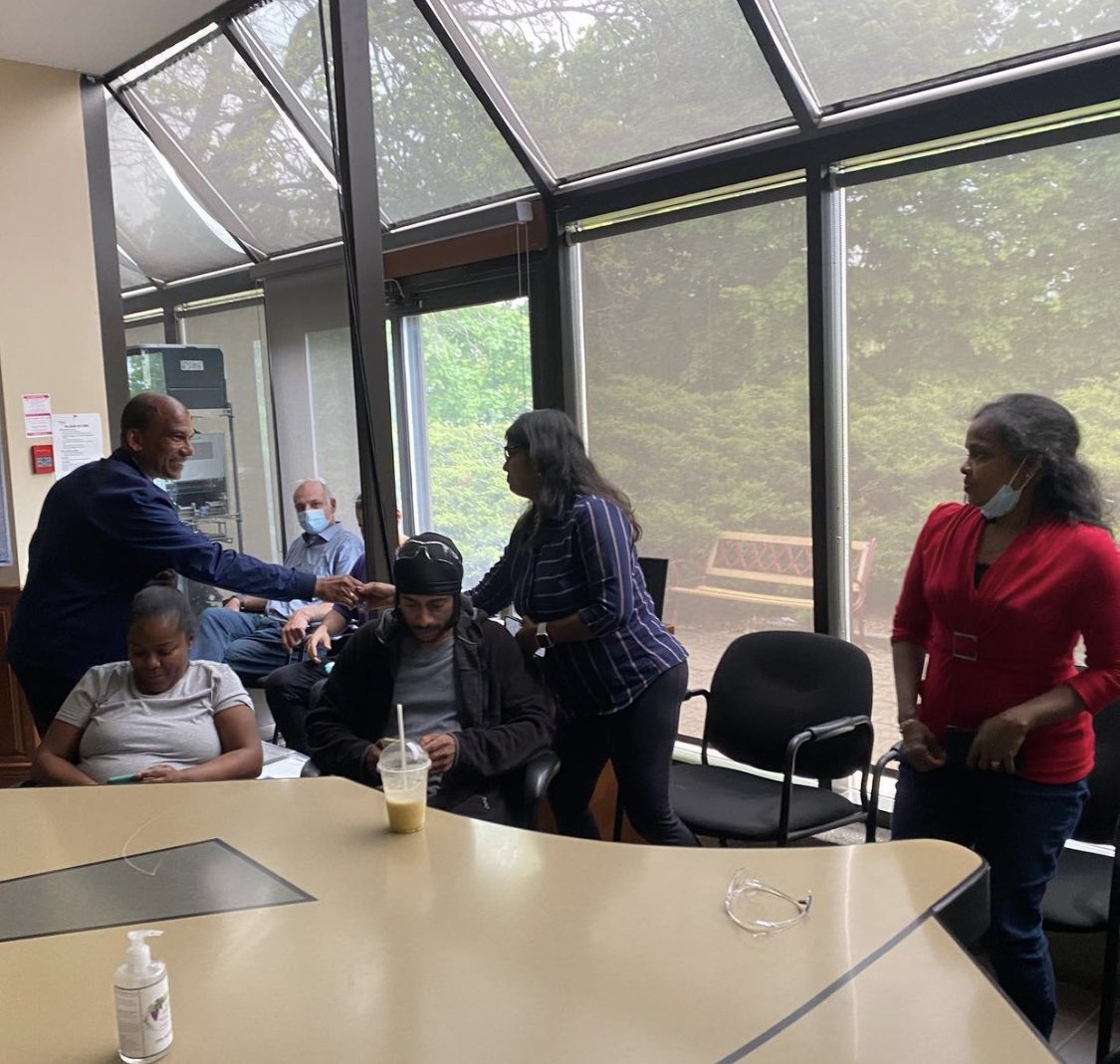
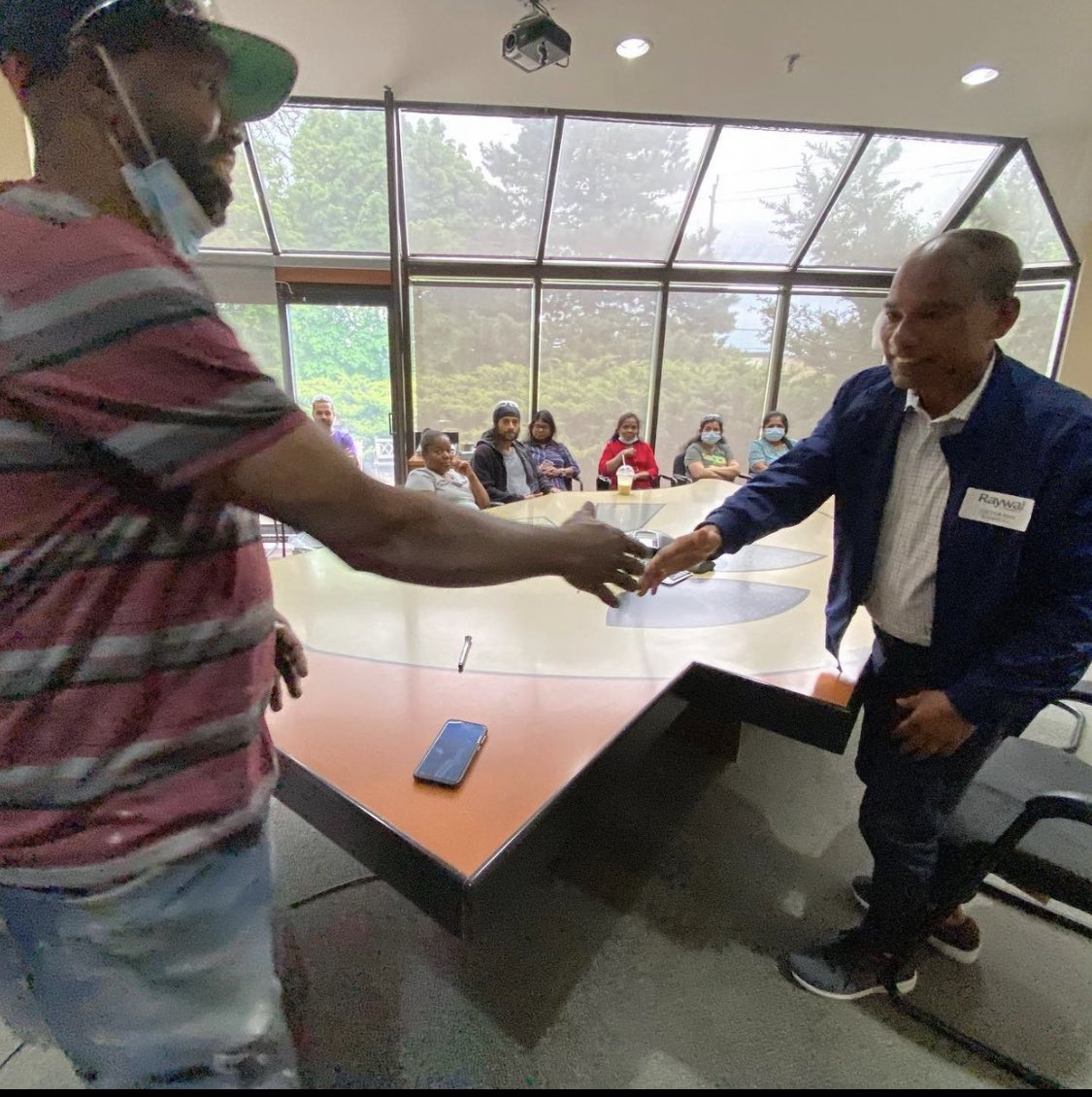
I was happy to sit alongside these constituents of Markham - Thornhill today to help answer any of their questions and concerns. This gathering was organized by Raywal Cabinets on Green Lane Rd. where many of these residents are employed. #markham #thornhill #onpoli
4
2
31 Mar 2022
Jajajajajajjajajjajajaja ....1 cosita nomas, tenías otros colores y te llamabas RAYWAL...
2

17 Mar 2022
Te llamabas Raywal y cambiaste el color de tu equipo 2 veces, aprende la historia de tu equipo, termo
1
8