dorothy108 retweeted

🧵 Here is the TRUTH: Dangerous gain-of-function research was funded by the U.S. government around the world, directed and approved by people like Dr Fauci. @DNIGabbard exposed that yesterday.
Using U.S. government data, put together and uncovered by career subject matter experts in the Intelligence Community and other government agencies, yesterday’s release highlighted one example of the many overseas biolabs funded by the U.S., the research conducted there, and the significant risks they pose to the world, especially when located in a country at war.
🔗 dni.gov/files/BIOLAB_Slides.…
135
1,148
3,072
66,585

And some have paid the price already. But while we're at it, best look into how to get that shit out of your system. Especially if you're thinking of having kids. The crap hangs around apparently. Hard to know what to believe anymore. At any level of investigation or research.
ConfessorTedCrilly(¡𝓙𝓮𝔃!) 🍀✝️☘️ retweeted

Now that we have established that Covid was man-made, and that the US were funding gain-of-function research at biolabs around the world, including Ukraine…
The question becomes, why the Biden admin cover all this up? Because Covid is how they stole the 2020 election…
Yes, I am alleging that the Democrats, intentionally released a man-made biological weapon, via their foreign black site USAID-funded labs, to justify mass mail-in ballots, in which they harvested and delivered to deep blue counties in swing states. Covid was the next phase of the treasonous coup, after the Russia hoax and impeachment attempts failed.
The reason the Dems/MSM have been frantically trying to cover up Covid’s origins, and the funding at the labs in Ukraine, is because they are trying to cover their tracks. The Dems released Covid to stop Trump, and that’s what all this is really about. They are guilty of crimes against humanity.
Notice how Tulsi has been working on the biolabs in Ukraine, as well as fraud in the 2020 election… these two things are connected!
TREASON!
302
3,142
10,238
99,589

OBAMA was involved in the CREATION of U.S. BIOLABS conducting gain-of-function research of deadly pathogens across the world, especially in Ukraine using U.S. taxpayer dollars, through agencies like USAID.
After the bioweapons convention ban ended in 2001 and after the anthrax attacks, Dr. Fauci essentially restarted the bioweapons arms race under the pretension of developing vaccines.
In 2014, Obama moved Fauci's gain-of-function research offshore after Obama was essentially begged to shut down operations from over 250 scientists because of the dangerous research Dr. Fauci was conducting.
President Trump was the one who shut down gain-of-function research in the U.S. and abroad.
DNI Tulsi Gabbard first exposed these labs in 2022 and now the proof of 120 biolabs in 30 countries, with a heavy focus on Ukraine, where the U.S. built and supported over 40 labs has been released and it all goes right back to the Obama administration and Dr. Fauci.
141
2,866
4,897
34,926


red🇺🇲🇺🇲🇺🇲 retweeted

Jun 12
Does anyone else find it odd that $200 billion is spent on cancer research every single year...and the only thing to show for it is a 75% increase in cancer deaths since the 1990s?
1,676
10,345
51,034
852,174
Di ¹⁵⁵🌱 retweeted

12h
Day 18527252 of kpop stans doing background research on every privileged American artist to find a 1% Asian ancestry so they can discredit BTS’s achievements and struggles

21
410
3,619
24,854

What we see in US today is 70 years of federal support for AI research. Our Politicians won't accept that our IIT Trained Scientists were at the front of global AI Research, specially in USA. We didnt utilize our talent. We were happy with remittances coming home! Cheap thinking!

17s
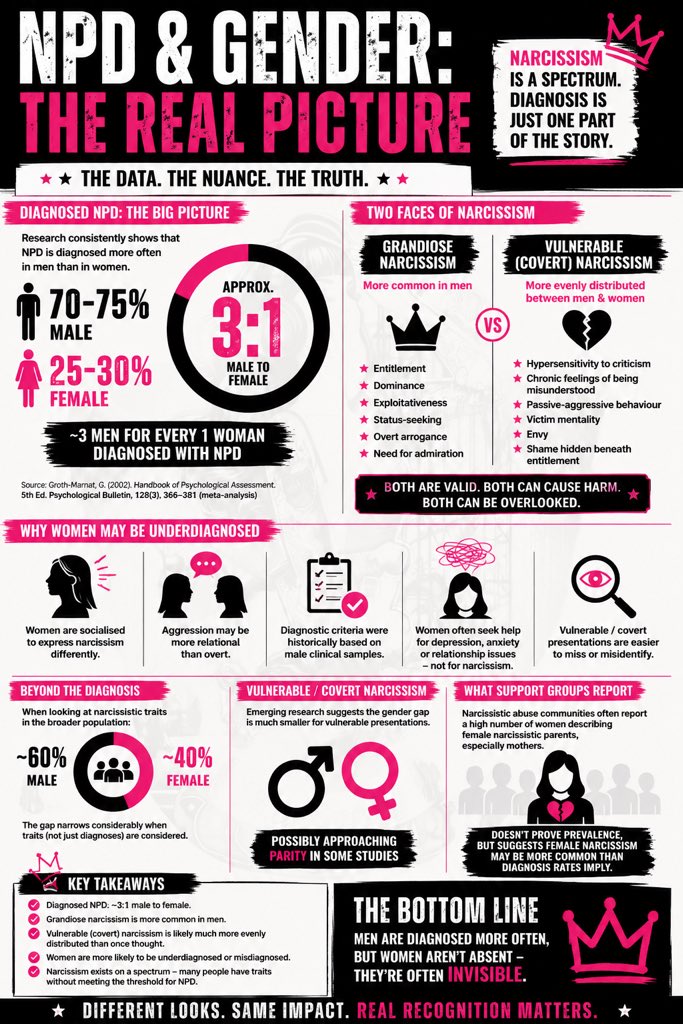
ɴᴀʀᴄɪꜱꜱɪꜱᴛꜱ. ᴍᴇɴ:ᴡᴏᴍᴇɴ ʀᴀᴛɪᴏ?
For formally diagnosed Narcissistic Personality Disorder (NPD), research has traditionally found that approximately 50% to 75% of diagnosed cases are male, often cited as roughly 2:1 to 3:1 male-to-female.
🆗A few important caveats:
• Men are more likely to display grandiose narcissism, which tends to be more obvious and therefore more likely to attract clinical attention.
• Women may be more likely to present with vulnerable/covert narcissistic traits, which can be less visible and potentially underdiagnosed.
• Some researchers argue that diagnostic criteria were developed largely from studying male presentations, meaning female narcissism may sometimes be overlooked or misidentified.
• Narcissistic traits exist on a spectrum. Many people have narcissistic characteristics without meeting the threshold for NPD.
💁🏻♀️ So while NPD is generally diagnosed more often in men, the gap may not be as large as older statistics suggest, particularly when covert or vulnerable presentations are considered.
👉🏻The most commonly cited figure comes from a large review published in the journal Psychological Bulletin, which found that about 75% of people diagnosed with NPD were male.
🚻That translates to roughly 3 men for every 1 woman diagnosed with the disorder. Narcissistic Personality Disorder
However, the story becomes more nuanced when researchers separate grandiose narcissism from vulnerable narcissism:
📍Grandiose Narcissism
More common in men on average.
Traits include:
Entitlement
Dominance
Exploitativeness
Status-seeking
Overt arrogance
Need for admiration
This is the stereotype most people picture when they hear “narcissist.”
📍Vulnerable Narcissism
Appears to be much more evenly distributed between men and women.
Traits include:
Hypersensitivity to criticism
Chronic feelings of being misunderstood
Passive-aggressive behaviour
Victim mentality
Envy
Shame hidden beneath entitlement
Many clinicians believe vulnerable presentations, particularly in women, can sometimes be mistaken for anxiety, depression, trauma responses, or certain personality styles.
🤔Why might women be underdiagnosed?
Several theories exist:
Women are generally socialised to express narcissism differently.
Aggression may be more relational than overt.
Diagnostic criteria were historically based on predominantly male clinical samples.
Women with narcissistic traits may seek help for depression, anxiety, or relationship problems rather than for narcissistic behaviours themselves.
🤔An interesting observation is that many support groups report a surprisingly high number of women describing female narcissistic parents, especially mothers. This doesn’t necessarily reflect true prevalence, but it suggests female narcissism may be more common than formal diagnosis rates imply.
🎓The current academic leaning:
Many researchers today would probably say:
NPD diagnosis: approximately 70-75% male
Strong narcissistic traits overall: perhaps closer to 60-40 male-female
Vulnerable/covert narcissism: possibly approaching parity in some studies
In other words, if you’re looking specifically at diagnosed NPD, the best-supported estimate remains around 3:1 male-to-female. If you’re looking at narcissistic traits and covert presentations more broadly, the difference appears considerably smaller.
🌀One additional wrinkle: when people discuss “covert narcissists” online, they are often describing a mix of vulnerable narcissism, narcissistic traits, and sometimes entirely different personality dynamics. The research on covert narcissism is much less settled than the research on NPD itself.
Knowledge is power ✨

So you know that 10 downing street is and apartment that has space for over 100 workers, it has conference halls, and A SINGLE FLAT OF RESIDENCE FOR THE PRIME MINISTER, I for ignore you but before you rant with AI overview make research you are don't an illiterate
nomeolvides retweeted

It’s been 20 years and not a single leftist has even begun the necessary research to prepare their response to this.

29
1,863
25,843
544,913
Gowrish retweeted

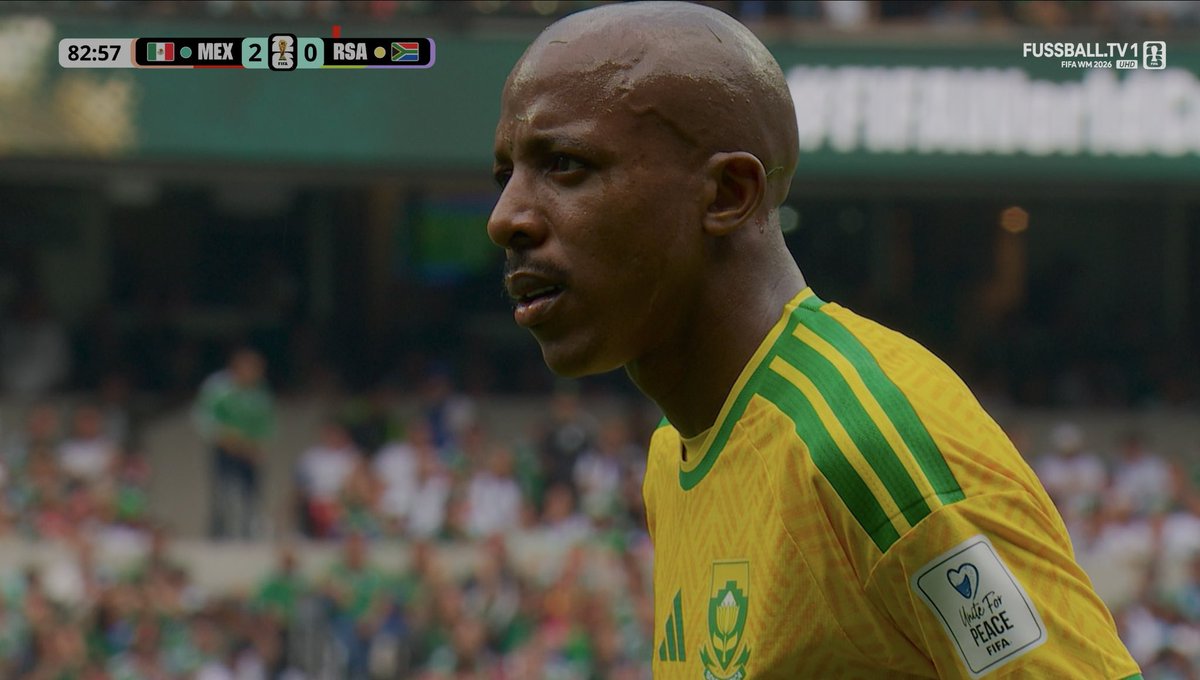
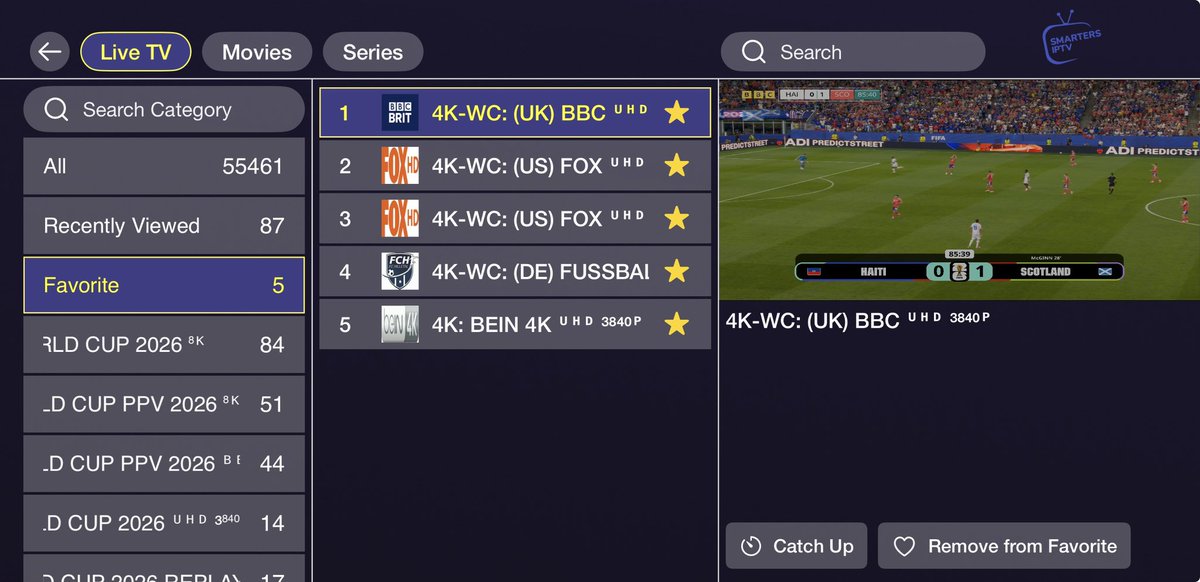
I thought Zee5 was the best option until I found IPTV. 😭
Didn’t know anything about it before, but after a lot of research, I’m finally watching FIFA 4K HDR 60fps without lag (Also Dolby Audio 5.1 for few 4K streams)😨🔥
The only way for 4K in India 🥲
#fifa4k #fifa #zee5
13
7
94
8,851
Airavata retweeted

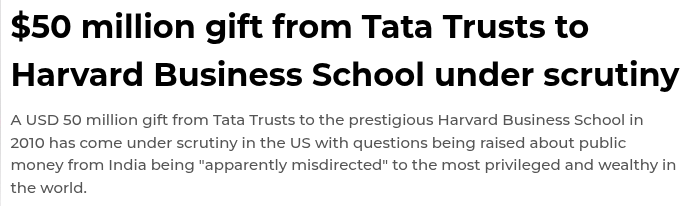
If you care about India put $100M into setting up a research lab at a top tier university in India. Instead we have people funding their alma matter in the US.
8
61
318
6,350
🇮🇹Giulio Mattioni 🧱 ⚒️ retweeted

Hunter Biden’s fund and Joe Biden’s US Department of Defense financed Ukrainian biolabs and their research.
Clandestine operations endangering the world combined with Biden corruption. 👇

$2.4 billion fund under Hunter Biden involved in financing US-backed biolabs in Ukraine 🇺🇦
The Rosemont Seneca investment fund, led by Hunter Biden, son of Joe Biden, is involved in financing biological laboratories in🇺🇦, Chief of the🇷🇺 Radiation, Chem. and Bio Def Forces Igor Kirillov
71
936
2,246
41,612
TC Antidisestablishmentarianist retweeted

🔥 BREAKING 🔥
An Africa-based research team aiming to disprove Western claims about low IQ in African countries went viral.
After conducting mass IQ tests, over 50% of participants scored below 70, with a median score of 69.7 which supports Western findings.
Low IQ = Low impulse control & a higher level of crime & violence.
This is evident across the West with 3rd world Mass immigration.
❌ IQ under 75
An IQ under 75 indicates an intellectual or cognitive disability, often characterized by slow learning, poor impulse control, difficulties with abstract reasoning & significant challenges with social and daily living skills.
Individuals may exhibit a childlike approach to problems, struggle with long-term consequences & are more prone to violence due to lack of social/ emotional intelligence & communication skills.
80
432
1,532
40,267

膨大な資料から一瞬で答えを探し出す!自分専用のAIリサーチアシスタントを構築する本。
『はじめての生成AI Gemini「超」活用術』(安達恵利子)発売中!
amazon.co.jp/dp/4800721601/
リサーチや資料の整理に、毎回何時間も費やしていませんか?
本書では、手元のPDFやウェブページを読み込ませて自分だけの知識ベースを作れる「NotebookLM」の活用法を徹底解説。
本書で学べること:
・渡した資料だけを根拠にするから、嘘のない正確な回答
・膨大なソースから必要な情報を出典付きで素早く検索
・取り込んだ資料から報告書やスライド案のたたき台を自動生成
「資料が多すぎてどこに何があるか分からない」
「信頼できる情報だけを元にレポートをまとめたい」
という方のための、調べるだけで終わらせず成果物まで一気に仕上げる最強の仕事術がここにあります。
目次
Chapter1 Geminiの準備と有効な回答を得るテクニック
Chapter2 Geminiの5つの活用パターン
Chapter3 Gemini CanvasでAIと文書を仕上げる
Chapter4 動画や画像を分析して活用する
Chapter5 Google WorkspaceとGeminiの連携
Chapter6 Nano Bananaで図解やイラストを作る
Chapter7 NotebookLMで資料を整理し成果物まで仕上げる
Chapter8 Deep Researchを活用した実践的な情報収集術
Chapter9 Gem(カスタムAI)で頻繁に利用する機能を登録する
Chapter10 スマホアプリでGeminiを使う
#NotebookLM
#AIリサーチ
@Eriko_Adachi