
Also more shooters need to do resizable UI’s. It’s great for a 32 inch screen.
74

LiveContainer lets you run unlimited iOS apps without installing them.
No jailbreak. No 3-app limit. No Apple developer account constraints.
Here's how it works.
LiveContainer is an iOS app launcher — not an emulator, not a hypervisor. It creates a sandboxed environment where you load IPAs directly. The magic: it bypasses the 3-app free developer account limit entirely. You can install unlimited apps, run multiple versions of the same app with separate data containers, and even multitask with in-app virtual windows.
The technical architecture is clever. Below iOS 26, when JIT is available, codesigning is completely bypassed — no need to sign apps before installing. On newer iOS versions, apps are signed with the same certificate LiveContainer uses. The tweak injection system loads CydiaSubstrate, letting you run jailbreak-style tweaks inside the sandbox.
Multitasking works too: launch multiple apps simultaneously in resizable virtual windows. On iPads, apps run in native window mode with separate system windows. You can even use Picture-in-Picture to float one app while using another.
This is significant because it sidesteps one of Apple's biggest developer pain points: the 3-app ID limit on free accounts. For developers testing multiple apps or running side-by-side comparisons, this removes a major friction point.
Requirements: iOS/iPadOS 15 , AltStore or SideStore for initial installation. Open source, actively maintained.
github.com/LiveContainer/Liv…
1
53

I made Wiki Map, a Chrome extension that visualizes your Wikipedia browsing path as a mind map.
As you jump from one article to another, it tracks the connections locally and shows them in a resizable side panel.
GitHub:github.com/TheVota/Wiki-Map
21

Jun 14
It's for a watch it's what connected the watch band to the watch. Or some watch bands were resizable those were used to resize them.
1
7


Jun 13
@thatstarwarsgrl
Clearing CMOS is not a sensible first step for someone who may not understand what BIOS settings may have been changed.
It can reset things such as:
RAM profiles/XMP or EXPO
Boot order
Fan settings
CPU or voltage settings
Resizable BAR and other custom options
1
1
47

Jun 13
5 clues that tell us Apple is about to release a foldable iPhone Ultra — from iOS 27 code to resizable apps and larger widgets techradar.com/phones/iphone/…
3
1,586
るあ retweeted

Jun 11
Instant FPS Boost Checklist:
✅ Enable XMP/EXPO
✅ Enable Resizable BAR
✅ Enable PBO (Ryzen) works best on x3D CPUs
Most gamers never change BIOS settings.
If your PC feels slower than it should, start here.
6
7
178
21,660

Jun 12
The resizable simulator and iPhone Mirroring, and now this, it literally cannot be more obvious that a foldable iPhone is coming 😂
4
613

@elonmusk
Idea: create X Terminal, a real powerful desktop app.
On big screen:
- Resizable multi-columns workspaces
- AI to automatically group topics
- Advanced filters Noise Score
- Tree-view conversations
- Pro tools
X deserves a professional tool for power users.
20

Jun 12
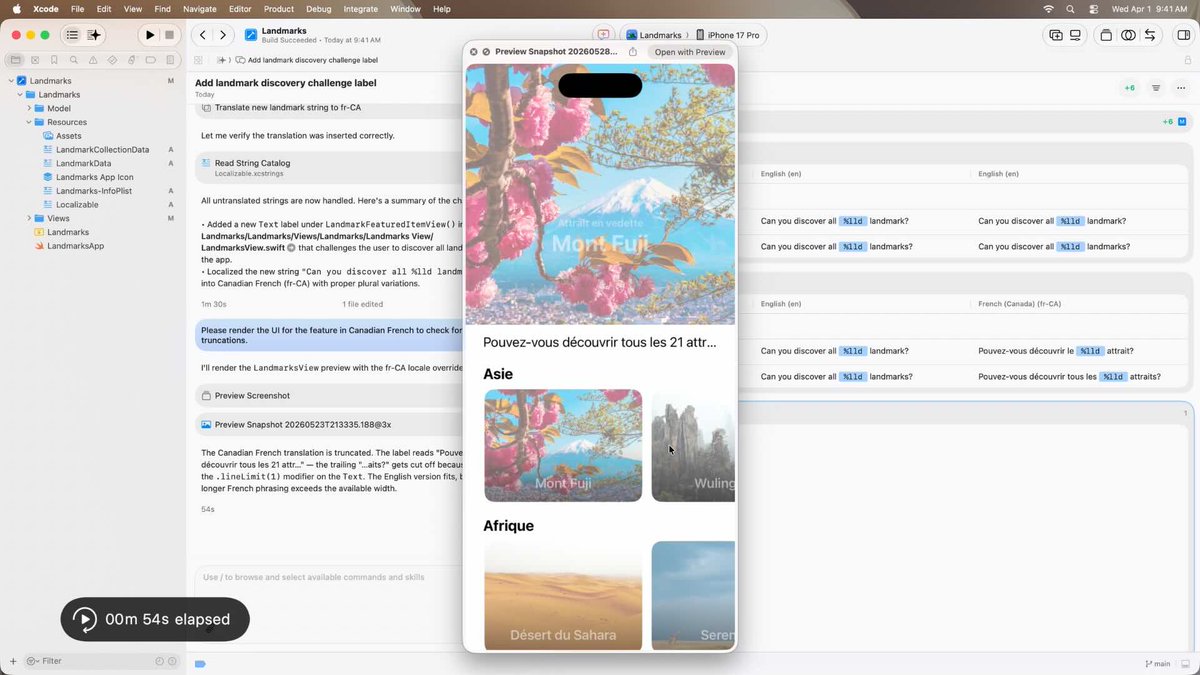
Xcode 27 is a real departure from what Xcode has been for most of its life a code editor that happened to have some analysis tools bolted on. What Apple shipped at WWDC26 is closer to an agentic IDE that does localization, performance diagnosis, and project scaffolding on your behalf, while still being the place where you read and write Swift.
The workspace redesign is thorough enough to matter even if you never touch a coding agent. The toolbar is now fully customizable drag, reorder, remove items as you like and history navigation, branch picker, and editor mode controls have been repositioned so the layout is actually coherent. The new theme system is the more interesting part: a pair of sliders controls color intensity and background saturation, you can push the background all the way to a vibrant gradient, lock individual colors when you want them pinned, and assign a different theme per workspace so you can tell at a glance which project you're in. Xcode 27 is also now Apple Silicon exclusive, which cut the app's download size by 30%.
Inline issue indicators get a new "predictive" look — a subtle background tint instead of hard warning colors while you're actively typing, then full intensity if the issue persists through a build. It's a tiny change but it reduces the visual noise tax you pay just for editing code mid-thought.
Coding Agent Integration
The coding agent experience has been rebuilt around the editor itself, not a sidebar afterthought. Conversations appear as editor panes you can split and tab like any other file, and a new /plan command lets you have the agent gather context and write out a plan before touching any code, with inline feedback before it starts implementing. As it works, changed files and artifacts, including simulator screenshots from Previews and Device Hub, appear in a live panel alongside the conversation.
Sub-agents run in parallel for large tasks, and the agent sidebar shows all active conversations with unread message indicators so nothing falls through. The model lineup now includes Anthropic Claude and OpenAI Codex directly in the workflow, and GitHub and Figma are among the first to offer native integrations. MCP (Model Context Protocol) and Agent Client Protocol let you bring your own tools and compatible agents in as well.
Device Hub
Simulators used to just open in whatever window they felt like. Device Hub gives them a proper home: a compact, device-sized window with quick actions (home, screenshot, rotate), an expandable inspector for accessibility settings like contrast, Dynamic Type size, and dark mode, and the ability to test iPhone apps in the new resizable iPhone Mirroring context from macOS 27. Physical devices live in the same sidebar alongside simulators, so you can switch between an iPhone 17 Pro simulator and a paired iPad Pro without leaving Device Hub at all.
Localization by Agent
This is the most practically useful part of the whole session. You ask the coding agent to localize the app, it audits the code to make sure string literals are extraction-ready, creates String Catalogs, then fans translation work out to sub-agents in batches. Each sub-agent gets per-string context, cross-string terminology consistency from the catalog, and Apple's per-language style guides. A TRANSLATION.md glossary file lets you define domain terms, tone notes, and do-not-translate strings that carry over automatically when you add new languages. For subsequent languages, a "Generate Translations" button in the String Catalog UI kicks off the same flow without a new conversation.
Organizer Overhaul
The Organizer got four meaningful upgrades, not cosmetic ones. The new Overview page puts metric charts and diagnostic reports on one screen so you can correlate a crash spike with the exact version where it appears without switching views. There's a new Storage metric that breaks down documents, data, and binary size across releases useful both for cellular download size and for catching apps that silently accumulate cache bloat. The old Scrolling hitches metric has been replaced by a broader Hitches metric that catches animation problems throughout the app, not just in scroll views, including Liquid Glass and SwiftUI view transitions.
Metric Goals replace last year's launch-time-only recommendations with a calibrated target set covering hang rate, disk writes, battery usage, storage, and hitches, benchmarked against technically and functionally similar apps, plus your own historical baseline. And a "Generate Recommendations" button ties directly into the coding agent, so you can go from "the Organizer found a hang regression" to "the agent is reading the diagnostic data and proposing a fix" without context-switching to a separate tool.
Instruments Top Functions
Instruments adds Top Functions, a mode that surfaces the most expensive functions across the entire call stack, regardless of where they're called from, so you don't have to manually unroll a flame graph to find a hot loop hiding eight frames deep. Run Comparison landed in 26.4 and carries into 27 select two runs, see which functions got faster or slower. The Swift Concurrency instrument also gained dedicated Main Actor and Global Concurrent Executor tracks for visualizing task scheduling delays and actor contention, which is going to be genuinely useful for anyone building anything with Foundation Models.
Xcode Cloud setup is now a three-click flow from a "Get Started" button in the editor, and once connected, it runs builds and tests against every commit on main or feature branches automatically. That part hasn't changed philosophically, but making it frictionless enough that there's no excuse to skip CI is a real quality-of-life win for smaller teams who kept putting it off.
The throughline across all of it: Apple is betting that the right level for AI assistance is deeply embedded in your actual workflow not a floating chat box, but something integrated enough that the agent sees your simulator, reads your diagnostics, and edits your String Catalog while you're still in the same window. Whether that actually compounds into productivity gains or just moves the cognitive overhead around remains to be seen. But the architecture is there now. #WWDC26
4
1
3
452


Yeah, it's probably just config related. Most of my exp with imgui right now is via usage in a fork of Cog Imgui (UE plugin). By default the tables were just using the resizable flag and then borders for the UPROPERTY reflection generated viewers (basically detail/inspector panels in PIE or standalone). SizingStretchProp and SizingFixedFit and seem to be better defaults for that use without much fidgeting. I just realized a few things while doing this:
* The resizable flag will persist the layout when hot swapping flags. (Tried it in imgui explorer and the UE editor at work).
*Tthe double click on the column split restores the auto-size.
1
88

Jun 12
You can now control your physical iPhone from your Mac.
This is Device Hub, new in Xcode 27.
They also added a new resizable window view, which tells me one thing: Apple is getting ready for a foldable iPhone 💀
21
37
650
82,269

Jun 12
What’s new in SwiftUI after WWDC26?
Discover key updates, from Liquid Glass and resizable iPhone apps to smarter toolbars, AsyncImage caching, and ContentBuilder!
🔗appcircle.io/blog/wwdc26-wha…
#WWDC26 #SwiftUI #iOSDev #MobileDev
4
74

Jun 12
Like not having clipboard history, number row, resizable keyboard and etc
1
87

《欲望王座》玩家反馈优化与未来更新蓝图
致尊贵的吾王:
自《欲望王座》于各平台上线以来,我们收到了许多来自社群与评论区的宝贵反馈。对于初期的游戏体验未能完全达到吾王们的期望,我们深感抱歉。
开发团队已逐一检视所有的批评与建议,并正全力展开各项优化作业。我们将优先解决最影响体验的界面与操作问题,以下为近期的具体优化进度:
【第一阶段:近期实装优化】
🔹 减少弹窗干扰: 大幅降低弹窗频率,还原纯粹的游戏体验。
🔹 成人剧情界面优化: 于剧情播放时新增「设定」按钮,方便即时调整音量与游戏环境。
🔹 战斗画面瘦身: 隐藏主画面中非必要的信息,减少战斗时的视觉凌乱感。
🔹 窗口自定义化: 开放部分窗口可自定义大小,释放更多主画面空间。
【第二阶段:PC 端操作界面重构】
🔹 技能与操作区块整合: 调整技能等相关操作按钮的位置与大小,统一置于画面正下方,大幅提升 PC 平台的操作顺畅度。
🔹 雷达地图优化: 地图雷达位置调整至右上角显示,更符合主流 PC 游戏的视觉直觉。
🔹 顶部选单收纳: 优化上方功能按钮的显示方式,进一步还原开阔的游戏视野。
【持续更新与深耕优化】
🔹 皮肤系统附加价值: 「魅漾皮肤」将新增能力值加成,大幅提升获取皮肤的实质回馈感。
🔹 服务器连线优化: 持续强化连线品质,提升多人共斗时的游玩稳定性。
🔹 极致感官升级: 持续打磨成人内容品质,包含人物建模、剧情演出与画面呈现等细节。
团队深知目前的游戏仍有许多不足之处,我们选择坦诚面对所有批评,并用实际行动与高频率的更新,逐步将《欲望王座》打造成符合吾王期待的 3D H-MMORPG。
为展现深耕各平台的决心,我们也在此同步公开未来的开发蓝图,更多丰富内容正积极筹备中:
【未来更新蓝图】
🗓️ 6月|新篇章启动: 延伸世界观之大型活动,未公开的全新圣女将陆续登场。
🗓️ 7月|主线突破: 全新主线剧情解锁,并同步实装新地图、新关卡与进阶养成系统。
🗓️ 8月|夏日狂欢: 夏日特别系列企划,内容丰富的「夏日派对」活动清凉上阵。
🗓️ 9月|跨界高潮: 知名网黄联动系列企划,特邀超人气神秘嘉宾展开限定跨界合作,带来前所未有的感官冲击!
再次感谢吾王们的包容、指教与陪伴。
《欲望王座》开发团队 敬上
✣
《慾望王座》玩家反饋優化與未來更新藍圖
致尊貴的吾王:
自《慾望王座》於各平台上線以來,我們收到了許多來自社群與評論區的寶貴反饋。對於初期的遊戲體驗未能完全達到吾王們的期望,我們深感抱歉。
開發團隊已逐一檢視所有的批評與建議,並正全力展開各項優化作業。我們將優先解決最影響體驗的介面與操作問題,以下為近期的具體優化進度:
【第一階段:近期實裝優化】
🔹 減少彈窗干擾: 大幅降低彈窗頻率,還原純粹的遊戲體驗。
🔹 成人劇情介面優化: 於劇情播放時新增「設定」按鈕,方便即時調整音量與遊戲環境。
🔹 戰鬥畫面瘦身: 隱藏主畫面中非必要的資訊,減少戰鬥時的視覺凌亂感。
🔹 視窗自定義化: 開放部分視窗可自定義大小,釋放更多主畫面空間。
【第二階段:PC 端操作介面重構】
🔹 技能與操作區塊整合: 調整技能等相關操作按鈕的位置與大小,統一置於畫面正下方,大幅提升 PC 平台的操作順暢度。
🔹 雷達地圖優化: 地圖雷達位置調整至右上角顯示,更符合主流 PC 遊戲的視覺直覺。
🔹 頂部選單收納: 優化上方功能按鈕的顯示方式,進一步還原開闊的遊戲視野。
【持續更新與深耕優化】
🔹 時裝系統附加價值: 「魅漾時裝」將新增能力值加成,大幅提升獲取時裝的實質回饋感。
🔹 伺服器連線優化: 持續強化連線品質,提升多人共鬥時的遊玩穩定性。
🔹 極致感官升級: 持續打磨成人內容品質,包含人物建模、劇情演出與畫面呈現等細節。
團隊深知目前的遊戲仍有許多不足之處,我們選擇坦誠面對所有批評,並用實際行動與高頻率的更新,逐步將《慾望王座》打造成符合吾王期待的 3D H-MMORPG。
為展現深耕各平台的決心,我們也在此同步公開未來的開發藍圖,更多豐富內容正積極籌備中:
【未來更新藍圖】
🗓️ 6月|新篇章啟動: 延伸世界觀之大型活動,未公開的全新聖女將陸續登場。
🗓️ 7月|主線突破: 全新主線劇情解鎖,並同步實裝新地圖、新關卡與進階養成系統。
🗓️ 8月|夏日狂歡: 夏日特別系列企劃,內容豐富的「夏日派對」活動清涼上陣。
🗓️ 9月|跨界高潮: 知名網黃聯動系列企劃,特邀超人氣神祕嘉賓展開限定跨界合作,帶來前所未有的感官衝擊!
再次感謝吾王們的包容、指教與陪伴。
《慾望王座》開發團隊 敬上
✣
“Throne of Desire” Player Feedback Improvements & Future Roadmap
To our esteemed King,
Since Throne of Desire launched across platforms, we’ve received extensive community feedback and reviews. We sincerely apologize that the initial experience did not fully meet your expectations.
We have carefully reviewed all comments and are fully committed to improvements. We will first address UI and control issues that most affect gameplay. Recent key optimizations include:
[Phase 1: Near-Term Updates]
🔹 Fewer pop-ups: Greatly reduced pop-up frequency for a more focused experience.
🔹 Adult-scene UI: Added a Settings button during scenes for quick volume and environment tweaks.
🔹 Battle HUD trim: Hid nonessential info on the main screen to reduce visual clutter in Battle.
🔹 Resizable windows: Some windows can now be resized to free up main-screen space.
[Phase 2: PC UI Overhaul]
🔹 Skill/control area merge: Unified skill and action buttons at the bottom center to improve PC control flow.
🔹 Minimap update: Moved the radar map to the top-right for more intuitive PC-style layout.
🔹 Top menu cleanup: Refined top function buttons to restore a wider field of view.
[Ongoing Updates & Deep Optimization]
🔹 Costume value boost: Enchanting Attire will grant stat bonuses, making Costume collection more rewarding.
🔹 Server stability: Ongoing network Fortify to improve co-op stability.
🔹 Sensory upgrade: Continuous polish of adult content, including models, cutscenes, and visual detail.
We know the game still has shortcomings. We choose to face criticism openly and will use concrete actions and frequent updates to shape Throne of Desire into the 3D H-MMORPG our Kings expect.
To show our long-term commitment on all platforms, we are also revealing our future roadmap. More substantial content is in active development:
[Future Update Roadmap]
🗓️ June | New Chapter: A large Event expanding the world, with unrevealed new Saints joining in turn.
🗓️ July | Main Story push: New Main Story chapters, plus new maps, stages, and advanced growth systems.
🗓️ August | Summer Fest: A rich “Summer Party” Event with cool seasonal content.
🗓️ September | Cross-Realm climax: Collaboration with a famous adult creator, featuring a top-secret guest for a limited Cross-Realm event and an unprecedented sensory Charge!
Thank you again, Kings, for your patience, guidance, and companionship.
Respectfully, the Throne of Desire Development Team
✣
『欲望の王座』プレイヤーフィードバックに伴う最適化と今後のアップデート
親愛なる王へ
『欲望の王座』が各プラットフォームでリリースして以来、コミュニティやレビュー欄から多くの貴重なご意見を頂きました。序盤の体験が期待に十分応えられなかったことをお詫びいたします。
開発チームは皆様からの批判やご提案をすべて確認し、現在全力で各項目の最適化作業を進めております。まずはゲーム体験に最も影響を与えているUIおよび操作性の問題から優先的に解決いたします。近日の具体的な進捗状況は以下の通りです。
【第1段階:近日実装予定の最適化】
🔹 ポップアップ削減: ポップアップ頻度を大幅に抑え、没入感の高いプレイ体験を目指します。
🔹 アダルトストーリー画面の改善: ストーリー再生中に「設定」ボタンを追加し、音量や環境をその場で調整しやすくします。
🔹 戦闘画面のスリム化: メイン画面の不要情報を非表示にし、戦闘中の視認性を高めます。
🔹 ウィンドウのカスタマイズ: 一部ウィンドウのサイズ変更を可能にし、メイン画面の表示領域を広げます。
【第2段階:PC向け操作UIの再構築】
🔹 スキル・操作エリア統合: スキルなどの操作ボタンの位置とサイズを見直し、画面下部に集約してPCでの操作性を向上させます。
🔹 レーダーマップ改善: レーダーマップの位置を右上に移動し、PCゲームとして直感的なレイアウトに調整します。
🔹 画面上部メニュー整理: 上部機能ボタンの表示方法を見直し、より広い視界を確保します。
【継続的なアップデートと品質向上】
🔹 アバターシステムの付加価値: 「魅惑アバター」に能力値ボーナスを追加し、入手時の実感あるリターンを強化します。
🔹 サーバー接続の改善: 接続品質を継続的に強化し、マルチプレイ時の安定性を高めます。
🔹 感覚表現のさらなる強化: キャラクターモデル、ストーリー演出、ビジュアル表現など、アダルトコンテンツ全体のクオリティを磨き続けます。
現在のゲームにはまだまだ至らない点が多いことを厳粛に受け止めております。すべての批判に真摯に向き合い、実際の行動と高頻度のアップデートを通じて、『欲望の王座』を我が王たちの期待に応えられる3D H-MMORPGへと一歩ずつ進化させていく所存です。
今後も各プラットフォームでの展開を重視し、ここに今後の開発方針を公開いたします。現在も多彩な新コンテンツを鋭意準備中です。
【今後のアップデート方針】
🗓️ 6月|新章始動: 世界観を拡張する大型イベントを実施し、未公開の新たな聖女が順次登場します。
🗓️ 7月|メイン進行: 新たなメインストーリーを解放し、新マップ・新ステージ・上位育成要素を同時実装します。
🗓️ 8月|サマーイベント: 夏の特別企画として、内容盛りだくさんの「サマーパーティー」イベントを開催します。
🗓️ 9月|コラボクライマックス: 著名なアダルト配信者とのコラボ企画を実施し、人気ゲストとの限定コラボでこれまでにない衝撃体験をお届けします。
みなさんの寛大な包容、ご指導、そして日々の伴走に、改めて深く感謝申し上げます。
『欲望の王座』開発チーム
✣
「욕망의 왕좌」 개선 현황과 향후 업데이트 계획
존귀하신 왕께:
「욕망의 왕좌」가 각 플랫폼에 출시된 이후, 커뮤니티와 리뷰를 통해 많은 의견을 받았습니다. 초반 게임 경험이 왕들의 기대에 미치지 못한 점 진심으로 사과드립니다.
개발팀은 모든 피드백을 검토하고 우선적으로 UI·조작 문제를 개선 중입니다. 아래는 단기 개선 내용입니다:
【1단계:단기 적용 개선】
🔹 팝업 간섭 축소: 팝업 빈도를 크게 줄여 보다 순수한 플레이 환경을 제공합니다.
🔹 성인 스토리 화면 개선: 스토리 재생 중 「설정」 버튼을 추가해 즉시 볼륨과 환경을 조정할 수 있습니다.
🔹 전투 화면 간소화: 메인 화면의 불필요 정보를 숨겨 전투 시 시야 혼잡을 줄입니다.
🔹 창 크기 커스터마이즈: 일부 창 크기를 조절 가능하게 해 메인 화면 공간을 확보합니다.
【2단계:PC 조작 UI 재구성】
🔹 스킬·조작 영역 통합: 스킬 등 조작 버튼을 화면 하단 중앙으로 모아 배치해 PC 조작감을 높입니다.
🔹 레이더 맵 개선: 레이더 맵을 우측 상단으로 옮겨 PC 게임에 익숙한 시야 구성을 제공합니다.
🔹 상단 메뉴 정리: 상단 기능 버튼 표시 방식을 정돈해 더 넓은 시야를 확보합니다.
【지속 업데이트 및 심층 개선】
🔹 코스튬 부가 가치: 「매양 코스튬」에 능력치 보너스를 추가해 코스튬 획득 보상을 강화합니다.
🔹 서버 접속 최적화: 연결 품질을 계속 강화해 멀티 전투의 안정성을 높입니다.
🔹 감각 연출 업그레이드: 캐릭터 모델링, 스토리 연출, 화면 표현 등 성인 콘텐츠의 완성도를 지속적으로 다듬습니다.
팀은 현재 게임에 부족한 점이 많다는 것을 잘 알고 있으며, 모든 비판을 정면으로 받아들이고 잦은 업데이트와 개선으로 「욕망의 왕좌」를 왕들의 기대에 부응하는 3D H-MMORPG로 만들어 가겠습니다.
각 플랫폼에 꾸준히 집중하겠다는 의지를 보여 드리기 위해, 앞으로의 개발 로드맵을 함께 공개합니다. 더 풍부한 콘텐츠도 준비 중입니다:
【향후 업데이트 로드맵】
🗓️ 6월|신장 개막: 세계관을 확장하는 대형 이벤트와 미공개 신규 성녀가 순차 등장.
🗓️ 7월|메인 스토리 돌파: 신규 메인 스토리 스토리 개방과 함께 새 맵·스테이지·진화 육성 시스템 추가.
🗓️ 8월|여름 축제: 풍성한 「여름 파티」 이벤트가 포함된 여름 한정 기획 진행.
🗓️ 9월|크로스오버 클라이맥스: 유명 성인 크리에이터와의 한정 크로스오버로 전례 없는 감각적 충격을 선사.
왕들의 너른 이해와 조언, 그리고 동행에 다시 한 번 감사드립니다.
「욕망의 왕좌」 개발팀 올림

1
6
21
5,423