Filter
Exclude
Time range
-
Near
9h
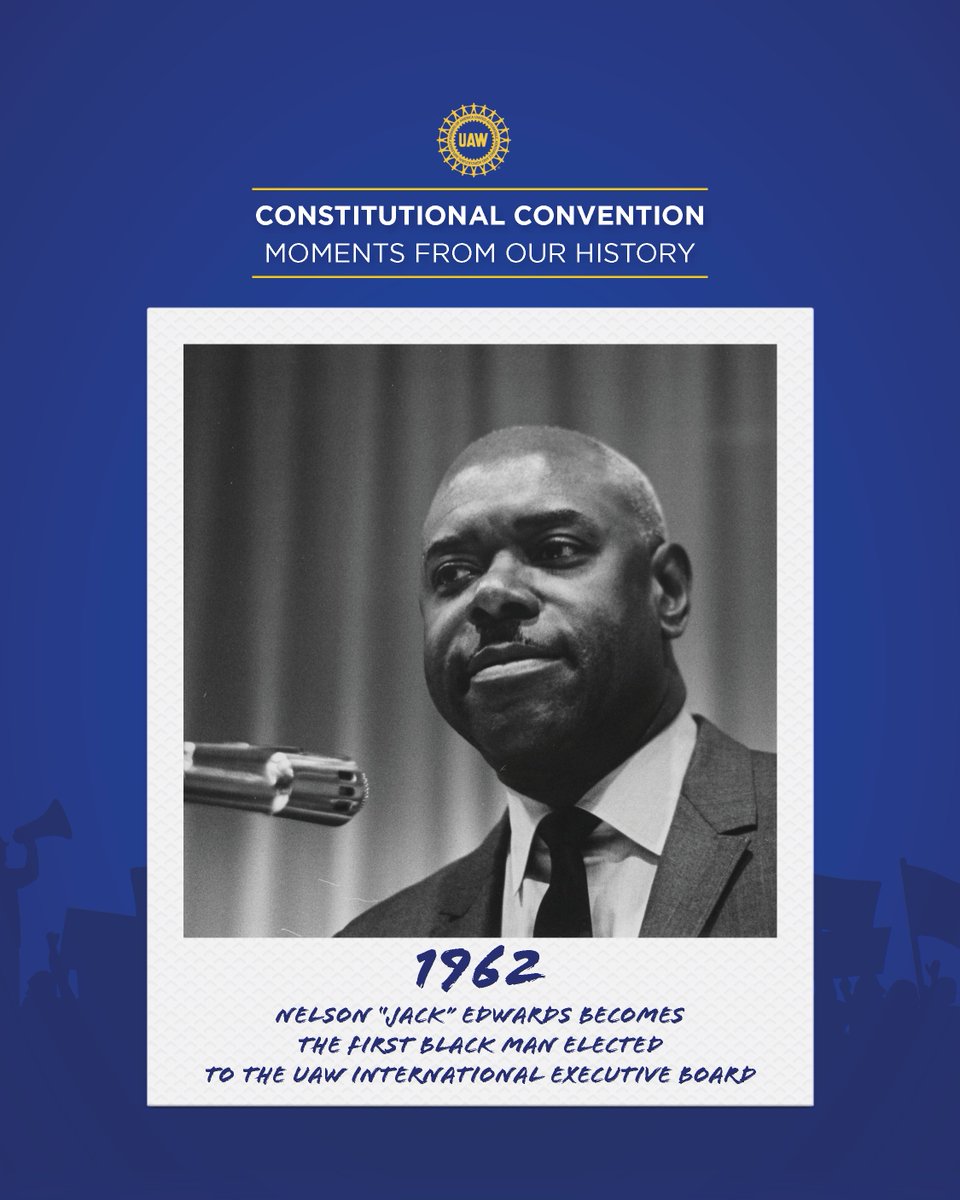
With the UAW's 39th Constitutional Convention in full swing, we're taking a look back at some of the most iconic and memorable moments from past conventions. At the UAW's 18th Constitutional Convention in Atlantic City, NJ, in 1962, Nelson “Jack” Edwards made history by becoming the first black man elected to the UAW International Executive Board. Edwards, a lifelong labor and civil rights activist, would serve as an at-large member of the IEB for three terms before being elected as a Vice President of the union in 1970. @ReutherLibrary
2
12
955
Jun 14
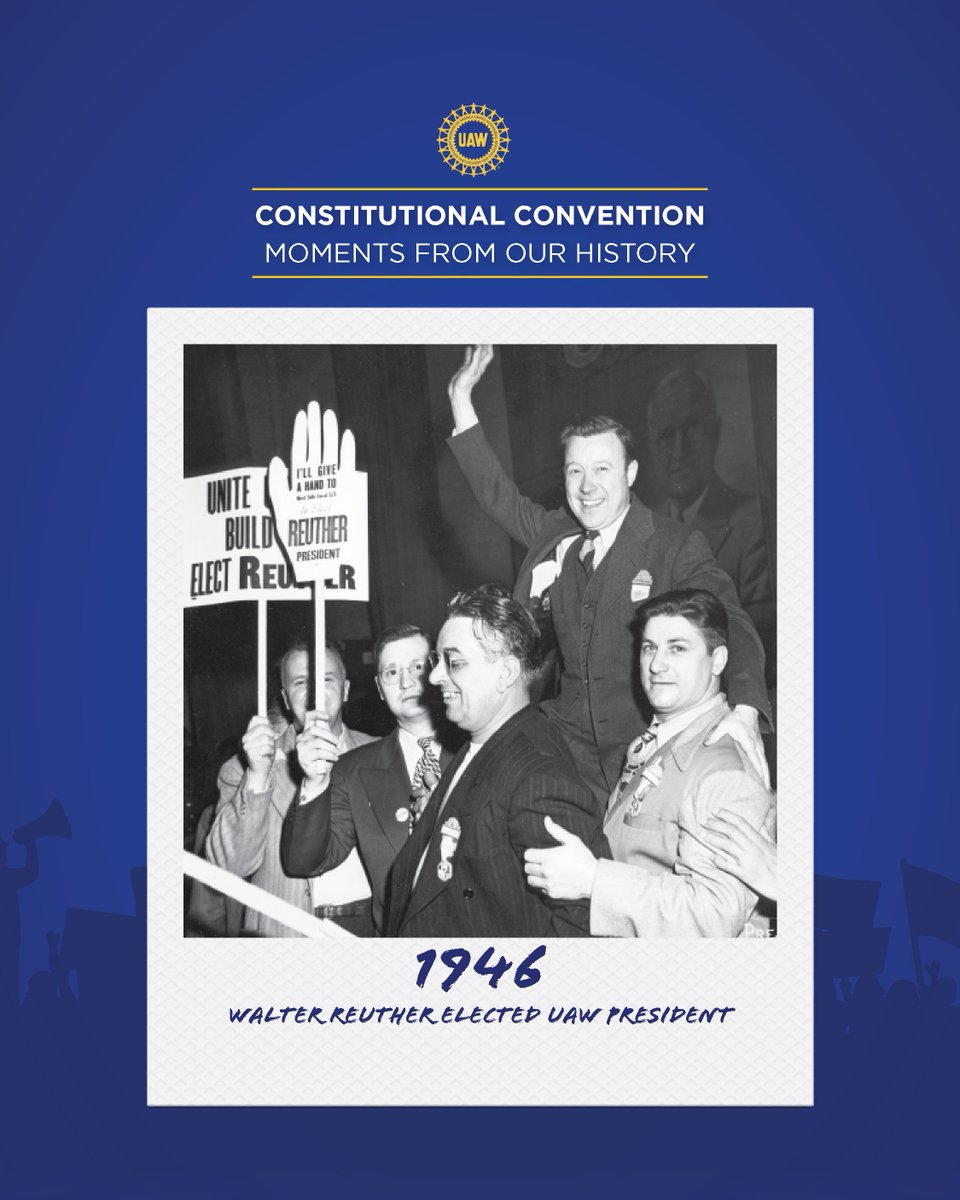
Elected delegates are arriving in Detroit for the start of the 39th UAW Constitutional Convention tomorrow morning, and we're taking a look back at some of the most iconic and memorable moments from conventions past. On March 27, 1946, 38-year-old Walter Reuther was elected President of the UAW at the union's 10th Constitutional Convention in Atlantic City. The election was contentious, as factionalism within the union was at a fever pitch. After an exhausting electoral process that lasted over four hours, Reuther narrowly edged out incumbent R.J. Thomas by a mere 124 votes out of nearly 9,000 cast. "We had a bitter contest here today, but the great captains of industry realize, and the auto labor forces realize that we can disagree and still leave as a united organization to fight the common enemy," Reuther told delegates after the vote. 📸 @ReutherLibrary
1
18
1,196
Jun 13
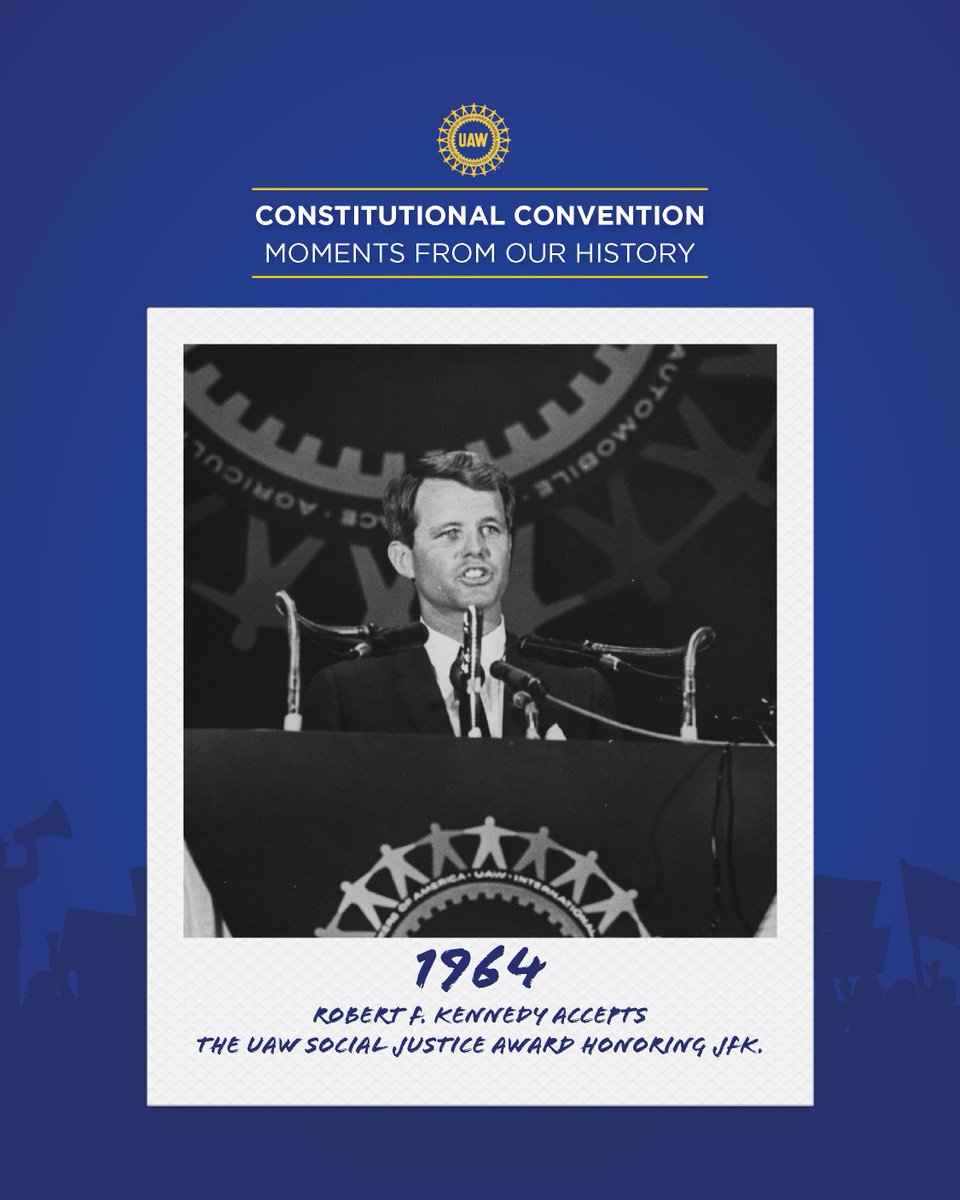
During a solemn ceremony at the UAW's Constitutional Convention in March of 1964, the union remembered the life and legacy of the late president John F. Kennedy by posthumously honoring him with the UAW's Social Justice Award. Attorney General Robert F. Kennedy accepted the award on his brother's behalf. "There was no organization with which the president felt a closer association than the UAW," RFK told delegates. Wrote the UAW in a memorial resolution honoring JFK: "We in the UAW were blessed by his warm friendship. We were proud partners in the democratic political process. He gave new dimensions to human dignity through his fearless fight for human rights, his compassionate concern for the aged, his devotion and dedication to youth and by his courageous contribution in extending the frontiers of social justice." 📸 @ReutherLibrary
6
18
1,126
Jun 11
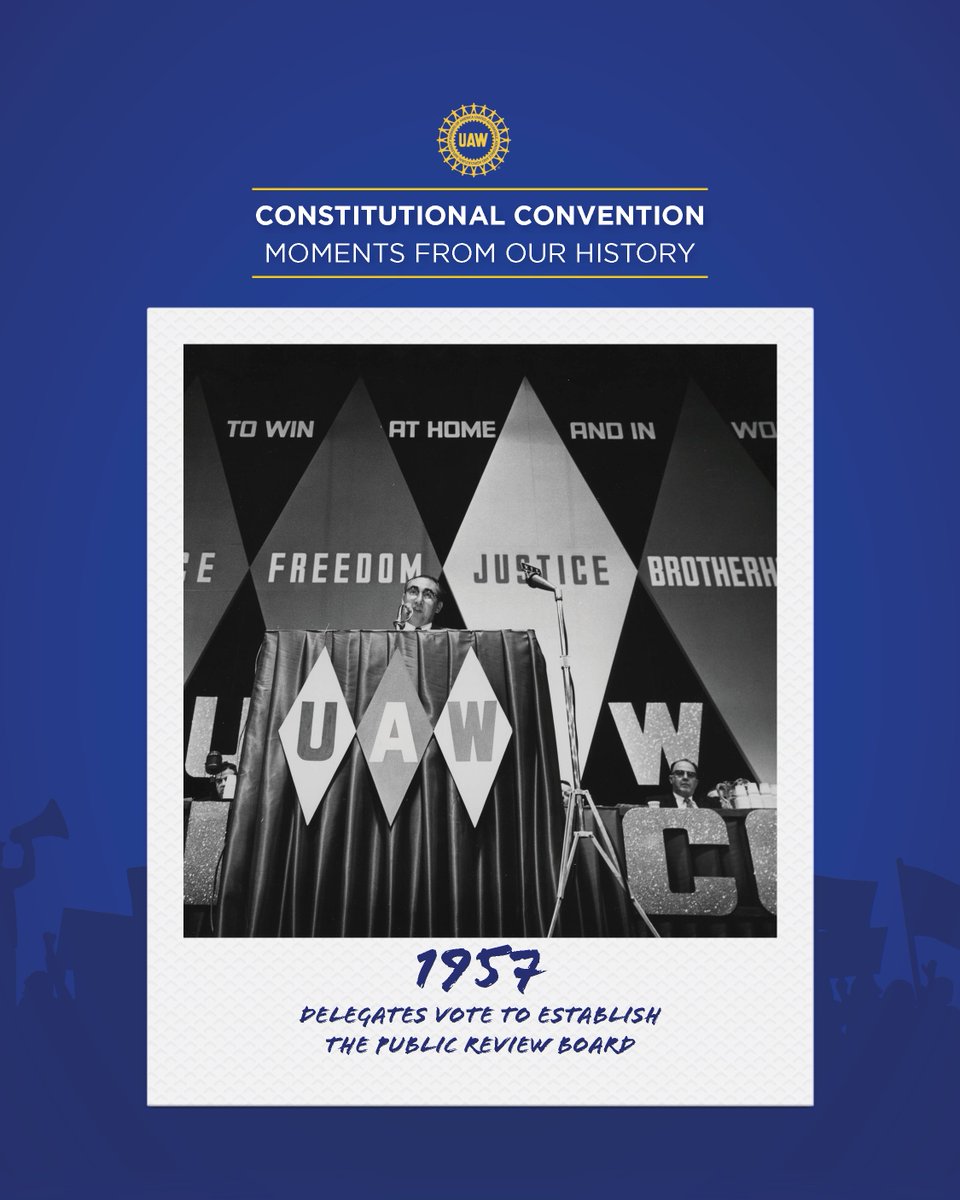
The 39th UAW Constitutional Convention kicks off on Monday! We're taking a look back at some of the most iconic and memorable moments from past conventions. At the UAW's 16th Constitutional Convention in 1957, delegates voted to establish the Public Review Board, a unique and innovative form of self-governance. Article 32, Section 1, of the UAW Constitution defines the purpose of the PRB. It states that the PRB was formed “…for the purpose of insuring a continuation of the high moral and ethical standards in the administrative and operative practices of the International Union and its subordinate bodies, and to further strengthen the democratic processes and appeal procedures within the Union as they affect the rights and privileges of individual members and subordinate bodies.” Comprised of distinguished citizens and completely independent of the UAW, the PRB was commissioned to issue final and binding decisions on cases appealed to it by UAW members with grievances against the union. Find out more about the PRB: prbuaw.org/about-the-prb/ 📸 @ReutherLibrary
3
16
1,003
Jun 8
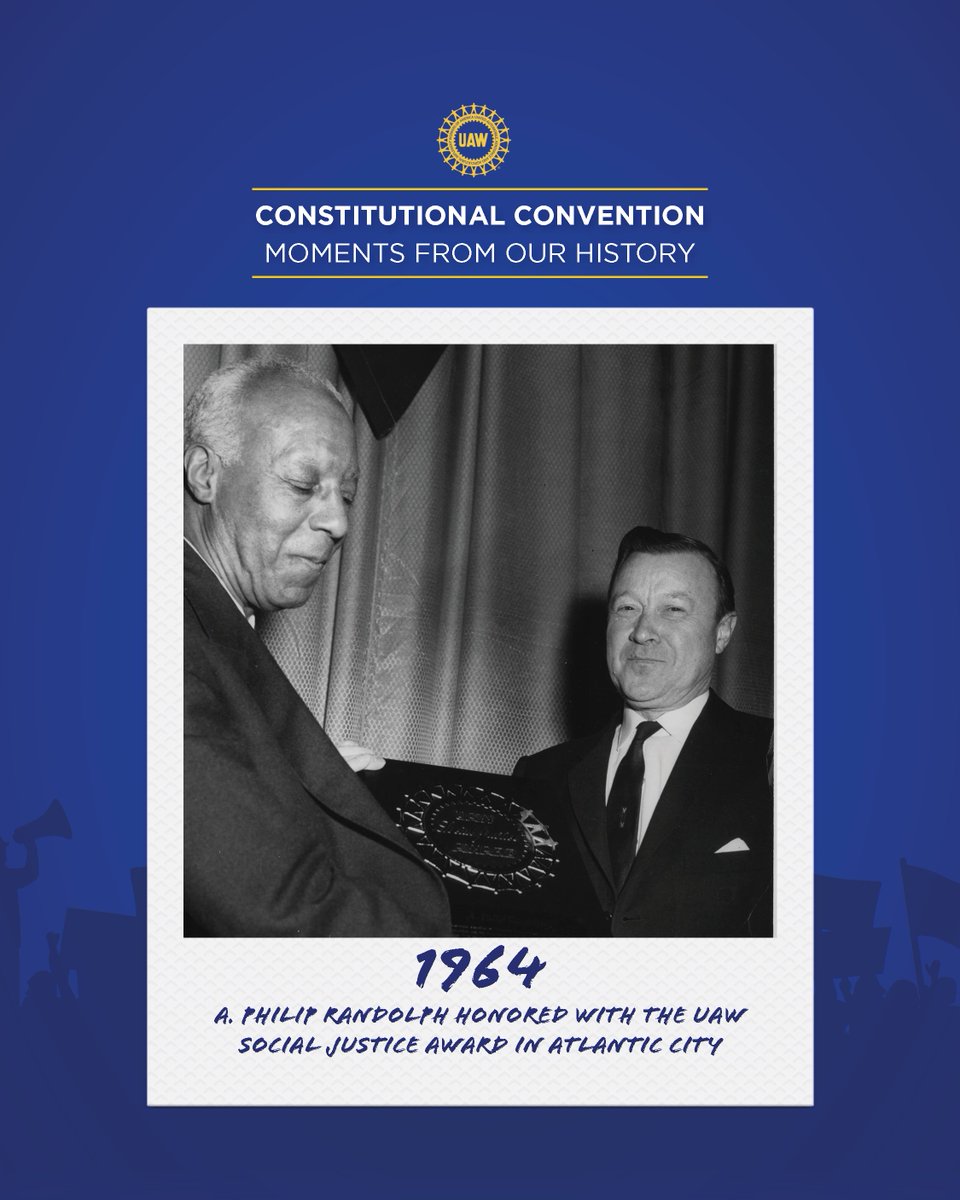
With the 39th UAW Constitutional Convention right around the corner, we're taking a look back at some of the most iconic and memorable moments from past conventions. At the union's 19th Constitutional Convention in 1964, the union honored A. Philip Randolph with the UAW Social Justice Award. Randolph, a revered labor leader, was a driving force behind the Civil Rights Movement and a key organizer of the historic March on Washington the year prior. 📸 @ReutherLibrary
1
7
31
1,492
Jun 7
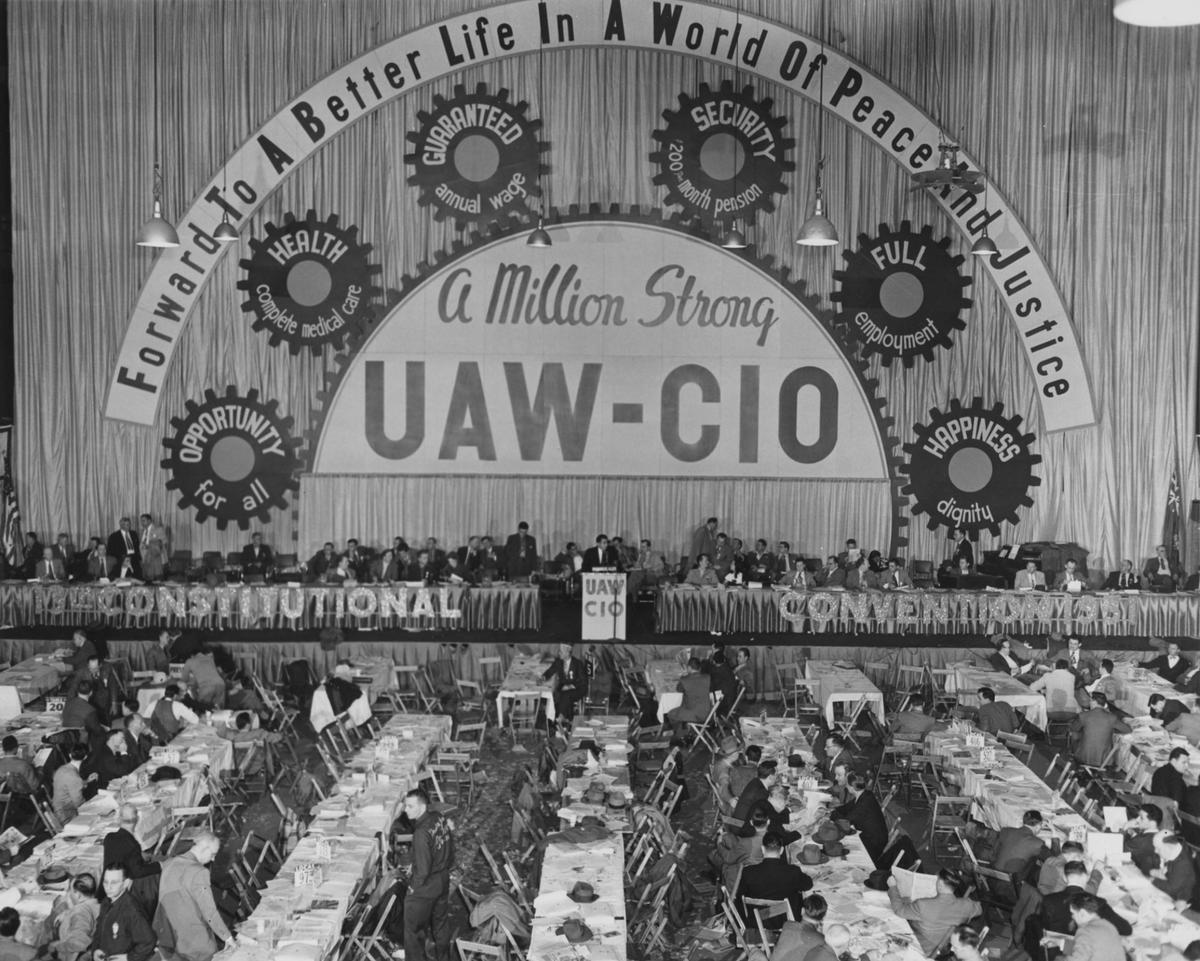
"Forward to a Better Life in a World of Peace and Justice." View of the UAW's 13th Constitutional Convention stage in Cleveland, Ohio. March 1951. 📸 @ReutherLibrary
2
10
54
2,194
Replying to @UAW @ReutherLibrary

ALT Thats Hard As Hell Badass GIF

5
1,330
Jun 6
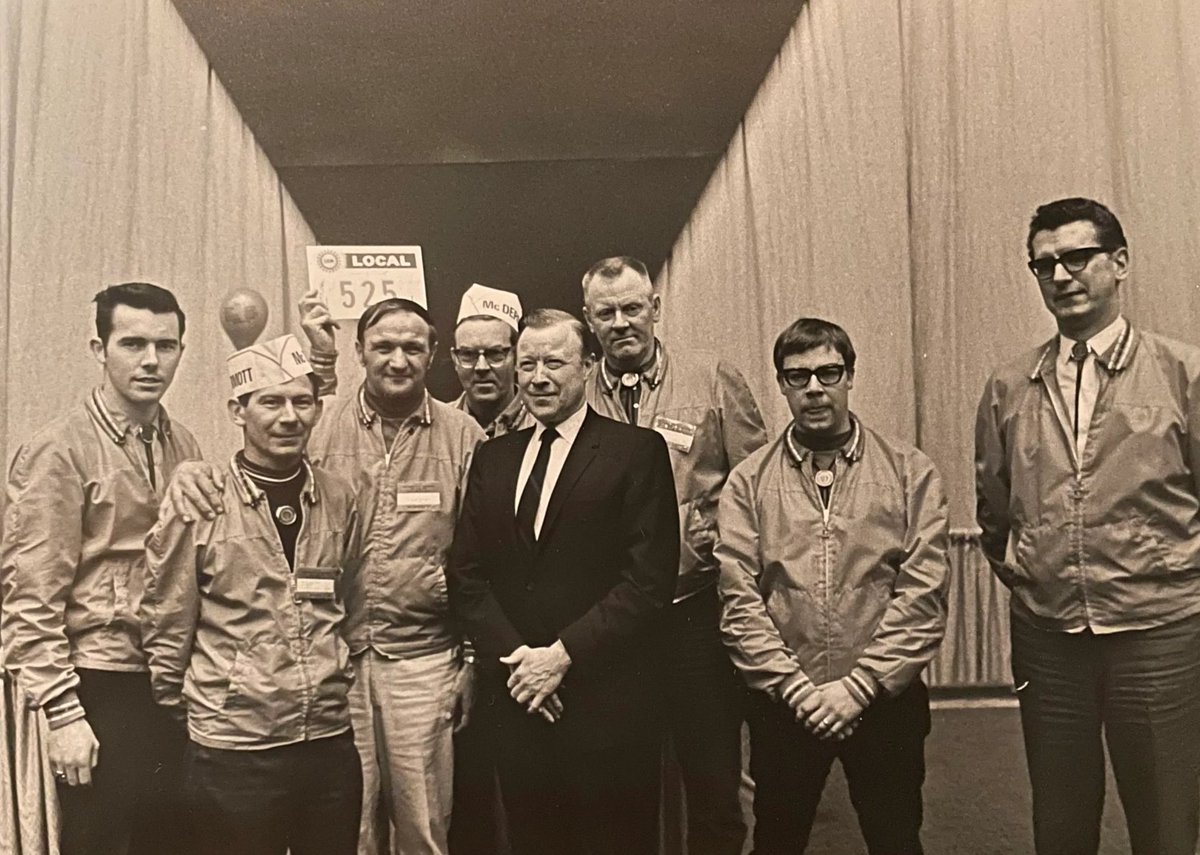
Delegates from Local 525 in Ontario sport iconic windbreakers and bolo ties for this dripped-out photo with UAW President Walter Reuther at one of the union's Constitutional Conventions in the 1960s. 📸 @ReutherLibrary
2
4
32
2,982
Jun 4
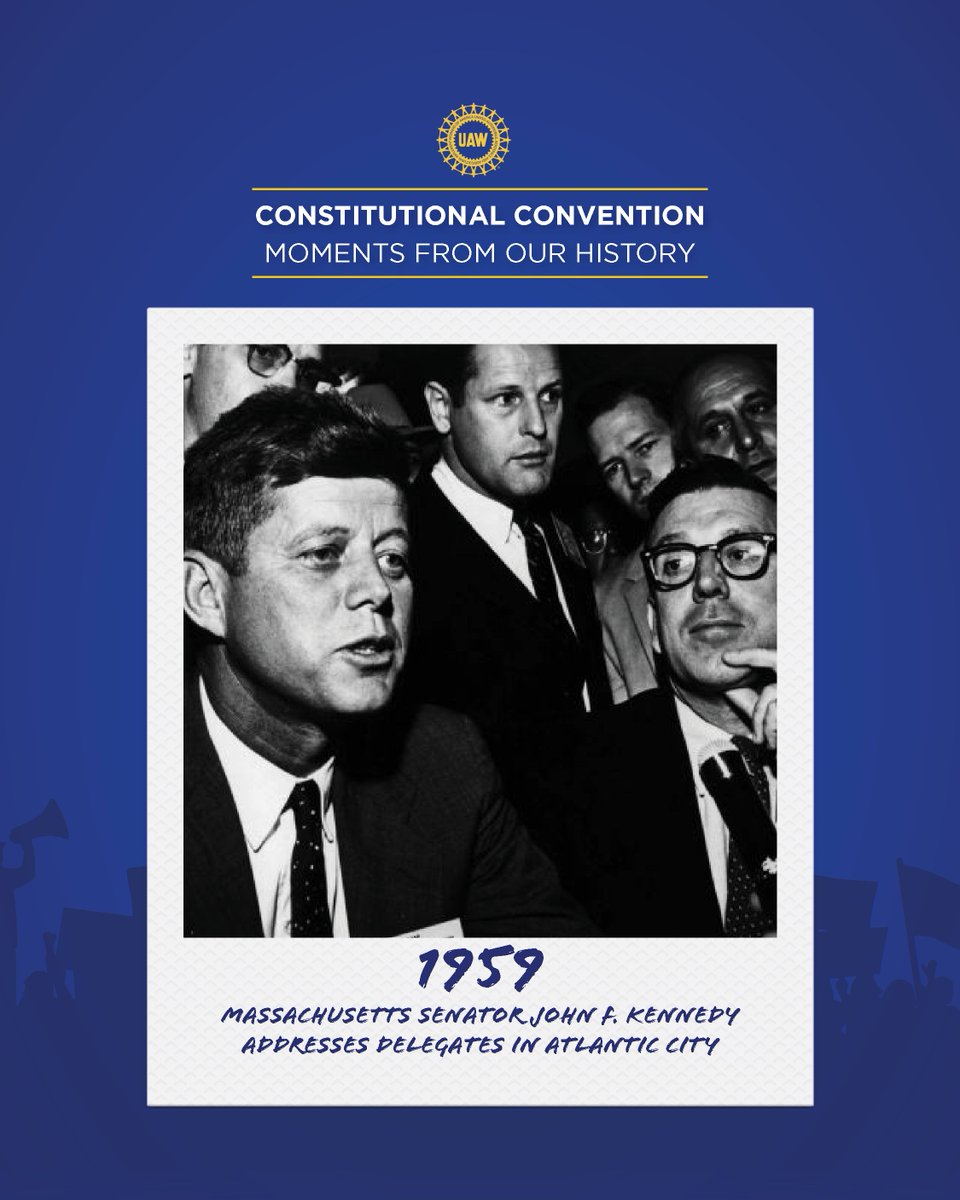
With the 39th UAW Constitutional Convention right around the corner, we're taking a look back at some of the most iconic and memorable moments from past conventions. In 1959, a young and charismatic junior Senator from Massachusetts, John F. Kennedy, was invited to speak at the UAW's Constitutional Convention in Atlantic City, New Jersey. Kennedy was a leading candidate for the Democratic Party's presidential nomination the following year — a nomination he would ultimately secure. He would go on to become the 35th President of the United States. "I come to you as a friend of labor," Kennedy told union delegates at the convention. "I have never apologized for that friendship, and I don't intend to start today." 📸 @ReutherLibrary
4
19
1,008
Jun 4
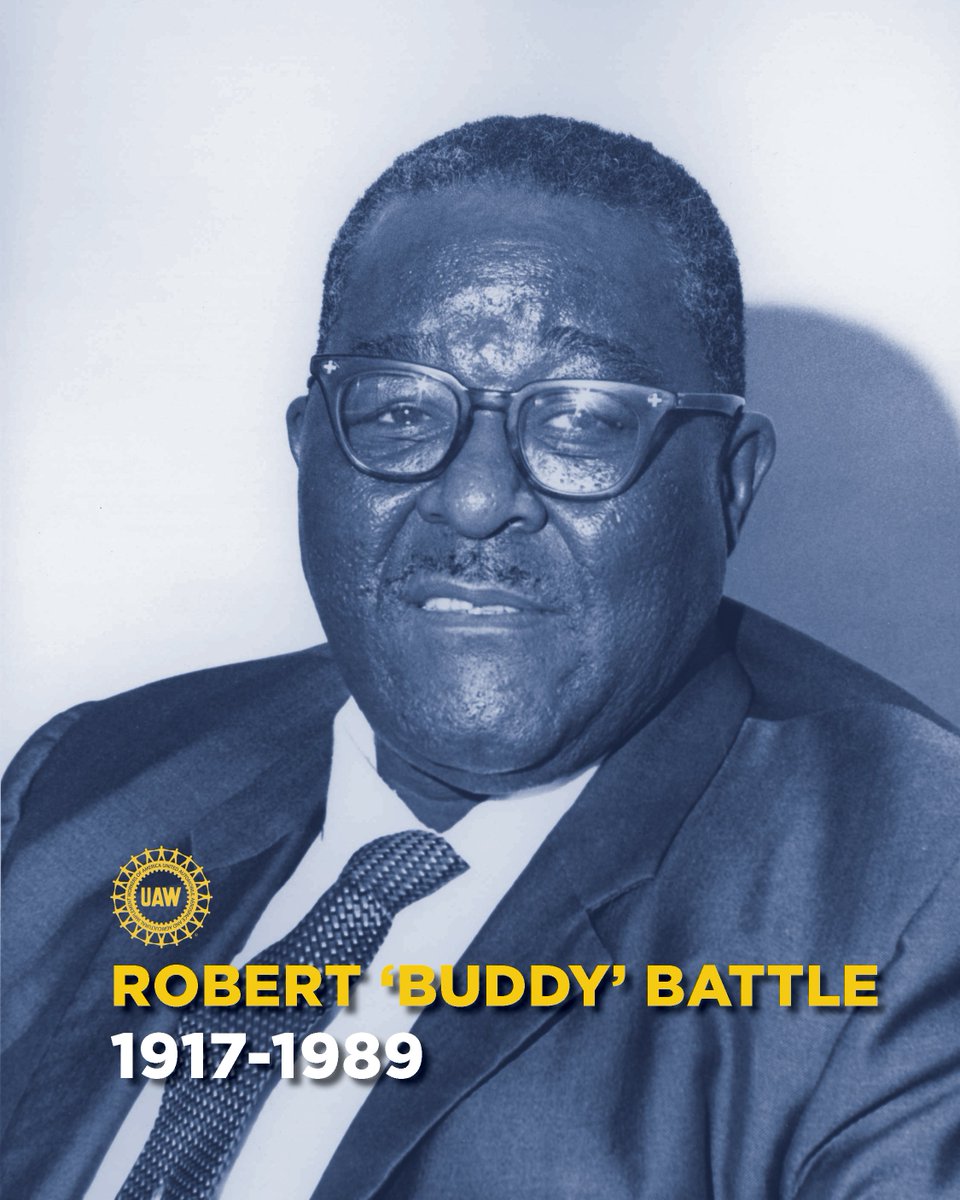
Today, we remember former UAW Region 1A Director Robert "Buddy" Battle, born on June 4, 1917. Robert "Buddy" Battle III was born in Detroit, the son of a cleanup crew supervisor for railroad cars. He went to work as a sand-slinger in the Ford Rouge plant foundry in 1936 and quickly became an organizer for the UAW. Beginning in the early 1940's, he was elected to a number of positions at UAW Local 600, including district and bargaining committee person, chairman of the special foundry unit, and local vice president, culminating in his election as Director of Region 1A in 1976. Recognizing the inhumane conditions of foundry labor, Battle helped establish the union's Foundry Wage and Hour Council in 1946, which fought for and won paid sick leave and a 25-and-out retirement for foundry workers. A skilled and aggressive negotiator at the bargaining table, he served on the UAW Ford national negotiating committee in 1967, 1970, and 1973. Battle worked to increase African American leadership in the UAW and, with Horace Sheffield and others, formed the Trade Union Leadership Council in the late 1940's, which became the nucleus of the national Negro American Labor Council. As TULC president, he oversaw the organization's pre-apprenticeship training program designed to help Black and other minority individuals enter the skilled trades. Buddy Battle was also active in Democratic Party politics as UAW CAP chairman in the 1st and 13th congressional districts of Detroit and, later, chairman of the 1st congressional district. He played a prominent role in the campaigns to elect Detroit's first black City Council member, William Patrick, and its first black mayor, Coleman Young. After he retired from the UAW in 1983, Brother Battle served as Young's executive assistant. He died on August 4, 1989, at the age of 72. 📸 @ReutherLibrary
9
50
3,332
May 30
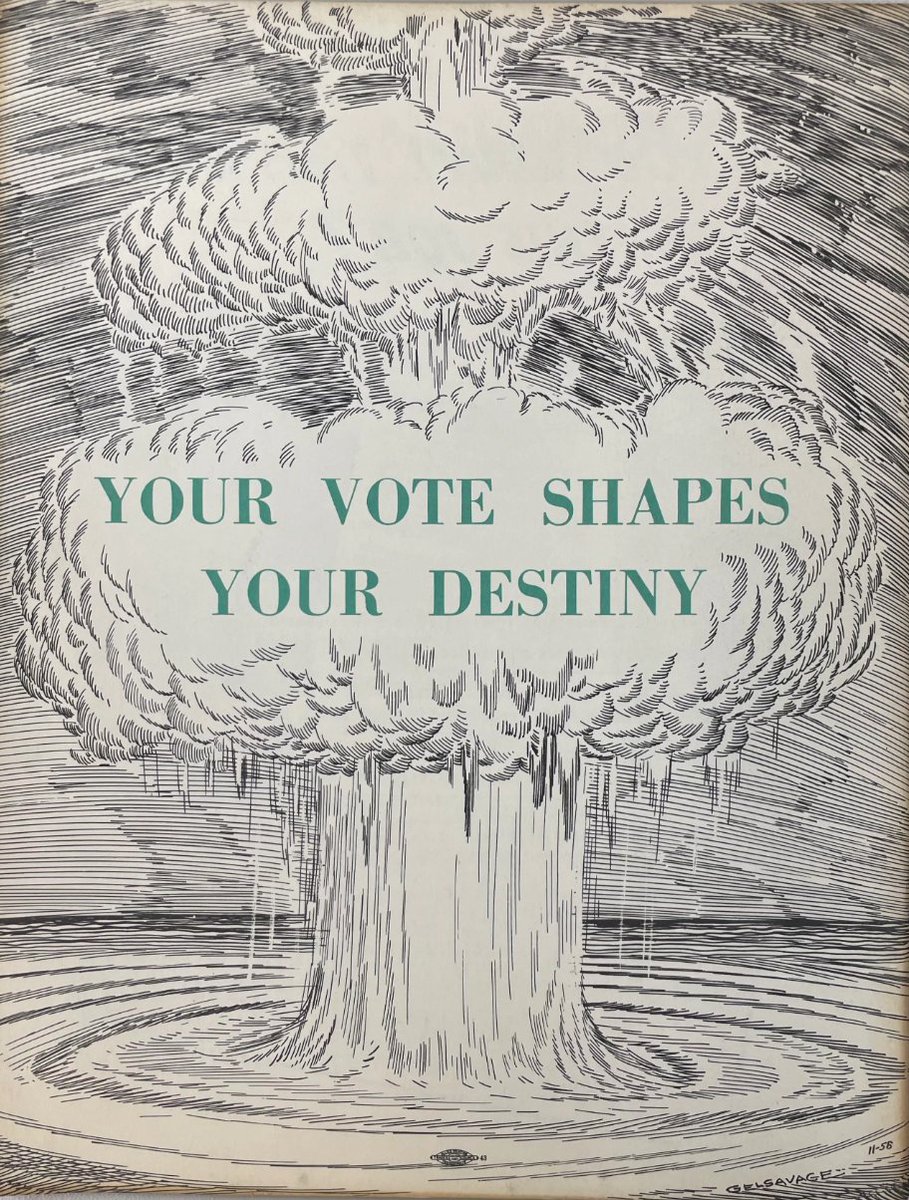
“Your Vote Shapes Your Destiny” Poster from the November 1956 edition of the UAW's Ammunition magazine. From the archives at the @ReutherLibrary.
2
7
19
1,199
May 29
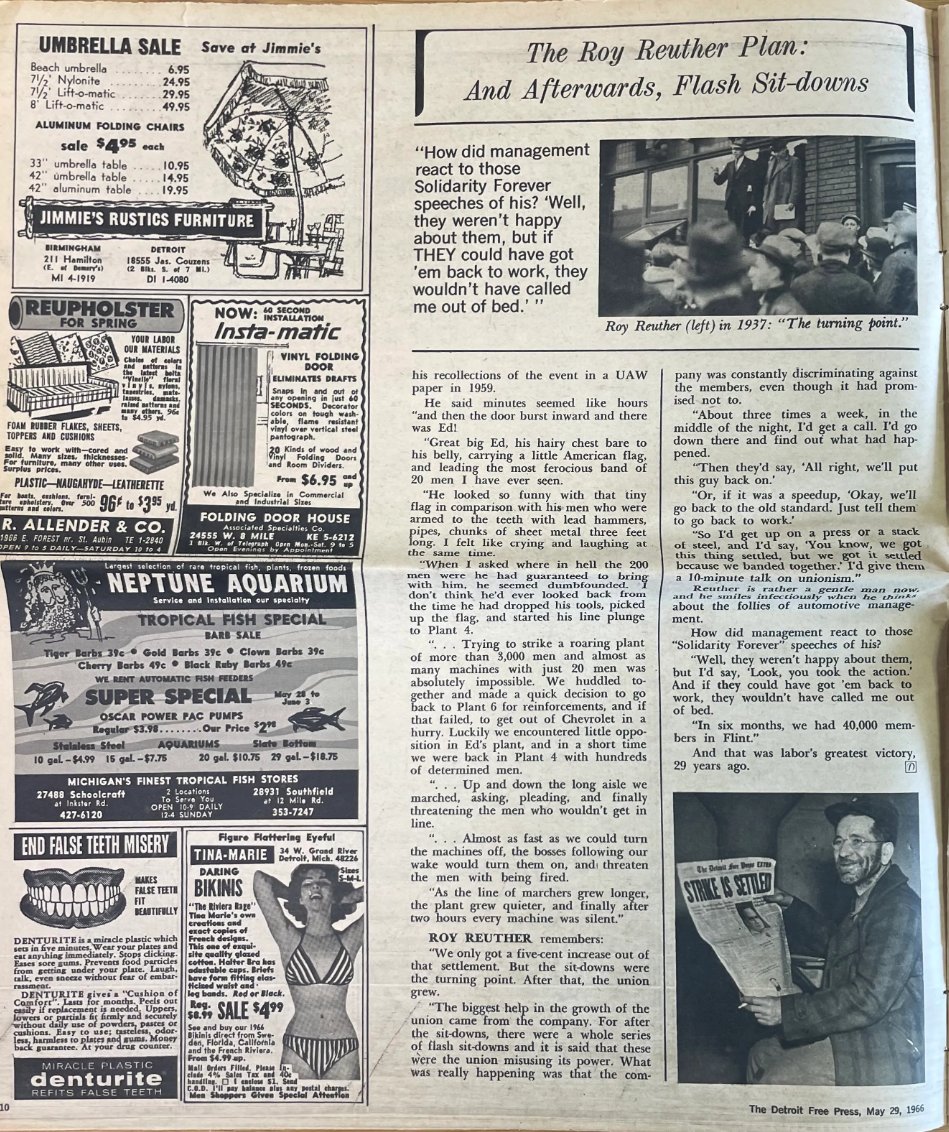
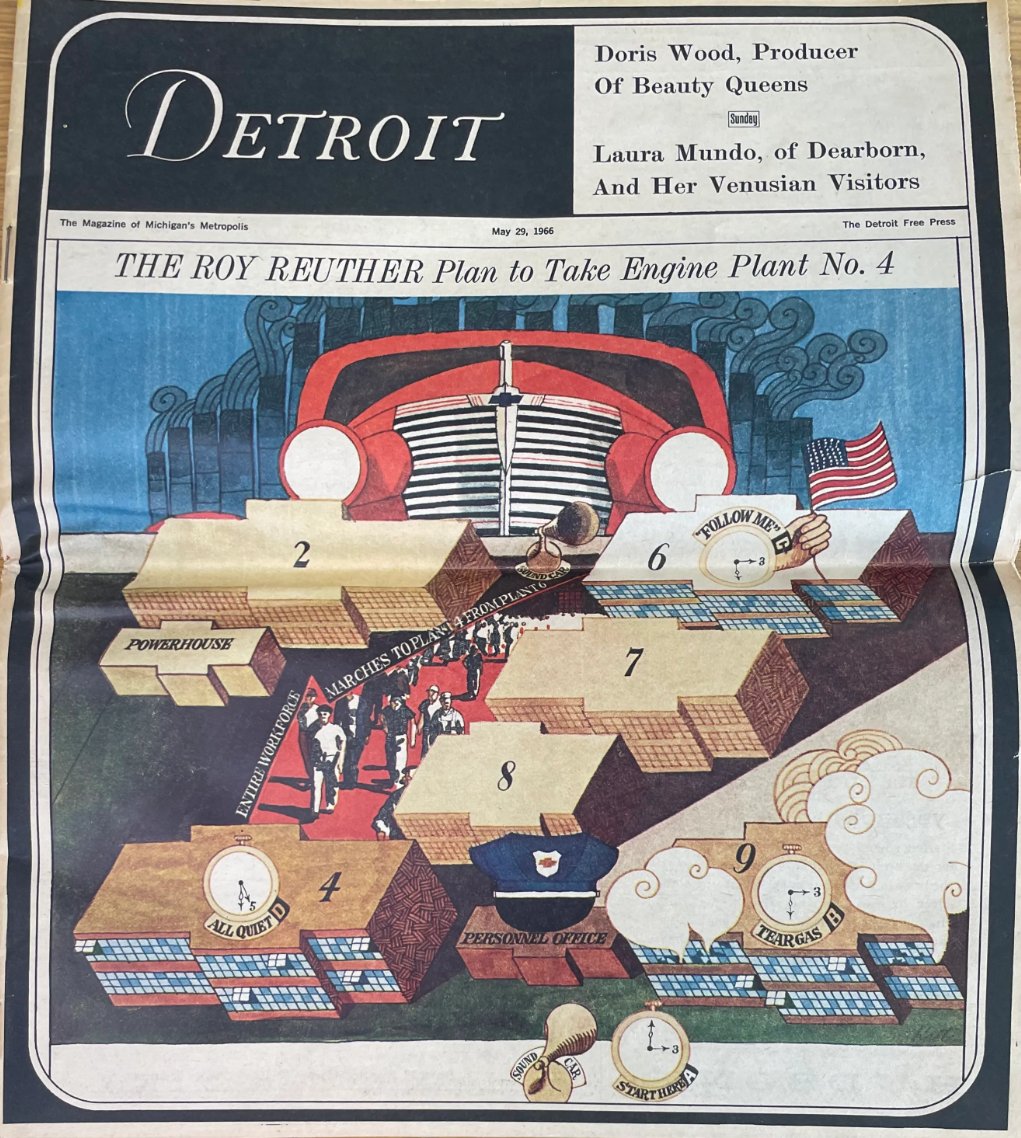
“The Roy Reuther Plan to Take Engine Plant No. 4” 🫡 A May 29, 1966, @freep article about GM autoworkers' daring plan to occupy a Fisher Body factory during the UAW’s foundational 1936-37 Flint Sit-down Strike. The event was widely considered the turning point of the strike. From the Roy Reuther Papers at the @ReutherLibrary.
2
802
May 26
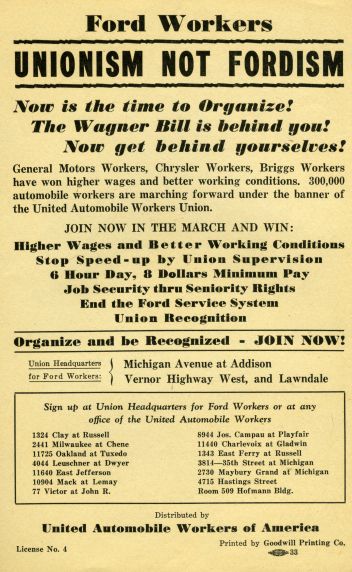
Copy of the leaflet distributed by the UAW at the Ford Rouge Plant in Dearborn, Michigan, during the Battle of the Overpass on May 26, 1937. 📸 @ReutherLibrary
1
6
747
May 26
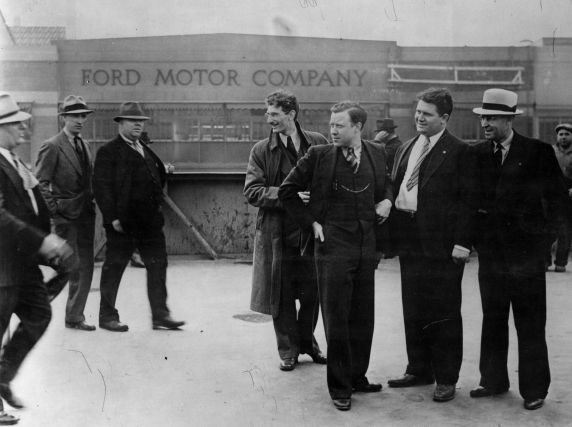
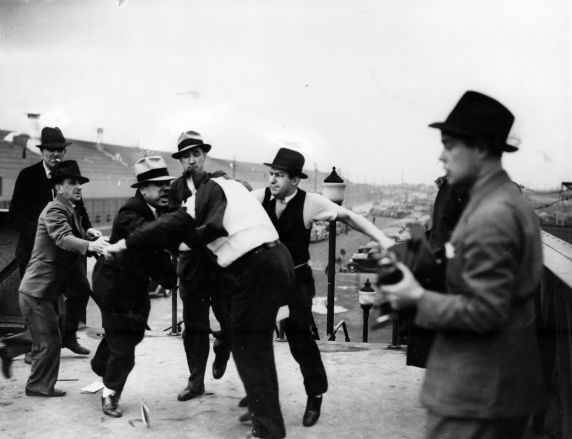
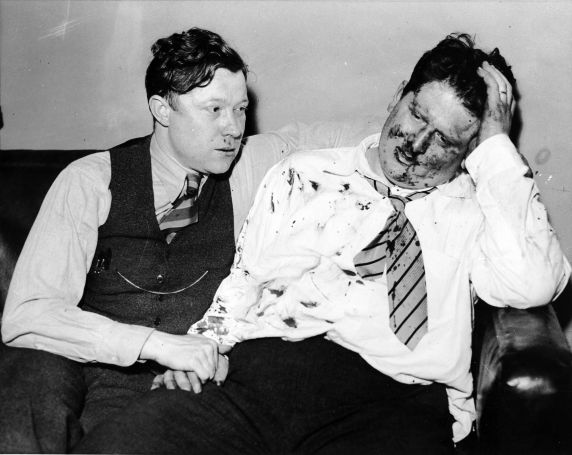
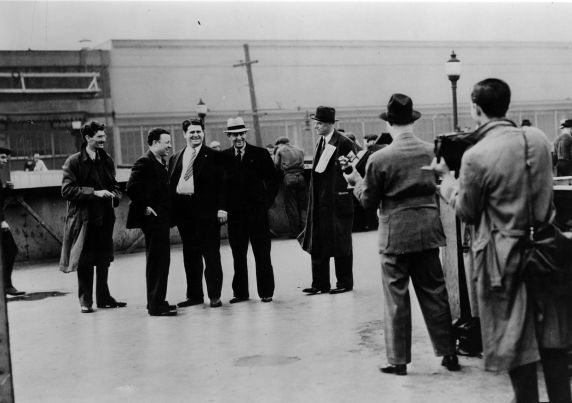
On this day in 1937, nearly sixty UAW members from Local 174 arrived at Ford Motor Company’s River Rouge Plant to pass out leaflets, with city permit in hand, as part of a campaign to secure union representation for Rouge workers. Several neutral observers were also present, including clergy, reporters, and photographers. In order to access the greatest number of workers, participants met at the pedestrian overpass on Miller Road at Gate 4 of the complex during a shift change. As UAW leaders Walter Reuther, Robert Kantor, Richard Frankensteen, and J.J. Kennedy posed for photographers, they were approached by members of the Ford Service Department and severely beaten. Women from UAW Local 174’s Ladies Auxiliary, reporters, and photographers standing below the overpass were also attacked. Detroit News photographer James Kilpatrick captured the beatings in vivid detail. When men from the Service Department threatened Kilpatrick and demanded that he turn over his film, the photographer concealed the actual negatives and gave them blank plates instead. Over the next few days, widespread publication of photos from the “Battle of the Overpass” made headlines across the country. The photos, in conjunction with testimony during the subsequent hearings from medical personnel who treated the injured, brought national attention to the brutal methods utilized by Ford and other companies to fight union organizers. This victory in public opinion was crucial for further advances by organized labor. As one of the most famous events in the history of the American labor movement, the “Battle of the Overpass” set in motion a series of efforts that resulted in a crippling strike at the Rouge Plant and final recognition of the UAW by the Ford Motor Company in 1941. It also cemented Walter Reuther’s importance within the UAW and paved the way for his pivotal years as president. 📸 @ReutherLibrary
1
34
66
5,133
May 24
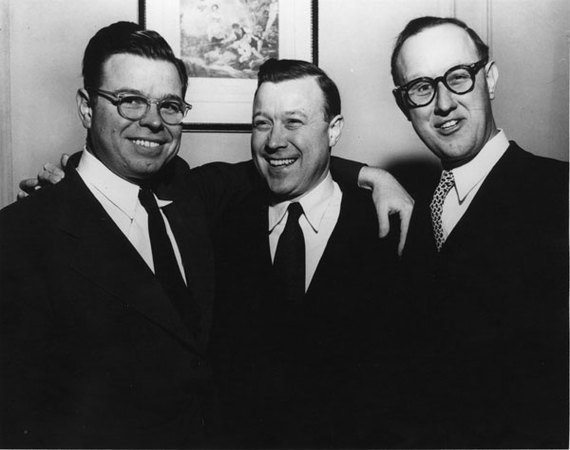
Happy #NationalBrothersDay! The Reuther brothers — Roy, Walter, and Victor — embodied courage and solidarity, leading a historic fight for social justice that spanned decades. Their vision transformed the lives of working people and shaped the UAW’s legacy. Discover their remarkable journey in 'Brothers on the Line: brothersontheline.com 📸 @ReutherLibrary
3
16
1,262
May 23
The UAW Constitutional Convention is almost here! This June in Detroit, your elected delegates will come together to shape the future of our union. Through open debate and collective decision-making, we’ll set the course for the next four years—because our strength is in our democracy. #UAW #UnionStrong @ReutherLibrary
5
7
28
1,568
May 17
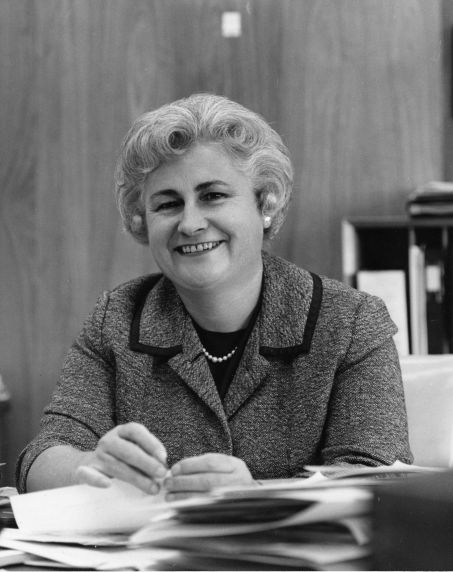
Today, we remember Olga Marie Madar, born on this day in 1915. Madar was the first woman to serve on the UAW International Executive Board, and the first woman to serve as UAW International Vice-President. Born in the coal mining town of Sykesville, Pa., Madar moved to Detroit with her family during the Depression. After graduating from Northeastern High School in 1933, she began to spend her summers working on the assembly line at Chrysler’s Kercheval plant and the Bower Rolling Bearing plant in order to fund her college education. In 1938, Madar graduated from Michigan Normal School (now Eastern Michigan University), having earned a degree in physical education. In 1941, Madar left her teaching position to aid the war effort, taking a job at the Ford Willow Run bomber plant. It is at this time that she joined the newly formed UAW Local 50. Having taken great initiative to organize well-received community events, Madar was hired by the local to serve as director of recreation, social services and women’s activities. In 1947, Madar was appointed director of the International Union’s Recreation Department. Among her most significant accomplishments during this time was winning a long-fought battle to integrate organized UAW bowling leagues. Madar was first elected to the International Executive Board as a member-at-large in 1966, becoming the first woman to occupy the office. Four years later, Madar achieved another “first” when she was elected as a vice president, serving two terms. Her responsibilities in this position included directing the departments of Conservation and Resource Development, Recreation and Leisure-Time Activities and Consumer Affairs, as well as servicing technical, office and professional workers’ locals. Through her elected positions, Madar successfully advocated for increased hiring of women by the International Union and developed leadership training programs to prepare women for greater responsibilities in the union. Through Madar’s efforts, the UAW became the first national union to endorse constitutional ratification of the Equal Rights Amendment (ERA) in 1970. In that effort, Madar established various coalitions including the Michigan Women’s Political Caucus and the Network for Economic Rights to make the ERA a political priority beginning in 1971. A lifelong advocate for equal rights, Madar strove to eliminate discrimination against women and minorities in the workplace and community. To grant working women a greater voice in their unions, Madar played a key role in developing the Coalition of Labor Union Women (CLUW), an AFL-CIO-affiliated group to which she was elected national president at its founding convention in 1974, the year she retired from a 30-year career with the International Union, UAW. Former UAW President Doug Fraser called Madar “a trailblazer in the struggle for equal rights.” She died in 1996, leaving an immeasurable impact on the UAW and working women across the country. 📸 @ReutherLibrary
2
4
27
1,423
May 16
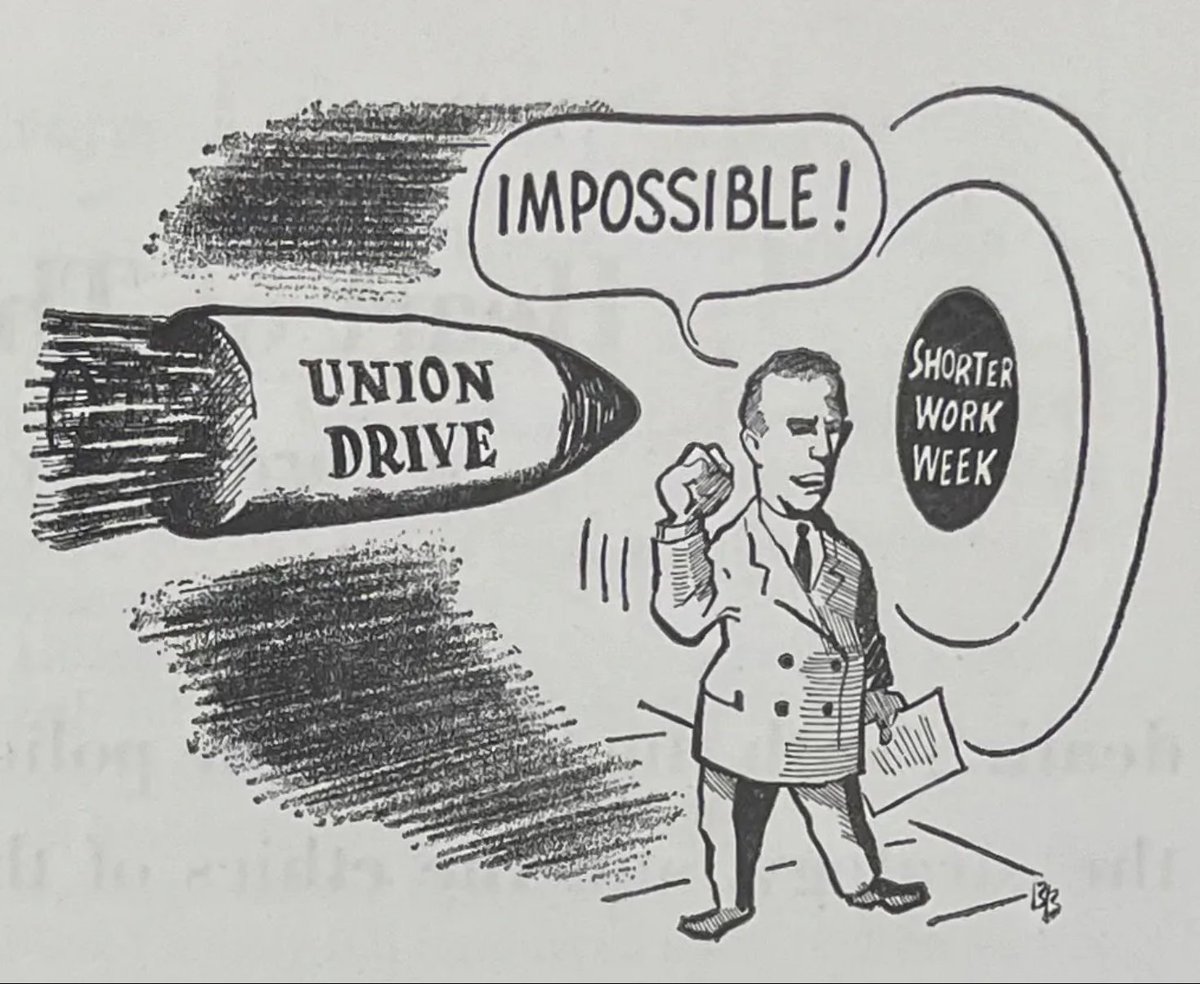
Cartoon from the UAW's Ammunition magazine, 1957. From the union's archives at the @ReutherLibrary.
2
48
461
14,725
May 3
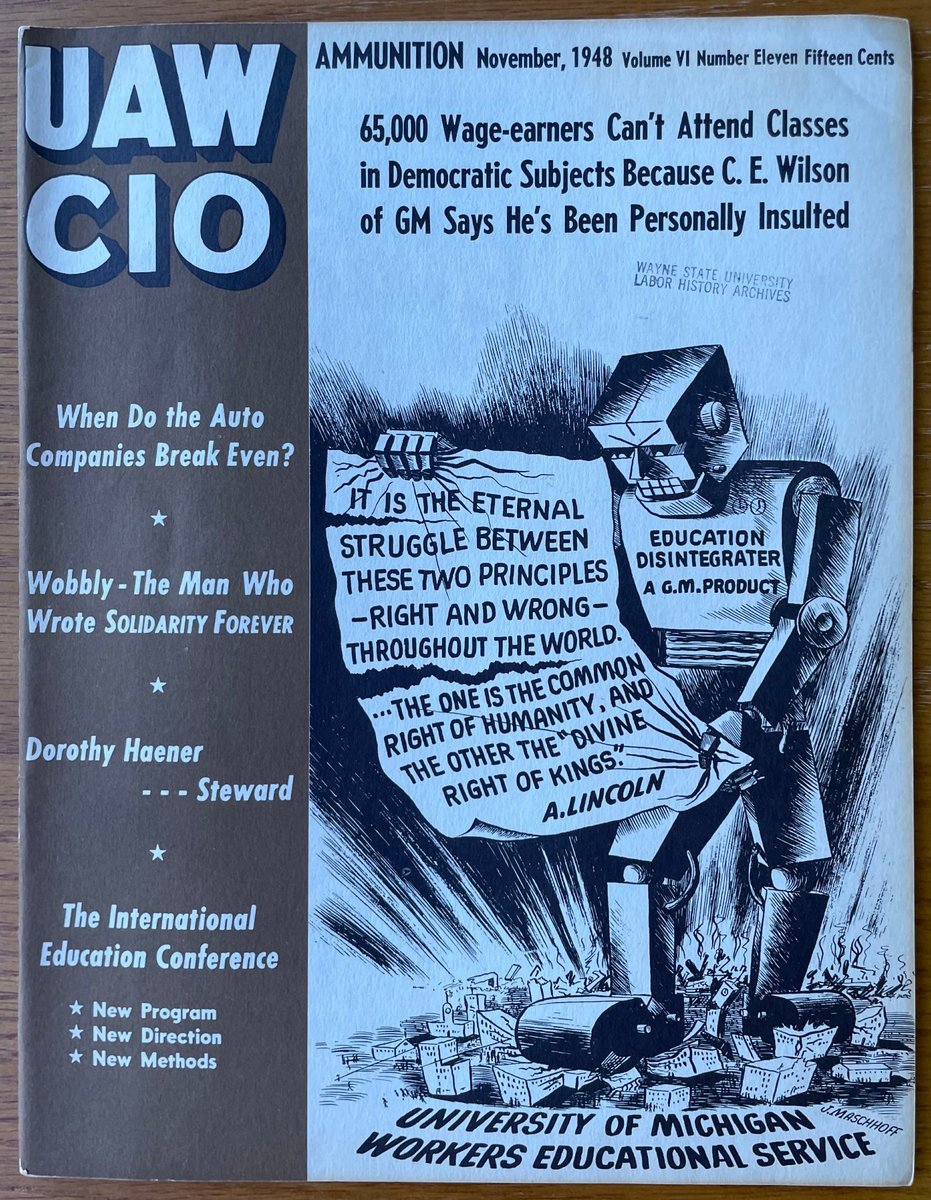
Cover of UAW Ammunition magazine, 1948. From the archives at the @ReutherLibrary.
2
20
1,040
May 2
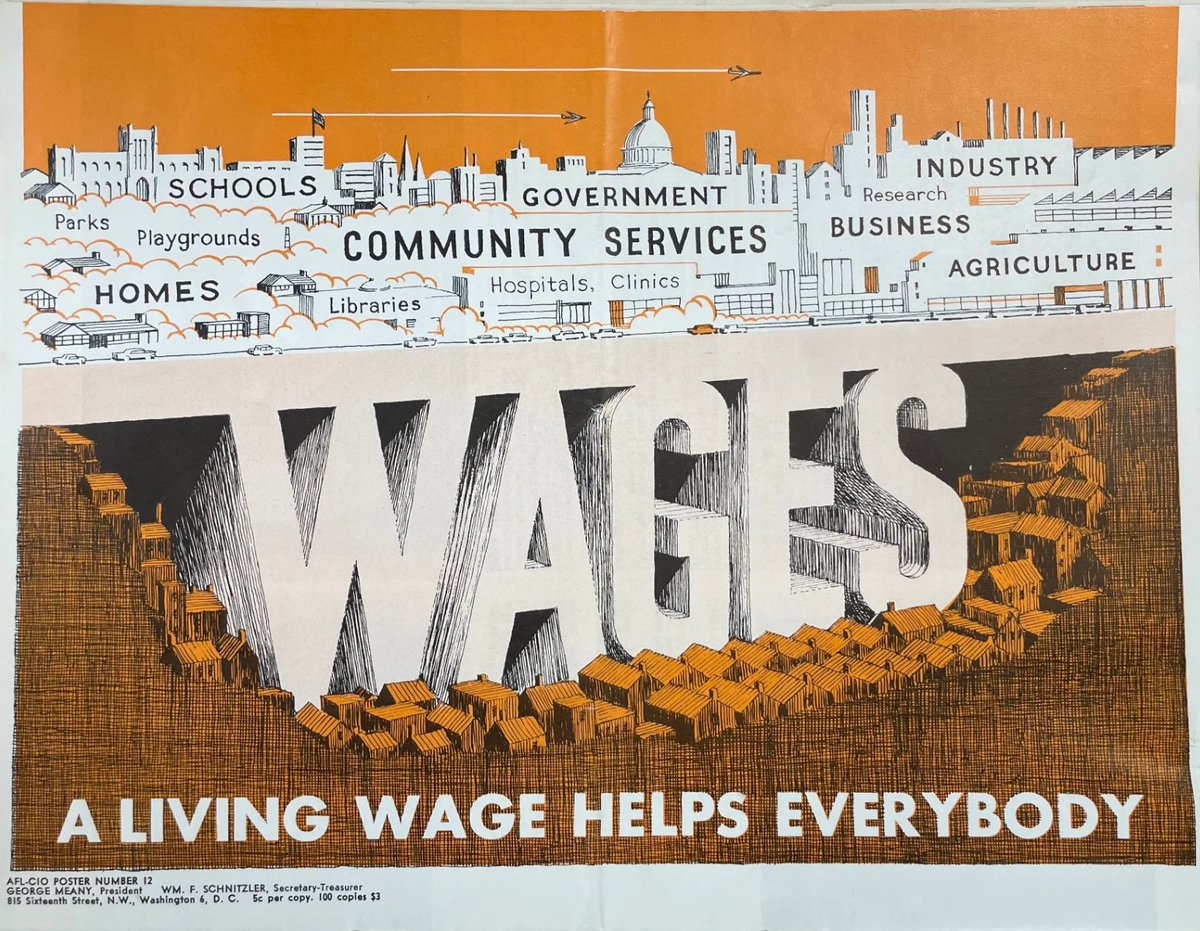
“A Living Wage Helps Everybody” From a 1960 issue of @AFLCIO Education News and Views. UAW Community Services Dept: Mildred Jeffrey Records at the @ReutherLibrary.
4
24
67
2,584