
Ουίς Φάιαρ retweeted

Jun 5
Artists from Papua New Guinea, Wallis and Futuna, Rotuma, Kiribati, Niue, and Sāmoa will showcase the full cultural wealth of the Moana.
#PacificDanceFestivalNZ #CallToWallis #Kamataaga #MarewenKiribatiYouth #VignetteoftheFrigate
pmn.co.nz/read/arts/moana-ma…
2
1,083

May 29
82
May 18
#FijiTimesNews | “Personally, growing up, we’ve been told that Rotuma Day is a day where you get to celebrate your identity,” Miss Hibiscus 2025 Rhyelle Aisea. #Fiji #FijiNews fijitimes.com.fj/young-voice…
66

May 17
171

Place where someone live or reside.
Samoan, Tongan, Tuvalu, Uvea - nofo
Cook Islands, Tahiti Marquesas - noho
Rotuma - noho/noh
Western Fiji (Nadroga, Ba, Navosa) - no
7
303

May 14
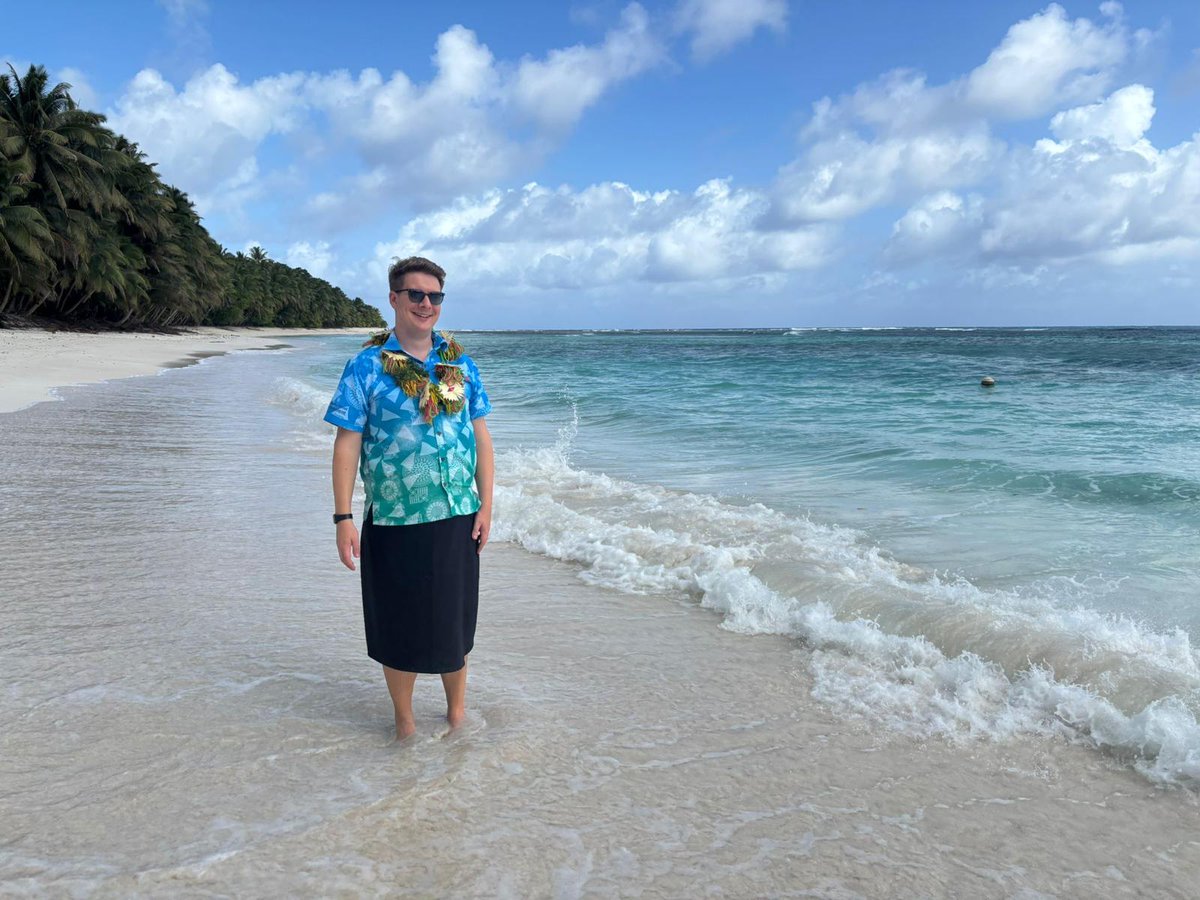
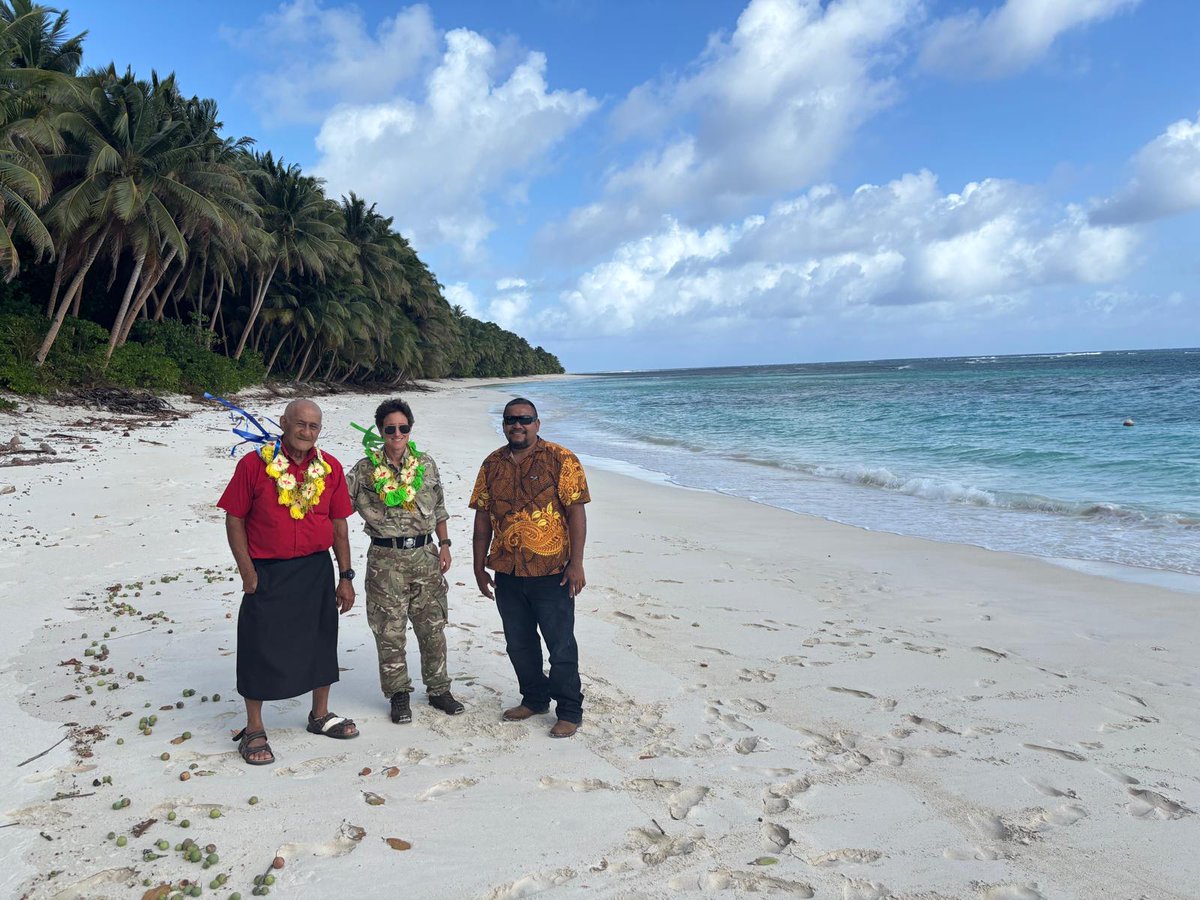
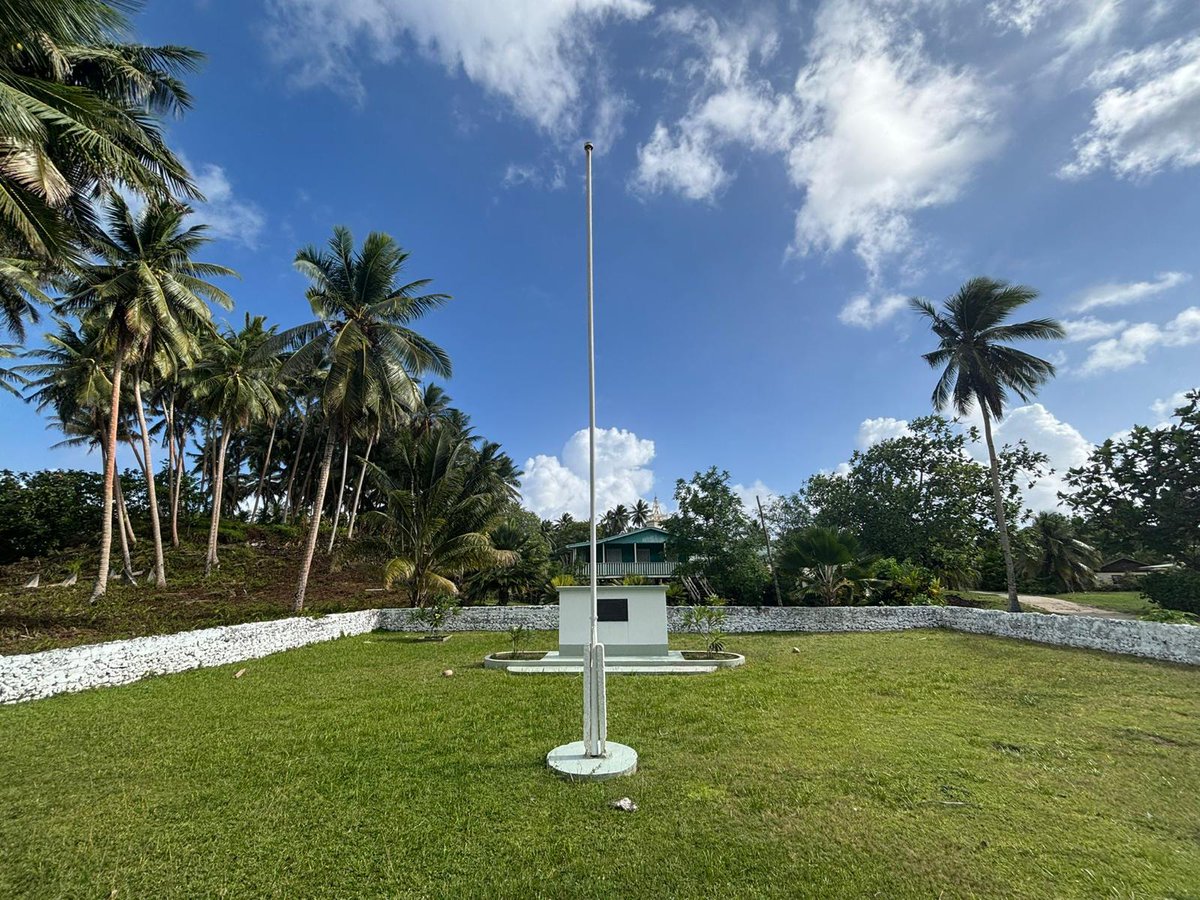
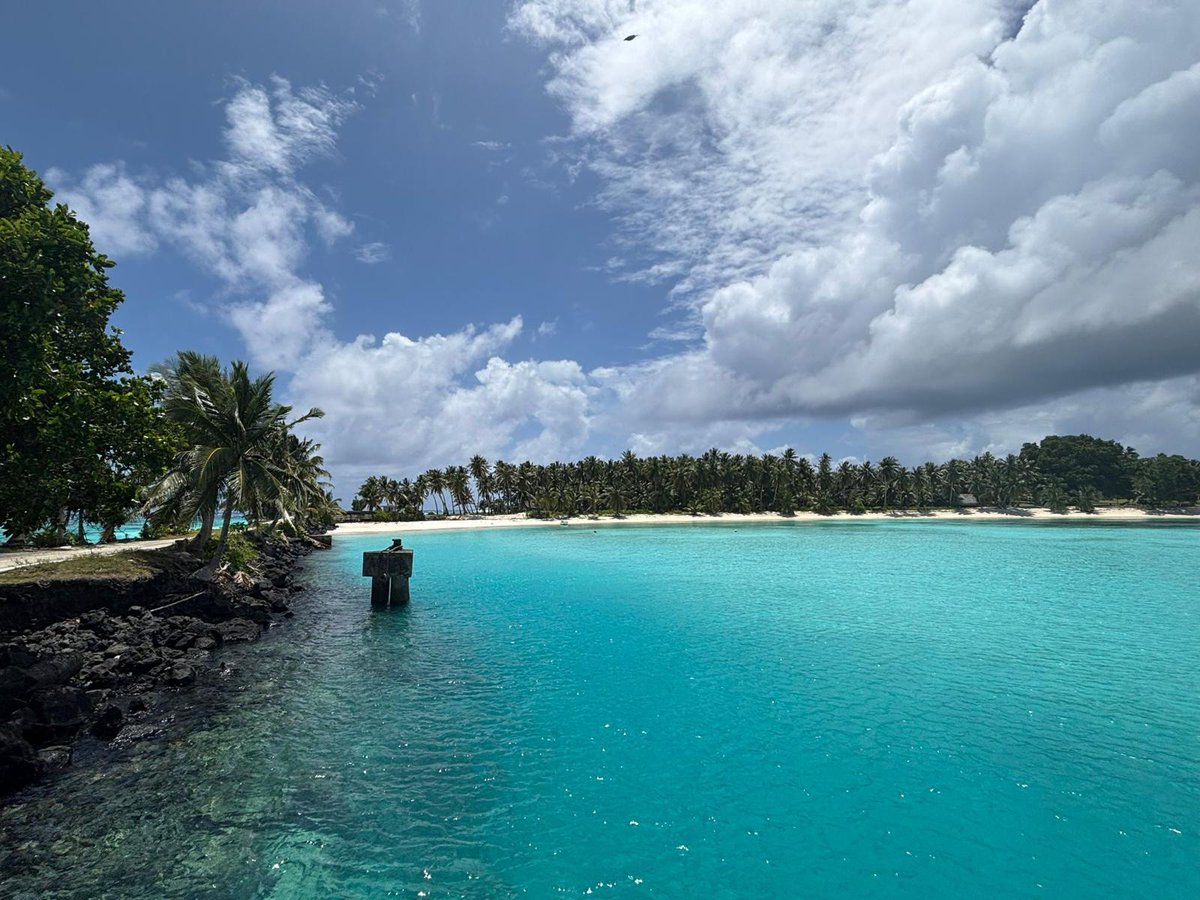
Noa’ia e mauri from the British High Commission this Rotuma Day!
We are proud to share moments from our team’s visit to Rotuma last year, where we were honoured to be hosted in the traditional style, with great hospitality and kindness.
1
5
191

May 12
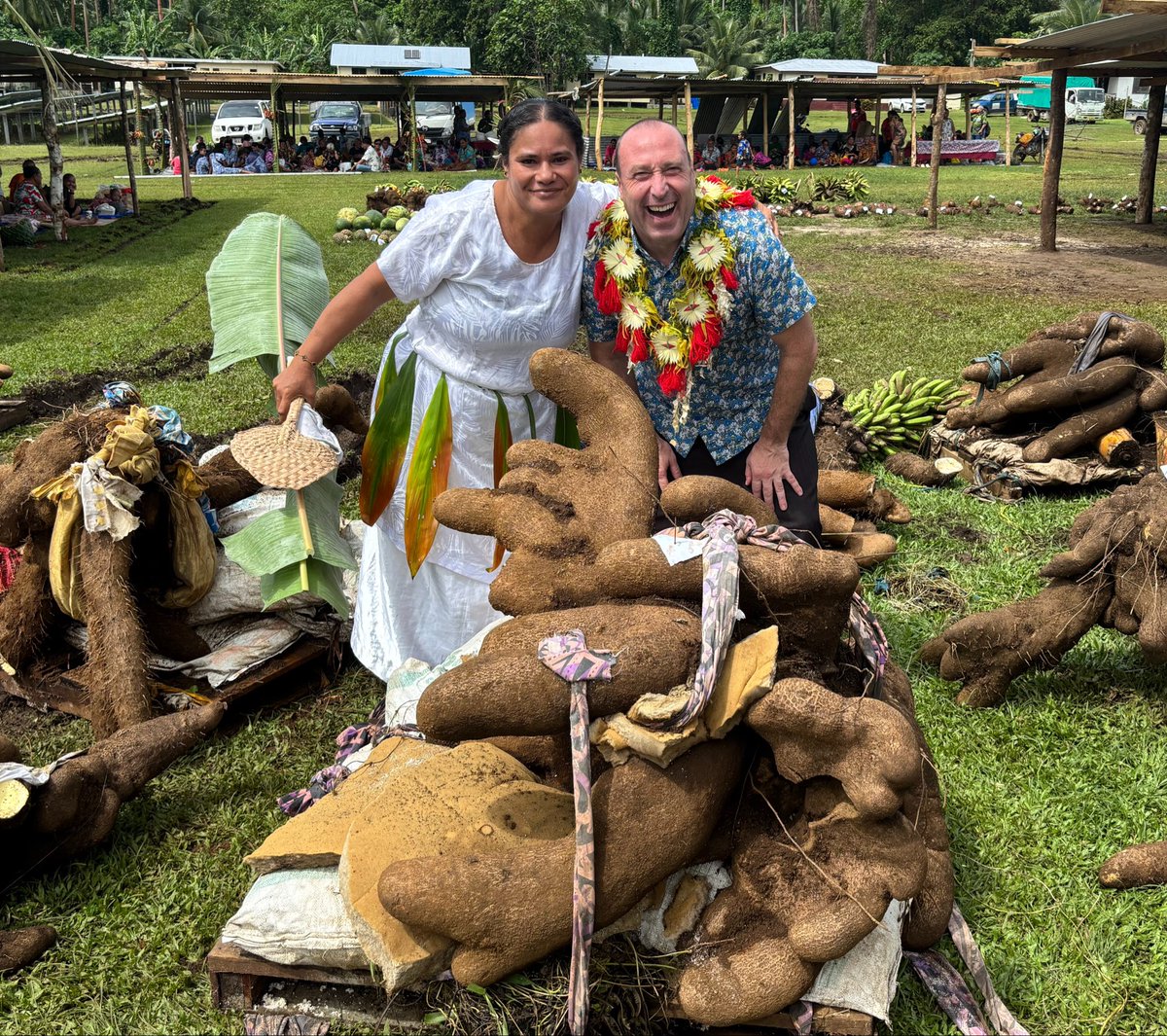
Today is Rotuma Day - was honoured to visit last year for the commemorations. Such an amazing place. Rotuma is very productive so here is a flashback to the fantastic agriculture competition I saw - with the biggest yams you will ever see (138 kg I think).
1
2
30
596

Apr 30
From the Island of Rotuma to the 2026 Coca-Cola Games, Ana Taito proudly represents Rotuma High School. Grounded in faith and strength, she stands on Philippians 4:13, “I can do all things through Christ who strengthens me.”
#Fiji #CocaColaGames2026 #MaiDrive #MaiTV
1
5
53

Apr 26
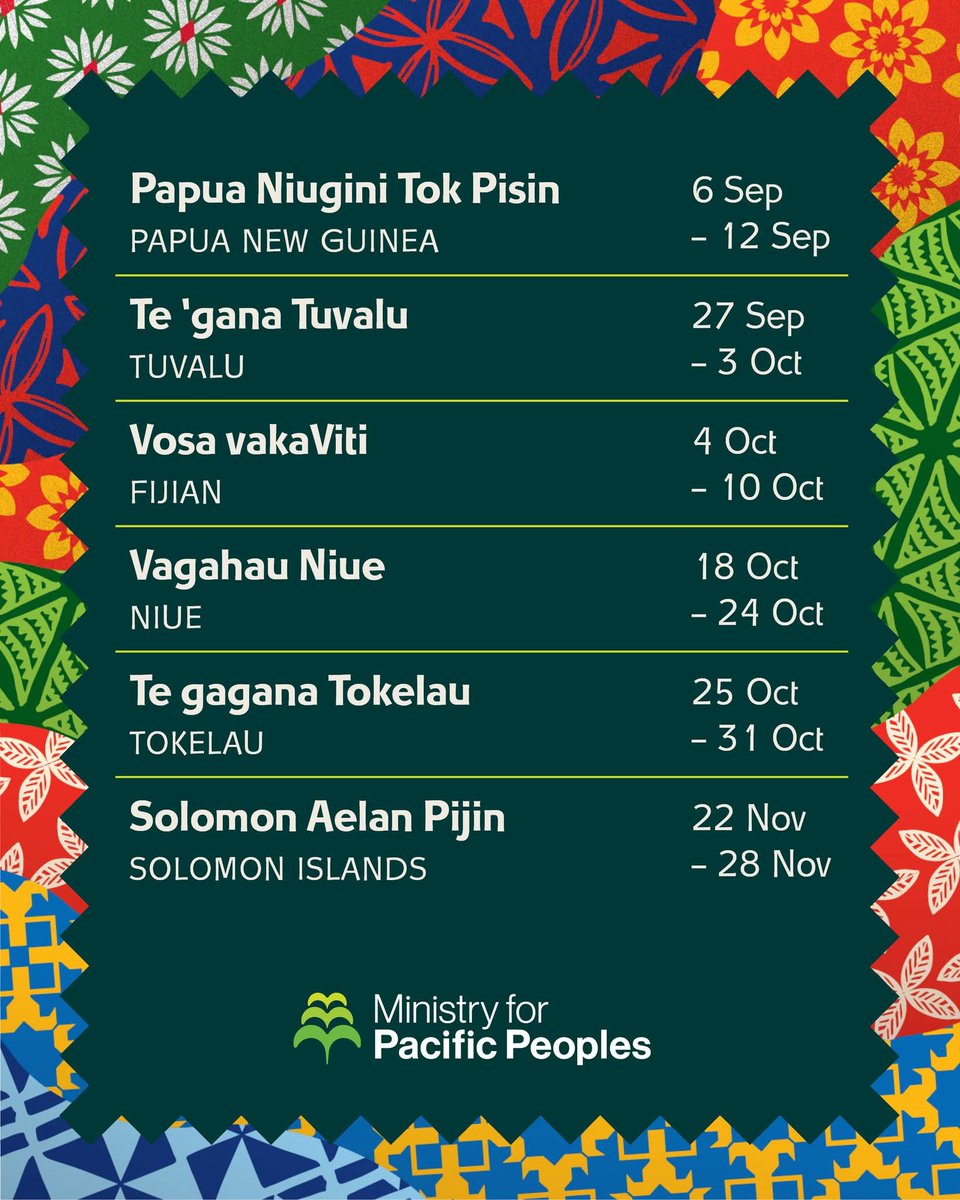
✨Pacific Language Weeks are coming soon in #Aotearoa✨
We're nearly ready to kick off Pacific Language Weeks for the year, starting with Rotuma Language Week on 10 May. #Bislama coming July.🇻🇺
You can find the dates for all 12 language weeks here: bit.ly/3JRSZ3V


1
4
78

Apr 23
As a GSB with ancestry hailing from Salcette in Goa this whole episode leads to a mixed bag of emotions & also some questions (about Hindutva's approach to Christianity).
Almost all GSB families were victims/survivors of the Goan Inquisition & would've a branch that would've become Catholic (under duress) if you go far back enough. I recently visited the village in Goa (now almost 95% Christian) from where my ancestors escaped to the Kudal/Wadi kingdom in the early 1600s. I underwent extremely mixed emotions when I was there which I really can't put into words. As a GSB Konkani you are always exposed to Catholicism & we often take part in church activities while maintaining our Hinduism.
This brings me to the difference in how Hindutva types view Christianity vs Islam. Islam & the condition of Hindu minorities in Pakistan & Bangladesh entirely occupies the mindspace of these people. Their obsession with India’s Muslim neighbors is because these people are atheistic Indian nationalists & not practicing Hindus worried about the well-being of Hindus across the world. If they did the following instances would've been more prominent in the discourse:
Southeast Asia
1. The Forced Hispanisation & Catholicization of Hindu kingdoms in the Phillipines that was contemporary to the Goan Inquisition (more in comments).
2. The campaign by the Protestant Methodist Church of Fiji & Rotuma that resulted in Fiji going from 55% Hindu majority to 24% today (that included military coups, forced conversions to Christianity, burning of Hindu homes, assault & destruction of temples & rapes of Hindu women).
Africa:
1. The forced Catholicization of Thamizh Hindu indentured laborers in Reunion (with attempts at revival of Shaivism there in full sway).
2. The Durban Riots in 1949 that involved mass killings, arson & destruction of property & rapes of Indo-South Africans. The aftermath led to a large number of suicides within the community. After decades of failed attempts it spurred conversion to Pentecostal Protestant Christianity with only 37% Indo-South Africans being Hindus today.
Caribbean:
1. The repression in Guyana 1964 onwards coinciding with the overthrow of Chhedi Jagan's regime & including events like the stabbings in Enterprise & the Wismar Massacre. Led to a significant minority converting to Protestant Christianity.
Europe:
1. The lack of legal recognition, regular demolition of temples & attempts to ban Hindu scrips especially the Bhagwad Gita in Russia backed by the Orthodox church.
2. The lack of legal recognition & legal suppression of Hinduism as a "cult" in Malta (a Catholic theocracy) leading to almost half of the community converting to Catholicism.
Recently, English-speaking democracies are seeing aggressive calls for forceful "assimilation" (beyond the adoption of English & the national civic culture) of non Christian brown communities implying conversion to Christianity & adoption of Christian names.
None of this is ever highlighted or sought to be addressed by the Hindutva types or their ecosystem. They're fixated with the Muslim community whereas nothing similar has happened to Hindu diasporas in Christian majority countries. Infact Hindutva types claim inspiration from the Reconquista & the creation of the European & Western identity that excluded Muslims & wish to repeat the same. The most toxic anti Muslim narratives of the Hindutva ecosystem: Love Jihad & Mob Lynching, both come from the Christians of Kerala & the Northeast. This is especially ironic when the atrocities mentioned above from Philippines to the assimilation debate involve Hindus & Muslims as victims equally & together. Maybe there is a lesson in this for the future?
Apr 22

Gautam Khattar's Brother Madhav Khattar Brought To Goa
A team of Vasco Police has returned to Goa from Dehradun with Madhav Khattar, brother of prime accused Gautam Khattar, who had made derogatory remarks against St. Francis Xavier at an event in Vasco. Madhav Khattar will be handed over to the Crime Branch for further investigation.
#goanews #goapolice #crimebranch #gautamkhattar #mopa

18
68
147
13,826



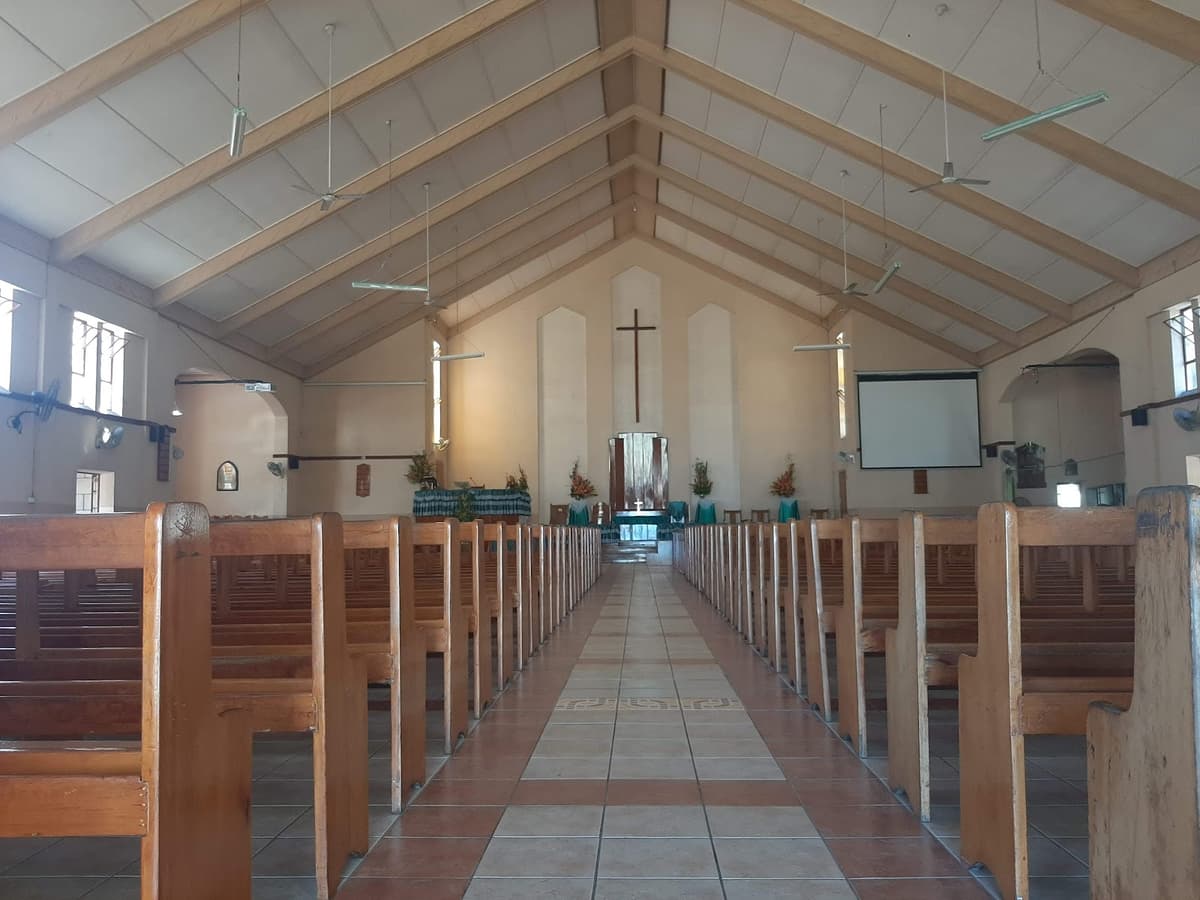
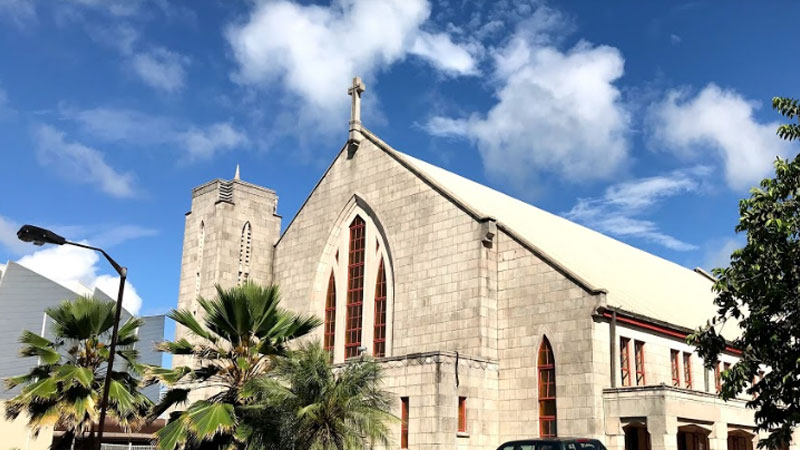
Centenary Methodist Church, Suva, Fiji (Methodist Church of Fiji and Rotuma)
2
12
349
Apr 13
A question has always intrigued me.
Despite being a minority the Thamizh Hindus via the LTTE created an entity that fought back hard against the Sinhalese military & religious & ethnic chauvinists. Why couldn't the Hindus of Fiji or Guyana do the same?
The vastly different response of Eelam, Fijian & Guyanese Hindus to violent (religion ethnicity based) oppression is striking. They're all descendants of indentured laborers with similar indicators & demographics. Hindus from Eelam & Malaysia are Thamizh whereas those from Fiji-Guyana hail from UP, Bihar & Haryana.
Hindus were the majority in Fiji & the campaign by the Methodist Church of Fiji & Rotuma backed by the Fijian army resulted in Fiji going from 55% Hindu majority to 24% today (that included military coups & forced conversions).
Following the deposition of Chhedi Jagan in 1964, there was widespread repression in Guyana under the Forbes Burnham administration that included events like the Wismar Massacre.
In both Fiji & Guyana the Hindu community preferred to immigrate out in large numbers rather than stay & put up a militant resistance like the Eelam Thamizh. Why?
Was it because unlike the LTTE finding a benefactor & safe haven in India & the Fiji-Guyanese finding nothing of that sort? Was there even an attempt at a resistance? Can someone please explain how & why was the community targeted in the way that it was especially wrt Great power competition?
@ShawnBinda @DennisRChandra @Agathyan____ @ArunAnnow
Apr 12

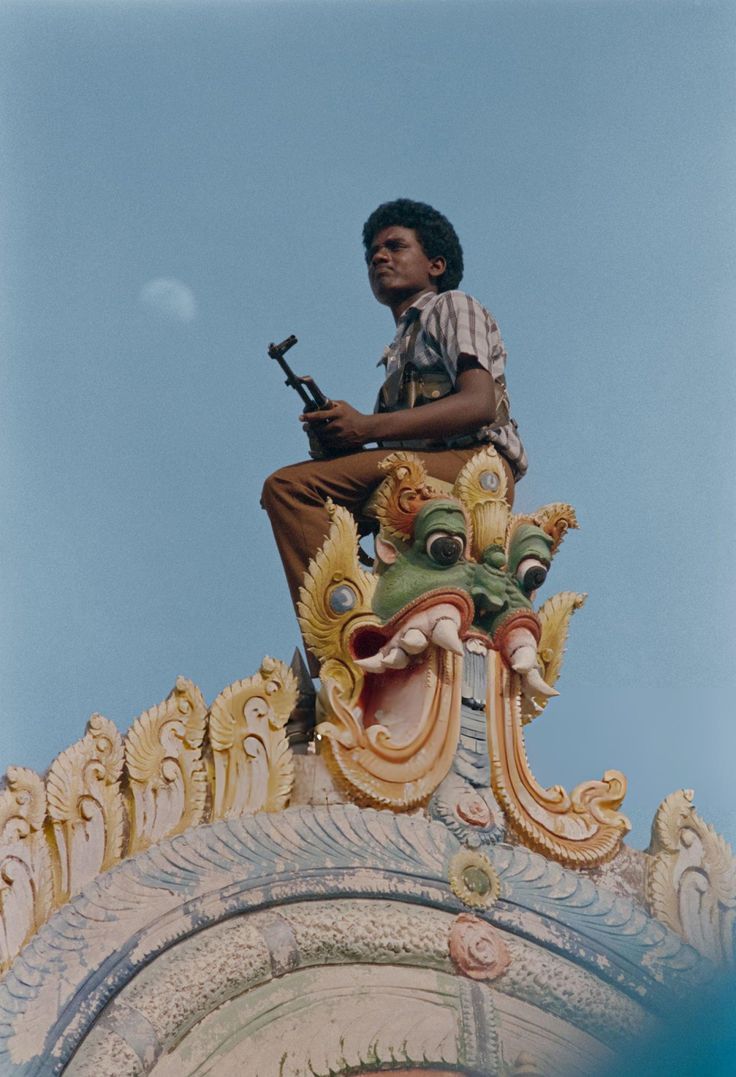
A Tamil rebel standing guard at a Hindu temple in Jaffna during the 1980s.
7
3
6,598

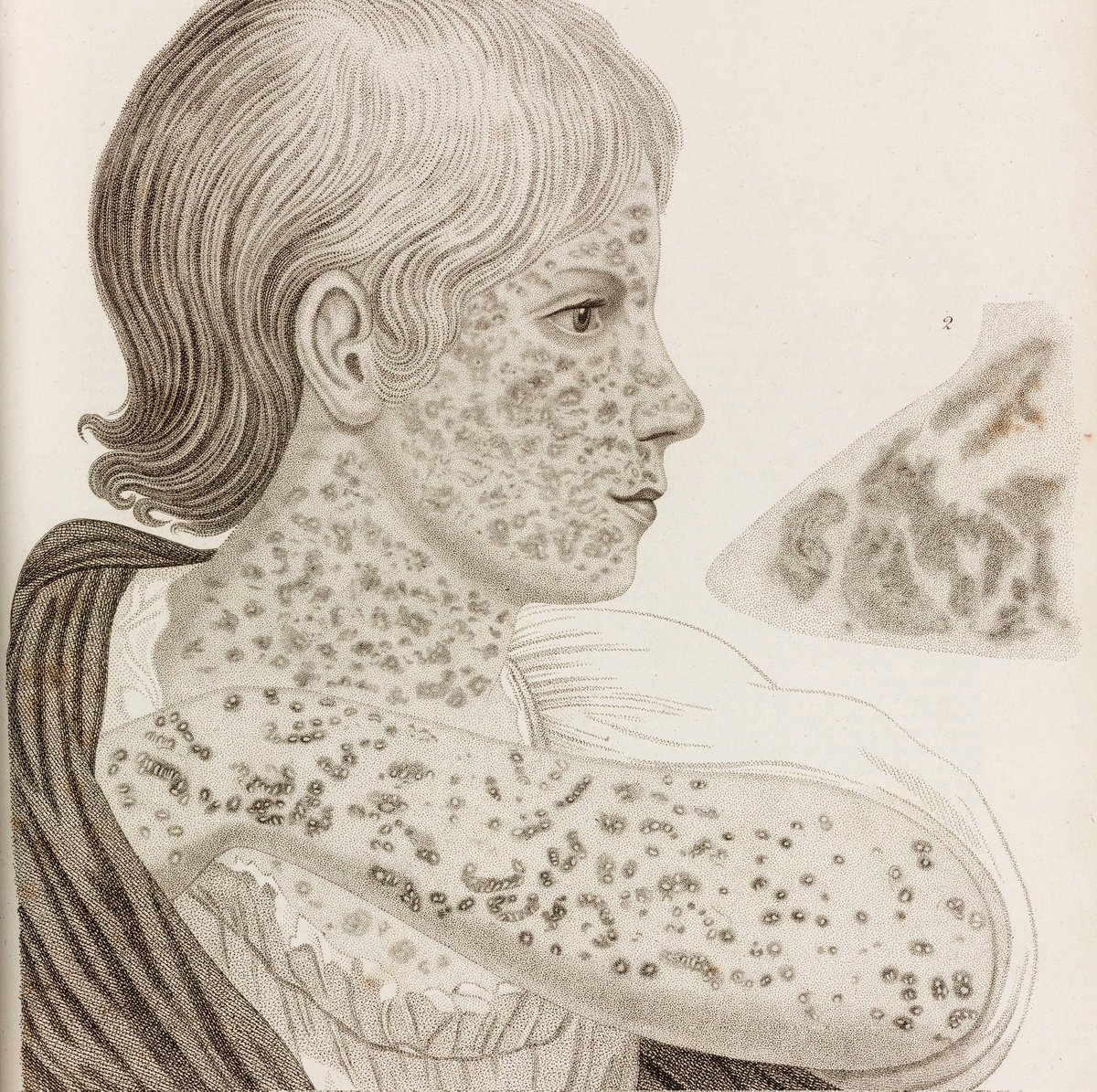
The origin of measles is thought to have been zoonotic, evolving from rinderpest, an infectious viral disease found in cattle, bison, and other hooved animals.
A precursor to measles began sporadically infecting humans as early as the 4th century BC, and over time evolved to become a distinct virus that infected humans.
The first systematic description of measles, and its distinction from smallpox and chickenpox, is credited to the Persian physician Muhammad ibn Zakariya al-Razi, who lived from 860 to 932 AD and published The Book of Smallpox and Measles.
Sometime between AD 1100 and 1200, the measles virus fully diverged from rinderpest, becoming a distinct virus that infects humans, at a time when medieval European cities had grown large enough to sustain an epidemic.
With the discovery of America and European colonial expansion from the 17th century onwards, measles spread throughout the world from the Renaissance to the 20th century.
In 1529, a measles outbreak in Cuba killed two-thirds of those Indigenous people who had previously survived smallpox, and two years later, measles was responsible for the deaths of half the population of Honduras.
The disease also ravaged Mexico, Central America, and the Inca civilization, leaving behind one of the most catastrophic demographic collapses in human history.
Regions of the world without previous exposure to the measles virus were particularly vulnerable, with outbreaks taking devastating effect in isolated communities such as the Faroe Islands in 1846, Hawaii in 1848, Fiji in 1875, and Rotuma in 1911.
The 1846 Faroe Islands outbreak became a landmark moment in medical history, as measles had not visited the islands in 60 years, leaving nearly the entire population without immunity.
The Danish physician Peter Ludwig Panum was sent by the Danish government to study the severe Faroe Islands epidemic, and this 26-year-old doctor spent five months conducting a remarkable epidemiological study of measles.
Measles killed 20 percent of Hawaii's population in the 1850s, and in 1875, measles killed over 40,000 Fijians, approximately one-third of the total population.
In 1757, Scottish doctor Francis Home discovered that measles was caused by a pathogen by transmitting the disease to healthy individuals using the blood of infected patients.
In 1912, measles became a nationally notifiable disease in the United States, and in the first decade of reporting, an average of 6,000 measles-related deaths were reported each year.
Before vaccination became available, measles was a common and often serious childhood illness, with nearly everyone in the United States contracting measles by adolescence, infecting an estimated 3 to 4 million people each year.
In 1954, John F. Enders and Thomas C. Peebles collected blood samples from ill students during a measles outbreak in Boston, Massachusetts, successfully isolating the measles virus in 13-year-old David Edmonston's blood.
In 1963, John Enders and colleagues transformed their Edmonston-B strain of measles virus into a vaccine and licensed it in the United States, and by 1968 an improved and even weaker measles vaccine was developed by Maurice Hilleman.
By the late 1970s, routine childhood immunization campaigns had cut measles infections by over 90%, and in 2000, measles was declared eliminated in the United States.
Despite this triumph, measles has continued to resurge globally wherever vaccination rates fall, proving that one of humanity's oldest enemies remains far from defeated.
#archaeohistories
3
28
93
7,635

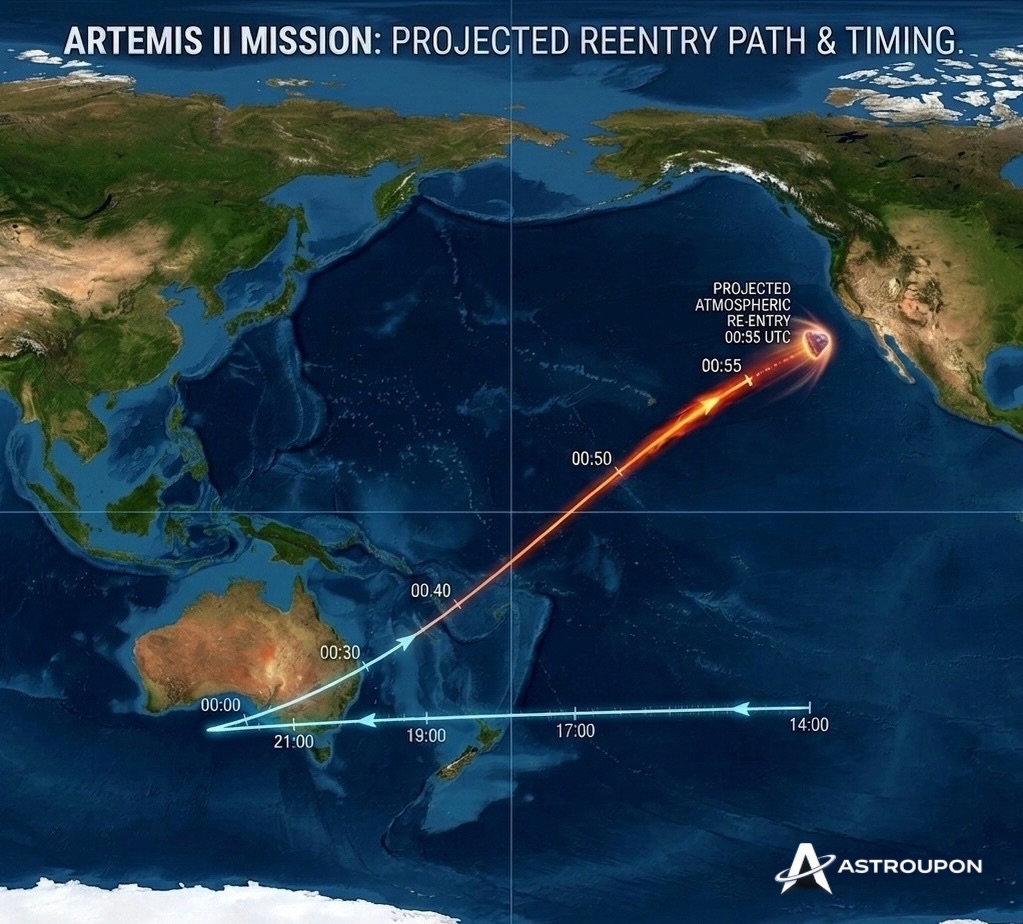
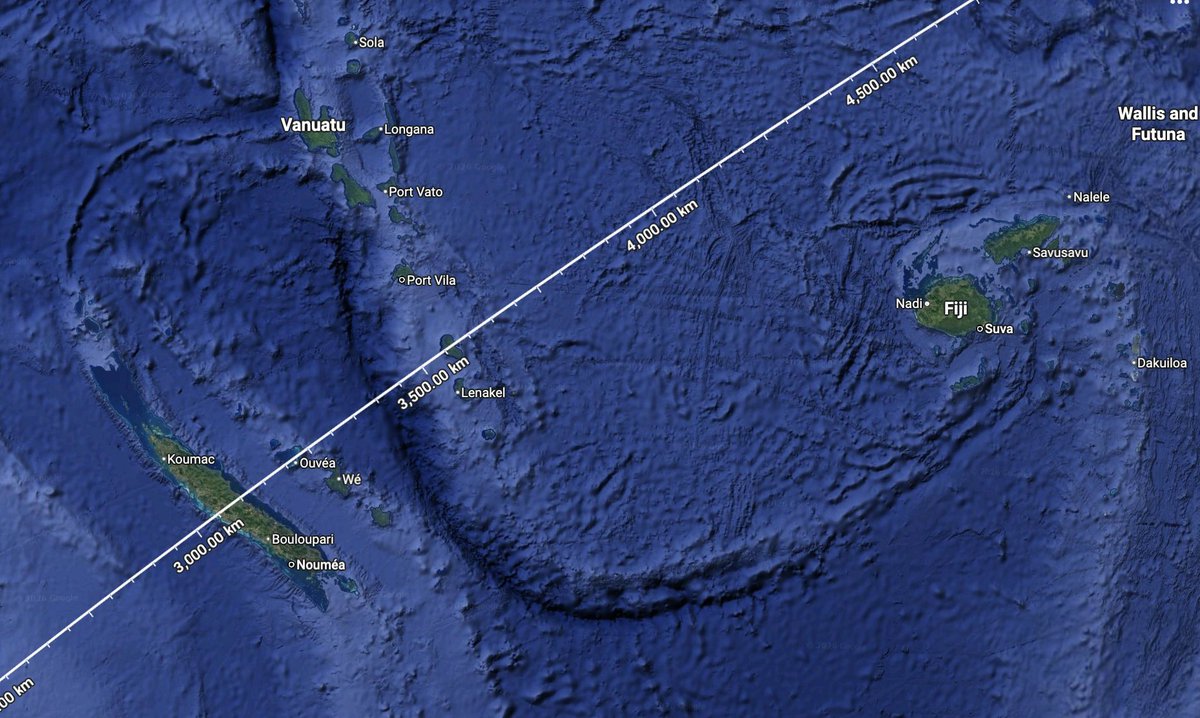
NASA’s Artemis 2 space off San Diego at 00.07 GMT April 11, Fiji 12.07pm Saturday.
Passes over New Caledonia, Erromango in Vanuatu, &
Fiji’s Rotuma. Artemis 2 passes over EEZs of Tuvalu & Kiribati, its track does not take it close to occupied islands.
1
2
512